Refine
Estimated Years 1910-1919Clear
1,849 results foundRefine Search
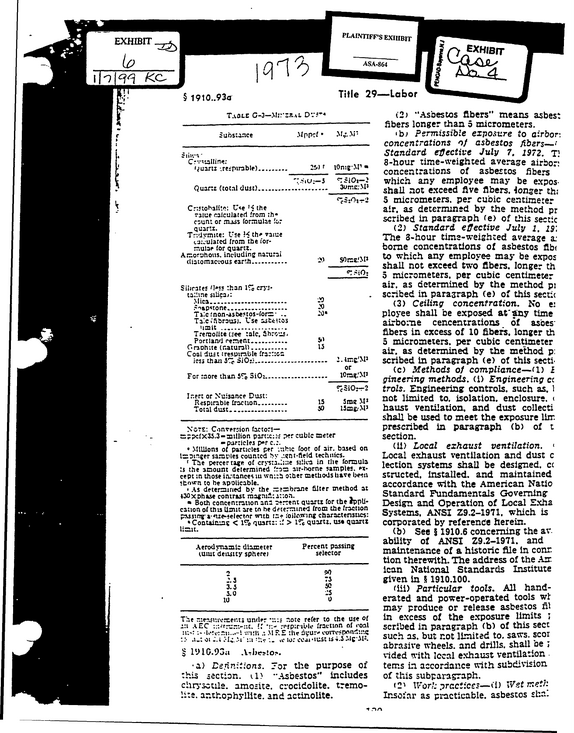
1910..93a T.lOLE G-3--Mr'EJUL DV5-* cuosunce Mppc/ M* cuivi' Crv?
refid# 7M421e32kR7rE3Z3R5aO58JnV5 pages
y^,,a/vv/ J>- h'J ~' ?
refid# jm5vjrrO13x5NG3RLoRx5EoaO2 pages
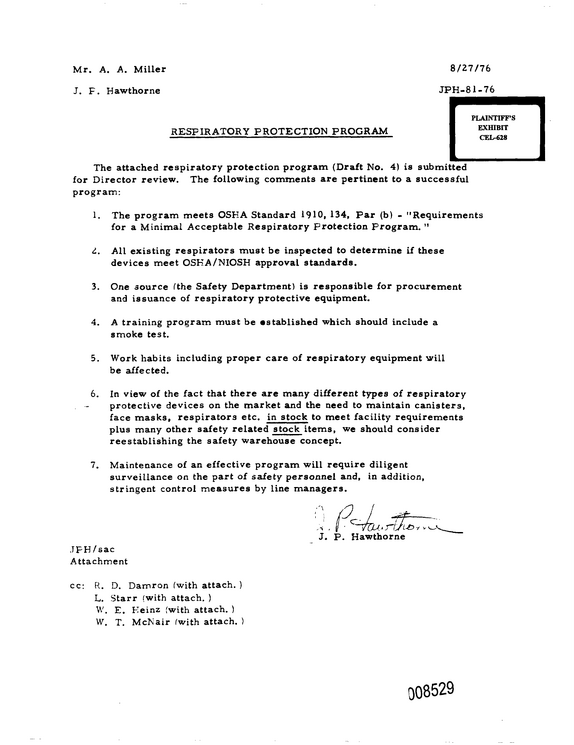
Mr.
refid# 0qzKOYRqkGRG3Y5QNn7EOZjMR1 page
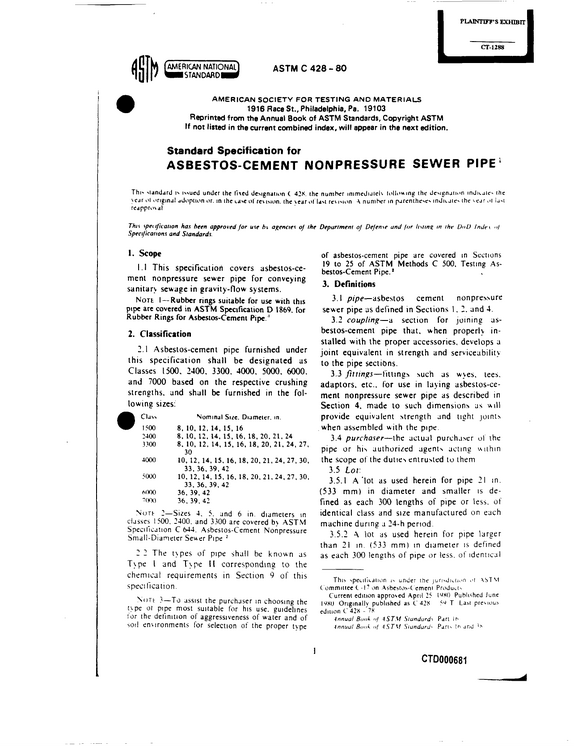
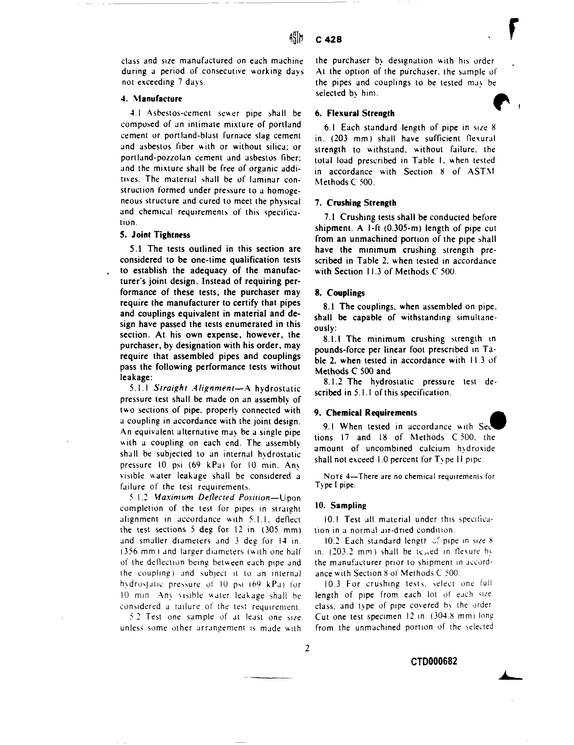
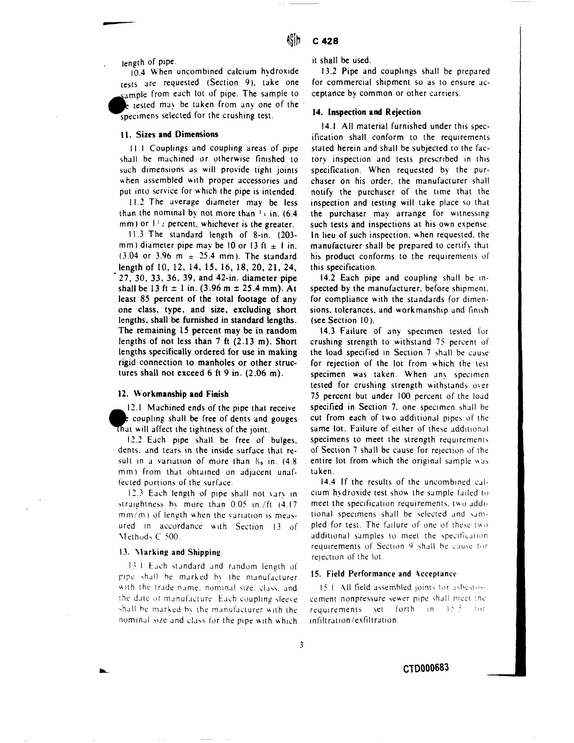
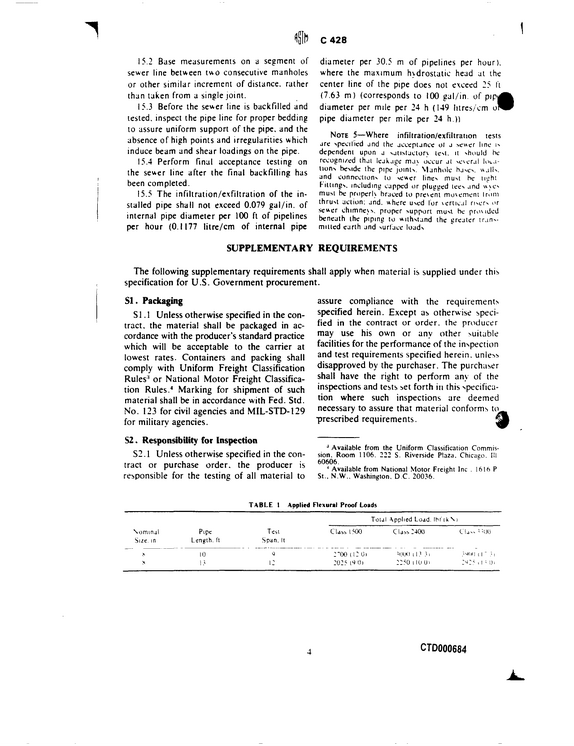
[AMERICAN NATIONAL] ^STANDARD** ASTM C 428 - 80 AMERICAN SOCIETY FOR TESTING AND MATERIALS 1916 Race St., Philadelphia, Pa. 19103 Reprinted from the Annual Book of ASTM Standards, Copyright ASTM If not listed in the current combined index, will appear in the next edition.
refid# DYdyM3L8E3X3JgbM2K77MxVd5 pages
ORDER BLANK American Society for Testing and Materials 1916 Race St., Philadelphia, Pa. 19103 Gentlemen: Dote.
refid# QMb8L1a1B7jX3JapqGxwBR6OL1 page
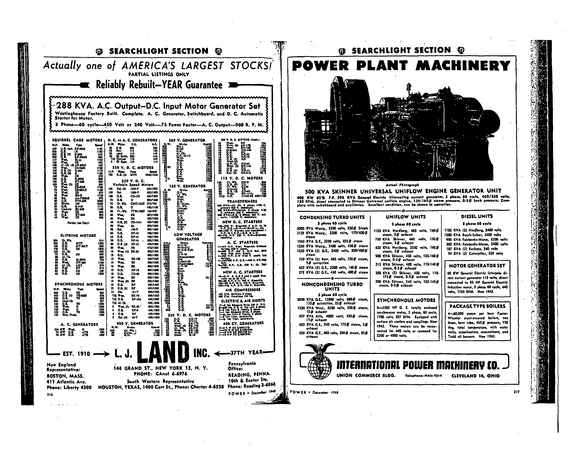
> SEARCHLIGHT SECTION Actually one of AMERICAS LARGEST STOCKS!
refid# RjRZKxmL55p1kV1G6RN7Kg6jz1 page
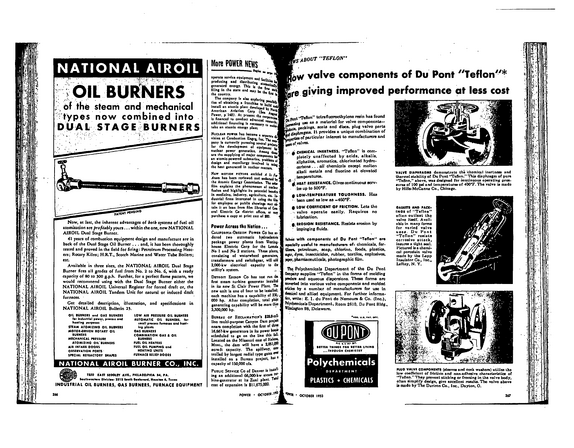
NATIONAL AIROIL OIL BURNERS of the steam and mechanical types now combined into DUAL STAGE BURNERS Now, at last, the inherent advantages of both systems of fuel oil atomization ore profitably yours... within the one, new NATIONAL AIROIL Dual Stage Burner. 41 years of combustion equipment design and manufacture are in back of the Dual Stage Oil Burner ., . and, it has been thoroughly tested and proved In the field for firing: Petroleum Processing Heat* ers; Rotary Kilns; H.R.T., Scotch Marine ond Water Tube Boilers; etc.
refid# zd76vQqkVzLzjvxddadm6gNdz1 page
American Society of Heating and Ventilating Engineers Guide, 1917 transfer rate of the water cooler is considerably higher as a general rule than that of a direct expansion cooler for the same requirements.
refid# qdVELnreDYxmwL5Nk7yg4Rzo51 page
226 Tivcuty-sctond Congress-National Safety Council 4.
refid# aM9EYjkEXMKNxERdw0YVNDqB7 pages
-HEDGES,'-H.
refid# kD9kegnedLLBwy9NoM5oGR4B01 page
6 Tieruty-prst Congress--National Safety Council C.
refid# mp04DGL54eE893RKGOqdoDkYO1 page
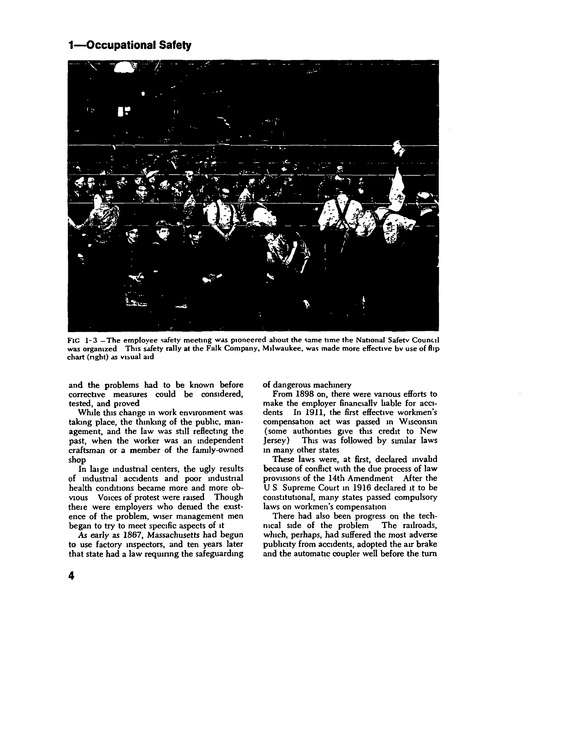
1--Occupational Safety FlC 1-3 --The employee safety meeting was pioneered about the same time the National Safetv Council was organized This safety rally at the Falk Company, Milwaukee, was made more effective bv use of flip chart (right) as visual aid and the problems had to be known before corrective measures could be considered, tested, and proved While this change in work environment was taking place, the thinking of the public, man agement, and the law was still reflecting the past, when the worker was an independent craftsman or a member of the family-owned shop In laige industrial centers, the ugly results of industrial accidents and poor industrial health conditions became more and more ob vious Voices of protest were raised Though theie were employers who denied the exist ence of the problem, wiser management men began to try to meet specific aspects of it As early as 1867, Massachusetts had begun to use factory inspectors, and ten years later that state had a law requiring the safeguarding 4 of dangerous machinery From 1898 on, there were various efforts to make the employer financially liable for acci dents In 1911, the first effective workmen's compensation act was passed in Wisconsin (some authorities give this credit to New Jersey) This was followed by similar laws m many other states These laws were, at first, declared invalid because of conflict with the due process of law provisions of the 14th Amendment After the U S Supreme Court m 1916 declared it to be constitutional, many states passed compulsory laws on workmen's compensation There had also been progress on the tech nical side of the problem The railroads, which, perhaps, had suffered the most adverse publicity from accidents, adopted the air brake and the automatic coupler well before the turn
refid# Lknj4brQqq9NREQ5B34gYEVd1 page
Vy \ l.
refid# 7aZ7DLwk2Ya2ozR0zYVdYDvV1 page
A M. cSfc>W* 3.
refid# 6j3VOKq1469j5X6M489MoNqg2 pages
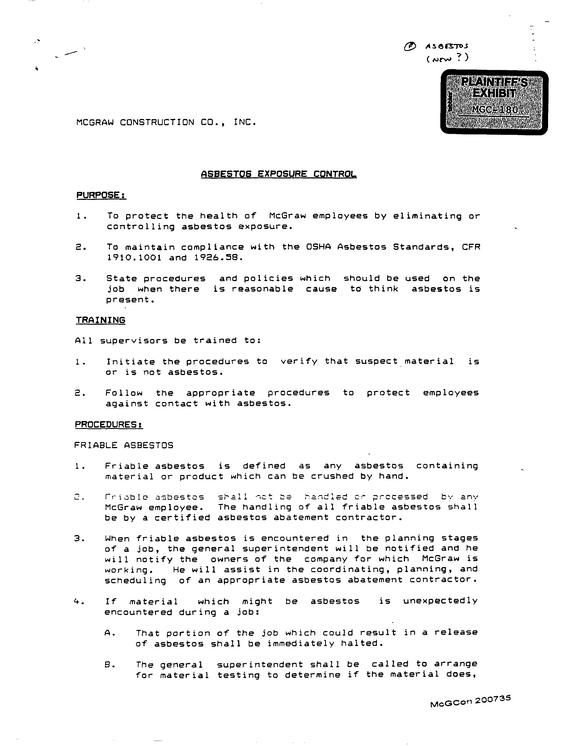
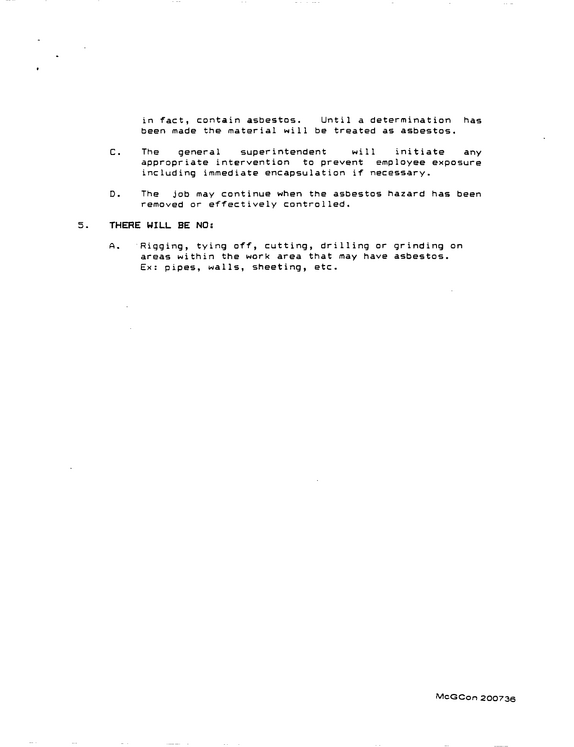
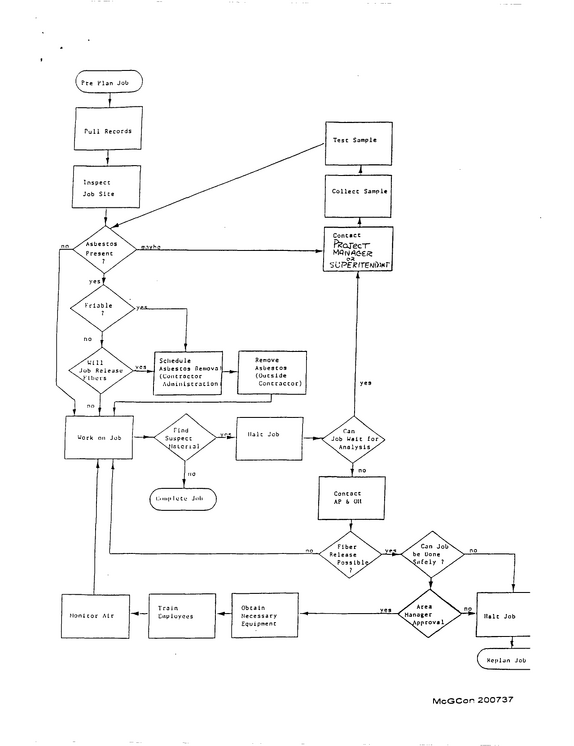
ASBESTOS EXPOSURE CONTROL PURPOSE; 1.
refid# pLBkgYog5jj7GBRg1QpMpEBa3 pages