Refine
Estimated Years 1910-1919Clear
3,972 results foundRefine Search
B 99ti mtmmmmmm uiuf~ f*ei s/*~ g iter &wp U Of MATffttAL LfVU - J *"<* * Immt mm Mi /* '*!
refid# a4kR4Z0bMaQJ7LezVjQYxkajy7 pages
FORM II *0 - ' ITEM NO.
refid# bOBaodd33M6N7NnDrJJdd8pGD2 pages
m l ' i $ - L A; !


refid# zQddkZGLQ9NbKQBJoKe8qw7937 pages
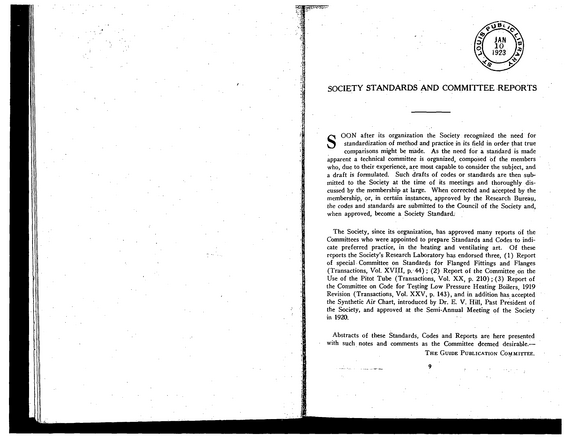
SOCIETY STANDARDS AND COMMITTEE REPORTS SOON after its organization the Society recognized the need for standardization of method and practice in its field in order that true comparisons might be made.
refid# 5LZrkoaOBqO51ez7Or4voGaQ41 page
U.S.
refid# dQowdOEbYgp6oR4kkBNQV5dB52 pages
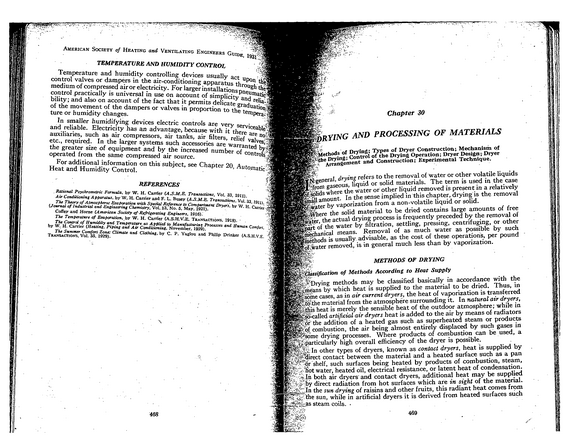
* .j; American Society of Heating and Ventilating Engineers Guide iq ` TEMPERATURE AMD HUMIDITY CONTROL , Temperature and humidity controlling devices usually act unn : control valves or dampers in the air-conditioning apparatus throu h medium of compressed air or electricity.
refid# oeXnLGJQBpzkpjywxavjapZ7o1 page
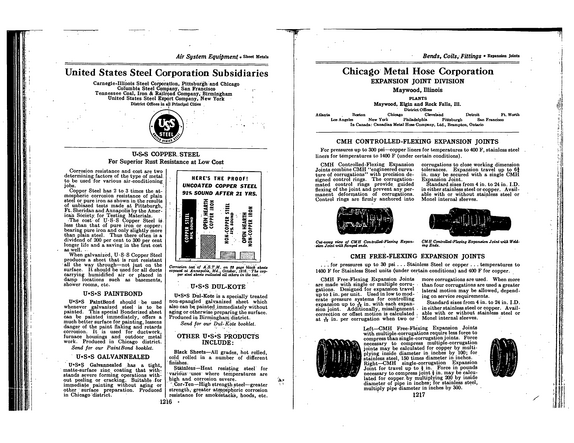
Air System Equipment sheet Metals United States Steel Corporation Subsidiaries Camegie-Illlnois Steel Corporation, Pittsburgh and Chicago Columbia Steel Company, San Francisco Tennessee Coal, Iron & Railroad Company,'Birmingham United States Steel Export Company, New York District Offices in all Principal Cities U-S-S COPPER.
refid# o9jyD4k6G8vekYm1Qr6namQw71 page
U.S.
refid# 0JxDmva8o9aDeb5n6X2y6k43n3 pages
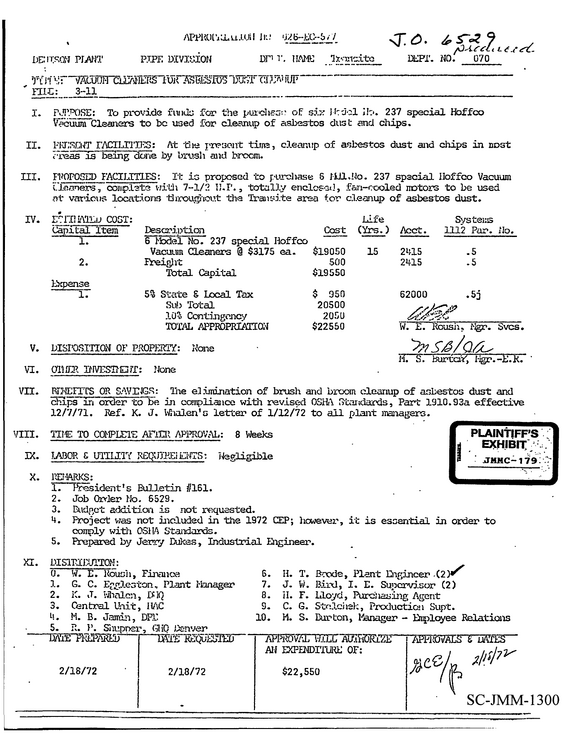
DEMTSOW PLANT APPRCHUlLu.l.Uil It; 'j26~EC~5>/ PIPE DIVISION DP ^ NAME Irajicite <r.d).
refid# Ne02VagjRnnmbBezaeO71MBmp4 pages
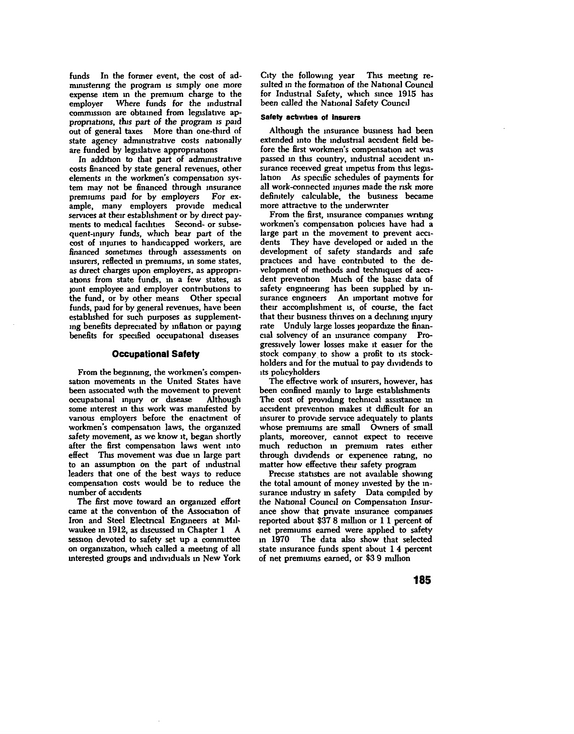
funds In the former event, the cost of admmistenng the program is simply one more expense item in the premium charge to the employer Where funds for the industrial commission are obtained from legislative ap propriations, this part of the program is paid out of general taxes More than one-third of state agency administrative costs nationally are funded by legislative appropriations In addition to that part of administrative costs financed by state general revenues, other elements m the workmen's compensation sys tem may not be financed through insurance premiums paid for by employers For ex ample, many employers provide medical services at their establishment or by direct pay ments to medical facdities Second- or subse quent-injury funds, which bear part of the cost of injuries to handicapped workers, are financed sometimes through assessments on insurers, reflected in premiums, in some states, as direct charges upon employers, as appropri ations from state funds, in a few states, as joint employee and employer contributions to the fund, or by other means Other special funds, paid for by general revenues, have been established for such purposes as supplement ing benefits depreciated by inflation or paying benefits for specified occupational diseases Occupational Safety From the beginning, the workmen's compen sation movements in the United States have been associated with the movement to prevent occupational injury or disease Although some interest in this work was manifested by various employers before the enactment of workmen's compensation laws, the organized safety movement, as we know it, began shortly after the first compensation laws went into effect This movement was due in large part to an assumption on the part of industrial leaders that one of the best ways to reduce compensation costs would be to reduce the number of accidents The first move toward an organized effort came at the convention of the Association of Iron and Steel Electrical Engineers at Mil waukee in 1912, as discussed m Chapter 1 A session devoted to safety set up a committee on organization, which called a meeting of all interested groups and individuals in New York City the following year This meeting re sulted in the formation of the National Council for Industnal Safety, which since 1915 has been called the National Safety Council Safety activities of insurers Although the insurance business had been extended into the industnal accident field be fore the first workmen's compensation act was passed in this country, industnal accident in surance received great impetus from this legis lation As specific schedules of payments for all work-connected mjunes made the risk more definitely calculable, the business became more attractive to the underwnter From the first, insurance companies wntrng workmen's compensation policies have had a large part in the movement to prevent acci dents They have developed or aided in the development of safety standards and safe practices and have contributed to the de velopment of methods and techniques of acci dent prevention Much of the basic data of safety engineering has been supplied by in surance engineers An important motive for their accomplishment is, of course, the fact that their business thrives on a declining injury rate Unduly large losses jeopardize the finan cial solvency of an insurance company Pro gressively lower losses make it easier for the stock company to show a profit to its stock holders and for the mutual to pay dividends to its policyholders The effective work of insurers, however, has been confined mainly to large establishments The cost of providing technical assistance in accident prevention makes it difficult for an insurer to provide service adequately to plants whose premiums are small Owners of small plants, moreover, cannot expect to receive much reduction m premium rates either through dividends or exjpenence rating, no matter how effective their safety program Precise statistics are not available showing the total amount of money invested by the in surance industry m safety Data compiled by the National Council on Compensation Insur ance show that pnvate insurance companies reported about $37 8 million or 1 1 percent of net premiums earned were applied to safety in 1970 The data also show that selected state insurance funds spent about 1 4 percent of net premiums earned, or $3 9 million 185
refid# gYgO2LORo65KyqqnKJYorx9a1 page
IIMAKI' PiV.OUC'.'
refid# zopxNqO13rmXKbp0E0rkeyng02 pages
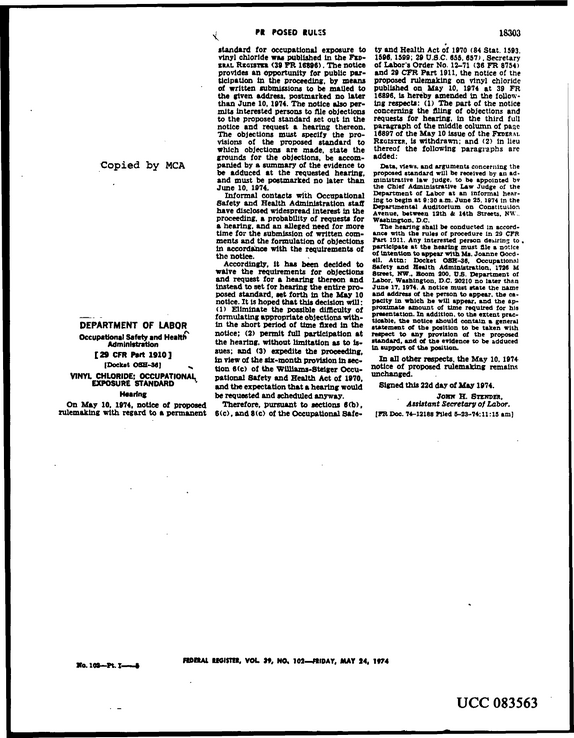
PR POSED RUIZS 18303 Copied by MCA DEPARTMENT OF LABOR Occupational Safety and Health Administration [29 CFR Part 1910] [Docket OSH-36] ,, VINYL CHLORIDE; OCCUPATIONAL EXPOSURE STANDARD ' Hearing On May 10, 1974, notice of proposed rulemaking with regard to a permanent standard for occupational exposure to ty and Health Act of 1970 (84 Stat. 1593. vinyl chloride was published In the Fed 1596. 1599; 39 U.S.C. 655, 657), Secretary eral Racism (39 PR 16996).
refid# 4JqKY1VBjJJE3grvzr94aX6bQ3 pages
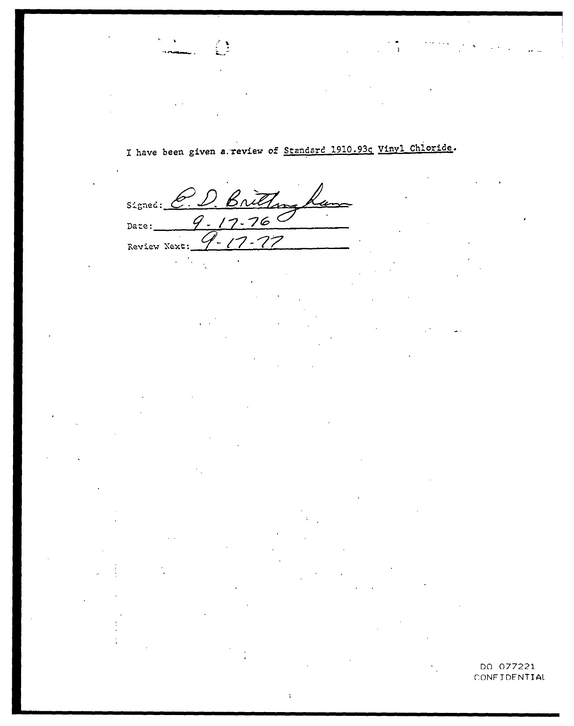
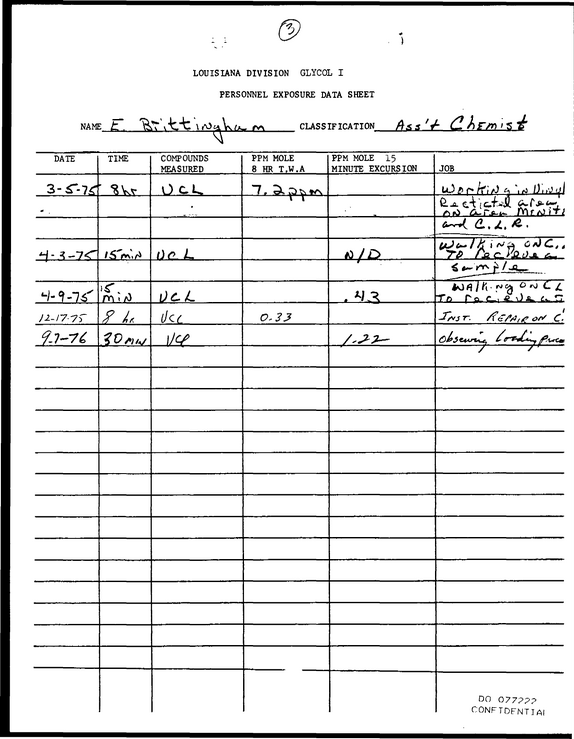
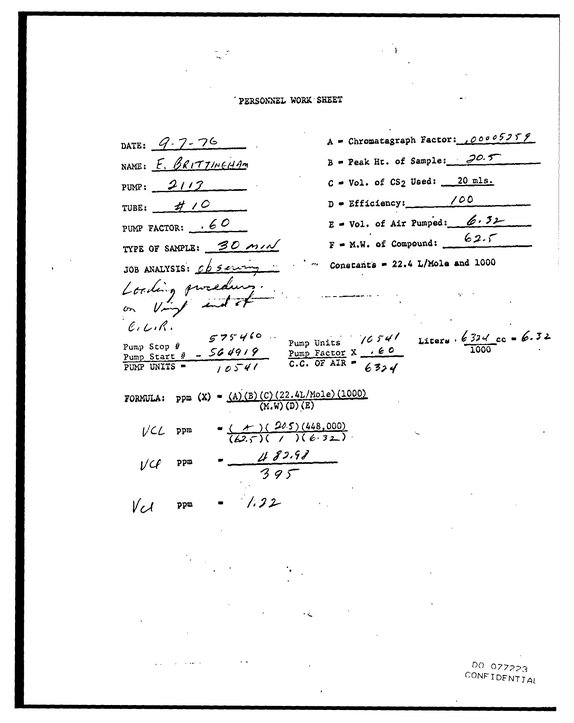
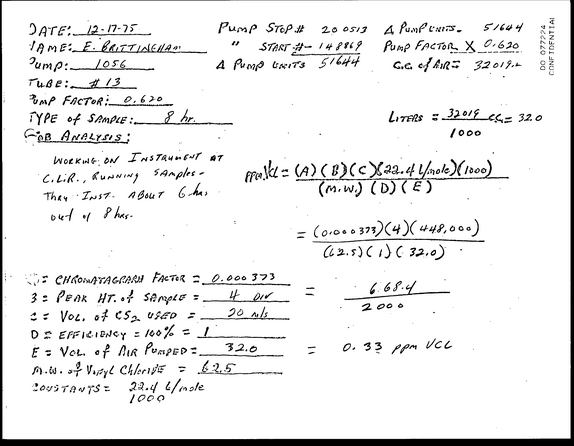
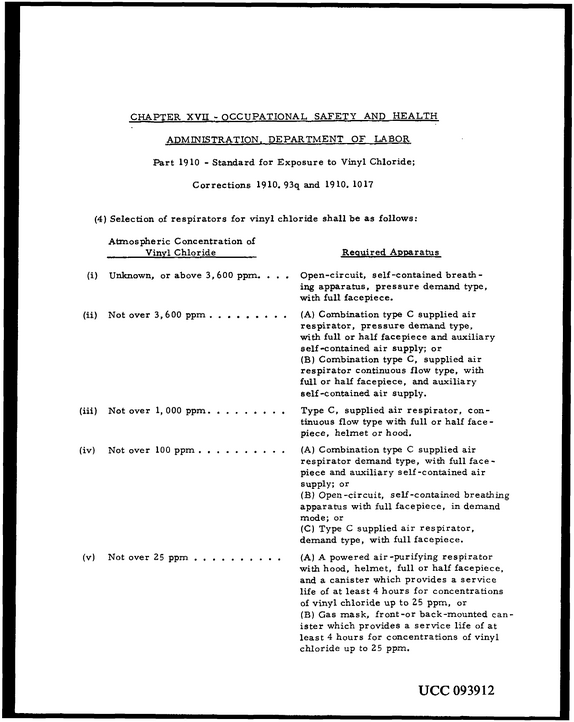
I have been given a. review of Standard 1910.93<l Vinyl Chloride.. & J).
refid# OeXpeVp70rOnZZQDOjyNmEXw13 pages
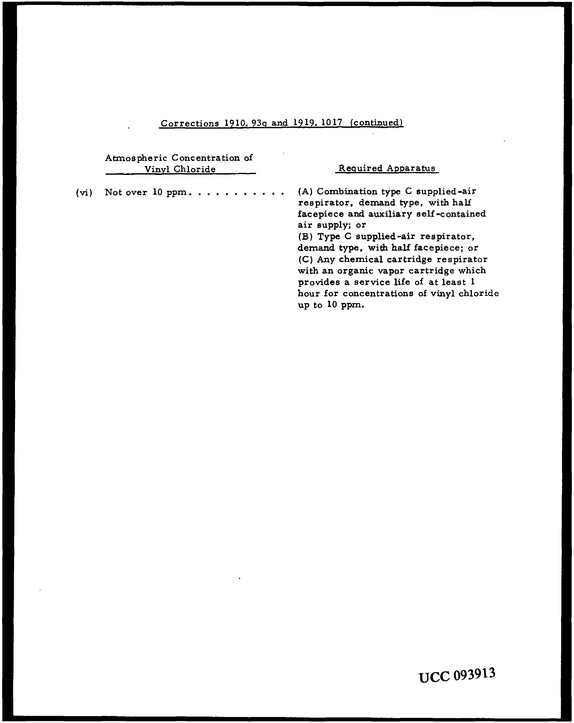
CHAPTER XVII - OCCUPATIONAL SAFETY AND HEALTH ADMINISTRATION.
refid# qmMo57pEO2R0vrgEDXXoDkqzG2 pages
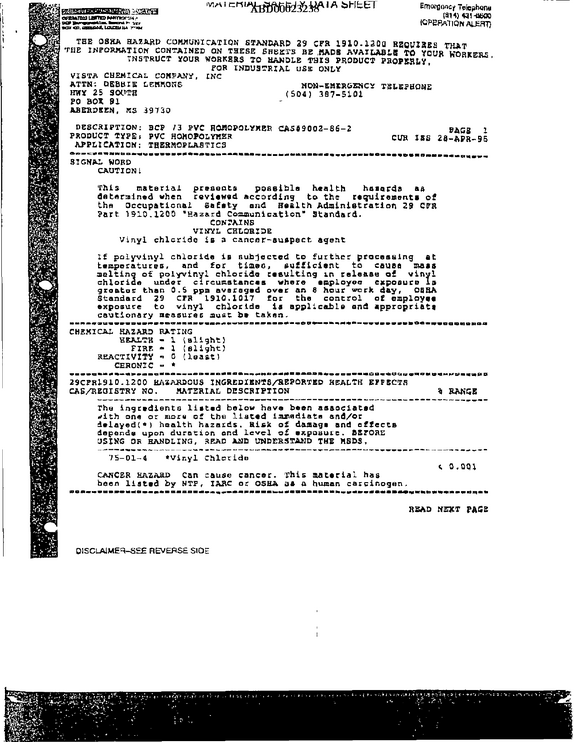
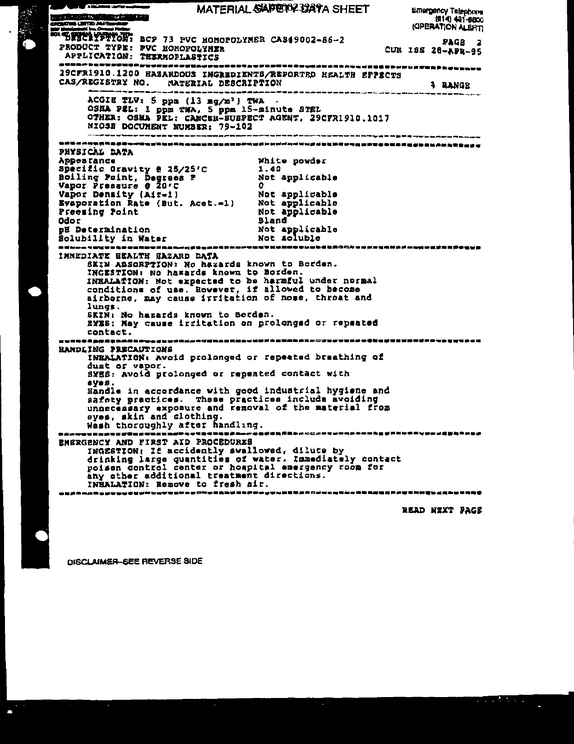
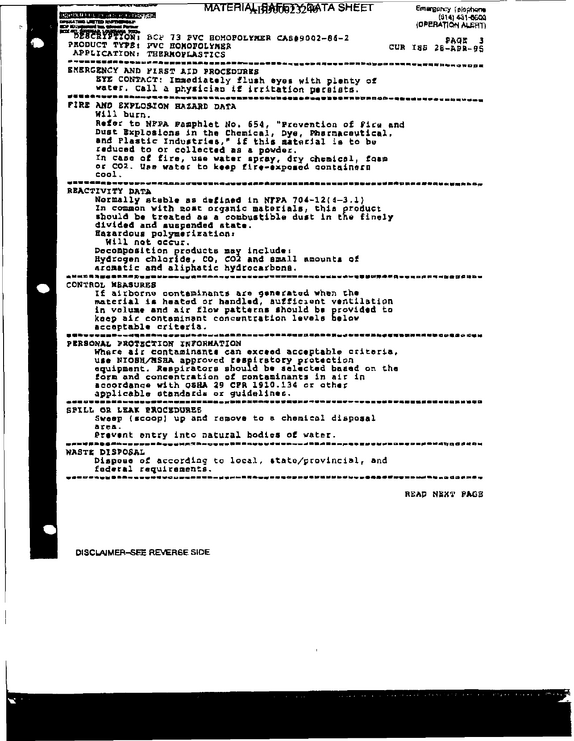
' A bHfcET Emwgone,- Tetepborw ian) i-awo (OPERATION ALERT) TBE 08HA HAZARD COMMUNICATION STANDARD 29 CFR 1910.12QQ RBQUmS THAT HE INFORMATION CONTAINED ON THESE SHEETS BE MADS AVAILABLE TO YOUR WOa INSTRUCT YOUR WORKERS TO HANDLE THIS PRODUCT PHOP5RLY, FOR INDUSTRIAL USE ONLY VISTA CHEMICAL COMPANY, INC ATTN: DBBHIK LEMMONS HWY 25 SOUTH PO BOX 91 NON*EMERGENCY TELEPHONE (504) 397-5101 ABERDEEN, MS 39730 DESCRIPTION; BCP 13 PVC RQMQPOLYKBR CAS09002-86-2 PRODUCT TYPE PVC HOMOPOLYHER APPLICATION; THERMOPLASTICS PAGE 1 CUR ISS 28-APR-95 SIGNAL WORD CAUTION1 This material prefects possible health hoaords as determined when reviewed according to the requirement* of the Occupational Safety and Health Administration 29 CPR Part 1910.1200 'Hazard Communication* Standard.
refid# pmGQBwxaovNjeL0Mm4xLVQBxw5 pages