Refine
Estimated Years 1910-1919Clear
1,849 results foundRefine Search
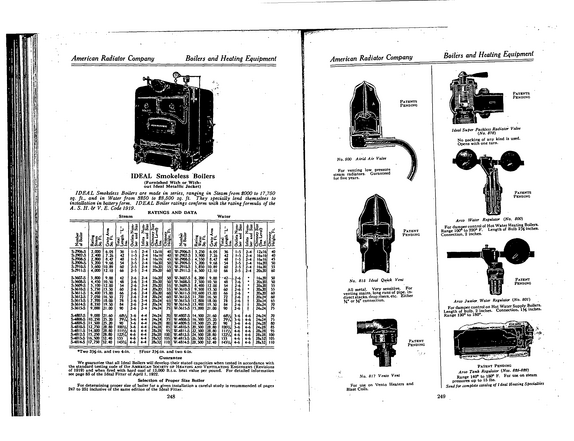
Number of Boiler Rating Steam S q .F t Inlets Num ber and Size Chimney Size (Sea Level) ins. !
refid# LgQbqQpJ45J0d2Xwg9a3VpqOq1 page
r.
refid# v6XG98Ye6DmJX8D5J7GrQq1dZ1 page
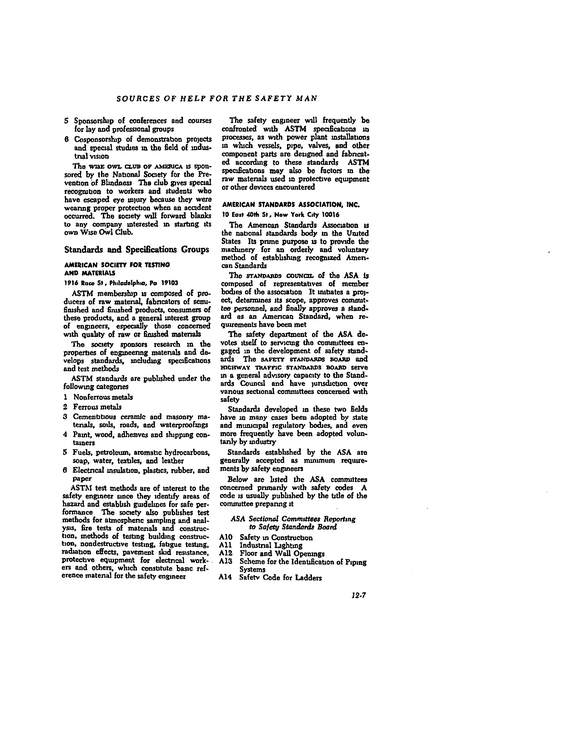
SOURCES OF HELP FOR THE SAFETY MAN S Sponsorship of conferences and courses for lay and professional groups 0 Cosponsorship of demonstration projects and special studies in the field of indus trial vision The wise owl club op America is spon sored by the National Society for the Pre vention of Blindness The club gives special recognition to workers and students who have escaped eye injury because they were wearing proper protection when an accident occurred.
refid# wgZj9wVJjOe3KK18kdDjjYyOJ1 page
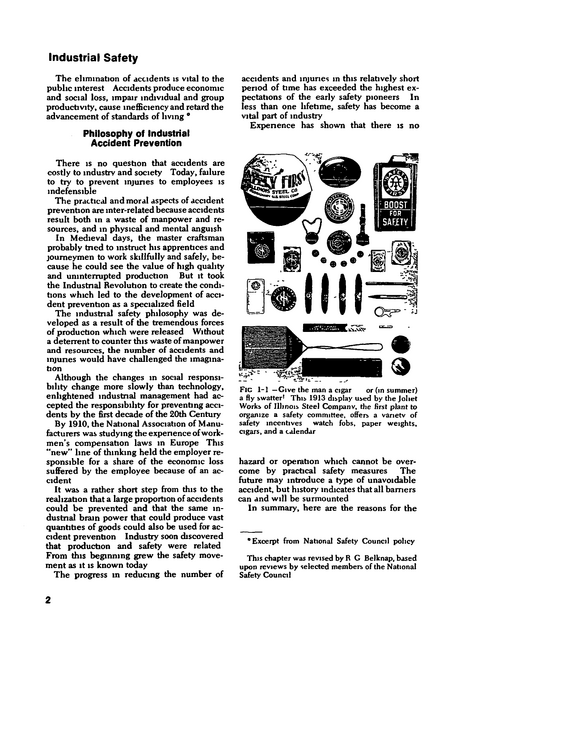
Industrial Safety The elimination of accidents is vital to the public interest Accidents produce economic and social loss, impair individual and group productivity, cause inefficiency and retard the advancement of standards of living Philosophy of Industrial Accident Prevention accidents and injuries m this relatively short period of time has exceeded the highest ex pectations of the early safety pioneers In less than one lifetime, safety has become a vital part of industry Expenence has shown that there is no There is no question that accidents are costly to industry and society Today, failure to try to prevent injuries to employees is indefensible The practical and moral aspects of accident prevention are inter-related because accidents result both in a waste of manpower and re sources, and m physical and mental anguish In Medieval days, the master craftsman probably tried to instruct his apprentices and journeymen to work skillfully and safely, be cause he could see the value of high quality and uninterrupted production But it took the Industrial Revolution to create the condi tions which led to the development of acci dent prevention as a specialized field The industrial safety philosophy was de veloped as a result of the tremendous forces of production which were released Without a deterrent to counter this waste of manpower and resources, the number of accidents and injuries would have challenged the imagina tion Although the changes m social responsi bility change more slowly than technology, enlightened industrial management had ac cepted the responsibility for preventing acci dents by the first decade of the 20th Century By 1910, the National Association of Manu facturers was studying the experience ofwork men's compensation laws in Europe This "new" line of thinking held the employer re sponsible for a share of the economic loss suffered by the employee because of an ac cident It was a rather short step from this to the realization that a large proportion of accidents could be prevented and that the same in dustrial brain power that could produce vast quantities of goods could also be used for ac cident prevention Industry soon discovered that production and safety were related From this beginning grew the safety move ment as it is known today The progress in reducing the number of FlC 1-1 --Give the man a cigar or (in summer) a fly swatter1 This 1913 display used by the Joliet Works of Illinois Steel Company, the first plant to organize a safety committee, offers a vanetv of safety incentives watch fobs, paper weights, cigars, and a calendar hazard or operation which cannot be over come by practical safety measures The future may introduce a type of unavoidable accident, but history indicates that all barriers can and will be surmounted In summary, here are the reasons for the Excerpt from National Safety Council policy This chapter was revised by R G Belknap, based upon reviews by selected members of the National Safety Council 2
refid# G5LKNNVJYm52raOgwL1wwJ36q1 page
Pm 3 BTVorciit.Ji lit ETr^ncr rrrin Grotr Policy So. 66f?
refid# ykz4ndXm40ep7kroG94zydXpd3 pages
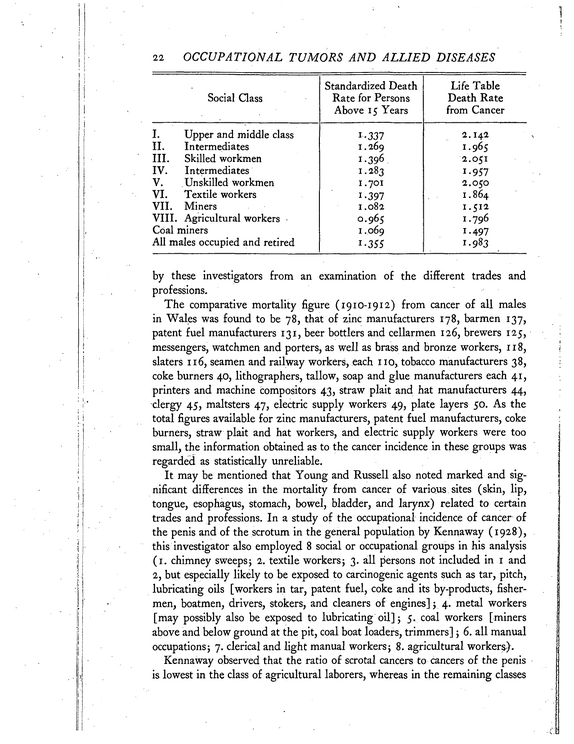
22 OCCUPATIONAL TUMORS AND ALLIED DISEASES Social Class I.
refid# LovdqOo8DVdXv8ZNZjvGoKmdb1 page
FILE NAME: Household Contact (HC) DATE: 1917 DOC#: HC038 DOCUMENT DESCRIPTION: Journal Article - The Standardization of Working Essentials The Standardization of Working Essentials Lillian Erskine; John Roach AEnmnpallosyomfetnhte.ARmederuiccianngAthceadLeamboyroTfuPronloivtiecra.l(aMnadyS,o1c9ia17l )S,cpiepn. c8e2,-V95o.l. 71, Stabilizing Industrial Stable URL: hllp://l inks,islor.org/sici`?
refid# byQY1oG5zgpJ7exR3GDJ25yY016 pages
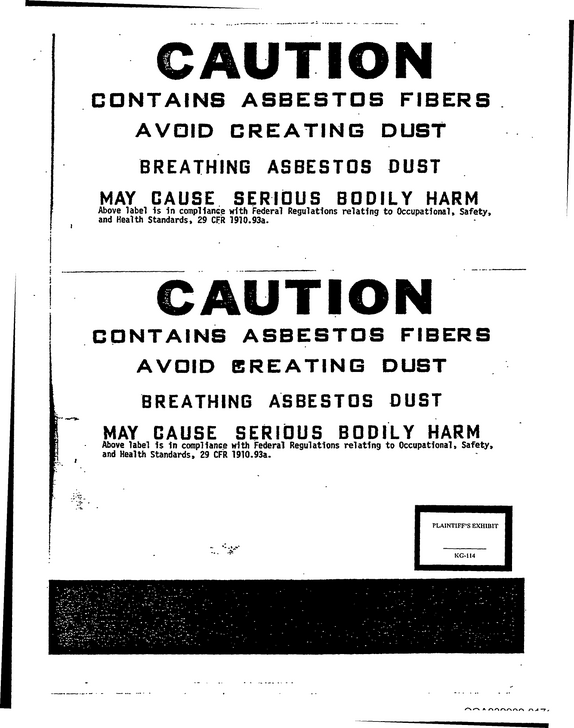
CAUTION CONTAINS ASBESTOS FIBERS AVOID CREATING DUST BREATHING ASBESTOS DUST MAY CAUSE SERIOUS BODILY HARM Above label Is In compliance with Federal Regulations relating to Occupational, Safety, and Health Standards, 29 CFR 1910.93a
refid# 71zMB48Zpxzz1wKn1r6650rR1 page
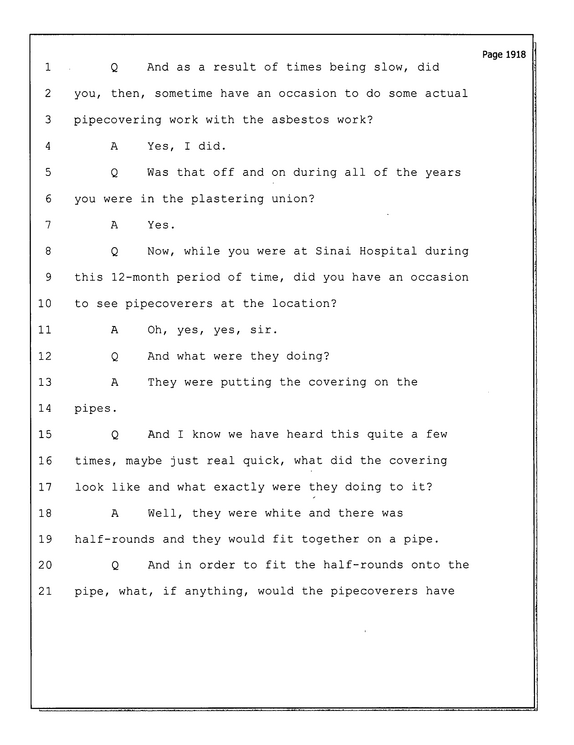
Page 1918 1 Q And as a result of times being slow, did 2 you, then, sometime have an occasion to do some actual 3 pipecovering work with the asbestos work?
refid# NG7jo72Vdq4y3vYJ8KkjYV1dE1 page
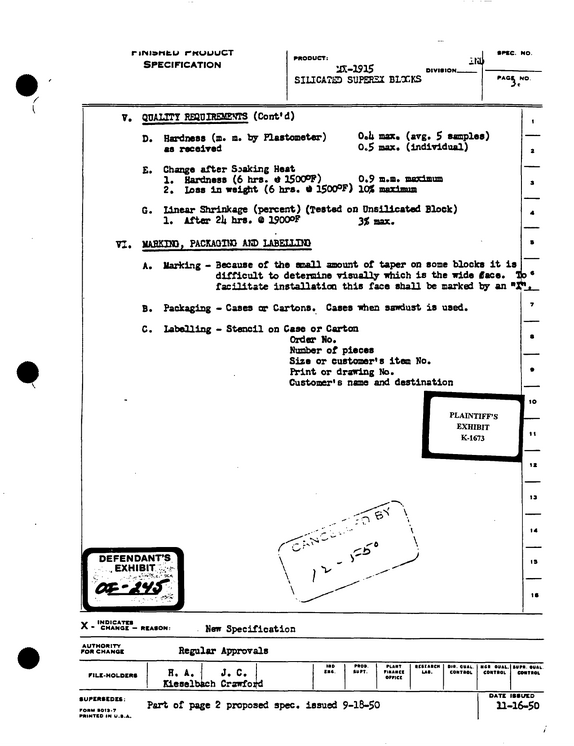
rimsMfc,L rNUUUCT SPECIFICATION PROOUCT: ax-1915 DIVISION SILICATE) SUPERS!
refid# byj3EEGv1z1XzQyMwp7b2zYw01 page
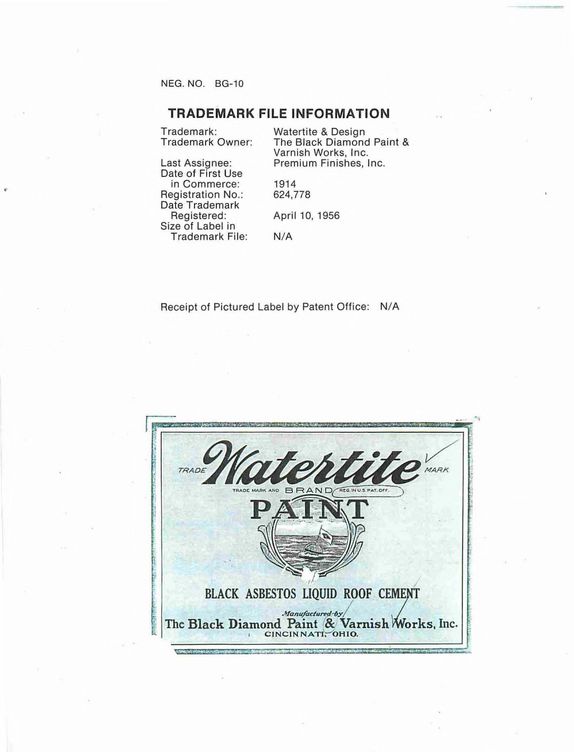
NEG.NO.
refid# RJLmBoZwReJ5Z39edKj2kD4G71 page
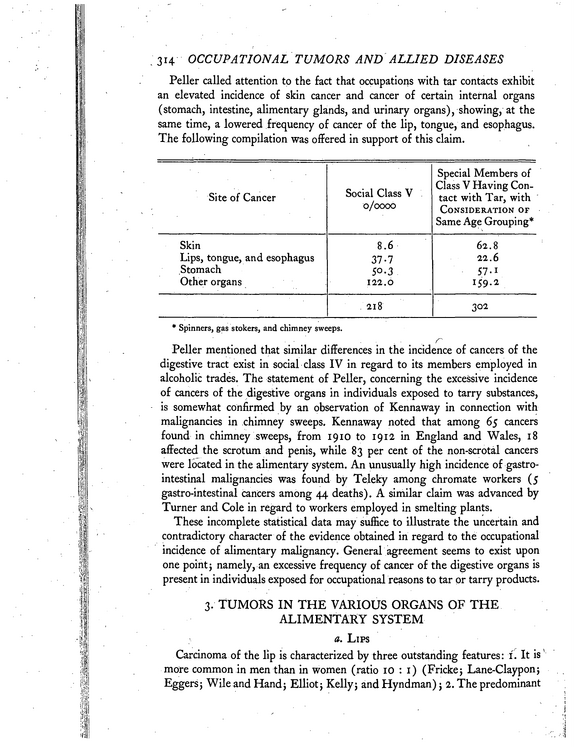
. 314 OCCUPATIONAL TUMORS AND ALLIED DISEASES Peller called attention to the fact that occupations with tar contacts exhibit an elevated incidence of skin cancer and cancer of certain internal organs (stomach, intestine, alimentary glands, and urinary organs), showing, at the same time, a lowered frequency of cancer of the lip, tongue, and esophagus.
refid# DMx0MObp12dmDkrv0ddmZxbKo1 page
NEG.
refid# Vx6BELg8xNONeq6VydMKxKj81 page
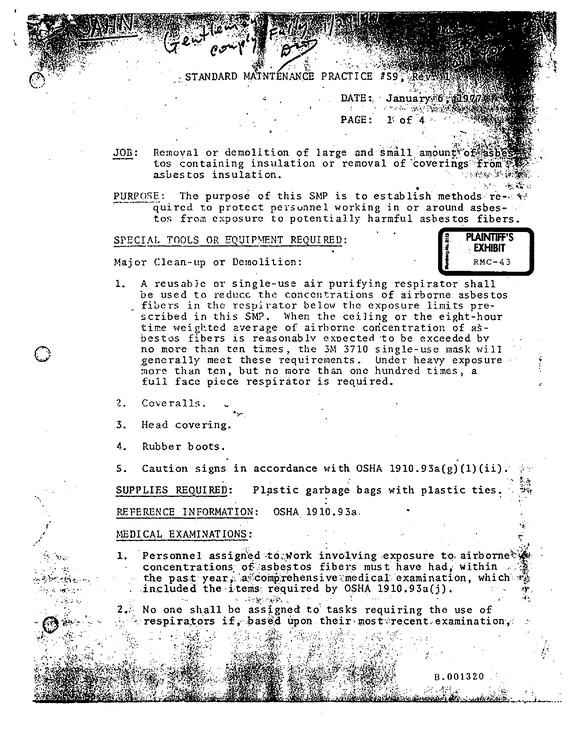
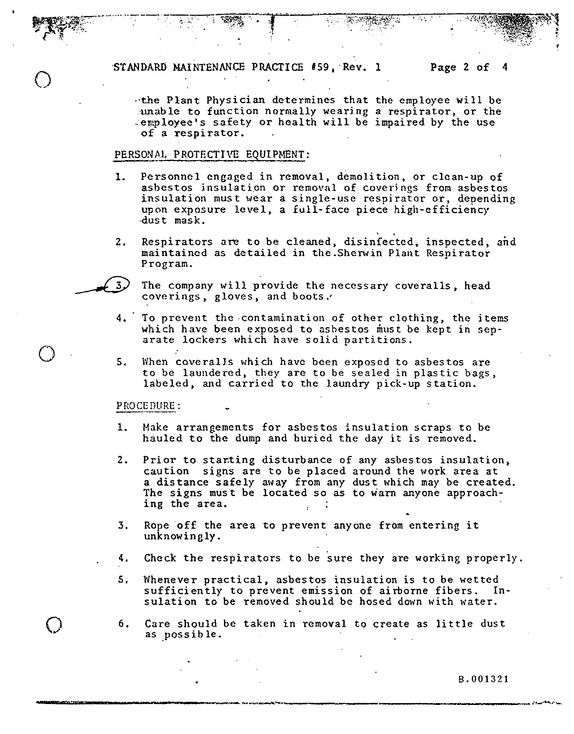
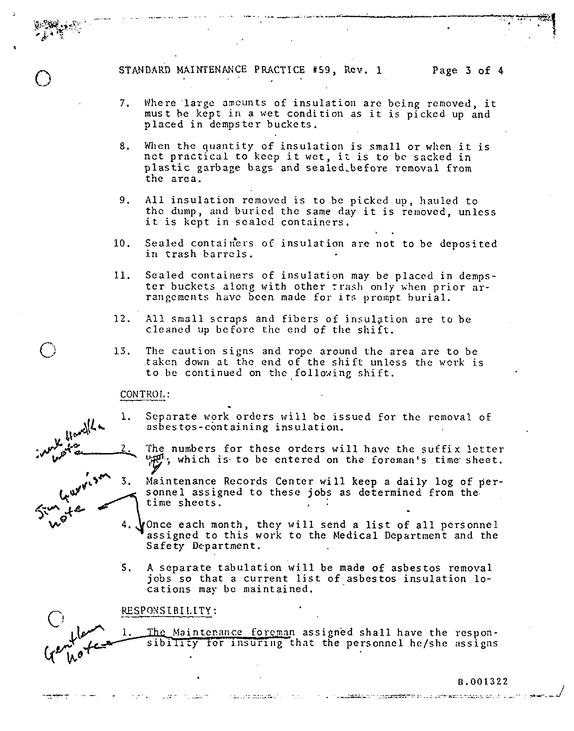
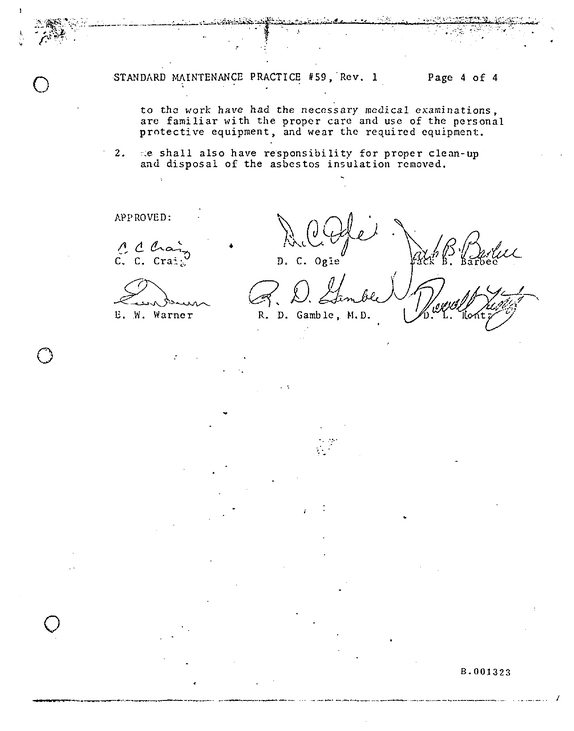
V. ''> STANDARD MAINTENANCE PRACTICE ?
refid# VvqxNdgb000D96Gxxb2k01op4 pages
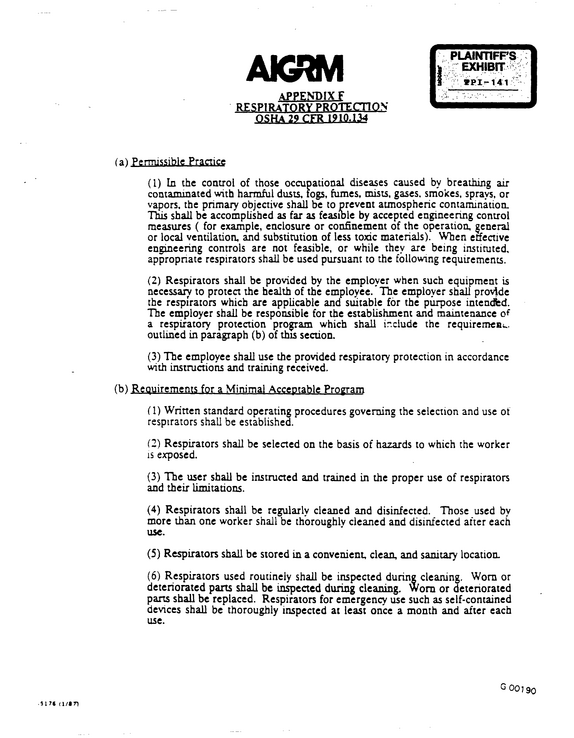
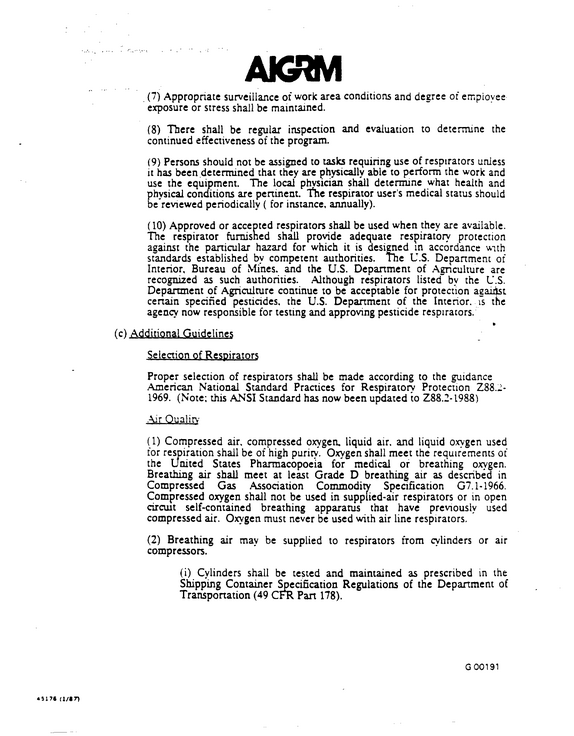
APPENDIX F RESPIRATORY PROTECTION OSHA 29 CFR 1910,134 PLAINTIFFS | EXHIBIT SPI-141 (af Permissible Praaice (1) In the control of those occupational diseases caused by breathing air contaminated with harmful dusts, fogs, fumes, mists, gases, smokes, sprays, or vapors, the primary objective shall be to prevent atmospheric contamination.
refid# pBwGXpM7R3530k11eZR0Vd4bd15 pages