FILE NAME: Owens Illinois (OWILL) DATE: 1939 DOC#: OWILL111 DOCUMENT DESCRIPTION: Presentation from the 28th NSC - Occupational Disease Control t 726 ( !

refid# B8dvx4BMBn6GJxJ4kG8DBaQDE19 pages
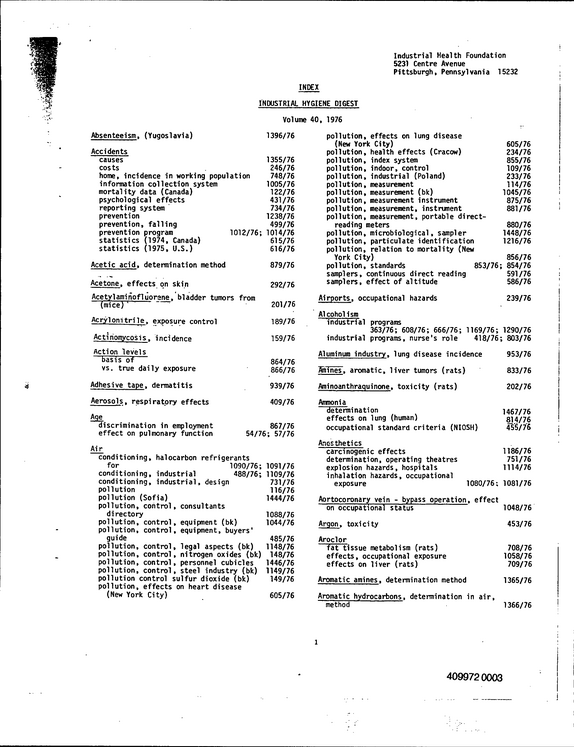
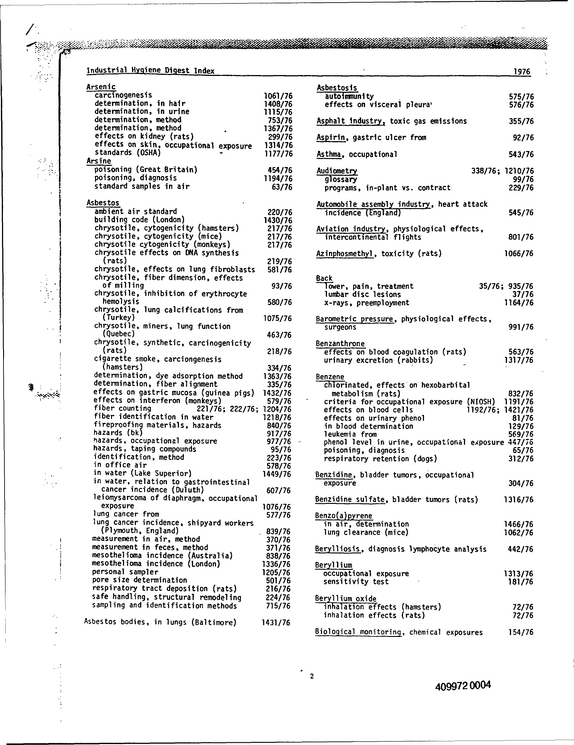
effects in shift work 931/76 paint, manufacturing, health & effects on accident incidence 740/76 safety guide 20/76 pesticides, occupational disease from Biostatistics (bk) 279/76 Bladder cancer, diaqnosis 1050/76 Blood carbon dioxide tension cholinesterase, determinations, variability in pressure, control programs (bk) pressure, recorder 161/76 750/76 1285/76 1166/76 (California) pesticides, toxicity plastics, fire hazards pneumoconiosis, coal-workers' radionuclides, radiation spectra respirators, firefighters* safety codes, standards, index to selenium shift work skin disease, occupational smoke, physiological effects 539/76 278/76 538/76 404/76 795/76 541/76 1043/76 1387/76 915/76 280/76 1040/76 Books air pollution, control equipment air pollution control, legal aspects air pollution control, nigrogen oxides air pollution control, steel industry air pollution control, sulfur dioxide air pollution, measurement asbestos, health hazards biostatistics blood pressure, control programs cancer, occupational chemicals, environmental pollution chemicals, industrial, toxicity combustion products, physiological 1044/76 1148/76 148/76 1149/76 149/76 1045/76 917/76 279/76 1285/76 403/76 1041/76 401/76 surfaces, friction tests 541/76 surgery, orthopedic 150/76 thorium protection 1147/76 threshold limit values, 1976 ed. 1283/76 toxic substances, 1975 edition (NI0SH) 277/76 toxicology 17/76; 913/76 uranium protection 1147/76 ventilation 1284/76 wastes, toxic, disposal 794/76 World Health Organization 540/76 Bowel, cancer, occupational data 153/76 Bromine, toxicity, inhalation (human) 970/76 effects cotton dust dermatitis, contact dock work, safety & health dust personal sampler electroplating, toxic materials in environmental impact, report prepara- tion exposure levels, statistical tests fatigue furniture manufacturing, health & safety guide hearing protectors, effectiveness . heat stress monitoring lead, exposure, ambient (Australia) liability, worker loss control lung, occupational disease medical therapeutics metals, toxicity migrant workers monitoring, employee, action level exposures noise nursing, cardiosurgical nursing, care standards occupational health occupational health, family planning 1040/76 1389/76 18/76 1150/76 20/76 280/76 793/76 662/76 1146/76 20/76 20/76 20/76 663/76 1390/76 916/76 791/76 664/76 402/76 1042/76 541/76 146/76 151/76 1286/76 19/76 Bronchitis chronic, incidence agricultural workers (USSR) dust-induced, diagnosis and treatment 1289/76 670/76 Buildinqs, high-rise safety 1356/76 Bums, treatment 58/76; 166/76 Butyl alcohol, uptake (human) 1420/76 Byssinosis from vegetable fibers, occupational exposure incidence cotton workers (Sudan) 462/76 1333/76 Cadmium anti
refid# pwr2dDOa82mNmwGEDd1y4ONd20 pages
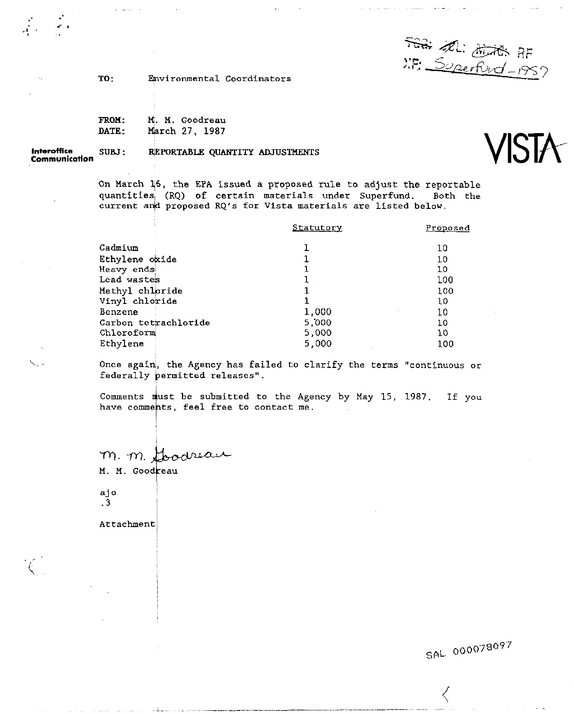
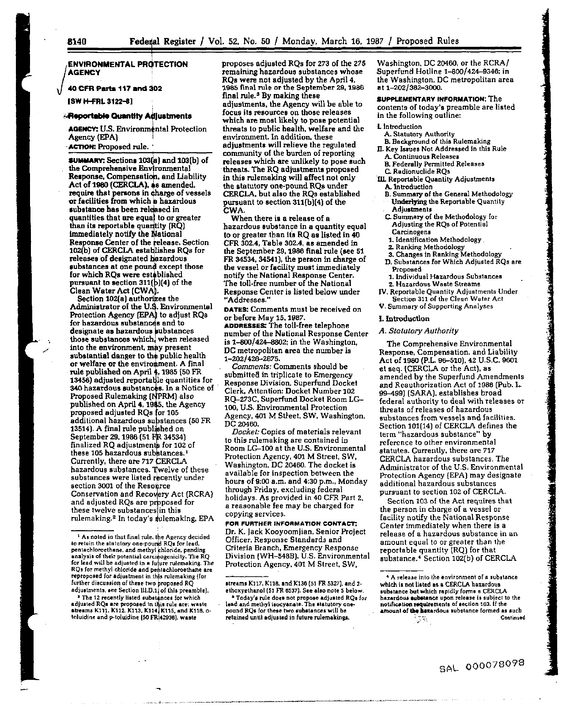
The RQ for lead will be adjusted in a fu ure rulemaking.
refid# Loe1QRL7dmJeMnY4M46J0R3Gb38 pages
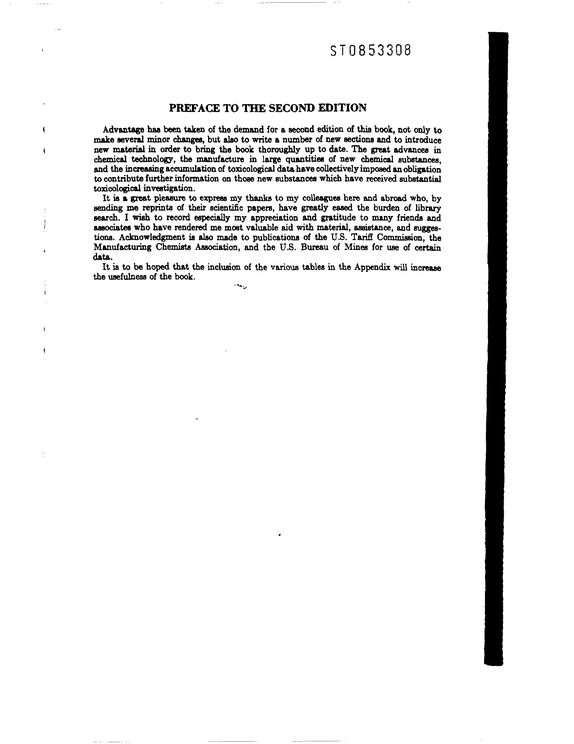
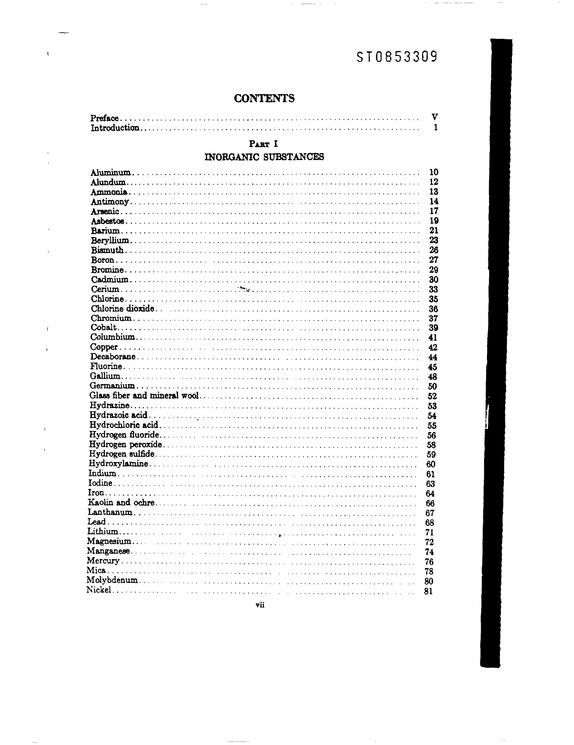
V Introduction....................................................................................................................... 1 Pabt I INORGANIC SUBSTANCES Aluminum........................................................................................................................... 10 Alundum............................................................................................................................. 12 Ammonia............................................................................................................................ 13 Antimony............................................................................................................................ 14 Arsenic................................................................................................................................ 17 Asbestos.............................................................................................................................. 19 Barium................................................................................................................................ 21 Beryllium............................................................................................................................ 23 Bismuth.............................................................................................................................. 26 Boron.................................................................................................................................. 27 Bromine.............................................................................................................................. 29 Cadmium............................................................................................................................ 30 Cerium........................................................ 33 Chlorine.............................................................................................................................. 35 Chlorine dioxide................................................................................................................ 36 Chromium.......................................................................................................................... 37 Cobalt................................................................................................................................. 39 Columbium......................................................................................................................... 41 Copper................................................................................................................................ 42 Decaborane........................................................................................................................ 44 Fluorine.............................................................................................................................. 45 Gallium............................................................................................................................... 48 Germanium........................................................................................................................ 50 Glass fiber and mineral wool............................................................................................. 52 Hydrazine........................................................................................................................... 53 Hydrazoic acid................... ............................................................................................... 54 Hydrochloric acid.............................................................................................................. 55 Hydrogen fluoride.............................................................................................................. 56 Hydrogen peroxide............................................................................................................ 58 Hydrogen sulfide................................................................................................................ 59 Hydroxylamine.................................................................................................................. 60 Indium................................................................................................................................ 61 Iodine................................................................................................................................. 63 Iron..................................................................................................................................... 64 Kaolin and ochre............................................................................................................... 66 Lanthanum........................................................................................................................ 67 Lead.................................................................................................................................... 68 Lithium...................................................................t......................................................... 71 Magnesium......................................................................................................................... 72 Manganese....................................................................................................................... 74 Mercury............................................................................................................................. 76 Mica................................................................................................................................... 78 Molybdenum...................................................................................................................... 80 Nickel................................................................................................................................. 81 vii ST08533I 0 CONTENTS Nitric acid............................................................................................................................ 82 Nitrogen oxides.................................................................................................................... 84 Osmium................................................................................................................................ 87 Ozone.................................................................................................................................... 88 Palladium............................................................................................................................. 90 Phosphine............................................................................................................................. 91 Phosphorus........................................................................................................................... 92 Platinum............................................................................................................................... 94 Plutonium............................................................................................................................ 95 Portland cement.................................................................................................................. 98 Radioactive substances....................................................................................................... 99 Rubidium and cesium.......................................................................................................... 101 Selenium............................................................................................................................... 103 Silica....................................................
refid# 0Jqz1evEQQK5bQdM5x4kRXnVV34 pages
The most abundant ore is galena, in which lead is present as the sulfide (Pb$), and from which metallic lead is readily smelted.
refid# G6rpz8nJ9NBNK4Vw8yXo30naV205 pages
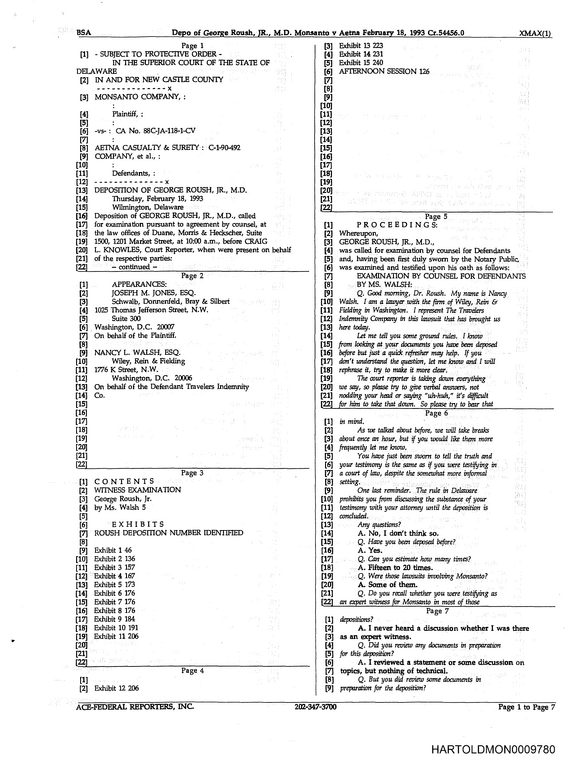
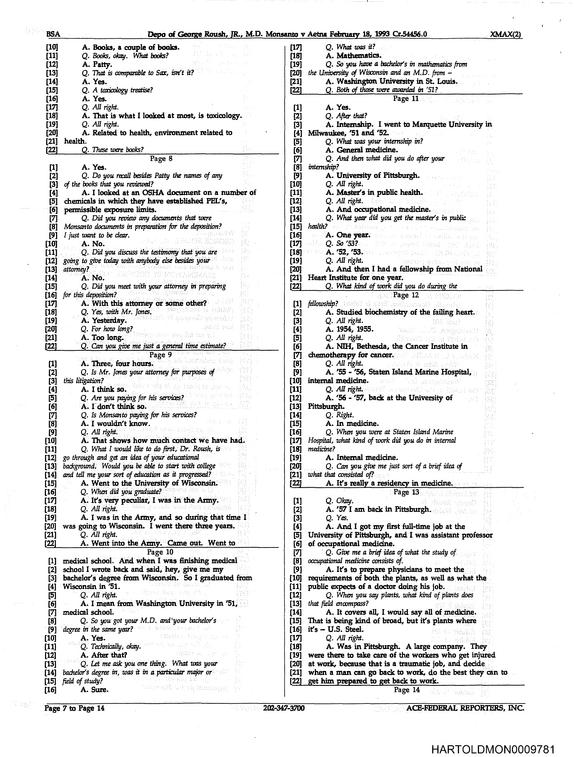
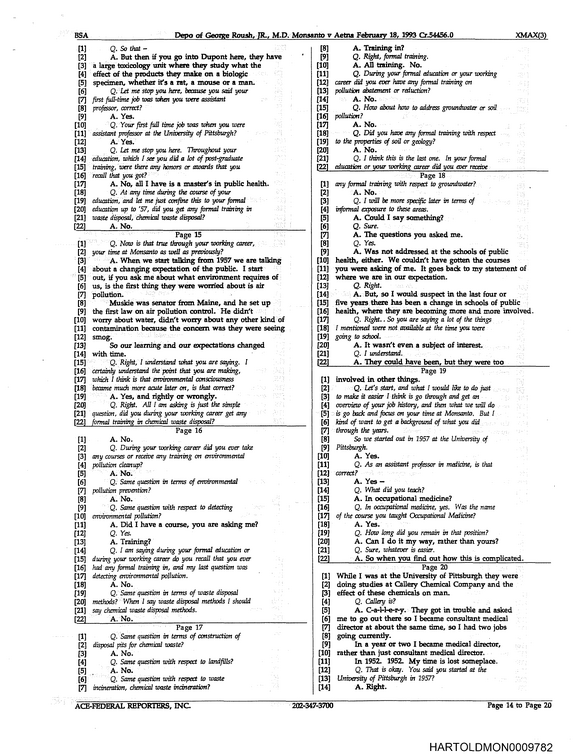
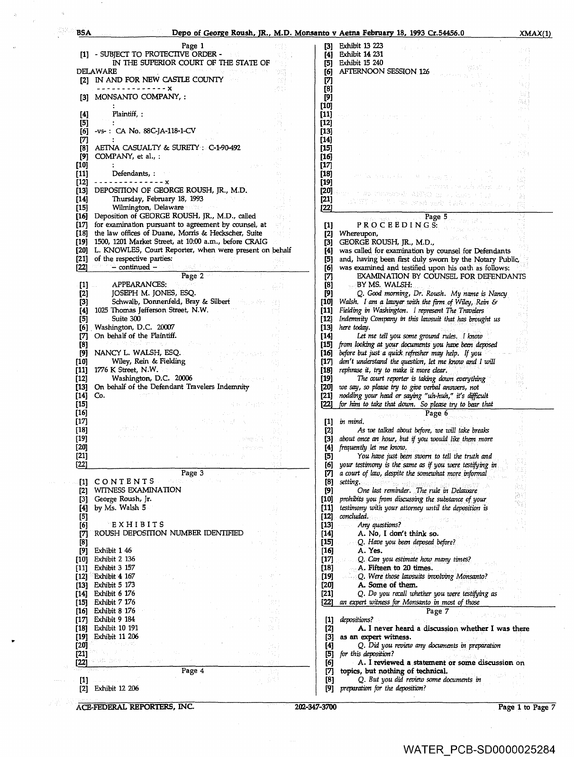
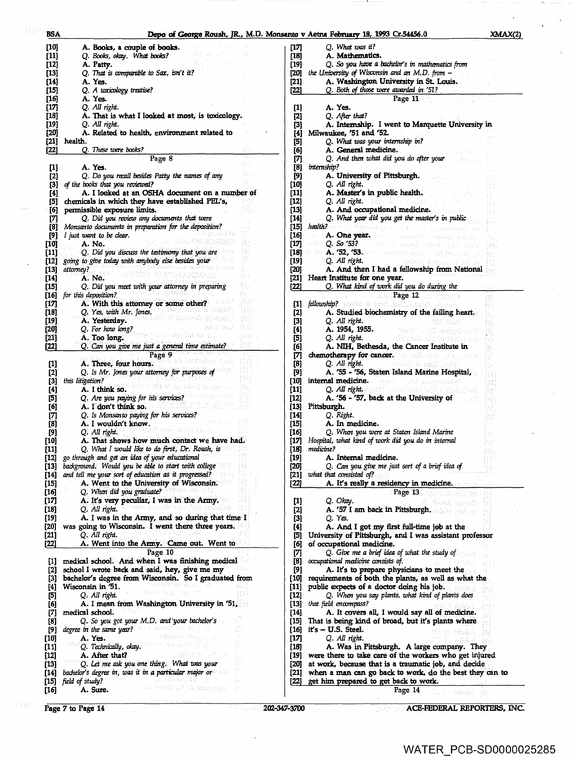
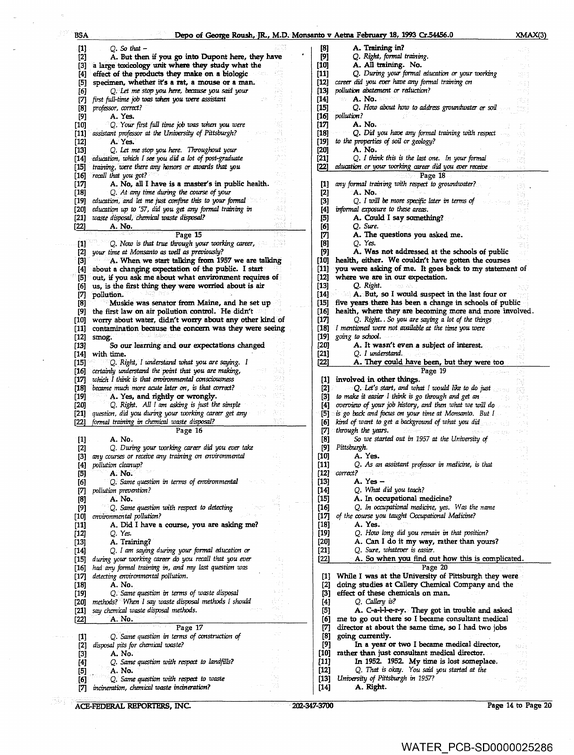
Depo of George Roush, JR., M.D.
refid# M46EZB3yQQx5MQNgL89NZre9L56 pages
Last October, a report by a Commerce Department advisory commit tee created considerable attention when it recommended, among other things, that the use of lead antiknocks in gasoline should not be increased in the future.
refid# LKrzbJxBoMxd9kko1ERqzO3m5174 pages
Depo of George Roush, JR., M.D.
refid# KGmLokv9BMEDOMrE33VGZwd8056 pages
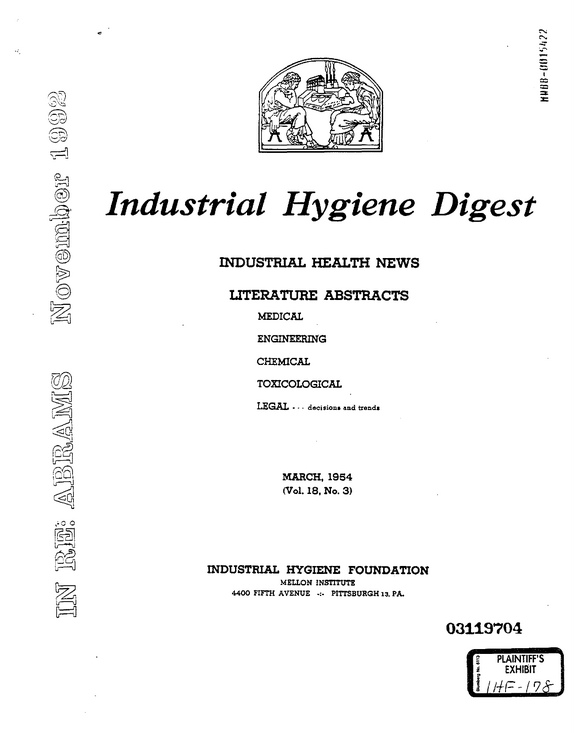
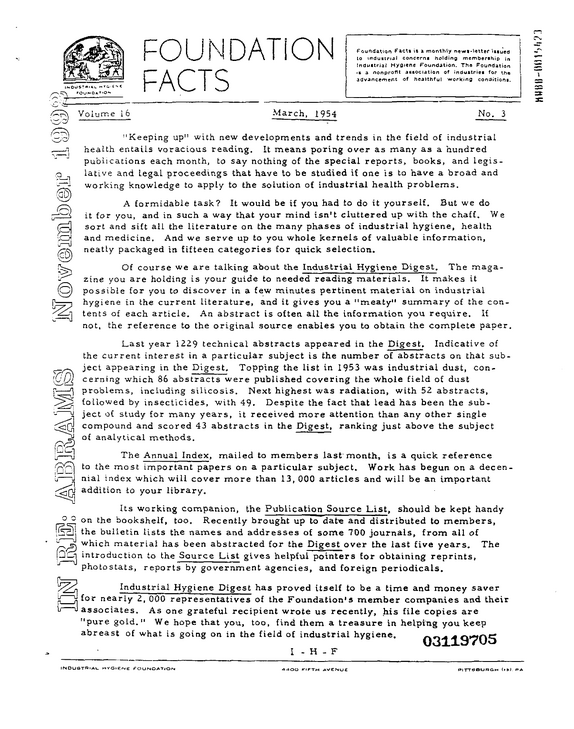
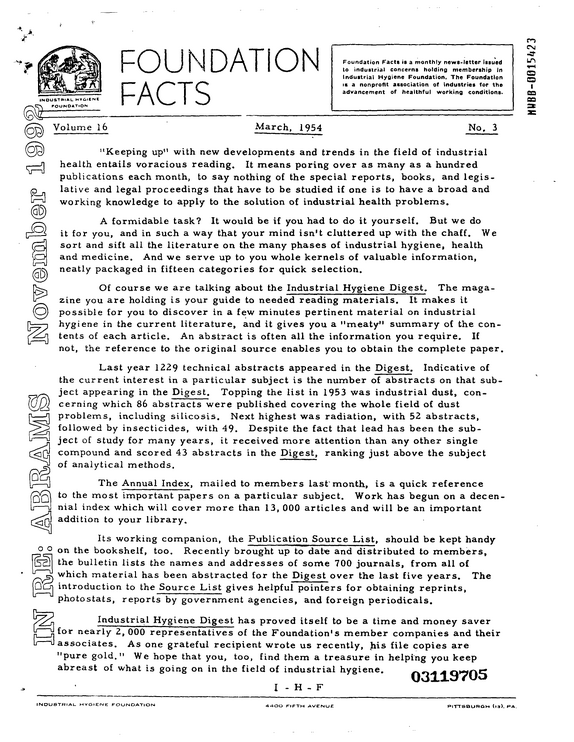
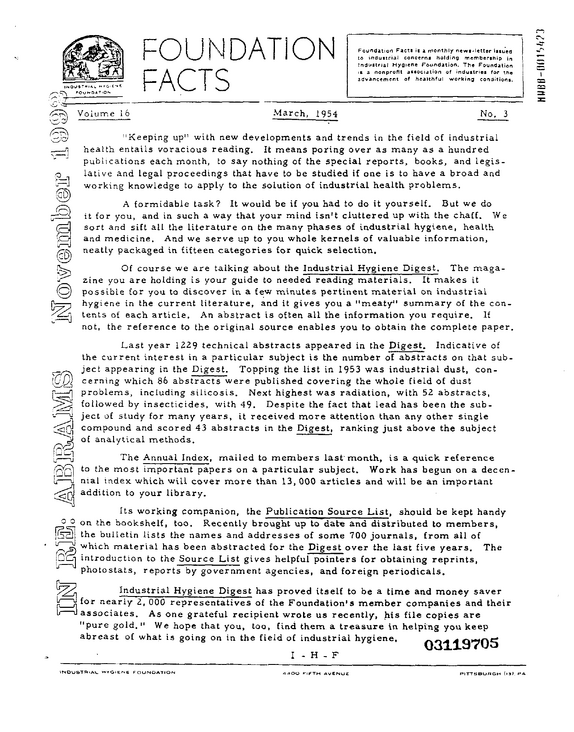
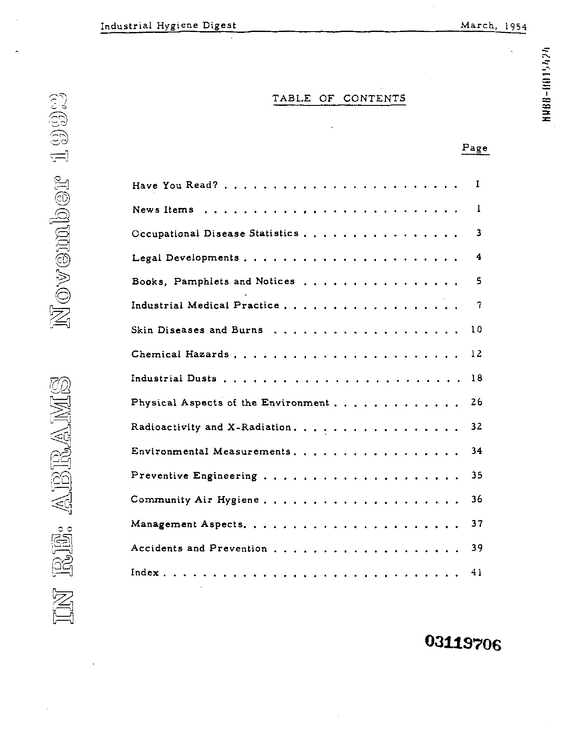
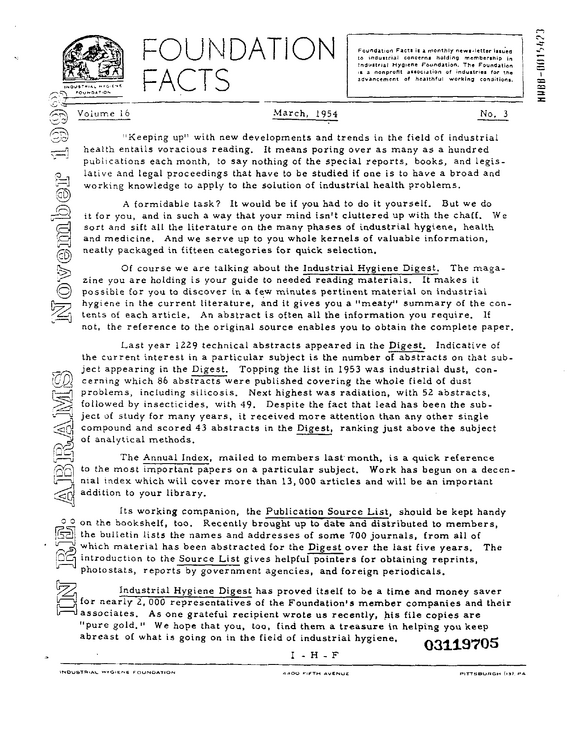
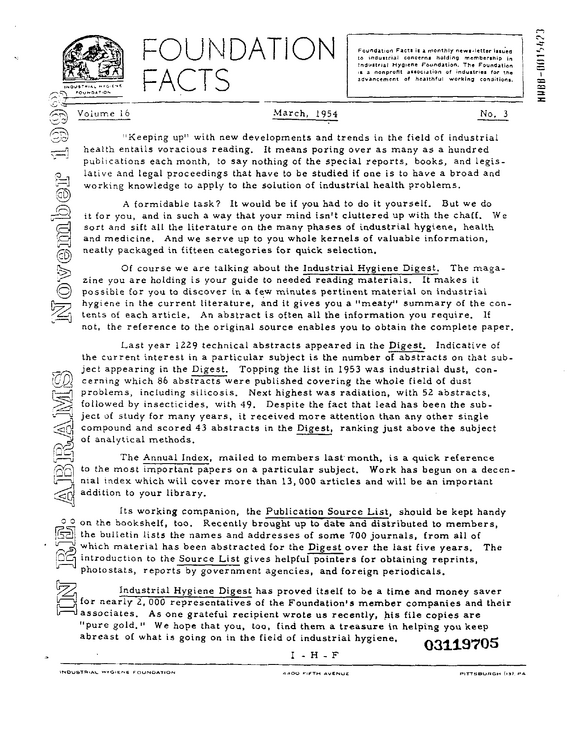
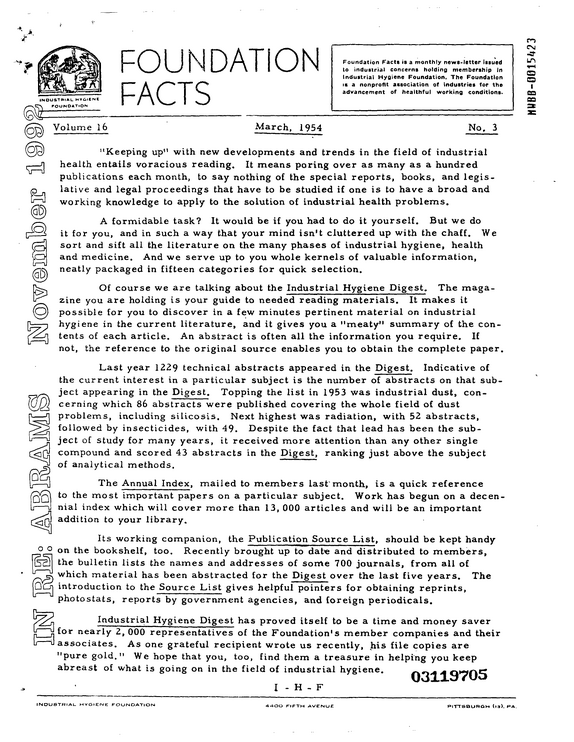
Despite the fact that lead has been the sub ject of study for many years, it received more attention than any other single compound and scored 43 abstracts in the Digest, ranking just above the subject of analytical methods.
refid# gEDYLQQeGg2MQ1d4XdKNO22eJ49 pages
Despite the fact that lead has been the sub ject of study for many years, it received more attention than any other single compound and scored 43 abstracts in the Digest, ranking just above the subject of analytical methods.
refid# 85ErgGGDy42p3YbnXbbZgLawd49 pages
Despite the fact that lead has been the sub ject of study for many years, it received more attention than any other single compound and scored 43 abstracts in the Digest, ranking just above the subject of analytical methods.
refid# omm506wxZv45VMe8j0nGROZOg49 pages
Despite the fact that lead has been the sub ject of study for many years, it received more attention than any other single compound and scored 43 abstracts in the Digest, ranking just above the subject of analytical methods. !
refid# a4BvjL5O4BxpwvpqBz3e0wgJX49 pages
Despite the fact that lead has been the sub ject of study for many years, it received more attention than any other single compound and scored 43 abstracts in the Digest, ranking just above the subject of analytical methods.
refid# pmVLxaayV3b4RMKEaaJ4kboz649 pages
Despite the fact that lead has been the sub ject of study for many years, it received more attention than any other single compound and scored 43 abstracts in the Digest, ranking just above the subject of analytical methods.
refid# RjNwv40nboZ6LKvggEJKYxqna49 pages
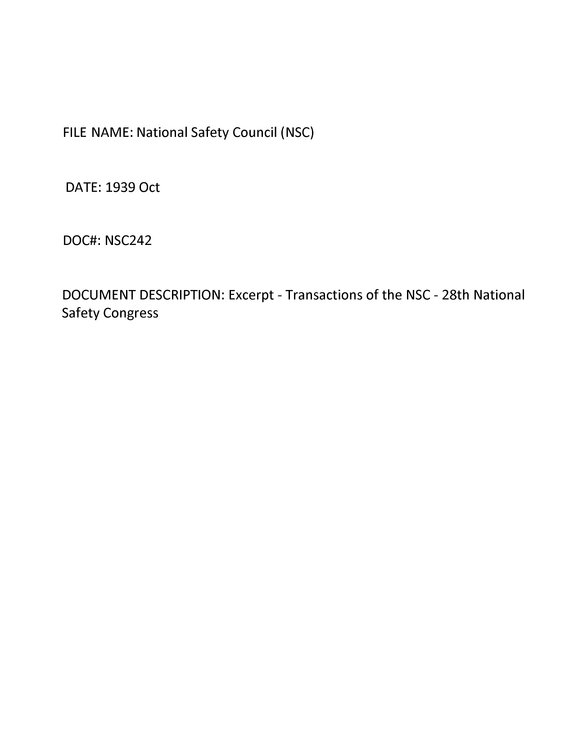
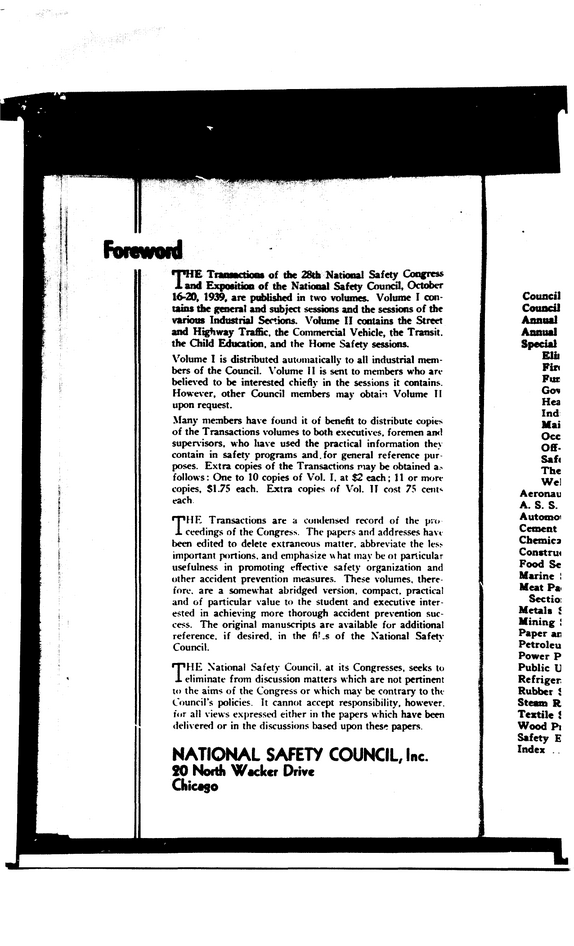
FILE NAME: National Safety Council (NSC) DATE: 1939 Oct DOC#: NSC242 DOCUMENT DESCRIPTION: Excerpt - Transactions of the NSC - 28th National Safety Congress rorew ora T^H E TnmactMM of die 28th National Safety Congress Xand Exposition of the National Safety Council, October 16-20, 1939* are published in two volumes.
refid# VGanoNmpJ5MVQ4NrmdnL915Yj28 pages