Refine
Estimated Years UndatedClear
92,592 results foundRefine Search
-X:r ^Historical Report.) ox , *."!'
refid# mmKbBpzq8KynwezvEoDgjZzV48 pages
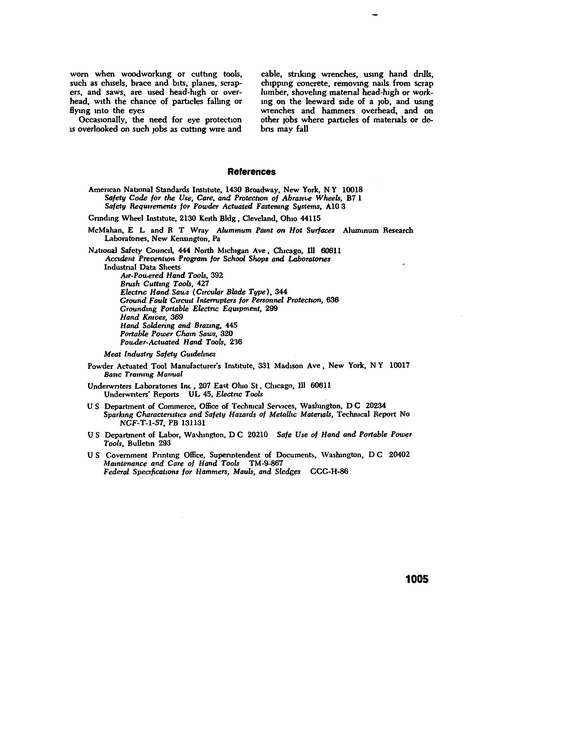
worn when woodworking or cutting tools, such as chisels, brace and bits, planes, scrap ers, and saws, are used head-high or over head, with the chance of particles falling or flying into the eyes Occasionally, the need for eye protection is overlooked on such jobs as cutting wire and cable, striking wrenches, using hand drills, chipping concrete, removing nails from scrap lumber, shoveling material head-high or work ing on the leeward side of a job, and using wrenches and hammers overhead, and on other jobs where particles of materials or de bris may fall References American National Standards Institute, 1430 Broadway, New York, N Y 10018 Safety Code for the Use, Care, and Protection of Abrasive Wheels, B7 1 Safety Requirements for Powder Actuated Fastening Systems, A10 3 Grinding Wheel Institute, 2130 Keith Bldg, Cleveland, Ohio 44115 McMahan, E L and B T Wray Aluminum Paint on Hot Surfaces Aluminum Research Laboratories, New Kensington, Pa National Safety Council, 444 North Michigan Ave, Chicago, 111 60611 Accident Prevention Program for School Shops and Laboratories Industrial Data Sheets Air-Powered Hand Tools, 392 Brush Cutting Tools, 427 Electric Hand Saws (Circular Blade Type), 344 Ground Fault Circuit Interrupters for Personnel Protection, 636 Grounding Portable Electric Equipment, 299 Hand Knives, 369 Hand Soldering and Brazing, 445 Portable Power Cham Saws, 320 Powder-Actuated Hand Tools, 236 Meat Industry Safety Guidelines Powder Actuated Tool Manufacturer's Institute, 331 Madison Ave, New York, N Y 10017 Basic Training Manual Underwriters Laboratories Inc, 207 East Ohio St, Chicago, 111 60611 Underwriters' Reports UL 45, Electric Tools U S Department of Commerce, Office of Technical Services, Washington, D C 20234 Sparking Characteristics and Safety Hazards of Metallic Materials, Technical Report No NCF-T-1-57, PB 131131 U S Department of Labor, Washington, D C 20210 Safe Use of Hand and Portable Power Tools, Bulletin 293 U S Government Printing Office, Superintendent of Documents, Washington, D C 20402 Maintenance and Care of Hand Tools TM-9-867 Federal Specifications for Hammers, Mauls, and Sledges GGG-H-86 1005
refid# KDp269634apwMkoY5jyQbEK1 page
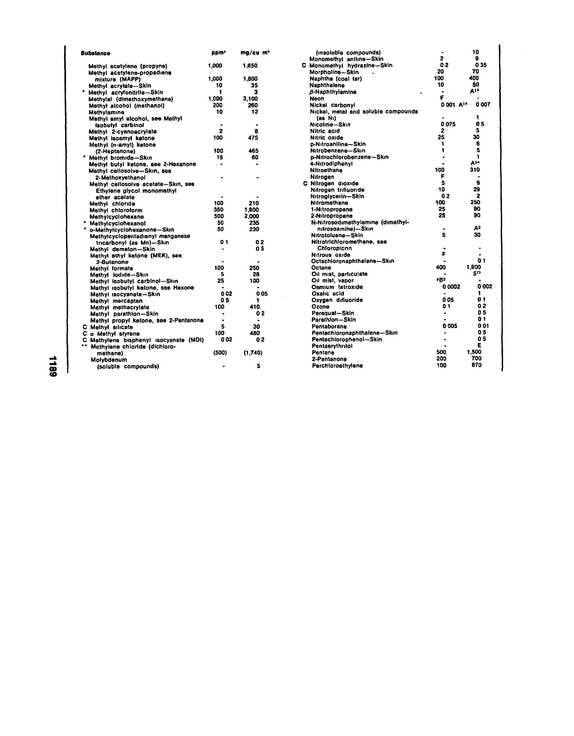
1189 Substance ppm* mg/cu ml Methyl acetylene (propyne) 1,000 Methyl acetylene-propadiene mixture (MAPP) 1,000 Methyl acrylate--Skin 10 * Methyl acrylonitrile--Skin 1 Methylal (dimethoxymethane) 1,000 Methyl alcohol (methanol) 200 Methylamine 10 Methyl amyl alcohol, see Methyl l80butyl carbinol Methyl 2-cyanoacrylate 2 Methyl isoamyl ketone 100 Methyl (n-amyl) ketone (2-Heptanone) 100 Methyl bromide--Skin 15 Methyl butyl ketone, see 2*Hexanone " Methyl cellosolve--Skin, see 2-Methoxyethanol Methyl cellosolve acetate--Skin, see Ethylene glycol monomethyl ether acetate Methyl chloride Methyl chloroform 100 350 Methylcyclohexane 500 * Methylcyclohexanol * o-Methylcyclohexanone--Skin 50 50 Methylcyclopentadienyl manganese tricarbonyl (as Mn)--Skin 01 Methyl demeton--Skin Methyl ethyl ketone (MEK), see 2-Bulanone - Methyl formate Methyl Iodide--Skin 100 5 Methyl isobutyl carbinol--Skin 25 Methyl isobutyl ketone, see Hexone Methyl isocyanate--Skin 0 02 Methyl mercaptan 05 Methyl methacrylate 100 Methyl parathlon--Skin - Methyl propyl ketone, see 2-Pentanone C Methyl silicate 5 C a Methyl styrene 100 C Methylene bisphenyl isocyanate (MOI) 0 02 ** Methylene chloride (dlchloro- methane) (500) Molybdenum (soluble compounds) - 1,650 1,600 35 3 3,100 260 12 8 475 465 60 - 210 1,900 2,000 235 230 02 05 250 28 100 0 05 1 410 02 30 460 02 (1,740) 5 (insoluble compounds) Monomethyl aniline--Skin C Monomethyl hydrazine--Skin Morpholine--Skin Naphtha (coal tar) Naphthalene 0-Naphthylamlne Neon Nickel carbonyl Nickel, metal and soluble compounds (as Ni) Nicotine--Skin Nitric acid Nitric oxide p-Nitroanlline--Skin Nitrobenzene--Skm p-Nitrochlorobenzene--Skin 4-Nitrodlphenyl Nitroethane Nitrogen C Nitrogen dioxide Nitrogen trifluoride Nitroglycerin--Skin Nitromethane 1-Nitropropane 2-Nitropropane N-Nitrosodimethylamine (dimethyl* mtrosoamlne)--Skin Nitrotoluene--Skin Nitrotrlchloromethane, see Chioropicnn Nitrous oxide Octachloronaphthalene--Skin Octane Oil mist, particulate Oil mist, vapor Osmium tetroxide Oxalic 8Ctd Oxygen difluoride Ozone Paraquat--Skin Parathlon--Skin Pentaborane Pentaehloronaphthalene--Skin Pentachlorophenol--Skin Pentaerythntol Pentane 2-Pentanone Perchloroethylene - 10 29 02 0 35 20 70 100 400 10 50 - F0 001 A1 0 007 - 0 075 2 25 1 1 * - 100 F 5 10 02 100 25 25 1 05 5 30 6 5 1 A* 310 9 29 2 250 90 90 - A* 5 30 F 400 - 0 0002 - 005 01 0 005 500 200 100 - 01 1.900 5r> 0 002 1 01 02 05 01 0 01 05 05 E 1,500 700 670
refid# DDoqjxOjYGxKV383v83orEjYN1 page
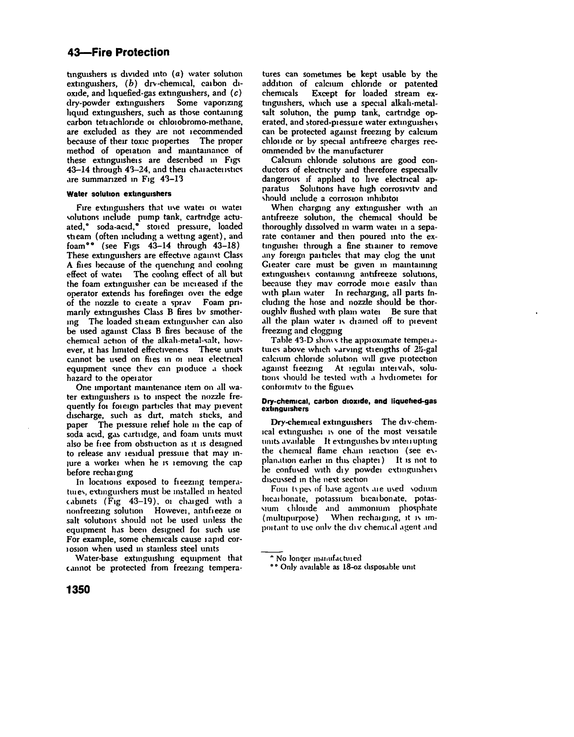
43--Fire Protection tinguishers is divided into (a) water solution extinguishers, (b) drv-chemical, caibon di oxide, and liquefied-gas extinguishers, and (c) dry-powder extinguishers Some vaporizing liquid extinguishers, such as those containing carbon tetiachlonde 01 chloiobromo-methane, are excluded as they are not lecommended because of their toxic pioperties The proper method of opeiation and maintamance of these extinguishes are described m Figs 43-14 through 43-24, and then chaiactenstics are summarized m Fig 43-13 Water solution extinguishers Fire extinguishers that use watei m watei solutions include pump tank, cartridge actu ated,0 soda-acid, stoied pressure, loaded stieam (often including a wetting agent), and foam* (see Figs 43-14 through 43-18) These extinguishers are effective against Class A flies liecause of the quenching and cooling effect of watei The cooling effect of all but the foam extinguisher can be mci eased if the operator extends his forefingei ovei the edge of the nozzle to cieate a sprav Foam pri marily extinguishes Class B fires bv smother ing The loaded stieam extinguisher can also be used against Class B fires because of the chemical action of the alkah-metal-salt, how ever, it has limited effectiveness These units cannot be used on flies in oi neai electrical equipment since thev can pioduce a shock hazard to the opeiator One important maintenance item on all wa ter extinguishers is to inspect the nozzle fre quently foi foieign particles that may pi event discharge, such as dirt, match sticks, and paper The piessuie relief hole in the cap of soda acid, gas cartndge, and foam units must also be fiee from obstiuction as it is designed to release anv lesidual pressuie that may in jure a workei when he is lemoving the cap before rechaigmg In locations exposed to fieezmg temperatuies, extinguishers must lie installed in heated cabinets (Fig 43-19). oi chaiged with a nonfreezing solution Howevei, antifieeze oi salt solutions should not lie used unless the equipment has been designed foi such use For example, some chemicals cause lapid corlosion when used in stainless steel units Water-base extinguishing equipment that cannot be protected from freezing tempera 1350 tures can sometimes be kept usable by the addition of calcium chloride or patented chemicals Except for loaded stream ex tinguishers, which use a special alkali-metalsalt solution, the pump tank, cartndge op erated, and stored-piessuie water extinguishes can be protected against freezing by calcium chloude or by special antifreeze charges rec ommended bv the manufacturer Calcium chloride solutions are good con ductors of electncity and therefore especially dangerous if applied to live electrical ap paratus Solutions have high corrosivitv and should include a corrosion mhibitoi When charging any extinguisher with an antifreeze solution, the chemical should be thoroughly dissolved m warm watei in a sepa rate container and then poured into the extinguishei through a fine stiamer to remove any foreign pai tides that may clog the unit Gieater care must be given m maintaining extinguishes containing antifreeze solutions, because they mav corrode moie easilv than with plain water In recharging, all parts In cluding the hose and nozzle should be thor oughly flushed with plain watei Be sure that all the plain water is diained off to pi event freezing and clogging Table 43-D shows the appioximate tempeutuies above which varying stiengths of 211-gal calcium chloride solution will give piotection against fieezing At legulai intei vals, solu tions should be tested with a hvdiometei for contoimitv to the figuies Dry-chemical, carbon dioxide, and liquehed-gas extinguishers Dry-chemical extinguishers The di v-chemlcal extmguishei is one of the most veisatile units available It extinguishes bv mteiiupting the chemical flame chain leaction (see ex planation earliei m this chaptei) It is not to lie confused with diy powdei extmguisheis discussed m the next section Foul tspes of base agents aie used sodium bicai bonate, potassium bicatbonate, potas sium chloude and ammonium phosphate (multipurpose) When rechaigmg, it is lmpoitant to use onlv the di\' chemical agent and " No longer maiiufactuied 0 Only available as I8-oz disposable unit
refid# J3D1j9mRk7QambDbng4nY4rKX1 page
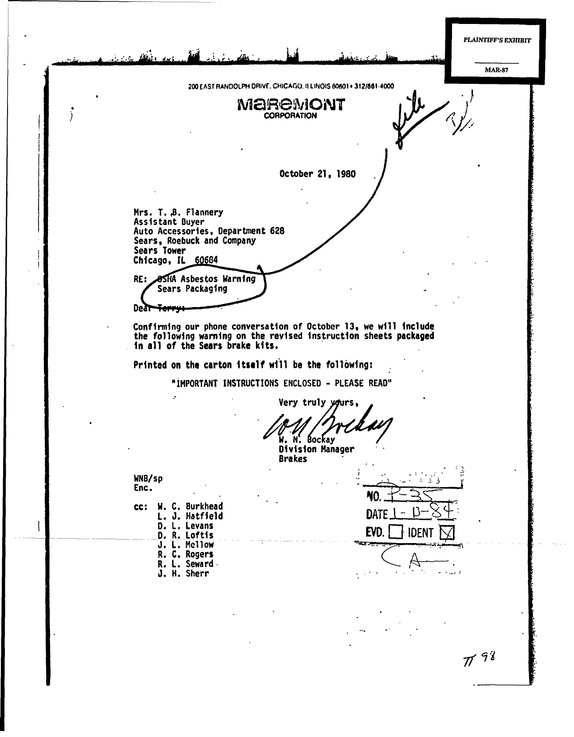
M jib 200 EAST RANDOLPH DRIVE.
refid# jgm5omaqxYbVwVg8VbQj8YX0Q2 pages
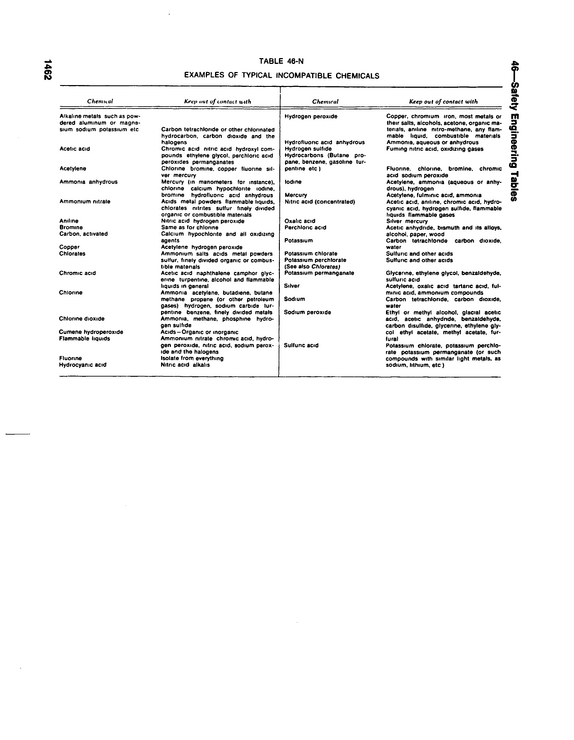
46-- Safety Engineering Tables 1462 TABLE 46-N EXAMPLES OF TYPICAL INCOMPATIBLE CHEMICALS Chemual Alkaline metals such as pow dered aluminum or magnesium sodium potassium etc Acetic acid Acetylene Ammonia anhydrous Ammonium nitrate Aniline Bromine Carbon, activated Copper Chlorates Chromic acid Chlorine Chlorine dioxide Cumene hydroperoxide Flammable liquids Fluorine Hydrocyanic acid Keep out of umtuct u-tth Chemiral Hydrogen peroxide Carbon tetrachloride or other chlorinated hydrocarbon, carbon dioxide and the halogens Chromic acid nitric acid hydroxyl com pounds ethylene gtycot. perchloric acid peroxides permanganates Chlorine bromine, copper fluonne sil ver mercury Mercury (in manometers for instance), chlorine calcium hypochlorite iodine. bromine hydrofluoric acid anhydrous Acids metal powders flammable liquids, chlorates nitrites sulfur finely divided organic or combustible materials Nitric acid hydrogen peroxide Same as for chlonne Calcium hypochlorite and all oxidizing agents Acetylene hydrogen peroxide Ammonium salts acids metal powders sulfur, finely divided organic or combus tible matenals Acetic acid naphthalene camphor glyc erine turpentine, alcohol and flammable liquids in general Ammonia acetylene, butadiene, butane methane propane (or other petroleum gases) hydrogen, sodium carbide turpentine benzene, finely divided metals Ammonia, methane, phosphine hydro gen sulfide Acids-Organic or inorganic Ammonium nitrate chromic acid, hydrogen peroxide, nitric acid, sodium perox ide and the halogens Isolate from everything Nitric acid alkalis Hydrofluonc acid anhydrous Hydrogen sulfide Hydrocarbons (Butane pro pane. benzene, gasoline turpentine etc) Iodine Mercury Nitric acid (concentrated) Oxalic acid Perchloric acid Potassium Potassium chlorate Potassium perchlorate (See also Chlorates) Potassium permanganate Silver Sodium Sodium peroxide Sulfunc acid Keep out of contoct with Copper, chromium iron, most metals or their salts, alcohols, acetone, organic matenals, aniline mtro-methane. any flam mable liquid, combustible materials Ammonia, aqueous or anhydrous Fuming mtnc acid, oxidizing gases Fluorine, chlorine, bromine, chromic acid sodium peroxide Acetylene, ammonia (aqueous or anhy drous). hydrogen Acetylene, fulmtmc acid, ammonia Acetic acid, aniline, chromic acid, hydro cyanic acid, hydrogen sulfide, flammable liquids flammable gases Silver mercury Acetic anhydride, bismuth and its alloys. alcohol, paper, wood Carbon tetrachlonde carbon dioxide, water Sulfunc and other acids Sulfuric and other acids Glycerine, ethylene glycol, benzaldehyde. sulfuric acid Acetylene, oxalic acid tartaric acid, fulmime acid, ammonium compounds Carbon tetrachlonde. carbon dioxide, water Ethyl or methyl alcohol, glacial acetic acid, acetic anhydnde, benzaldehyde. carbon disulfide, glycenne, ethylene glycol ethyl acetate, methyl acetate, furfural Potassium chlorate, potassium perchlo rate potassium permanganate (or such compounds with similar light metals, as sodium, lithium, etc)
refid# kmzZOEgrgywO8m2v9B5mxQVEb1 page
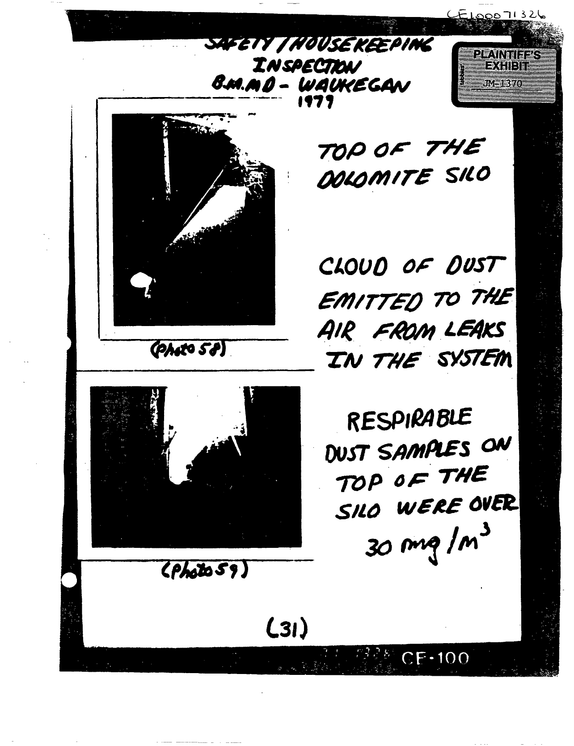
>o"l S2A* XNSfiECnoV 64*.mo - umvKecA" H77 70/0 Of 7~//S 00/oMtre s/io <fiM0SV) tptfrsi) Ckooo or cost e/n/rr0 tv T#*\ /M raw leaks TN the svsrm RSP/<M8i Oust sa/hPies "TOP THE SILO MtE&E 0N&\ 20 0**j/a if r: ?
refid# N2nYq82X7LqY27deoMgMjMd581 page
^POSkiNTIFF-t || f Jtis'-x&m?
refid# p2gBObwr5yroXnZqOr9NDQ9oE1 page
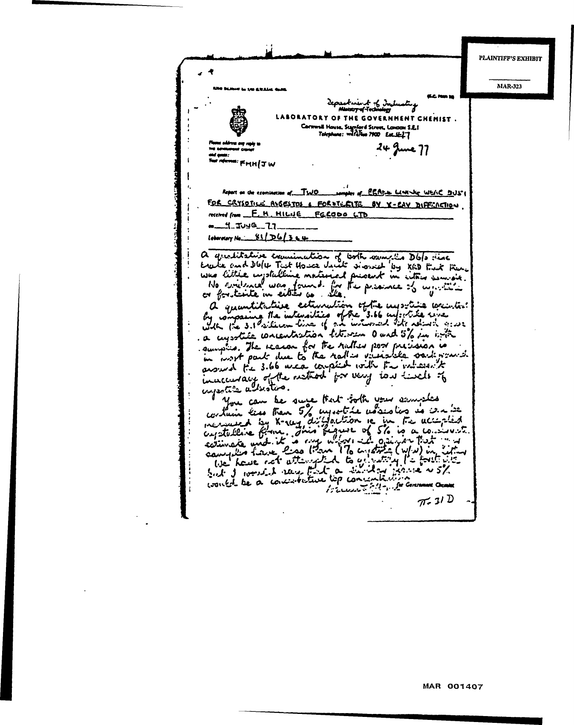
*4 Mhuuy f-TrcWtg 0 LAIOAATORY Of THE GOVSANHENT CHEMIST .
refid# JNdaZXX8a3QZmRgM9ogBVXXnX1 page
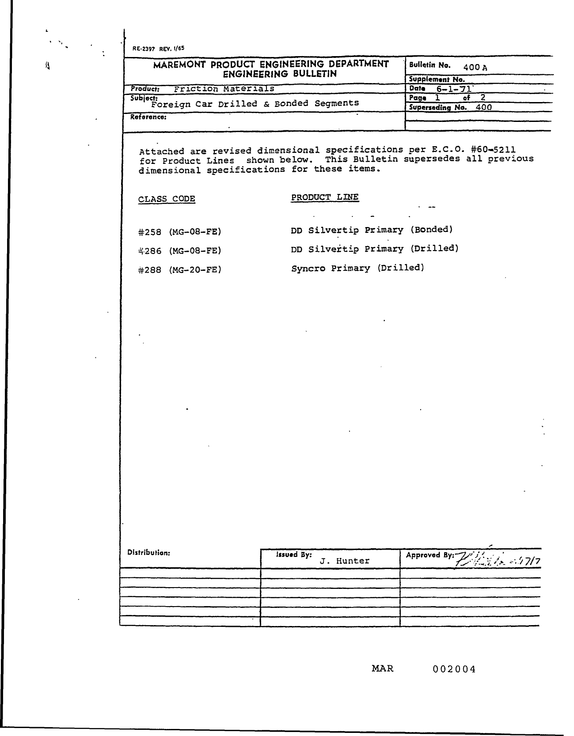
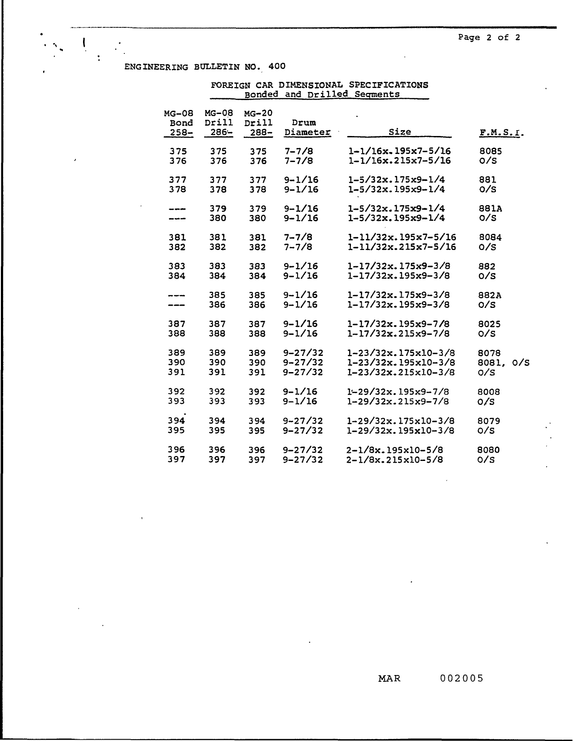
Hoo 4 MAR 002003 RE-239?
refid# EqD1aVaJebMV01Z4Qjo6e31MV3 pages
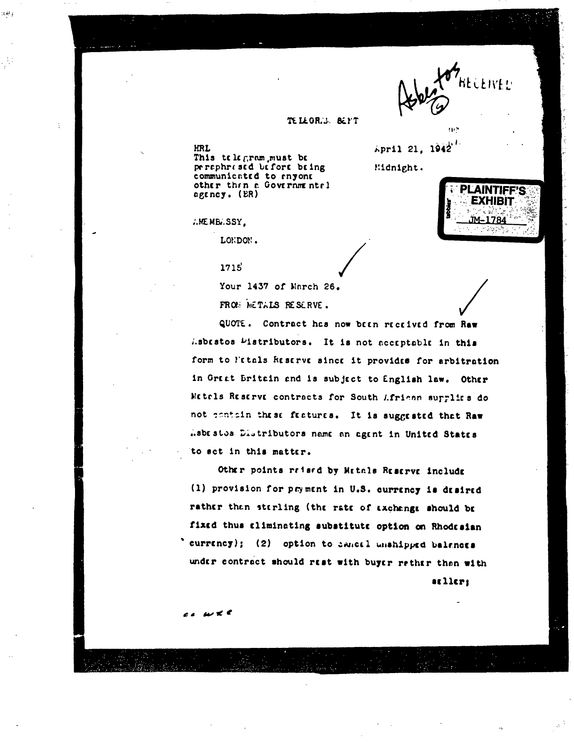
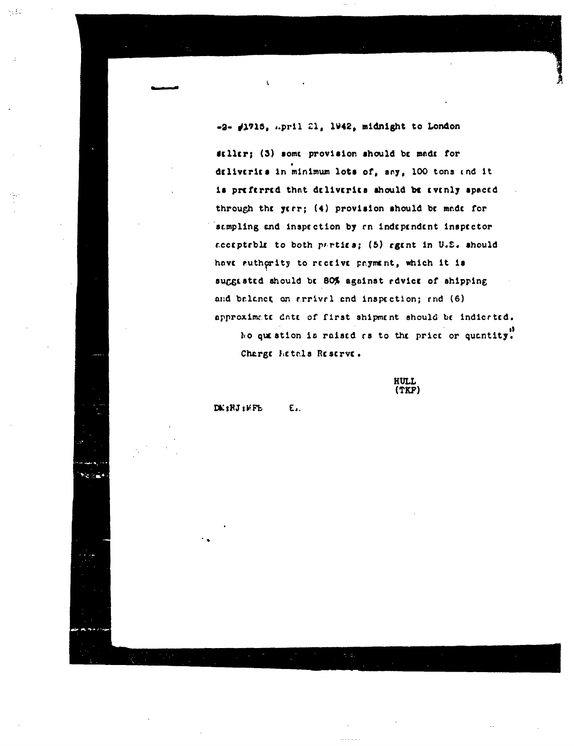
TE Lfc.OR.1 SEI'T HRL This tt It gram .must be paraphrased before being communicated to rnyone other thrn r.
refid# n9Bq18GRLVoegRE65X77Z5Yo62 pages
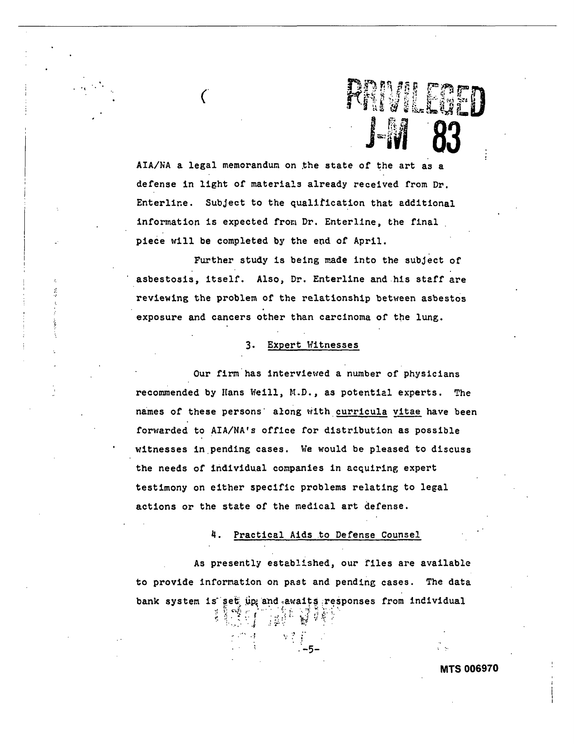
AIA/NA a legal memorandum on .the state of the art as a defense in light of materials already received from Dr.
refid# 4QBoEYr6kRqbZ2vanR8emeZ611 page
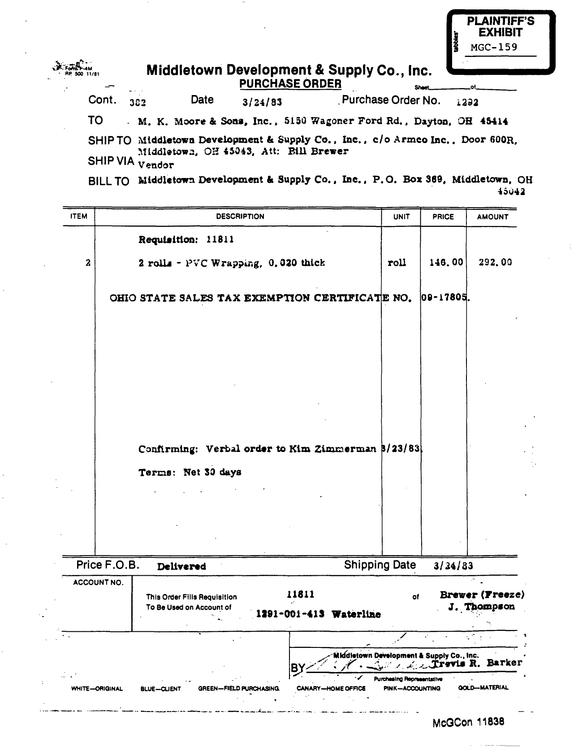
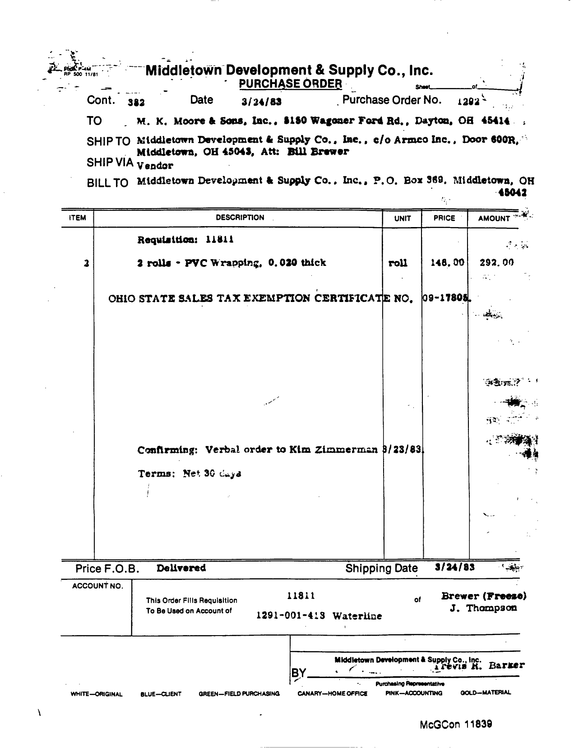
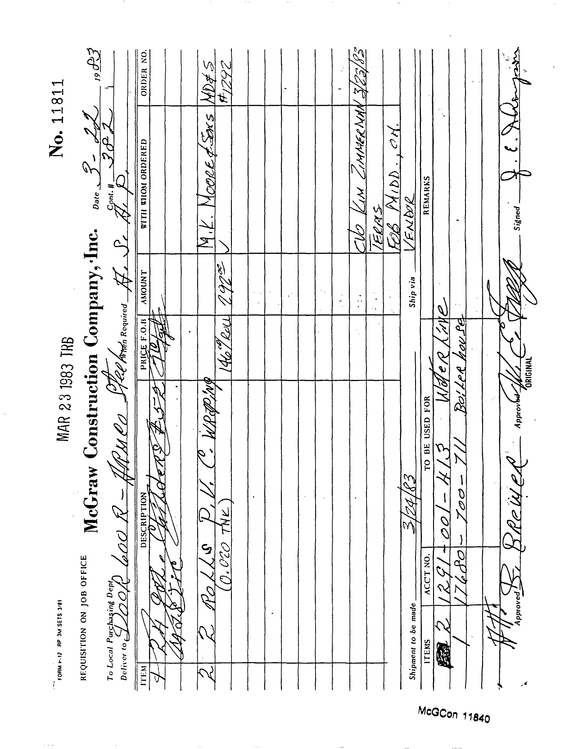
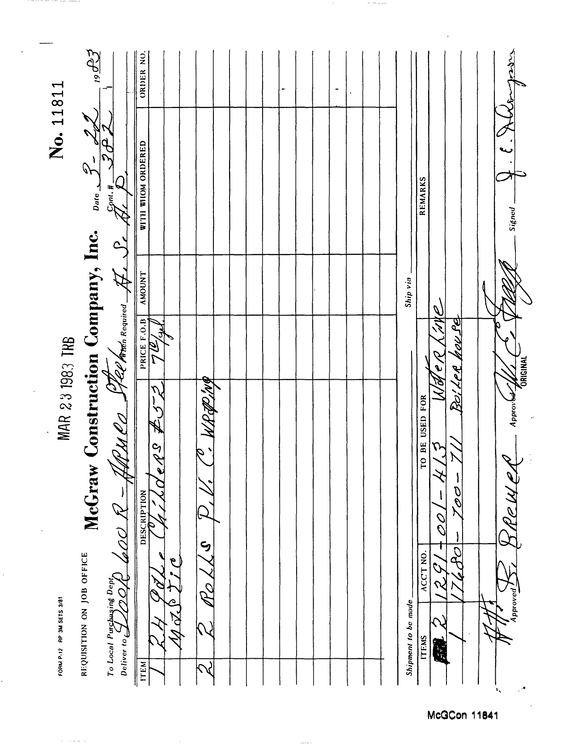
PLAINTIFF'S EXHIBIT MGC-159 *1^ Fo/n^L-1 RR 500 11/81 Cont.
refid# ExZKmxg7e3wowppDRe3q8VKgL82 pages
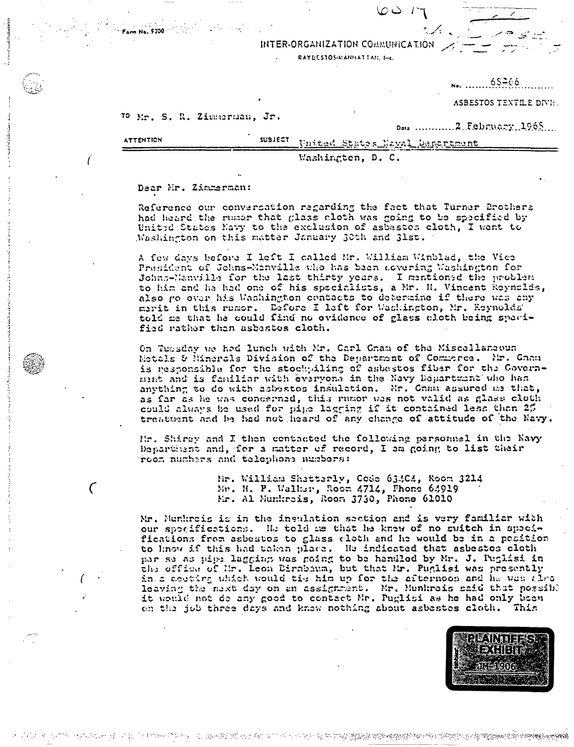
m Form Ho. 9200 l'-\ X INTER-ORGANIZATION COMMUNICATION RAYUCSIOS-UAHHAI 7 AM |,,e. 6S-66 T0 Mr.
refid# ExdB7bjXMpjn2Dy2wZ0bxG0yj2 pages
*** r':sr - * *' : ) tfi'stti& \.\ v/;:'.
refid# YYOyV1bB0px7KwNZ3LmoX3kK6 pages