Refine
Estimated Years UndatedClear
34,161 results foundRefine Search
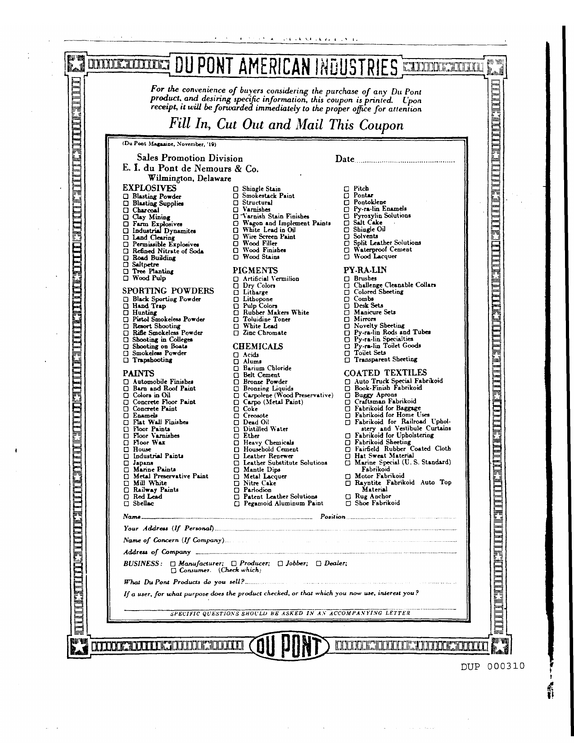
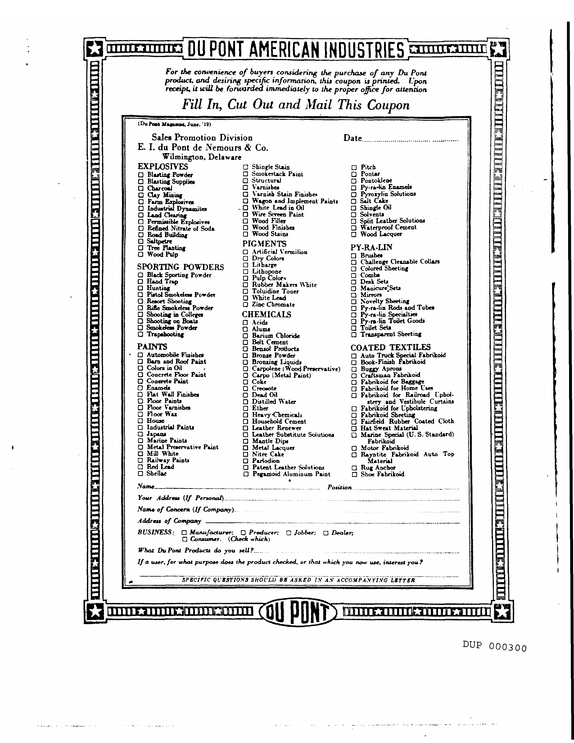
Wilmington, Delaware EXPLOSIVES Blasting Powder Blasting Supplier Charcoal Clay Mining Farm Explosives Industrial Dynamite* Land Clearing Permissible Explosive* Refined Nitrate of Soda Road Building Saltpetre Q Tree Planting Wood Pulp SPORTING POWDERS Black Sporting Powder Q Hand Trap Hunting Pistol Smokeless Powder Resort Shooting Rifle Smokeless Powder Shooting in Colleges Shooting on Boats Smokeless Powder Trapshooting PAINTS Automobile Finishes Barn and Roof Paint Colors in Oil Concrete Floor Paint Concrete Paint Enamels Flat Wall Finishes Floor Paints Floor Varnishes Floor Wax House Industrial Paints Japans Marine Paints Q Metal Preservative Paint Mill White Railway Paints Red Lead Shellac Shingle Stain Smokestack Paint Structural Varnishes 'Varnish Stain Finishes Wagon and Implement Paints White Lead in Oil Wire Screen Paint O Wood Filler Wood Finishes Wood Stains PIGMENTS Artificial Vermilion O Dry Colors Litharge Lithopone Q Pulp Colors O Rubber Makers White Q Toluidine Toner W'hite Lead a Zinc Chromate CHEMICALS o Acids Alums Barium Chloride Belt Cement Bronze Powder D Bronzing Liquids D Carpolene {Wood Preservative) Carpo (Metal Paint) Coke O Creosote Dead Oil O Distilled Water Ether Heavy Chemicals Household Cement Leather Renewa* Q Leather Substitute Solutioos Mantle Dips Metal Lacquer Nitre Cake Pariodion Patent Leather Solutions Pegamoid Aluminum PaiDt Pitch Pontar PontokJene Py-ra-lin Enamels Pyroxylin Solutions Salt Cake Q Shingle Oil Solvents O Split Leather Solutions Q Waterproof Cement Wood Lacquer PY-RA-LIN Brushes Challenge Clealiable Collars Colored Sheeting Q Combs O Desk Sets Manicure Sets Mirrors Novelty Sheeting Py-ra-lin Rods and Tube* O Py-ra-lin Specialties Py-ra-lin Toilet Goods Toilet Sets Transparent Sheeting COATED TEXTILES Auto Truck Special F&brikoid Book-Finish Fabrikoid Q Buggy Aprons Q Craftsman Fabrikoid Fabrikoid for Baggage Fabrikoid for Home Uses Fabrikoid for Railroad Uphol stery and Vestibule Curtains Fabrikoid for Upholstering Fabrikoid Sheeting O Fairfield Rubber Coated Cloth Hat Sweat Material Marine Special (U.

refid# 6RMJNRxbJEBapRbvVQ9qLLw4o2 pages
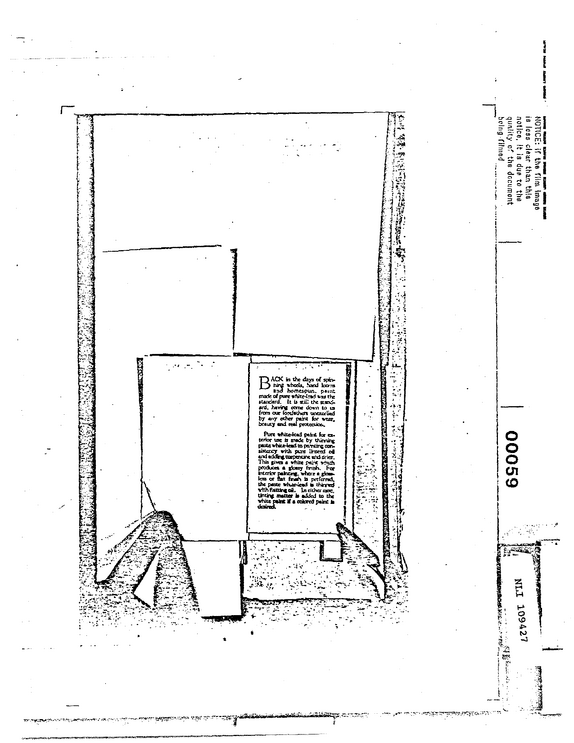
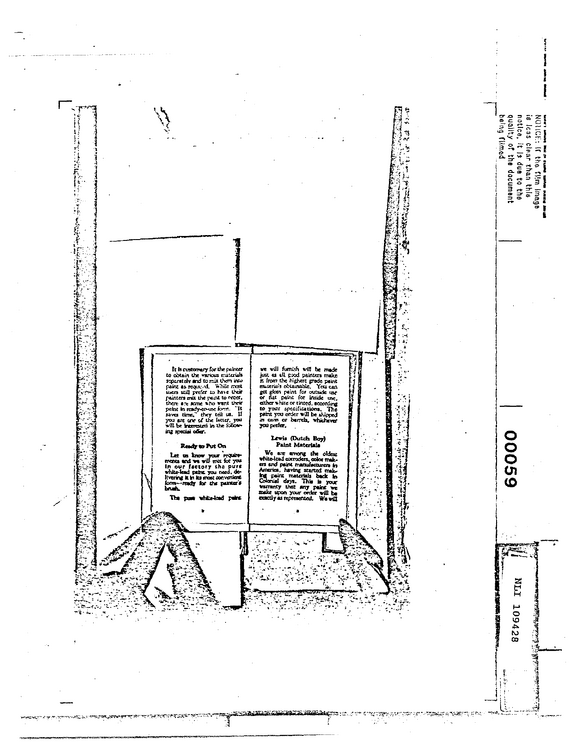
Pure white-lead ptW hr a. tenor use b made by thirties paste vhite4ead ta p&Tiargcon sistency with put linseed ofl arai adding turpentine and drier.
refid# 6Rz6oe4NjOYkxxRd7gmDVa9Ed8 pages
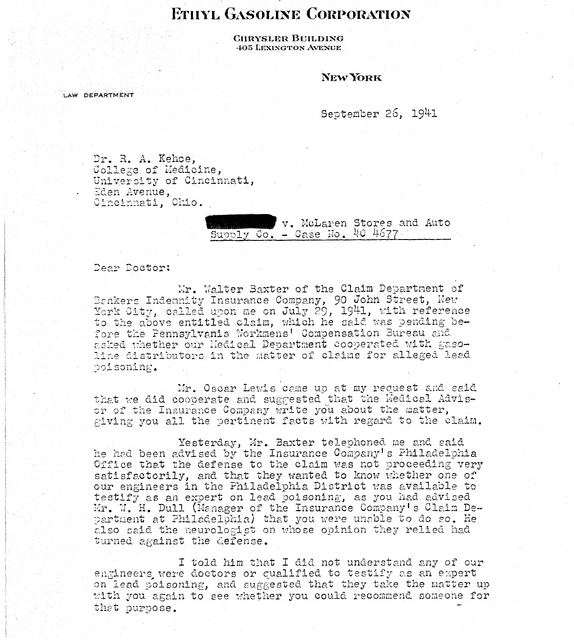
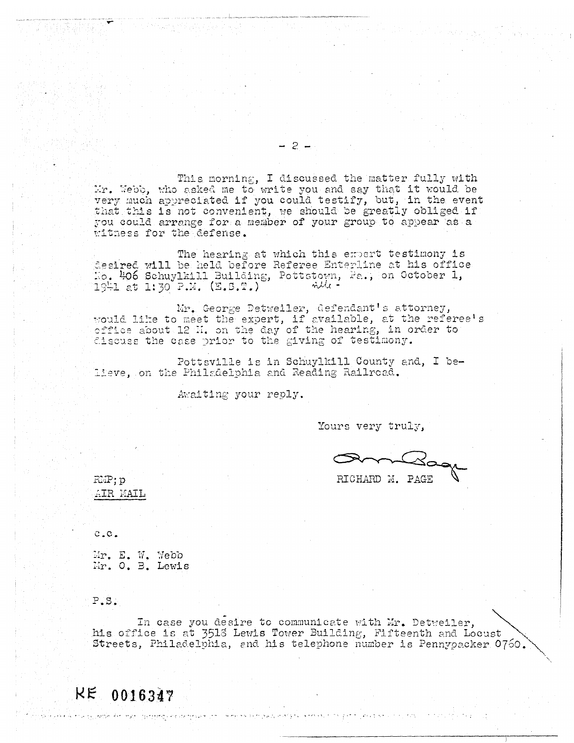
District was available to testify as an expert on lead poisoning, as you had advised Mr.
refid# G5DE1BoL348a0rkg92rXOBmVq2 pages
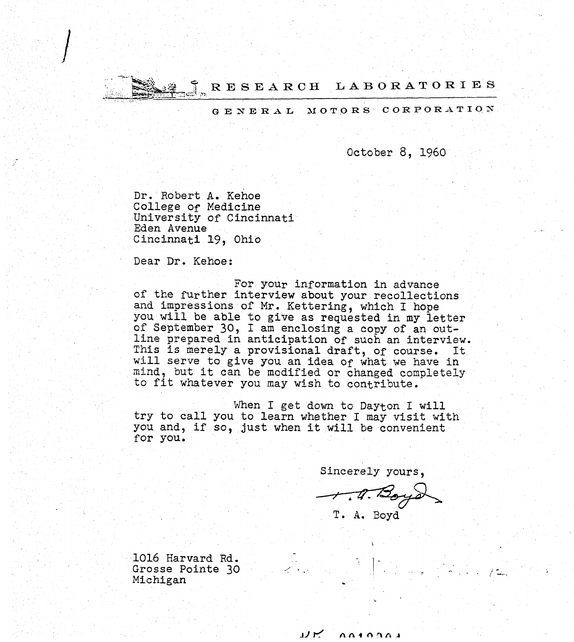
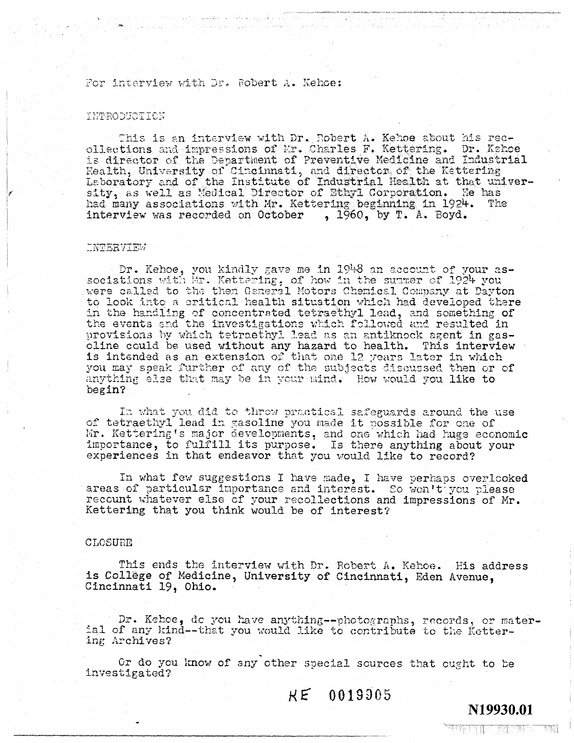
In what you. did to throw practical safeguards around the use of tetraethyl lead in gasoline you made it possible for one of Mr.
refid# R22GoNz6GxxM6Q353xv9XGyEV2 pages
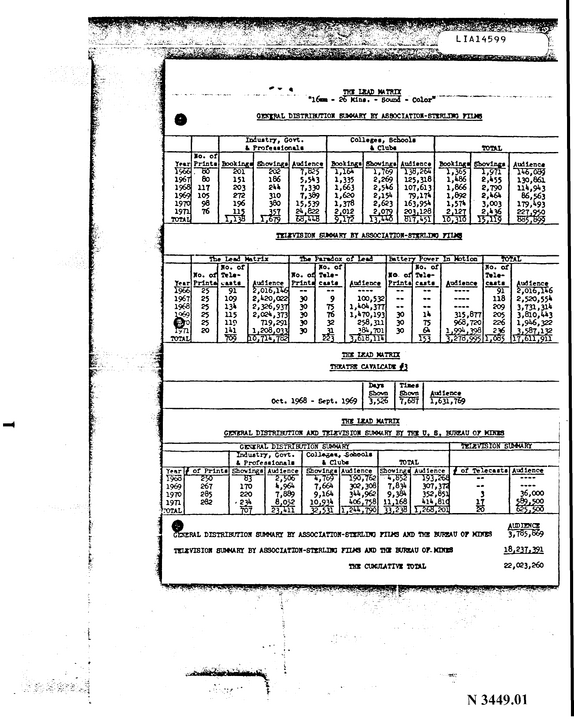
7 2,436 16,31o jsb 227,950 TDZVXSIOH SUMMARY BT ASSOCIATIOH-B7ERLD*3 TVMS The Lead Matrix The Paradox of Lead Battery l1over In Motion !
refid# 5L9Q2kvX3GkVqvm41opQ916982 pages
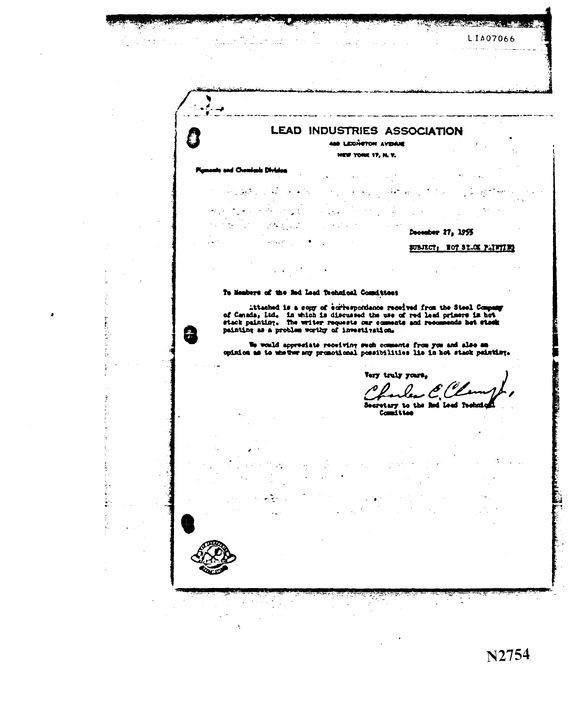
'HdW.it til , -r LEAD INDUSTRIES ASSOCIATION 4ta lsxuWtom atom MM TOM* t?
refid# 65eny6xdmQ8Zp9DQwnVMeb0n12 pages
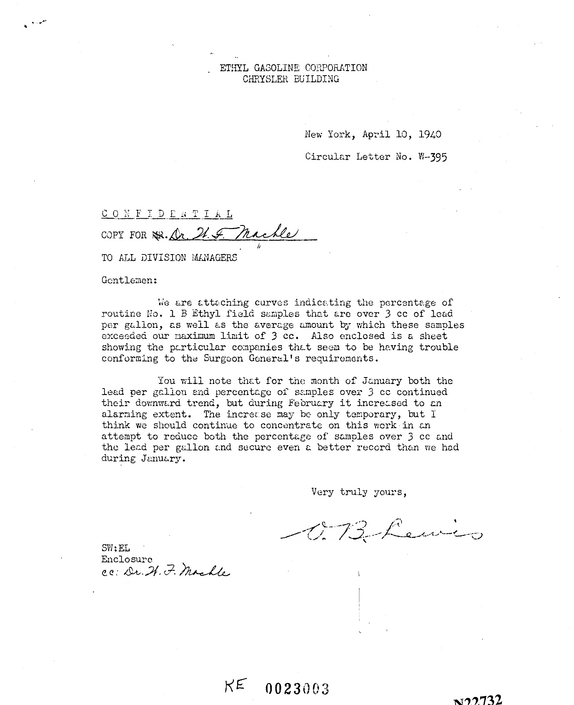
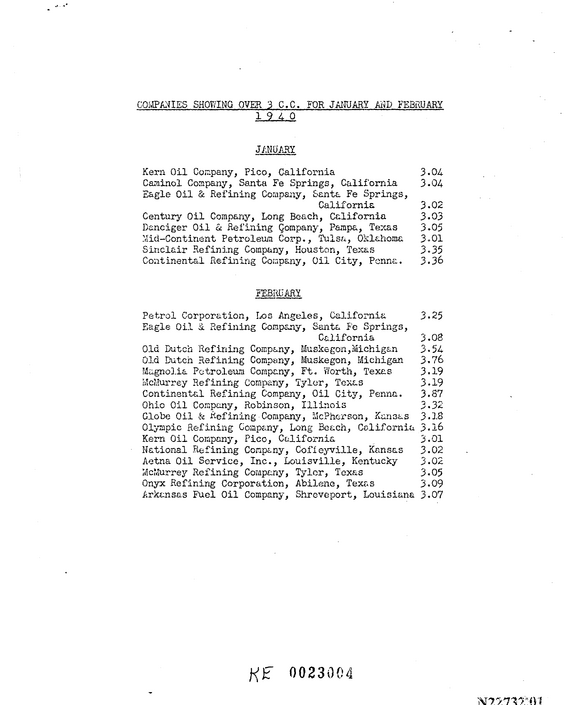
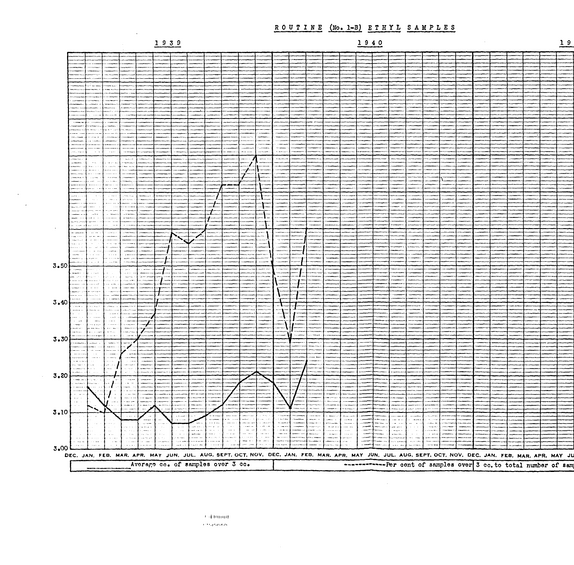
You will note that for the month of January both the lead per gallon and percentage of samples over 3 cc continued their downward trend, but during February it increased to an alarming extent.
refid# KRErpw2qNpZXB2L972v3V4qL63 pages
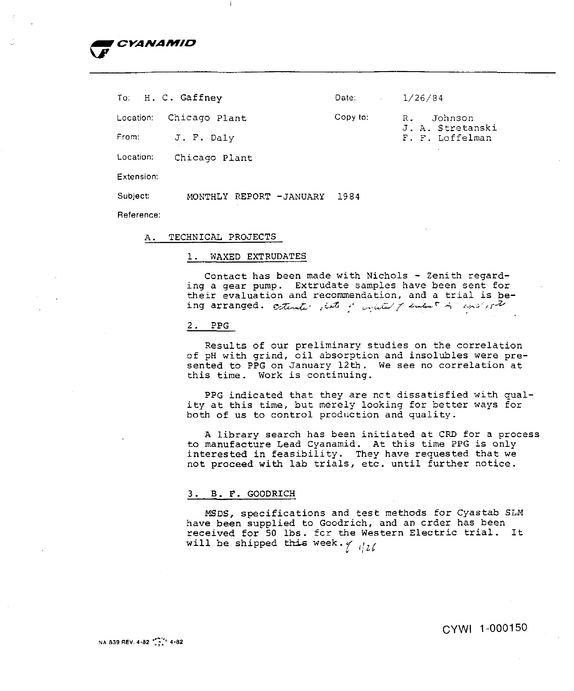
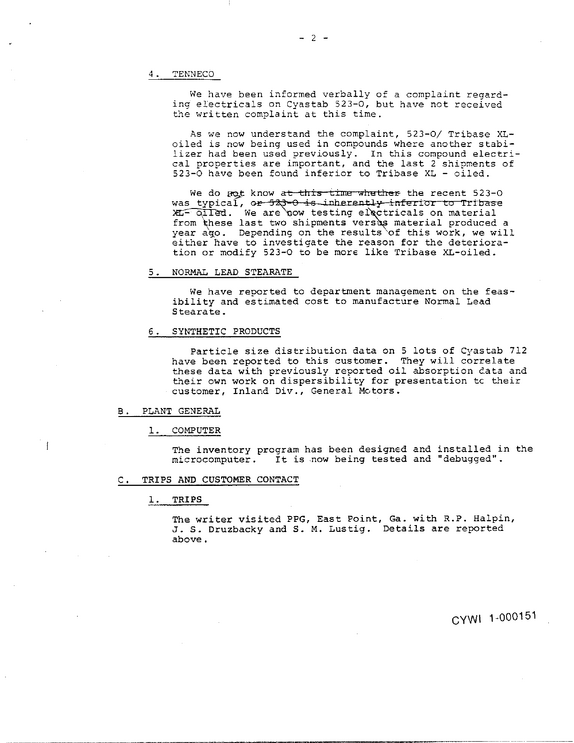
NORMAL LEAD STEARATE We have reported to department management on the feas ibility and estimated cost to manufacture Normal Lead Stearate. 6 .
refid# MGx5oXaOxzVgDpkN77dvEXe0L3 pages
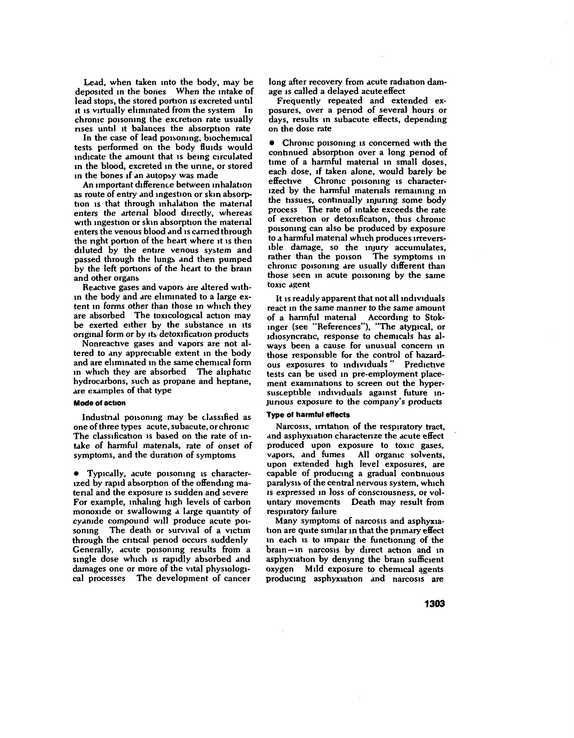
Lead, when taken into the body, may be deposited in the bones When the intake of lead stops, the stored portion is excreted until it is virtually eliminated from the system In chronic poisoning the excretion rate usually rises until it balances the absorption rate In the case of lead poisoning, biochemical tests performed on the body fluids would indicate the amount that is being circulated in the blood, excreted in the unne, or stored in the bones if an autopsy was made An important difference between inhalation as route of entry and ingestion or skin absorp tion is that through inhalation the material enters the arterial blood directly, whereas with ingestion or skin absorption the material enters the venous blood and is earned through the nght portion of the heart where it is then diluted by the entire venous system and passed through the lungs and then pumped by the left portions of the heart to the brain and other organs Reactive gases and vapors are altered with in the body and are eliminated to a large ex tent in forms other than those in which they are absorbed The toxicological action may be exerted either by the substance in its ongmal form or by its detoxification products Nonreactive gases and vapors are not al tered to any appreciable extent m the body and are eliminated in the same chemical form m which they are absorbed The aliphatic hydrocarbons, such as propane and heptane, are examples of that type Mode of action Industrial poisoning may be classified as one of three types acute, subacute, or chronic The classification is based on the rate of in take of harmful materials, rate of onset of symptoms, and the duration of symptoms Typically, acute poisoning is character ized by rapid absorption of the offending ma terial and the exposure is sudden and severe For example, inhaling high levels of carbon monoxide or swallowing a large quantity of cyanide compound will produce acute poi soning The death or survival of a victim through the critical period occurs suddenly Generally, acute poisoning results from a single dose which is rapidly absorbed and damages one or more of the vital physiologi cal processes The development of cancer long after recovery from acute radiation dam age is called a delayed acute effect Frequently repeated and extended ex posures, over a period of several hours or days, results in subacute effects, depending on the dose rate Chronic poisoning is concerned with the continued absorption over a long period of time of a harmful material in small doses, each dose, if taken alone, would barely be effective Chronic poisoning is character ized by the harmful materials remaining m the tissues, continually injuring some body process The rate of intake exceeds the rate of excretion or detoxification, thus chronic poisoning can also be produced by exposure to a harmful material which produces irrevers ible damage, so the injury accumulates, rather than the poison The symptoms in chronic poisoning are usually different than those seen in acute poisoning by the same toxic agent It is readily apparent that not all individuals react m the same manner to the same amount of a harmful material According to Stokmger (see "References"), "The atypical, or idiosyncratic, response to chemicals has al ways been a cause for unusual concern in those responsible for the control of hazard ous exposures to individuals " Predictive tests can be used in pre-employment place ment examinations to screen out the hypersusceptible individuals against future in jurious exposure to the company's products Type of harmful effects Narcosis, lmtation of the respiratory tract, and asphyxiation characterize the acute effect produced upon exposure to toxic gases, vapors, and fumes All organic solvents, upon extended high level exposures, are capable of producing a gradual conbnuous paralysis of the central nervous system, which is expressed m loss of consciousness, or vol untary movements Death may result from respiratory failure Many symptoms of narcosis and asphyxia tion are quite similar in that the primary effect m each is to impair the functioning of the brain--in narcosis by direct action and in asphyxiation by denying the brain sufficient oxygen Mild exposure to chemical agents producing asphyxiation and narcosis are 1303
refid# aJMvoNBQNDmMj322o9j1kO6m91 page
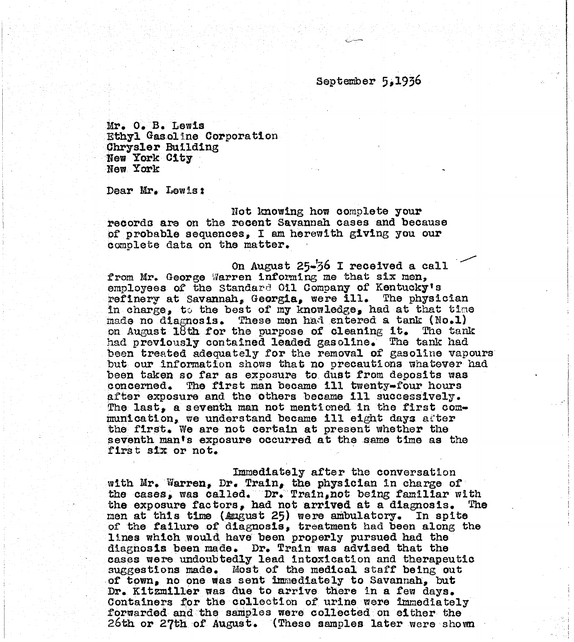
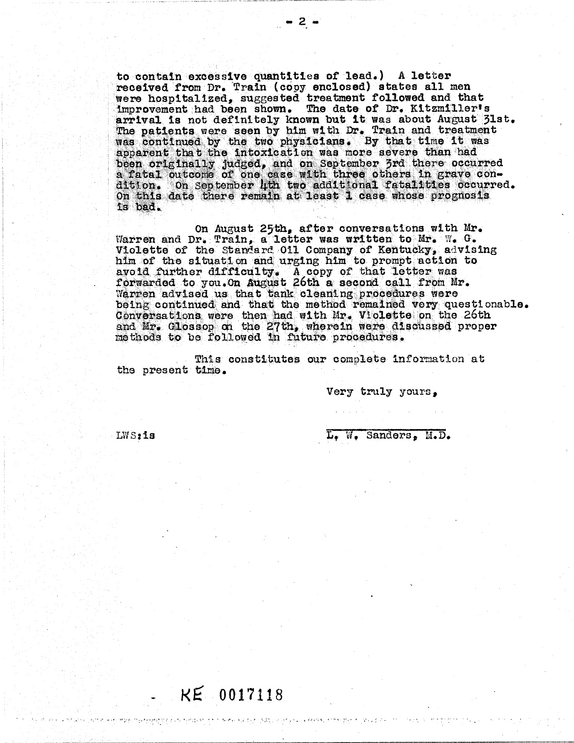
Dr, Train was advised that the cases were undoubtedly lead intoxication and therapeutic suggestions made.
refid# O3EQQJoawMYqBxY8bEakn2zDw2 pages
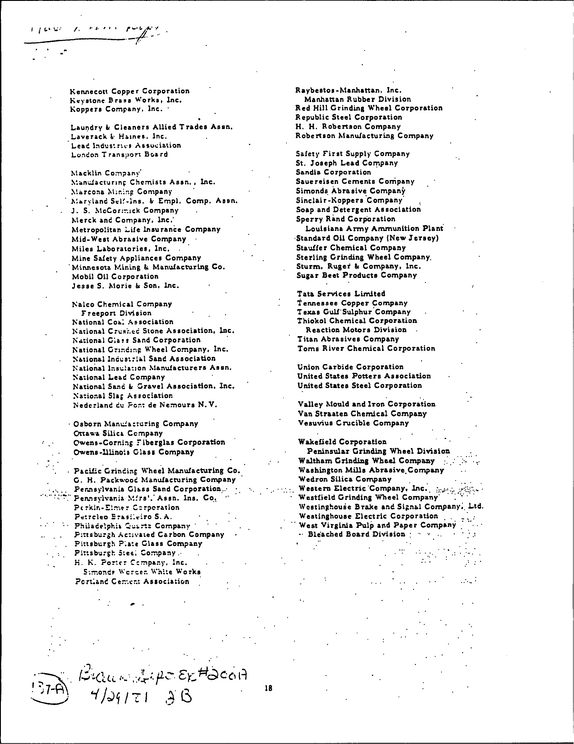
National Lead Company National Sane k Gravel Association, Inc.
refid# MJ500OoX716e0ovROgqOnkY6x1 page
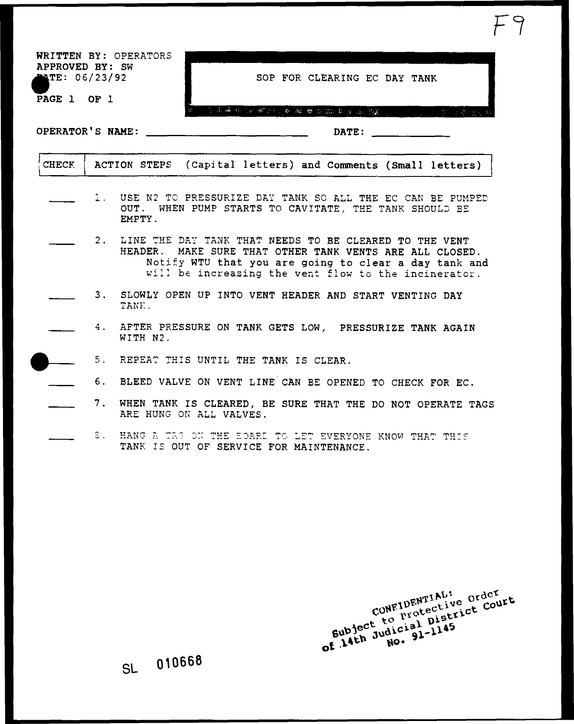
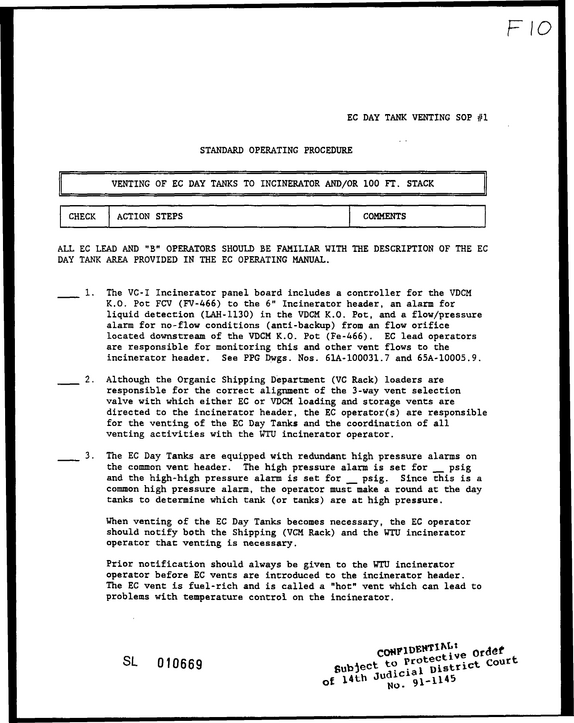
EC lead operators are responsible for monitoring this and other vent flows to the incinerator header.
refid# 3J15pvr54wr0ngoD2G5v0EKKx2 pages
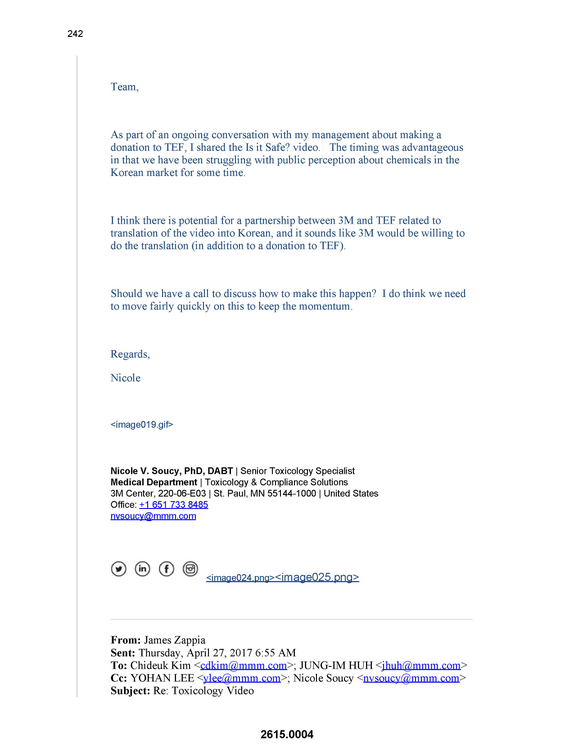
Lead Toxicology Specialist Diplomate, American Board of Toxicology 3M Medical Department 3M Center, Building 220-6E-03 | St.
refid# 4ajDar88bGmywk9aedy4Yyj5R4 pages
Wilmington, Delaware EXPLOSIVES Eluting Powder Bluting Supplia Charcoal Clay Mining Farm Explosives Industrial Dynamites Land Clearing Permissible Explosives Refined Nitrate of Soda Road Building Saltpetre Tree Planting G Wood Pulp SPORTING POWDERS Black Sporting Powder Hand Trap Hunting G Pistol Smokeless Powder G Resort Shooting G Rifle Smokeless Powder G Shooting in Colleges G Shooting o q Boats Smokeless Powder G Trapshooting PAINTS Automobile Finishes G Bara and Roof Paint G Colon in Oil G Concrete Floor Paint Concrete Paint Enamels Flat Wall Finishes Floor Paints Floor Varnishes Floor Wax G House Industrial Paints Japans G Marine Paints Metal Preservative Paint Mill White G Railway Paints Red Lead G Shellac Shingle Stain Smokestack Paint Structural Varnishes Varnish Stain Finishes Wagon and Implement Paints White Lead in Oil Wire Screen Paint Wood Filler Wood Finishes Wood Stains PIGMENTS G Artificial Vermilion Dry Colors G Litharge a Lithopone Pulp Colors a Rubber Makers White a Toluidine Toaer a White Lead a Zinc Chromate CHEMICALS G Acids Alums Barium Chloride Belt Cement Benxol Products G Bronxe Powder Bronxiog Liquids O Carpolene (Wood Preservative) Carpo (Metal Paint) G Coke G Creosote Dead Oil Distilled Water a Ether G Heavy-Chemicals G Household Cement Leather Renewer Leather Substitute Solutions Mantle Dips G Metal Lacquer G Nitre Cake G Pariodion G Patent Leather Solutions Pegamoid Aluminum Paint G Pitch G Pontar Pontoldene Py-radin Enamels Pyroxylin Solutions G Salt Cake G Shingle Oil G Solvents G Split Leather Solutions Waterproof Cement a Wood Lacquer PY-RA-LIN Brushes Challenge Geanable Collars Colored Sheeting G Combs G Desk Sets O Manicure*Sets G Mirror* Novelty Sheeting G Py-ra-lin Rods and Tubes Py-ra-lin Specialties Py-ra-lin Toilet Goods Toilet Sets G Transparent Sheeting COATED TEXTILES G Auto Trade Special Fabrikoid Book-Finish Faberiikkooid Buggy Aprons Craftsman Fabrikoid Fabrikoid for Baggage Fabrikoid for Home Uses Fabrikoid for Railroad Uphol stery and Vestibule Curtains Fabrikoid for Upholstering G Fabrikoid Sheeting Q Fairfield Rubber Coated Cloth Hat Sweat Material a Marine Special (U.

refid# RpKq828eGeybgzVDmn4w1XOoa2 pages
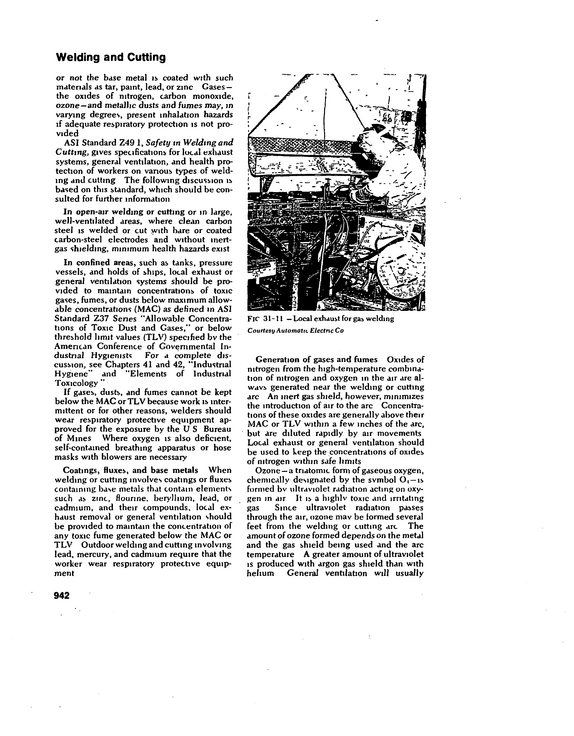
Welding and Cutting or not the base metal is coated with such materials as tar, paint, lead, or zinc Cases -- the oxides of nitrogen, carbon monoxide, ozone--and metallic dusts and fumes may, in varying degrees, present inhalation hazards if adequate respiratory protection is not pro vided ASI Standard Z49 1, Safety in Welding and Cutting, gives specifications for local exhaust systems, general ventilation, and health pro tection of workers on vanous types of weld ing and cutting The following discussion is based on this standard, which should be con sulted for further information In open-air welding or cutting or in large, well-ventilated areas, where clean carbon steel is welded or cut .with bare or coated carbon-steel electrodes and without inertgas shielding, minimum health hazards exist In confined areas, such as tanks, pressure vessels, and holds of ships, local exhaust or general ventilation systems should be pro vided to maintain concentrations of toxic gases, fumes, or dusts below maximum allow able concentrations (MAC) as defined m ASI Standard Z37 Senes "Allowable Concentra tions of Toxic Dust and Gases," or below threshold limit values (TLV) specified bv the Amencan Conference of Governmental Industnal Hygienists For a complete dis cussion, see Chapters 41 and 42, "Industrial Hygiene" and "Elements of Industrial Toxicology " If gases, dusts, and fumes cannot be kept below the MAC or TLV because work is inter mittent or for other reasons, welders should wear respiratory protective equipment ap proved for the exposure by the U S Bureau of Mines Where oxygen is also deficient, self-contained breathing apparatus or hose masks with blowers are necessary Coatings, fluxes, and base metals When welding or cutting involves coatings or fluxes containing base metals that contain elements such as zinc, flourine, beryllium, lead, or cadmium, and their compounds, local ex haust removal or general ventilation should be provided to maintain the concentration of any toxic fume generated below the MAC or TLV Outdoor welding and cutting involving lead, mercury, and cadmium require that the worker wear respiratory protective equip ment Fic 31-H -- Local exhaust for gas welding Courtesy Automatic Electric Co Generation of gases and fumes Oxides of nitrogen from the high-temperature combina tion of nitrogen and oxygen in the air are al ways generated near the welding or cutting arc An inert gas shield, however, minimizes the introduction of air to the arc Concentra tions of these oxides are generally above their MAC or TLV within a few inches of the arc, but are diluted rapidly by air movements Local exhaust or general ventilation should be used to keep the concentrations of oxides of nitrogen within safe limits Ozone --a triatomic form of gaseous oxygen, chemically designated by the symbol Ot -- is formed bv ultraviolet radiation acting on oxy gen in air It is a highlv toxic and irritating gas Since ultraviolet radiation passes through the air, ozone mav be formed several feet from the welding or cutting arc The amount of ozone formed depends on the metal and the gas shield being used and the arc temperature A greater amount of ultraviolet is produced with argon gas shield than with helium General ventilation will usually 942
refid# nNyeKEMvBNLv9pqNMgNgQJnVX1 page