Refine
Estimated Years 1970-1979Clear
13,913 results foundRefine Search
The data collected by Infante and his coworkers have been interpreted to suggest that VCM may exert, a mutagenic effect on sperm cells of PVC production workers, leading to an increase in fetal deaths among*prognancioof workers' wives.
refid# NegKnGbnZoMGg37KQv37N486E26 pages
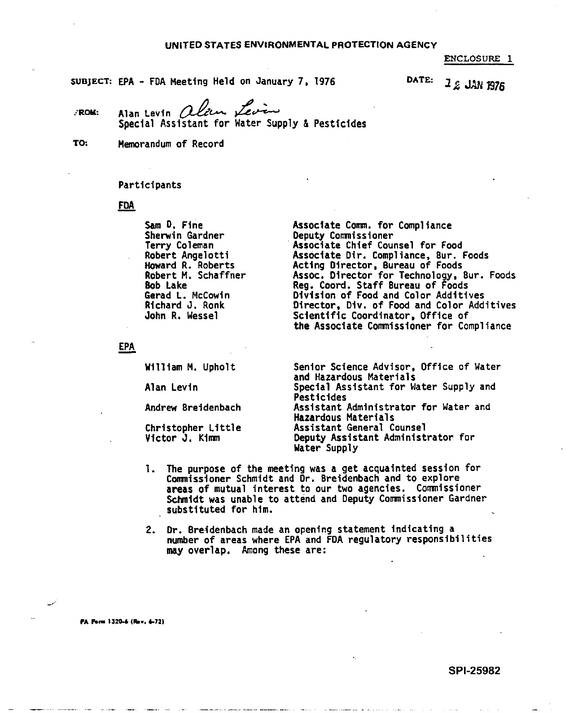
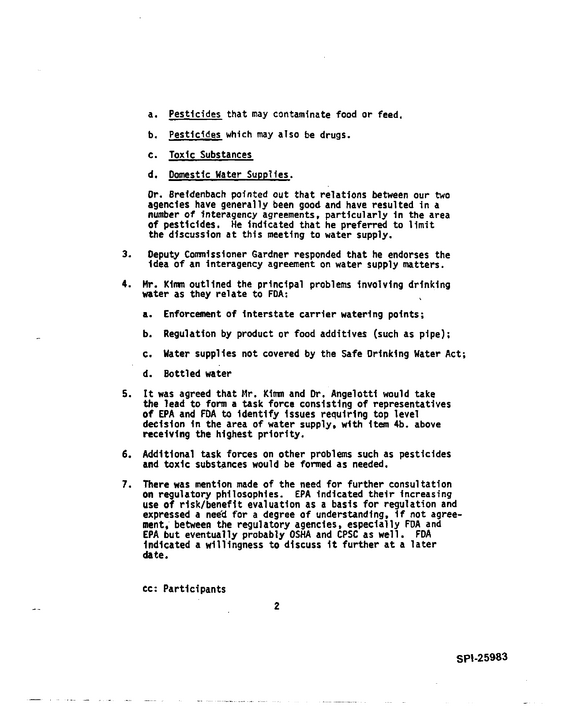
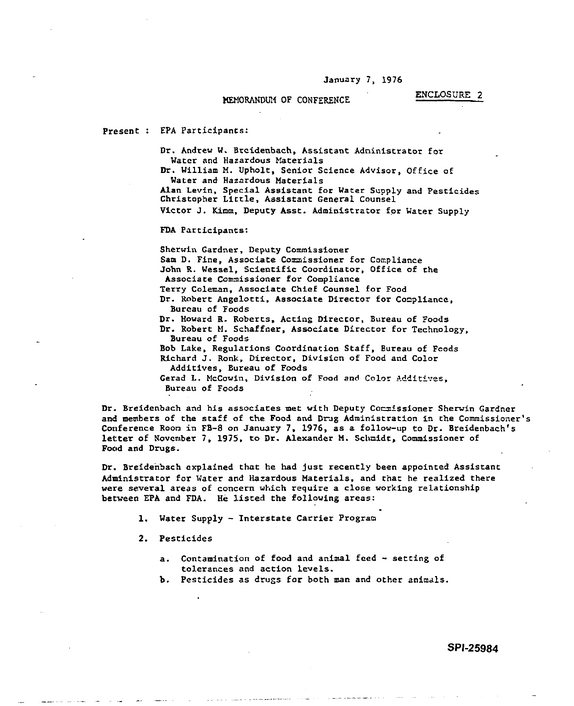
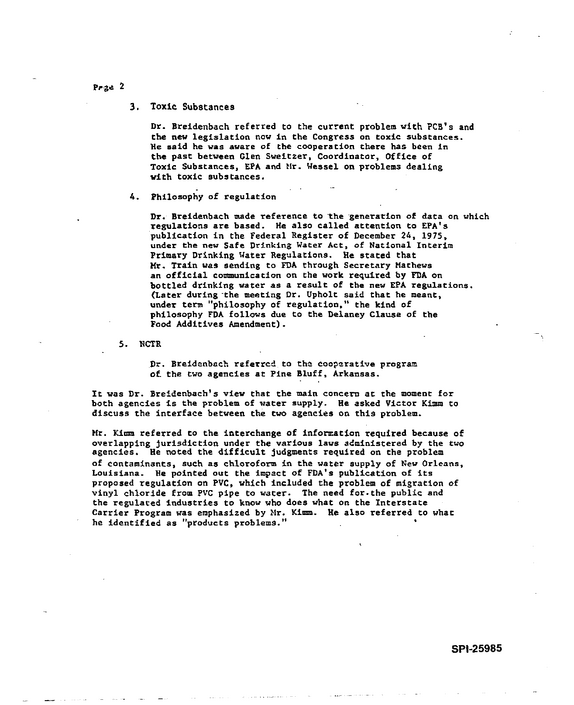
The problem with PVC caused FDA to look at vinyl chloride migration to water; this logically could lead to FDA looking at liners for reservoirs, etc.
refid# n9YX6pmk1nm2bQYD7kD8OdVOR9 pages
vascular systems of steel- Vrach.
refid# YD8r8jkgJeNdDrvMMXk6EKDmD14 pages
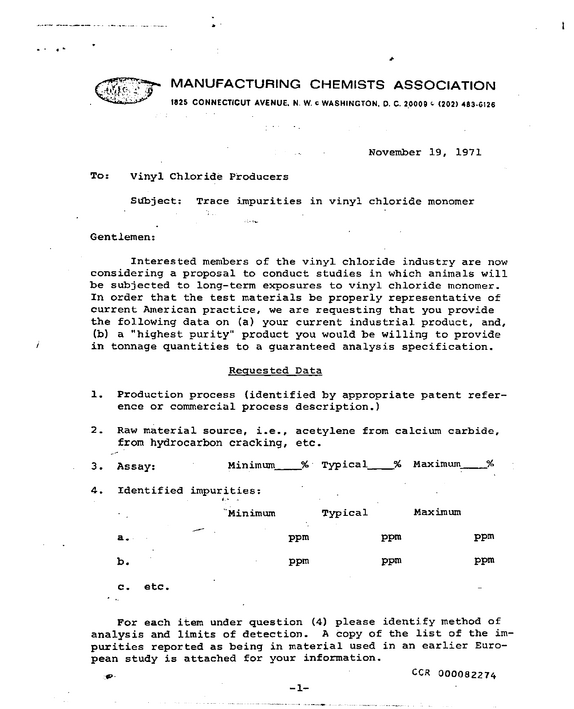
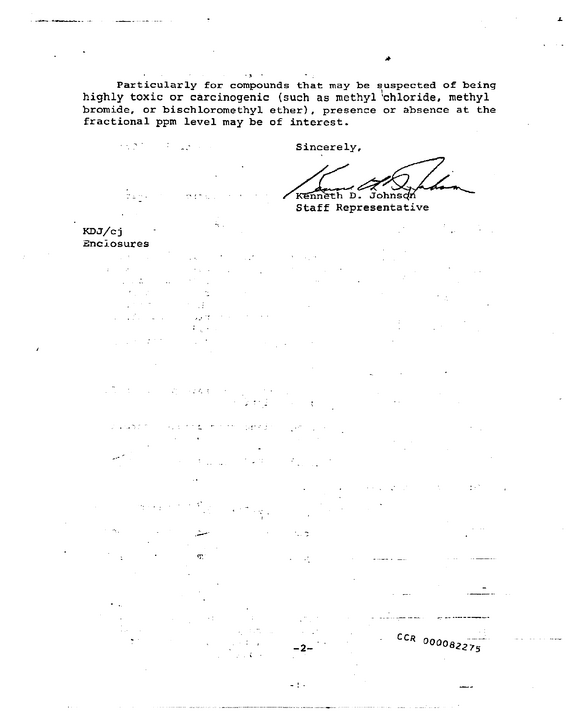
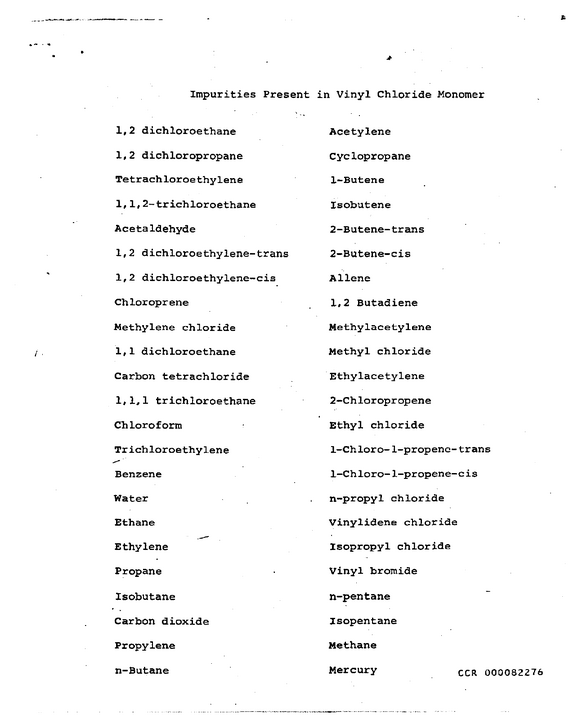
r\ i * " MANUFACTURING CHEMISTS ASSOCIATION 1825 CONNECTICUT AVENUE, N.
refid# JJBpk6VZ3z18G2rxZpo9zd0qB9 pages
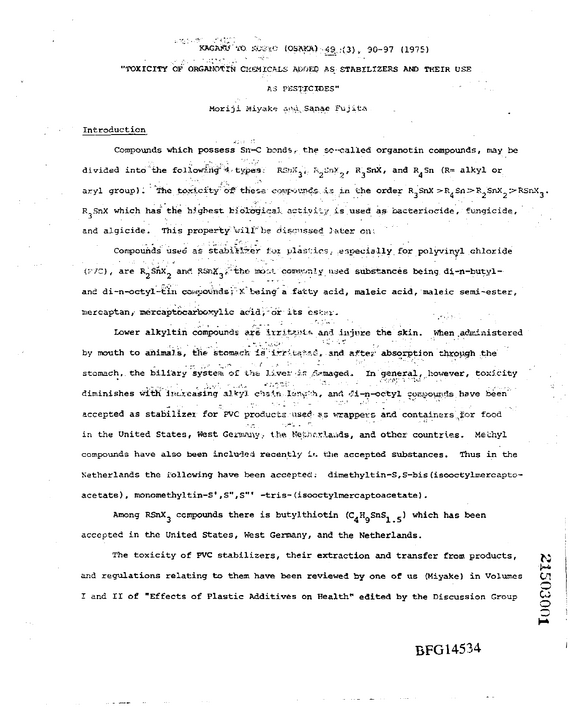
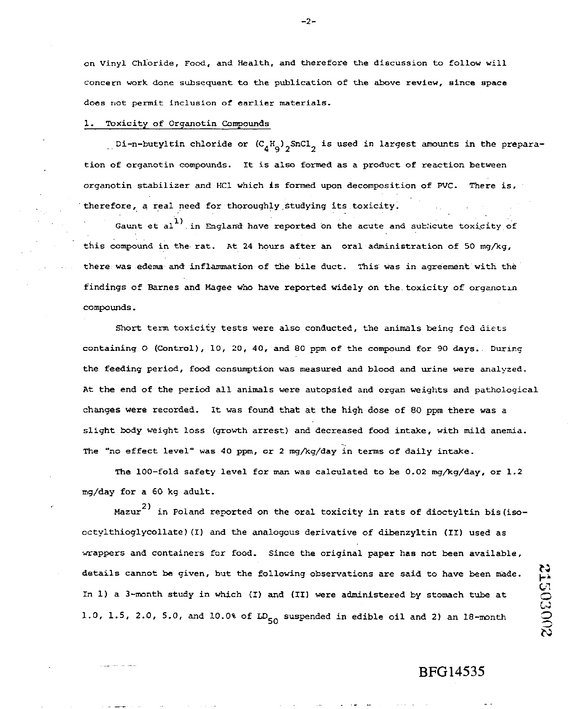
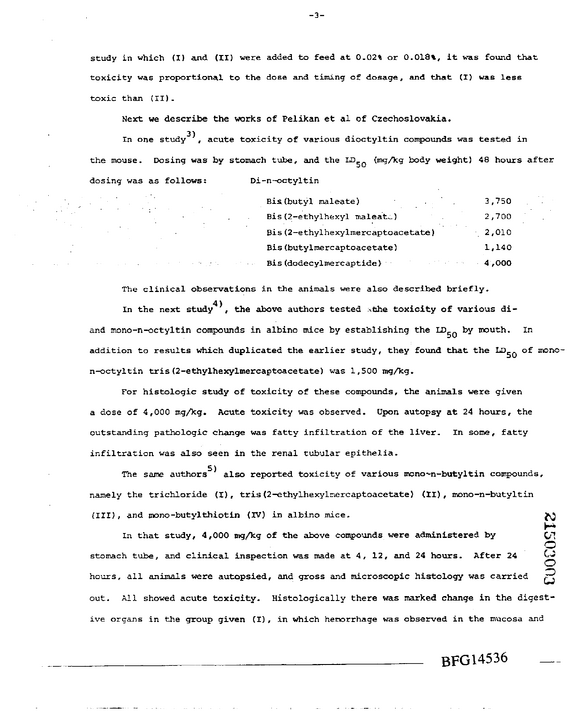
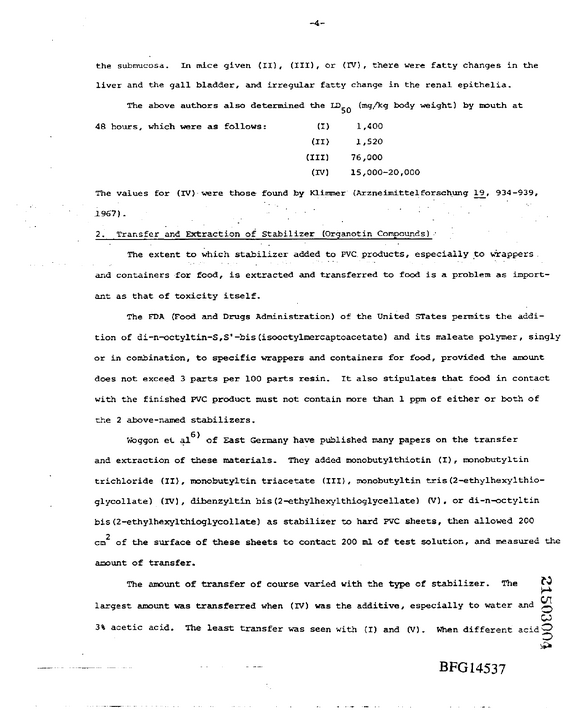
KAGA*t*'TO :'.OC- tC (OS***) (3), 90-97 (1975) "TOXICITY OF ORGAMOTIN CHEMICALS ADDEQ AS STABILIZERS AND THEIR USE AS PESTICIDES" Moriji Miyake aoa Sanae Fujita Introduction 4, : : " Compounds which possess Sn-C bonds,- the so-called organotin compounds, may be divided into the fcllowiricf ^ - types; RSnX , R JnX,, R SnX, and R Sn (R= alkyl or aryl group). ' The toxicity: of*' these compounds-.
refid# x5xvjNx1wRYmNnLE02aBqQrv019 pages
Ur r; Monomer Storage and Protection \ 1 i | < l I I 4 r < / Styrene and vinyl chloride are two major petrochemicals; both require care in handling to pre vent explosions and loss of quality.
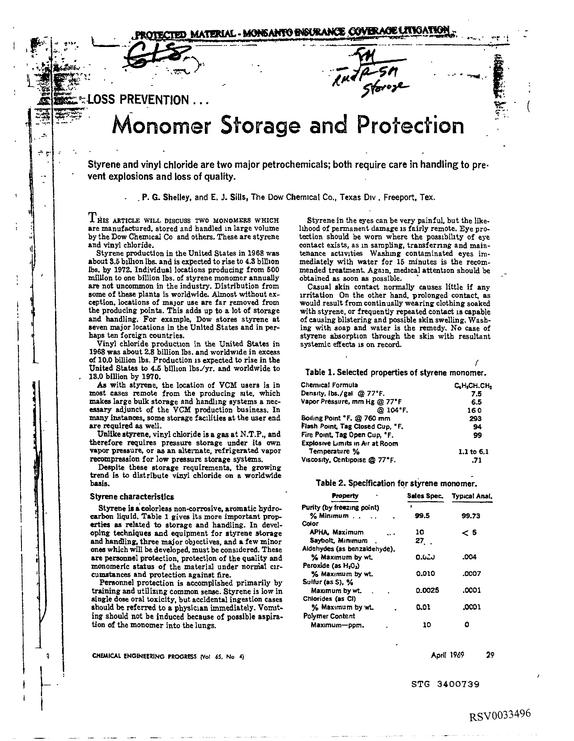
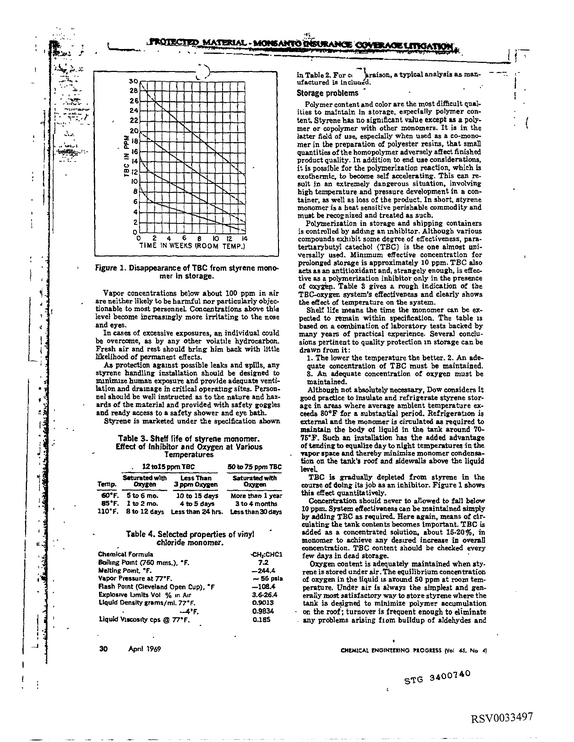
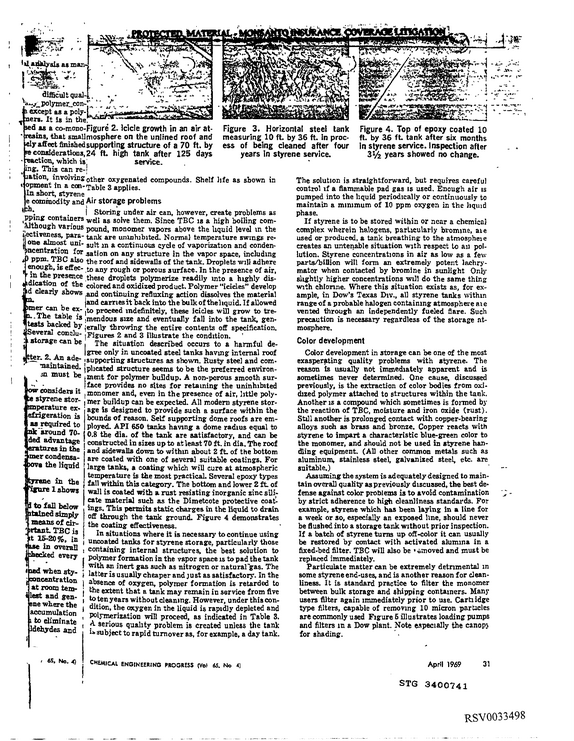
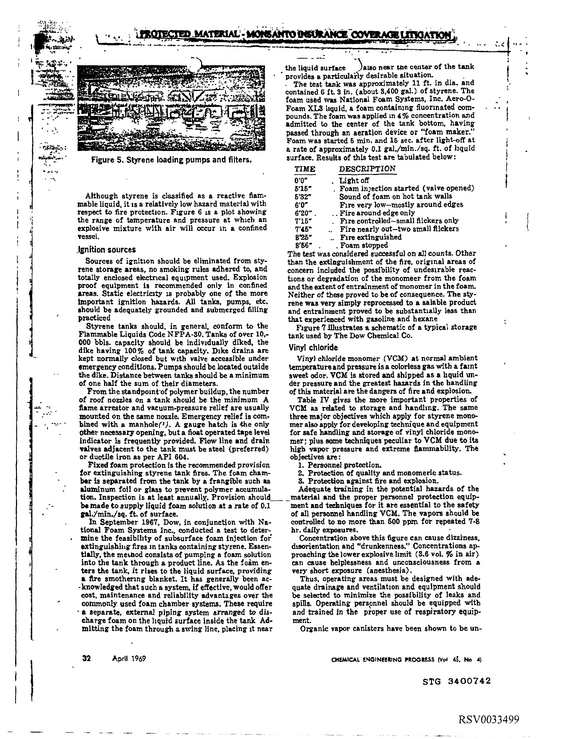
refid# o9YBVx5nDg0VQjpJb2XmN5pKr7 pages
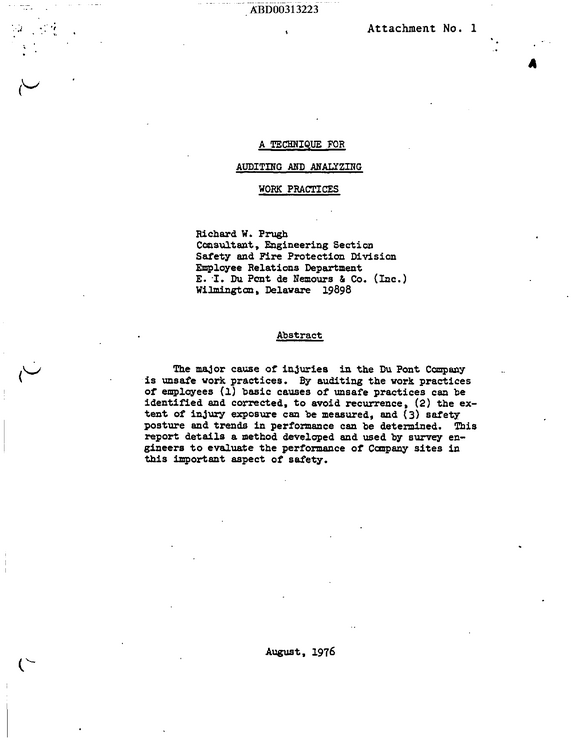
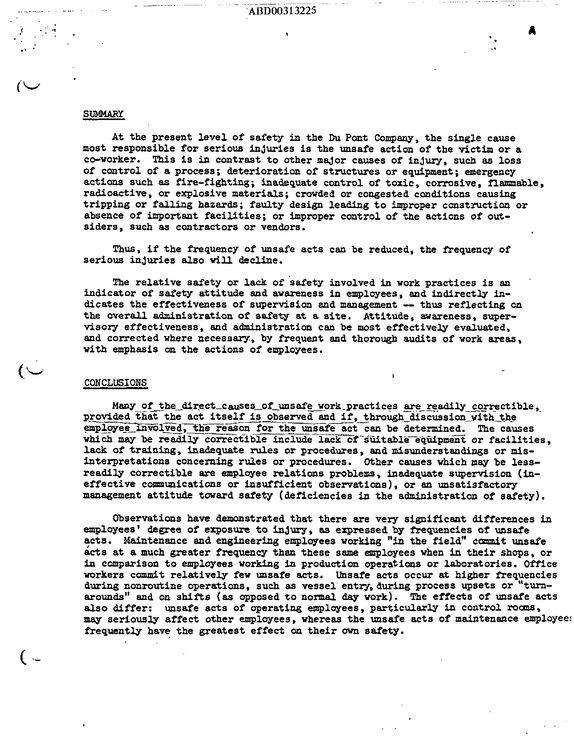
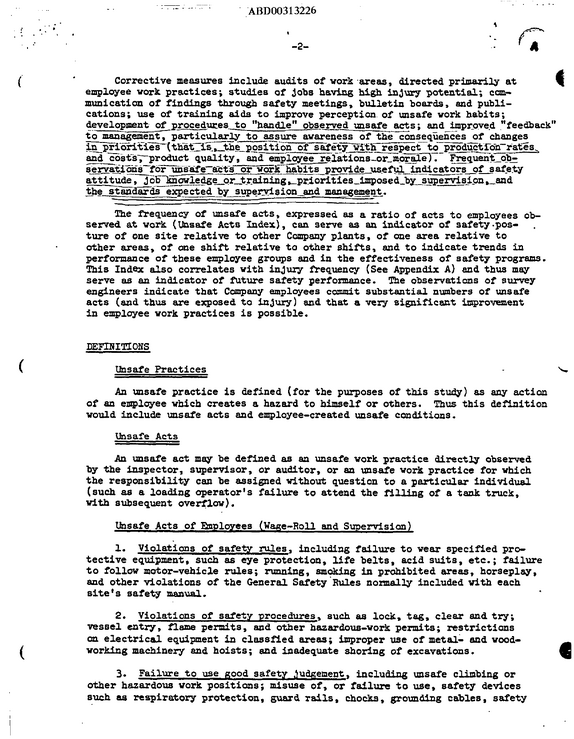
This is in contrast to other major causes of injury, such as loss of control of a process; deterioration of structures or equipment; emergency actions such as fire-fighting; inadequate control of toxic, corrosive, flammable, radioactive, or explosive materials; crowded or congested conditions causing tripping or falling hazards; faulty design leading to improper construction or absence of important facilities; or improper control of the actions of out siders, such as contractors or vendors.
refid# G8OZ5J59qZg70r9OROn2zeMV17 pages
TO: J.A.
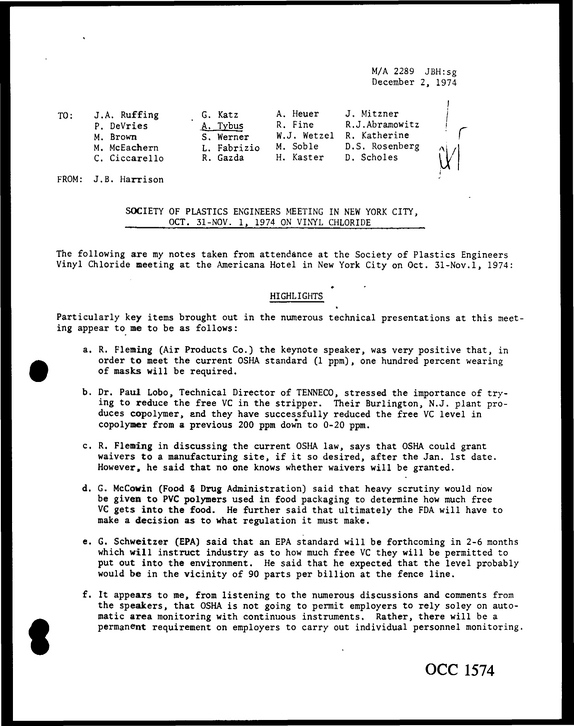
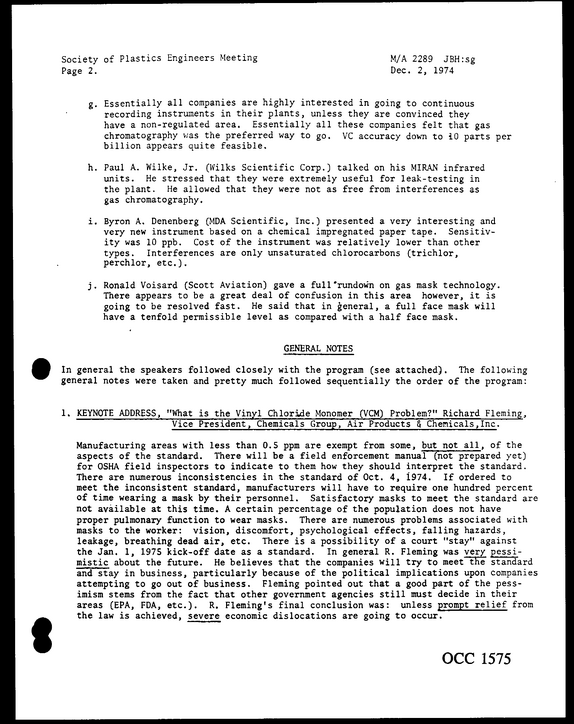
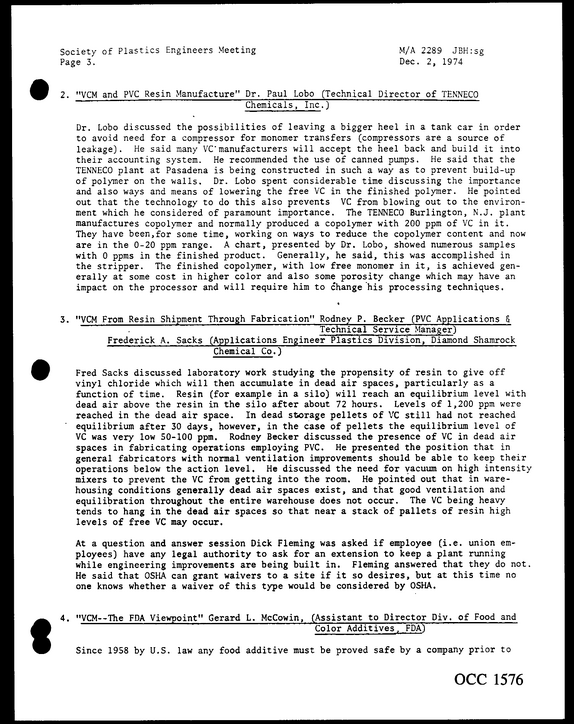
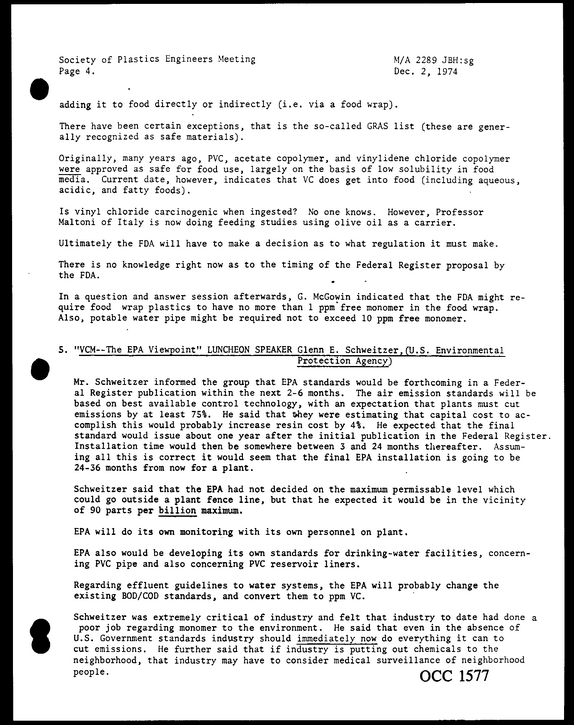
refid# xzqo2Jjv6k9bk5XdxZJYKKx4J11 pages
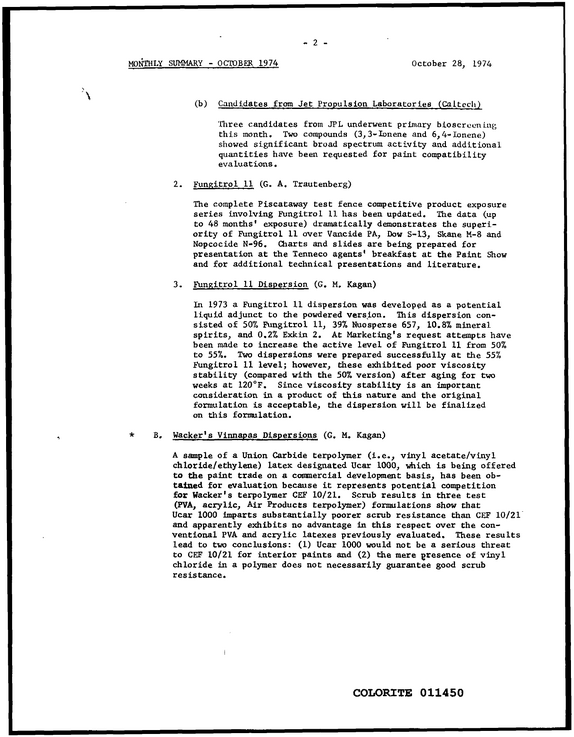
These results lead to two conclusions: (1) Ucar 1000 would not be a serious threat to CEF 10/21 for interior paints and (2) the mere presence of vinyl chloride in a polymer does not necessarily guarantee good scrub resistance.
refid# oD311Y8KQKNdQ8qqdjkxjrQq322 pages
The object of this work was to ascertain the side reactions which lead to the formation of by-products, particularly methyl chloride and butadiene.
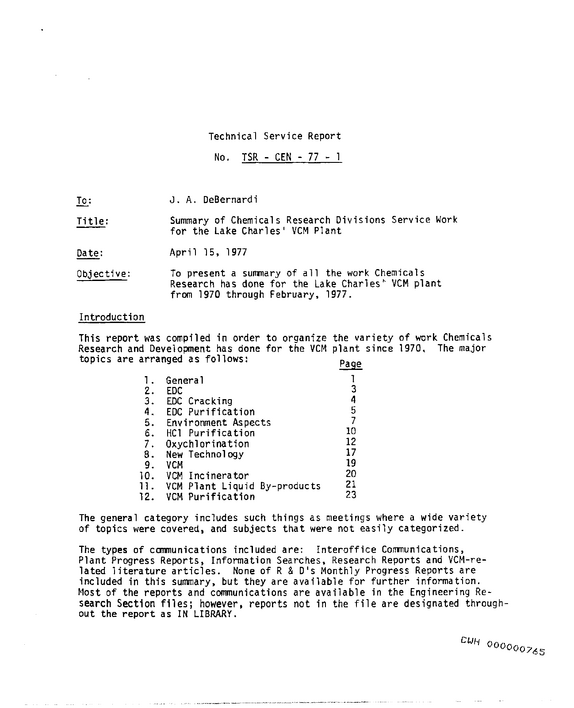
refid# xdegpemaypBb3VbmVkYxOGE4m32 pages
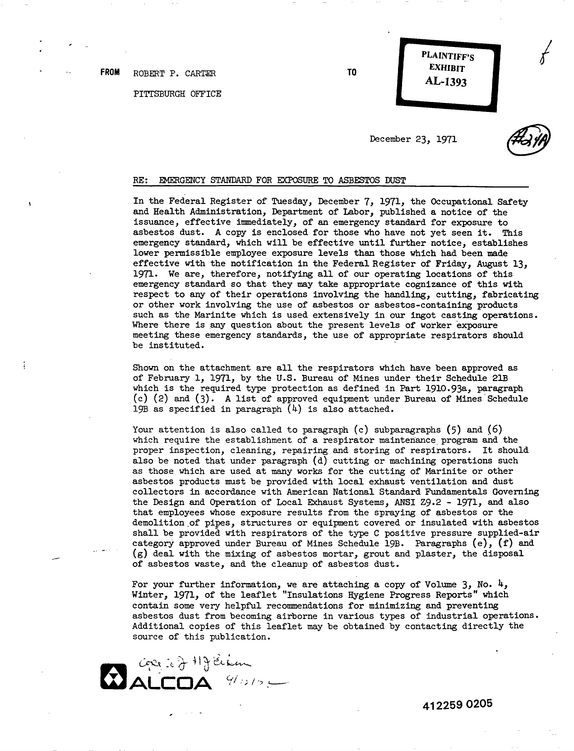
ROBERT P.
refid# vVLRQKDZe1y0qX15G64dEDV0610 pages
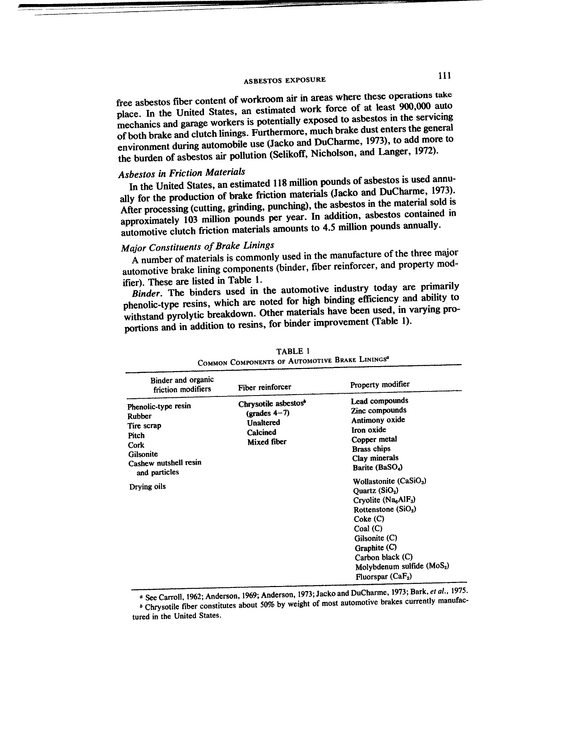
TABLE 1 Common C om ponents of A utom otive B rake L inings" Binder and organic friction modifiers Phenolic-type resin Rubber Tire scrap Pitch Cork Gilsonite Cashew nutshell resin and particles Drying oils Fiber reinforcer Chrysotile asbestos* (grades 4-7) Unaltered Calcined Mixed fiber Property modifier Lead compounds Zinc compounds Antimony oxide Iron oxide Copper metal Brass chips Clay minerals Barite (BaS04) Wollastonite (CaSi03) Quartz (Si02) Cryolite (NagAlFj) Rottenstone (Si02) Coke (C) Coal (C) Gilsonite (C) Graphite (Q Carbon black (C) Molybdenum sulfide (MoS2) Fluorspar (CaF2) " See Carroll, 1962; Anderson, 1969; Anderson, 1973; Jacko and DuCharme, 1973; Bark et at.. 1975.
refid# xjoGo4m2waVy1Qo8jxkvzZLOG19 pages
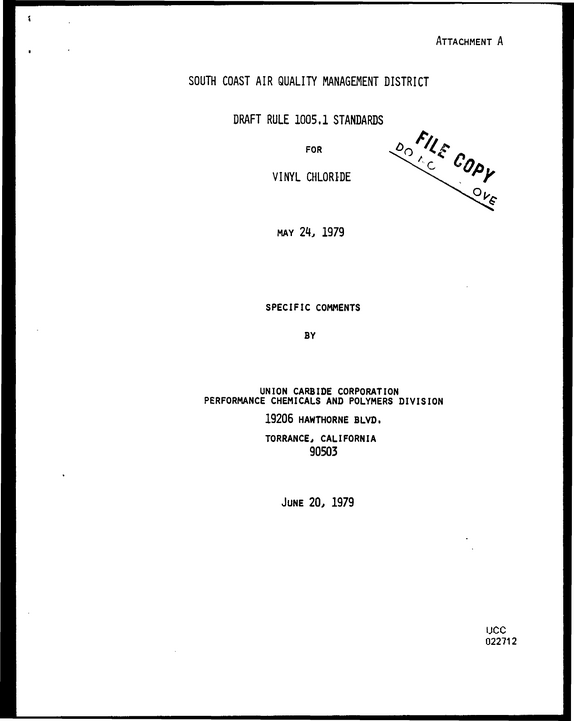
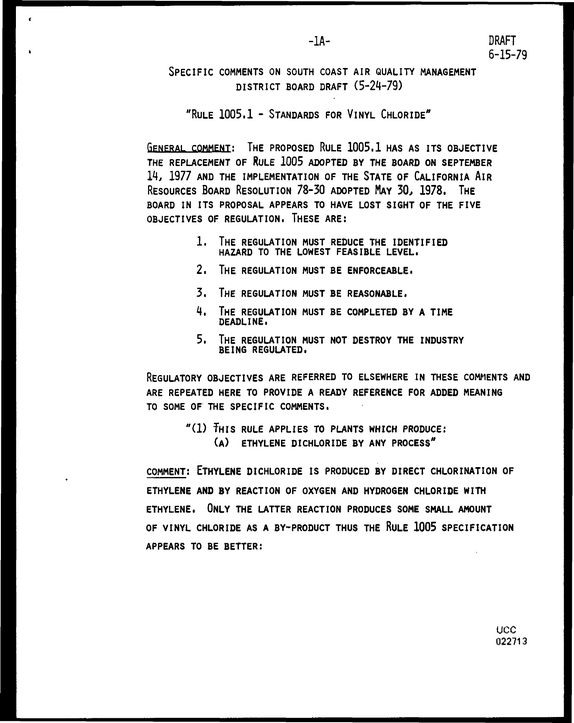
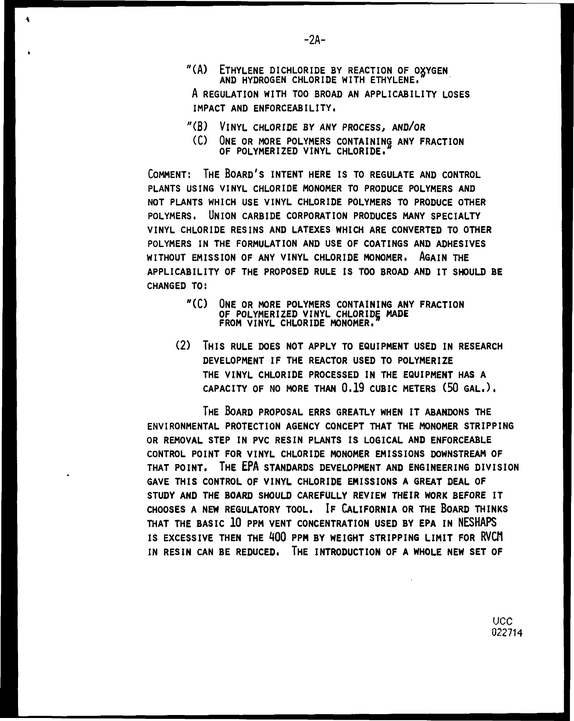
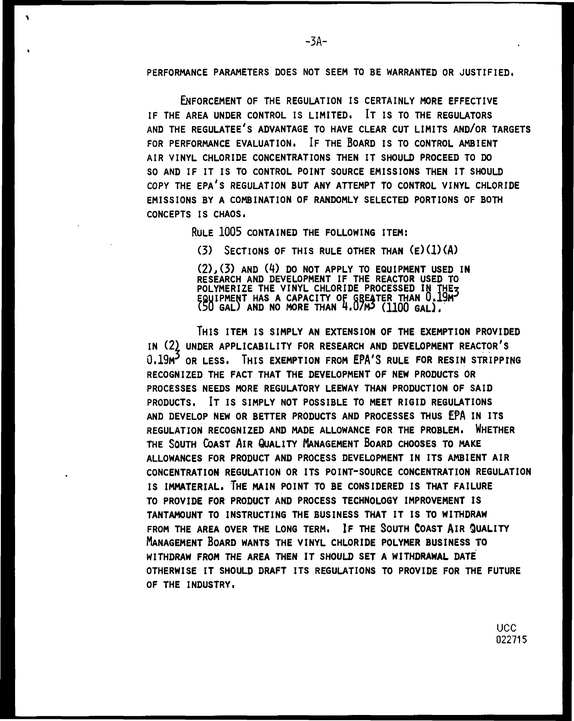
Attachment A SOUTH COAST AIR QUALITY MANAGEMENT DISTRICT DRAFT RULE 1005.1 STANDARDS may 24* 1979 SPECIFIC COMMENTS BY UNION CARBIDE CORPORATION PERFORMANCE CHEMICALS AND POLYMERS DIVISION 19206 HAWTHORNE BLVD.
refid# gbYJknyYVpvJM2z5xqGQDq7xJ27 pages
Jk * NIOSH REVISED RECOMMENDATIONS FOR AN OCCUPATIONAL EXPOSURE STANDARD FOR ETHYLENE DICHLORIDE INTRODUCTION (1,2-dichloroethane) In 1975, a criteria document containing a recommended standard for occupational exposure to ethylene dichloride (1,2-dichloroethane) was prepared by the National Institute for Occupational Safety and Health (NIOSH) and transmitted to the Department of Labor for consideration in promulgation of Federal regulations (1).
refid# mpwedvjEoYj4VKDvbqpO3196034 pages
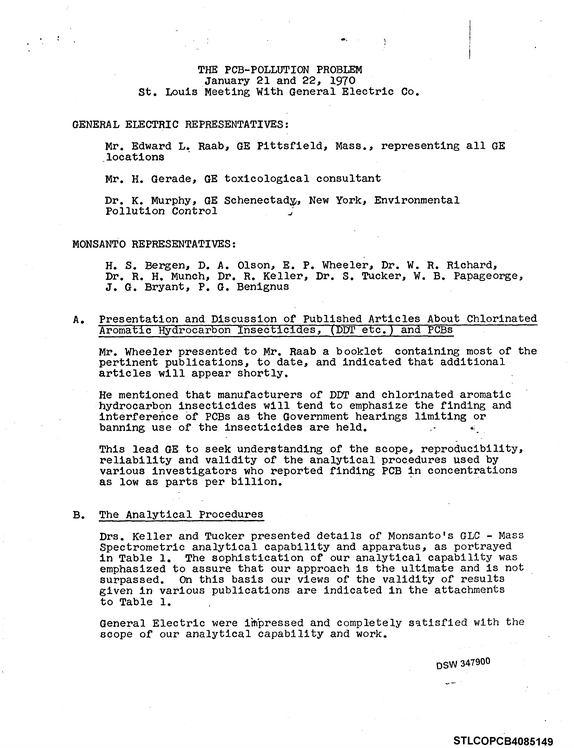
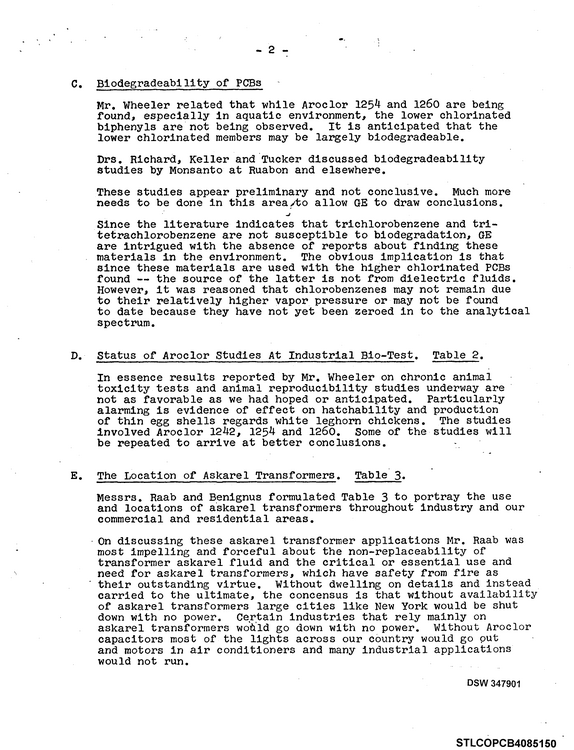
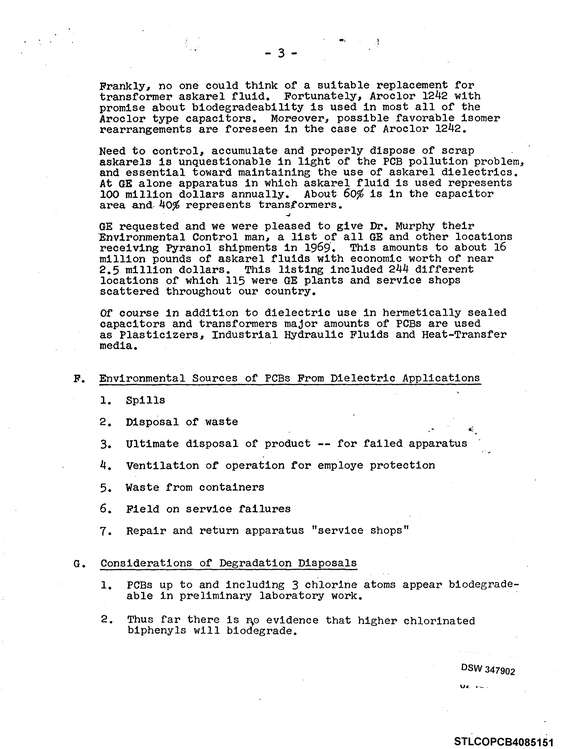
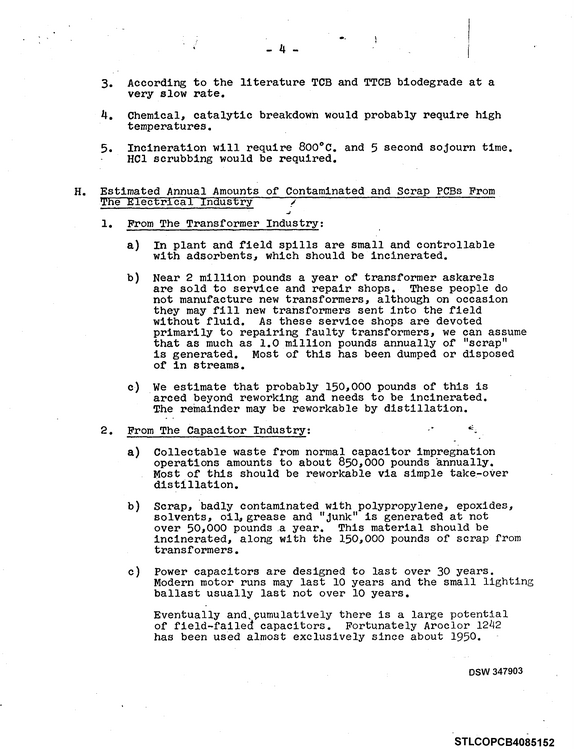
This lead GE to seek understanding of the scope, reproducibility, reliability and validity of the analytical procedures used by various investigators who reported finding PCB in concentrations as low as parts per billion.
refid# 97DRwe17RNLapQBzExE5d7Dq19 pages