Refine
Estimated Years 1960-1969Clear
334 results foundRefine Search
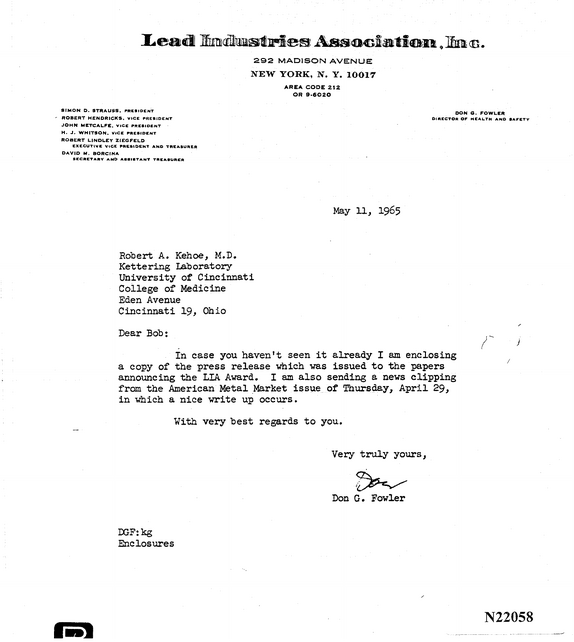
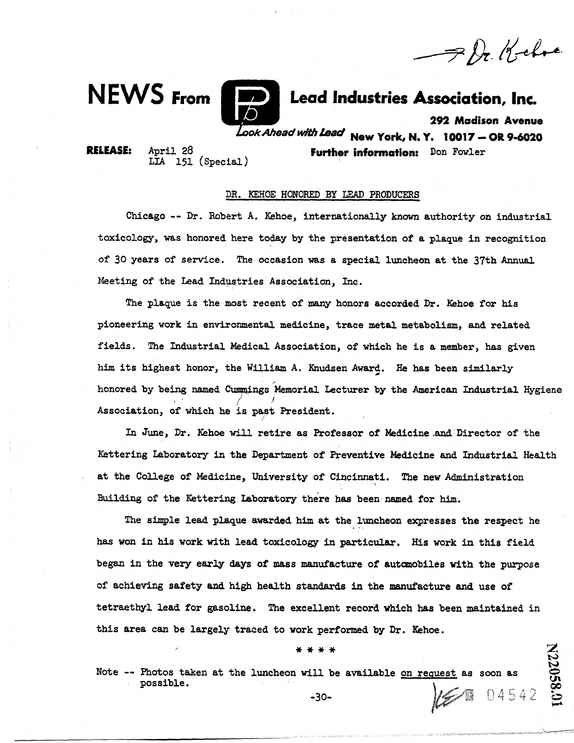
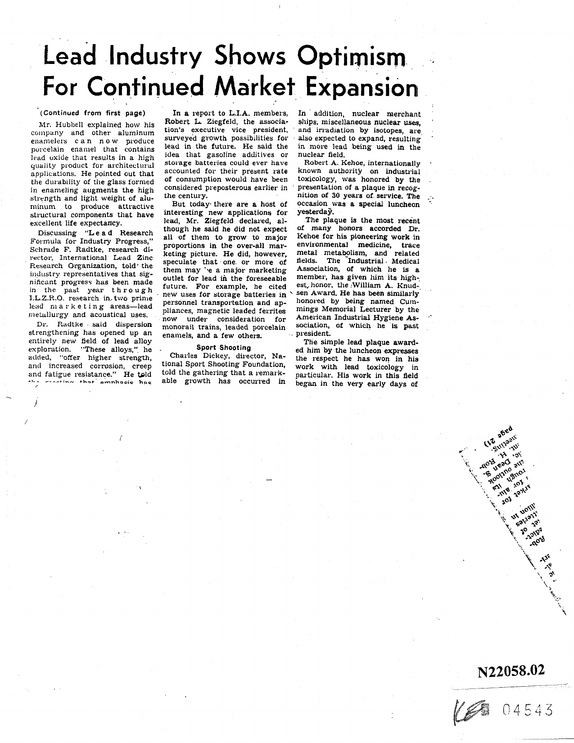
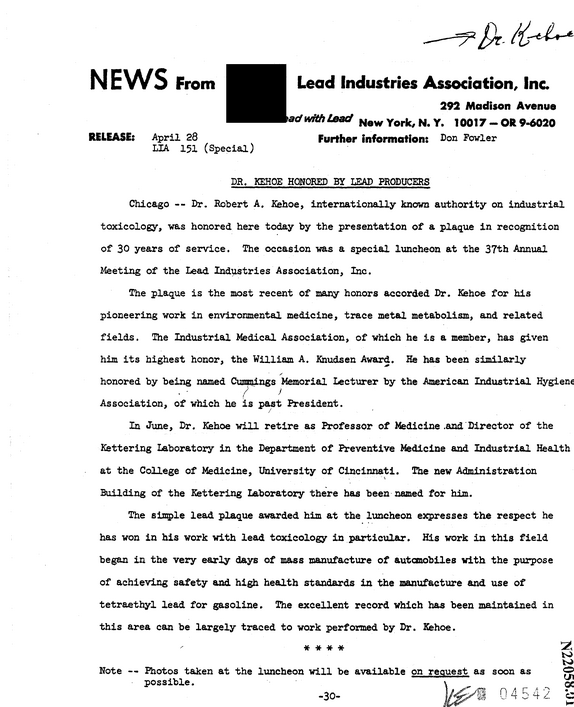
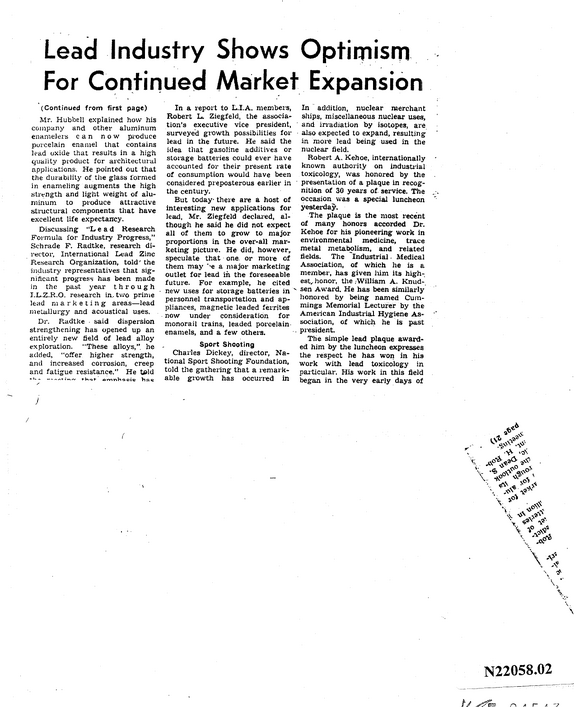
His work in this field began in the very early days of mass manufacture of automobiles with the purpose of achieving safety and high health standards in the manufacture and use of tetraethyl lead for gasoline.
refid# 2J3yqZkOvvmob2yMJv16XjG7p3 pages
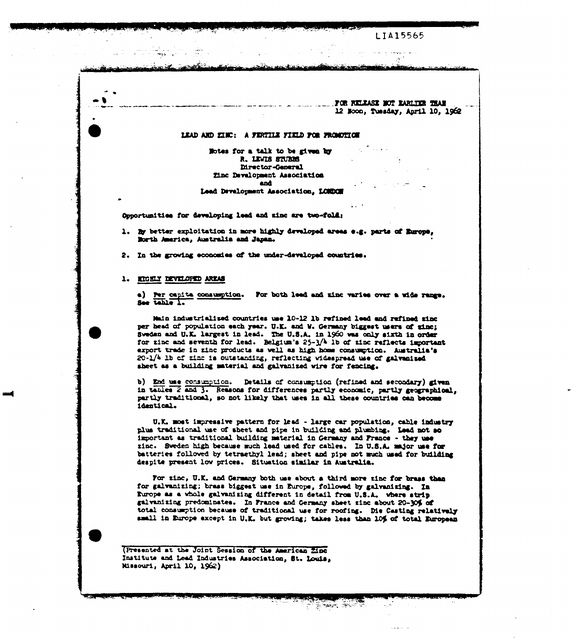
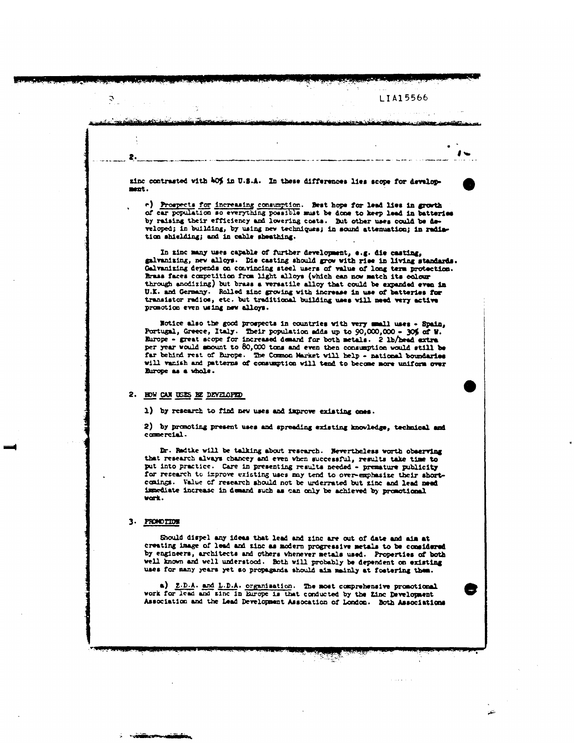
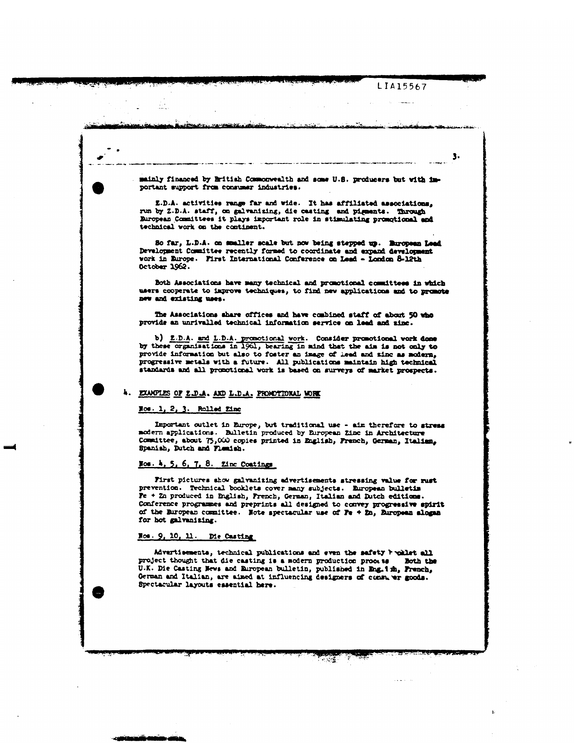
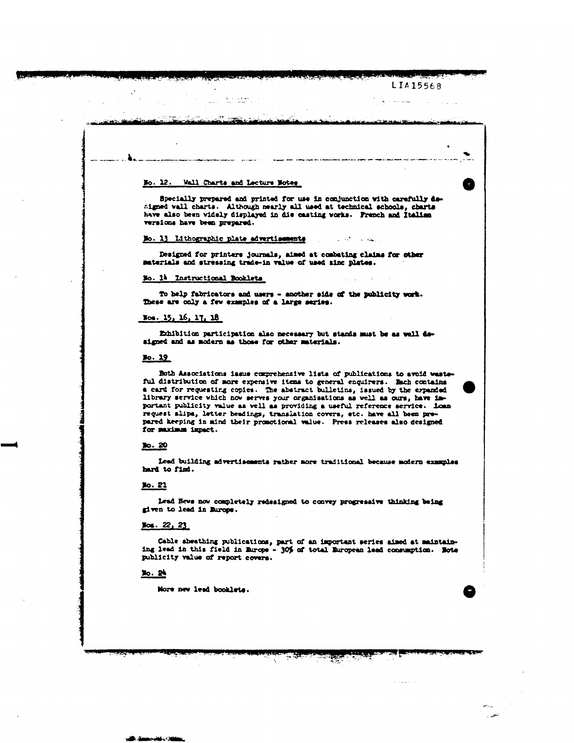
Id U.S.A. major use for batteries followed by tetraethyl lead; sheet and pipe not such used for bulldli^ despite present lov prices.
refid# 4QaKjvjOyQM8e2e9aO8d318bj9 pages
His work in this field began in the very early days of mass manufacture of automobiles with the purpose of achieving safety and high health standards in the manufacture and use of tetraethyl lead for gasoline.
refid# Byd7d9pL00KNZdwJO88LQjOqm3 pages
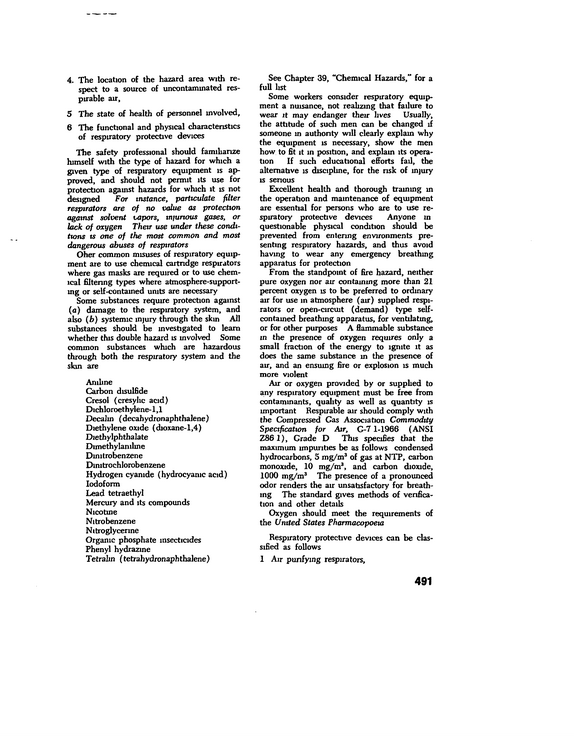
The location of the hazard area with re spect to a source of uncontaminated res pirable air, 5 The state of health of personnel involved, 6 The functional and physical characteristics of respiratory protective devices The safety professional should familiarize himself with the type of hazard for which a given type of respiratory equipment is ap proved, and should not permit its use for protection against hazards for which it is not designed For instance, particulate filter respirators are of no value as protection against solvent vapors, injurious gases, or lack of oxygen Their use under these condi tions is one of the most common and most dangerous abuses of respirators Oher common misuses of respiratory equip ment are to use chemical cartridge respirators where gas masks are required or to use chem ical filtering types where atmosphere-support ing or self-contained units are necessary Some substances require protection against (a) damage to the respiratory system, and also (b) systemic injury through the skm All substances should be investigated to learn whether this double hazard is involved Some common substances which are hazardous through both the respiratory system and the skm are Aniline Carbon disulfide Cresol (cresyhc acid) Dichloroethylene-1,1 Decahn (decahydronaphthalene) Diethylene oxide (dioxane-1,4) Diethylphthalate Dimethylamhne Dinitrobenzene Dimtrochlorobenzene Hydrogen cyanide (hydrocyanic acid) Iodoform Lead tetraethyl Mercury and its compounds Nicotine Nitrobenzene Nitroglycerine Organic phosphate insecticides Phenyl hydrazine Tetrahn (tetrahydronaphthalene) See Chapter 39, "Chemical Hazards," for a full list Some workers consider respiratory equip ment a nuisance, not realizing that failure to wear it may endanger their lives Usually, the attitude of such men can be changed if someone in authority will clearly explain why the equipment is necessary, show the men how to fit it in position, and explam its opera tion If such educational efforts fail, the alternative is discipline, for the risk of injury is senous Excellent health and thorough training m the operation and maintenance of equipment are essential for persons who are to use re spiratory protective devices Anyone in questionable physical condition should be prevented from entering environments pre senting respiratory hazards, and thus avoid having to wear any emergency breathing apparatus for protection From the standpoint of fire hazard, neither pure oxygen nor air containing more than 21 percent oxygen is to be preferred to ordinary air for use in atmosphere (air) supplied respi rators or open-circuit (demand) type selfcontained breathing apparatus, for ventilating, or for other purposes A flammable substance in the presence of oxygen requires only a small fraction of the energy to ignite it as does the same substance in the presence of air, and an ensuing fire or explosion is much more violent Air or oxygen provided by or supplied to any respiratory equipment must be free from contaminants, quality as well as quantity is important Respirable air should comply with the Compressed Gas Association Commodity Specification for Air, G-71-1966 (ANSI Z861), Grade D This specifies that the maximum impurities be as follows condensed hydrocarbons, 5 mg/m3 of gas at NTP, carbon monoxide, 10 mg/m3, and carbon dioxide, 1000 mg/m3 The presence of a pronounced odor renders the air unsatisfactory for breath ing The standard gives methods of verifica tion and other details Oxygen should meet the requirements of the United States Pharmacopoeia Respiratory protective devices can be clas sified as follows 1 Air purifying respirators. 491
refid# vBXq72X5ZDpZYq2y7Q7od24M81 page
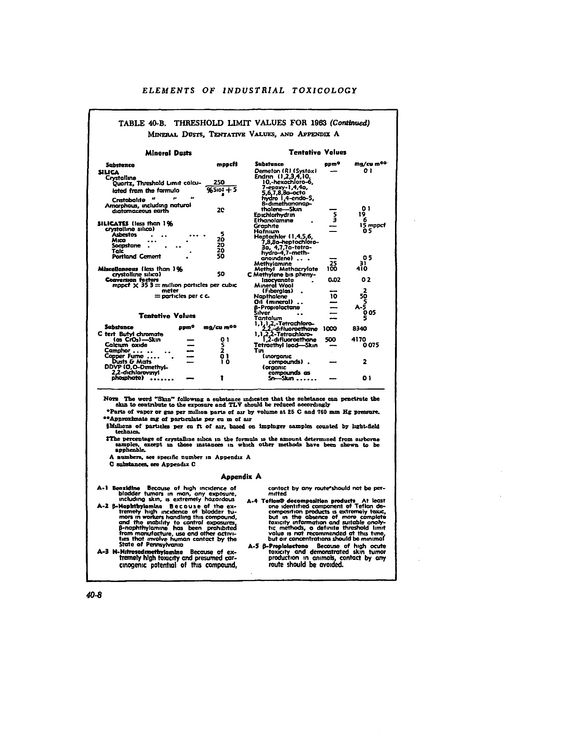
Naptholene Oil (mineral) .. g^Proproloctcne ppm* 25 100 0*02 10 Tantalum 1,1,1,2,-Tetrachloro- 2^,-difluoroethane 1,1 jJ-Tetrachkuo* I ,2-difluoroethane Tetraethyl lead--Skin Tin (inorganic compounds) .
refid# 4aqaBbDKKEw64aVgG4eerjaMV1 page
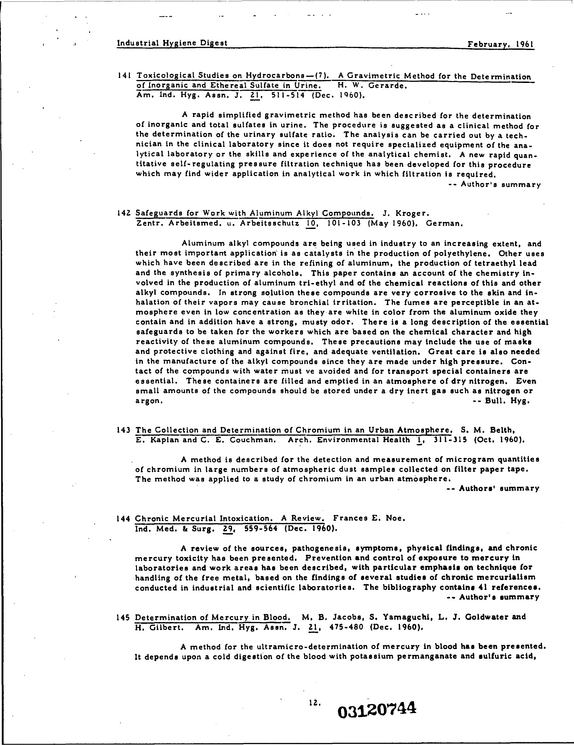
Other uses which have been described are in the refining of aluminum, the production of tetraethyl lead and the synthesis of primary alcohols.
refid# 2qdXB994Z43pXY1Oea6mob2E51 page
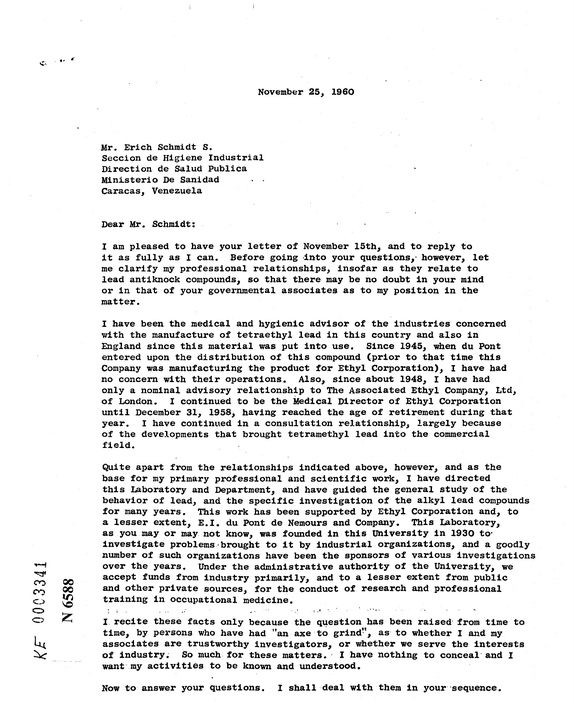
I have been the medical and hygienic advisor of the industries concerned with the manufacture of tetraethyl lead in this country and also in England since this material was put into use.
refid# xza4ZXMVepra7RbdZE8Q2g7m63 pages
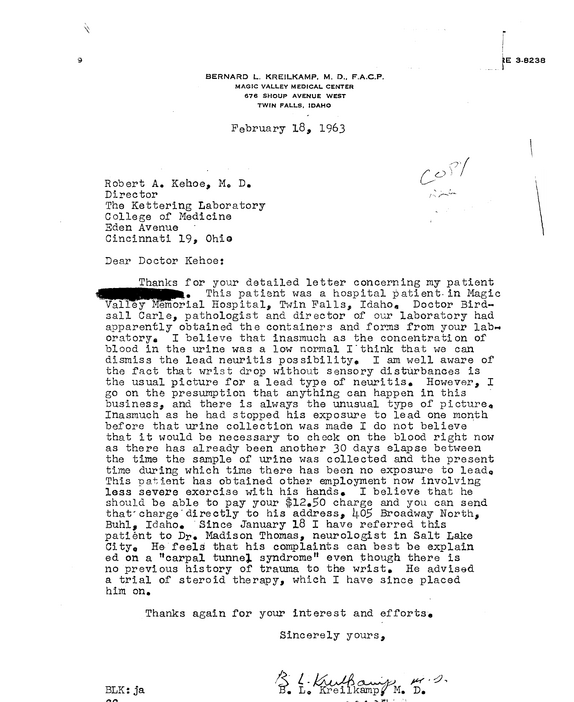
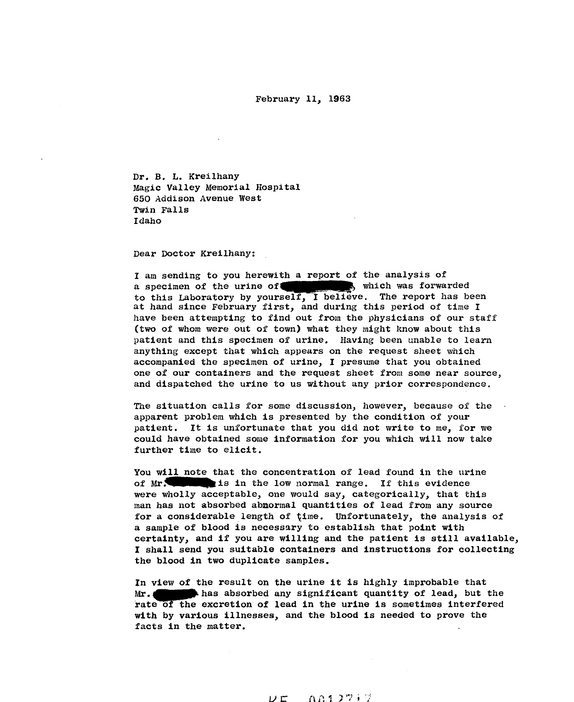
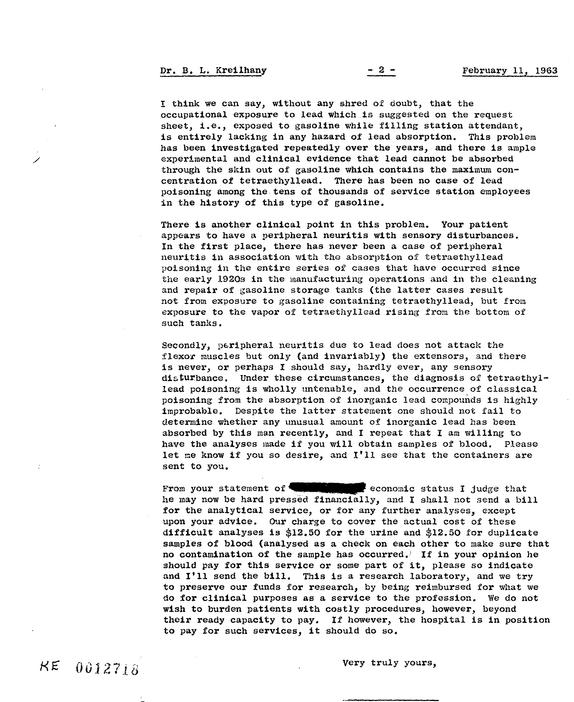
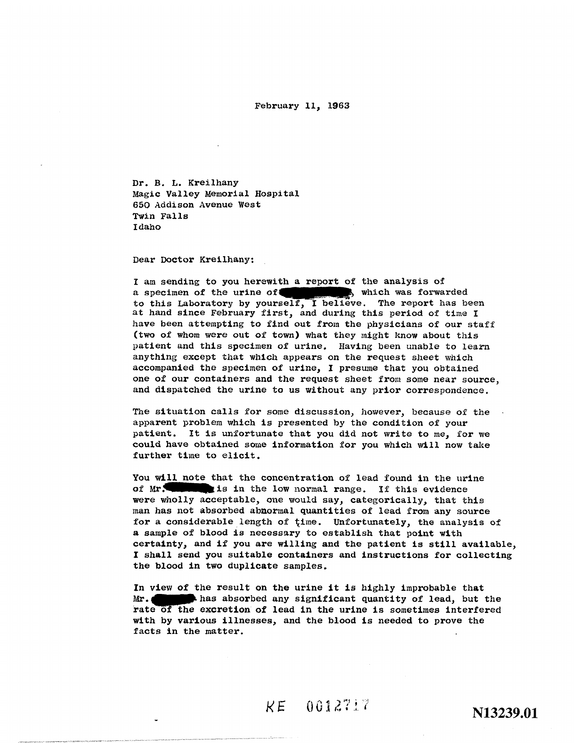
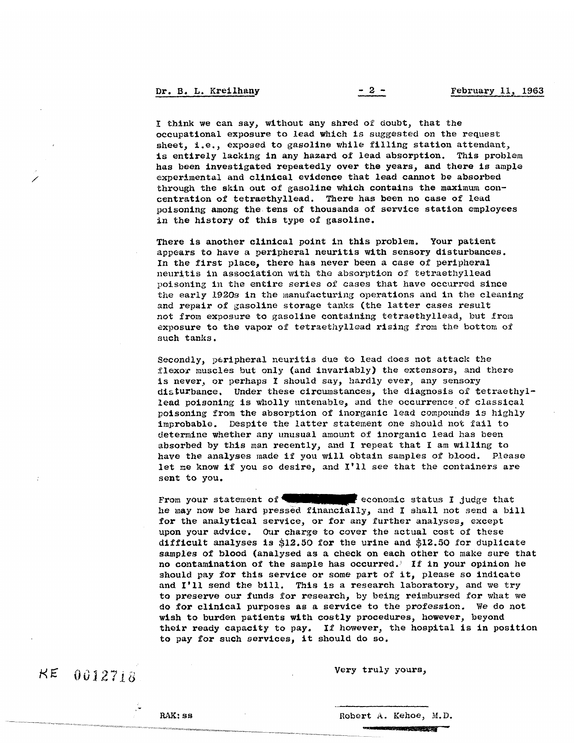
Under these circumstances, the diagnosis of tetraethyl lead poisoning is wholly untenable, and the occurrence of classical poisoning from the absorption of inorganic lead compotmds is highly improbable.
refid# zoEYLx3NJrr4YBzwzYGxpn7d33 pages
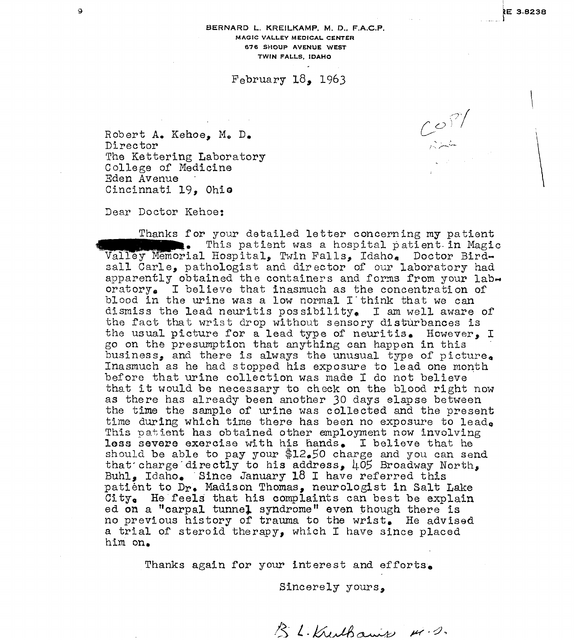
Under these circumstances, the diagnosis of tetraethyl lead poisoning is wholly untenable, and the occurrence of classical poisoning from the absorption of inorganic lead compounds is highly improbable.
refid# bOEoYVNYq74Zm5paRNeXboK3y3 pages
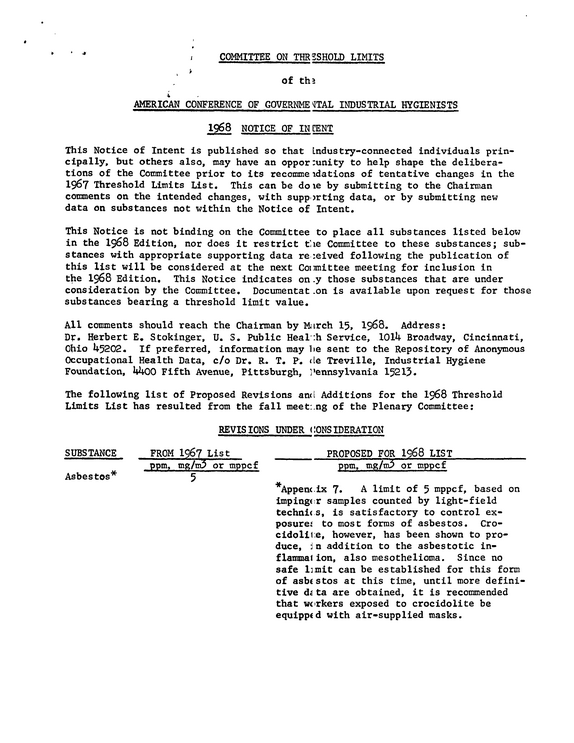
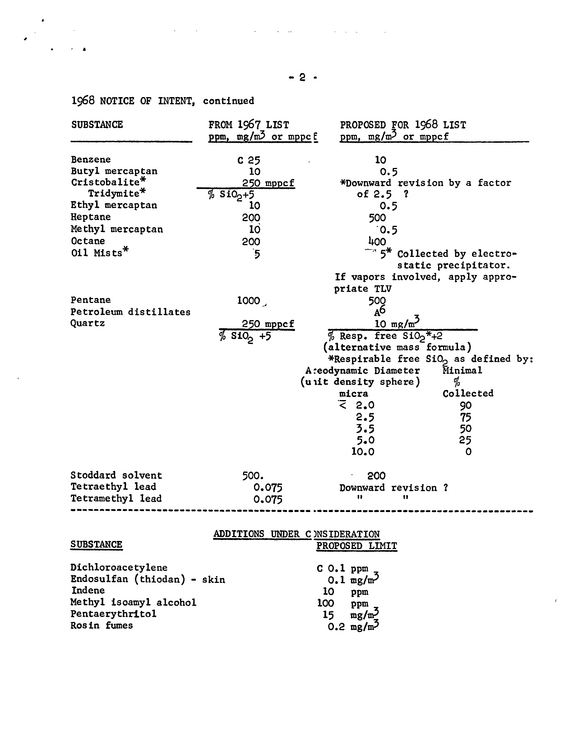
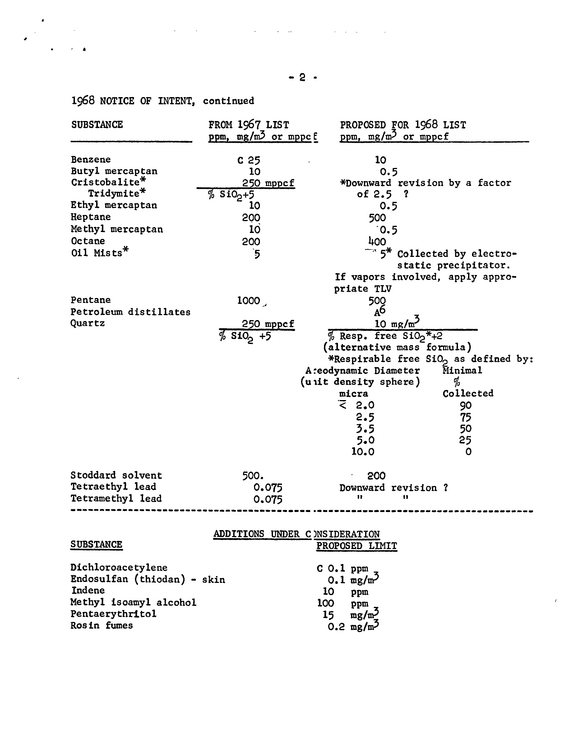
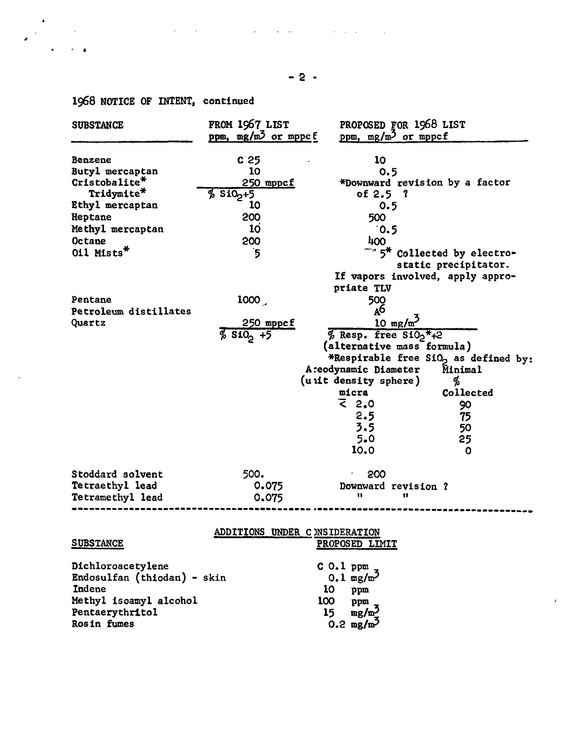
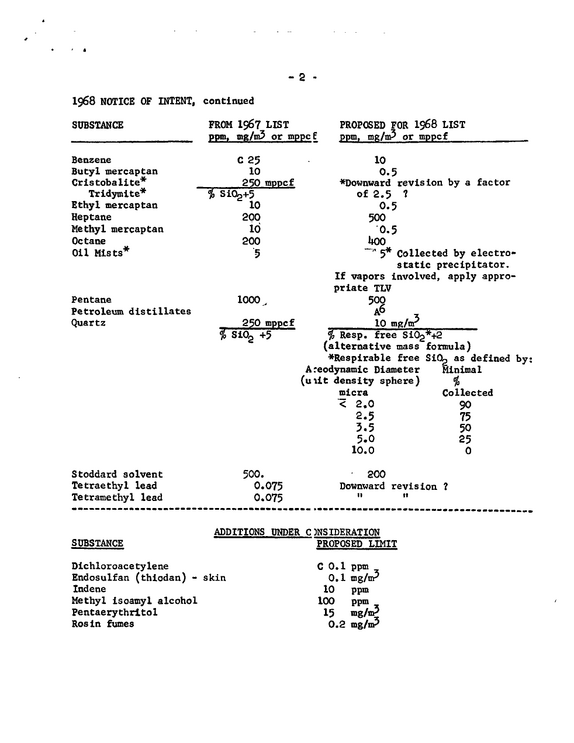
or mppcf Benzene Butyl mercaptan Cristobalite* Tridymite* Ethyl mercaptan Heptane Methyl mercaptan Octane Oil Mists* Pentane Petroleum distillates Quartz Stoddard solvent Tetraethyl lead Tetramethyl lead C 25 10 250 mppcf 10 0.5 *Downward revision by a factor % siOo+5 10 200 id 200 of 2.5 ?
refid# O1ox8R5oOe4XoRqNM4Gx3bK3p4 pages
or mppcf Benzene Butyl mercaptan Cristobalite* Tridymite* Ethyl mercaptan Heptane Methyl mercaptan Octane Oil Mists* Pentane Petroleum distillates Quartz Stoddard solvent Tetraethyl lead Tetramethyl lead C 25 10 250 mppcf 10 0.5 *Downward revision by a factor % siOo+5 10 200 id 200 of 2.5 ?
refid# 3XBBzypaL5zxERqRMe8y0zoO4 pages
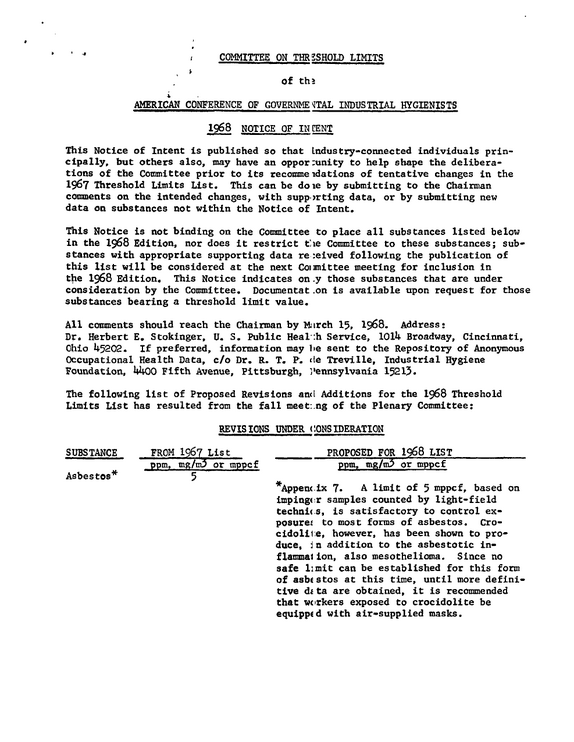
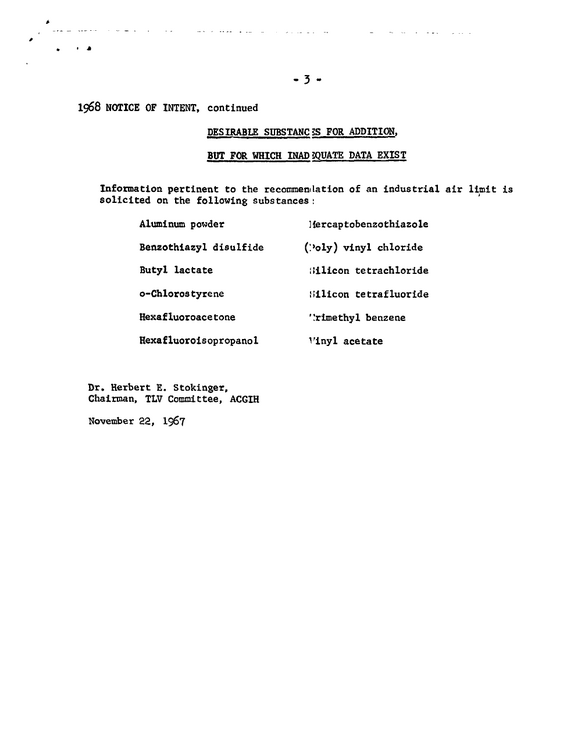
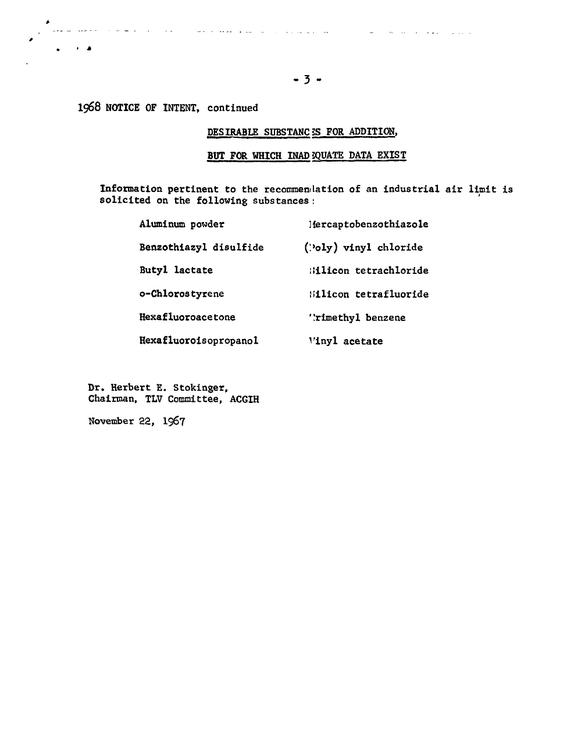
If vapors involved, apply appro 1000,, 250 mppcf priate TLV 500 A& 10 mg/mr $ SiOg +5 $ Resp. ree SiC>2*+2 (alternative mass formula) Respirable free SiOg as defined by: Areodynamic Diameter Minimal (uiit density sphere) % micra < 2.0 Collected 90 2.5 75 3.5 50 5.0 25 10.0 0 Stoddard solvent Tetraethyl lead Tetramethyl lead 500. 0.075 0.075 200 Downward revision ?
refid# N2Xw2nZgL71oOyNk6EVywrOpV4 pages
If vapors involved, apply appro 1000,, 250 mppcf priate TLV 500 A& 10 mg/mr $ SiOg +5 $ Resp. ree SiC>2*+2 (alternative mass formula) Respirable free SiOg as defined by: Areodynamic Diameter Minimal (uiit density sphere) % micra < 2.0 Collected 90 2.5 75 3.5 50 5.0 25 10.0 0 Stoddard solvent Tetraethyl lead Tetramethyl lead 500. 0.075 0.075 200 Downward revision ?
refid# 5LV9bDagzq2aJMZ20kxE2wGLV4 pages
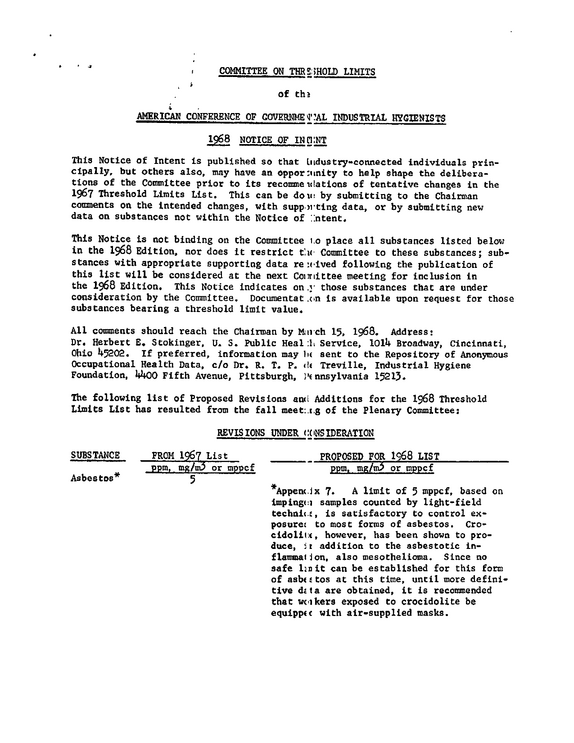
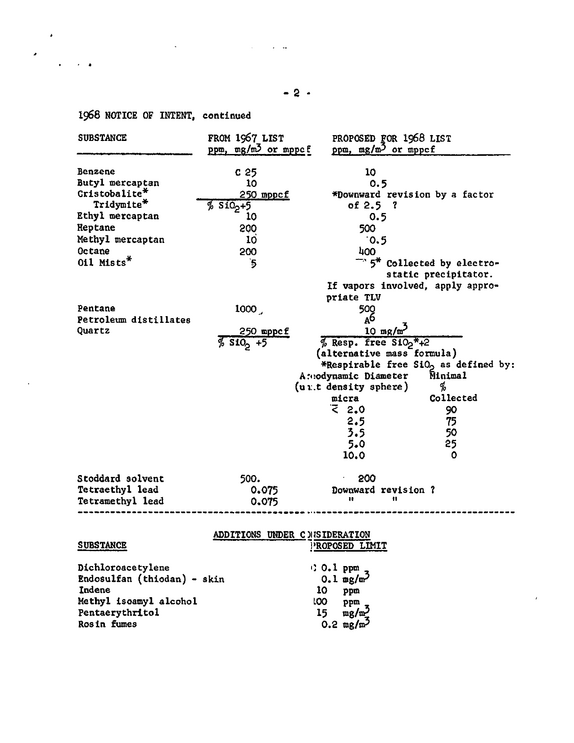
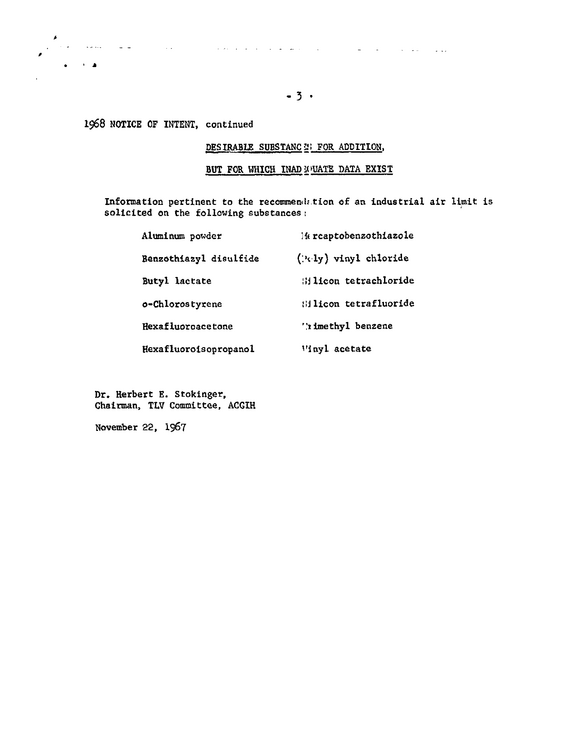
factor 0.5 500 0.5 400 * Collected by electro- static precipitator If vapors involved apply appro- priate TLV 500 A6 10 mg % Resp free 102 alternative mass formula Respirable free Si-as defined by Arcodynamic Diameter Minimal unt density sphere % micra Collected < 2.0 90 2.5 75 3.5 50 5.0 25 10.0 ) Stoddard solvent 500 200 Tetraethyl lead Tetramethyl lead 0.075 0.075 Downward revision " 28282 OOO BOSC Se Be BO 2 2 Se 624 24222 2ES C782 SFSER PINES SED On We eewe eee Fae ?
refid# rxQ80YNXBOYYvG0azZnJdML674 pages
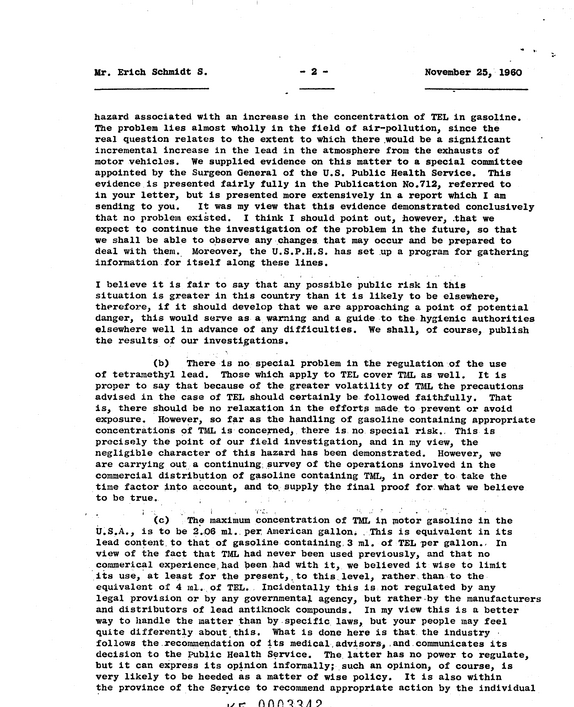
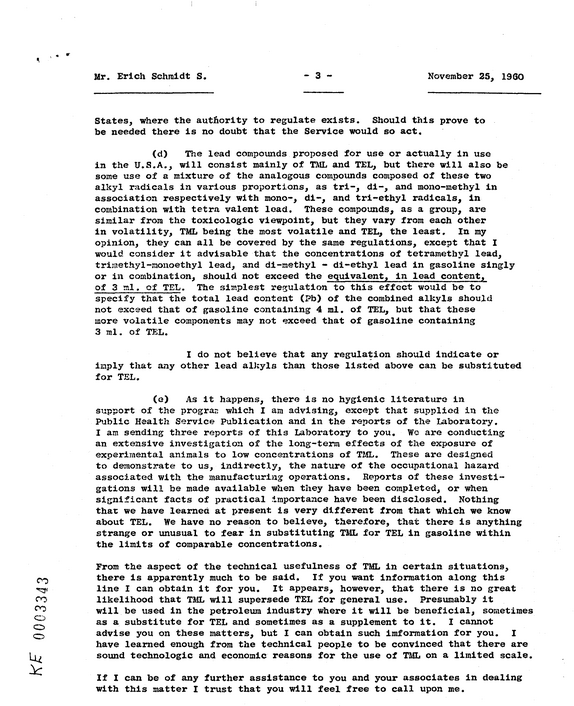
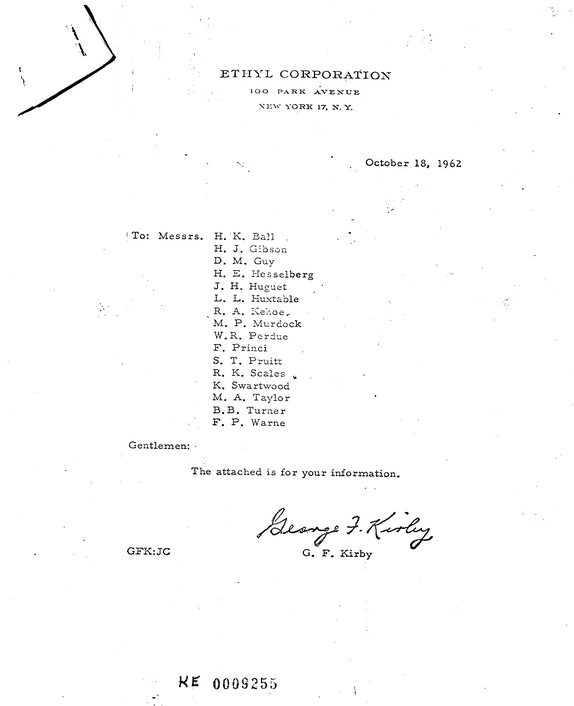
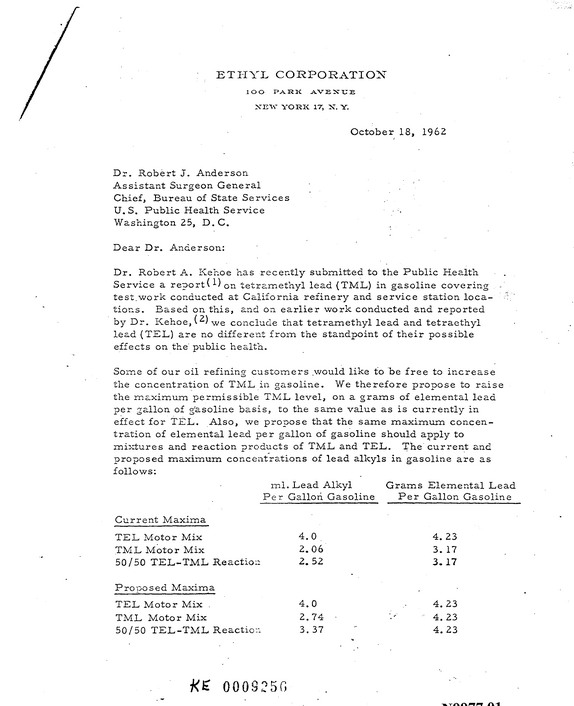
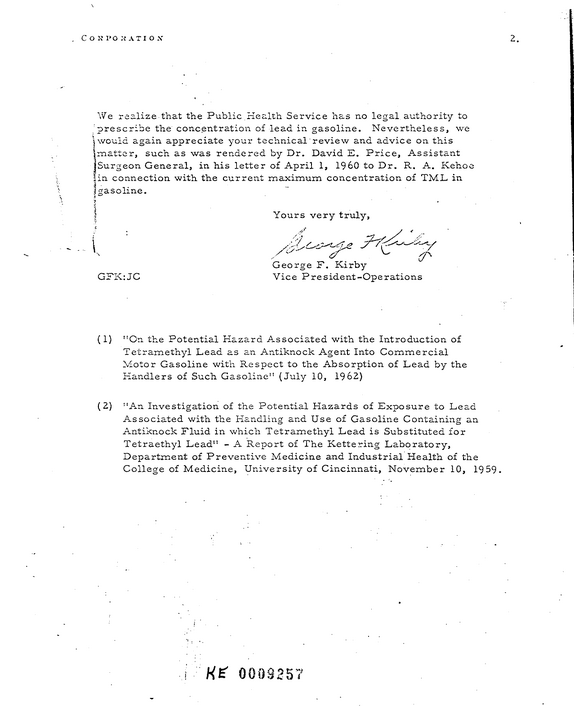
Kehoe, we conclude that tetram ethyl lead and tetraethyl lead (T E L ) a re no different fro m the standpoint of th e ir possib le effects on the' public health.
refid# qdwRR2Y0m4NGEy9wGdYn00J6j3 pages