Refine
Estimated Years 1960-1969Clear
16,810 results foundRefine Search
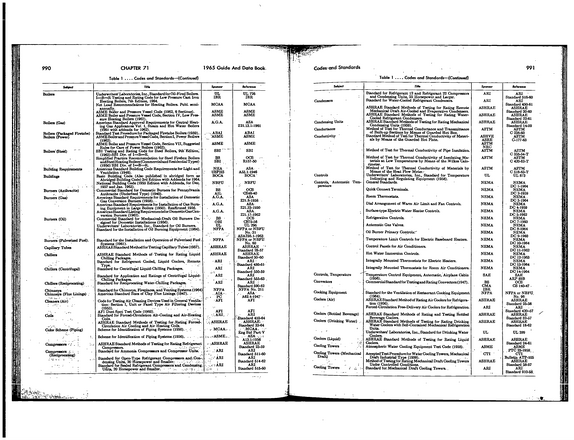
990 CHAPTER 71 1965 Guide And Data Book.
refid# npjK0bVMzJox3rnLepNkJL9v81 page
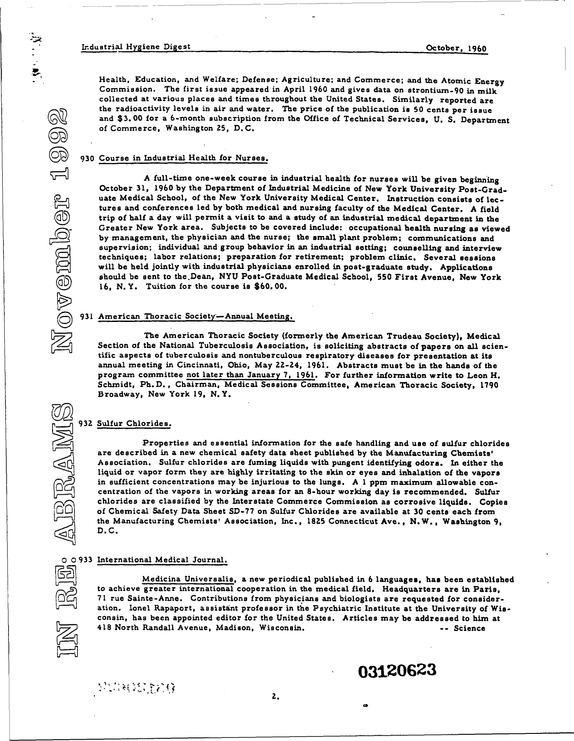
Industrial Hygiene Digest October, I960 Health, Education, and Welfare; Defense; Agriculture; and Commerce; and the Atomic Energy Commission.
refid# DGXb5YenOKrV9nyVYJ15Ypmqd1 page
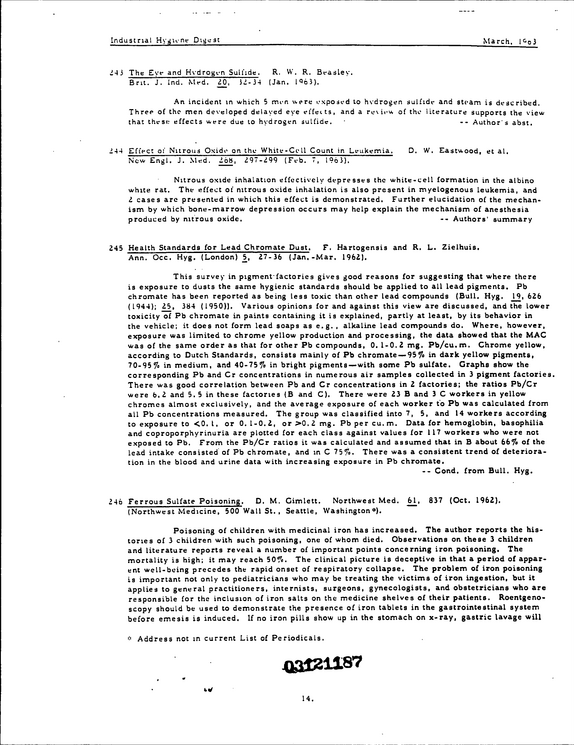
Industrial HvjU'nc Digest March. lco3 343 The Eyt- and Hvdrogun Sulfide.
refid# wDj5pVaYLn4r5DO3Y33peYYx61 page
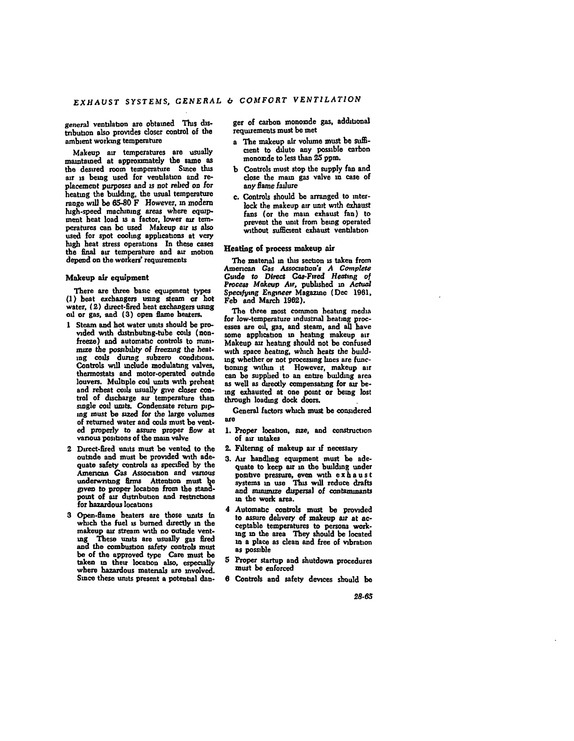
EXHAUST SYSTEMS, GENERAL 6 COMFORT VENTILATION general ventilation are obtained This dis tribution also provides closer control of the ambient working temperature Makeup air temperatures are usually maintained at approximately the same as the desired room temperature Since this air is being used for ventilation and re placement purposes and is not relied on for heating the building, the usual temperature range will be 65-80 P However, in modem high-speed machining areas where equip ment heat load is a factor, lower air tem peratures can be used Makeup air is also used for spot cooling applications at very high heat stress operations In these cases the final air temperature and air motion depend on the workers' requirements Makeup air equipment There are three basic equipment types (1) beat exchangers using steam or hot water, (2) direct-fired heat exchangers using oil or gas, and (3) open flame heaters. 1 Steam and hot water units should be pro vided with distnbuhng-tube coils (non freeze) and automatic controls to mini mize the possibility of freezing the heat ing coils during subzero conditions.
refid# bGMR0Zw1yJdn7MkovYdbxgjy1 page
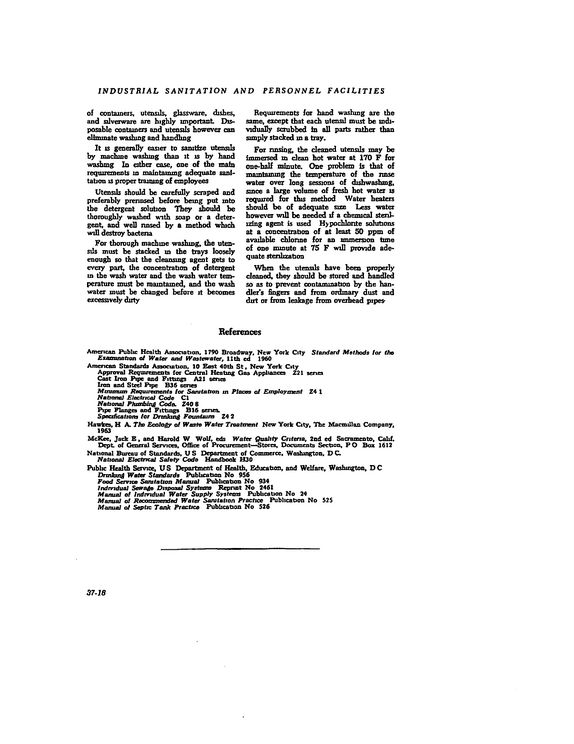
INDUSTRIAL SANITATION AND PERSONNEL FACILITIES of containers, utensils, glassware, dishes, and silverware are highly important.
refid# JJRjQgRaBxMX2O9O8xByd96Xe1 page
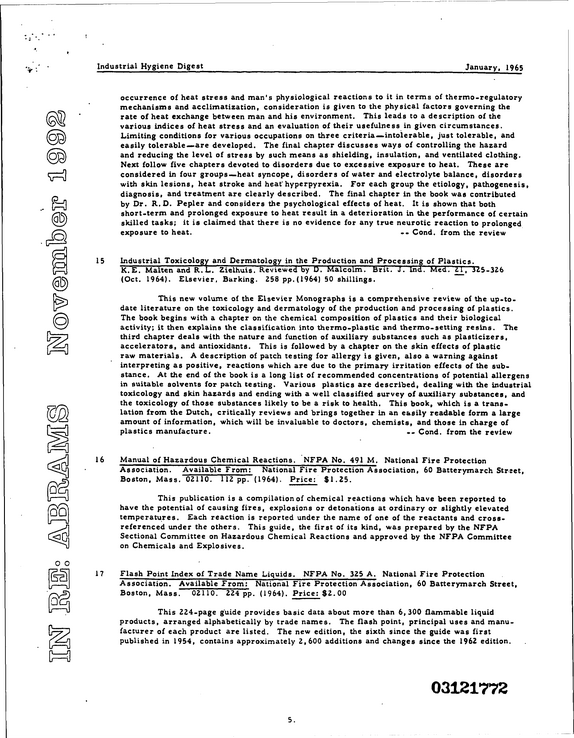
fel & OO Industrial Hygiene Digest January, 1965 occurrence of heat stress and man's physiological reactions to it in terms of thermo-regulatory mechanisms and acclimatization, consideration is given to the physical factors governing the rate of heat exchange between man and his environment.
refid# NwXB9JdbLV7mvJ28JoZYrnZy1 page
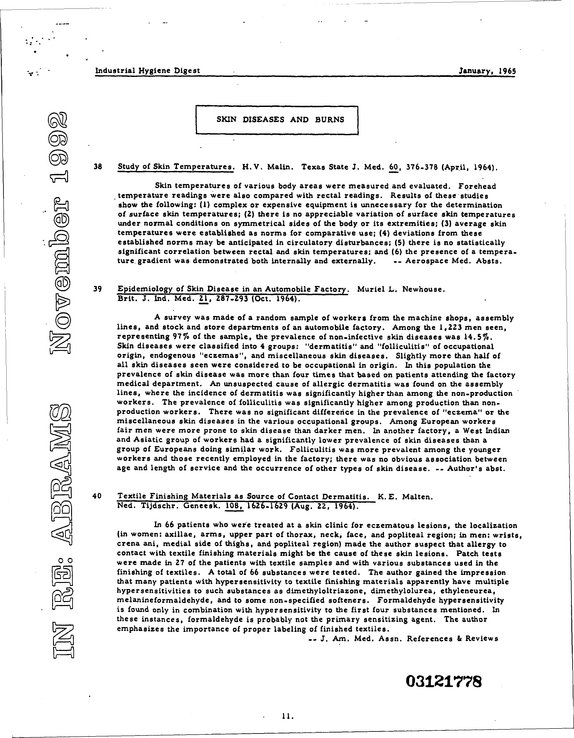
Industrial Hygiene Digest January, 1965 SKIN DISEASES AND BURNS 38 Study of Skin Temperatures.
refid# jgbv9Q8X4VqvZgJDaoo6Qk2pO1 page
1 FURTHER INFORMATION, CONTACT n.
refid# 7O14DEwZ4Kj4x2zOm4Zq5Q00g2 pages
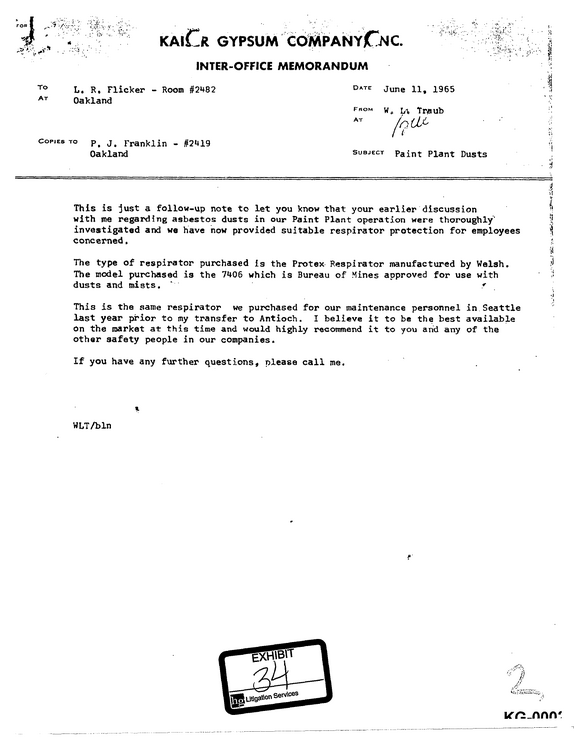
* Ir 4 ^.7VA* ' GYPSUM COMPANYJTnC.
refid# J3jQzrLMwv7yeEDqqz7yxDRw21 page
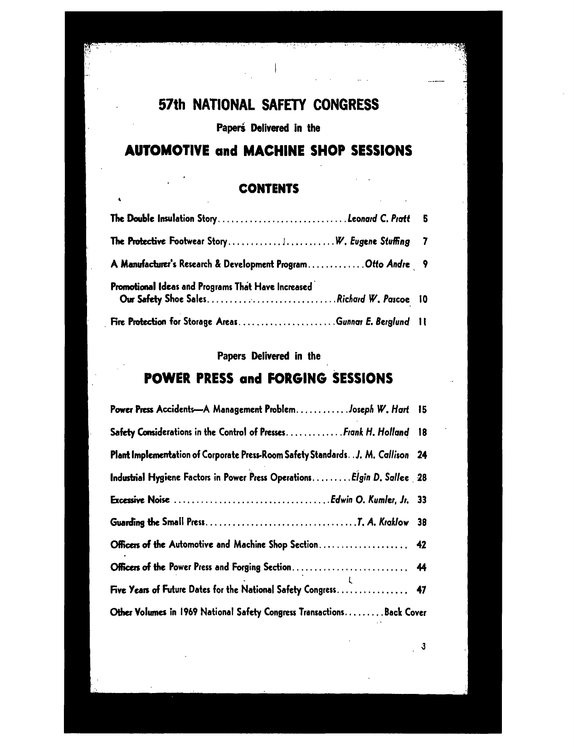
57th NATIONAL SAFETY CONGRESS Papers Delivered in the AUTOMOTIVE and MACHINE SHOP SESSIONS CONTENTS The Double Insulation Story.........................................................Leonard C.
refid# jLokXgBJoLYZKNXqMxpo2y6k1 page
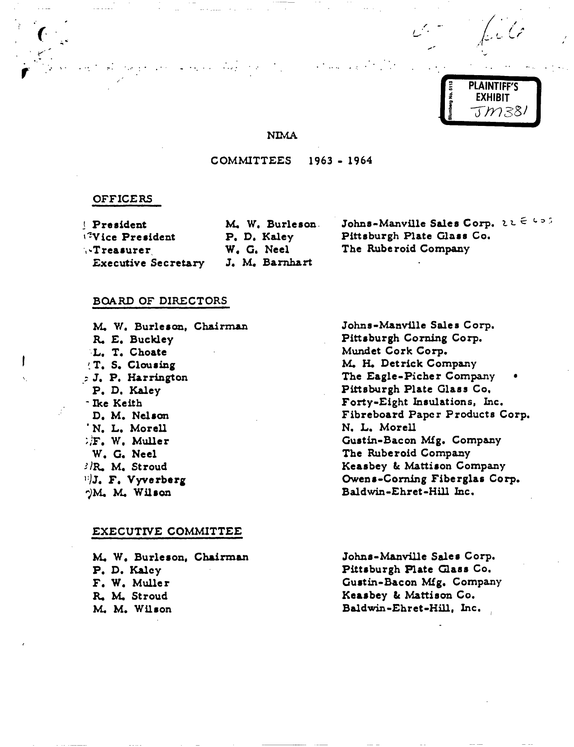
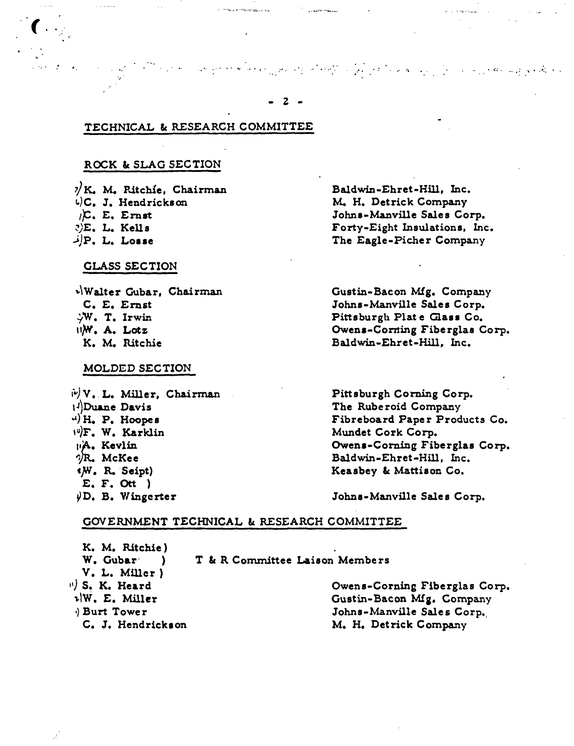
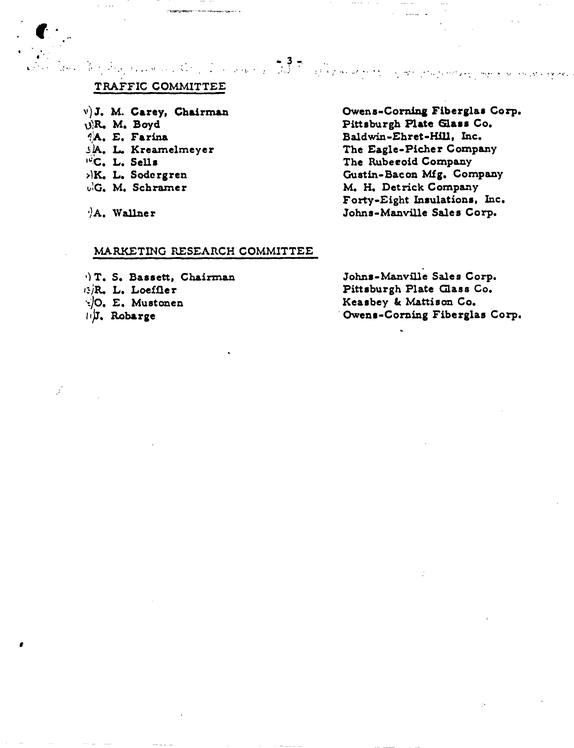
NIMA COMMITTEES 1963 - 1964 OFFICERS j President '^Vice President .xTreasurer Executive Secretary M.
refid# 6wOkymRkJd4povgVRY432r8O33 pages
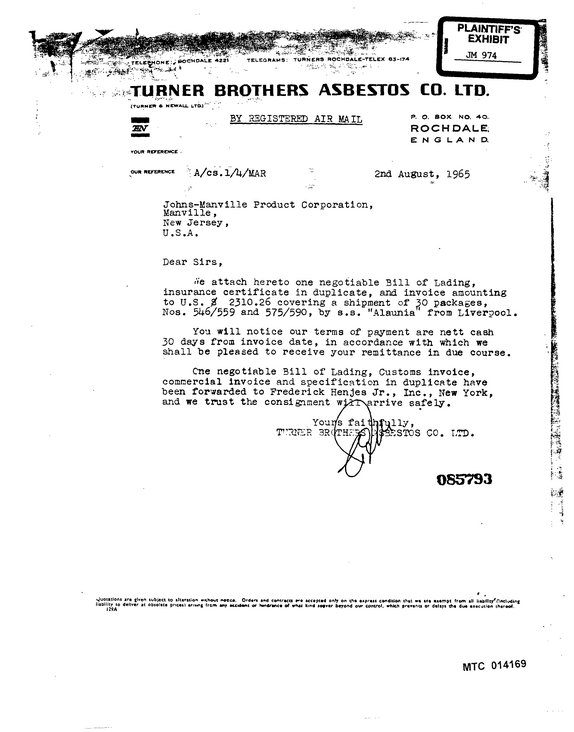
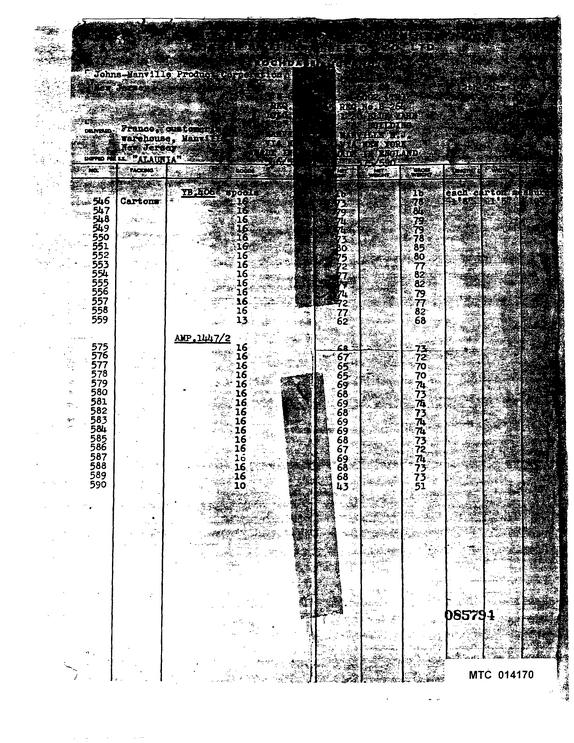
TURNER BROTHERS ASBESTOS CO.
refid# M0YVqaa06EqVzKoYVMn4MB8L17 pages
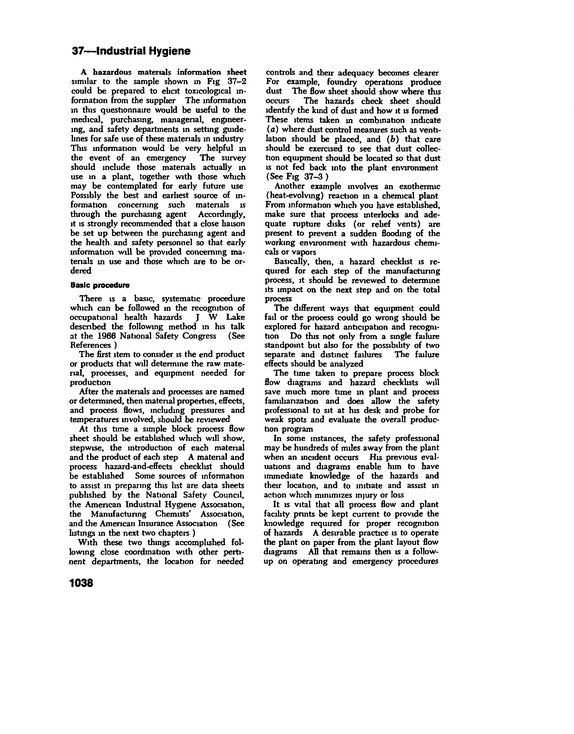
37--Industrial Hygiene A hazardous materials information sheet similar to the sample shown in Fig 37-2 could be prepared to elicit toxicological in formation from the supplier The information m this questionnaire would be useful to the medical, purchasing, managerial, engineer ing, and safety departments in setting guide lines for safe use of these materials in industry This information would be very helpful in the event of an emergency The survey should include those materials actually in use m a plant, together with those which may be contemplated for early future use Possibly the best and earliest source of in formation concerning such materials is through the purchasing agent Accordingly, it is strongly recommended that a close liaison be set up between the purchasing agent and the health, and safety personnel so that early information will be provided concerning ma terials m use and those which are to be or dered Basic procedure There is a basic, systematic procedure which can be followed in the recognition of occupational health hazards J W Lake described the following method m his talk at the 1966 National Safety Congress (See References ) The first item to consider is the end product or products that will determine the raw mate rial, processes, and equipment needed for production After the materials and processes are named or determined, then material properties, effects, and process flows, including pressures and temperatures involved, should be reviewed At this tune a simple block process flow sheet should be established which will show, stepwise, the introduction of each material and the product of each step A material and process hazard-and-effects checklist should be established Some sources of information to assist in preparing this list are data sheets published by the National Safety Council, the American Industrial Hygiene Association, the Manufacturing Chemists' Association, and the American Insurance Association (See listings in the next two chapters ) With these two things accomplished fol lowing close coordination with other perti nent departments, the location for needed 1038 controls and their adequacy becomes clearer For example, foundry operations produce dust The flow sheet should show where this occurs The hazards check sheet should identify the kmd of dust and how it is formed These items taken in combination indicate (a) where dust control measures such as venti lation should be placed, and (b) that care should be exercised to see that dust collec tion eqmpment should be located so that dust is not fed back into the plant environment (See Fig 37-3 ) Another example involves an exothermic (heat-evolving) reaction m a chemical plant From information which you have established, make sure that process interlocks and ade quate rupture disks (or relief vents) are present to prevent a sudden flooding of the working environment with hazardous chemi cals or vapors Basically, then, a hazard checklist is re quired for each step of the manufacturing process, it should be reviewed to determine its impact on the next step and on the total process The different ways that equipment could fail or the process could go wrong should be explored for hazard anticipation and recogni tion Do this not only from a single failure standpoint but also for the possibility of two separate and distinct failures The failure effects should be analyzed The time taken to prepare process block flow diagrams and hazard checklists will save much more time in plant and process familiarization and does allow the safety professional to sit at his desk and probe for weak spots and evaluate the overall produc tion program In some instances, the safety professional may be hundreds of miles away from the plant when an incident occurs His previous eval uations and diagrams enable him to have immediate knowledge of the hazards and their location, and to initiate and assist in action which minimizes injury or loss It is vital that all process flow and plant facility prints be kept current to provide the knowledge required for proper recognition of hazards A desirable practice is to operate the plant on paper from the plant layout flow diagrams All that remains then is a follow up on operating and emergency procedures
refid# q0Jxn8GbL5Y3DM07ro6ydBaK1 page
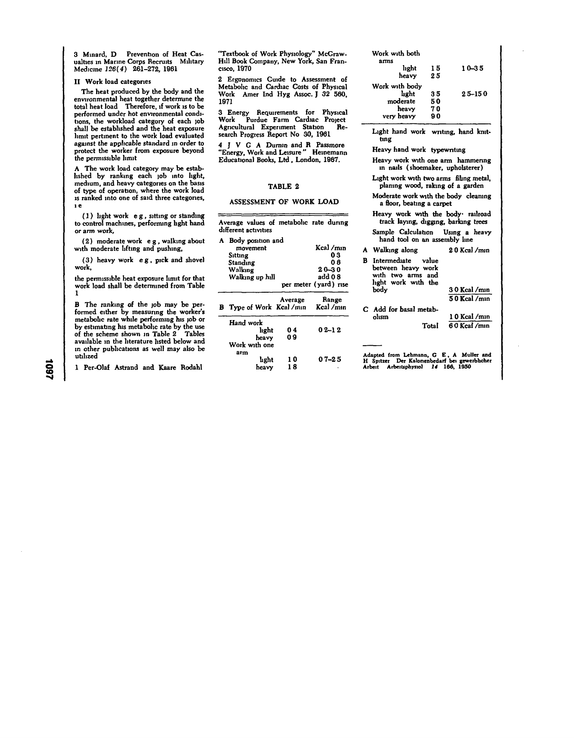
1097 3 Minard, D Prevention of Heat Cas ualties m Marine Corps Recruits Military Medicine 126(4 ) 261-272, 1961 II Work load categories The heat produced by the body and the environmental heat together determine the total heat load Therefore, if work is to be performed under hot environmental condi tions, the workload category of each job shall be established and the heat exposure limit pertinent to the work load evaluated against the applicable standard in order to protect the worker from exposure beyond the permissible limit A The work load category may be estab lished by ranking each job into light, medium, and heavy categories on the basis of tyj?
refid# VJvJ8D4BYKVjEym6L2VnL0V1Z1 page
jgniscd e to be orn the valence .
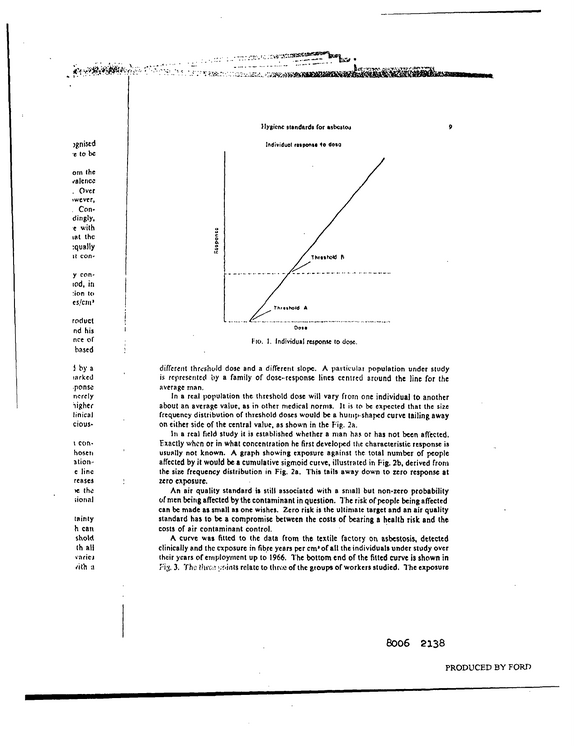
refid# JrJmqrx6B3z6G06keyMd066EO1 page