Refine
Estimated Years 1950-1959Clear
14,527 results foundRefine Search
794 CHAPTER 31 1957 Guide is obtained from Fig. 7: (L/W), = 11.5.
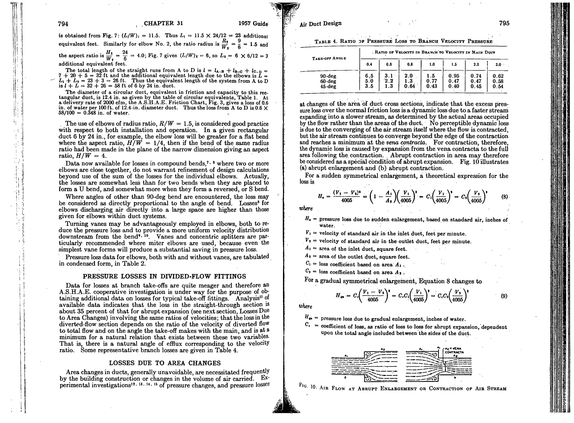
refid# nkarqMN2kN0XjRND957eDDdVG1 page
838 CHAPTER 33 1957 Guide cleaner differs with the size and nature of the dust on which the cleaner operates.
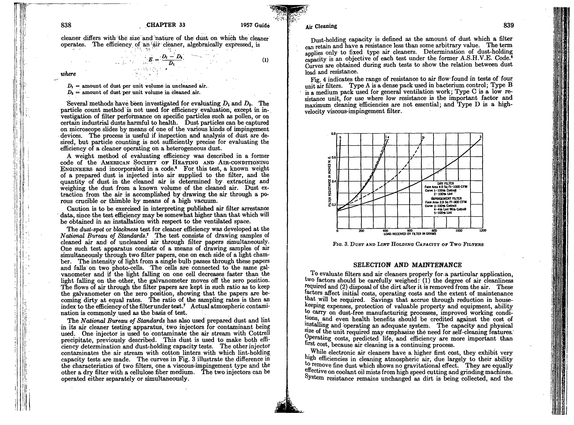
refid# 91LoQVppx2K6jwenZQZzMN5yL1 page
912 CHAPTER 36 1957 Guide' cause of the high vacuum, a small amount of the water introduced in the evaporator is flashed into steam.
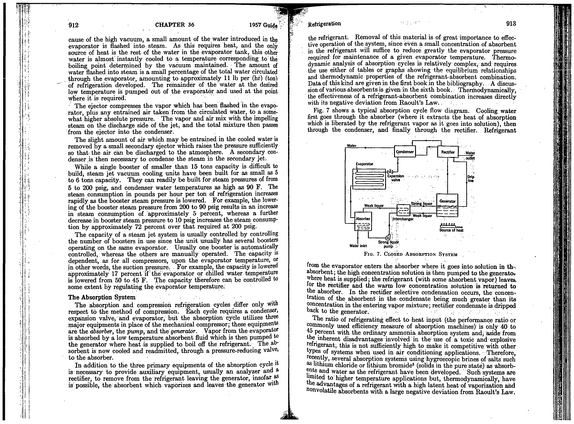
refid# o9LO6GaBL49ZkbjR3Yv3Yzqkw1 page
232 CHAPTER ,10 1958, Guide Housing and Home Finance Agency for the guidance of owners;, builders, and architects.14 The dotted lines are the 20.F, 0 F, and +20 F isotherms of winter design temperature taken from Fig. 1, Chapter 12.
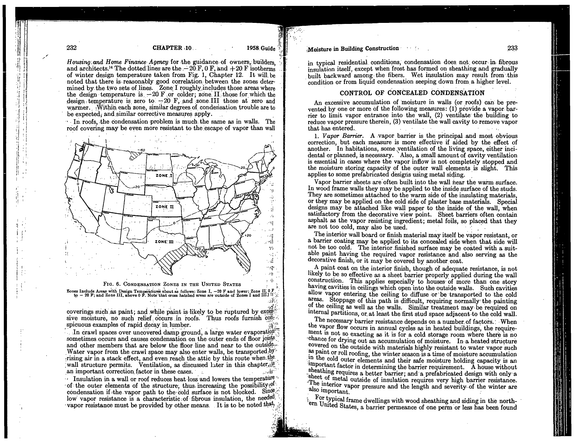
refid# pp7r2M3Q1Rop5E71E8BMeVwr61 page
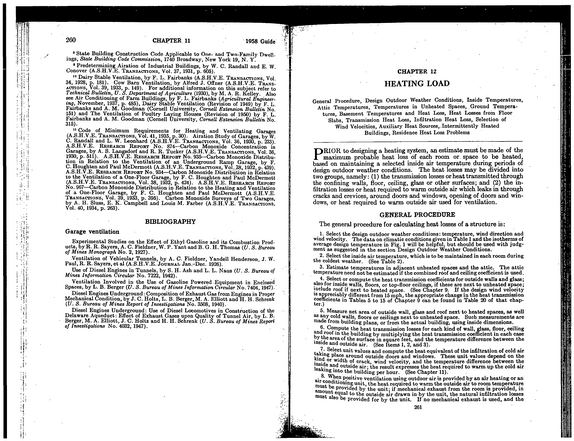
260 CHAPTER 11 1958 Guide * State Building Construction Code Applicable to One- and Two-Family Dwell ings, State Building Code Commission, 1740 Broadway, New York 19, N.
refid# 71v6dzzJqaQDOE09zvqeN9Kbo1 page
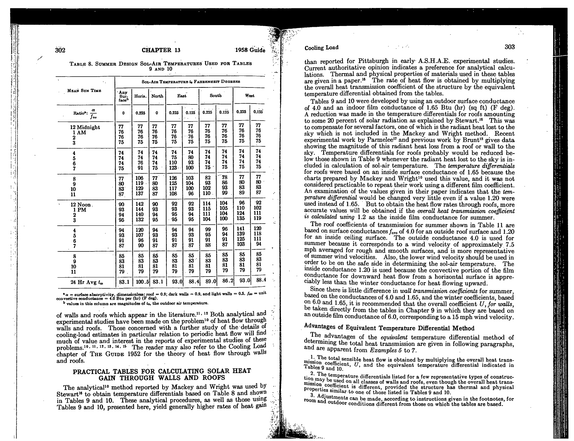
302 CHAPTER 13 1958 Guide Table 8.
refid# 06yOdroaJJ1Y0xY0pBaXkjdXk1 page
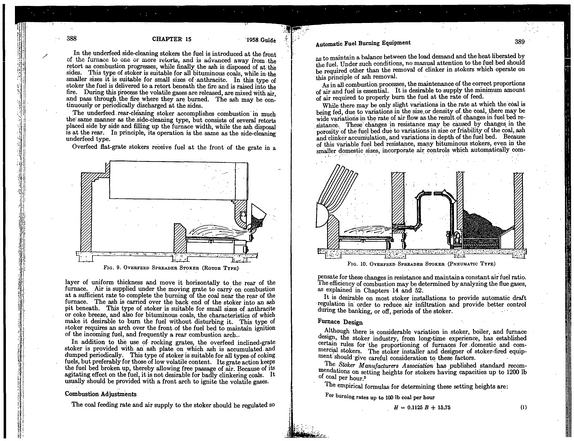
388 CHAPTER 15 1958 Guide In the underfeed side-cleaning stokers the fuel is introduced at the front of the furnace to one or more retorts, and is advanced away from the retort as combustion progresses, while finally the ash is disposed of at the sides.
refid# km9G3BYpY7zYoeBYYenOoj7JD1 page
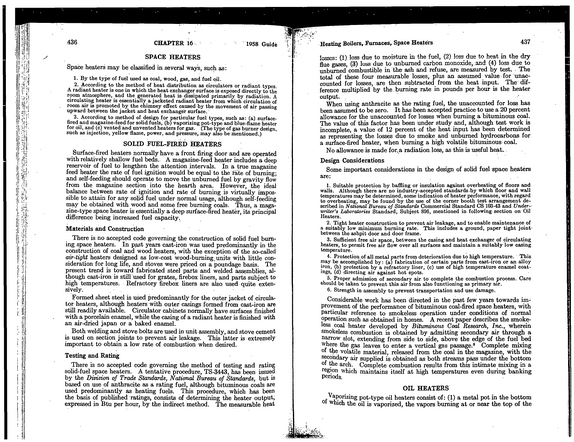
.436 CHAPTER 16 . 1958 Guide SPACE HEATERS Space heaters may be classified in several ways, such as: 1.
refid# p2MqjZrgMvw2rBE8a6KZY8qpa1 page
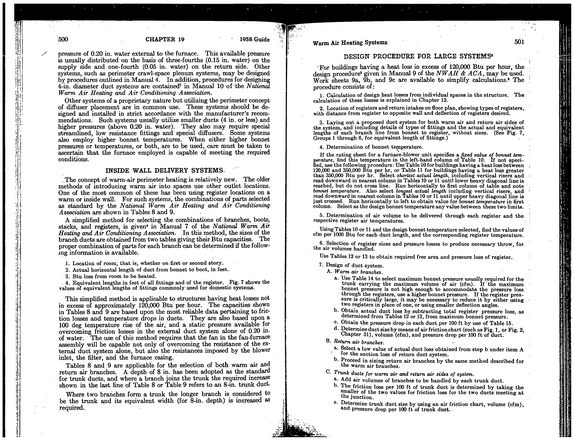
500 CHAPTER 19 1958 Guide pressure of 0.20 in. water external to the furnace.
refid# KzX5ORkeBM9qq3ax9ek61LpaN1 page
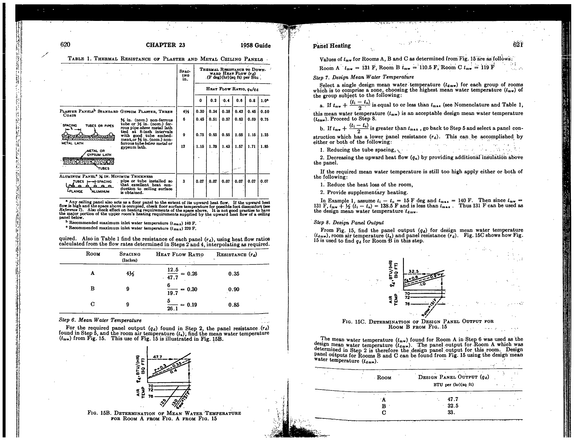
620 CHAPTER 23 1958 Guide Table 1.
refid# a47KONomRpvMOyowzEEOKp0M1 page
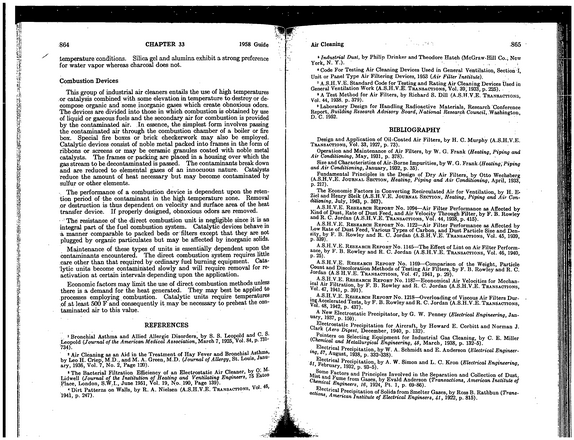
864 CHAPTER 33 1958 Guide temperature conditions.
refid# 9Ly7p95294k11KLEjRL9bQxke1 page
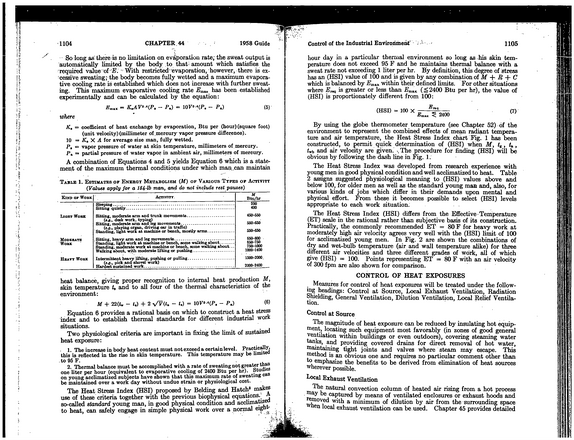
1104 CHAPTER 44 1958 Guide So long as' there is no limitation on evaporation rate; the sweat output is automatically limited by the body to that; amount which satisfies the required value of E. ' With restricted "evaporation, however, there is ex cessive sweating; the body becomes fully wetted and a maximum evapora tive cooling rate is established which does not increase with further sweat ing.
refid# 3Q5gobRwbY2pbB8YpQYyx03n1 page
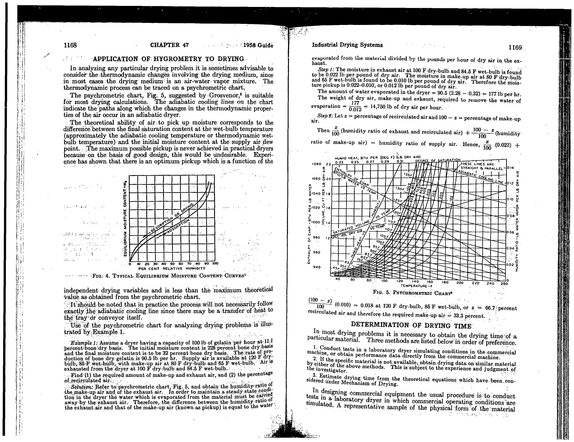
1168 CHAPTER 47 1958 Guide APPLICATION OF HYGROMETRY TO DRYING In analyzing any particular drying problem it is sometimes advisable to consider' the .thermodynamic changes involving the drying medium, since in most cases the drying medium1 is an air-water vapor mixture.
refid# kDYpkdGLk57aJrYynj9j2KRy1 page
1184 CHAPTER 48 1958 Guide from the air by mechanical separation; finer materials, by electrostatic action.
refid# rpQB5pOmqyy5ELRBXBqGqv09q1 page
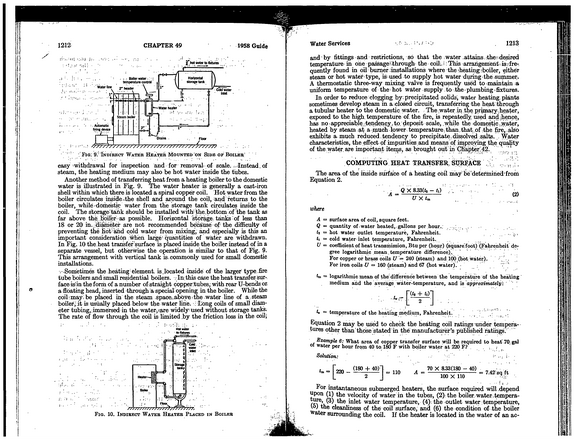
1212, CHAPTER 49 1958 Guide easy withdrawal for inspection and for removal of scale. .
refid# em91vbe4My0b1D4O2y4E0B1qG1 page