Refine
Estimated Years 1940-1949Clear
11,527 results foundRefine Search
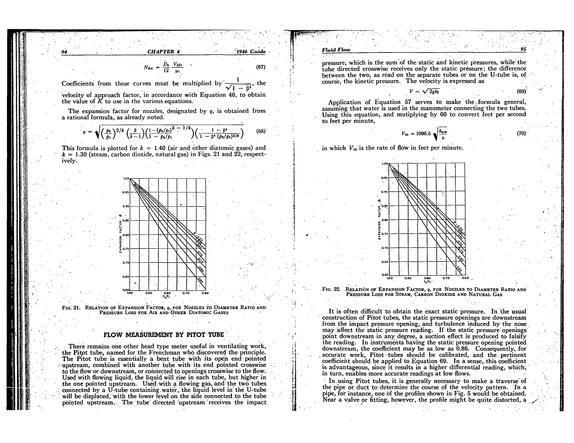
94 CHAPTER 4 '1946 Guide NRc = Sl YL 12 iii (67) Coefficients from these curves must be multiplied by --^=i==, the velocity of approach factor, in accordance with Equation 46, to obtain the value of K to use in the various equations.
refid# MZLZJXVzoJ15oK4yQ4wE2x171 page
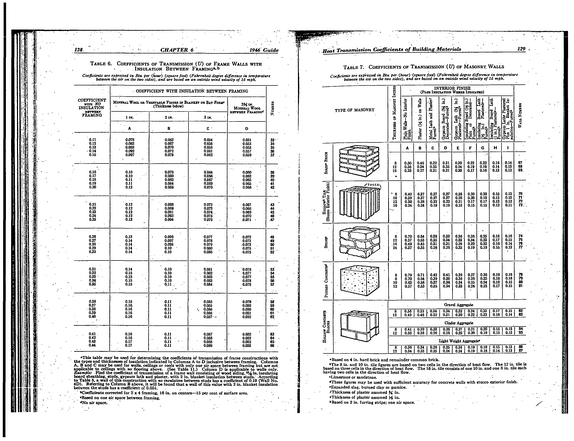
128.
refid# wDe9DRbyG5GzqGMEOae6MK5qQ1 page
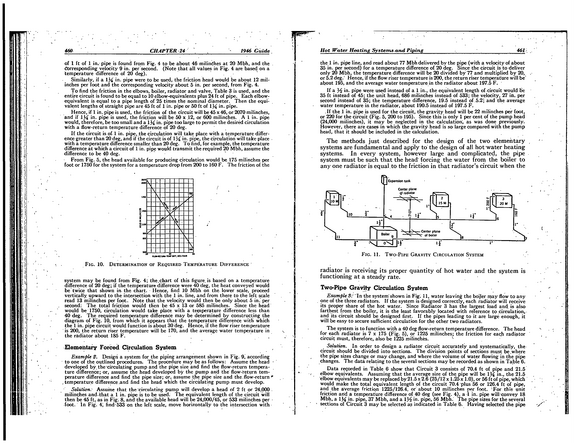
460 CHAPTER 24 ____________ 1946 Guide.
refid# JrNNx4X5G9x3YJ4yN0mGe50Xv1 page
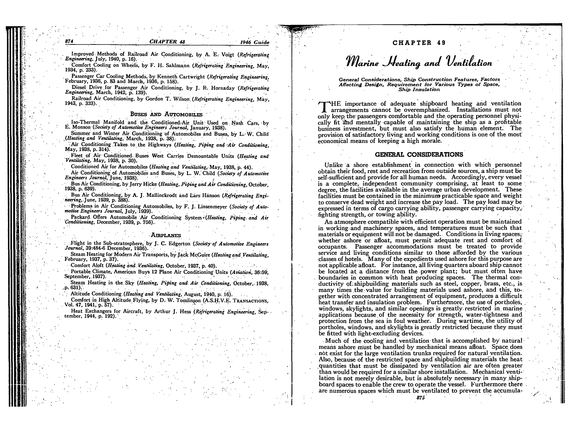
874 Chapter 48 1946 Guide Improved Methods of Railroad Air Conditioning, by A.
refid# QkKzmpgz2YR7xpJ2po7gN6E181 page
ldilJstorChapters^ f NorthTexas Headqcarters.; Dallas,-Tex* ?
refid# np2arm9d1Nj5xwEyvo24xN4161 page
12\ Heating Ventilating Air <: Conditioning .
refid# ZnJvyqgwbLq12XQXBy1kLvL6p1 page
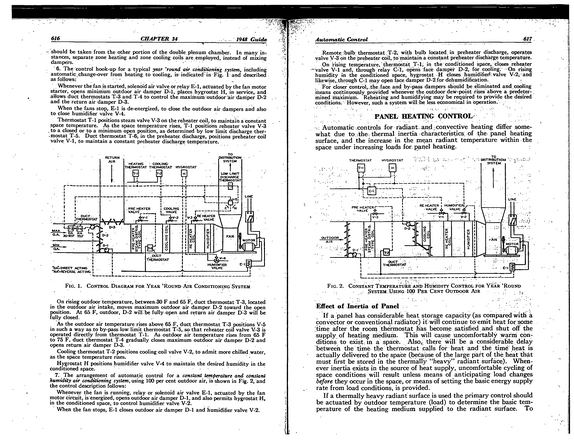
616 CHAPTER 34 1948 Guide - should be taken from the other portion of the double plenum chamber.
refid# 15DqoyqEbYqrNRbXLXDLgq94a1 page
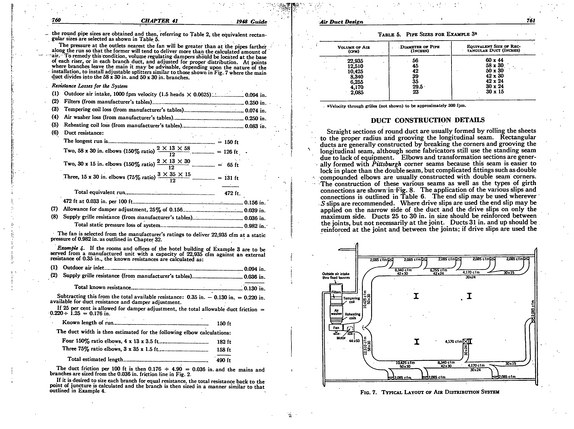
760 CHAPTER 41 1948 Guide - the round pipe sizes are obtained and then, referring to Table 2, the equivalent rectan gular sizes are selected as shown in Table 5.
refid# Lp5eXEdYXaOerdRD4MgLjX63g1 page
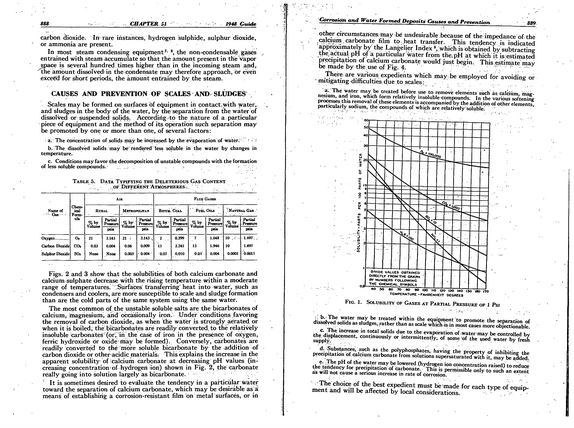
888 ..
refid# NGNpqoVean4X9vOz7JzrnDB3D1 page
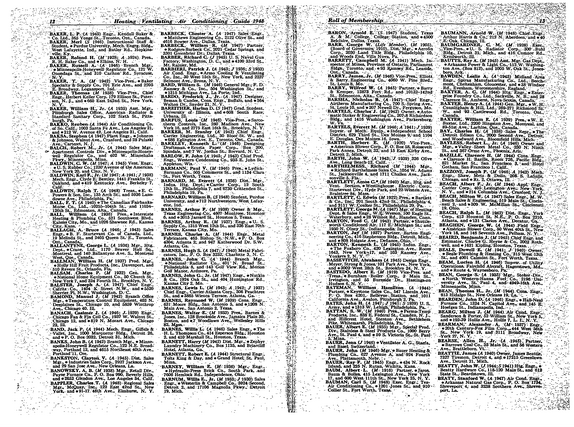
.H Heating f V^entilating yAir [Canditidhirig ' Guide 1948 , 2 BAKER.
refid# 2j267jKQ4E60Jy2XGyjoERj5b1 page
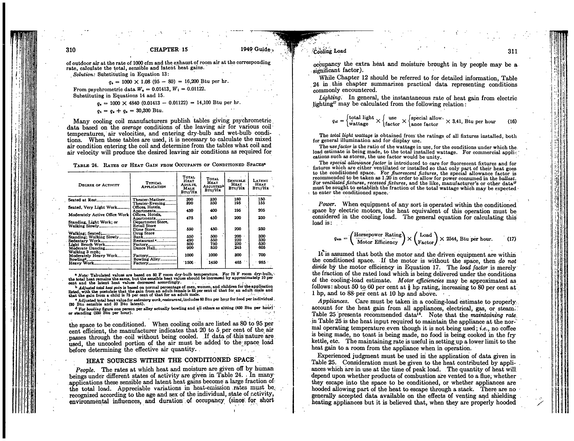
310 CHAPTER IS 1949 Guide > of outdoor air at the rate of 1000 cfm and the exhaust of room air at the corresponding rate, calculate the total, sensible and latent heat gains.
refid# 4R5NzqY5xKY7ygJNGX7oXLaN1 page
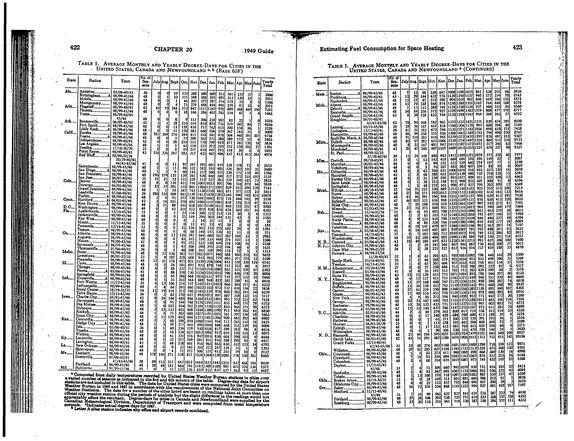
422 CHAPTER 20 1949 Guide Table 1.
refid# R231JZRG3Q39BbmxVp2xy7GMV1 page
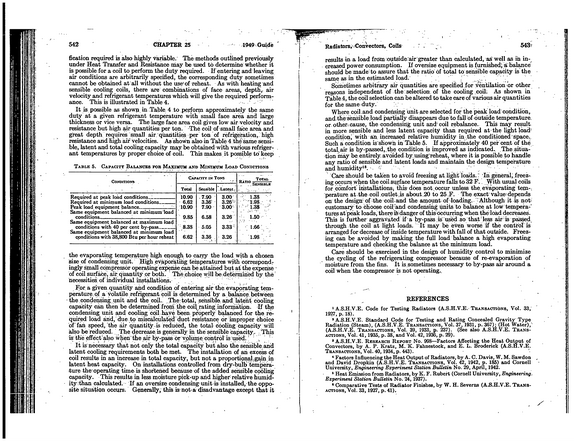
542 CHAPTER 25 1949 Guide fication required is also highly Variable.'
refid# xzMRqjxaJ5DVBxrm4g5oQM38b1 page
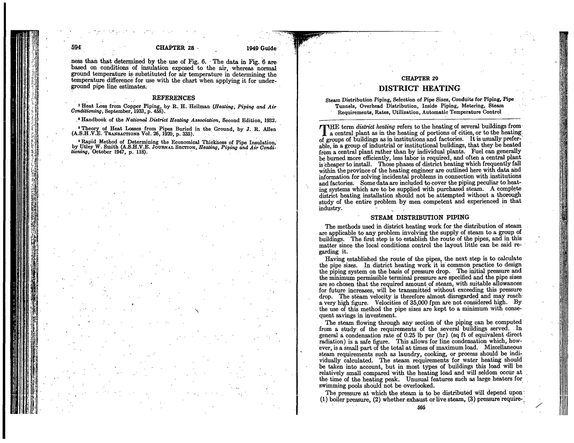
594' CHAPTER 28 1949 Guide ness than that determined by the use of Fig. 6.
refid# evKYQ35jGOxodDJgavLRRp1Mm1 page
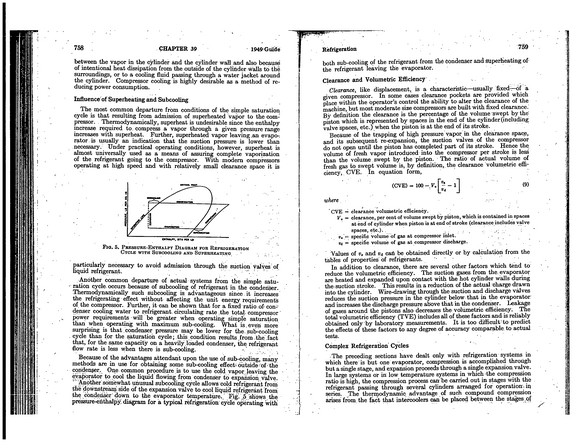
758 CHAPTER 39 1949`Guide between the vapor in the cylinder and the cylinder wall and also because of intentional heat dissipation from the outside of the cylinder walls to the surroundings, or to a cooling fluid passing through a water jacket around the cylinder.
refid# 50apy7oJk75Mp7DLb6g8nKQK41 page