Refine
Estimated Years 1930-1939Clear
14,210 results foundRefine Search
itLToAJ Bernard J.
refid# ba8y0d42XbdMjM5ONLZMdaGLg7 pages
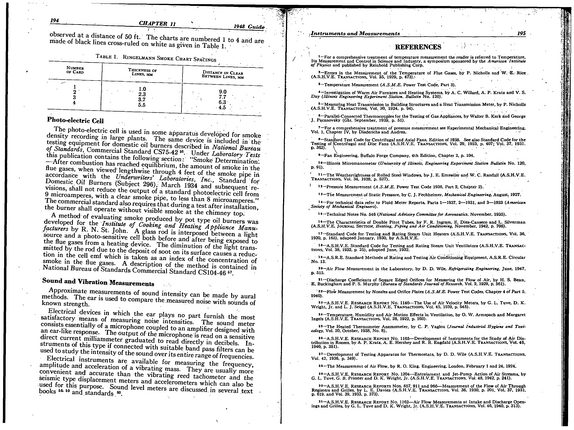
194 CHAPTER 11 \ IOASt J l *4 W - ` Number of Caro Table 1.
refid# YGjz0oqnjdnn5E2NGwnM9x0by1 page
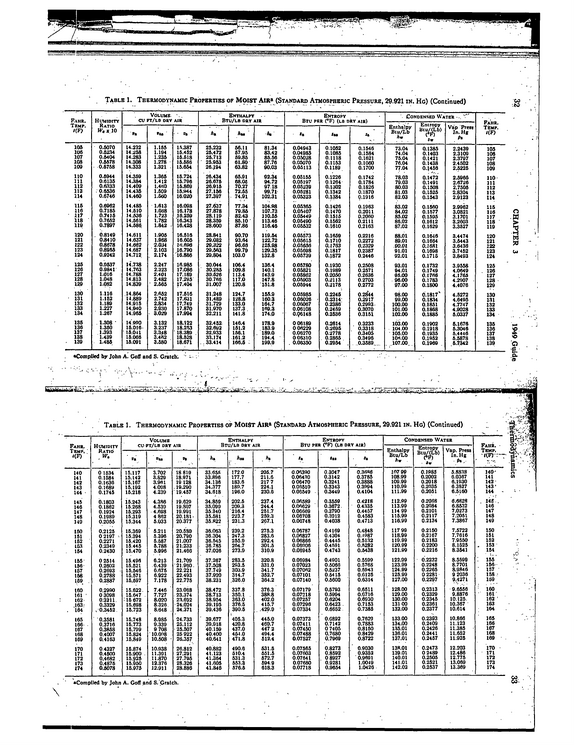
Table 1.
refid# eo5473exRxNNywmDx4e9LkGp1 page
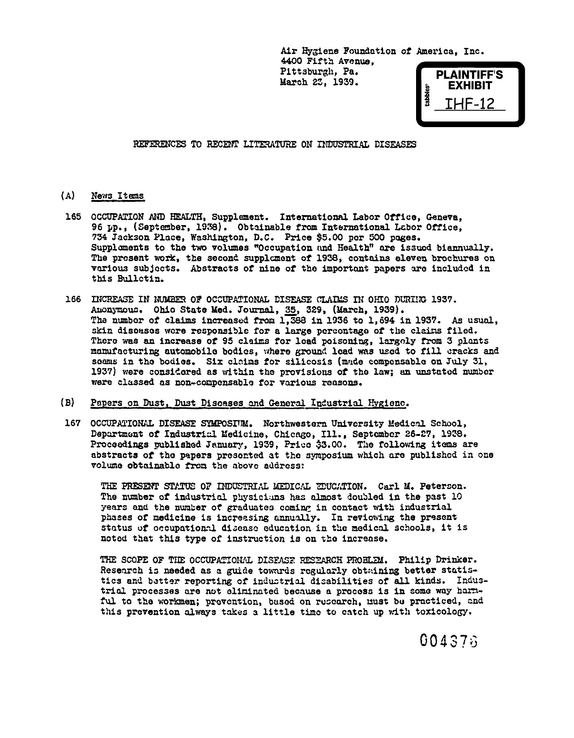
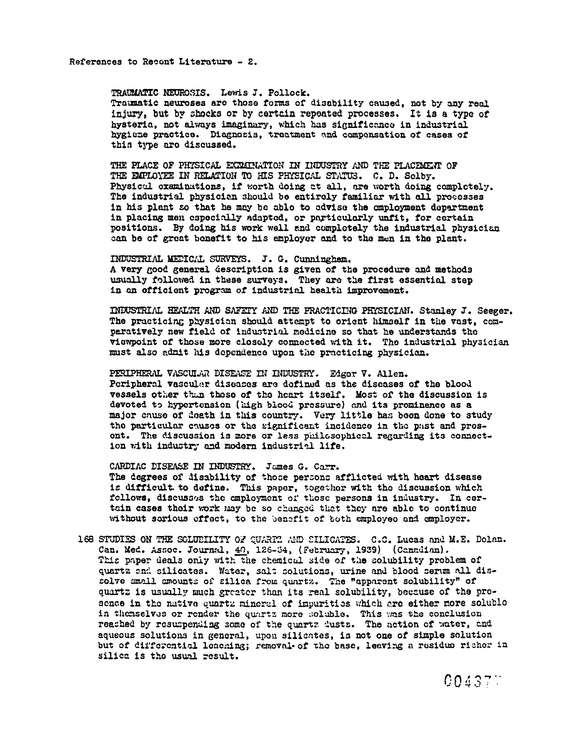
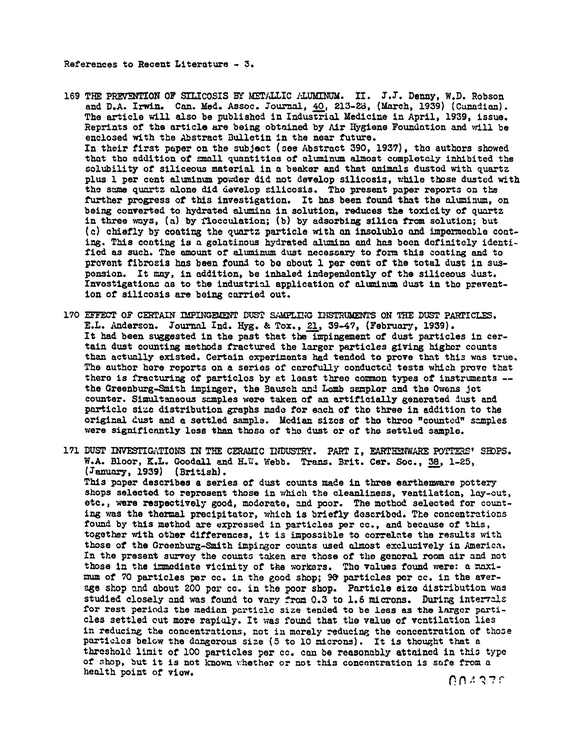
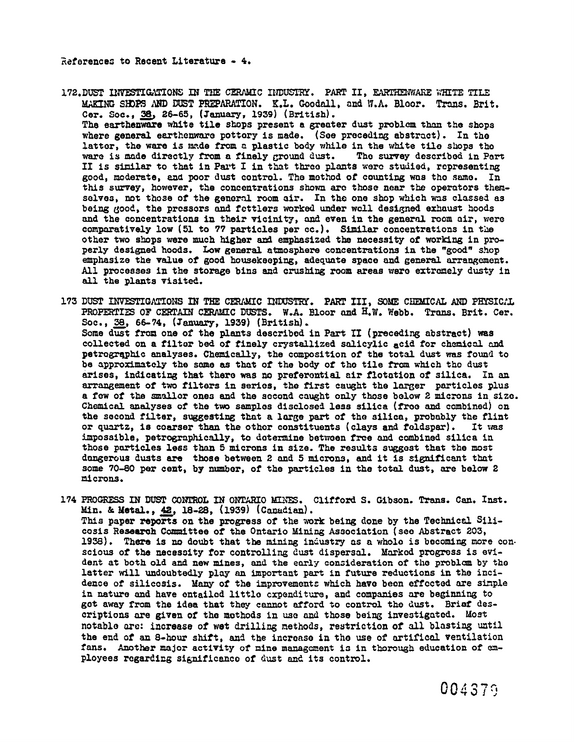
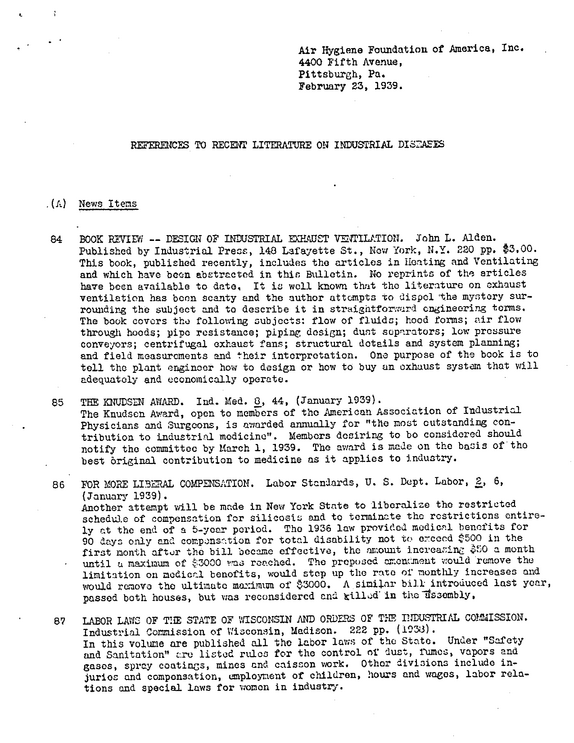
Air Hygiene Foundation of America, Inc 4400 Fifth Avenue, Pittsburgh, Fa March 23, 1939 REFERENCES TO RECENT LITERATURE ON INDUSTRIAL DISEASES (A) New3 Items 165 OCCUPATION AND HEALTH, Supplement.
refid# pBxB90aO50oEvQNjaXxz8qRok40 pages
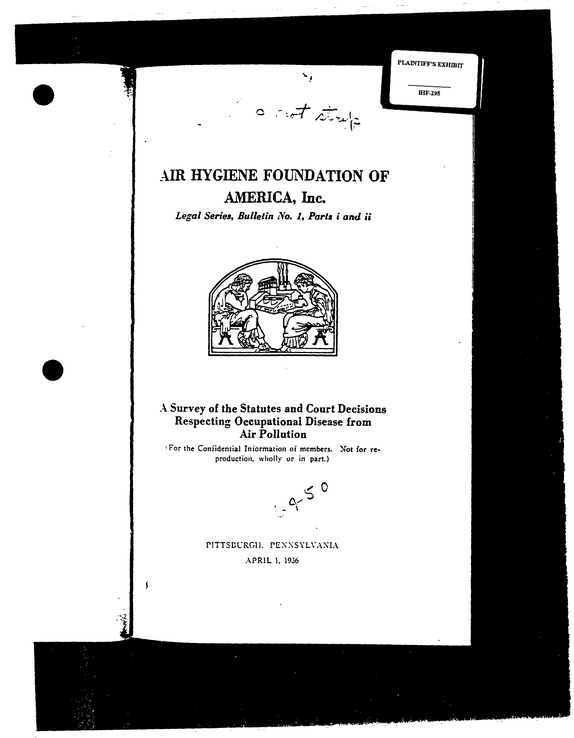
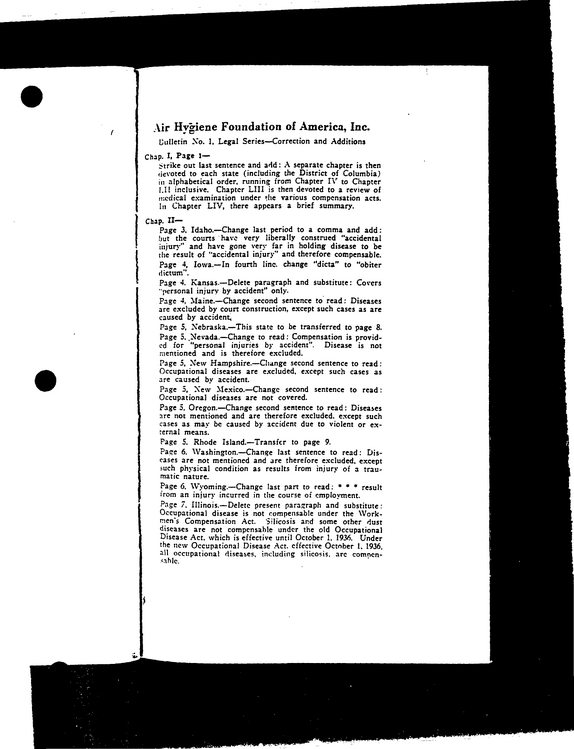
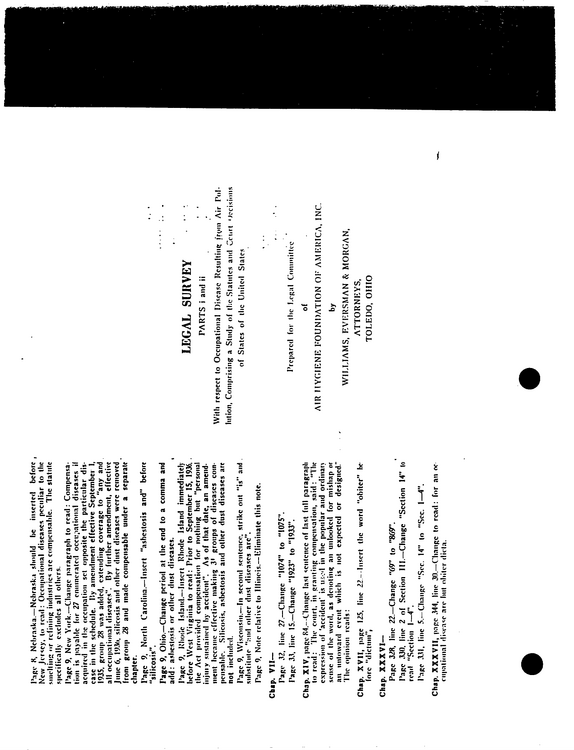
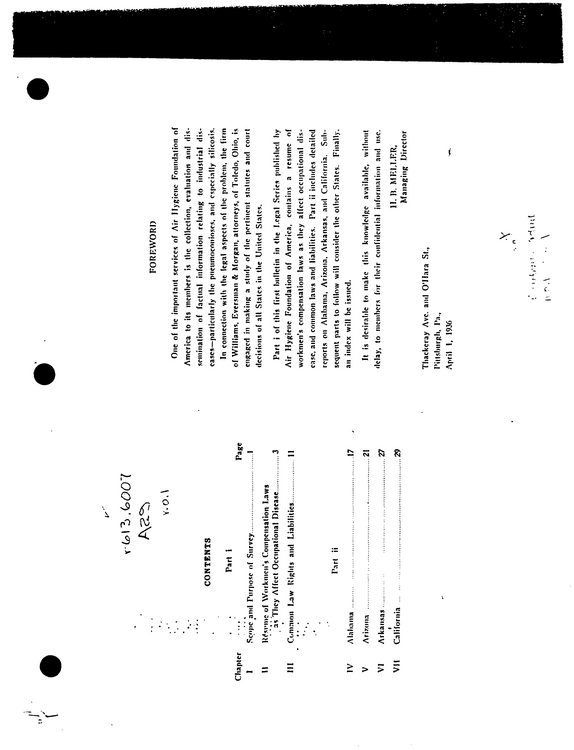
AIR HYGIENE FOUNDATION OF AMERICA, Inc.
refid# O1MQZkgnJgnvmVvm4n6pENxze130 pages
even harmful.
refid# 7O3YVk2BdXrMnKXQ8Lyvy4X1B1 page
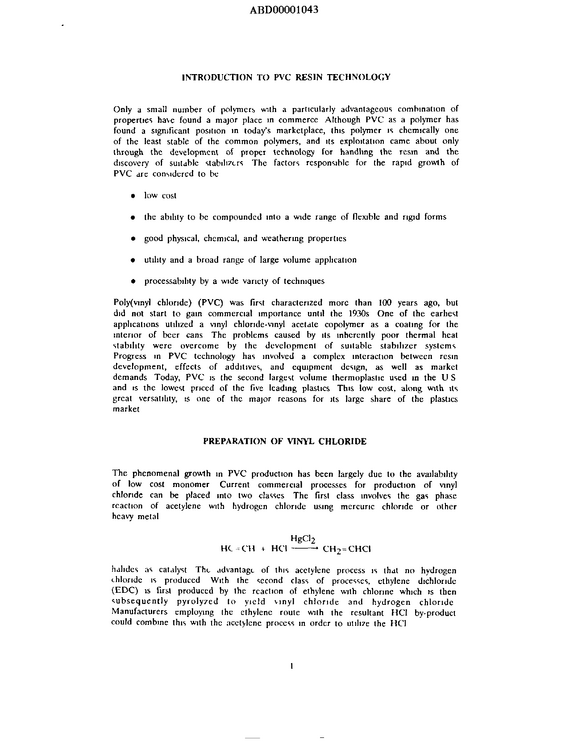
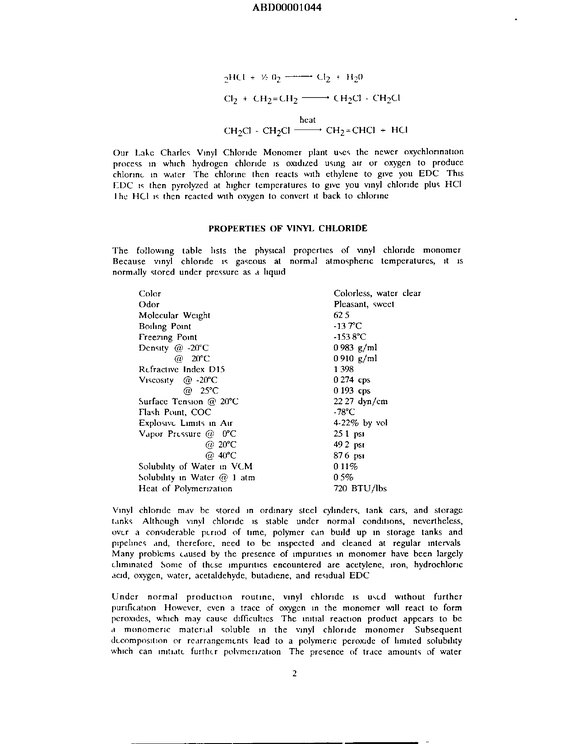
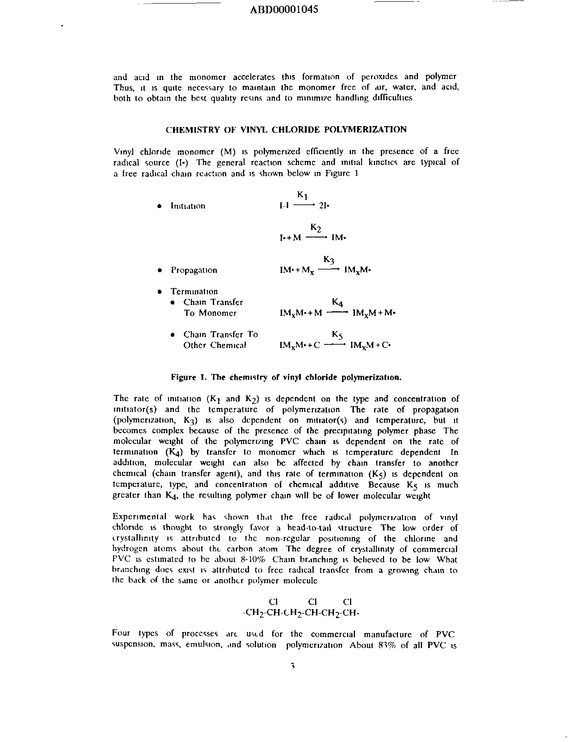
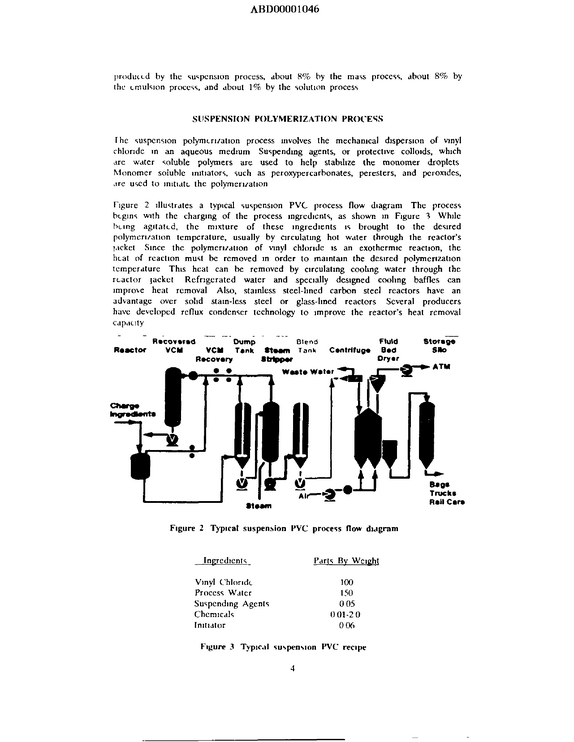
ABD00001043 INTRODUCTION TO PVC RESIN TECHNOLOGY Only a small number of polymers with a particularly advantageous combination of properties have found a major place in commerce Although PVC as a polymer has found a significant position in today's marketplace, this polymer is chemically one of the least stable of the common polymers, and its exploitation came about only through the development of proper technology for handling the resin and the discovery of suitable stabilizers The factors responsible for the rapid growth of PVC are considered to be low cost the ability to be compounded into a wide range of flexible and rigid forms good physical, chemical, and weathering properties utility and a broad range of large volume application processability by a wide variety of techniques Poly(vmyl chloride) (PVC) was first characterized more than 100 years ago, but did not start to gain commercial importance until the 1930s One of the earliest applications utilized a vinyl chloride-vinyl acetate copolymer as a coating for the interior of beer cans The problems caused by its inherently poor thermal heat stability were overcome by the development of suitable stabilizer systems Progress in PVC technology has involved a complex interaction between resin development, effects of additives, and equipment design, as well as market demands Today, PVC is the second largest volume thermoplastic used in the U S and is the lowest priced of the five leading plastics This low cost, along with Us great versatility, is one of the major reasons for its large share of the plastics market PREPARATION OF VINYL CHLORIDE The phenomenal growth in PVC production has been largely due to the availability of low cost monomer Current commercial processes for production of vinyl chloride can be placed into two classes The first class involves the gas phase reaction of acetylene with hydrogen chloride using mercuric chloride or other heavy metal HgCl2 HC--CH + HC1 --------- CH2 = CHCI halides as catalyst The advantage of this acetylene process is that no hydrogen chloride is produced With the second class of processes, ethylene dichloridc (EDC) is first produced by the reaction of ethylene with chlorine which is then subsequently pyrolyzed to yield vinyl chloride and hydrogen chloride Manufacturers employing the ethylene route with the resultant HC1 by-product could combine this with the acetylene process in order to utilize the HC1 1 ABD00001044 2HCl + '/: 02 ---------- * U2 n20 Cl2 + ch2=ui2 ---------> CH2C1 - CH2C1 heat CH2C1 - CH2C1 ---------' CH2 = CHC1 + HC1 Our Lake Charles Vinyl Chloride Monomer plant uses the newer oxychlorination process in which hydrogen chloride is oxidized using air or oxygen to produce chlorine in water The chlorine then reacts with ethylene to give you EDC This EDC is then pyrolyzed at higher temperatures to give you vinyl chloride plus HC1 1 he HC1 is then reacted with oxygen to convert it back to chlorine PROPERTIES OF VINYL CHLORIDE The following table lists the physical properties of vinyl chloride monomer Because vinyl chloride is gaseous at normal atmospheric temperatures, it is normally stored under pressure as a liquid Color Odor Molecular Weight Boiling Point Freezing Point Density @ -20C @ 20C Refractive Index D15 Viscosity @ -20C @ 25C Surface Tension @ 20C Hash Point, COC Explosive Limits in Air Vapor Pressure @ 0C @ 20C @ 40C Solubility of Water in VCM Solubility in Water @ 1 atm Heat of Polymerization Colorless, water clear Pleasant, sweet 62 5 -13 rc -153 8C 0 983 g/ml 0 910 g/ml 1 398 0 274 cps 0193 cps 22 27 dyn/cm -78C 4-22% by vol 25 1 psi 49 2 psi 87 6 psi 0 11% 0 5% 720 BTU/lbs Vinyl chloride mav be stored in ordinary steel cylinders, tank cars, and storage tanks Although vinyl chloride is stable under normal conditions, nevertheless, over a considerable period of time, polymer can build up in storage tanks and pipelines and, therefore, need to be inspected and cleaned at regular intervals Many problems caused by the presence of impurities in monomer have been largely eliminated Some of these impurities encountered are acetylene, iron, hydrochloric acid, oxygen, water, acetaldehyde, butadiene, and residual EDC Under normal production routine, vinyl chloride is used without further purification However, even a trace of oxygen m the monomer will react to form peroxides, which may cause difficulties The initial reaction product appears to be <i monomeric material soluble in the vinyl chloride monomer Subsequent decomposition or rearrangements lead to a polymeric peroxide of limited solubility which can initiate further polvmcri/alion The presence of trace amounts of water 2 ABD00001045 and acid in the monomer accelerates this formation of peroxides and polymer Thus, it is quite necessary to maintain the monomer free of air, water, and acid, both to obtain the best quality resins and to minimize handling difficulties CHEMISTRY OF VINYL CHLORIDE POLYMERIZATION Vinyl chloride monomer (M) is polymerized efficiently in the presence of a free radical source (I*) The general reaction scheme and initial kinetics are typical of a free radical chain reaction and is shown below in Figure 1 Initiation *1 I-I --------* 21* k2 !
refid# ga17OvaLN7na34RwM3LJLEv2Q21 pages
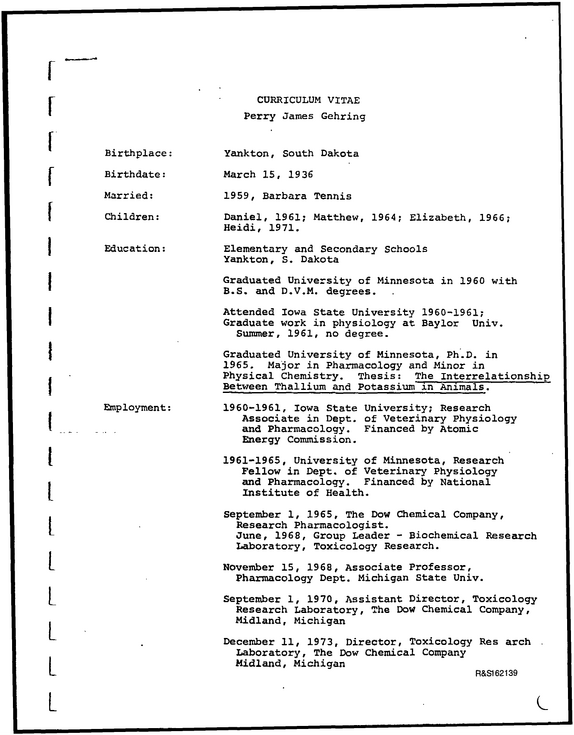
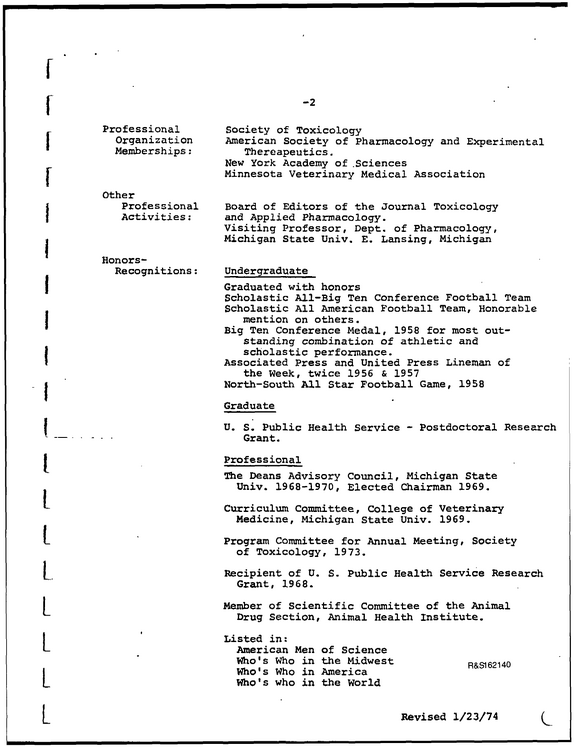
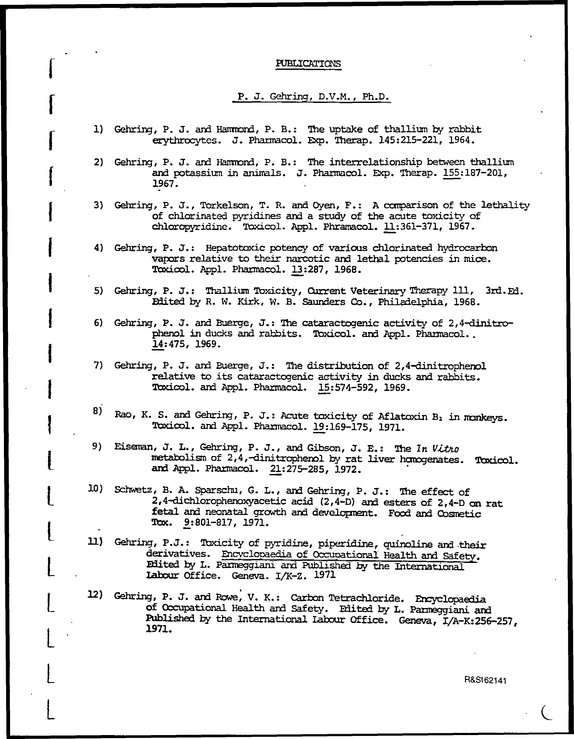
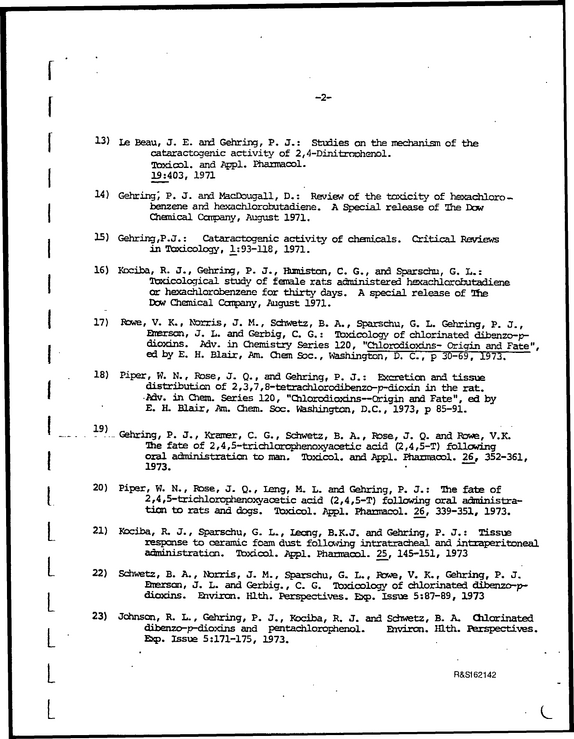
Birthplace: Birthdate: Married: Children: Education: Employment: CURRICULUM VITAE Perry James Gehring Yankton, South Dakota March IS, 1936 1959, Barbara Tennis Daniel, 1961; Matthew, 1964; Elizabeth, 1966; Heidi, 1971.
refid# oeVjMvkVZy0KNL7Dq2mR8VXDR8 pages
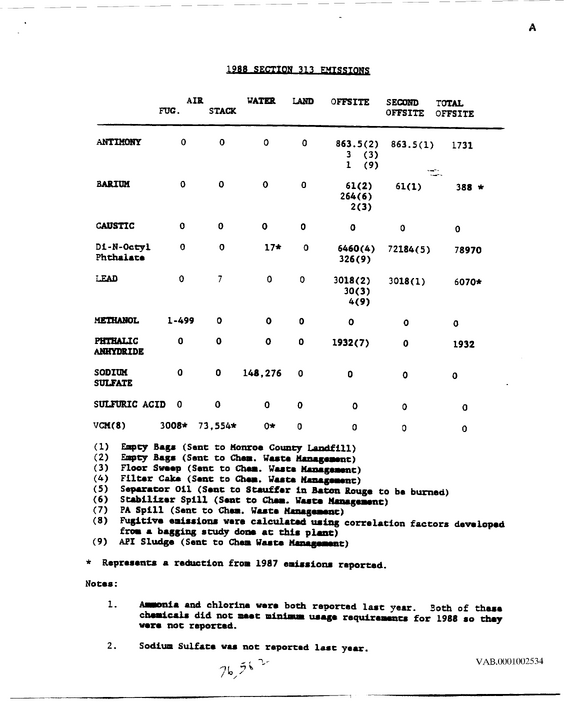
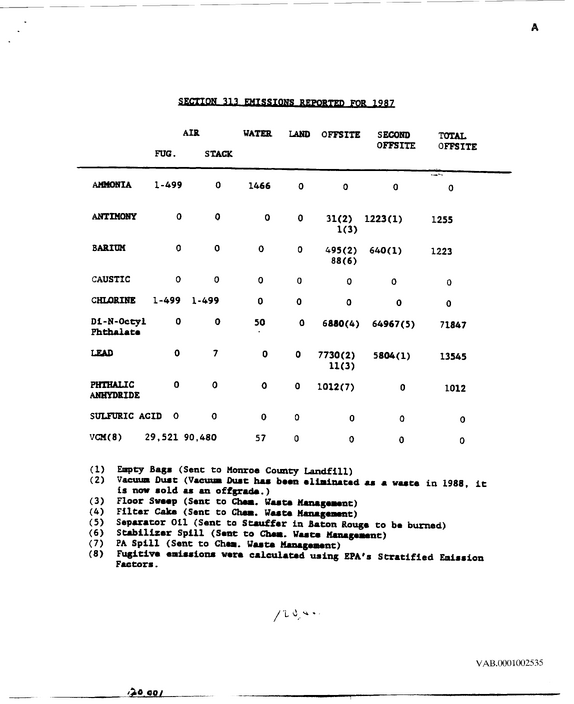
AIR WATER FUG.
refid# 6BZJOVkp9Kj8oxpq7pNGyDJpd2 pages
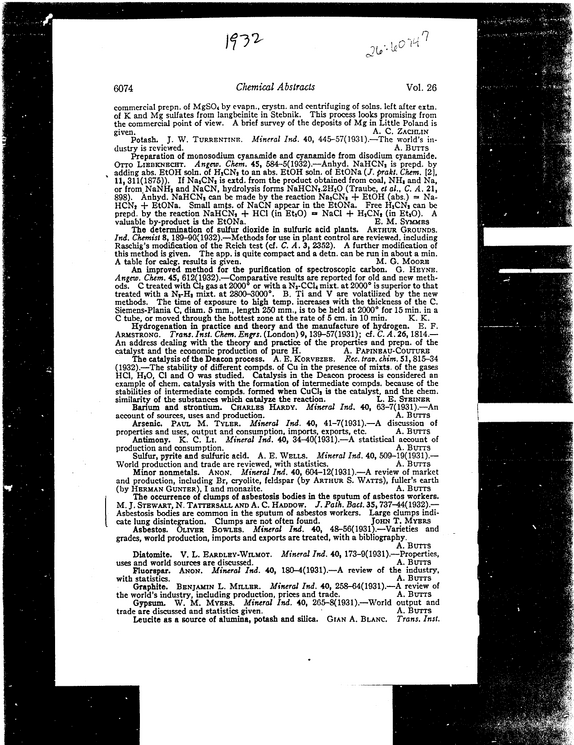
FILE NAME: Chemical Abstracts (CHAB) DATE: 1932 DOC#: CHAB008 DOCUMENT DESCRIPTION: Abstract Originally Published in 1932 by Stewart W ' 2' 1 6074 Chemical Abstracts Vol. 26 commercial prepn. of MgSO by evapn., crystn. and centrifuging of solns. left after extn.
refid# YK0RpgaLLJygxz8Eq9QN13Ek2 pages
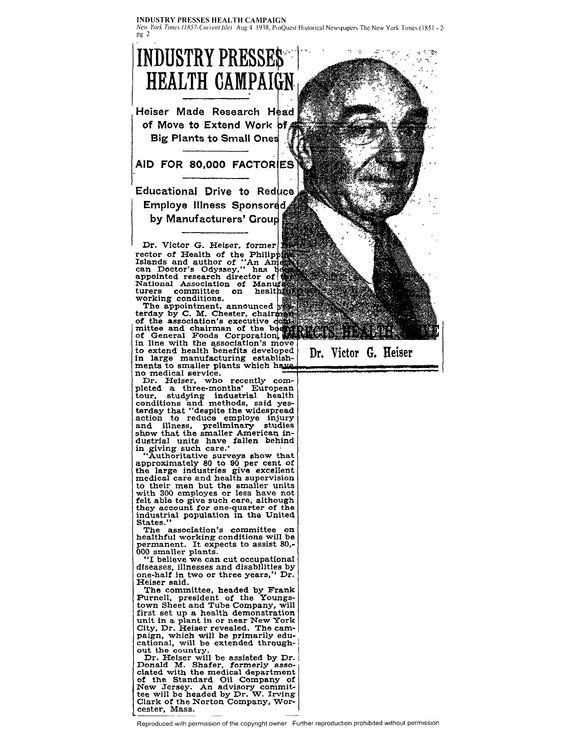
FILE NAME: Norton (NORT) DATE: 1938 Aug 4 DOC#: NORTOll DOCUMENT DESCRIPTION: Newspaper Article - Industry Presses Health Campaign INDUSTRY PRESSES HEALTH CAMPAIGN NeH York Times (1K57-Cw lent file) Aug4 1918, PioQuest Hibtoncal Newspapers The New York Times (1851 - 2l Pg 2 INDUSTRY PRESSES HEALTH CAMPAIGN Heiser Made Research Head of Move to Extend Work Big Plants to Small Ones AID FOR 80,000 FACTORIES Educational Drive to Redice Employe Illness Sponsored^ by Manufacturers' Group D r.
refid# gbVaxvRy4jm76YgNVdDrqqq7V2 pages
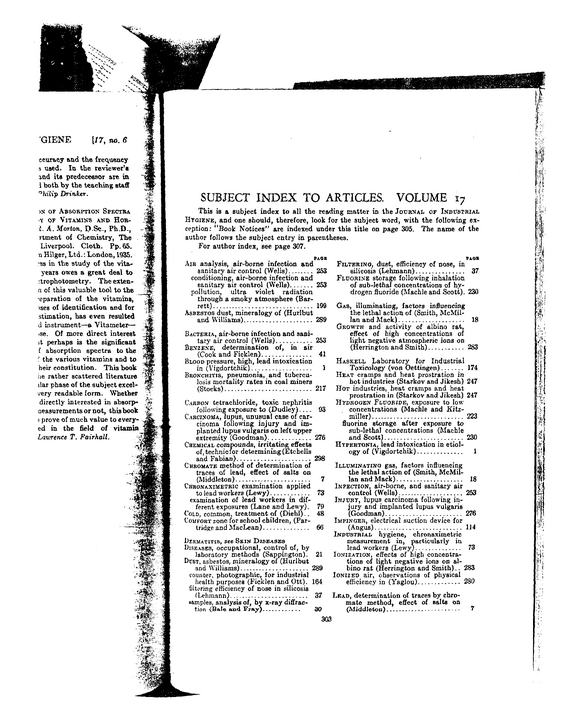
FILE NAME: Owens Illinois Library (OWL) DATE: 1935 DOC#: OWL013 DOCUMENT DESCRIPTION: Article from The Journal of Industrial Hygiene and Toxicology - The Mineralogy of Asbestos Dust & Relevant Abstracts THE JOURNAL OF INDUSTRIAL HYGIENE EDITORS DAVID L.
refid# a1NGjwRZ4yQrrnvk7vZ8nn0QX22 pages
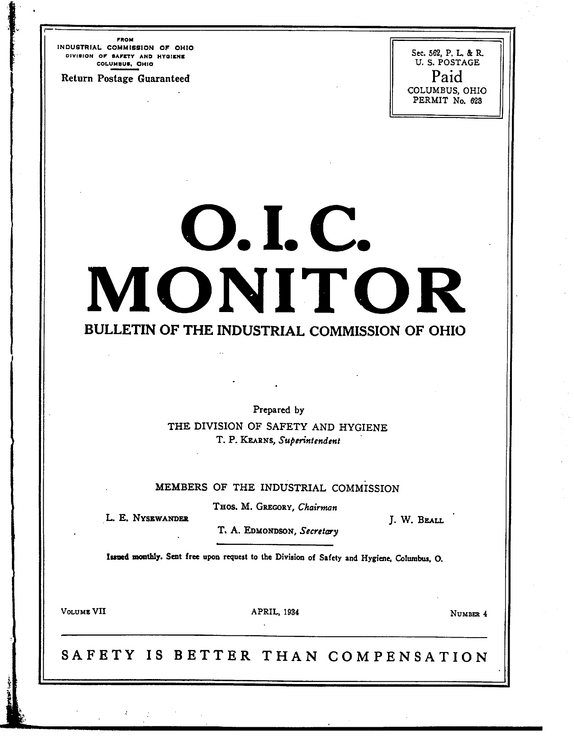
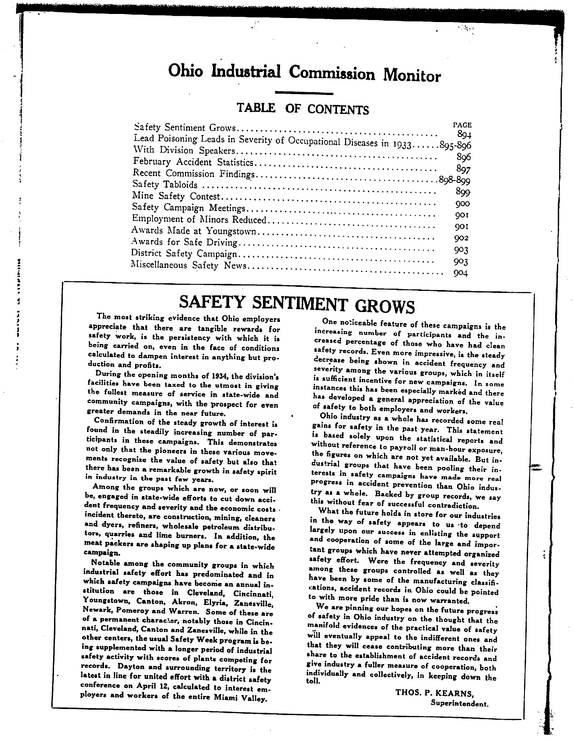
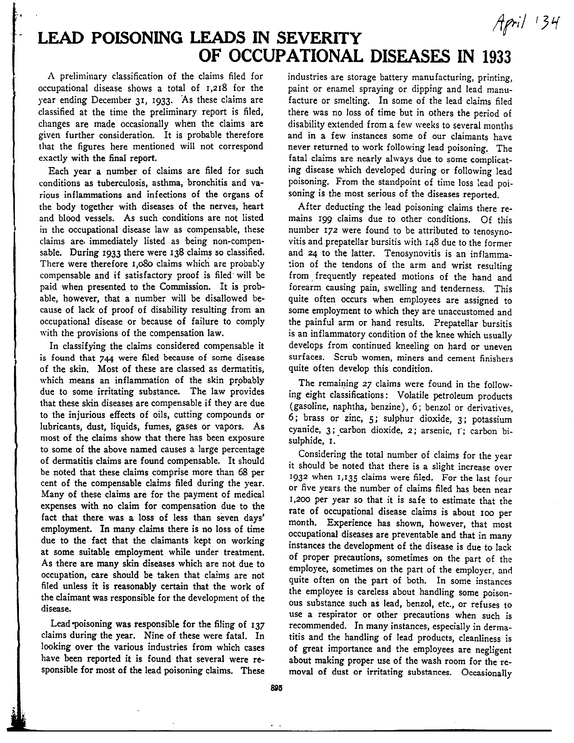
FILE NAME Armco ARM DATE 1934 Apr DOC ARM004 DOCUMENT DESCRIPTION O.I.C.
refid# jBRJEEYqdYExmrEa1wKZEgEqR28 pages
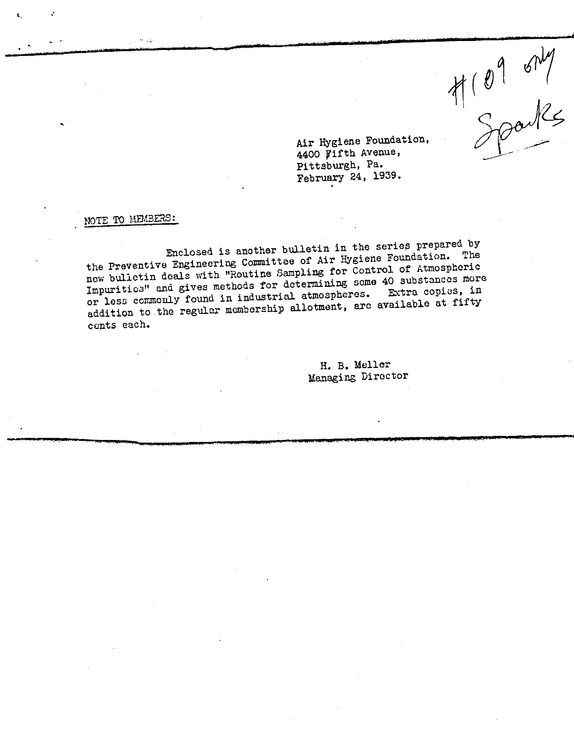
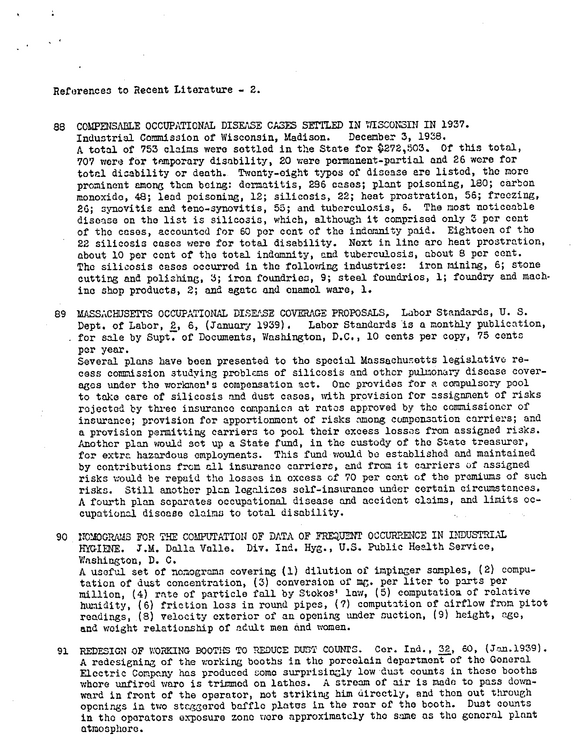
FILE NAME Industrial Hygiene Foundation IHF DATE 1939 Feb 23 DOC IHF087 DOCUMENT DESCRIPTION Air Hygiene Foundation - Note to Members - References to Recent Literature on Industrial Diseases Air Hygiene Foundation 4400 Fifth Avenue Pittsburgh Pa February 24 1939 | NOTE TO MEMBERS Enclosed is another bulletiinn the series prepared by Committee of Air Hygiene Foundation The the PreventivedeEanlgsinweietrhinRgoutine Sampling for Control of Atmospheric more new bulletin methods for determining some 40 substances Impurities and gives Extra copies in or less commonly found in industrial atmospheres available at fifty addition to the regular membership allotment are cents each H.
refid# p2vK1keenkwKkLMLMK9kjg6rw19 pages
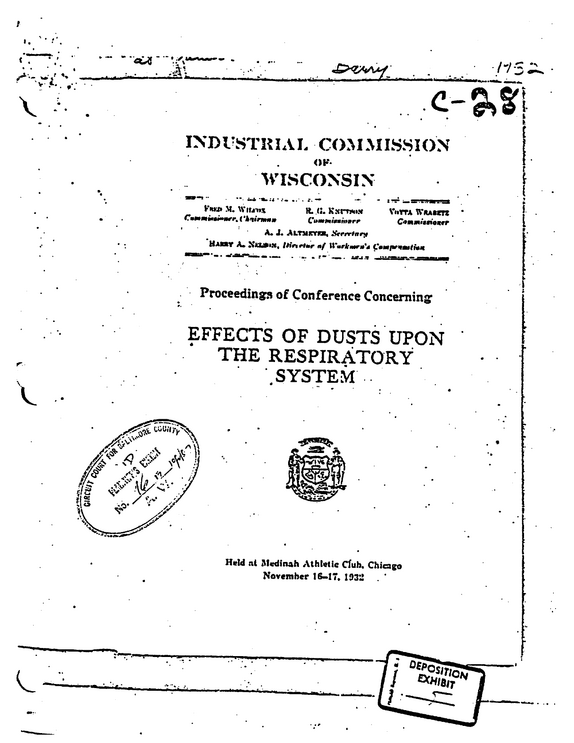
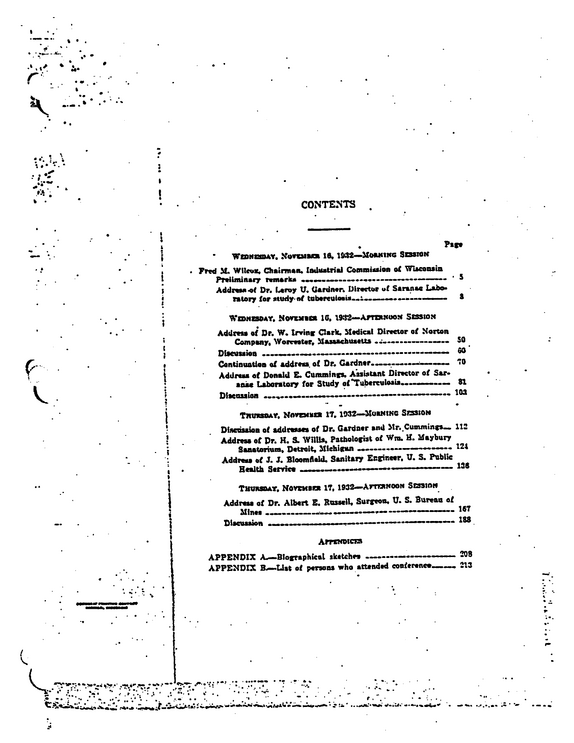
FILE NAME Kohler KOH DATE 1932 DOC KOH030 DOCUMENT DESCRIPTION Bulletin - Proceedings of Dust Conference and Attendees ts Cf +e. ;
refid# 06QBoE7mG71R1w5ZkMMMKZJMR8 pages