Refine
Estimated Years 1910-1919Clear
1,849 results foundRefine Search
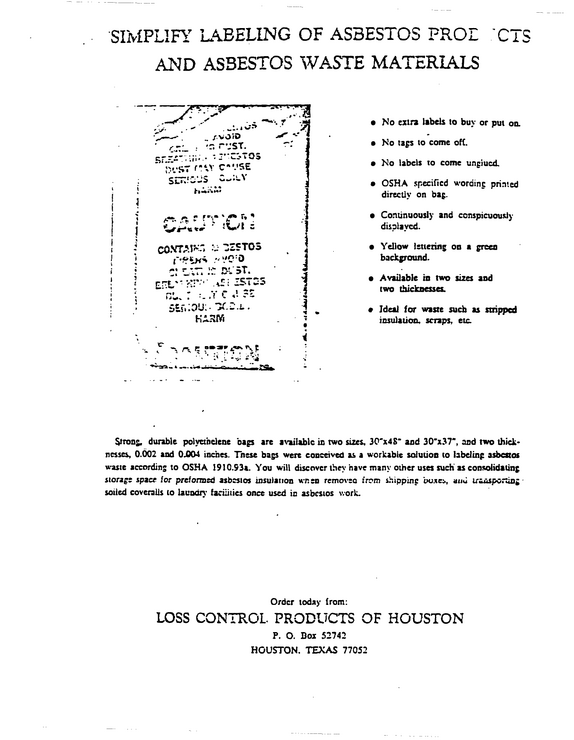
SIMPLIFY LABELING OF ASBESTOS PROE CIS AND ASBESTOS WASTE MATERIALS - *---- *- '' -* i '* i 7^ No extra labels to buy or put on.
refid# 85JrQ3jwdD0vb9pav26oQE7No1 page
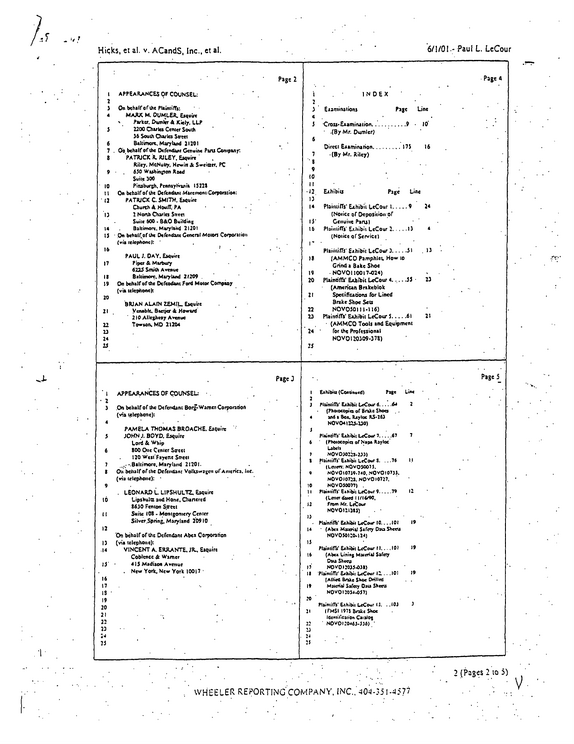
Hicks, et al. v.
refid# r5vowBL1kqMKGeQKxJ5Yq8R01 page
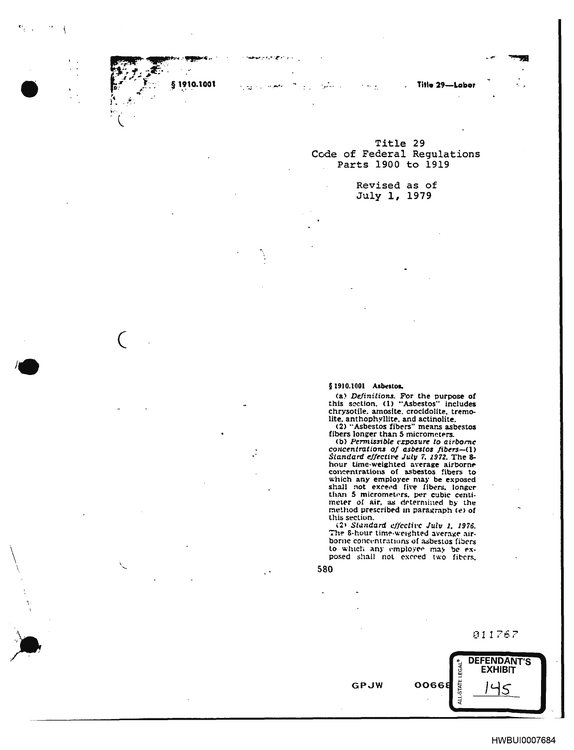
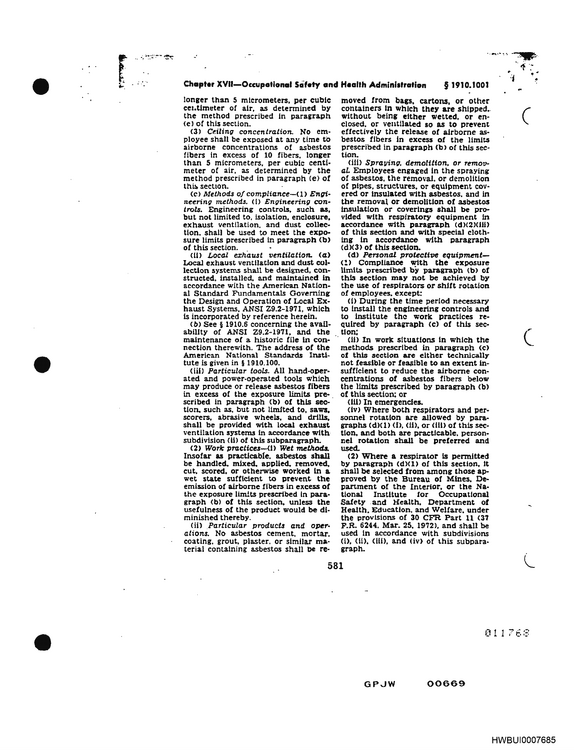
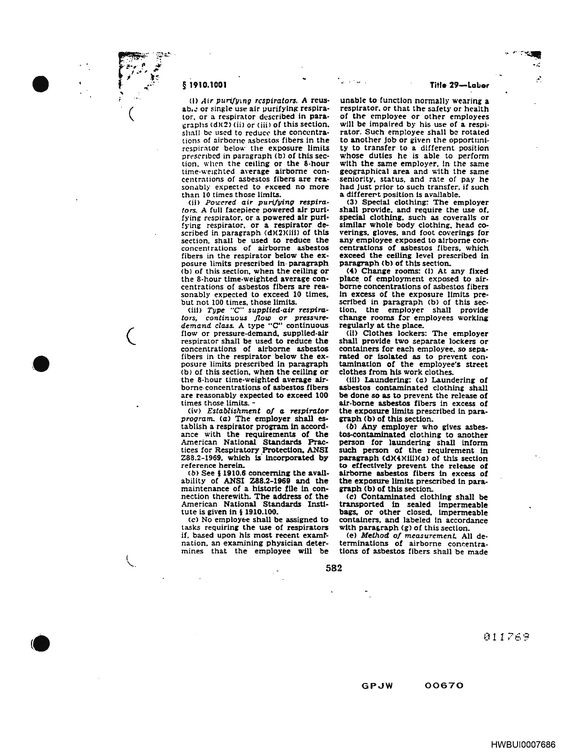
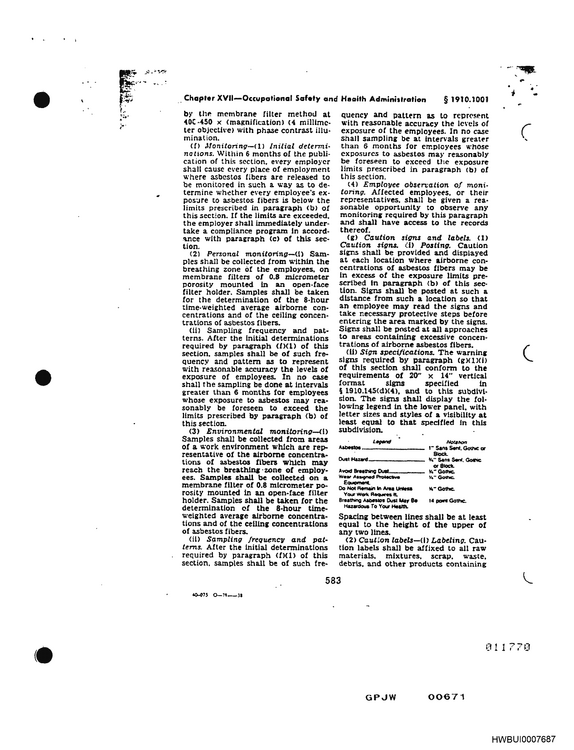
1910.1001 e r-- t THU 29--Labor Title 29 Code of Federal Regulations Parts 1900 to 1919 Revised as of July 1, 1979 C \ 11910.1001 Asbesto*.
refid# Xz47DooaRLba0KarnDR67ZVzR27 pages
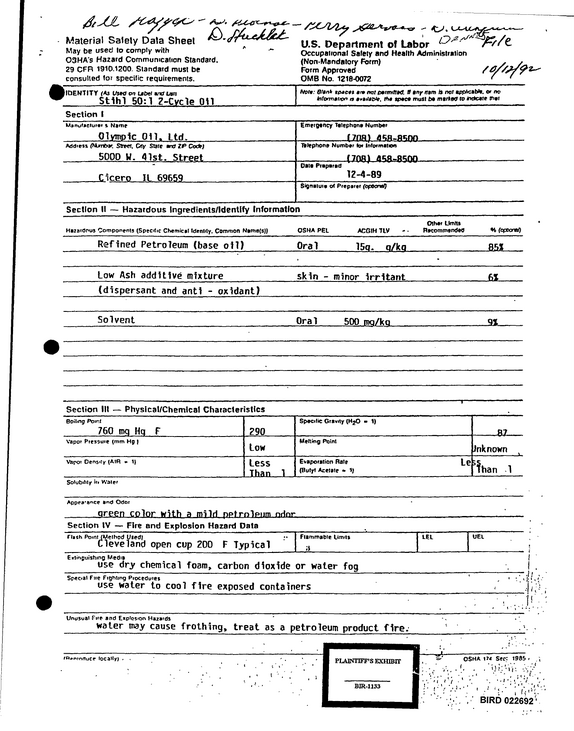
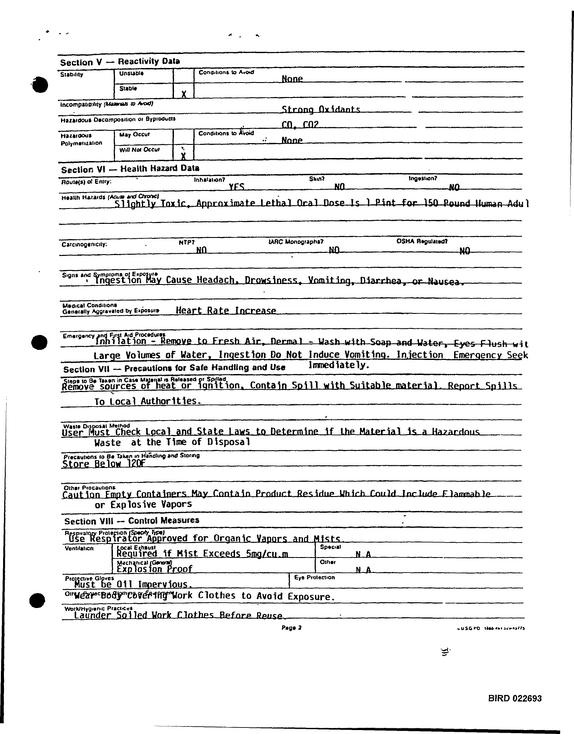
Material Safety Data Sheet May be used to comply with OfJHA's Hazard Communication Standard. 29 CFR 1910.1200.
refid# RpNM8Y622Jym5zZKKJ8Lbe6KV2 pages
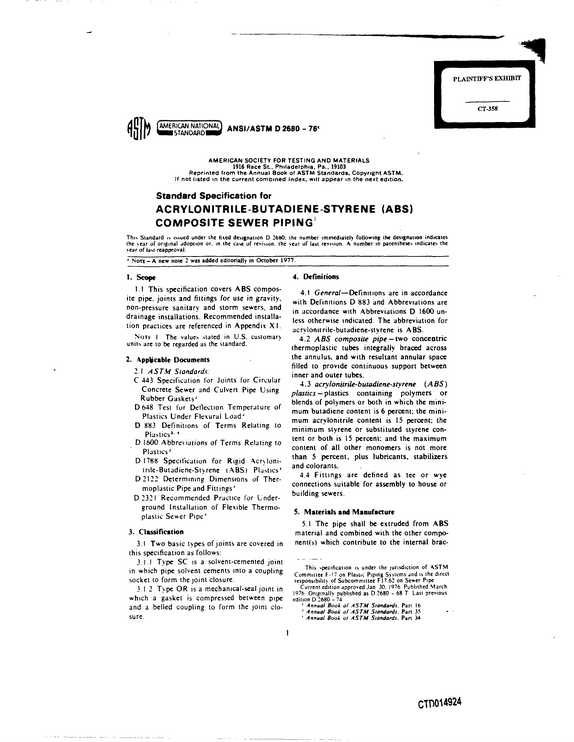
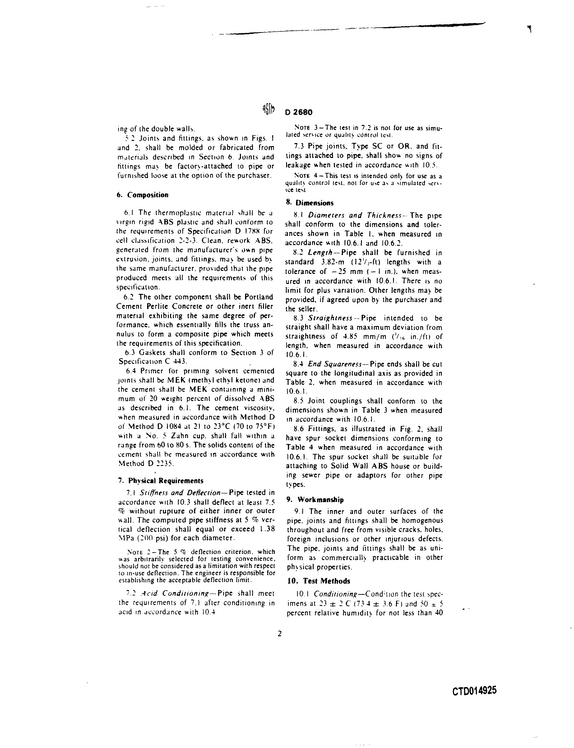
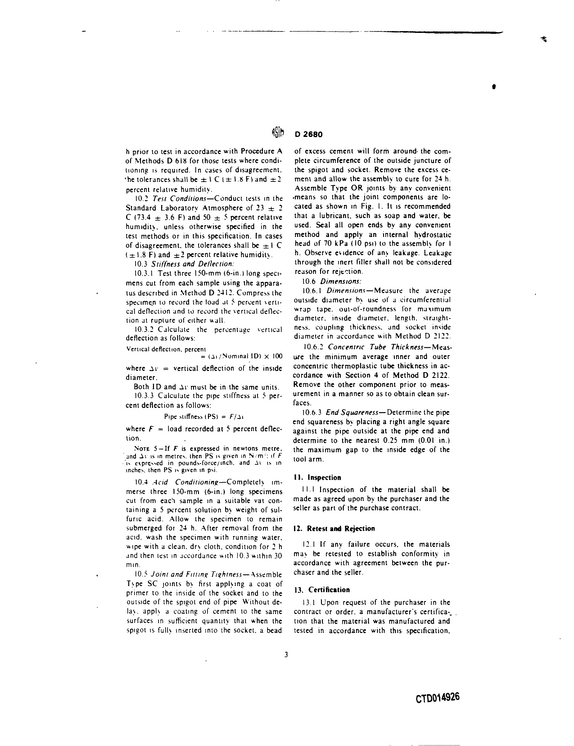
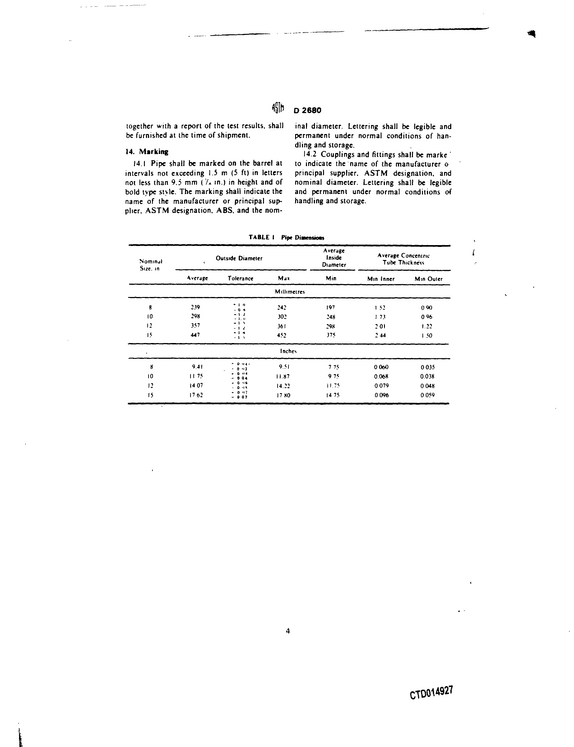
(hsunomdSm) ans,msTM D 2680 - 78' AMERICAN SOCIETY FOR TESTING AND MATERIALS 1916 Race St.
refid# e7yxZJeQaLvnbYnKQmbzgOOwE7 pages
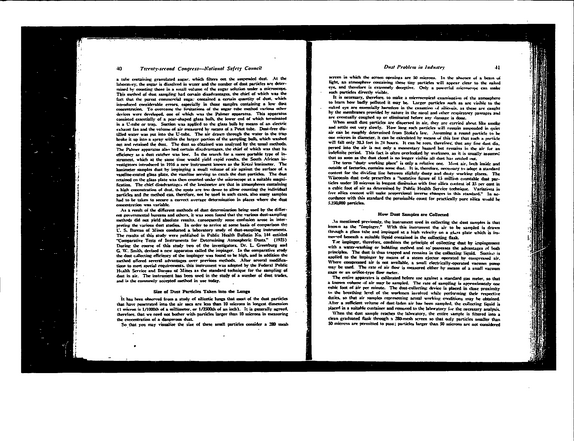
40 Txcrnty-sreond Congress--National Safety Council a (ole cratainaq; pamiUtcd ar. whkh filter* om the suspended dost At the lahorautry. the sngar is dissolved hi vsttr and the nuniba' of dost partidcs arc deter* muted hy counting those in a small volume of the sugar solution under a microscope.
refid# QkY2nwbYwDyp0XjaL6K38xy51 page
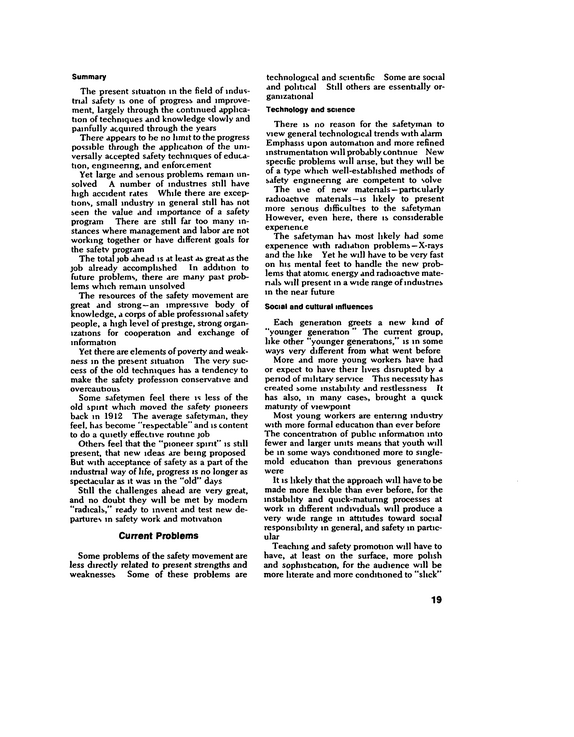
Summary The present situation in the field of indus trial safety is one of progress and improve ment, largely through the continued applica tion of techniques and knowledge slowly and painfully acquired through the years There appears to be no limit to the progress possible through the application of the uni versally accepted safety techniques of educa tion, engineering, and enforcement Yet large and senous problems remain un solved A number of industries still have high accident rates While there are excep tions, small industry in general still has not seen the value and importance of a safety program There are still far too many in stances where management and labor are not working together or have different goals for the safety program The total job ahead is at least as great as the job already accomplished In addition to future problems, there are many past prob lems which remain unsolved The resources of the safety movement are great and strong--an impressive body of knowledge, a corps of able professional safety people, a high level of prestige, strong organ izations for cooperation and exchange of information Yet there are elements of poverty and weak ness in the present situation The very suc cess of the old techniques has a tendency to make the safety profession conservative and overcautious Some safetymen feel there is less of the old spirit which moved the safety pioneers back in 1912 The average safetyman, they feel, has become "respectable" and is content to do a quietly effective routine job Others feel that the "pioneer spirit" is still present, that new ideas are being proposed But with acceptance of safety as a part of the industrial way of life, progress is no longer as spectacular as it was in the "old" days Still the challenges ahead are very great, and no doubt they will be met by modem "radicals," ready to invent and test new de partures in safety work and motivation Current Problems Some problems of the safety movement are less directly related to present strengths and weaknesses Some of these problems are technological and scientific Some are social and political Still others are essentially or ganizational Technology and science There is no reason for the safetyman to view general technological trends with alarm Emphasis upon automation and more refined instrumentation will probably continue New specific problems will anse, but they will be of a type which well-established methods of safety engineering are competent to solve The use of new materials -- particularly radioactive materials -- is likely to present more serious difficulties to the safetyman However, even here, there is considerable experience The safetyman has most likely had some experience with radiation problems -- X-rays and the like Yet he will have to be very fast on his mental feet to handle the new prob lems that atomic energy and radioactive mate rials will present m a wide range of industries in the near future Social and cultural influences Each generation greets a new kind of "younger generation " The current group, like other "younger generations," is in some ways very different from what went before More and more young workers have had or expect to have their lives disrupted by a period of military service This necessity has created some instability and restlessness It has also, m many cases, brought a quick maturity of viewpoint Most young workers are entering industry with more formal education than ever before The concentration of public information into fewer and larger units means that youth will be in some ways conditioned more to single mold education than previous generations were It is likely that the approach will have to be made more flexible than ever before, for the instability and quick-matunng processes at work in different individuals will produce a very wide range in attitudes toward social responsibility in general, and safety in partic ular Teaching and safety promotion will have to have, at least on the surface, more polish and sophistication, for the audience will be more literate and more conditioned to "slick" 19
refid# QMaEp1BMkDBm2Y574aDjaEbGR1 page
: r I :i r,.
refid# 06kx7OYZ9qRqoayjRjKY2qEGd1 page
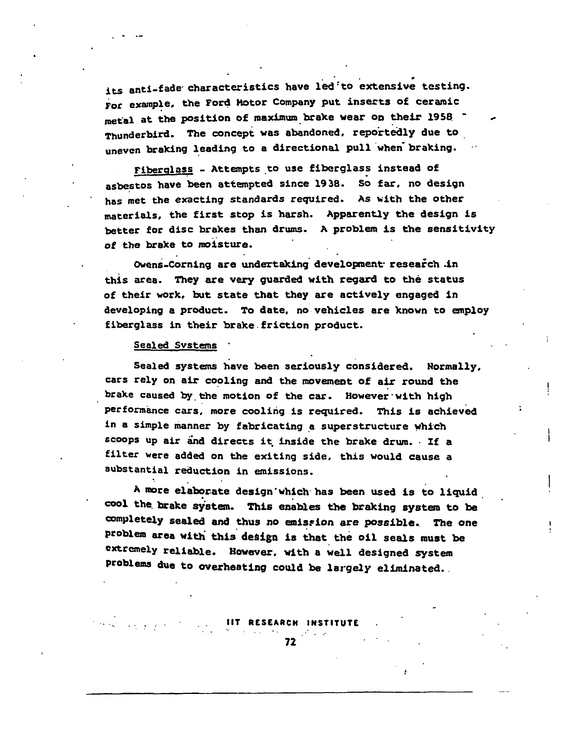
its anti-fade characteristics have led:to extensive testing.
refid# 5brKor41dEZ2V64DNyvQRMaV81 page
-'O- [& rtni . f;o:cfi<'A lot fiLcr- lr. excess oi ihe lirr.itr pre- paragraph shall lurrJsh lo the rm.vh-yre 1" l---1 6vrU. `.erltev lr. r-*.rir"ph ip of ihf* section ot thr rxamlnrd cmplsyee e inr infer* Orihlt or aht.ll tc i.rf.hcd i: -Tiiinr. of the expo motion specifically reqvjred by th:* ar.ct.
refid# kmqXqkLMeb9xDG1vG90X2KRyy1 page
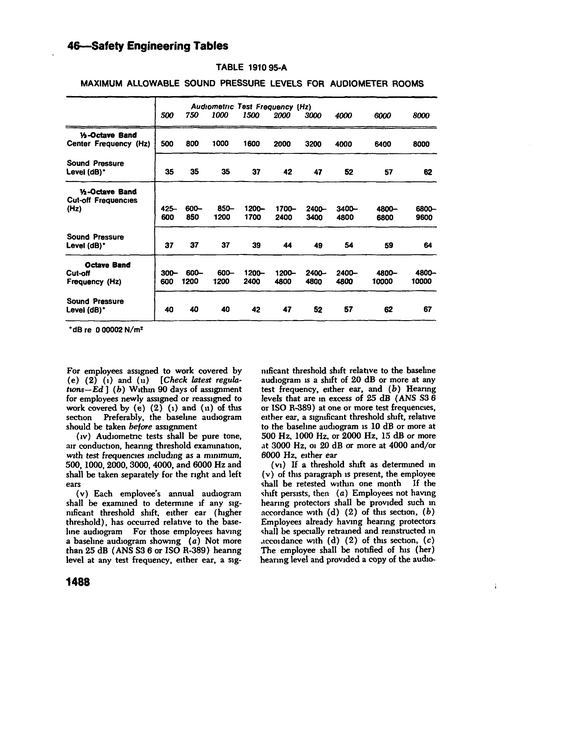
46--Safety Engineering Tables TABLE 1910 95-A MAXIMUM ALLOWABLE SOUND PRESSURE LEVELS FOR AUDIOMETER ROOMS Audiometnc Test Frequency [Hz) 500 750 1000 1500 2000 3000 4000 6000 8000 Vi-Octave Band Center Frequency (Hz) 500 800 1000 1600 2000 3200 4000 6400 8000 Sound Pressure Level (dB)* 35 35 35 37 42 47 52 57 62 %-Octave Band Cut-off Frequencies (Hz) 425- 600- 850- 1200- 1700- 2400- 3400600 850 1200 1700 2400 3400 4800 48006800 68009600 Sound Pressure Level (dB)* 37 37 37 39 44 49 54 59 64 Octave Band Cut-off Frequency (Hz) 300- 600- 600- 1200- 1200- 2400- 2400600 1200 1200 2400 4800 4800 4800 480010000 480010000 Sound Pressure Level (dB)* 40 40 40 42 47 52 57 62 67 *dB re 0 00002 N/m2 For employees assigned to work covered by (e) (2) (i) and (u) [Check latest regula tions--Ed ] (h) Within 90 days of assignment for employees newly assigned or reassigned to work covered by (e) (2) (i) and (u) of this section Preferably, the baseline audiogram should be taken before assignment (iv) Audiometnc tests shall be pure tone, air conduction, hearing threshold examination, with test frequencies including as a minimum, 500,1000, 2000,3000, 4000, and 6000 Hz and shall be taken separately for the right and left ears (v) Each employee's annual audiogram shall be examined to determine if any sig nificant threshold shift, either ear (higher threshold), has occurred relative to the base line audiogram For those employees having a baseline audiogram showing (a) Not more than 25 dB (ANS S3 6 or ISO R-389) heanng level at any test frequency, either ear, a sig 1488 nificant threshold shift relative to the baseline audiogram is a shift of 20 dB or more at any test frequency, either ear, and (b) Heanng levels that are in excess of 25 dB (ANS S3 6 or ISO R-389) at one or more test frequencies, either ear, a significant threshold shift, relative to the baseline audiogram is 10 dB or more at 500 Hz, 1000 Hz, or 2000 Hz, 15 dB or more at 3000 Hz, oi 20 dB or more at 4000 and/or 6000 Hz, either ear (vi) If a threshold shift as determined in (v) of this paragraph is present, the employee shall be retested within one month If the shift persists, then (a) Employees not having hearing protectors shall be provided such in accordance with (d) (2) of this section, (b) Employees already having hearing protectors shall be specially retrained and remstructed in accoidance with (d) (2) of this section, (c) The employee shall be notified of his (her) hearing level and provided a copy of the audio-
refid# 5kY6woBjYRyG9M64xbK72JBXN1 page
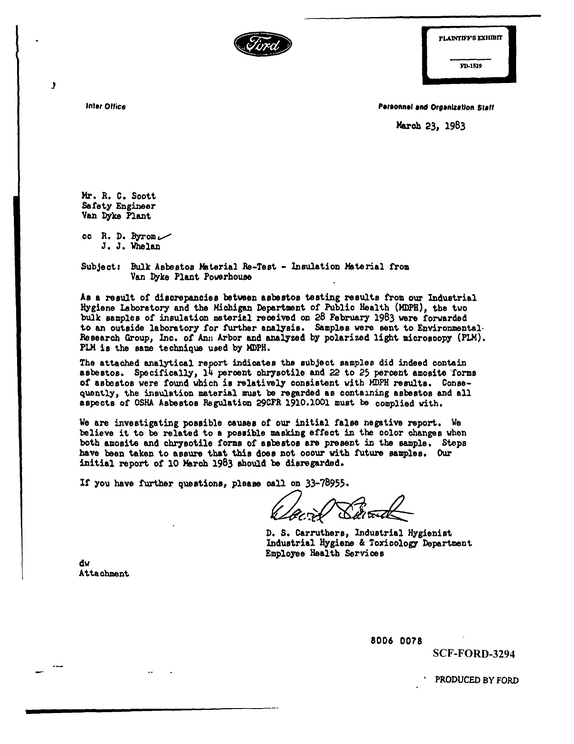
PLAINTIFF'S EXHIBIT Inter Office Personnel end OrpenUetlon staff March 23, 19B3 Mr.
refid# MbOabqzbweYLKZNYz76jmL5a3 pages
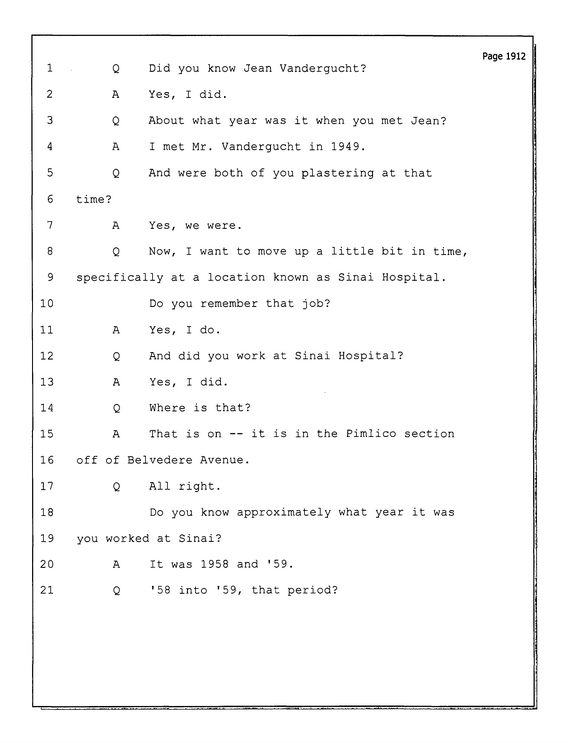
1 Q Did you know Jean Vandergucht?
refid# MGGz5n8ap4RxX83E0dYE5VeXz1 page
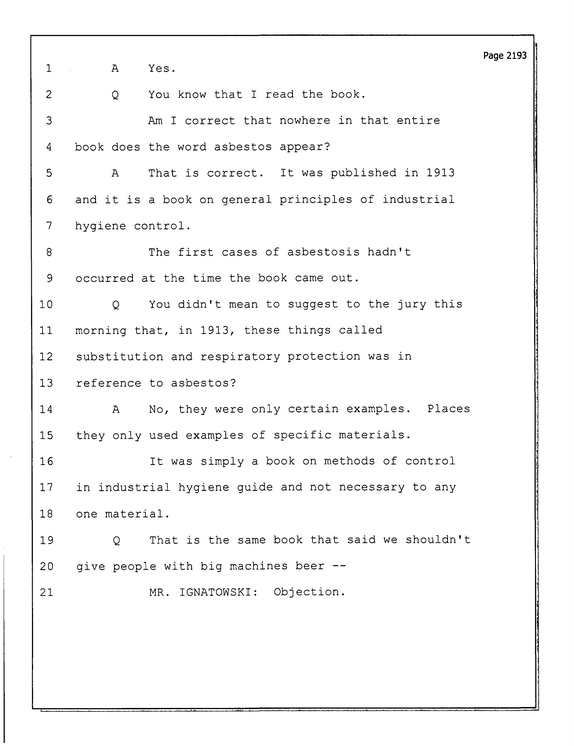
1 A Yes.
refid# 2qE34R40e9N22GMvr0bwbD0jb1 page
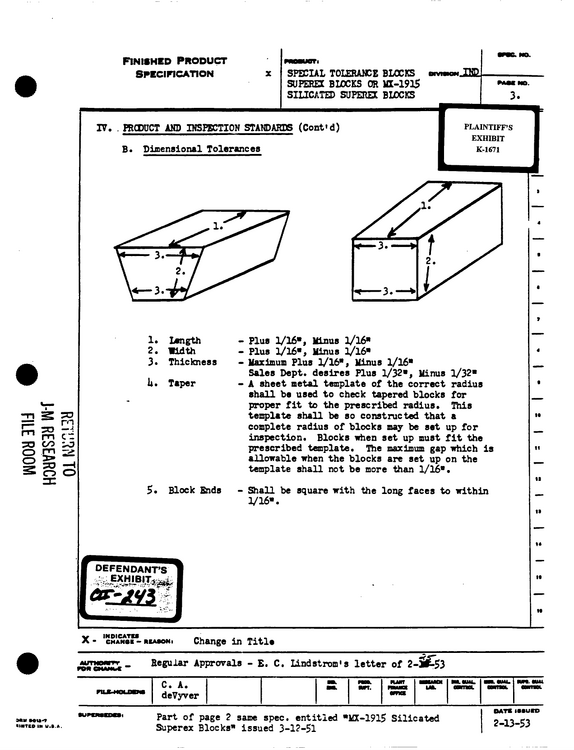
Finished Product specification X SPECIAL TOLERANCE BLOCKS wvwwnJHB SUPERS BLOCKS OR UX-1915 SILICATED SUPERS BLOCKS IV. .
refid# omMMp83e1rmn1Dr74142w1ZXr1 page