Refine
Estimated Years 1910-1919Clear
845 results foundRefine Search
Hennasay, do solemnly swear that I will faithfully perform the duties of Secretary of th^ Anaconda lead Products Company, a corporation of the State of Delaware, according to the best of my ability


refid# RJzbvQVGzaenapBBEMkneEG4a4 pages
IWn will note that thla naana that wc hem to label ell palnta whctfiar they are neent far antnrlor nr far indn*trial nan if they contain wore than 0.060 lead.

refid# NG60y2K9X03GjG5p1o4yyG4xy1 page
We are now able to give the painter a white lead which is a superior product.


refid# Z82ErpQOnorvk4vQR8oGV5YDZ2 pages
Hfchest percentage of ODP White Lead quota sold (act ually shif 60 TOP-NOTCHER COMPETITION i Th e SHERWIN- WlLLUMS Co.


refid# NGK25aQ3zdz7ad2Z4LdkYYeZy3 pages
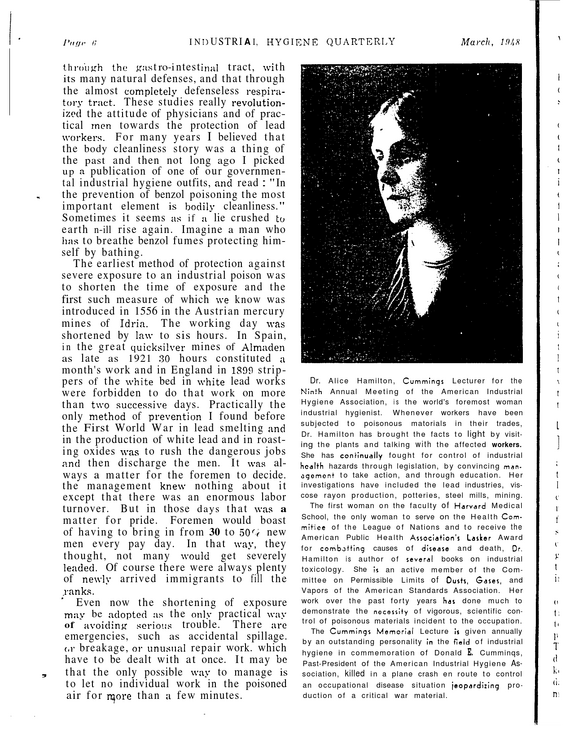
Lead I T Is in t h e industrial control of lead poisoning t h a t we see, I think, the greatest advitnce over the situation that obtained in this country up to the First World War.
refid# b5ZooDebN5qrL85OoamMQKx013 pages
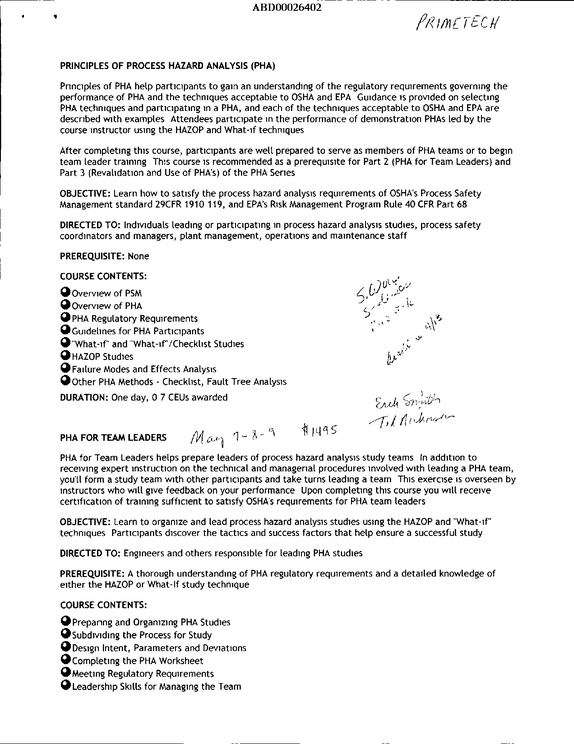
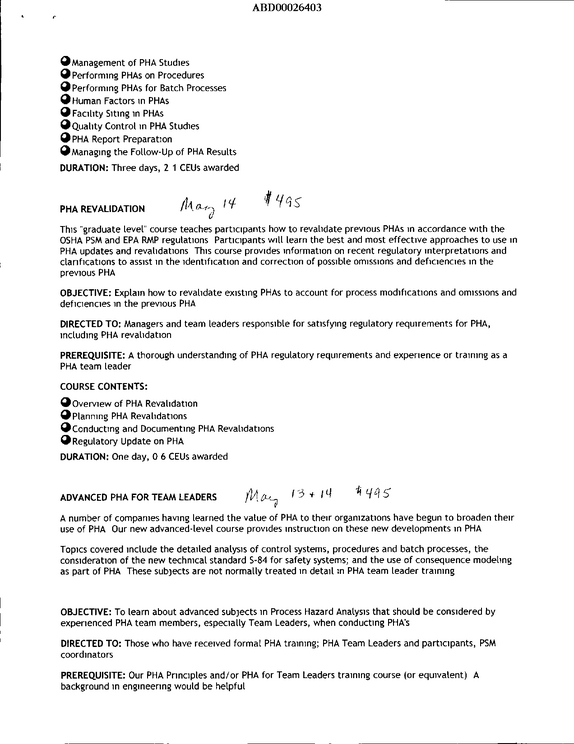
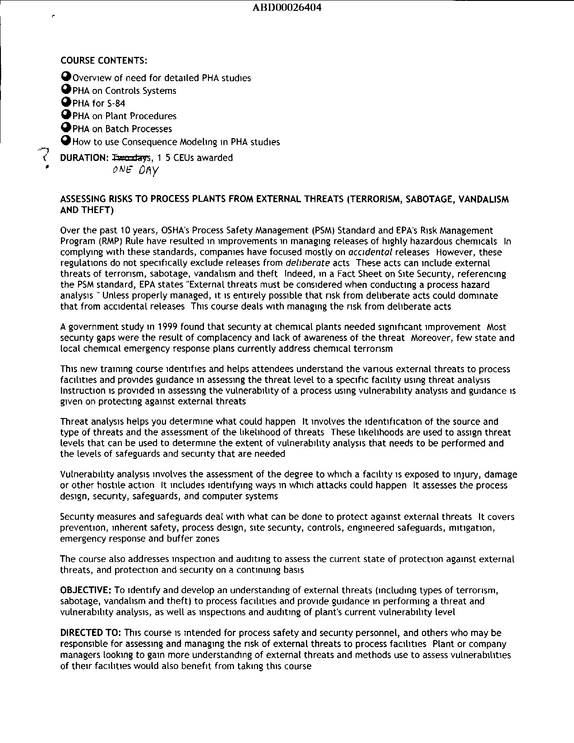
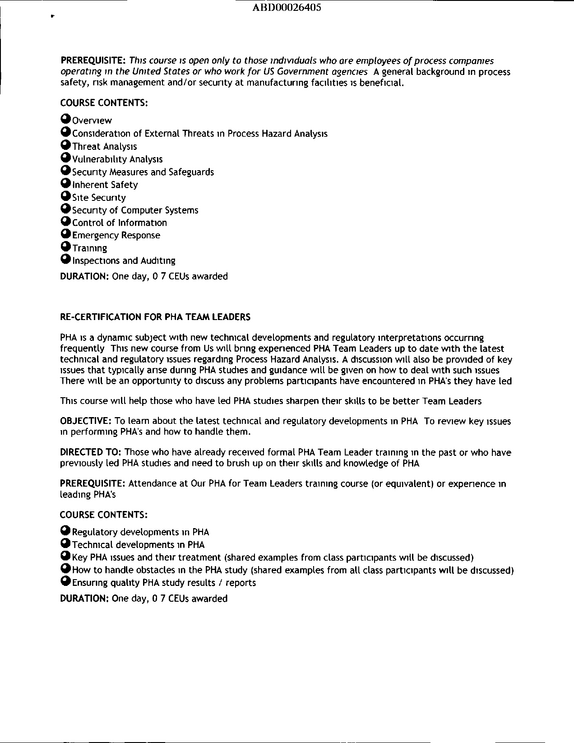
ABD00026402 fAi/nrjbCf/ PRINCIPLES OF PROCESS HAZARD ANALYSIS (PHA) Principles of PHA help participants to gain an understanding of the regulatory requirements governing the performance of PHA and the techniques acceptable to OSHA and EPA Guidance is provided on selecting PHA techniques and participating m a PHA, and each of the techniques acceptable to OSHA and EPA are described with examples Attendees participate in the performance of demonstration PHAs led by the course instructor using the HAZOP and What-if techniques After completing this course, participants are well prepared to serve as members of PHA teams or to begin team leader training This course is recommended as a prerequisite for Part 2 (PHA for Team Leaders) and Part 3 (Revaluation and Use of PHA's) of the PHA Series OBJECTIVE: Learn how to satisfy the process hazard analysis requirements of OSHA's Process Safety Management standard 29CFR 1910 119, and EPA's Risk Management Program Rule 40 CFR Part 68 DIRECTED TO: Individuals leading or participating in process hazard analysis studies, process safety coordinators and managers, plant management, operations and maintenance staff PREREQUISITE: None COURSE CONTENTS: Overview of PSM Overview of PHA PHA Regulatory Requirements Guidelines for PHA Participants "What-if and "What-if'/Checklist Studies HAZOP Studies Failure Modes and Effects Analysis Other PHA Methods - Checklist, Fault Tree Analysis DURATION: One day, 0 7 CEUs awarded ^ -/j PHA FOR TEAM LEADERS (]/[ ^ 1 " l " ^ PHA for Team Leaders helps prepare leaders of process hazard analysis study teams In addition to receiving expert instruction on the technical and managerial procedures involved with leading a PHA team, you'll form a study team with other participants and take turns leading a team This exercise is overseen by instructors who will give feedback on your performance Upon completing this course you will receive certification of training sufficient to satisfy OSHA's requirements for PHA team leaders OBJECTIVE: Learn to organize and lead process hazard analysis studies using the HAZOP and "What-if" techniques Participants discover the tactics and success factors that help ensure a successful study DIRECTED TO: Engineers and others responsible for leading PHA studies PREREQUISITE: A thorough understanding of PHA regulatory requirements and a detailed knowledge of either the HAZOP or What-lf study technique COURSE CONTENTS: Preparing and Organizing PHA Studies Subdividing the Process for Study Design Intent, Parameters and Deviations Completing the PHA Worksheet Meeting Regulatory Requirements Leadership Skills for Managing the Team ABD00026403 Management of PHA Studies Performing PHAs on Procedures Performing PHAs for Batch Processes Human Factors in PHAs Facility Siting in PHAs Quality Control in PHA Studies PHA Report Preparation Managing the Follow-Up of PHA Results DURATION: Three days, 2 1 CEUs awarded PHA REVALIDATION A^ ^ ^^ This "graduate level" course teaches participants how to revalidate previous PHAs in accordance with the OSHA PSM and EPA RMP regulations Participants will learn the best and most effective approaches to use in PHA updates and revaluations This course provides information on recent regulatory interpretations and clarifications to assist in the identification and correction of possible omissions and deficiencies in the previous PHA OBJECTIVE: Explain how to revalidate existing PHAs to account for process modifications and omissions and deficiencies in the previous PHA DIRECTED TO: Managers and team leaders responsible for satisfying regulatory requirements for PHA, including PHA revaluation PREREQUISITE: A thorough understanding of PHA regulatory requirements and experience or training as a PHA team leader COURSE CONTENTS: Overview of PHA Revaluation Planning PHA Revaluations Conducting and Documenting PHA Revaluations Regulatory Update on PHA DURATION: One day, 0 6 CEUs awarded ADVANCED PHA FOR TEAM LEADERS l'3 + M ^$ A number of companies having learned the value of PHA to their organizations have begun to broaden their use of PHA Our new advanced-level course provides instruction on these new developments in PHA Topics covered include the detailed analysis of control systems, procedures and batch processes, the consideration of the new technical standard S-84 for safety systems; and the use of consequence modeling as part of PHA These subjects are not normally treated in detail in PHA team leader training OBJECTIVE: To learn about advanced subjects in Process Hazard Analysis that should be considered by experienced PHA team members, especially Team Leaders, when conducting PHA's DIRECTED TO: Those who have received formal PHA training; PHA Team Leaders and participants, PSM coordinators PREREQUISITE: Our PHA Principles and/or PHA for Team Leaders training course (or equivalent) A background in engineering would be helpful ABD00026404 COURSE CONTENTS: Overview of need for detailed PHA studies PHA on Controls Systems PHA for S-84 PHA on Plant Procedures PHA on Batch Processes How to use Consequence Modeling in PHA studies 7 DURATION: Twu il<iys, 1 5 CEUs awarded * out of\y ASSESSING RISKS TO PROCESS PLANTS FROM EXTERNAL THREATS (TERRORISM, SABOTAGE, VANDALISM AND THEFT) Over the past 10 years, OSHA's Process Safety Management (PSM) Standard and EPA's Risk Management Program (RMP) Rule have resulted in improvements in managing releases of highly hazardous chemicals In complying with these standards, companies have focused mostly on accidental releases However, these regulations do not specifically exclude releases from deliberate acts These acts can include external threats of terrorism, sabotage, vandalism and theft Indeed, m a Fact Sheet on Site Security, referencing the PSM standard, EPA states "External threats must be considered when conducting a process hazard analysis" Unless properly managed, it is entirely possible that risk from deliberate acts could dominate that from accidental releases This course deals with managing the risk from deliberate acts A government study in 1999 found that security at chemical plants needed significant improvement Most security gaps were the result of complacency and lack of awareness of the threat Moreover, few state and local chemical emergency response plans currently address chemical terrorism This new training course identifies and helps attendees understand the various external threats to process facilities and provides guidance in assessing the threat level to a specific facility using threat analysis Instruction is provided in assessing the vulnerability of a process using vulnerability analysis and guidance is given on protecting against external threats Threat analysis helps you determine what could happen It involves the identification of the source and type of threats and the assessment of the likelihood of threats These likelihoods are used to assign threat levels that can be used to determine the extent of vulnerability analysis that needs to be performed and the levels of safeguards and security that are needed Vulnerability analysis involves the assessment of the degree to which a facility is exposed to injury, damage or other hostile action It includes identifying ways in which attacks could happen It assesses the process design, security, safeguards, and computer systems Security measures and safeguards deal with what can be done to protect against external threats It covers prevention, inherent safety, process design, site security, controls, engineered safeguards, mitigation, emergency response and buffer zones The course also addresses inspection and auditing to assess the current state of protection against external threats, and protection and security on a continuing basis OBJECTIVE: To identify and develop an understanding of external threats (including types of terrorism, sabotage, vandalism and theft) to process facilities and provide guidance in performing a threat and vulnerability analysis, as well as inspections and auditing of plant's current vulnerability level DIRECTED TO: This course is intended for process safety and security personnel, and others who may be responsible for assessing and managing the risk of external threats to process facilities Plant or company managers looking to gam more understanding of external threats and methods use to assess vulnerabilities of their facilities would also benefit from taking this course ABD00026405 PREREQUISITE: This course is open only to those individuals who are employees of process companies operating in the United States or who work for US Government agencies A general background in process safety, risk management and/or security at manufacturing facilities is beneficial.
refid# 913pN2xZ9eGoEqp8Rom2KyjDD4 pages
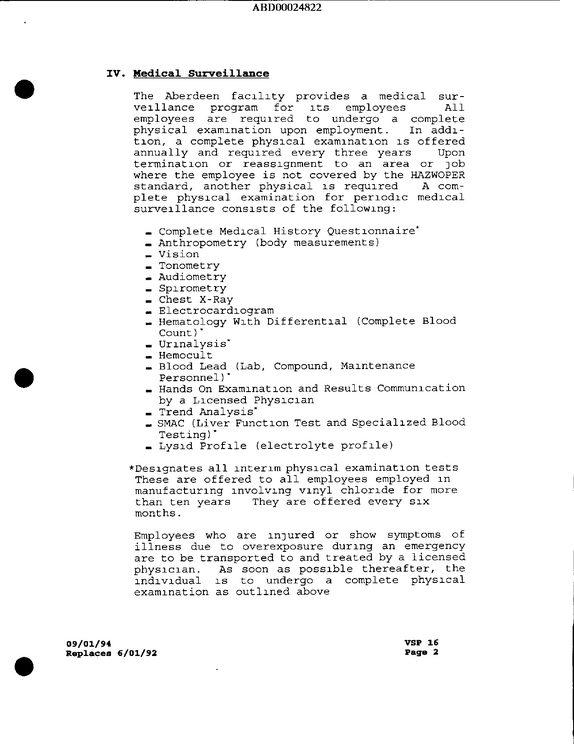
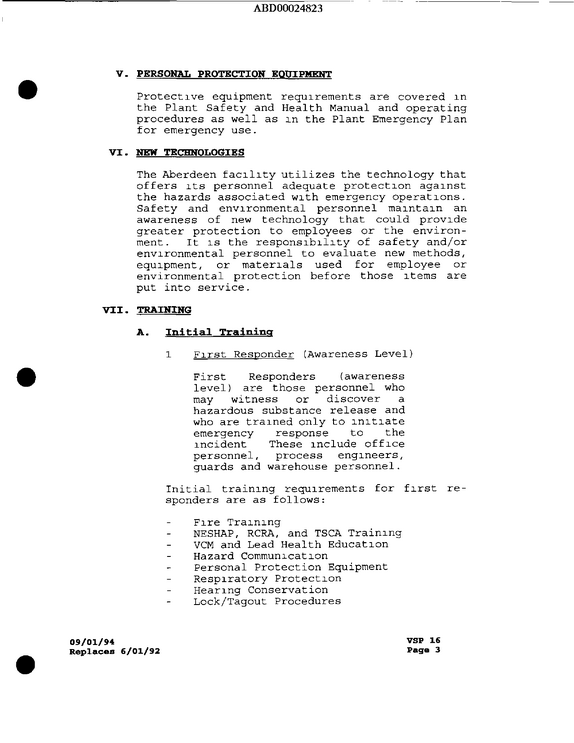
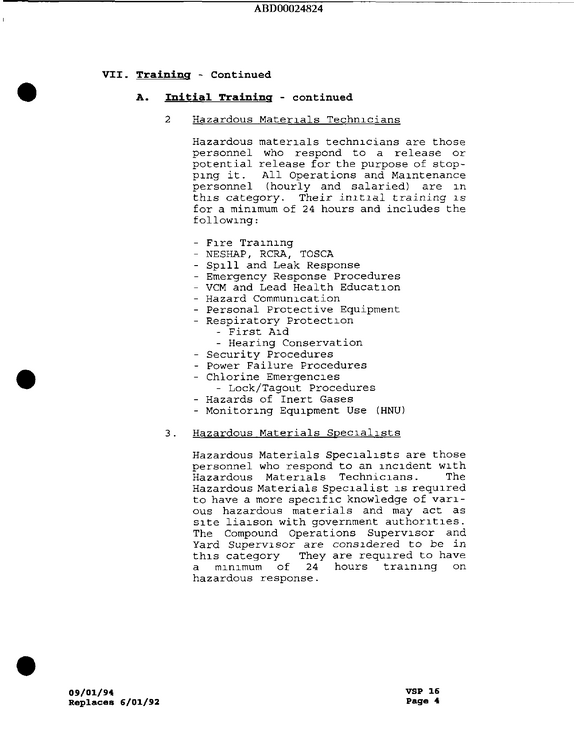
CONTRACTORS - Emergency Response Procedures - Respiratory Protection - Hazard Communication - VCM and Lead Health Education - Contractor Orientation All other training may be required based on the material or situation If so, training will be provided before clean-up operations begin IX.
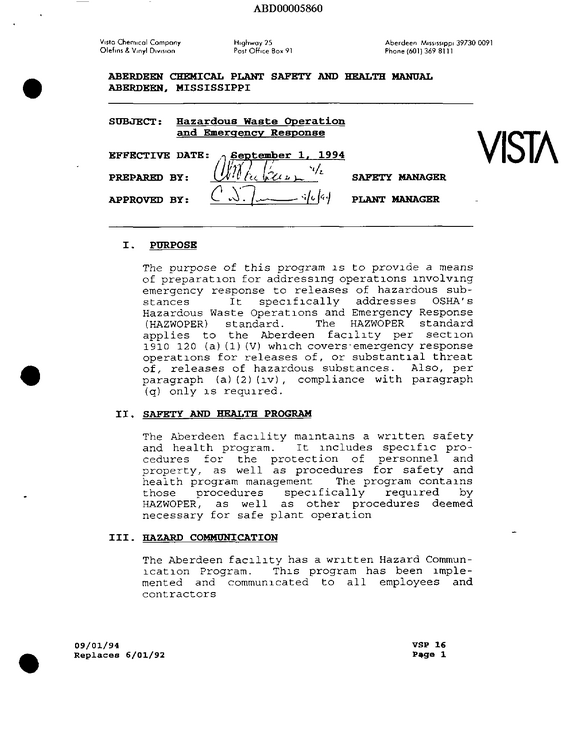
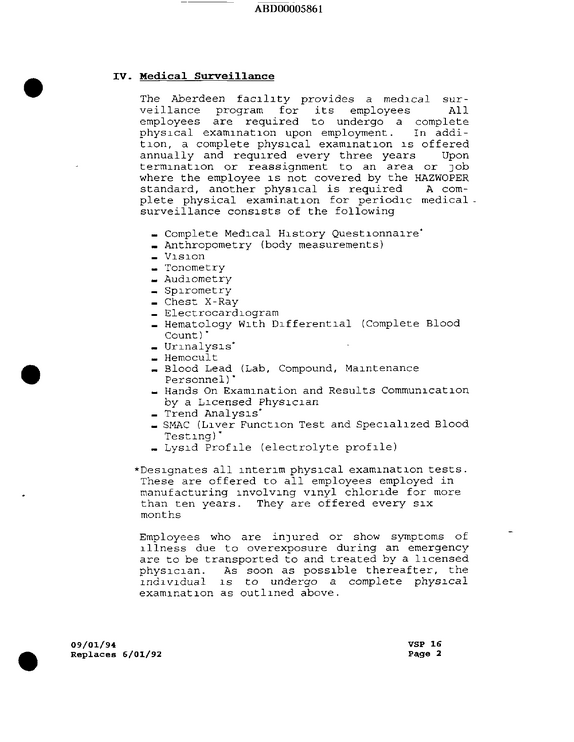
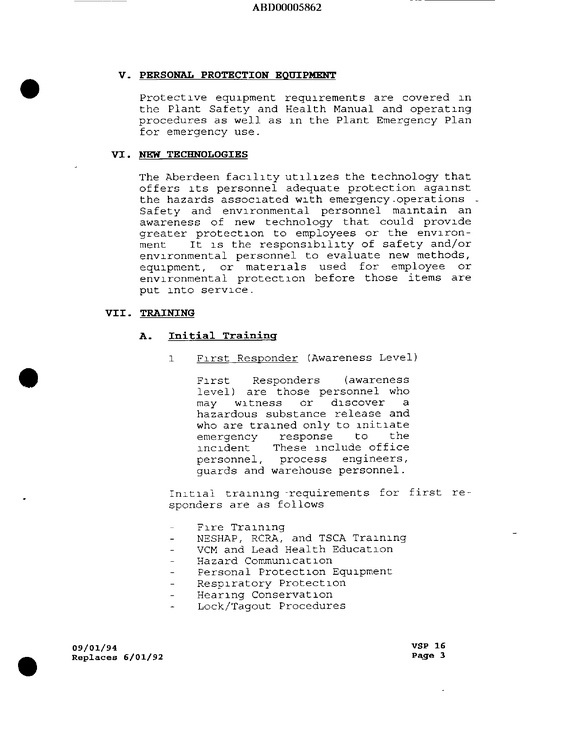
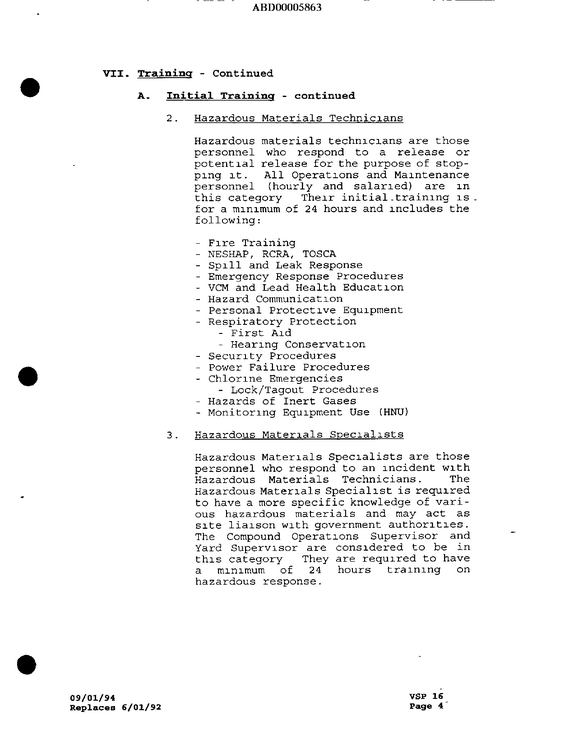
refid# LpJD7812LnyNMymjbDXDRJgq77 pages
Com pany, Philadelphia subsidiary of National Lead Company, succeeding S.


refid# Eqkmo7529OvZmJqeMEOEdQ1z42 pages
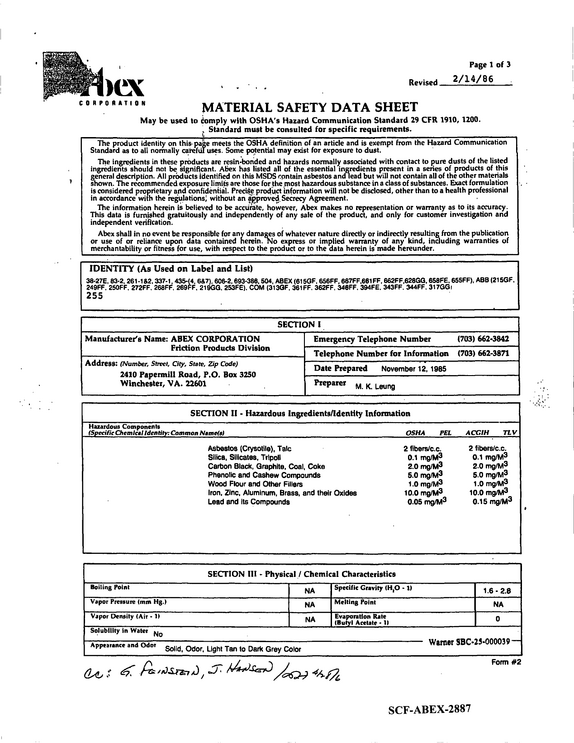
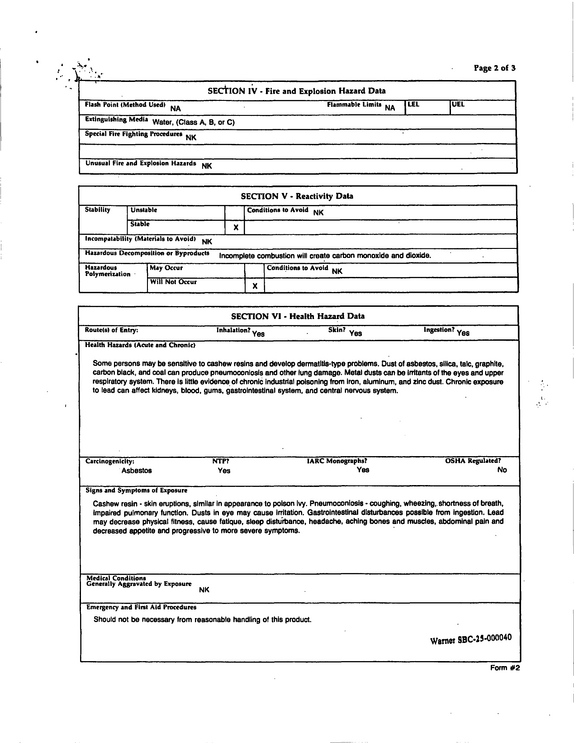
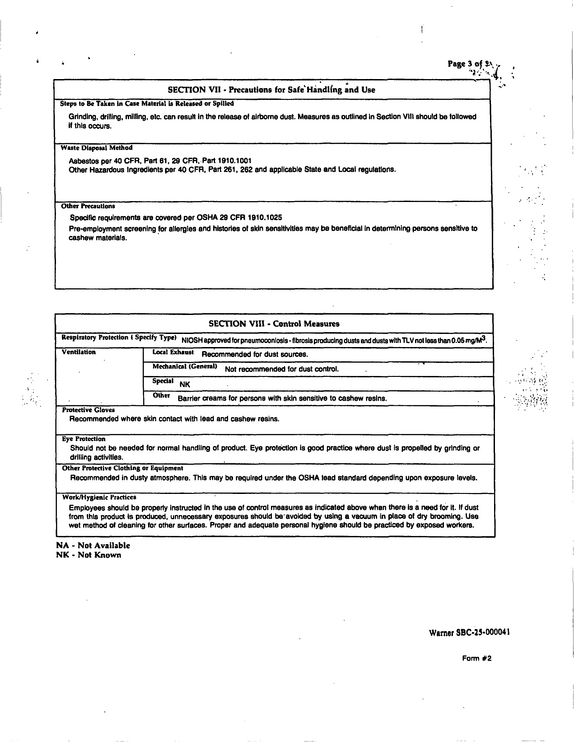
Protective Gloves Recommended where skin contact with lead and cashew resins. .
refid# rpvK9D60MweZQMD7xE0zOrx7q3 pages
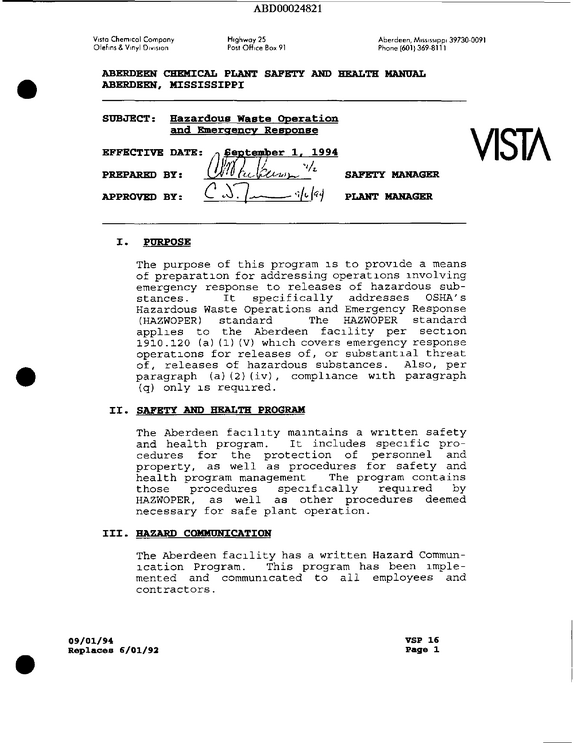
CONTRACTORS - Emergency Response Procedures - Respiratory Protection - Hazard Communication - VCM and Lead Health Education - Contractor Orientation All other training may be required based on the material or situation.
refid# nkaxenVqGrV0NzLwJndL9Dpy67 pages
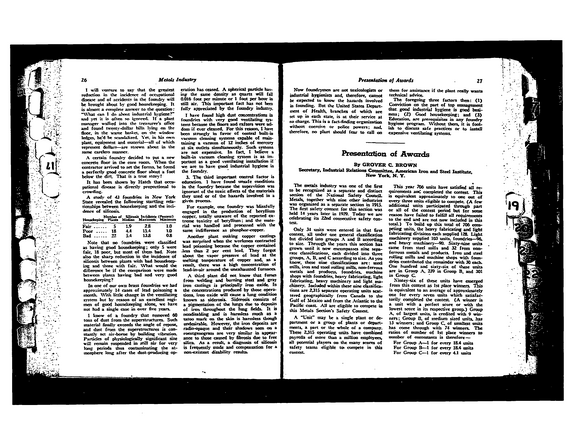
What would the difference be if the comparison were made was surprised when the workmen contracted lead poisoning because the copper contained Jess than 2 per cent lead.
refid# MJ50KY806L7o70yvYpMzEg5bM1 page
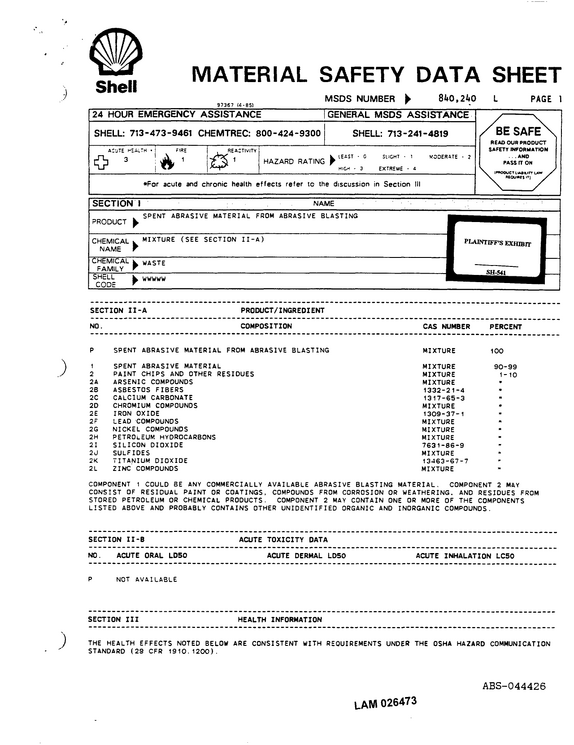
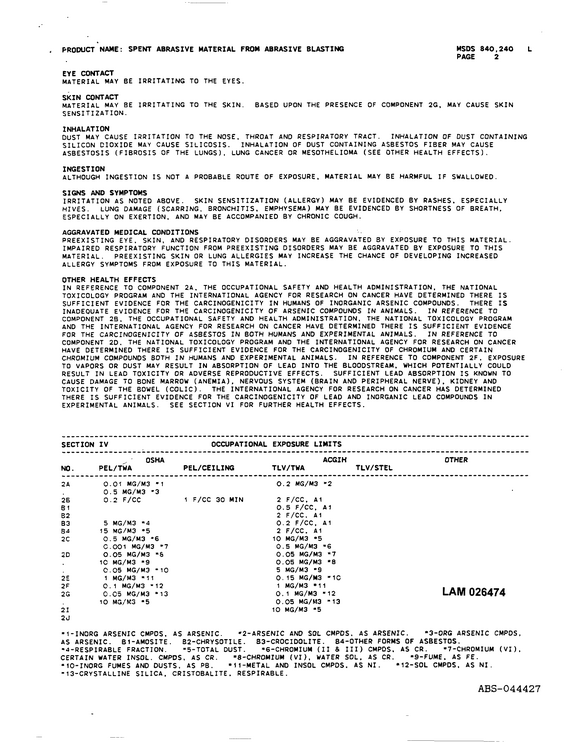
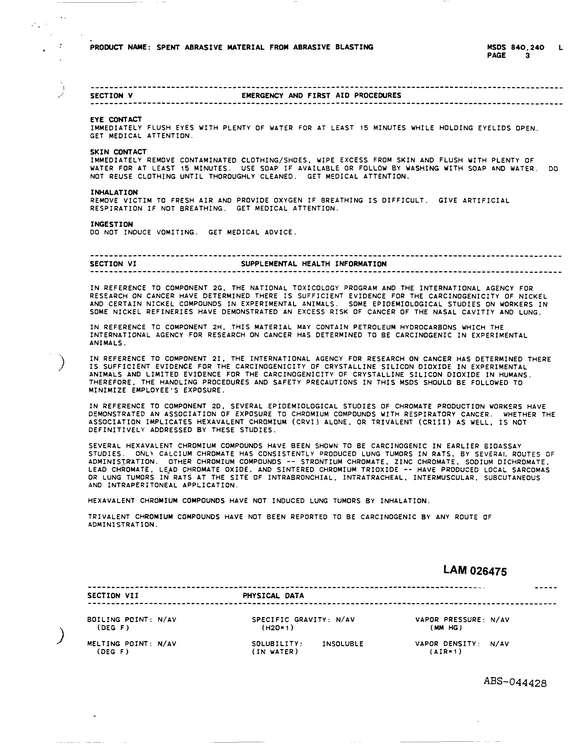
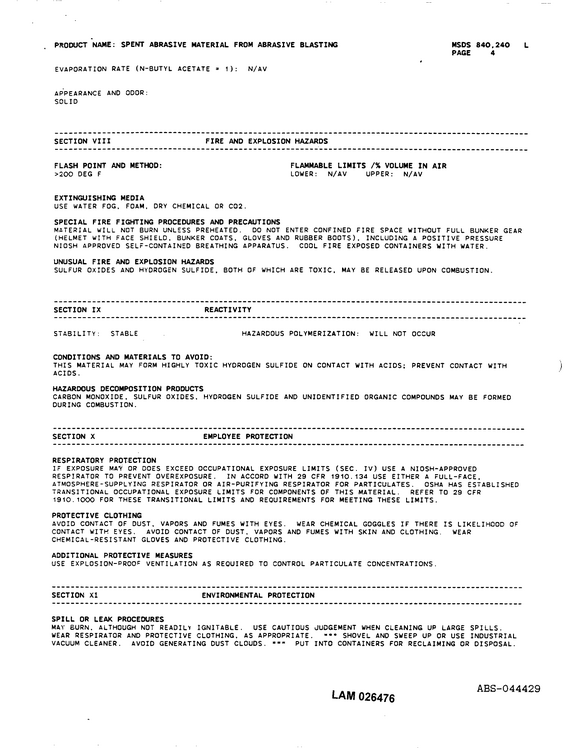
LEAD CHROMATE, LEAD CHROMATE OXIDE.
refid# M4rpZKJdEmz8Qy6kQp8YDExpV7 pages
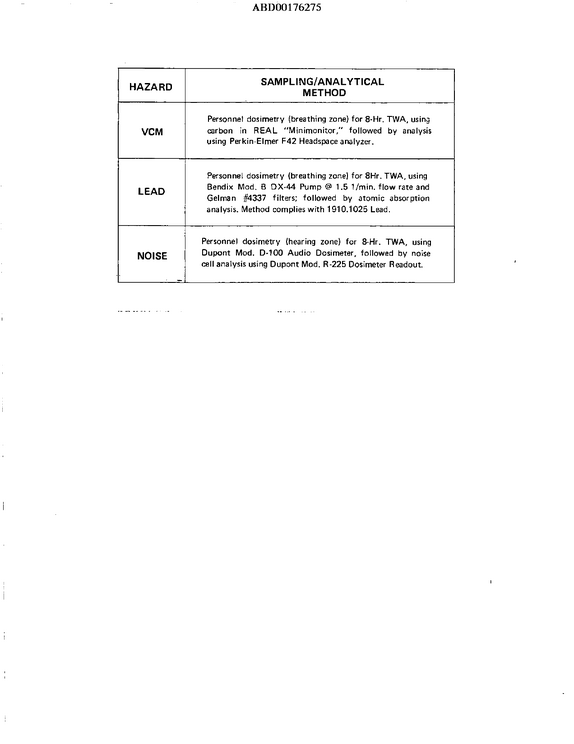
Method complies with 1910.1025 Lead.
refid# XRrbOJayqbGXQLJ6nGBq2OqVB1 page
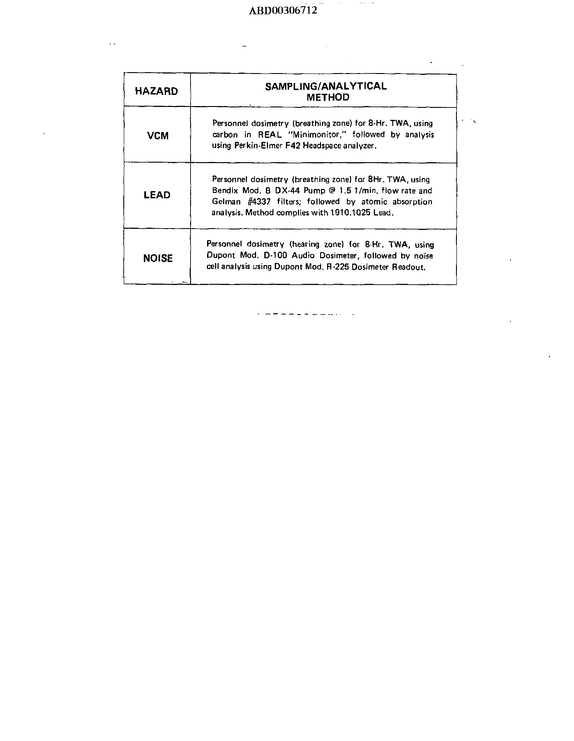
Method complies with 1910.1025 Lead.
refid# vVqvYNmoGYa2VndQkYvEkMdm61 page
WPWWPMPpWW>B|P>^IWWW^ LIA15721 LEAD INDUSTRIES ASSOCIATION, INC.


refid# 0JvGZDO2R1Qovzj318jJEkMrb16 pages