Refine
Estimated Years 1910-1919Clear
1,849 results foundRefine Search
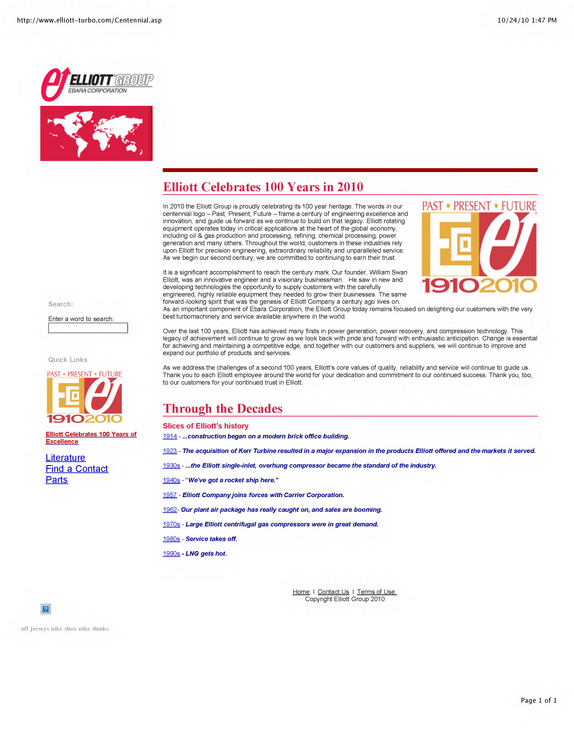
http://www.elliott-turbo.com/Centennial.asp 10/24/10 1:47 PM Search: Enter a word to search: Quick Links PAST PRESENT FUTURE \m 19102010 Elliott Celebrates 100 Years of Excellence Literature Find a Contact Parts Elliott Celebrates 100 Years in 2010 In 2010 the Elliott Group is proudly celebrating its 100 year heritage.
refid# nJJkaZ76z4DgVXqzVZ5nORpR1 page
U.
refid# KG2MyQ7QxYLRgVEGD6O38O3QN4 pages
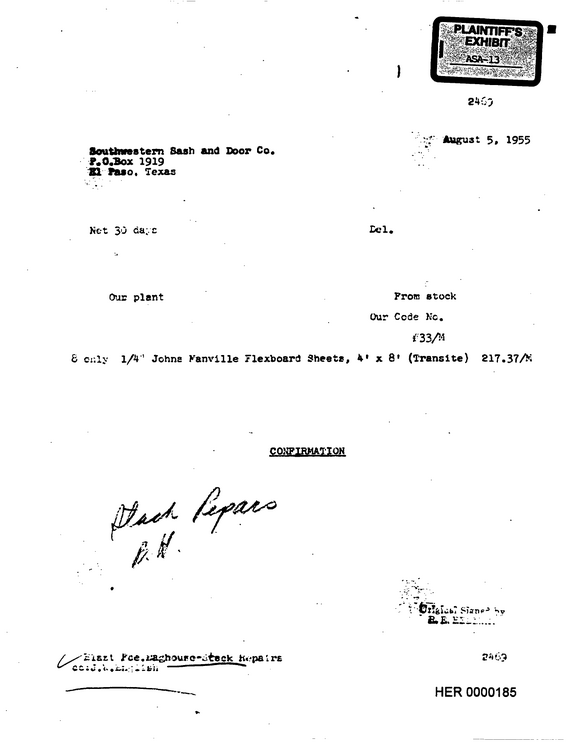
Southwestern Sash and Door Co* P.O.Box 1919 81 Vaso, Texas Net 30 davc ) 2bC.j ' August 5. 1955 Del Our plant b only 1/4' Johns Fanville Flexboard Sheets, Prow stock Our Code No. i33/M x 8' (Transite) 217.37A CONFIRMATION ytl&IubT Siffrip-5 'v 246?
refid# v1Z30b3MOBO76Dnr3w2xX11991 page
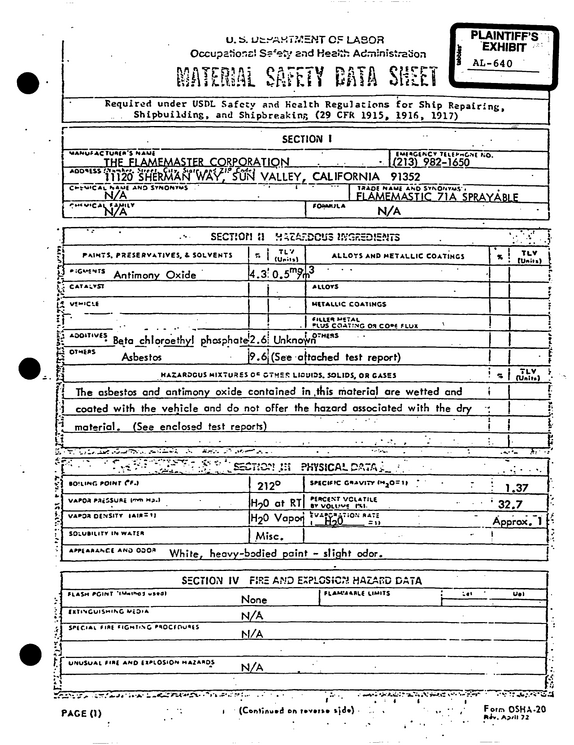
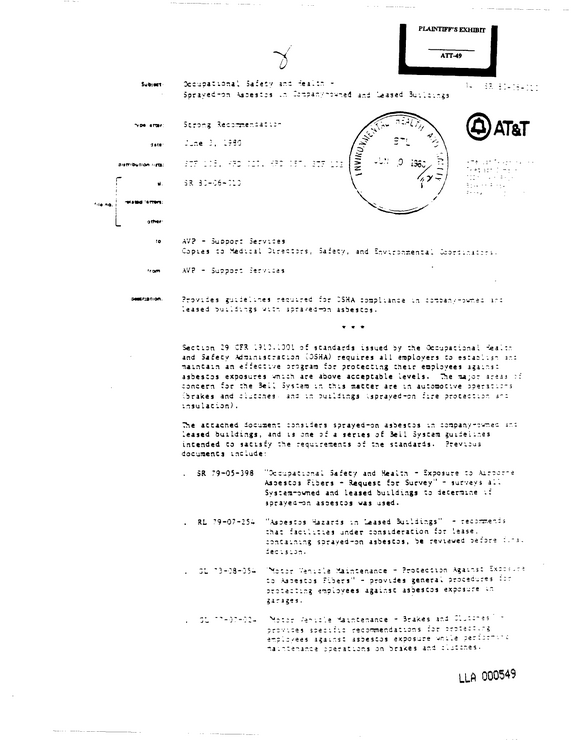
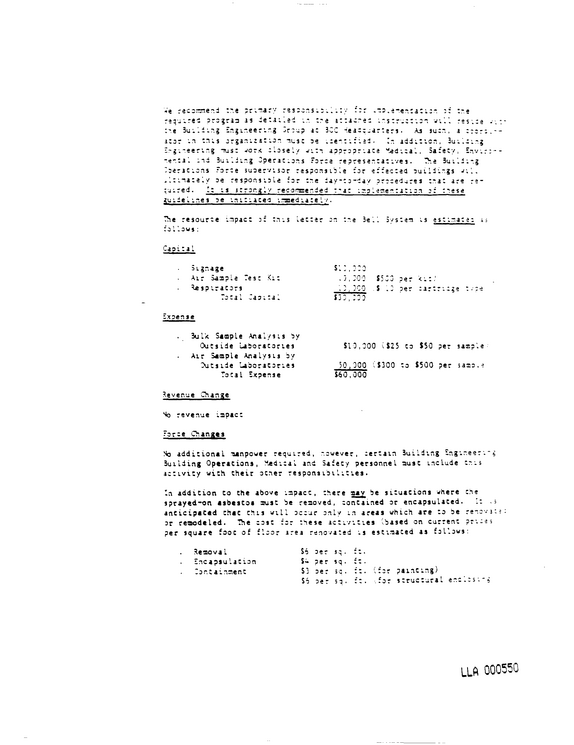
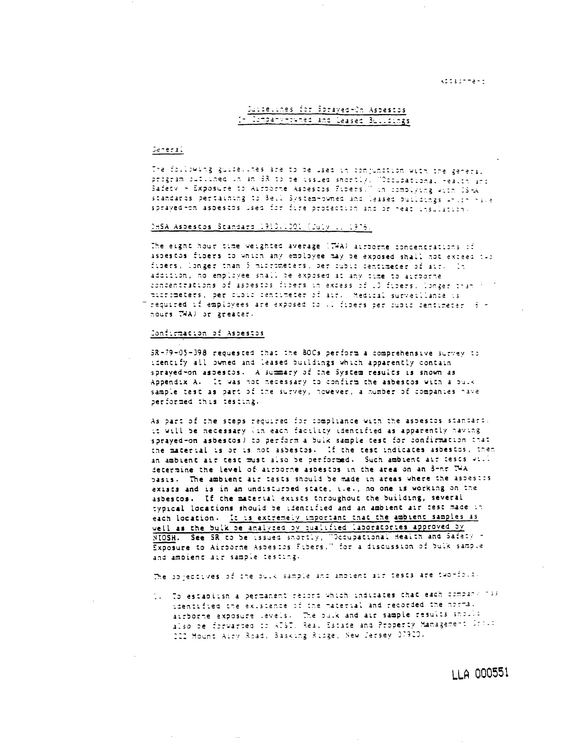
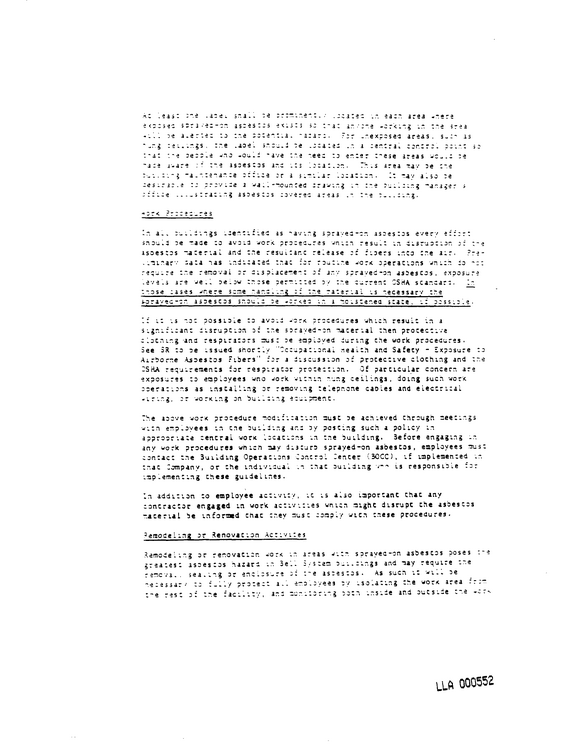
PLAINTIFF'S EXHIBIT Sufeitci- Occupational Safe:/ an.o nealtn Sprayed-on Asoestcs .n Oompany-owred and Leased 3uilc.ngs >DO rf: a*trr<&wt;on >>rta: ry M 0.
refid# DEGavvYDEBZDjDxOOYKVORpB9 pages
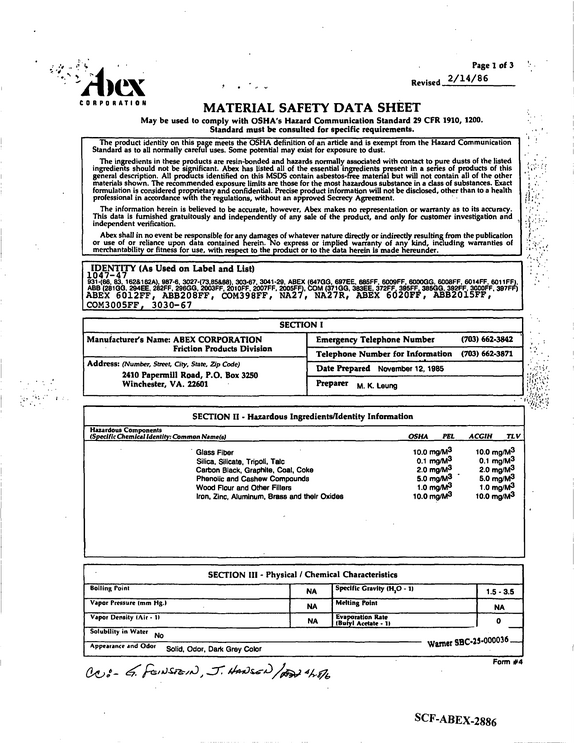
Page 1 of 3 R.vls.d VWt MATERIAL SAFETY DATA SHEET May be used to comply with OSHA's Hazard Communication Standard 29 CFR 1910, 1200.
refid# zzYbDj54gxxqq58KZ7adnVEZ01 page
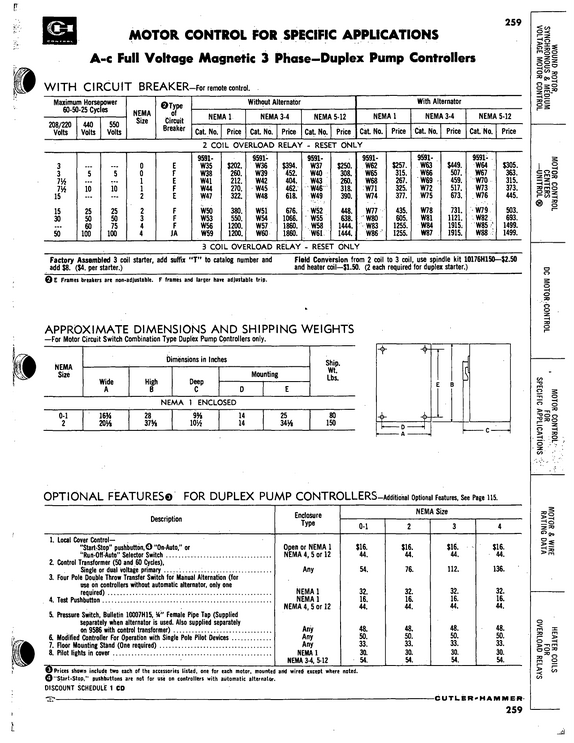
MOTOR CONTROL FOR SPECIFIC APPLICATIONS A-c Full Voltage Magnetic 3 Phase-Duplex Pump Controllers 259 WITH CIRCUIT BREAKER--For remote control.
refid# Do63L5yZYJEyLqLNyDvGJJ1N1 page
.* .sp n 2 .* ?"
refid# g21RBg3DaV1zeYanwR0vD22YG1 page
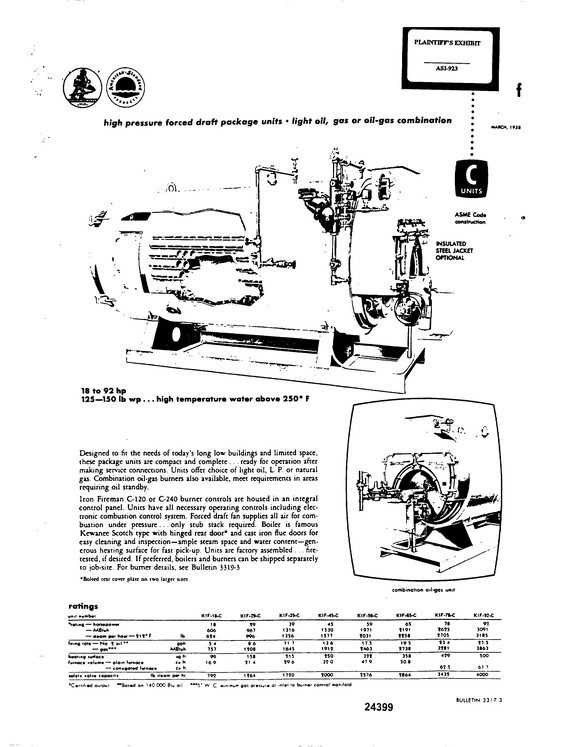
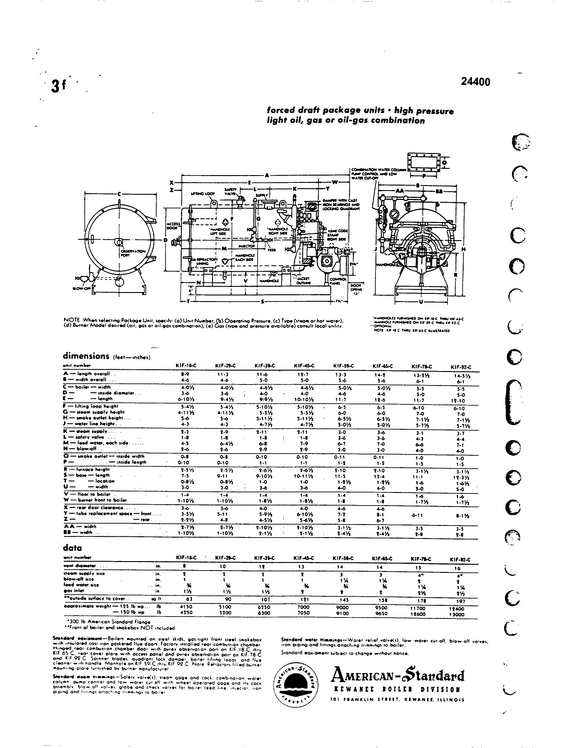
PLAINTIFFS EXHIBIT high pressure forced draft package units light oil, gas or oil-gas combination ASMECod* construction 18 to 92 hp 125--150 lb wp ... high temperature water above 250 F Designed to fit the needs of today's long low buildings and limited spice, these package units are compact and complete... ready for operation after making service connections.
refid# e5XjXyV643qBYVvQdVK2nooQe2 pages
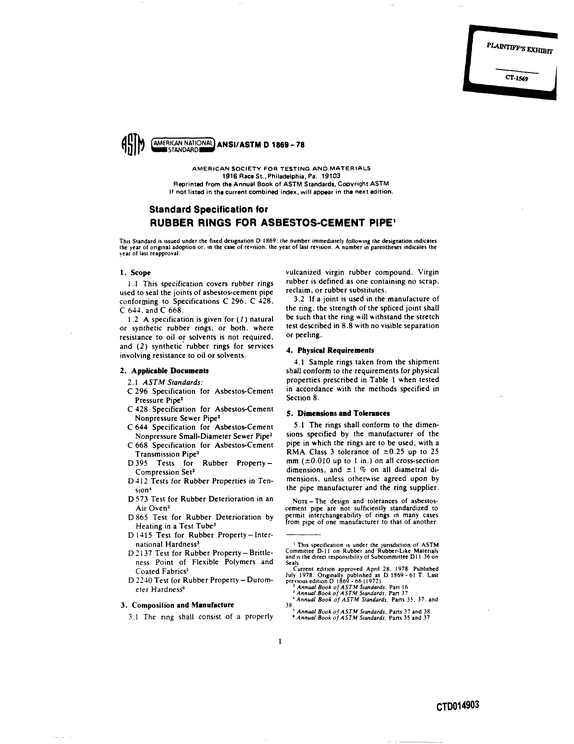
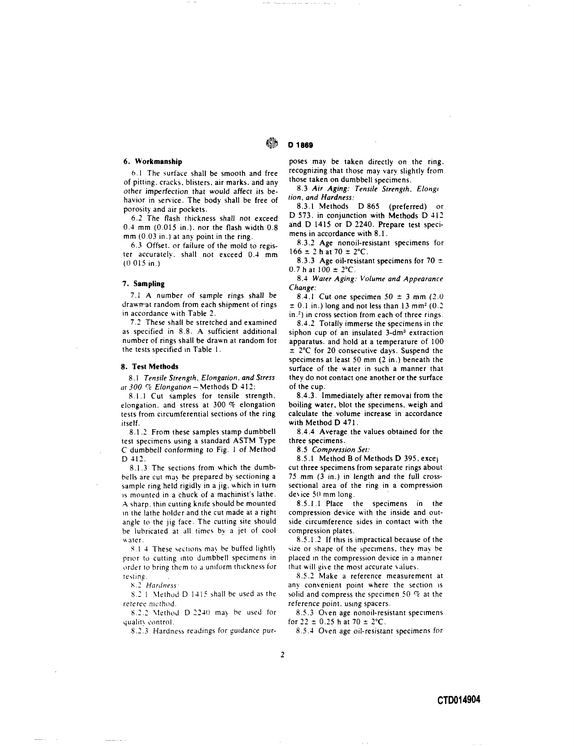
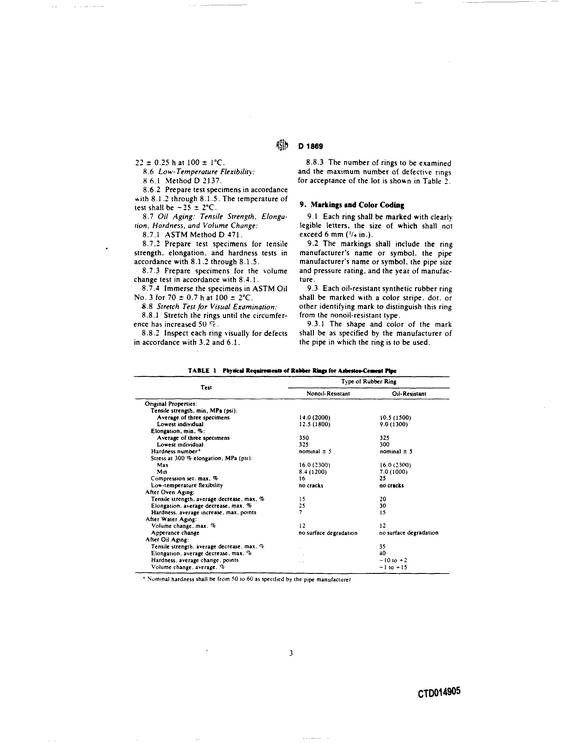
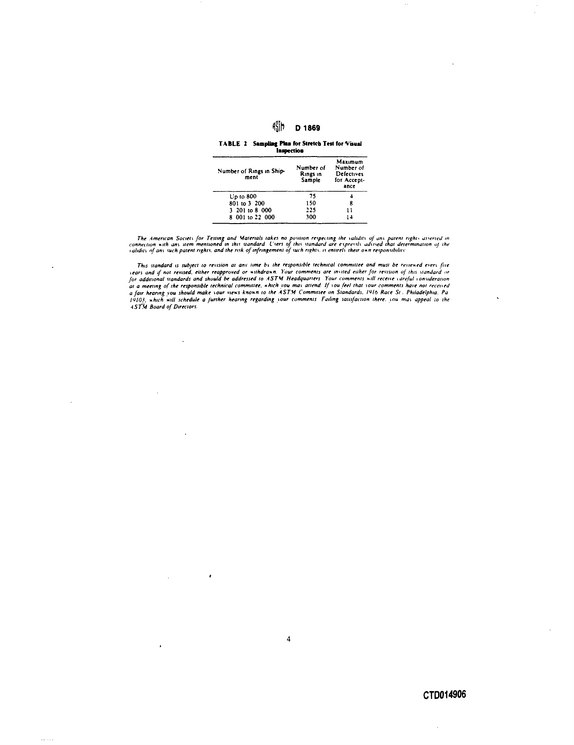
[AMERICAN NATIONAL] ANSI/ASTM D 1869-78 STANDARDS* AMERICAN SOCIETY FOR TESTING AND MATERIALS 1916 Race St., Philadelphia, Pa. 19103 Reprinted from the Annual Book of ASTM Standards, Copyright ASTM If not listed in the current combined index, will appear in the next edition.
refid# 5LpVKn6n0Yrzj7EaLQJvN5nb84 pages
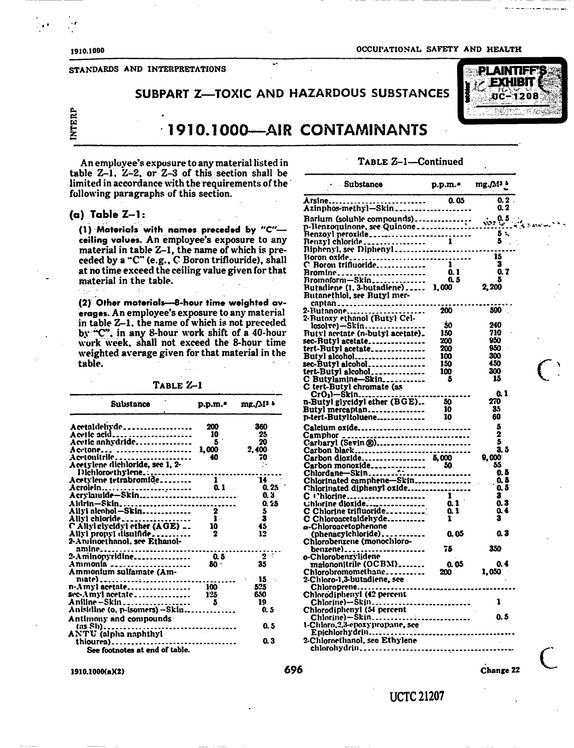
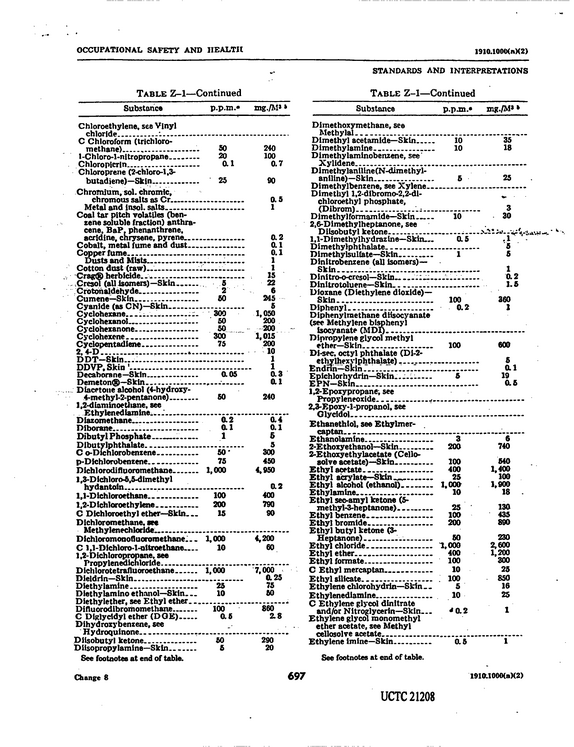
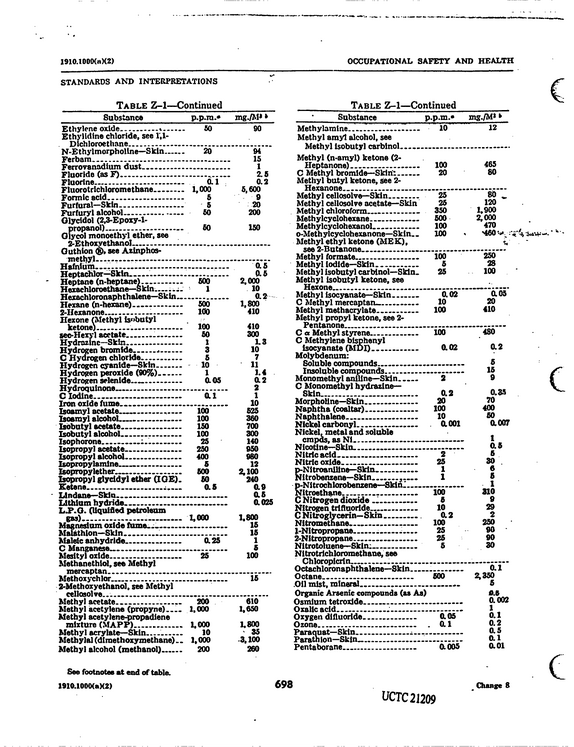
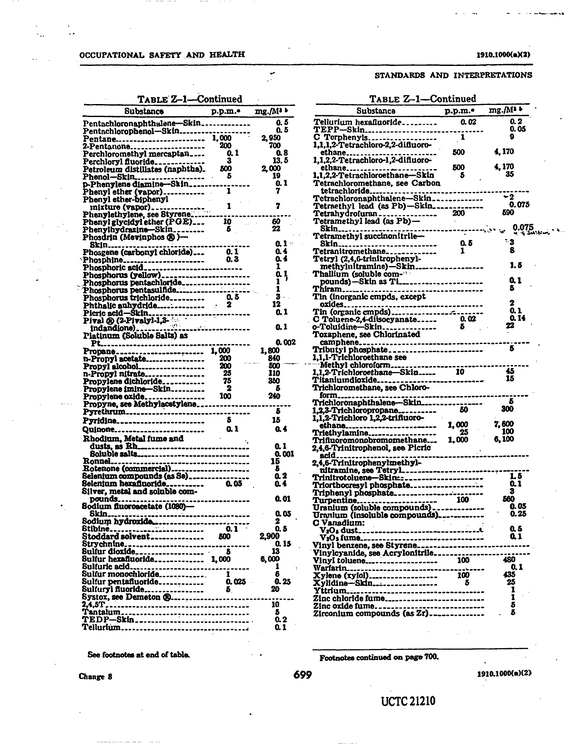
< 1910.1000 STANDARDS AND INTERPRETATIONS OCCUPATIONAL SAFETY AND HEALTH SUBPART Z--TOXIC AND HAZARDOUS SUBSTANCES caK.
refid# x5q7qmReGdD5pmKGG8mQyvnMJ13 pages
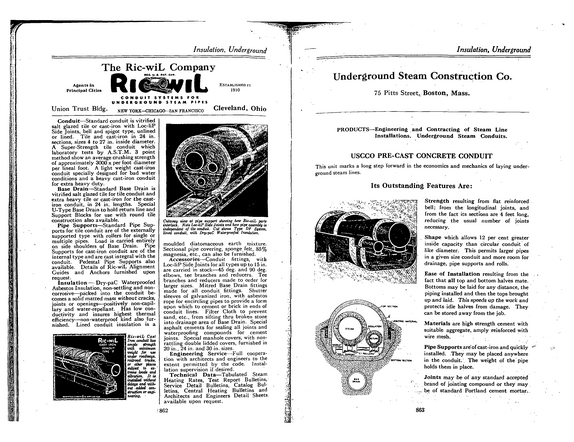
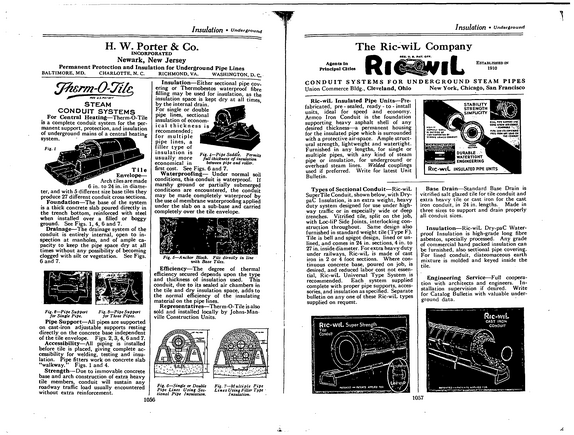
Insulation, Underground The Ric-wiL Company Agents in Principal Cities CONDUIT SYSTEMS FOR UNDERGROUND STEAM PIPES Union Trust Bldg. new York--chicago-san francisco Established in1910 Cleveland, Ohio Conduit--Standard conduit is vitrified salt glazed tile or cast-iron with Loc-liP Side Joints, bell and spigot type, unlined or lined.
refid# emr2M6o2z1VpOBvkw6zbXGKNg1 page
Insulation Underground H.
refid# YDy27GbZwweERzROw0vM6RQOO1 page
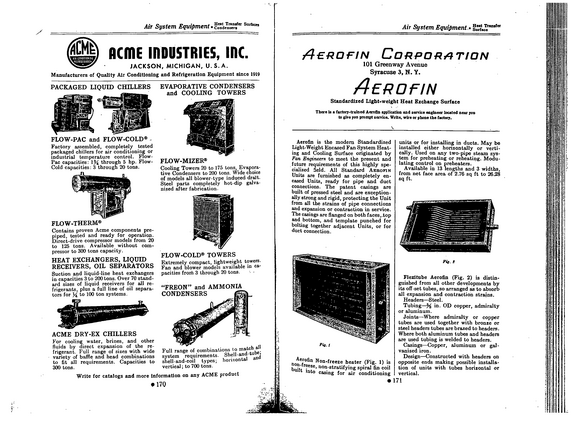
Air System Equipment * Condensers X --- ficmE inousTRiES, me.
refid# 9J4Q4LwJeQJvVvowqNRzE34n71 page
24 Mttdr Industry not afford the protection desired to the pper part of the leg who* this ocean.
refid# vyQNdy6a9qLpyBDNneRMEO2Dq1 page
funds In the former event, the cost of admmistenng the program is simply one more expense item in the premium charge to the employer Where funds for the industrial commission are obtained from legislative ap propriations, this part of the program is paid out of general taxes More than one-third of state agency administrative costs nationally are funded by legislative appropriations In addition to that part of administrative costs financed by state general revenues, other elements m the workmen's compensation sys tem may not be financed through insurance premiums paid for by employers For ex ample, many employers provide medical services at their establishment or by direct pay ments to medical facdities Second- or subse quent-injury funds, which bear part of the cost of injuries to handicapped workers, are financed sometimes through assessments on insurers, reflected in premiums, in some states, as direct charges upon employers, as appropri ations from state funds, in a few states, as joint employee and employer contributions to the fund, or by other means Other special funds, paid for by general revenues, have been established for such purposes as supplement ing benefits depreciated by inflation or paying benefits for specified occupational diseases Occupational Safety From the beginning, the workmen's compen sation movements in the United States have been associated with the movement to prevent occupational injury or disease Although some interest in this work was manifested by various employers before the enactment of workmen's compensation laws, the organized safety movement, as we know it, began shortly after the first compensation laws went into effect This movement was due in large part to an assumption on the part of industrial leaders that one of the best ways to reduce compensation costs would be to reduce the number of accidents The first move toward an organized effort came at the convention of the Association of Iron and Steel Electrical Engineers at Mil waukee in 1912, as discussed m Chapter 1 A session devoted to safety set up a committee on organization, which called a meeting of all interested groups and individuals in New York City the following year This meeting re sulted in the formation of the National Council for Industnal Safety, which since 1915 has been called the National Safety Council Safety activities of insurers Although the insurance business had been extended into the industnal accident field be fore the first workmen's compensation act was passed in this country, industnal accident in surance received great impetus from this legis lation As specific schedules of payments for all work-connected mjunes made the risk more definitely calculable, the business became more attractive to the underwnter From the first, insurance companies wntrng workmen's compensation policies have had a large part in the movement to prevent acci dents They have developed or aided in the development of safety standards and safe practices and have contributed to the de velopment of methods and techniques of acci dent prevention Much of the basic data of safety engineering has been supplied by in surance engineers An important motive for their accomplishment is, of course, the fact that their business thrives on a declining injury rate Unduly large losses jeopardize the finan cial solvency of an insurance company Pro gressively lower losses make it easier for the stock company to show a profit to its stock holders and for the mutual to pay dividends to its policyholders The effective work of insurers, however, has been confined mainly to large establishments The cost of providing technical assistance in accident prevention makes it difficult for an insurer to provide service adequately to plants whose premiums are small Owners of small plants, moreover, cannot expect to receive much reduction m premium rates either through dividends or exjpenence rating, no matter how effective their safety program Precise statistics are not available showing the total amount of money invested by the in surance industry m safety Data compiled by the National Council on Compensation Insur ance show that pnvate insurance companies reported about $37 8 million or 1 1 percent of net premiums earned were applied to safety in 1970 The data also show that selected state insurance funds spent about 1 4 percent of net premiums earned, or $3 9 million 185
refid# gYgO2LORo65KyqqnKJYorx9a1 page