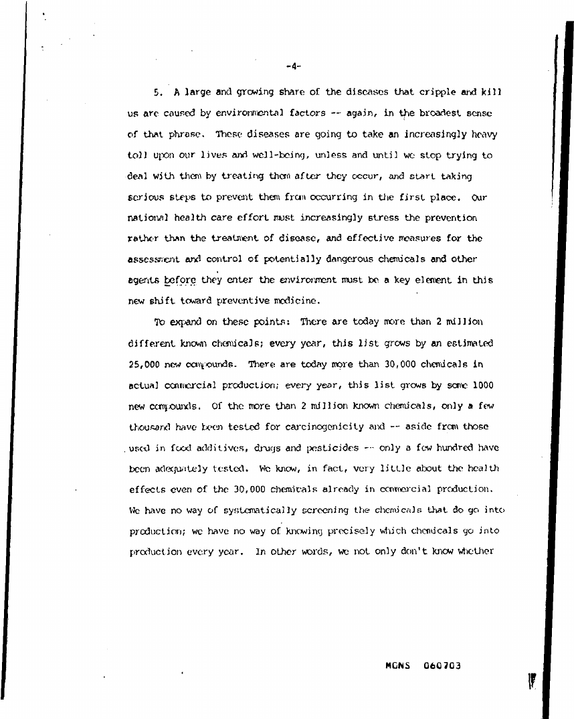
Wc have seen our fish contaminated by phthalates, our cattle poisoned by polybraminated biphenyls, and our horses killed by dioxin.
refid# qd5D1JQ7pyBggOv8v3vwMJ2yE15 pages
Some fish species taken proximately 750 million pounds
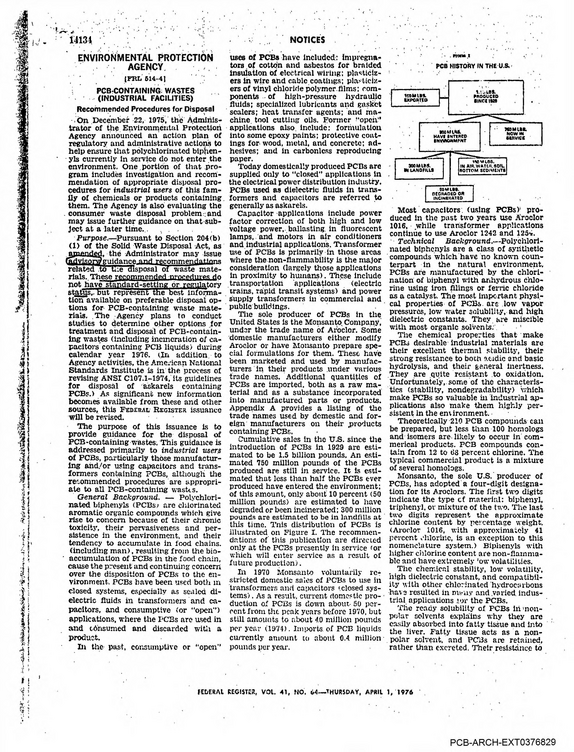
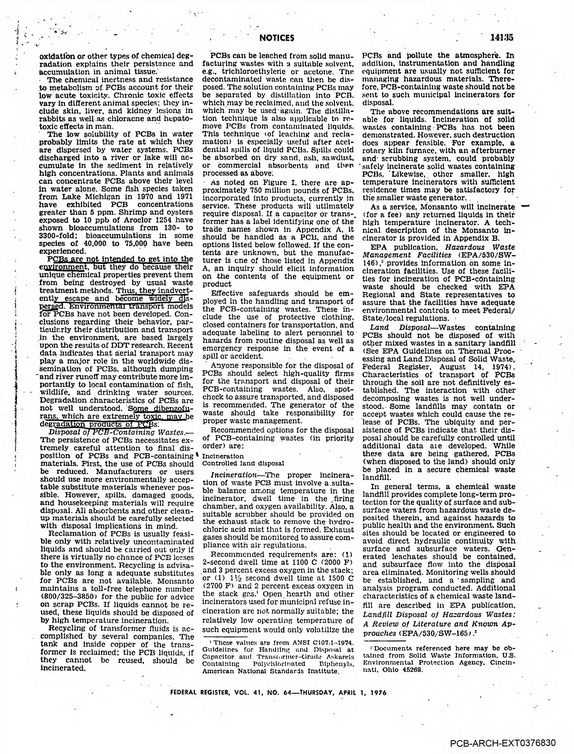
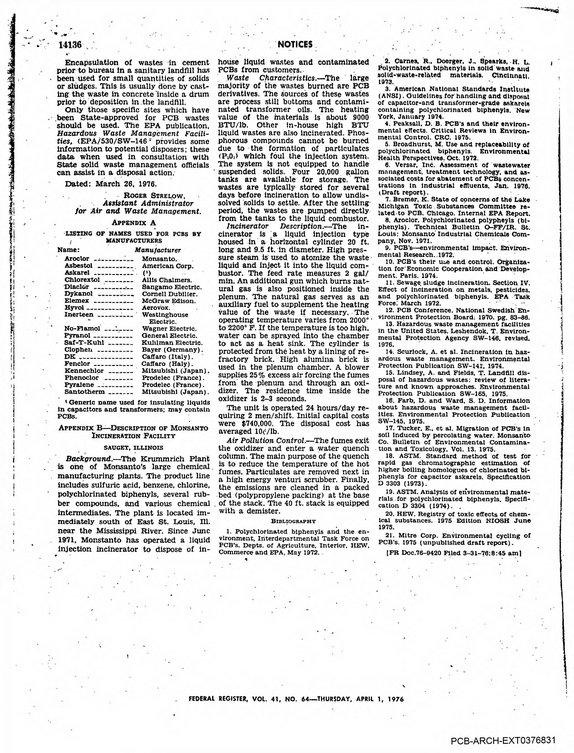
refid# Razm7LYeL2qRnbr7OgLOJ6oO83 pages
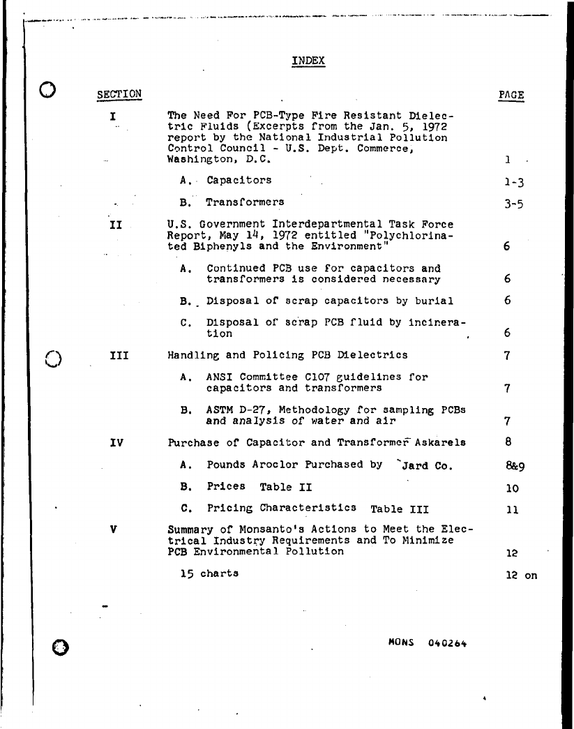
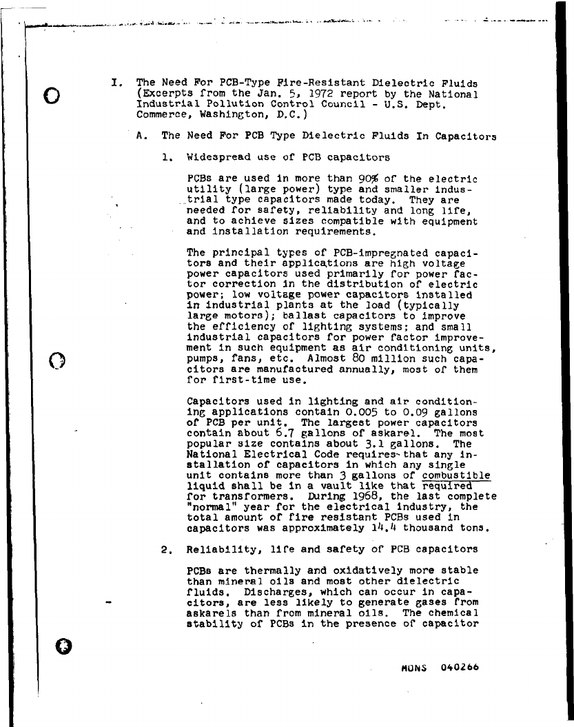
MONSANTO INDUSTRIAL CHEMICALS COMPANY Visit At JARD COMPANY BENNINGTON, VERMONT SEPTEMBER, 197?
refid# q3B7e6LLkmYjL72QDZZVR4QZ533 pages
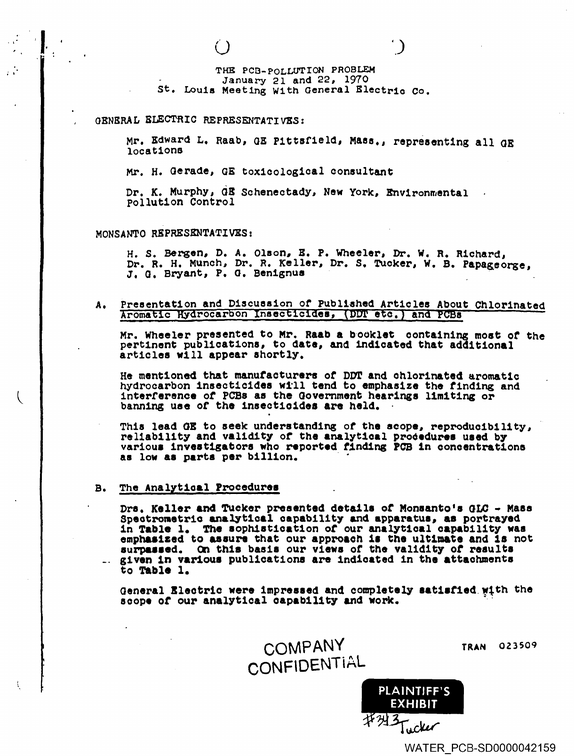
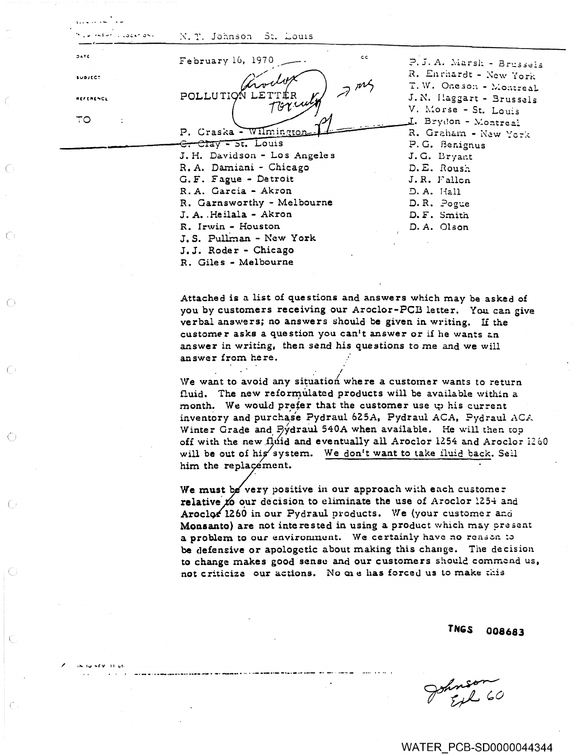
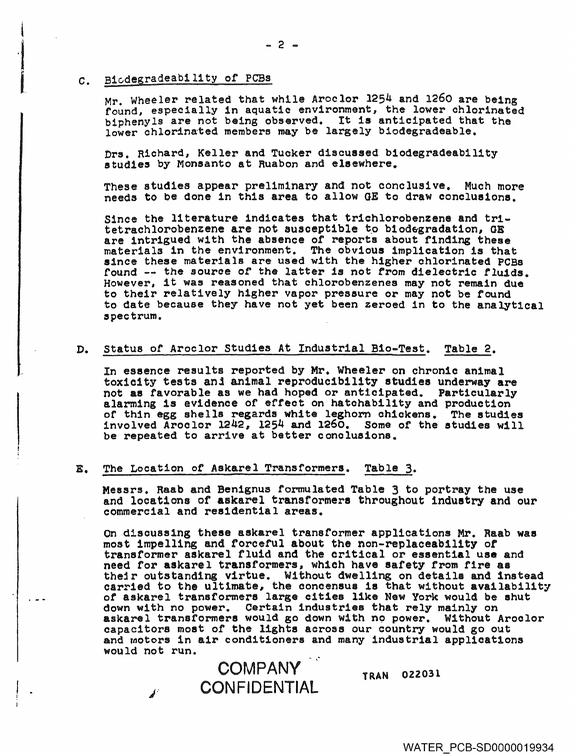
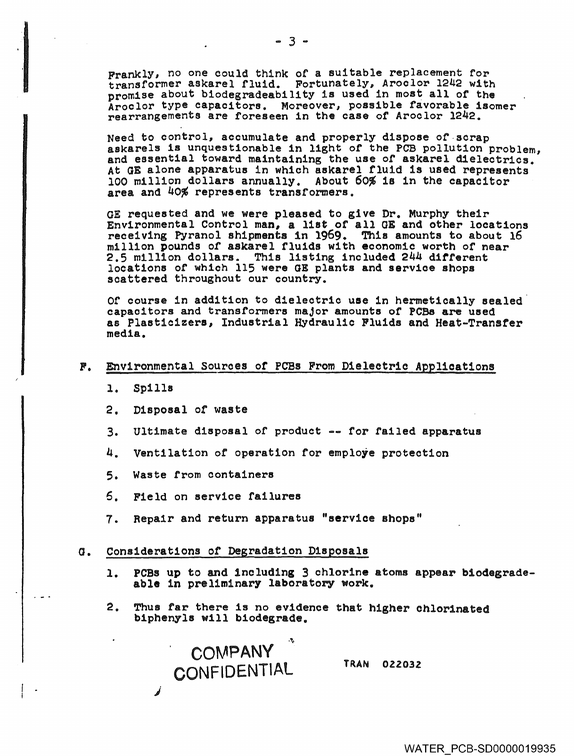
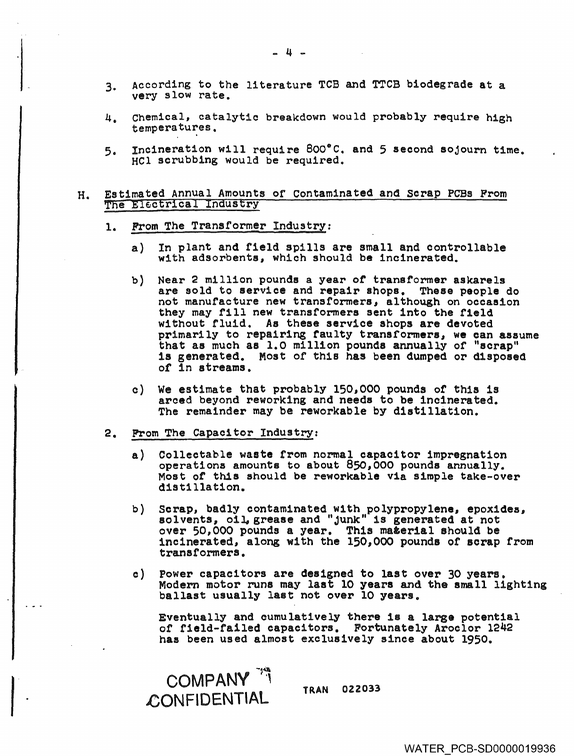
o) THE PCQ-POLLUTION PROBLEM - January 21 and 22, 1970 St.
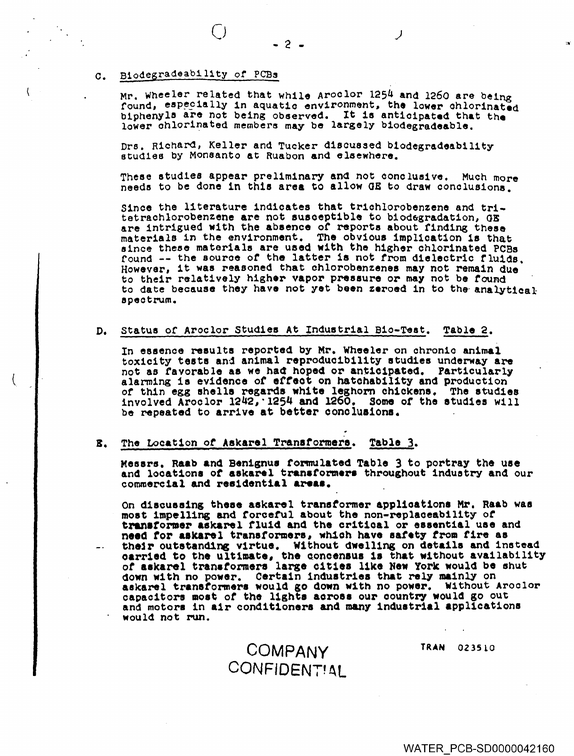
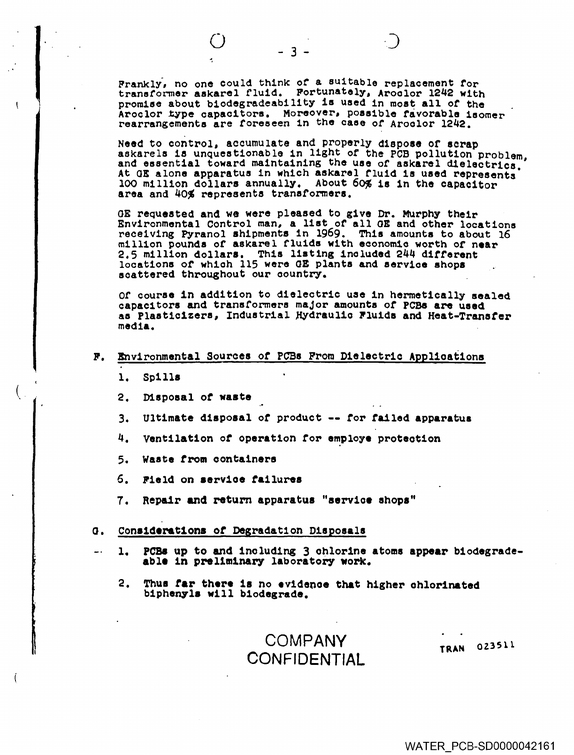
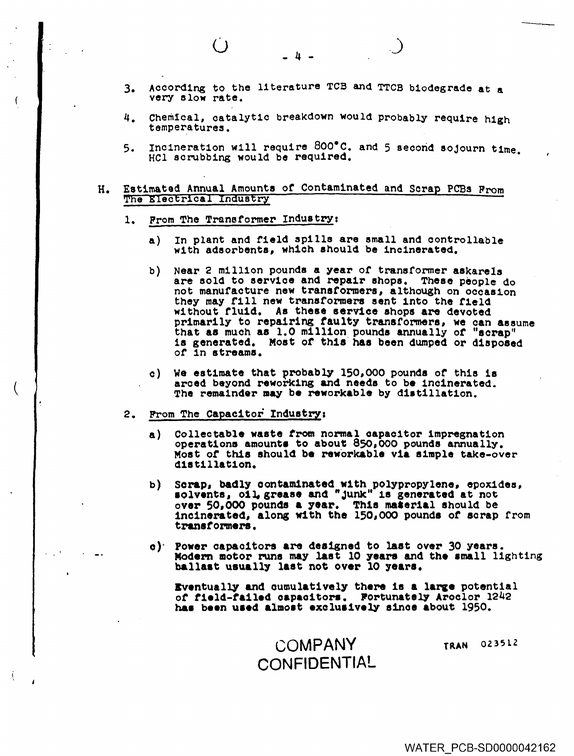
refid# B8o5B2p3rwBkQNZ5Gq4aVVkeJ10 pages
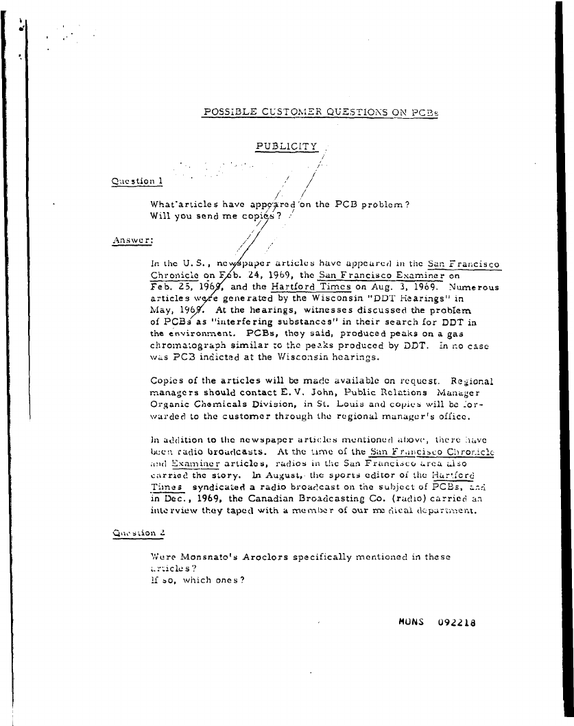
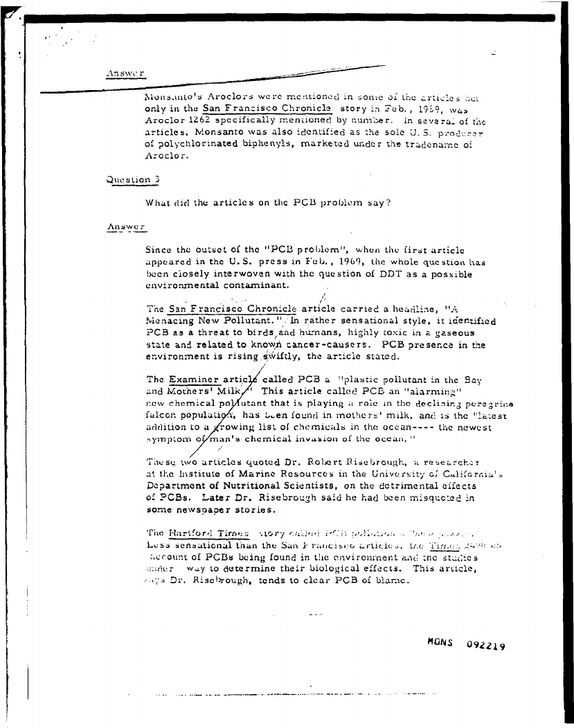
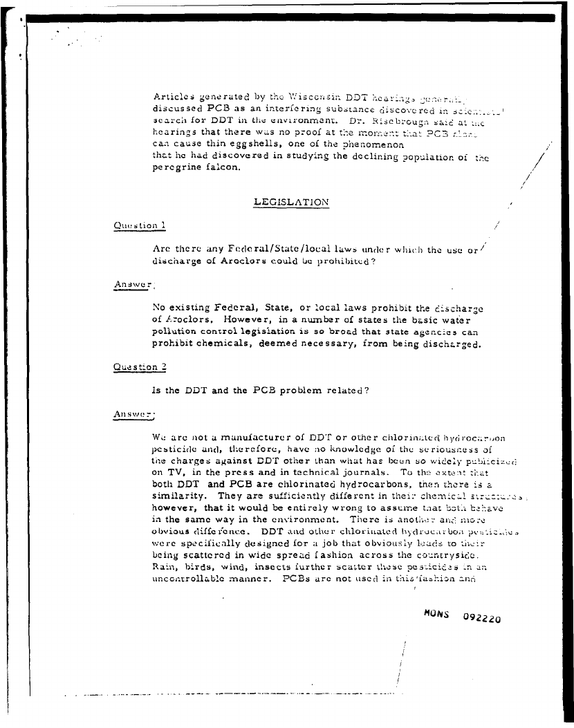
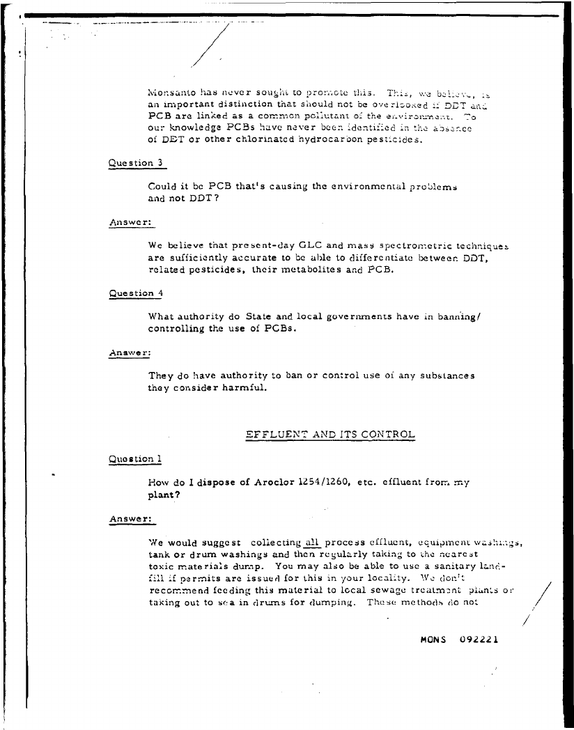
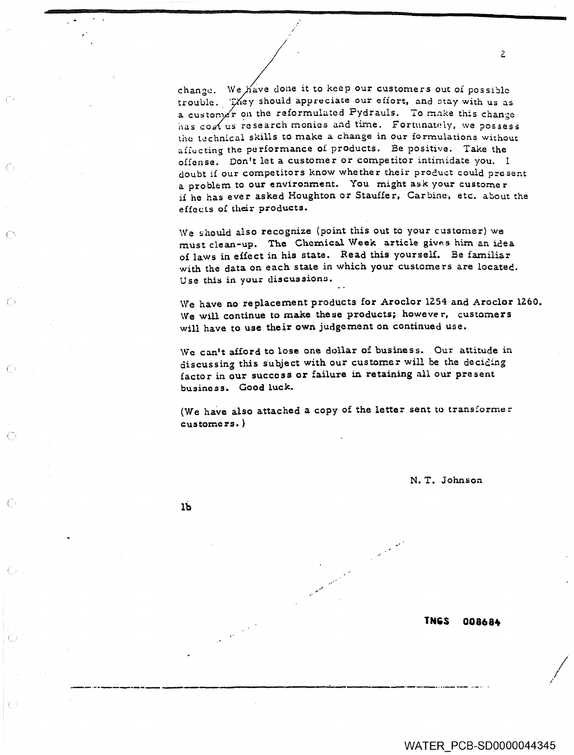
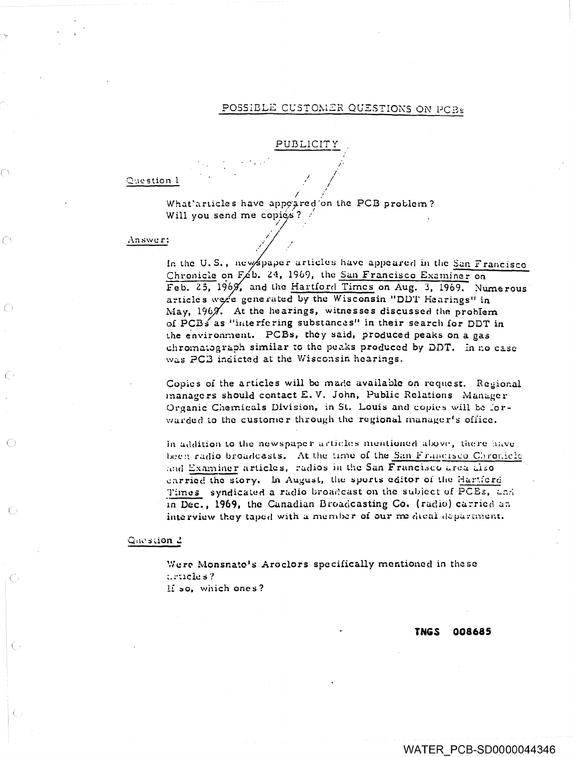
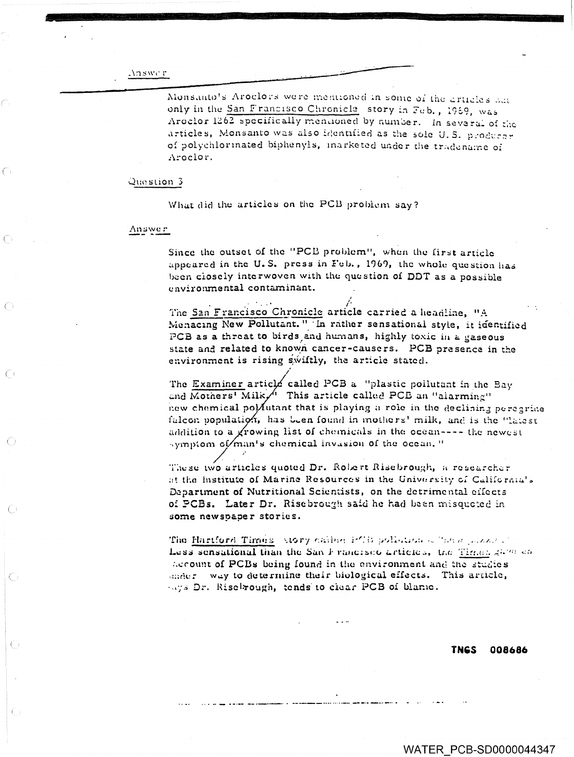
TOXICITY Question 1 IX PCB is'a danger to fish and birds, how about humans?
refid# N2ENz5Nka8eGzVdj0ovLBxvLp12 pages
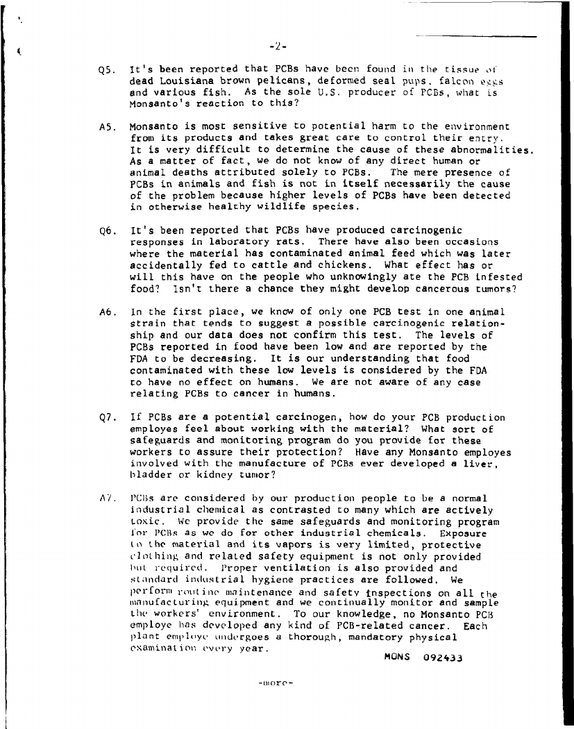
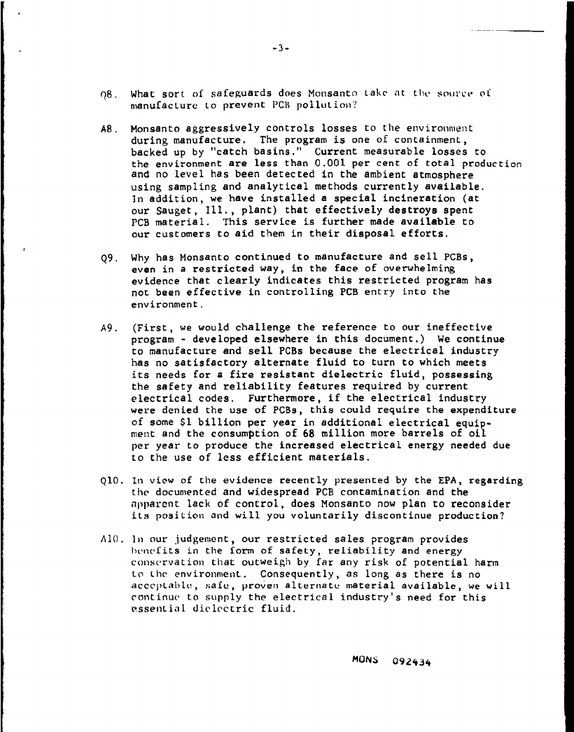
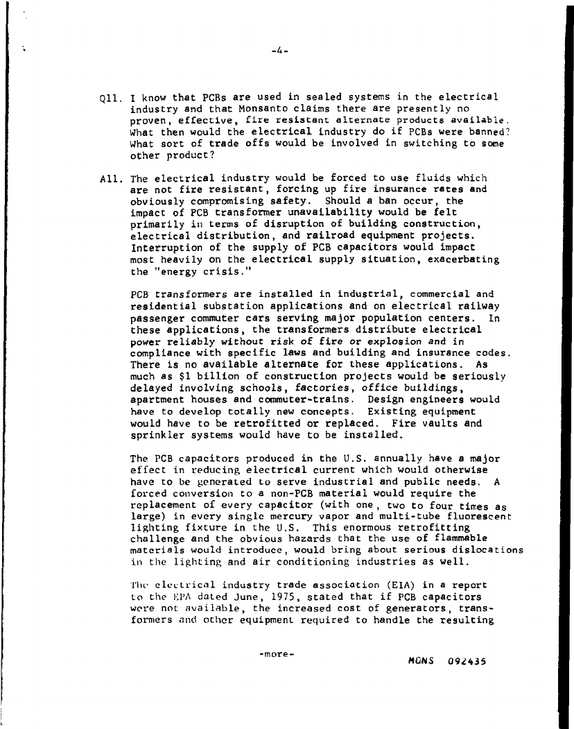
It's been reported that PCBs have been found in the tissue oi dead Louisiana brown pelicans, deformed seal pups, falcon eggs and various fish.
refid# 2qDorxdoMwK3ZRLoz71DpYXab9 pages
X.
refid# QMyoxzy3pog43OEnjBG4wV9R514 pages
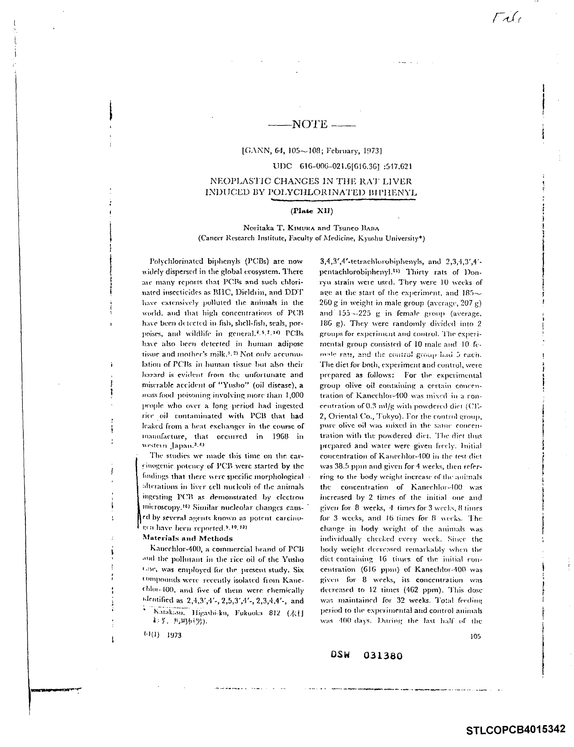
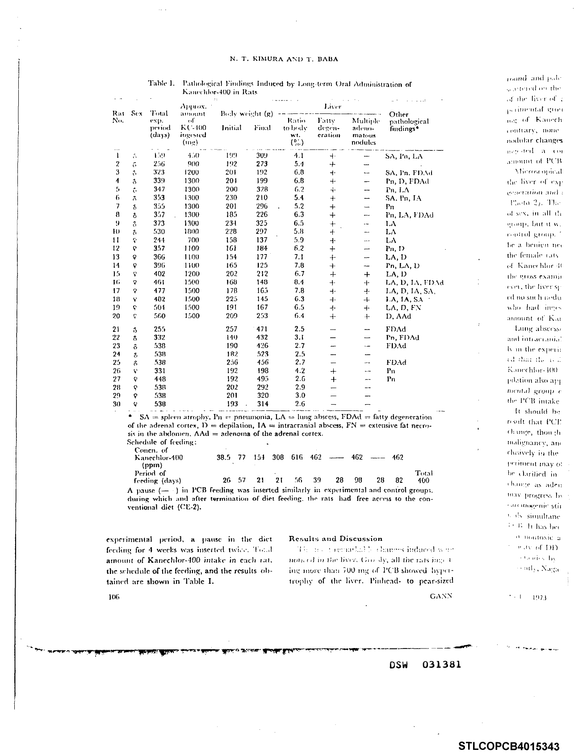
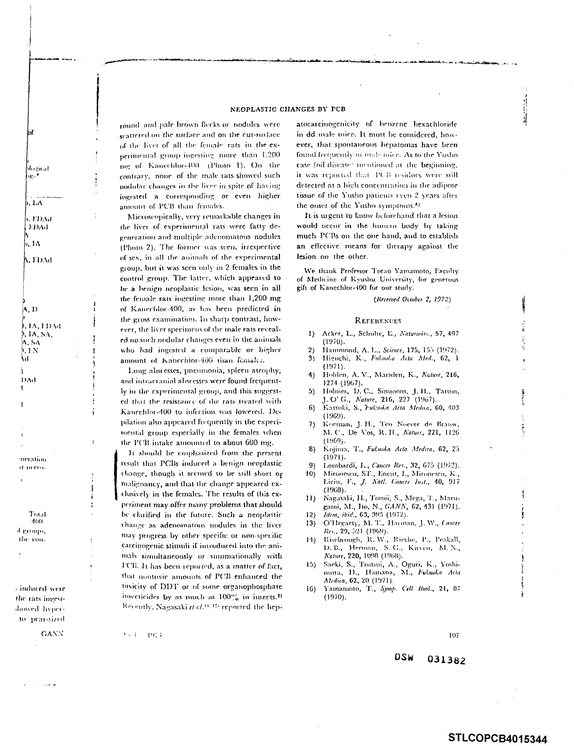
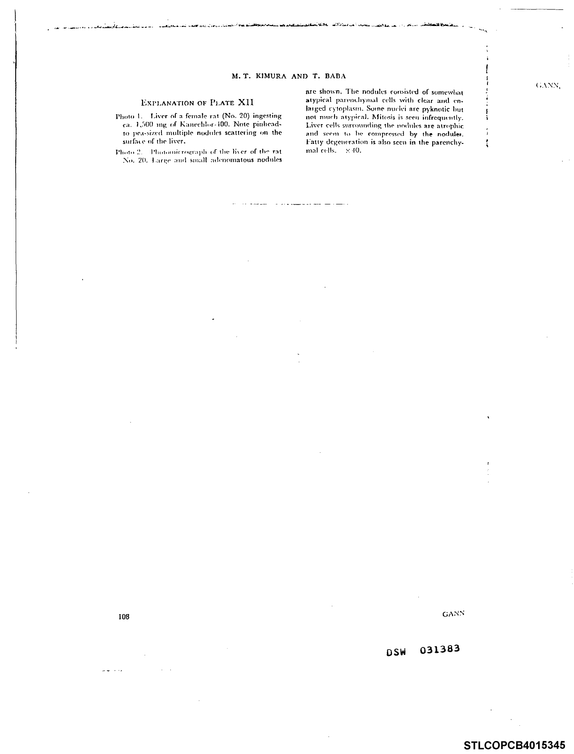
There ate many reports that PCBs and such chlori nated insecticides as BI1C, Dicldrin, and DDF have extensively polluted the animals in the world, and that high concentrations of PCB have been delected in fish, shell-fish, seals, por poises, and wildlife in general.4 5,4) PClls hate also hern detected in human adipose tissue and mother's milk.1.1' Not only accumu lation of PClls in human tissue hut also their hazard is evident from the unfortunate and miserable accident of "Ynsho" (oil disease), a mass food poisoning involving more than 1,000 people who over a long period had ingested rice oil contaminated with PCB that had leaked from a heat exchanger in the course of manufacture, that occurred in 1960 in u estei n Japan.3-4'' I he studies we made this time on the car cinogenic potency of PCB were started by the findings that there were specific morphological alterations in liver cell nucleoli of the animals ingesting PCP, as demonstrated by electron mil roscopy.10' .Similar nucleolar changes cansjrd by several agents known as potent carcinpg> a have been reported.4.1'1.1,1 Materials ml Methods Kanerhlor-lOO, a commercial brand of PCB aid the pollutant in the lice oil of the Yttsho 1 use, was employed lor the present study.
refid# xRNNaKmDdB1rbpE6kJw5jknm5 pages
No hepatocellular carcinomas were present. 4) The no-effect level on rat reproduction is between 1 and 10 ppm in the diet since higher levels result in low mating indices. 5) No teratogenic or mutagenic effects were observed in studies with rats and mice. 6) In chicken reproduction and teratology studies, AROCLOR 1242, which produced the most severe effects, had '# a no-effect level of 2-4 ppm in the diet. 7) Acute toxicity to fish Varies from less than 1 ppm to greater than 100 ppm depending on the specific AROCLOR and species of fish tested, I 8) PCBs containing 3 or less chlorine substituents per molecule are reasonably biodegradable.
refid# ZB1GBQp93xJZgQOZpxorwLwG720 pages
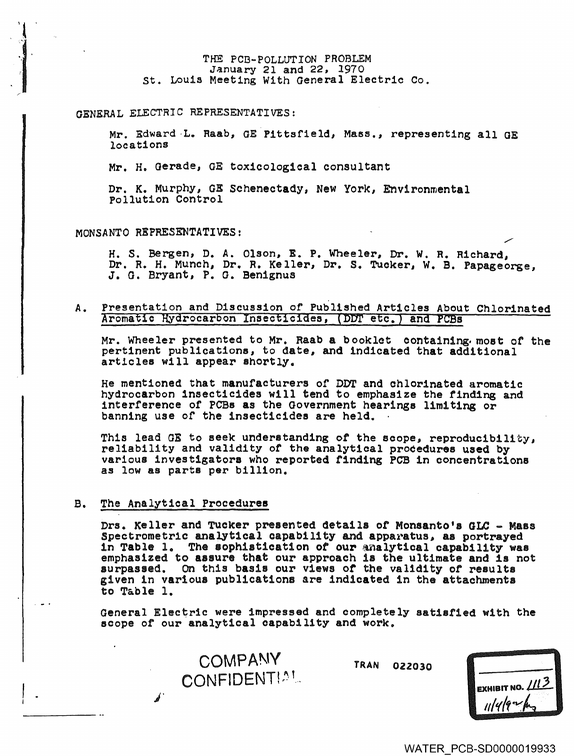
THE PCD-POLLUTION PROBLEM January 21 and 22, 1970 St.
refid# 654Q3vnJx93rV97GjZ99GGgyE10 pages
.W j '.'
refid# 3NwjJ6qDLQLXYXLXjk5Rja3b68 pages
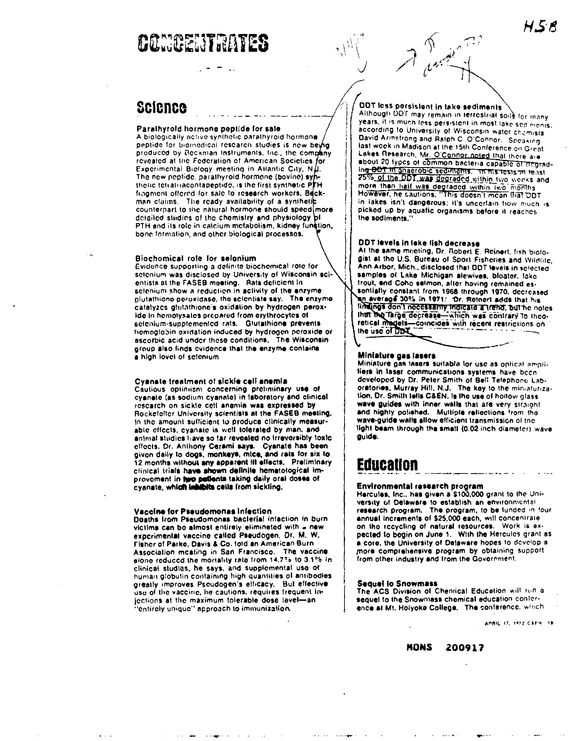
Rcinert. fish biolo gist si the U.S.
refid# jmEbp16XvJ1XaNwD5Em044j253 pages
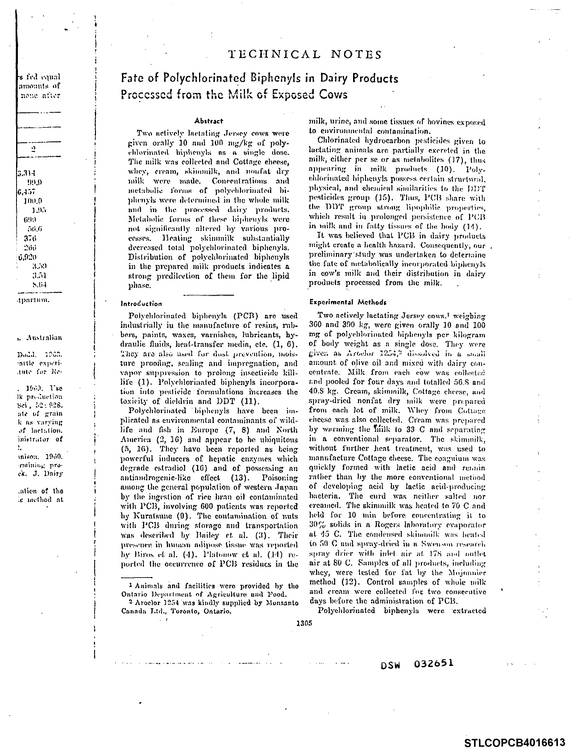
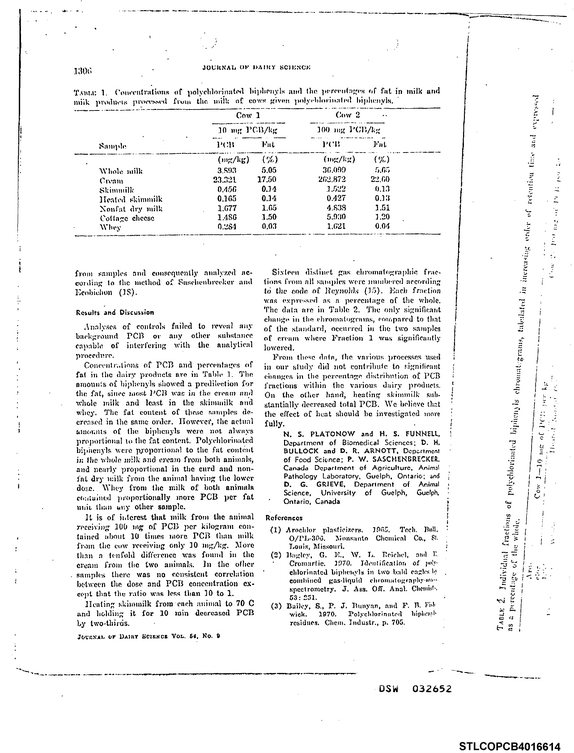
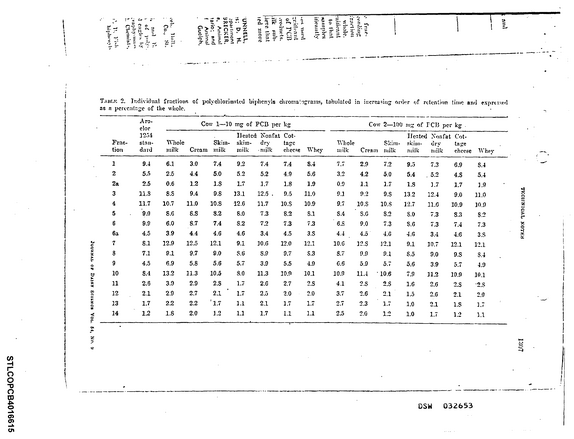
Cream was prepared life and fish in JOtiropc (7, 8) nnd North by wanning the Tnilk to 33 C nnd separating j America (2, 1C) and appear to ho ubiquitous in a conventional separator.
refid# OrzXa6B3865qzjJ20GqoXR8M4 pages
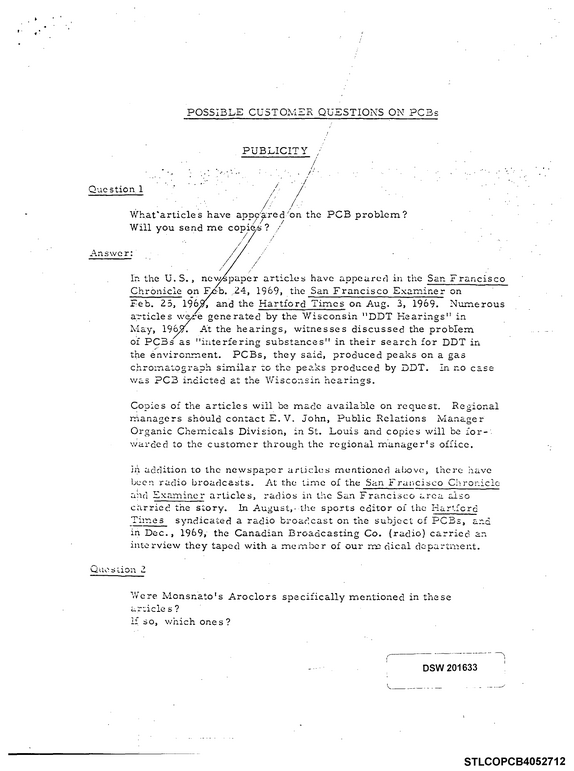
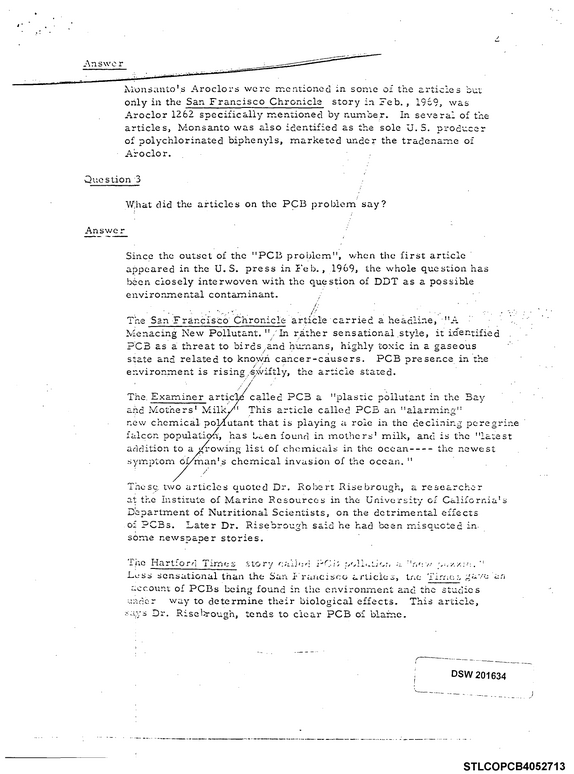
TOXICITY Question 1 If PCB is'a danger to fish and birds, how about humans?
refid# 7OGaxkZVD0YX73kz6NNYY0GdE12 pages
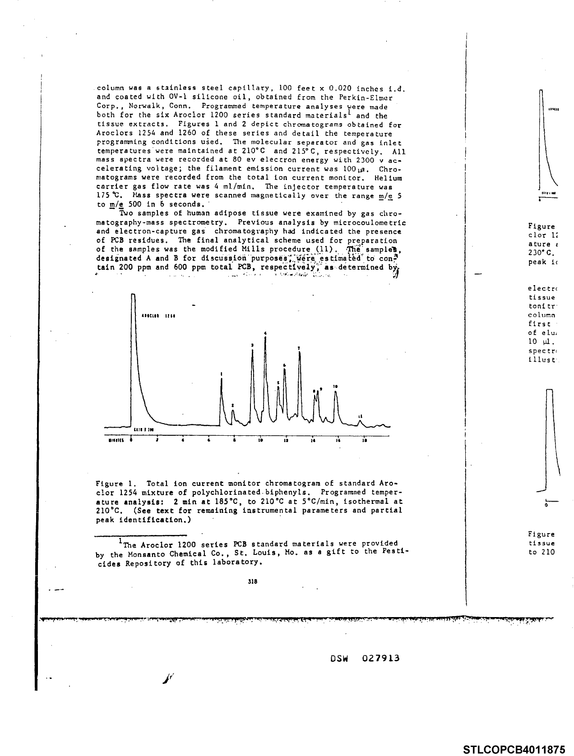
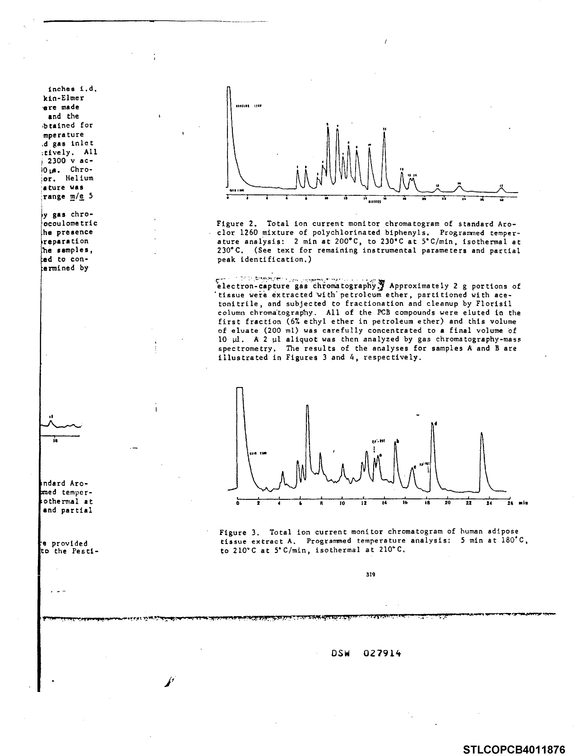
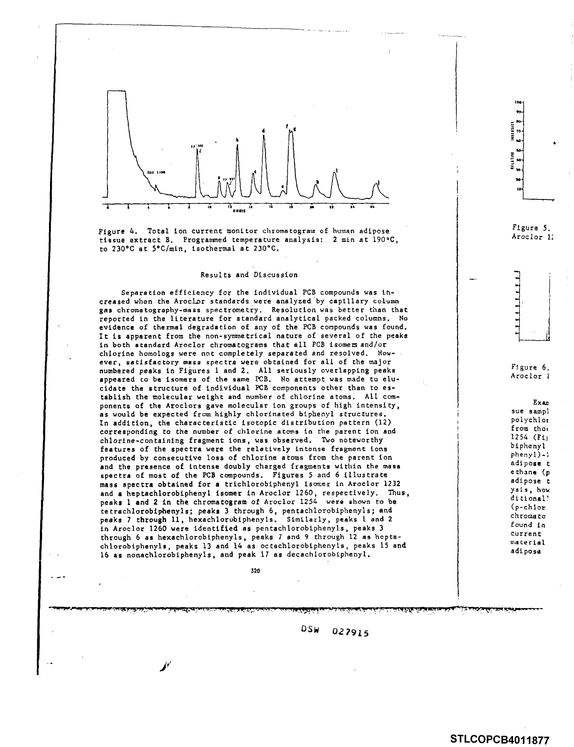
The most conclusive spectroscopic data have been the mass spectra of these compounds obtained with a combined gas chromatograph-mass spec trometer from extracts of fish, seabirds, conifer needles, and human depot fat (7).
refid# zoXvzBQYNQD4r0j1ZZ4DD7oRa7 pages