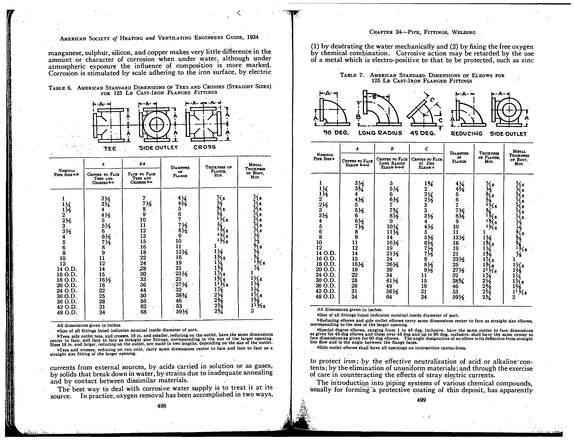
American Society of Heating and Ventilating Engineers Guide, 1934 manganese, sulphilr, silicon, and copper makes very little difference in the amount or character of corrosion when under water, although under atmospheric exposure the influence of composition is more marked.
refid# vBJX756oEbmB4Be5KoB25mjXY1 page
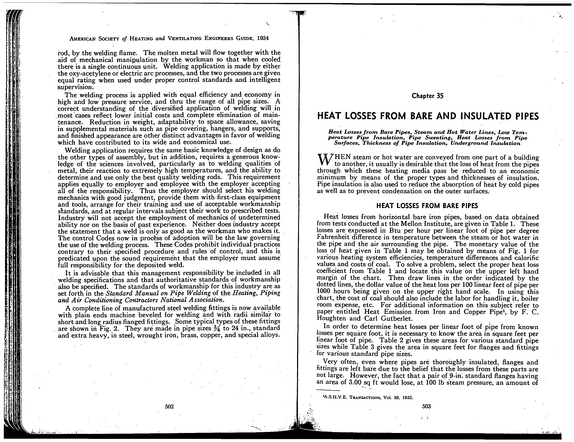
American Society of Heating and Ventilating Engineers Guide, 1934 rod, by the welding flame.
refid# 919ejymKJm1YoGBXz6bnZ9QK61 page
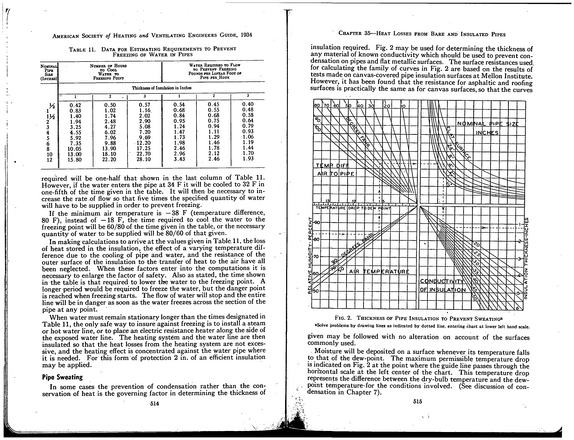
American Society of Heating and Ventilating Engineers Guide, 1934 (iNCHEB)Ji i 1H 2 3 4 5 6 8 10 12 Table 11.
refid# MJXypqvME7Gvo7w4w5o7V4Qdy1 page
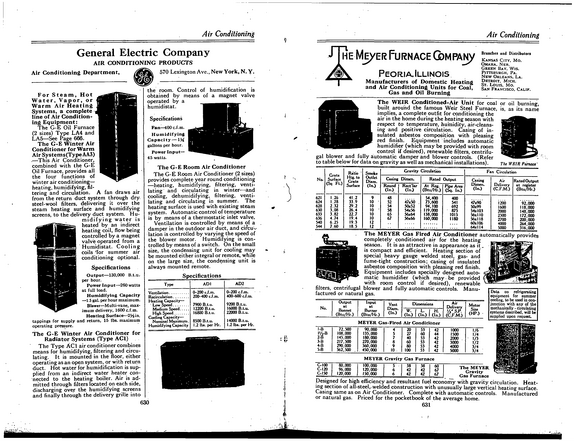
Air Conditioning General Electric Company AIR CONDITIONING PRODUCTS Air Conditioning Department, 570 Lexington Ave., New York, N.Y.
refid# NGGxDRbq2O37wryDyJL7Lg3bD1 page
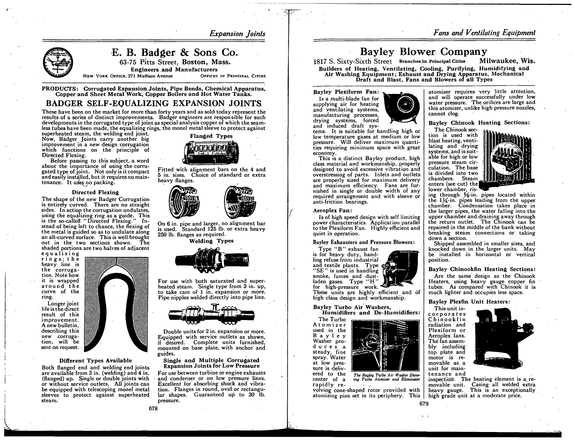
Expansion Joints E.
refid# nm99e2xvKMmzpxQrZ11vxRnOa1 page
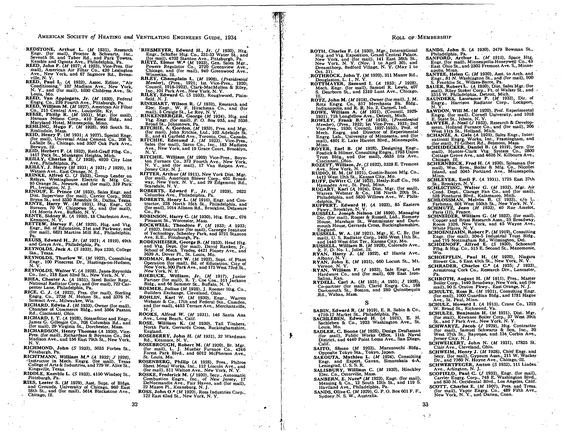
American Society of Heating and Ventilating Engineers Guide, 1934 REDSTONE, Arthur L.
refid# omDM1b3wa7NR3kypGLr7nYJ7r1 page
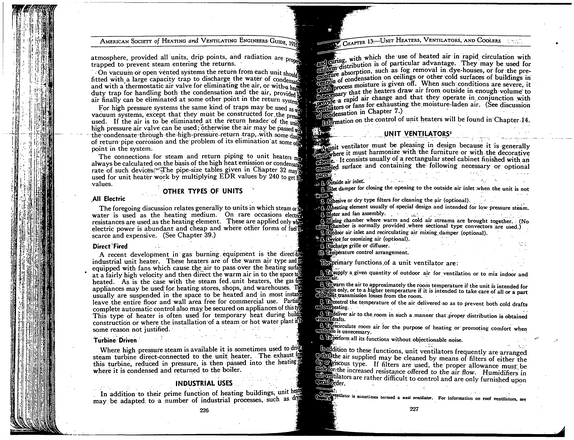
American Society of Heating and Ventilating Engineers Guide 1935 atmosphere, provided all units, drip points, and radiation are pra trapped to prevent steam entering the returns. - On vacuum or open vented systems the return from each unit shouij fitted with a large capacity trap to discharge the water of condense and with a thermostatic air valve for eliminating the air, or with>a hea duty trap for handling both the condensation and the air, provided* air finally can be eliminated at some other point in the return system] For high pressure systems the same kind of traps may be used as vacuum systems, except that they must be constructed for.the pr used.
refid# 3JEdONGygZMgYXXObzB8mRjEJ1 page
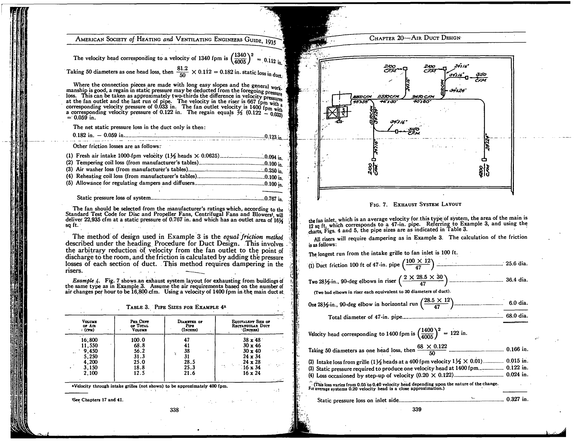
American Society of HeAting and Ventilating Engineers GuideTI^j' (1340 \ 2 4005 ) ~ 0 U2 ` 812 * Taking 50 diameters as one head loss, then X 0.112 = 0.182 in. static loss in dUct Where the connection pieces are made with long easy slopes and the general wort.'
refid# Rj4er36J6oR3qDzMem8bkxwvk1 page
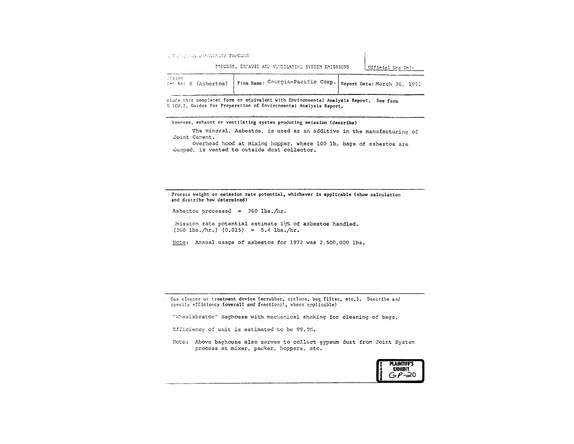
::.ib rkOG;iA:i rnccMSS, exnaust ai;:' vE:rriLATi!
refid# O34DMyNw82BZdvppOBbye9EXL1 page
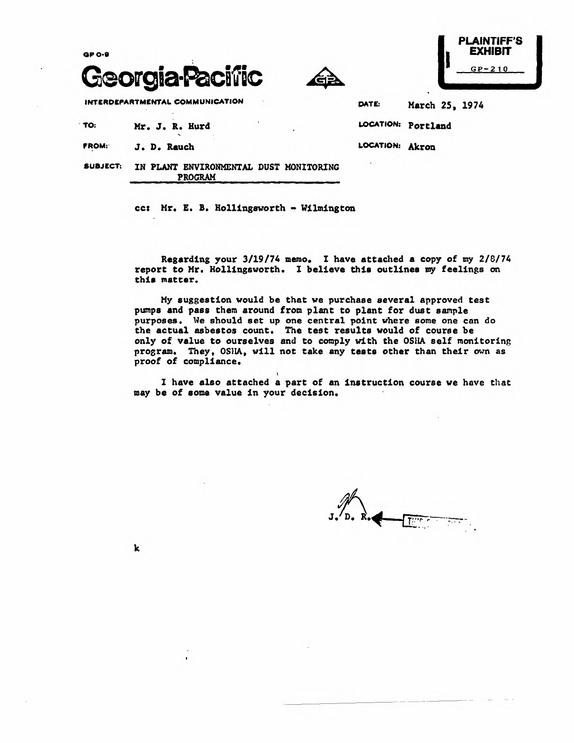
OP 0*9 Georgia-FfecStfoc 4^ PLAINTIFF'S EXHIBIT GP-210 INTERDEPARTMENTAL COMMUNICATION TO: PROM: Hr.
refid# nkX9wo4MOqVGrpv3JGqM7RGRR1 page
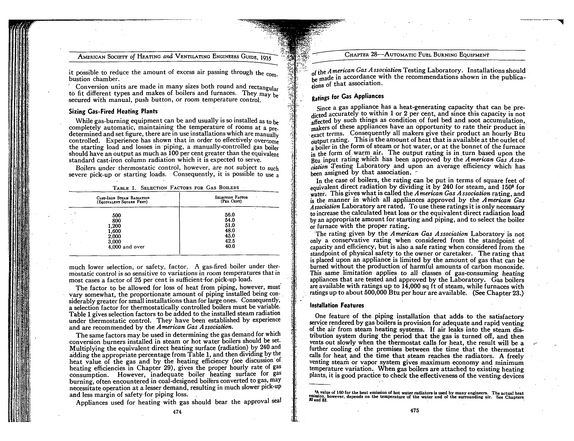
American Society of Heating and Ventilating Engineers Guide, 1935 it possible to reduce the amount of excess air passing through the com bustion chamber.
refid# 852x5o4LkBrOxZNo6YG03KoLm1 page
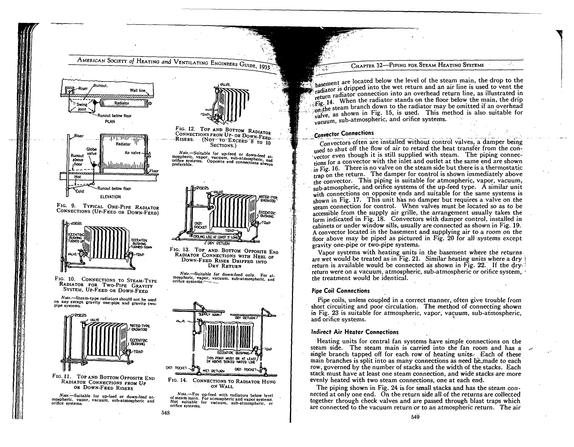
American Society of Heating and Ventilating Engineers /Rui Wall line. ...A.
refid# nkjkD5GD72e64Vn2v4nzjJGra1 page
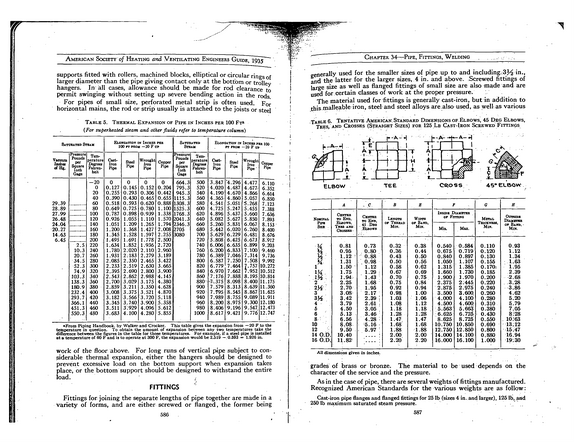
/ / American Society of Heating and Ventilating Engineers Guide, 1935 supports fitted with rollers, machined blocks, elliptical or circular rings of larger diameter than the pipe giving contact only at the bottom or trolley hangers.
refid# ykNObokzJNY3D54z1v7y3XKw41 page
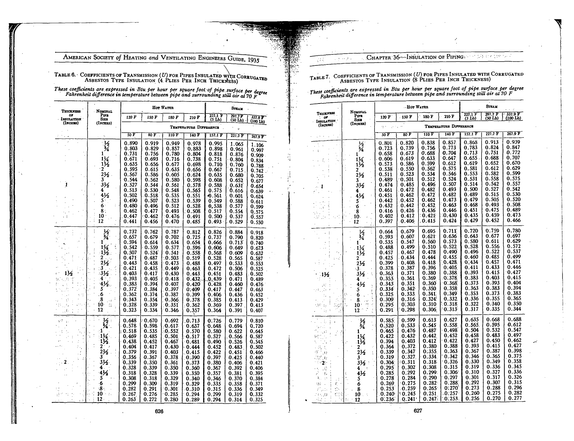
ofAmerican Society Heating and Ventilating Engineers Table 6. - Coefficients of Transmission (U) for Pipes Insulated wtth CoRRur Asbestos Type Insulation (4 Plies Per Inch Thickness) atkd These coefficients are expressed in Btu.per hour per square foot of pipe, surface per de Fahrenheit difference in temperature between pipe and surrounding still air at 70 F Thickness or Insuiation (Inches) i ia Nominal Pipe Size (Inches) Hot Water 120 F | 150 F I ISO F 210 F 227.1 V (5 Lb) Temperature Dippebench .
refid# 6MLp5QJm11d1XzmRKYJrrXzR1 page
; ''r- V " .v~ r-HUJ- American Society 0/Heating and Ventilating Engineers Guide, 1935 Winter, . comfort zone, , conditioning, apparatus for, cooling in, humidification in, relative humidity in, temperatures, wind .velocities and directions.
refid# rpOJyb96JrD8be8bvyO89LeGe1 page