H.
refid# L4wOGvgoLN4DVeBXz09ObLBg11 pages
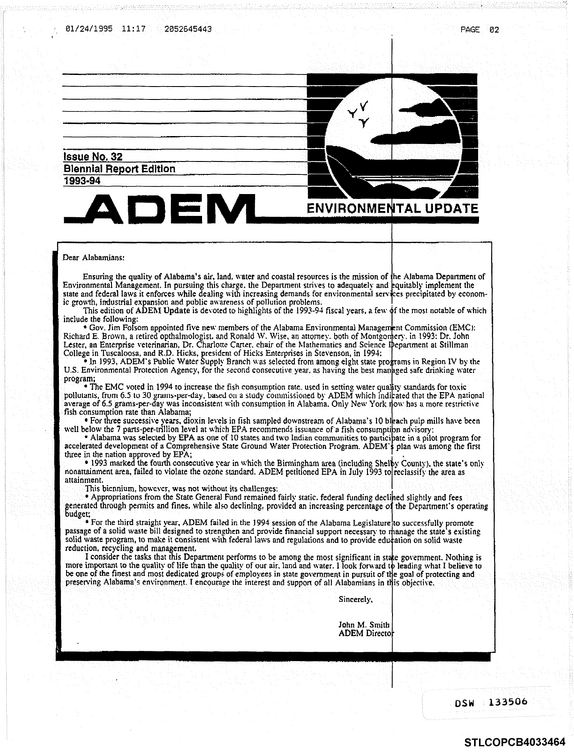
Only New York i ow has a more restrictive fish consumption rate than Alabama; For three successive years, dioxin levels in fish sampled downstream of Alabama's 10 bis;ach pulp mills have been well below the 7 parts-per-trillion level at which EPA recommends issuance of a fish consumptibwi advisory: Alabama was selected by EPA as one of 10 states and two Indian communities to partici i>; ate in a pilot program for accelerated development of a Comprehensive State Ground Water Protection Program.
refid# rRBBwN4rj0w5wpvnY8r3NQZV9 pages
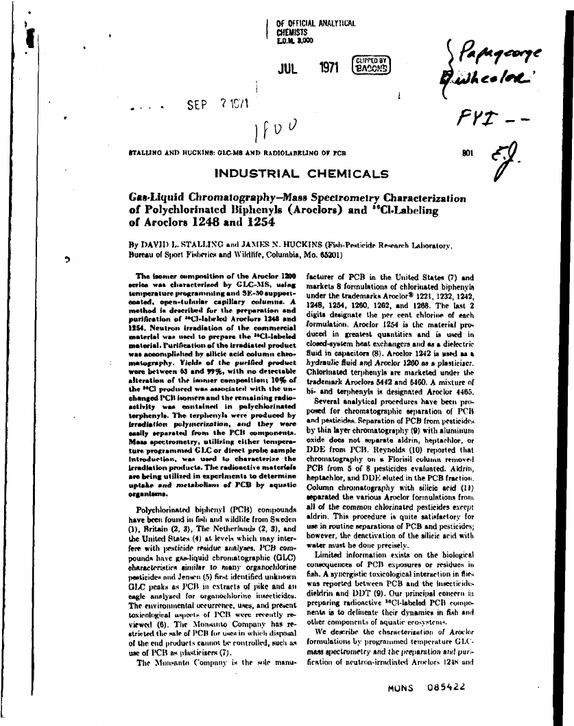
Limited information exists on the biological consequences of PCB exposures or residues in fish.
refid# Jx7gR7D1rN18OdDvy0vB3pr67 pages
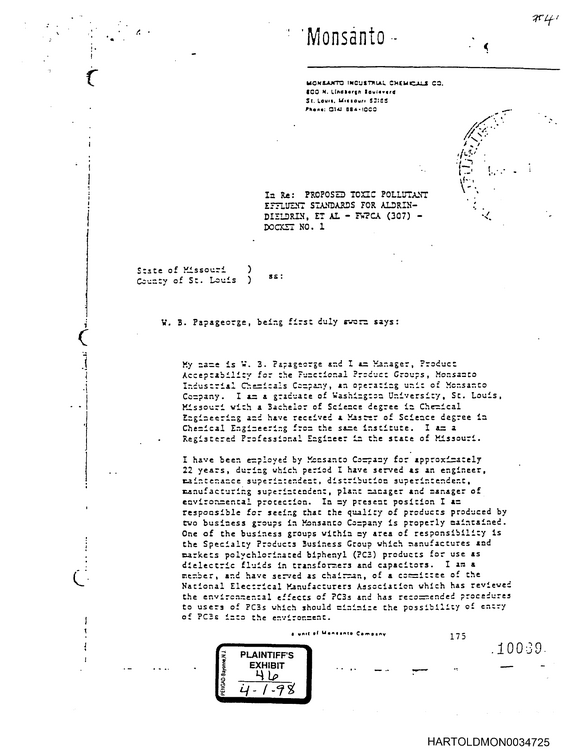
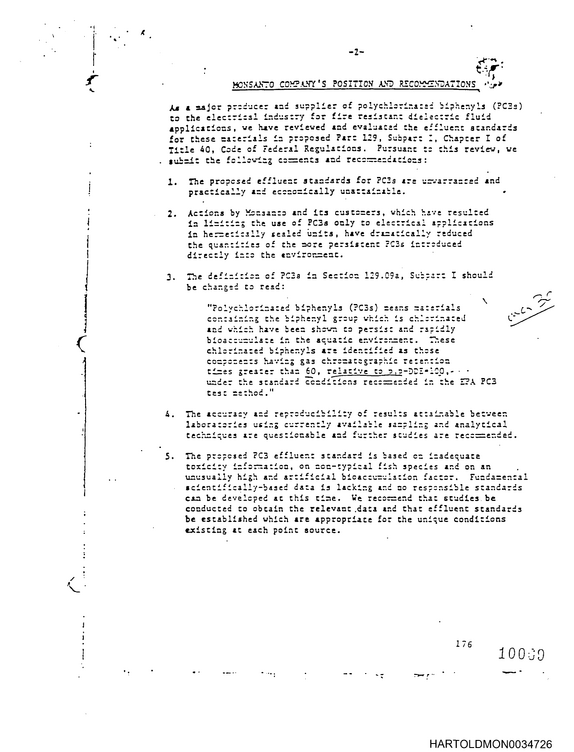
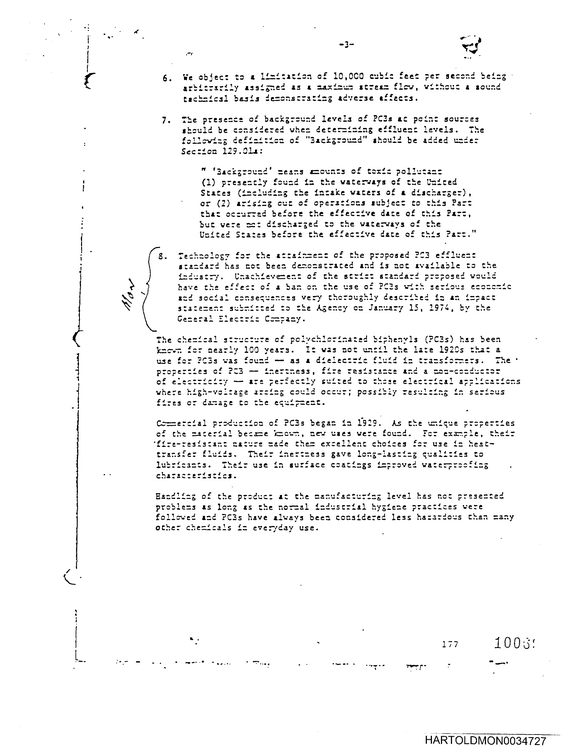
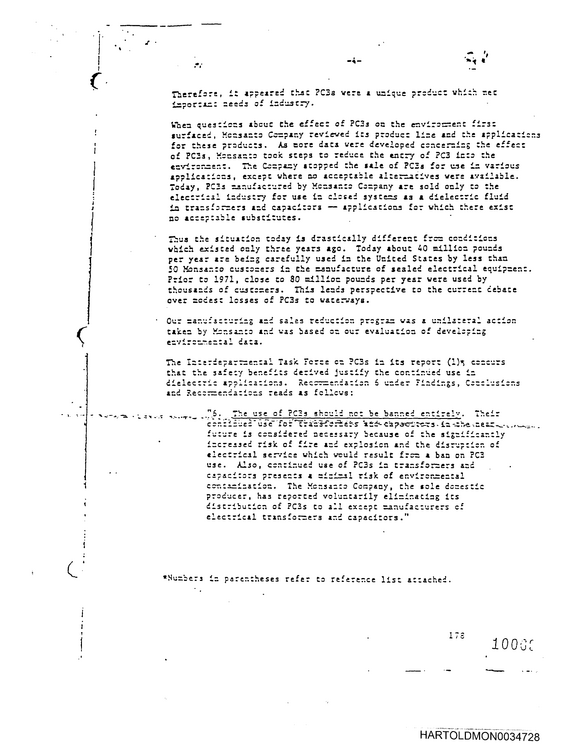
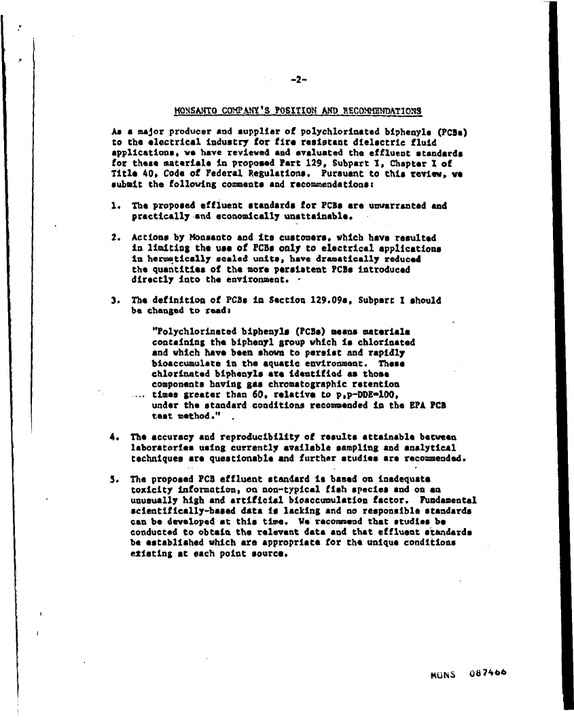
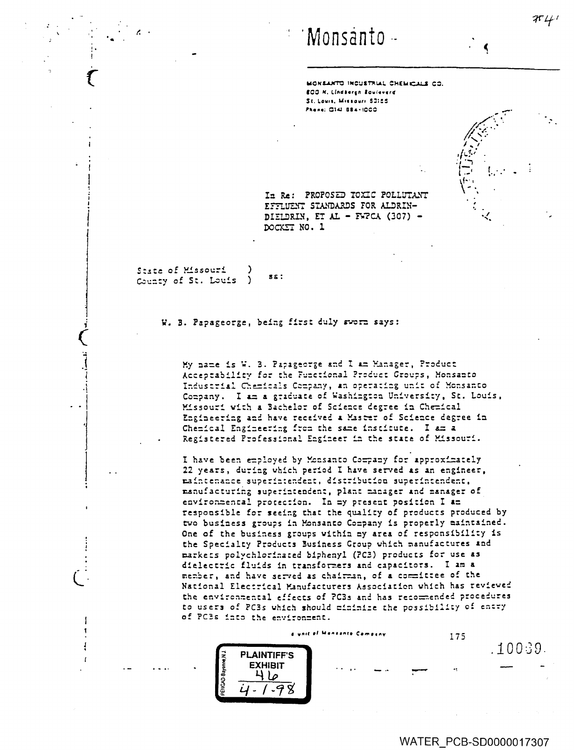
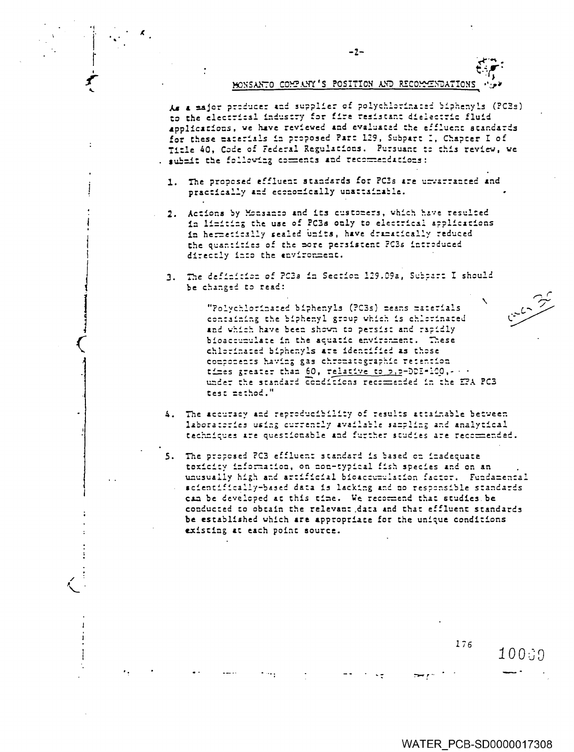
The proposed PC3 effluent standard is based cn inadequate toxicity information, on non-typinal fish species ar.d on an .
refid# 7168bmDQ5Kkw6RbG6yjeZnZ1g15 pages
Limited Information exists on the biological consequences of PCS exposures or residues In fish.
refid# Ozoq3XB8n5pJe3r2nYeYRK4Bv28 pages
Huelcina Fish-Pesticide Research Laboratory Route 1, Columbia, Missouri 65201 Polychlorinated biphenyls (PCBs) have been found in fish and wildlife from Sweden (1), Britain and tba Netherlands (2,3) and Che Dnltad States (4) at levels which nay interfere with pesticide residua analyses.
refid# a1x8Jn44ngjQbOBXpmnYxGp4N28 pages
., 1970), in Scottish and Canadian seals and porpoises (Holden and Marsden, 1967), in birds and fish from California and the Pacific (Risebrough et al.,. 1968), in fish, mussels, and birds of the Netherlands (Koeraan et al., 1969), 1/Reglstered names include Aroclor, Clophen, and Phenochlor DSW 038543 STLCOPCB4022367 2 in North American cormorants and pelicans (Anderson et al., 1969), in marine animals of Sweden (Jensen et al., 1969), and in North American bald eagles (Bagley et al., 1970), In both environment and laboratory, PCB's behave like DDT and other organochlorine pesticides.
refid# DqgM2b7aD46Bow70VBBRz4V521 pages
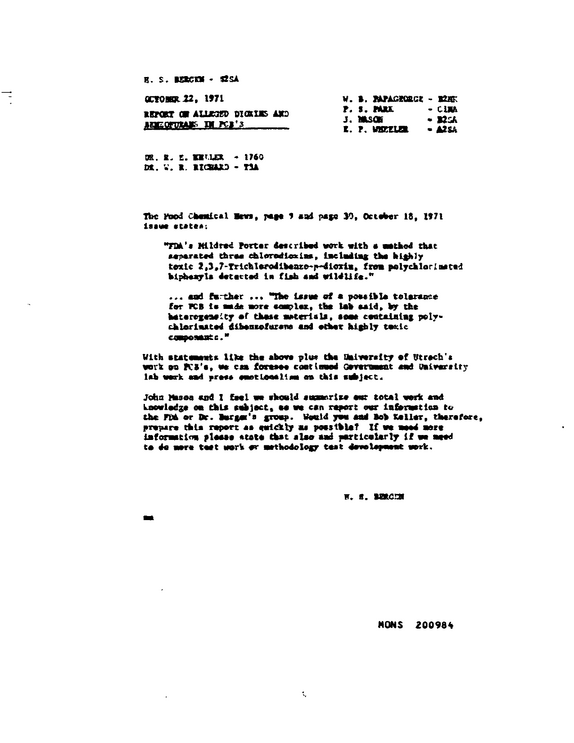
Residues of polychlorinated biphenyls (PCR) have been reported in wildlife species, notably fish and fish-eating birds, by investigators ex mining these specimens for residuesof chlorinated pesticides (1-8).
refid# pmn24O8Lwa95G170QjexY9pew8 pages
Limited Information exists on the biological consequences of PCB exposures or residues in fish.
refid# 6B65zM3ve3o8o64M2LEVBjxQ17 pages
The proposed PCB effluent standard la based on inadequate toxicity information, on non-typical fish species and on an unusually high and artificial bloaccunulatlon factor.
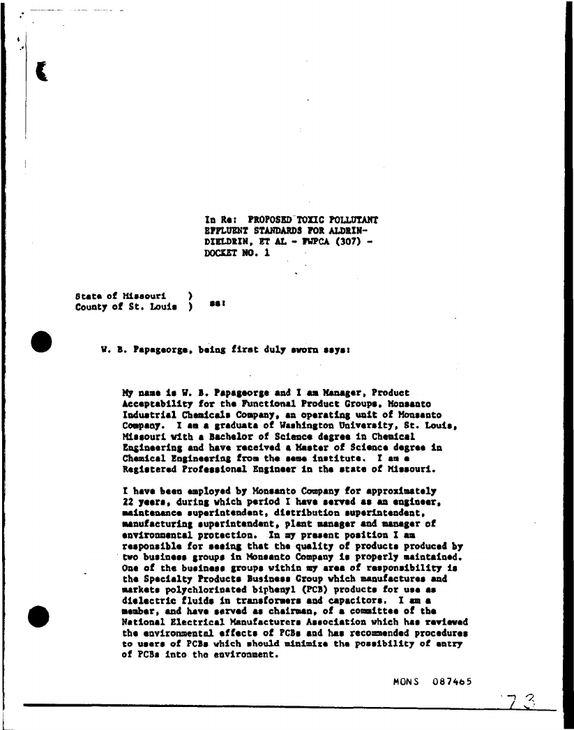
refid# XRK6mZ09546k6x82Z40GZJwXB15 pages
., 1970]f, in Scottish and Canadian seals and porpoises (Holden and Marsden, 1967), in birds and fish from California and the Pacific (Risebrough et al.,. 1968), in fish, mussels, and birds of the Netherlands (Koeman et al., 1969), i/Registered names include Aroclor, Clophen, and Phenochlor DSW 255278 STLCOPCB4060969 2 in North American cormorants and pelicans (Anderson et al., 1969), in marine animals of Sweden (Jensen et al., 1969), and in North American bald eagles (Bagley et al., 1970).
refid# xjD72RmveOOgN1M0yxEMapg5621 pages
The proposed PC3 effluer.r standard is based cn inadequate toxicity information, on non-typical fish species ar.d on an .
refid# yp8DnwjQBdnZYRv9Y8XgZOw8V15 pages
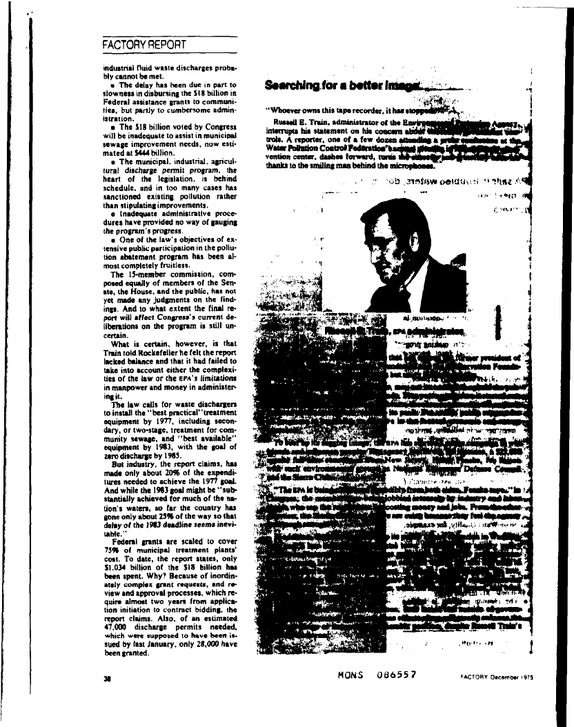
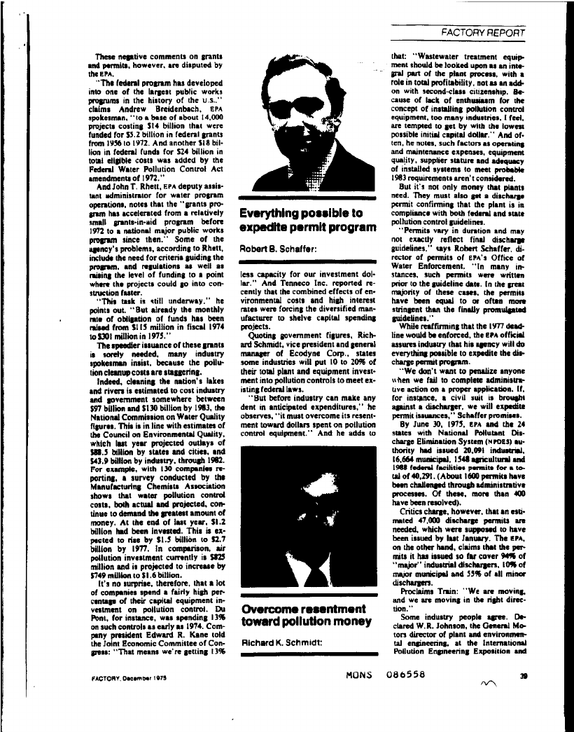
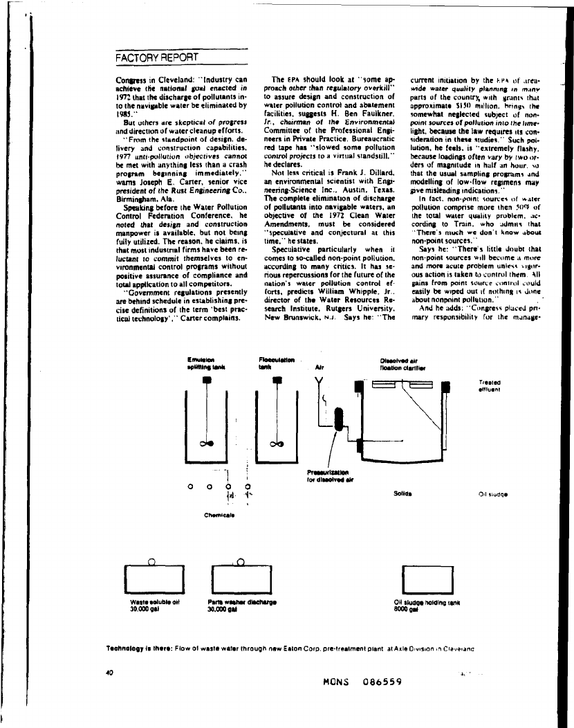
0 DEC 4M4C FACTORY MO. 95,000 rcuppEoen 1975 iBACONSI v FACTORY reports Water pollution control Cleanup goal oceans and fortunes away ERA <allt In troubled waters, doasn't mpact Industry will maat pollution daadllno bacauso of tanglad triumvirate of oconomlc, snargy and anvlronmantal Ills " W ire not going to attain the 1977 or 1983 water cleanup goaie, there'* never been s question about it, and big dramalic results still remain a promise of the future."
refid# gE5O9nNy53VGN5wdB78Rd3xdL6 pages
a bad taste to water and fish
refid# YDkoEb0DRjgEzeg53257en5jn13 pages
Similar findings in fresh water and marine fishes were reported by Zitko (3) and Jensen, et al., (26).
refid# emVq06XV9Y0Jw7X2gzgpzbjxG30 pages