Refine
Estimated Years UndatedClear
34,161 results foundRefine Search
PEIRCE & TOWLE Monterey's Leading Hardware Store to Over U Years - 410 Alvarado Street .

refid# OzGq24X8ppBNY5RxgyOZE2oa11 page
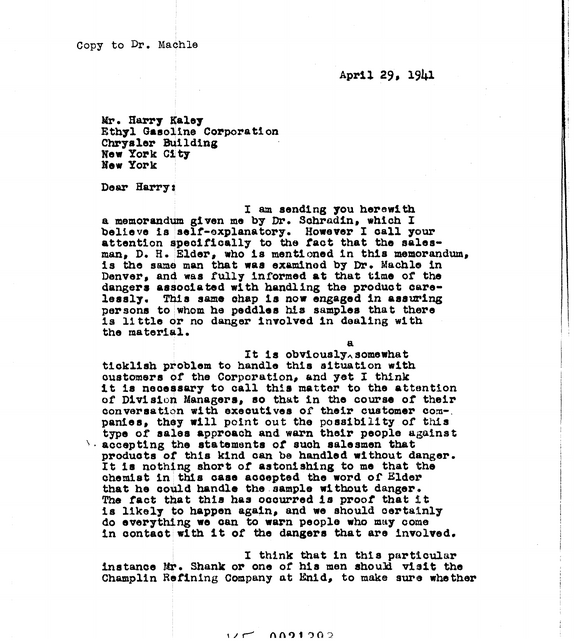
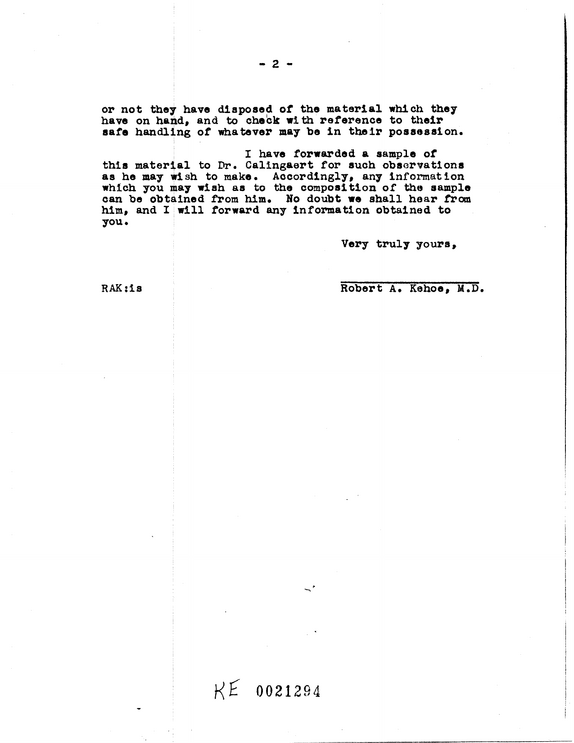
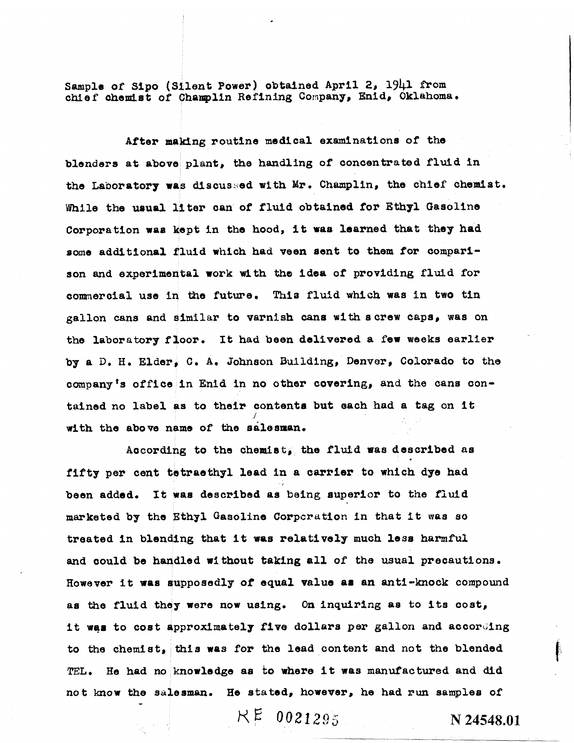
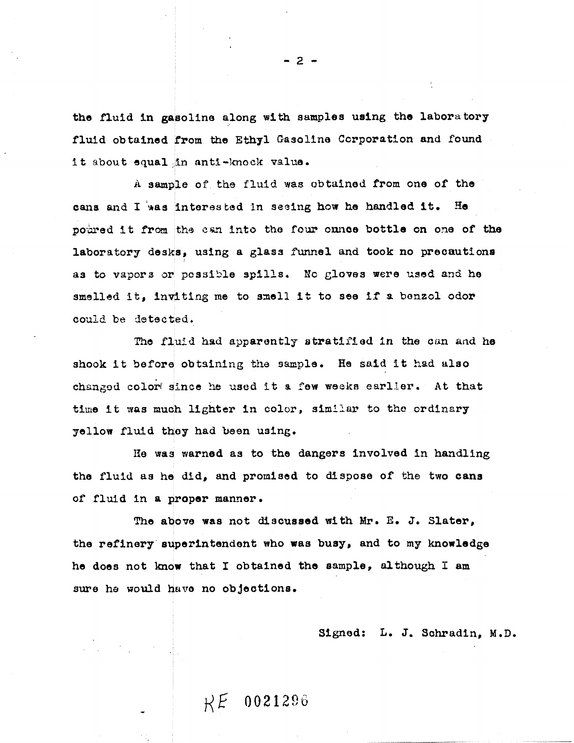
According to the chemist* the fluid was described as fifty per cent tetraethyl lead in a carrier to which dye had been added.
refid# LoJKj62jVzpVQJD9NMrv70Bk34 pages
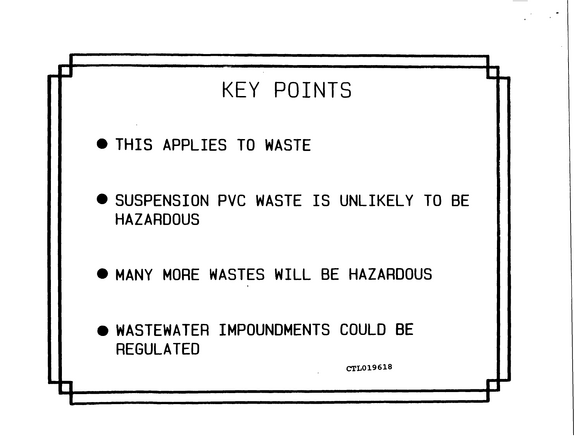
HSWA - HAZARDOUS AND SOLID WASTE ACT (1984) DEFINITION OF HAZARDOUS WASTE Listed waste (KOI 9, K020) * Characteristic waste (Ignitable, Reactive, Corrosive, EP Toxic) CTL019619 EP TOXICITY tu EP - EXTRACTION PROCEDURE EXTRACT WASTE FOR 24 HOURS WITH ACIDIC AQUEOUS SOLUTION ANALYZE LEACHATE WASTE IS HAZARDOUS IF LEACHATE CONTAINS ABOVE REGULATORY LEVELS * 8 Metals * 6 Pesticides CTL019620 EP TOXICITY REGULATORY LEVELS (mg/1) ARSENIC 5.0 BARIUM 100.0 CADMIUM 1.0 CHROMIUM 5.0 2,4--D 10.0 ENDRIN 0.02 LEAD 5.0 LINDANE 0.4 MERCURY 0.2 METHOXYCHLOR 10.0 SELENIUM 1.0 SILVER 5.0 TOXAPHENE 0.5 CTL019621 2,4,5--TP 1.0 TCLP/TC TCLP - TOXICITY CHARACTERISTIC LEACHING PROCEDURE TC - TOXICITY CHARACTERISTIC CTL019622 TIMING PROPOSED - JUNE 13. 1986 FINAL - MARCH 29. 1990 EFFECTIVE DATE - SEPTEMBER 25. 1990 LARGE QUANTITY GENERATORS EFFECTIVE DATE - MARCH 29. 1991 SMALL QUANTITY GENERATORS CTL019623 TGLP - THE PROCEDURE 18 HOUR EXTRACTION OF WASTE AQUEOUS ACIDIC SOLUTION ZERO HEADSPACE EXTRACTOR WASTE IS HAZARDOUS IF EXTRACT CONTAINS ABOVE REGULATORY LEVELS * 8 Metals * 6 Pesticides * 26 Organics LEACHING SOLUTION IS MORE AGGRESSIVE THAN THAT USED FOR EP CTL019624 IMPACT OF TC NEW REGULATORY LEVELS * EDC 0.5 mg/I (500 ppb) *VCM 0.2 mg/I (200 ppb) * BENZENE 0.5 mg/I (500 ppb) WHAT COULD NOW BE HAZARDOUS?
refid# MJa4a0wY2J4kNye9KJZE828zM18 pages
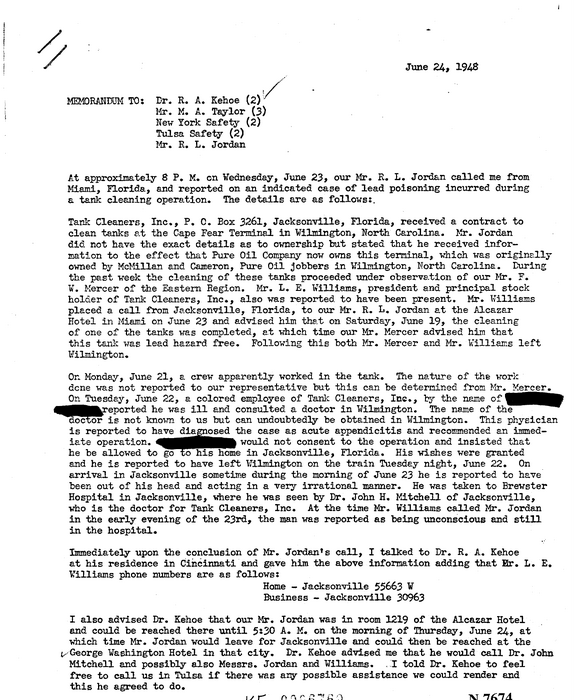
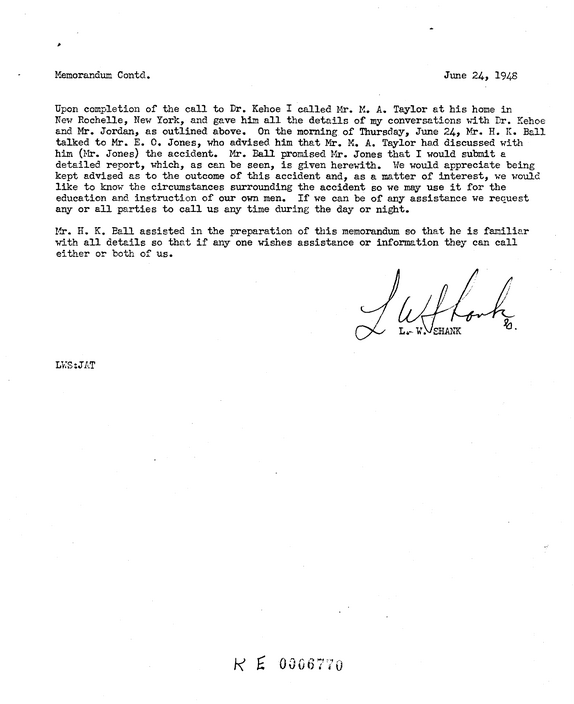
Mercer advised him that this tank was lead hazard free.
refid# ByZQnJ1r8wvLBnQqMe51V9zLL2 pages
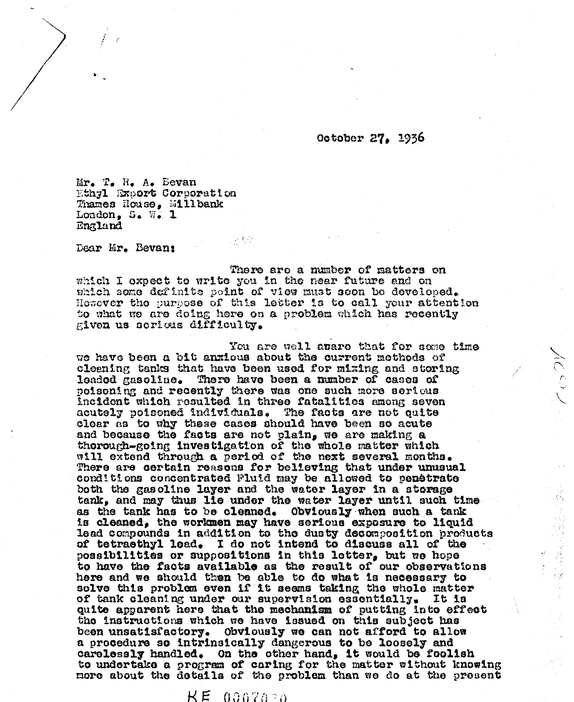
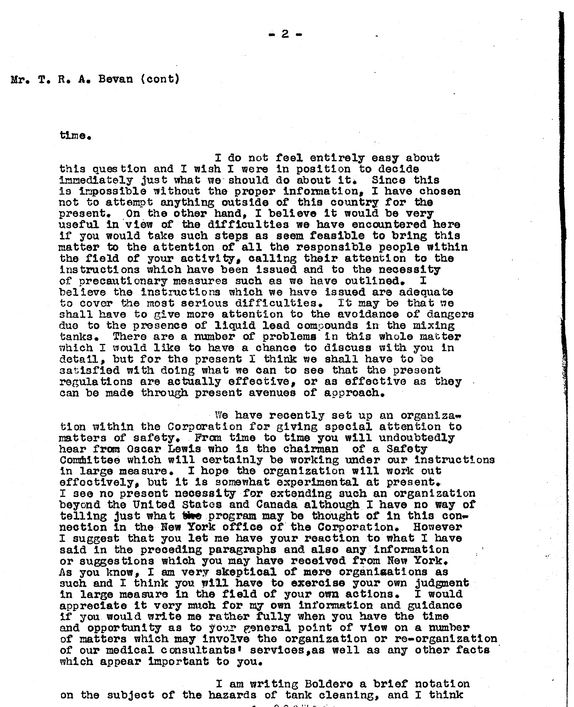
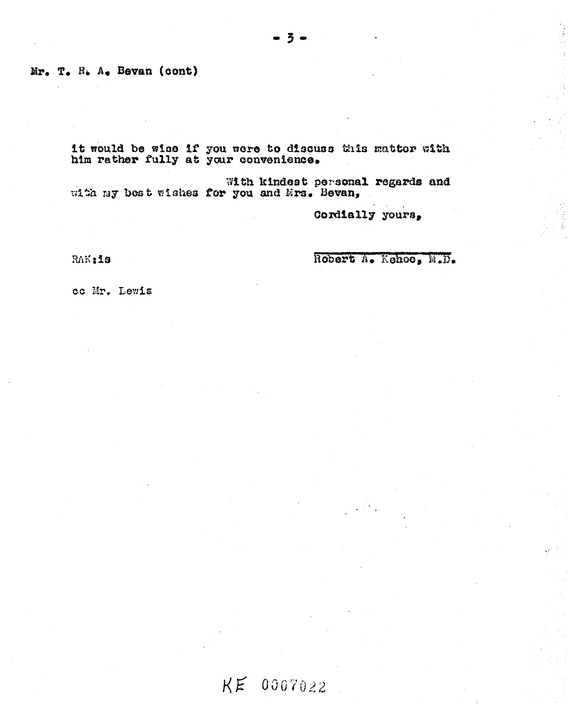
Obviously when such a tank is cleaned, the workmen may have serious exposure to liquid lead compounds in addition to tho dusty decomposition products of tetraethyl load# I do not intend to discuss all of the possibilities or suppositions in this letter* but no hope to have tho facts available as the result of our observations here and we should then be able to do what Is necessary to solve this problem even if it seems taking the whole matter of tank cleaning under our supervision essentially# It is quite apparent here that the mechanism of putting into effect tho instructions which we have issued on this subject has been unsatisfactory.
refid# OE2Br0z1qDG1BOMLEnKNpmOpp3 pages
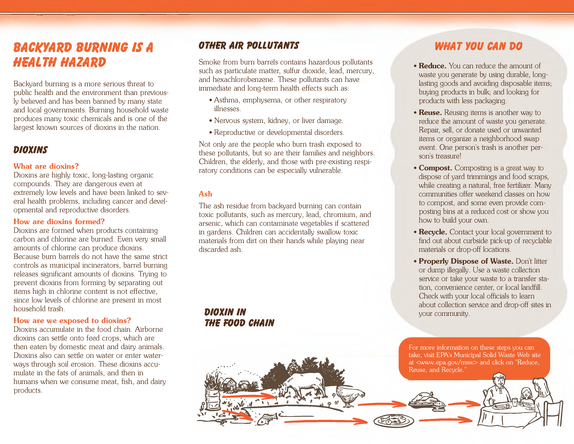
other Air PouutaNts Smoke from burn barrels contains hazardous pollutants such as particulate matter, sulfur dioxide, lead, mercury, and hexachlorobenzene.

refid# wDw0knE1kD7348eD1do4vDMxB2 pages
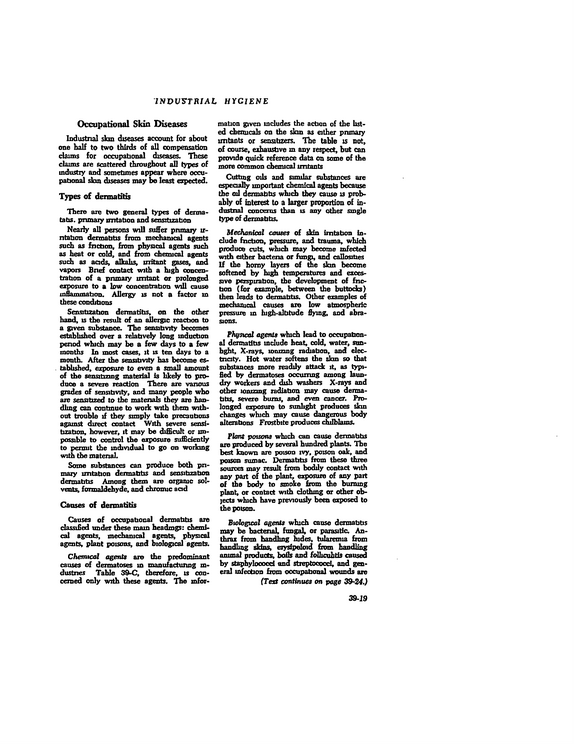
Physical agents which lead to occupation al dermatitis include heat, cold, water, sunbght.
refid# 6bvGk45o8M46b2JeQ5b3L2Zpg1 page
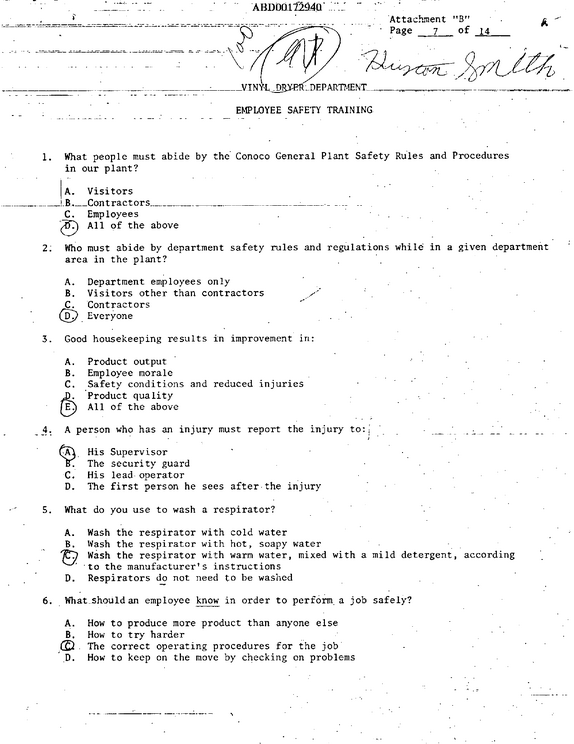
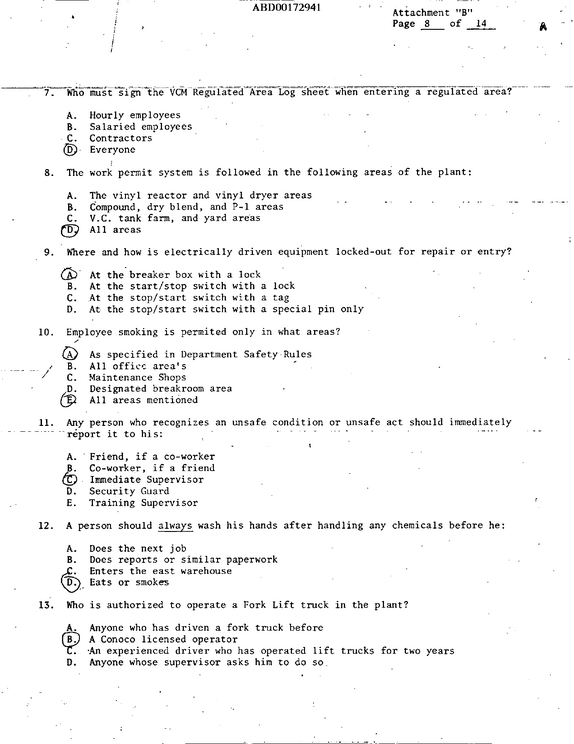
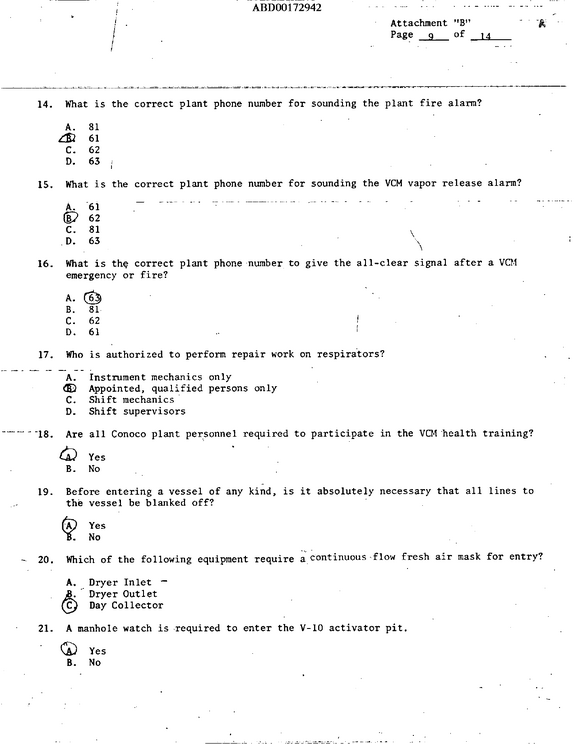
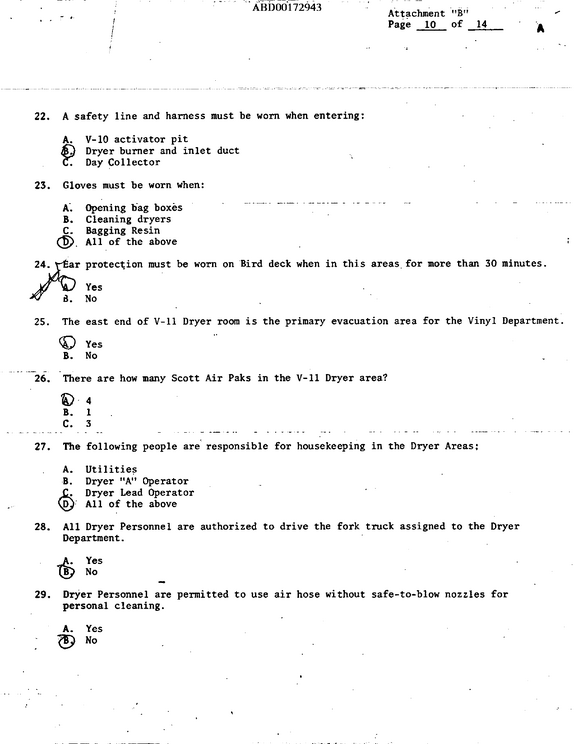
His lead operator D.
refid# q3be2oD4GddnZe37kELE8Q2Xq4 pages
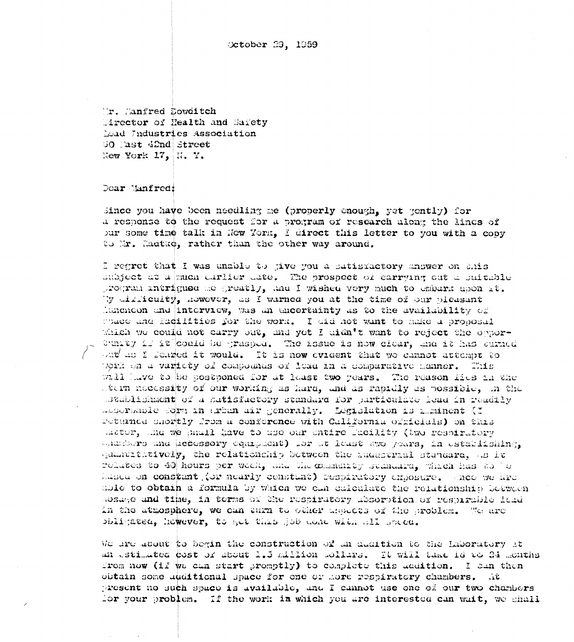
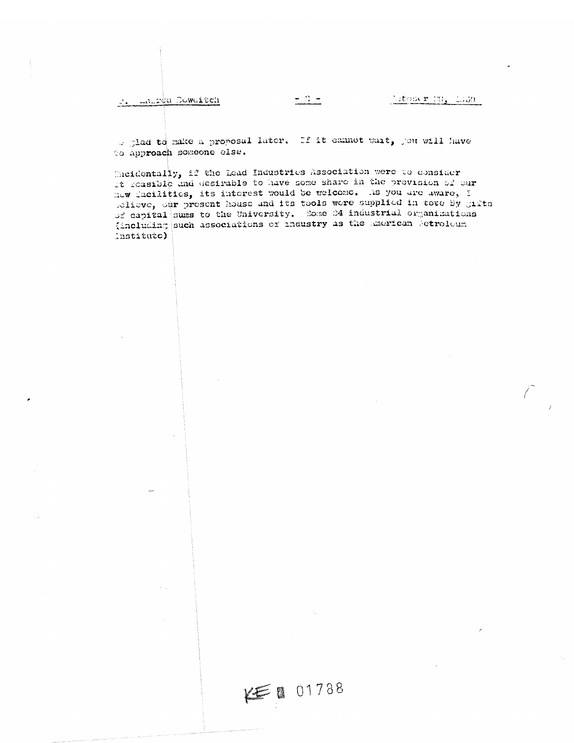
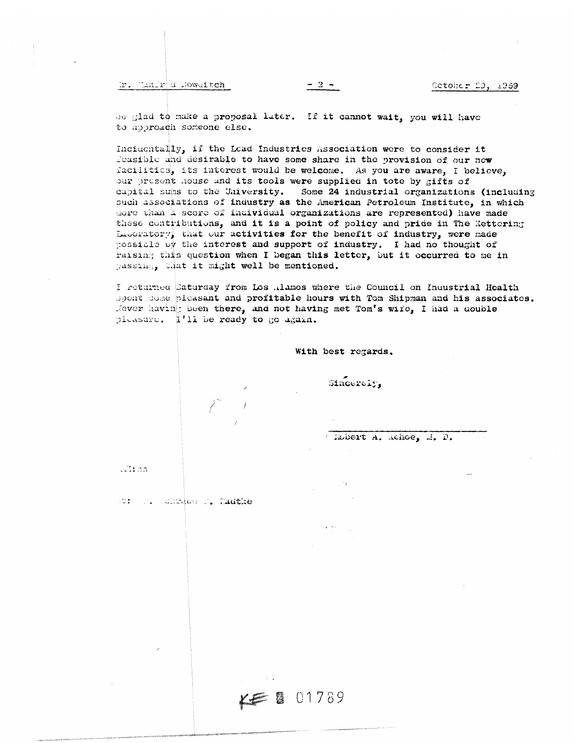
If it cannot wait, you will have Incidentally, if the Lead Industries Association were to consider it feasible and desirable to have some share in the provision of our new facilities, its interest would be welcome.
refid# VGj7NNOD5V1eb7vXV92537gnp3 pages
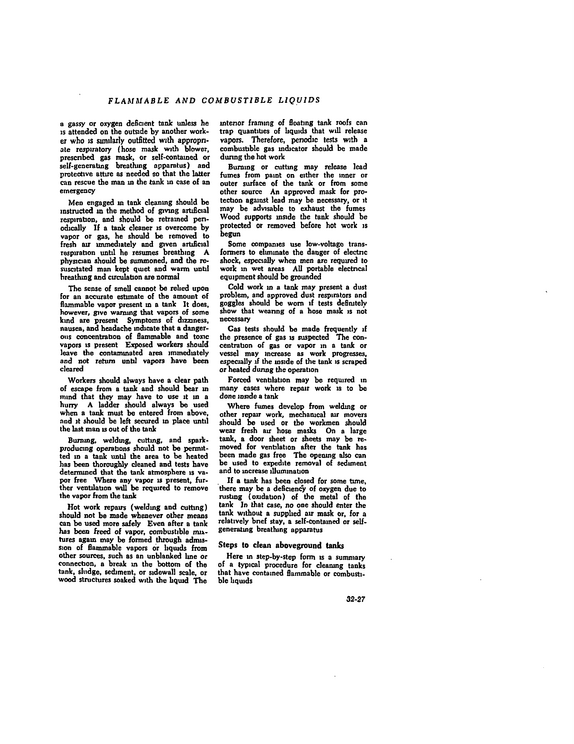
Therefore, penodic tests with a combustible gas indicator should be made during the hot work Burning or cutting may release lead fumes from paint on either the inner or outer surface of the tank or from some other source An approved mask for pro tection against lead may be necessary, or it may be advisable to exhaust the fumes Wood supports inside the tank should be protected or removed before hot work is begun Some companies use low-voltage trans formers to eliminate the danger of electnc shock, especially when men are required to work in wet areas All portable electrical equipment should be grounded Cold work in a tank may present a dust problem, and approved dust respirators and goggles should be worn if tests definitely show that wearing of a hose mask is not necessary Cas tests should be made frequently if the presence of gas is suspected The con centration of gas or vapor m a tank or vessel may increase as work progresses, especially if the mside of the tank is scraped or heated during the operation Forced ventilation may be required in many cases where repair work is to be done inside a tank Where fumes develop from welding or other repair work, mechanical air movers should be used or the workmen should wear fresh air hose masks On a large tank, a door sheet or sheets may be re moved for ventilation after the tank has been made gas free The opening also can be used to expedite removal of sediment and to increase illumination If a tank has been closed for some time, there may be a deficiency of oxygen due to rusting (oxidation) of the metal of the tank In that case, no one should enter the tank without a supplied air mask or, for a relatively bnef stay, a self-contained or self generating breathing apparatus Steps to clean aboveground tanks Here in step-by-step form is a summary of a typical procedure for cleaning tanks that have contained flammable or combusti ble liquids 32-27
refid# BR074kdX10VvpRprrJvMzKo8o1 page
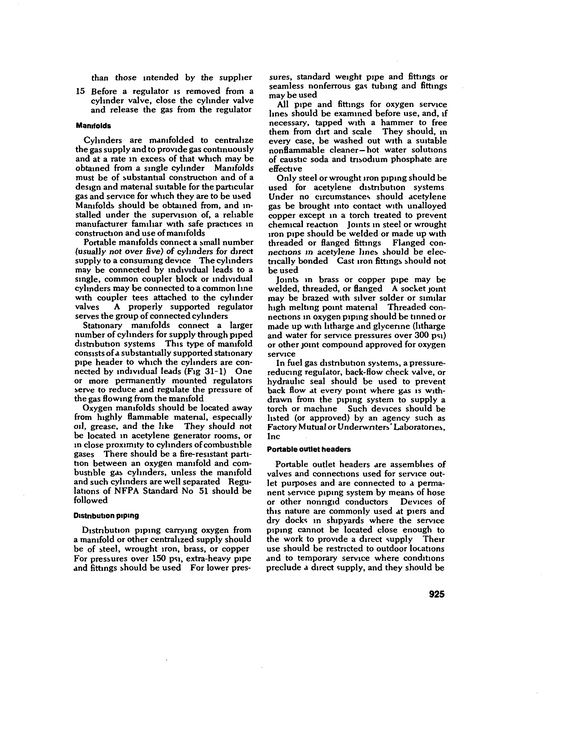
than those intended by the supplier 15 Before a regulator is removed from a cylinder valve, close the cylinder valve and release the gas from the regulator Manifolds Cylinders are manifolded to centralize the gas supply and to provide gas continuously and at a rate in excess of that which may be obtained from a single cylinder Manifolds must be of substantial construction and of a design and material suitable for the particular gas and service for which they are to be used Manifolds should be obtained from, and in stalled under the supervision of, a reliable manufacturer familiar with safe practices m construction and use of manifolds Portable manifolds connect a small number (usually not over five) of cylinders for direct supply to a consuming device The cylinders may be connected by individual leads to a single, common coupler block or individual cylinders may be connected to a common line with coupler tees attached to the cylinder valves A properly supported regulator serves the group of connected cylinders Stationary manifolds connect a larger number of cylinders for supply through piped distribution systems This type of manifold consists ofa substantially supported stationary pipe header to which the cylinders are con nected by individual leads (Fig 31-1) One or more permanently mounted regulators serve to reduce and regulate the pressure of the gas flowing from the manifold Oxygen manifolds should be located away from highly flammable material, especially oil, grease, and the like They should not be located in acetylene generator rooms, or m close proximity to cylinders of combustible gases There should be a fire-resistant parti tion between an oxygen manifold and com bustible gas cylinders, unless the manifold and such cylinders are well separated Regu lations of NFPA Standard No 51 should be followed Distribution piping Distribution piping carrying oxygen from a manifold or other centralized supply should be of steel, wrought iron, brass, or copper For pressures over 150 psi, extra-heavy pipe and fittings should be used For lower pres sures, standard weight pipe and fittings or seamless nonferrous gas tubing and fittings may be used All pipe and fittings for oxygen service lines should be examined before use, and, if necessary, tapped with a hammer to free them from dirt and scale They should, in every case, be washed out with a suitable nonflammable cleaner--hot water solutions of caustic soda and trisodium phosphate are effective Only steel or wrought iron piping should be used for acetylene distribution systems Under no circumstances should acetylene gas be brought into contact with unalloyed copper except in a torch treated to prevent chemical reaction Joints in steel or wrought iron pipe should be welded or made up with threaded or flanged fittings Flanged con nections in acetylene lines should be elec trically bonded Cast iron fittings should not be used Joints in brass or copper pipe may be welded, threaded, or flanged A socket joint may be brazed with silver solder or similar high melting point material Threaded con nections in oxygen piping should be tinned or made up with litharge and glycenne (litharge and water for service pressures over 300 psi) or other joint compound approved for oxygen service In fuel gas distribution systems, a pressurereducing regulator, back-flow check valve, or hydraulic seal should be used to prevent back flow at every point where gas is with drawn from the piping system to supply a torch or machine Such devices should be listed (or approved) by an agency such as Factory Mutual or Underwriters' Laboratories, Inc Portable outlet headers Portable outlet headers are assemblies of valves and connections used for service out let purposes and are connected to a perma nent service piping system by means of hose or other nonngid conductors Devices of this nature are commonly used at piers and dry docks in shipyards where the service piping cannot be located close enough to the work to provide a direct supply Their use should be restricted to outdoor locations and to temporary service where conditions preclude a direct supply, and they should be 925
refid# mpgB6YJ9MkGG4Y1x6yLR24BR01 page
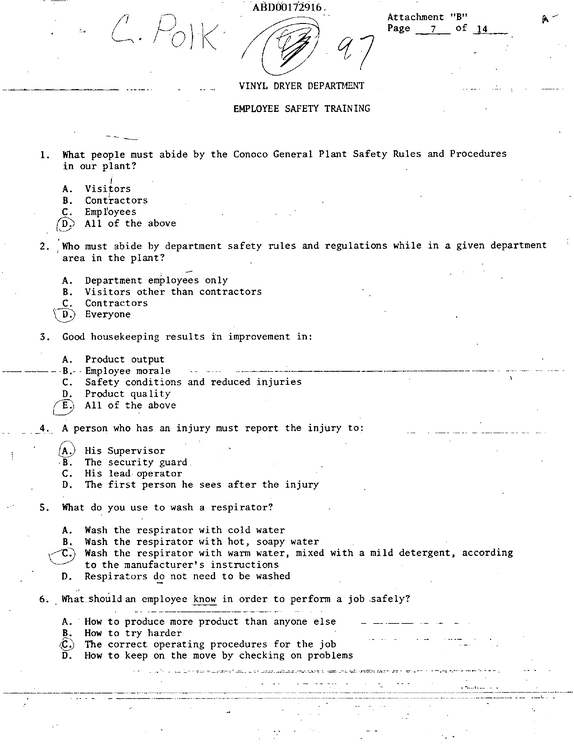
His lead operator The first person he sees after the injury 5.
refid# mBvN4mjmeaQ93Bd5OgrgVjYNO4 pages
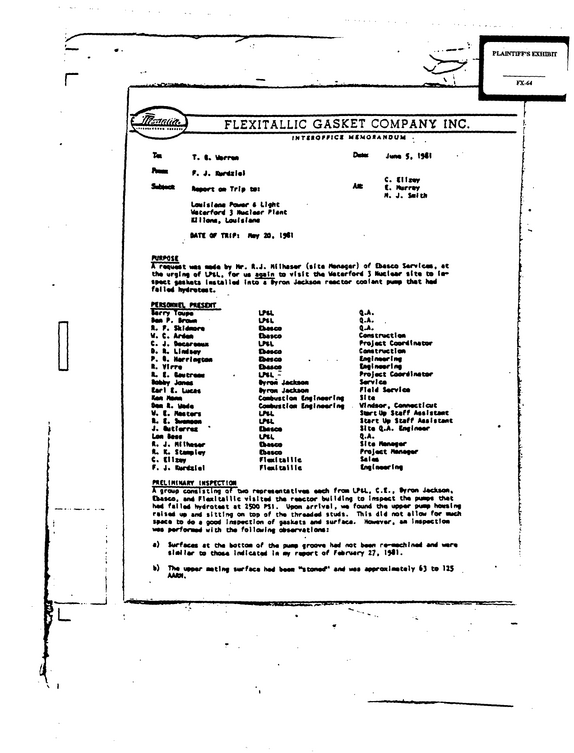
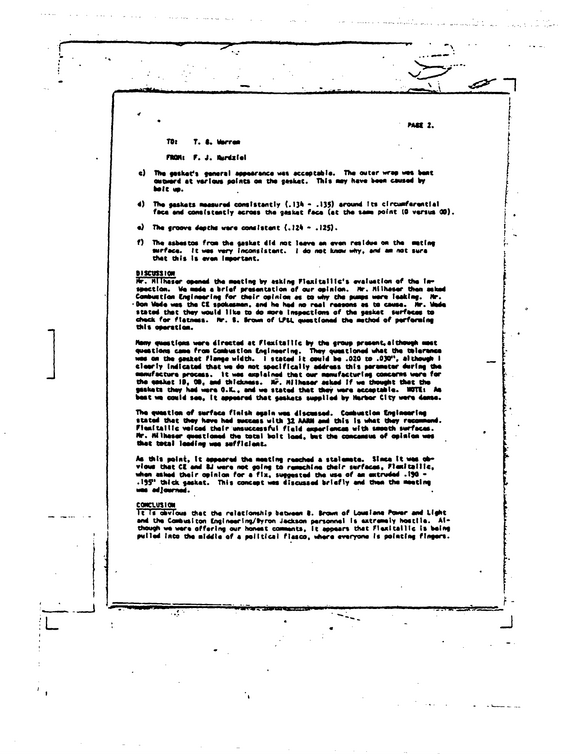
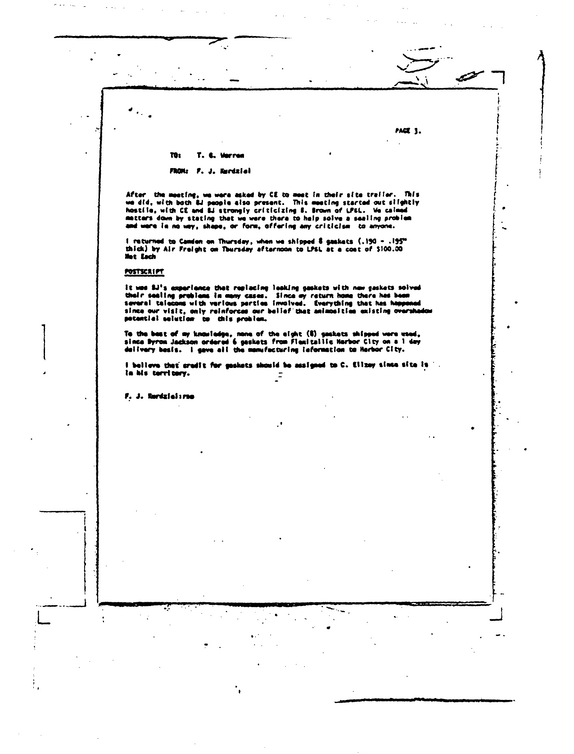
HIlhaser onestinned the total belt lead, but tha concansus of opinion wet that total leading am safflelmi.
refid# NgzN2ke3L1XzKGK2QoJnbO683 pages
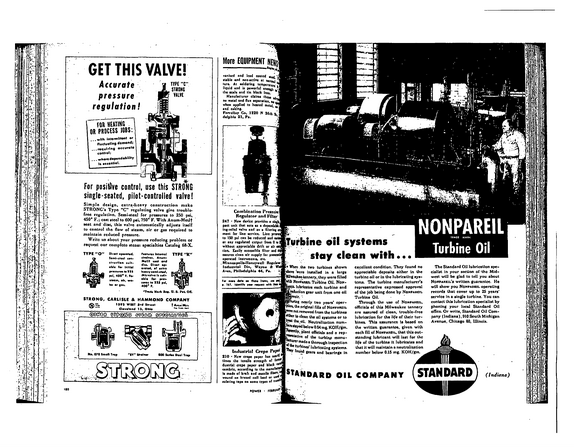
STRONG, CARLISLE A HAMMONO COMPANY VSOJ WIST |rd Stroot **** __________apootond 10, OMa fAmj-lMrr, s SPCIQS aPp0CO6 9ffQSC>' BPggOQtWOBS - Ko. 070 Small Trap "It" Sfralnor 000 Sorlot Stool Trap ISO vonfied ond lead costed oteri'^ atsble snd noa-actWe si aomu] lure.
refid# MGRROZe2aayXJZbV6oL97MMga1 page
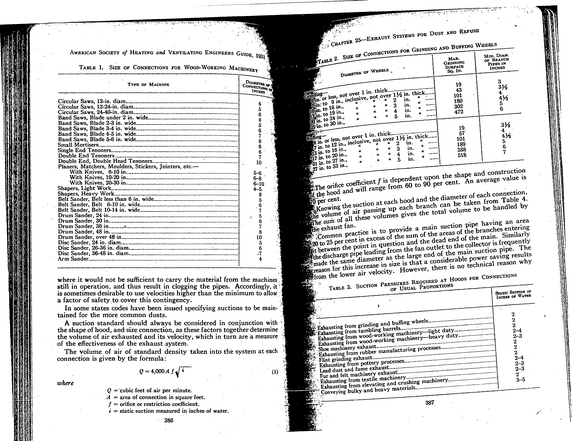
Lead dust and fume exhaust....... ...........................................
refid# v6Rjqw2E4kMEnezBkr1xMw7Ow1 page