Refine
Estimated Years UndatedClear
34,161 results foundRefine Search
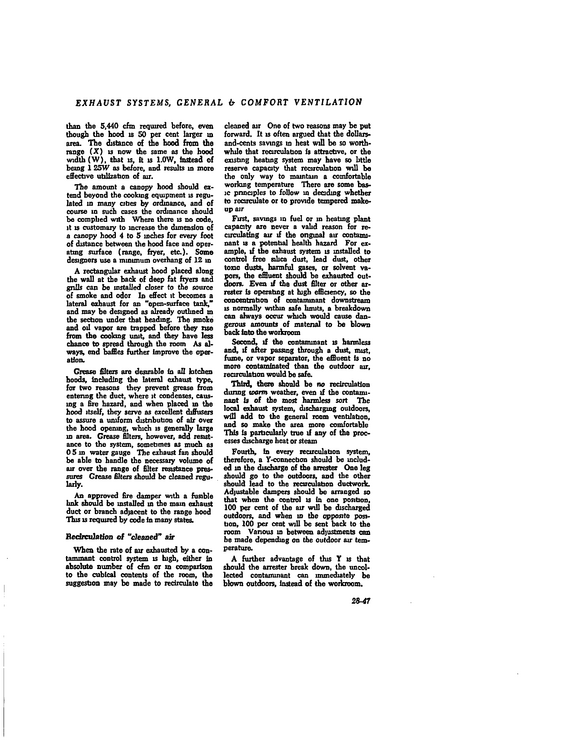
Third, there should be no recirculation during toarm weather, even if the contami nant is of the most harmless sort The local exhaust system, discharging outdoors, will add to the general room ventilation, and so make the area more comfortable This is particularly true if any of the proc esses discharge heat or steam Fourth, in every recirculation system, therefore, a Y-connecbon should be includ ed in the discharge of the arrester One leg should go to the outdoors, and the other should lead to the recirculation ductwork.
refid# MMqQkzKer0bqVz8b0najOQo7z1 page
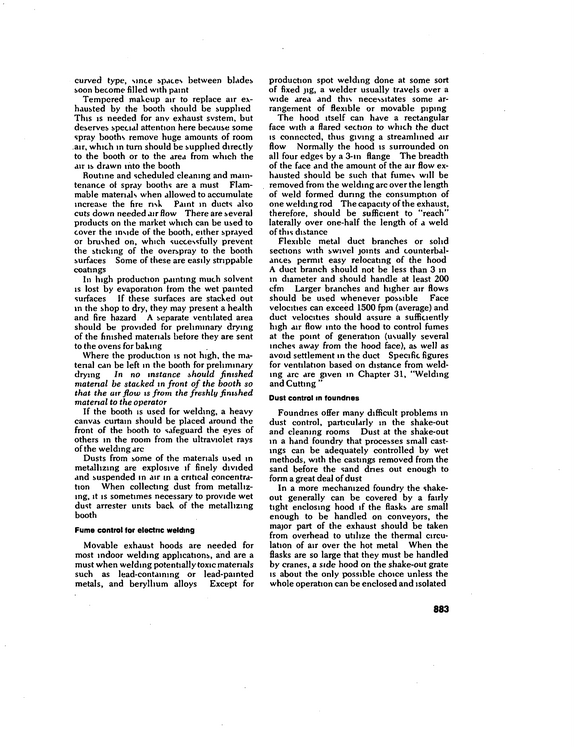
curved type, since spaces between blades soon become filled with paint Tempered makeup air to replace air ex hausted by the booth should be supplied This is needed for any exhaust svstem, but deserves special attention here because some spray booths remove huge amounts of room air, which in turn should be supplied directly to the booth or to the area from which the air is drawn into the booth Routine and scheduled cleaning and main tenance of spray booths are a must Flam mable materials when allowed to accumulate increase the fire risk Paint in ducts also cuts down needed air flow There are several products on the market which can be used to cover the inside of the booth, either sprayed or brushed on, which successfully prevent the sticking of the overspray to the booth surfaces Some of these are easily strippable coatings In high production painting much solvent is lost by evaporation from the wet painted surfaces If these surfaces are stacked out in the shop to dry, they may present a health and fire hazard A separate ventilated area should be provided for preliminary drying of the finished materials before they are sent to the ovens for baking Where the production is not high, the ma terial can be left in the booth for preliminary drying In no instance should finished material be stacked in front of the booth so that the air flow is from the freshly finished material to the operator If the booth is used for welding, a heavy canvas curtain should be placed around the front of the booth to safeguard the eyes of others in the room from the ultraviolet rays of the welding arc Dusts from some of the materials used m metallizing are explosive if finely divided and suspended in air in a critical concentra tion When collecting dust from metalliz ing, it is sometimes necessary to provide wet dust arrester units back of the metallizing booth Fume control for electric welding Movable exhaust hoods are needed for most indoor welding applications, and are a must when welding potentially toxic materials such as lead-containing or lead-painted metals, and beryllium alloys Except for production spot welding done at some sort of fixed jig, a welder usually travels over a wide area and this necessitates some ar rangement of flexible or movable piping The hood itself can have a rectangular face with a flared section to which the duct is connected, thus giving a streamlined air flow Normally the hood is surrounded on all four edges by a 3-in flange The breadth of the face and the amount of the air flow ex hausted should be such that fumes will be removed from the welding arc over the length of weld formed during the consumption of one welding rod The capacity of the exhaust, therefore, should be sufficient to "reach" laterally over one-half the length of a weld of this distance Flexible metal duct branches or solid sections with swivel joints and counterbal ances permit easy relocating of the hood A duct branch should not be less than 3 in in diameter and should handle at least 200 cfm Larger branches and higher air flows should be used whenever possible Face velocities can exceed 1500 fpm (average) and duct velocities should assure a sufficiently high air flow into the hood to control fumes at the point of generation (usually several inches away from the hood face), as well as avoid settlement in the duct Specific figures for ventilation based on distance from weld ing arc are given in Chapter 31, "Welding and Cutting " Dust control in foundnes Foundries offer many difficult problems m dust control, particularly in the shake-out and cleaning rooms Dust at the shake-out in a hand foundry that processes small cast ings can be adequately controlled by wet methods, with the castings removed from the sand before the sand dnes out enough to form a great deal of dust In a more mechanized foundry the shake out generally can be covered by a fairly tight enclosing hood if the flasks are small enough to be handled on conveyors, the major part of the exhaust should be taken from overhead to utilize the thermal circu lation of air over the hot metal When the flasks are so large that they must be handled by cranes, a side hood on the shake-out grate is about the only possible choice unless the whole operation can be enclosed and isolated 883
refid# xdrrmEBV2zbKyoVJdMMYLxGj61 page
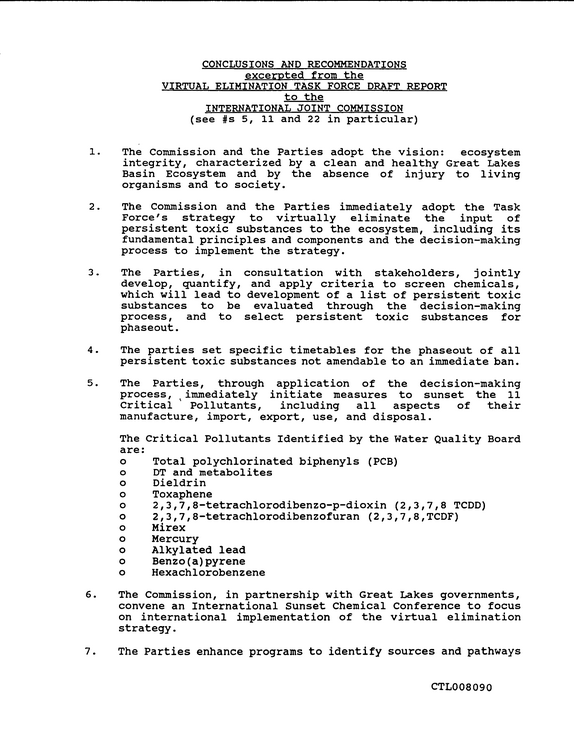
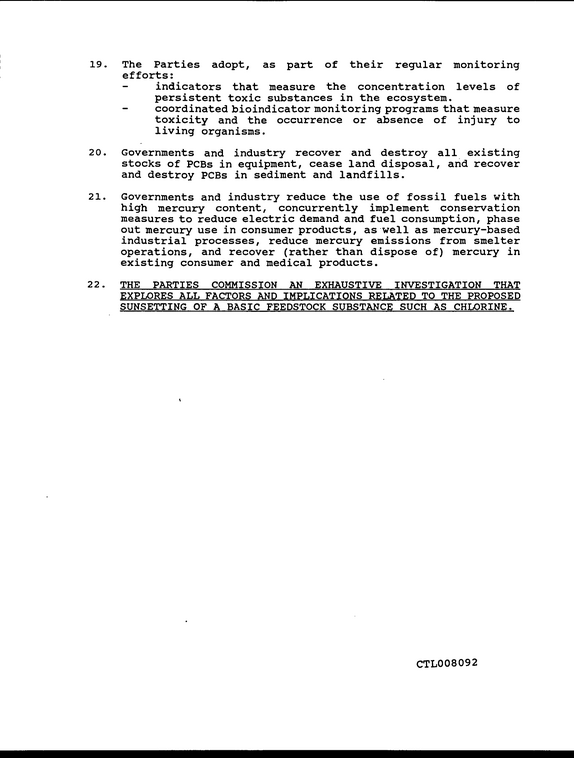
The Parties, in consultation with stakeholders, jointly develop, quantify, and apply criteria to screen chemicals, which will lead to development of a list of persistent toxic substances to be evaluated through the decision-making process, and to select persistent toxic substances for phaseout.
refid# MGx7yMqQz7EDLXOVaYE45MOZ73 pages
EXPLOSIVES O Blasting Powder Blasting Supplies O Charcoal Clay Mining O Farm Explosives Industrial Dynamites Land Clearing Permissible Explosives Refined Nitrate of Soda O Road Building Cl Saltpetre Tree Planting a Wood Pulp SPORTING POWDERS Black Spotting Powder Hand Trap 0 Hunting Pistol Smokeless Powder O Resort Shooting O Rifle Smokeless Powder Shooting in Colleges Cl Shooting on Boats Cl Smokeless Powder Trapshooting PAINTS 0 Amoxide Iron Paint Auto Finish Q Auto Paints and Enamels Bam Paint Bridge port Standard Paint Bridgeport Wood Finishes Colon in Oil Concrete Paint Decorative Stains O Du-Lite for Mills Enamels Ferro-Keep (Metal Paint) Floor Paints Floor Varnishes O Flow Kote Enamel Industrial Paints Q Japans Marine Paints Railway Paints Red Lead Sanitary Wall Finish Shellac Shingle Stain Smokestack Paint Town and Country Paint Vanishes Vitrolac Stain Finish Vitrolac Varnish O Wagon and Carriage Paint Wheeler's Wood Filler Q Wire Screen Paint CHEMICALS O Acids O Alums Barium Chloride Q Belt Cement Benzol Products O Blanc Fixe O Bronze Powder O Bronzing Liquids Carpolene (Wood Preservative) Carpo (Metal Paint) O Coke Creosote Dead Oil Distilled Water Dry Colors Etnet Heavy Chemicals Household Cement Leather Renovators Leather Substitute Solutions Litharge Lithopone Mantle Dips Meta) Lacquer Nitre Cake Parlodion Patent Leather Solutions Pegamoid Aluminum Paint Pitch Pontar Pontoklene Pulp Colors Py-ra-lin Enamel O Pyroxylin Solutions Rubber Makers White Salt Cake Shingle Oil Solvents Split Leather Solutions O Waterproof Cement White Lead Wood Lacquer Wood Oil PY-RA-LIN Brushes Challenge Clcanable Collars Colored Sheeting O Combi Desk Sets Manicure Sets 0 Mirrors Novelty Sheeting Py-ra-lin Pipe Bits 0 Py-ra-lin Rods and Tubes Py-ra-lin Specialties Py-ra-lin Toilet Goods Toiler Sets Transparent Sheeting COATED TEXTILES Auto Truck Special Fabrikoid Q Book-Finish rabrikoid O Craftsman Fabrikoid Fabrikoid for Baggage 0 Fabrikoid for Home Uses Fabrikoid for Railway Uphol stery and Vestibule Curtains Fabrikoid for Upholstering O Fabrikoid Sheeting C Fairfield Hospital Sheeting O Fairfield Rubber Cloth Fairfield Rubber Top Materials O Hat Sweat Material 3 Marine Special Fabrikoid Motor Fabrikoid Rayntite Fabnkoid Auto Top Material Rug Anchor Shoe Fabrikoid Ntans...................................................


refid# v6Jz4vygLKjpjJaZjDonjwoaq2 pages
- lUami Plaps lead lefipery p .a . - Papuan Taoti* s.r.
refid# KE6DzMNJB5YjGZyar1aKjqkX2 pages
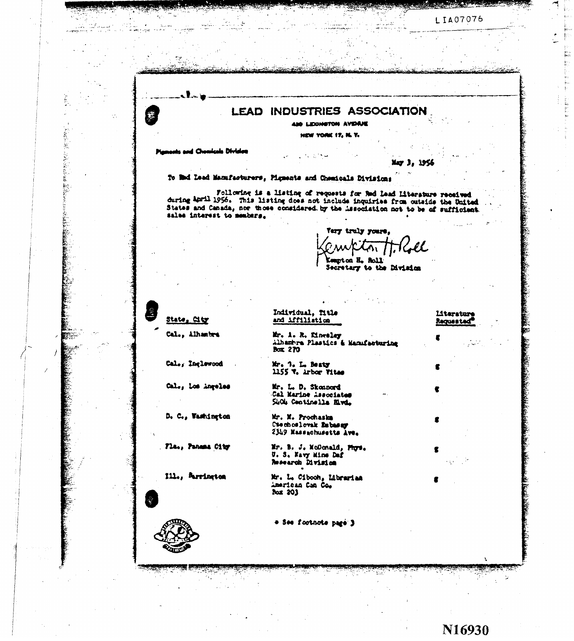
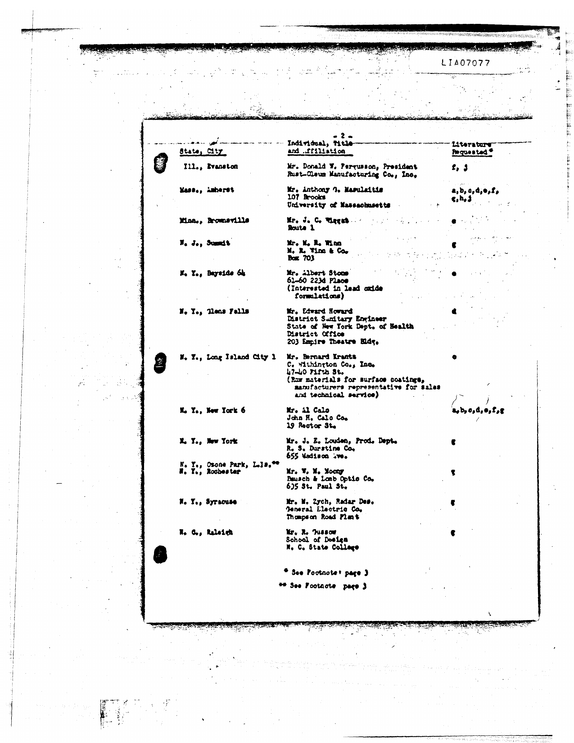
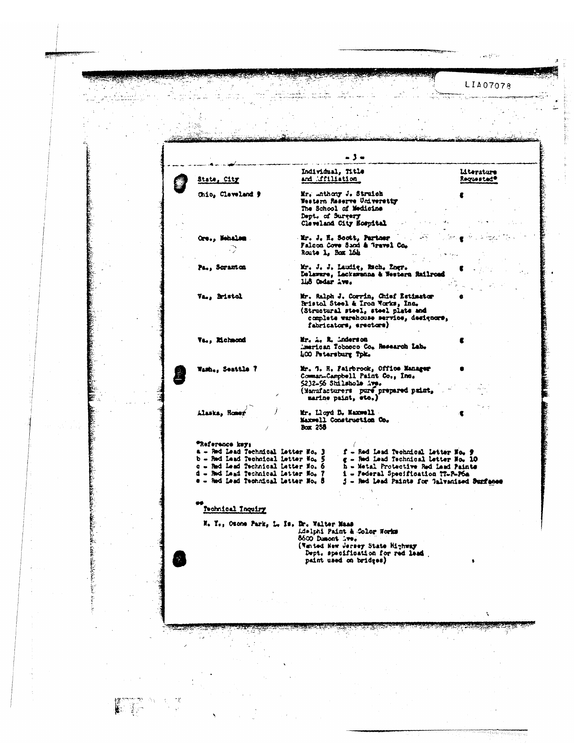
__ L I&07076 -~-------------------------- ------------- --------------------------------------------------- LEAD INDUSTRIES ASSOCIATION 4*0 UDOMTTOM AVCMUK HM fOM IT.
refid# jyaJ5Ye1dLjvaNemx4y2aE19Z3 pages
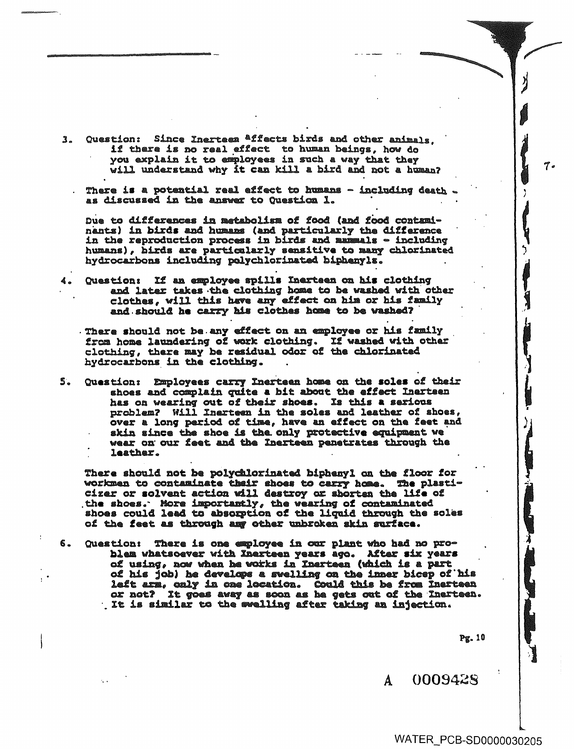
More inporfcagfciy# the wearing of contaminated shoes could lead to absolution of the liquid through the soles of the feet as through other unbroken skin surface
refid# baZ2RJgvymGXNVw5xpXqoRQ9g3 pages
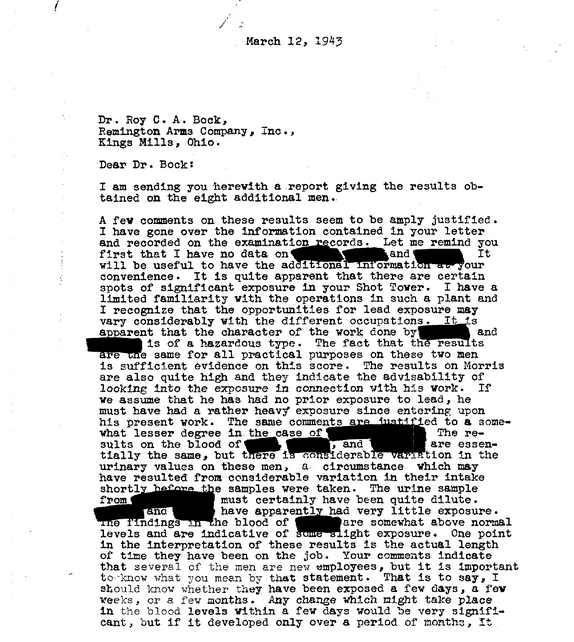
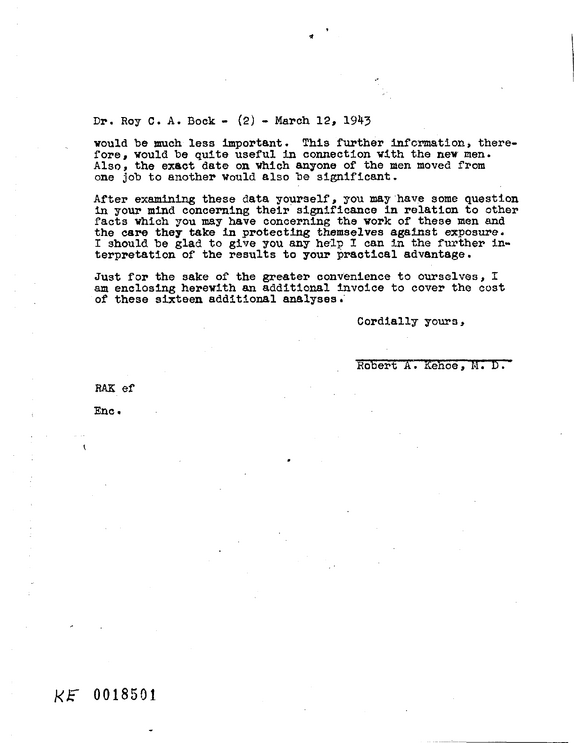
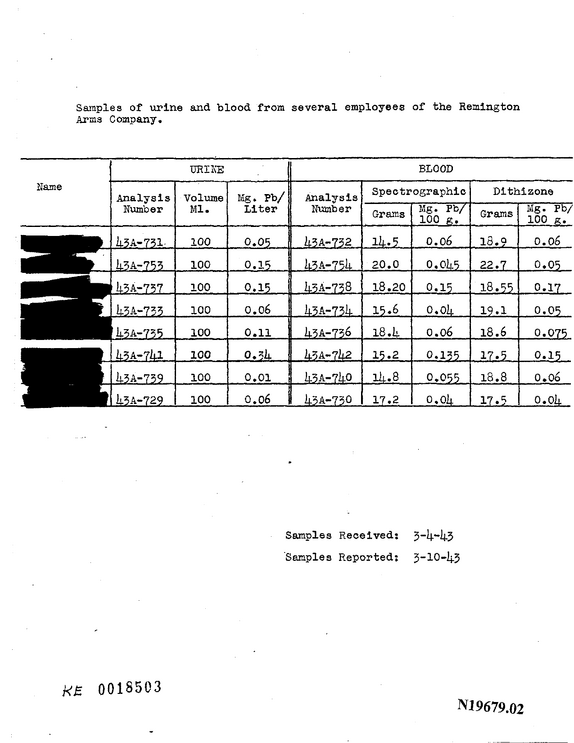
If we assume that he has had no prior exposure to lead, he must have had a rather heavy exposure since entering upon his present work.
refid# mbkxRn4eBey49KBKrVa8LYKz04 pages
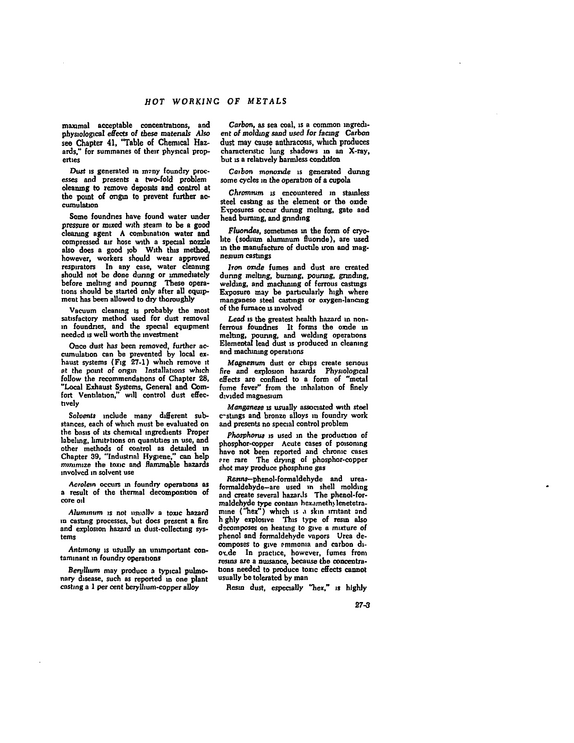
ny foundry proc esses and presents a two-fold problem oleanmg to remove deposits and control at the point of origin to prevent further ac cumulation Some foundries have found water under pressure or mixed with steam to be a good cleaning agent A combination water and compressed air hose with a special nozzle also does a good job With this method, however, workers should wear approved respirators In any case, water cleaning should not be done during or immediately before melting and pounng These opera tions should be started only after all equip ment has been allowed to dry thoroughly Vacuum cleaning is probably the most satisfactory method used for dust removal in foundries, and the special equipment needed is well worth the investment Once dust has been removed, further ac cumulation can be prevented by local ex haust systems (Fig 27-1) which remove it at the point of origin Installations which follow the recommendations of Chapter 28, "Local Exhaust Systems, General and Com fort Ventilation," will control dust effec tively Solvents include many different sub stances, each of which must be evaluated on the basis of its chemical ingredients Proper labeling, limitations on quantities m use, and other methods of control as detailed in Chapter 39, "Industrial Hygiene," can help minimize the toxic and flammable hazards involved in solvent use Acroletn occurs in foundry operations as a result of the thermal decomposition of core oil Aluminum is not usunllv a toxic hazard in casting processes, but docs present a fire and explosion hazard m dust-collecting sys tems Antimony is usually an unimportant con taminant in foundry operations Beryllium may produce a typical pulmo nary disease, such as reported in one plant casting a 1 per cent beryllium-copper alloy Carbon, as sea coal, is a common ingredi ent of molding sand used for facing Carbon dust may cause anthracosis, which produces characteristic lung shadows in an X-ray, but is a relatively harmless condition Caibon monoxide is generated during some cycles m the operation of a cupola Chromium is encountered m stainless steel casting as the element or the oxide Exposures occur during melting, gate and head burning, and grinding Fluorides, sometimes in the form of cryo lite (sodium aluminum fluonde), are used in the manufacture of ductile iron and mag nesium castings Iron oxide fumes and dust are created during melting, burning, pounng, grinding, welding, and machining of ferrous castings Exposure may be particularly high where manganese steel castings or oxygen-lancmg of the furnace is involved Lead is the greatest health hazard m nonferrous foundries It forms the oxide m melting, pounng, and welding operations Elemental lead dust is produced in cleaning and machining operations Magnesium dust or chips create senous fire and explosion hazards Physiological effects are confined to a form of "metal fume fever" from the inhalation of finely divided magnesium Manganese is usually associated with steel c-stmgs and bronze alloys in foundry work and presents no special control problem Phosphorus is used in the production of phosphor-copper Acute cases of poisoning have not been reported and chronic cases are rare The drying of phosphor-copper shot may produce phosphine gas Resins--phenol-formaldehyde and ureaformaldehyde--are used in shell molding and create several hazards The phenol-for maldehyde type contain hex.imeth> lenetetramine ("hex") which is a skin irritant and h ghly explosive This type of resin also decomposes on heating to give a mixture of phenol and formaldehyde vapors Urea de composes to give ammonia and carbon diox.de In practice, however, fumes from resins are a nuisance, because the concentra tions needed to produce toxic effects cannot usually be tolerated by man Resin dust, especially "hex," is highly 27-3
refid# N2mZOybq69qLpnBwmRaVGYkVQ1 page
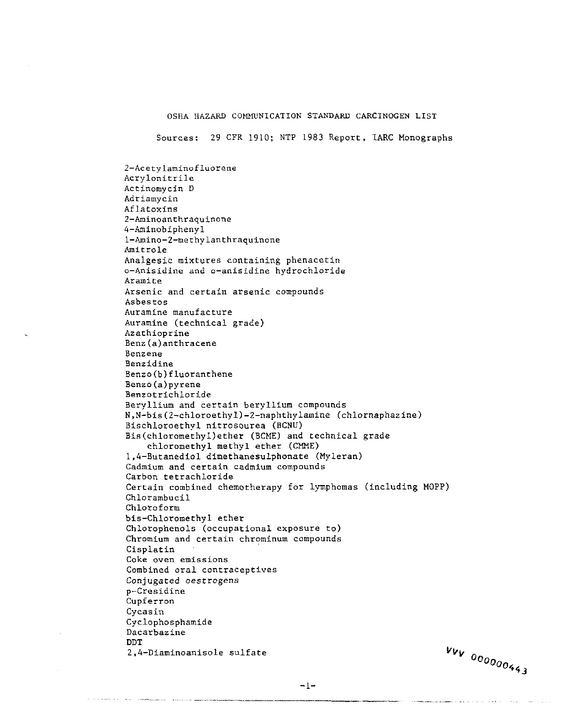
VH ^ 13,5 ^ s/C/ ~ 5^3,81^^^ 01 saiqujnjo 0 seuiom vv-'J 7>;i -"V1 :ppj -rlX (dtp =99-1 xi3f^wrr j OSHA HAZARD COMMUNICATION STANDARD CARCINOGEN LIST Sources: 29 CFR 1910; NTP 1983 Report, IARC Monographs 2-Acetylaminofluorene Acrylonitrile Actinomycin D Adriamycin Af latoxins 2-Aminoanthraquinone 4-Aminobiphenyl l-Arnino-2-methylanthraquinone Amitrole Analgesic mixtures containing phenacetin o-Anisidine and o-anisidine hydrochloride Aramite Arsenic and certain arsenic compounds Asbestos Auramine manufacture Auramine (technical grade) Azathioprine Benz(a)anthracene Benzene Benzidine Benzo(b)fluoranthene Benzo(a)pyrene Benzotrichloride Beryllium and certain beryllium compounds N,N-bis(2-chloroethyl)-2-naphthylamine (chlornaphazine) Bischloroethvl nitrosourea (BCNU) Bis(chloromethyl)ether (BCME) and technical grade chloromethyl methyl ether (CMME) 1.4- Butanediol dimethanesulphonate (Myleran) Cadmium and certain cadmium compounds Carbon tetrachloride Certain combined chemotherapy for lymphomas (including MOPP) Chlorambucil Chloroform bis-Chloromethyl ether Chlorophenols (occupational exposure to) Chromium and certain chrominum compounds Cisplatin Coke oven emissions Combined oral contraceptives Conjugated oestrogens p-Cresidine Cupferron Cycasin Cyclophosphamide Dacarbazine DDT 2.4- Diaminoanisole sulfate Ooooo -1- 2.4- Diaminotoluene Dibenz(a h)acridine Dibenz(a,j)acridine Dibenz(a,h)anthracene 7H-Dibenzo(c,g)carbazole Dibenzo(a,h)pyrene 1.2- Dibromo-3-chloropropane (DECP) 1.2- Dibromoethane (EDB) 33-Dichlorobenzidene 3,3'-Dichlorobenzidine 1.2- Dichloroethane (EDC) Dienoestrol Diepoxybutane Diethyl sulphate Di(2-ethylhexyl)phthalate Diethylstilbestrol (DES) 3,3*-Dimethoxybenzidine 4-Dimethylaminoazobenzene 3,3*-Dimethylbenzidine Dimethylcarbaraoyl chloride Dimethyl sulfate 1.4- Dioxane Direct Black 38 Direct Blue 6 Direct Brown 95 (technical grade) Epichlorohydrin Ethinyloestradiol Ethylene dibromide Ethylene oxide Ethylene thiourea Ethyleneimine Formaldehyde' Hematite underground mining Hexachlorobenzene Hydrazine and hydrazine sulfate Hydrazobenzene Indeno(1,2* 3-cd)pyrene Inorganic Arsenic Iron dextran complex Isopropyl alcohol manufacture (strong-acid process) Kepone (chlordecone) Lead acetate and lead phosphate Lindane and other hexachlorocyclohexane isomers Manufacture of magenta Melphalan Mestranol Methoxsalen with ultra-violet A therapy (PUVA) 4,4f-Methylenebis(2-chloroaniline) (MOCA) 4,4'-Methylenebis(n,n,-dimethyl)benzenamine Methyl chloromethyl ether Metronidazole Michlerrs ketone Mirex Mustard gas -2- vvv 000000444 2-Naphthiamine alpha-Naphthylamine Nickel and certain nickel compounds Nickel refining Nitrilotriacetic acid 4- Nitrobiphenyl 5- Nitro-o-anisidine Nitrofen Nitrogen mustard N-Nitrosodi-n-butylamine N-Nitrosodiethanolamine N-Nitrosodiethylamine N-Nitrosodimethylamine p-Nitrosodiphenylamine N-Nitrosodi-n-propylamine N-Nitroso-n--ethylurea N-Nitroso-n-methylurea N-Nitrosomethylvinylamine N-Nitrosomorpholine N-Nitrosonornicotine N-Nitrosopiperidine N-Nitrosopyrrolidine N-Nitrososarcosine Norethisterone 0estradiol-17B Oestrone Oxymetholone Phenacetin Phenazopyridine and phenazopyridine hydrochloride Phenytoin and sodium salt of phenytoin Phenoxyacetic acid herbicides (occupational exposure to) Polybrominated biphenyls (PBBs) Polychlorinated biphenyls (PCBs) Procarbazine and procarbazine hydrochloride Progesterone B-Propiolactone beta-Propiolactone Propylthiouracil Reserpine Saccharin Safrole Selenium sulfide Sequential oral contraceptives Soots, tars, and mineral oils Streptozotocin Sulfallate 2,3,7,8-Tetrachlorodibenzo-p-dioxin (TCDD) Thioacetamide Thiourea Thorium dioxide o-Toluidine and o-toluidine hydrochloride Toxaphene Treosulphan -3- VS/v Q0QQq^5 2,4,6-Trichlorophenol Tris (aziridinyl)-para-ben2oquinone (Triaziquone) Tris(l-aziridinyl)phosphine sulfide Tris(2,3-dibromopropy1)phosphate Uracil mustard Urethane Vinyl chloride -4- VVV 000000446
refid# LJgRb2GYjzzDDpoG5L7b2mvad5 pages
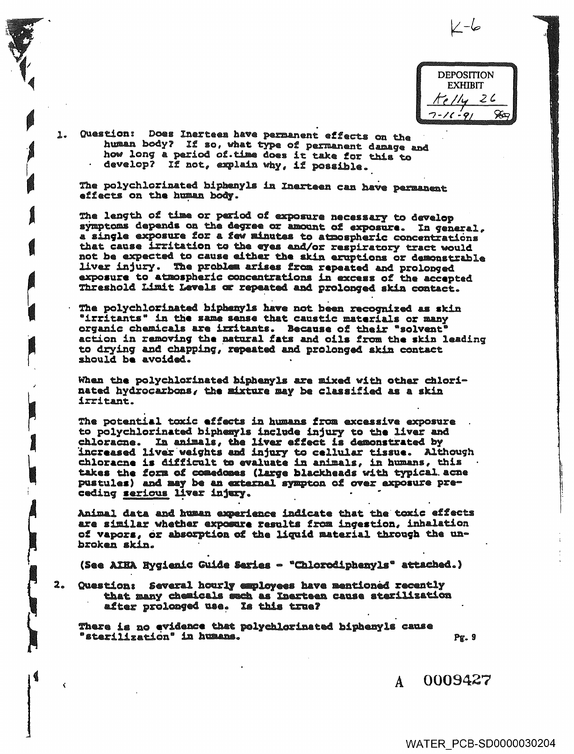
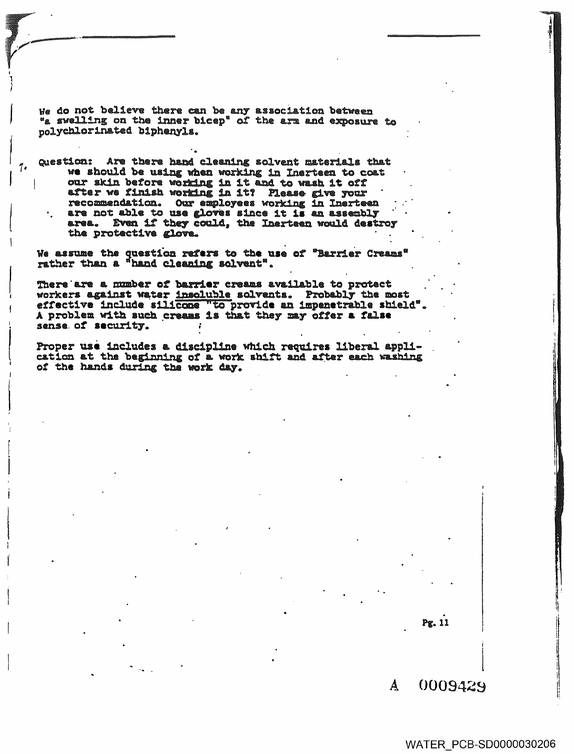
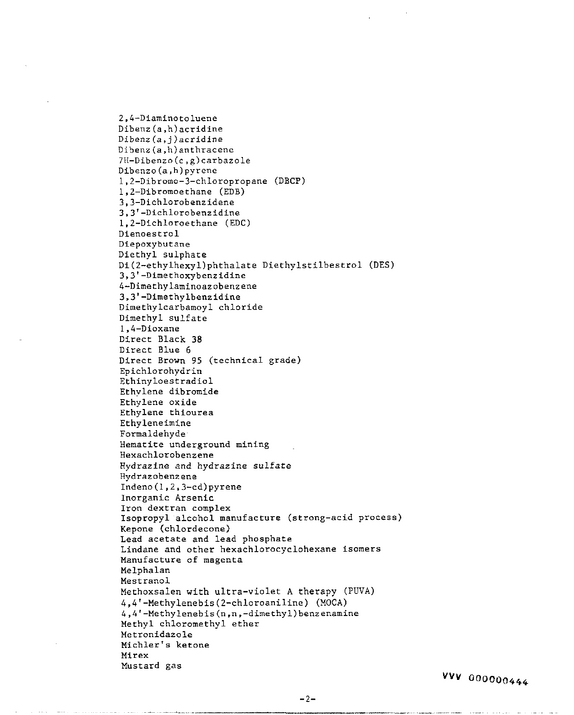
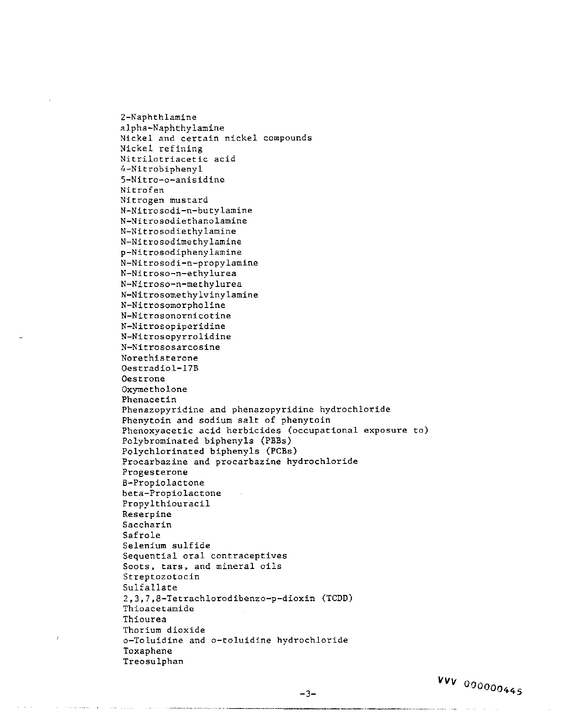
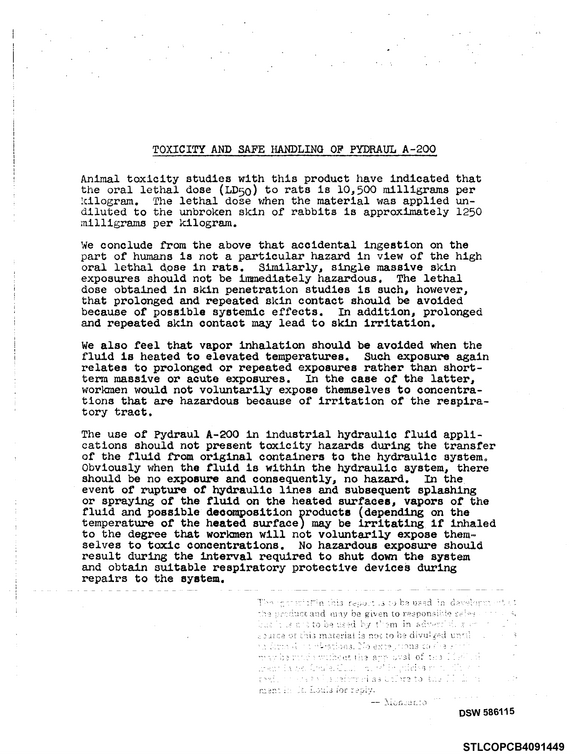
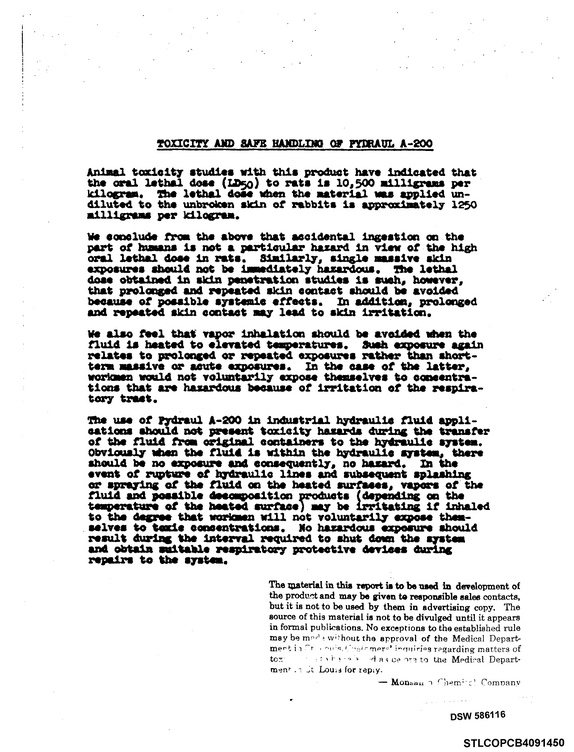
In addition, prolonged and repeated skin contact may lead to skin irritation.
refid# G5OL4Eo4ax0rkqD9JxgMQV9v2 pages
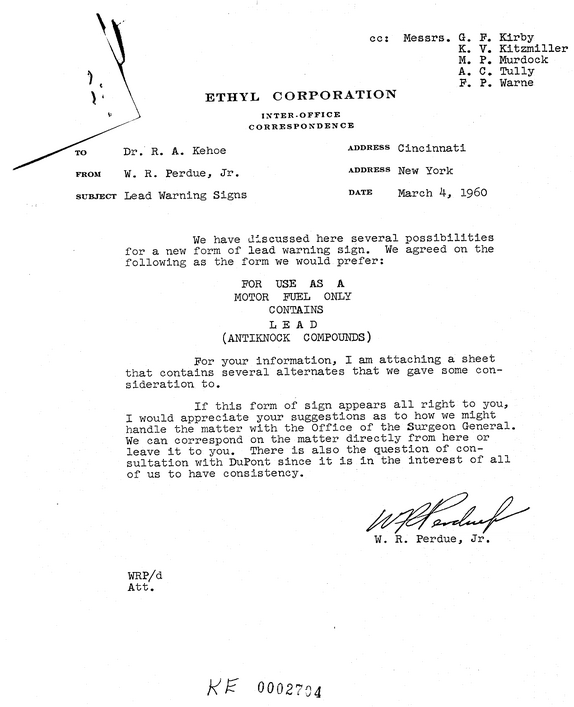
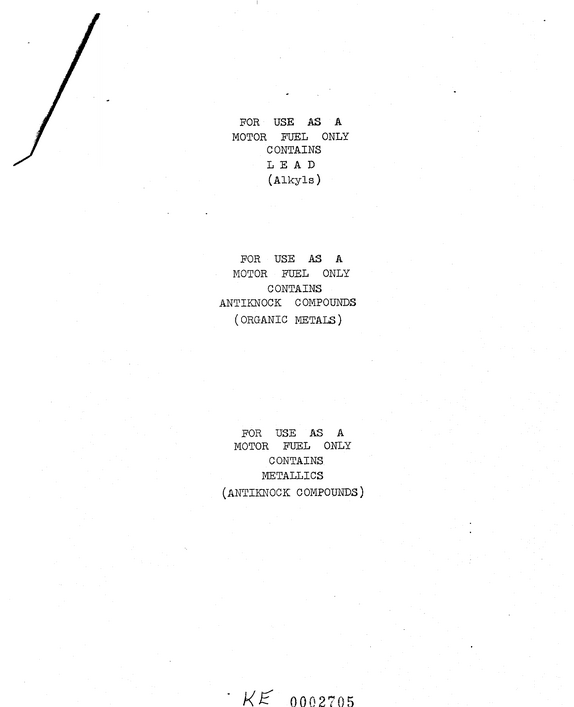
P e r d u e , J r 0002704 FOR USE AS A MOTOR FUEL ONLY CONTAINS LEAD (A lk yls ) FOR USE AS A MOTOR FUEL ONLY CONTAINS ANTIKNOCK COMPOUNDS (ORGANIC METALS) FOR USE AS A MOTOR FUEL ONLY CONTAINS M E TALLI CS (ANTIKNOCK COMPOUNDS)
refid# QgojmX5EEyOv3VMr0X5RXxnK82 pages
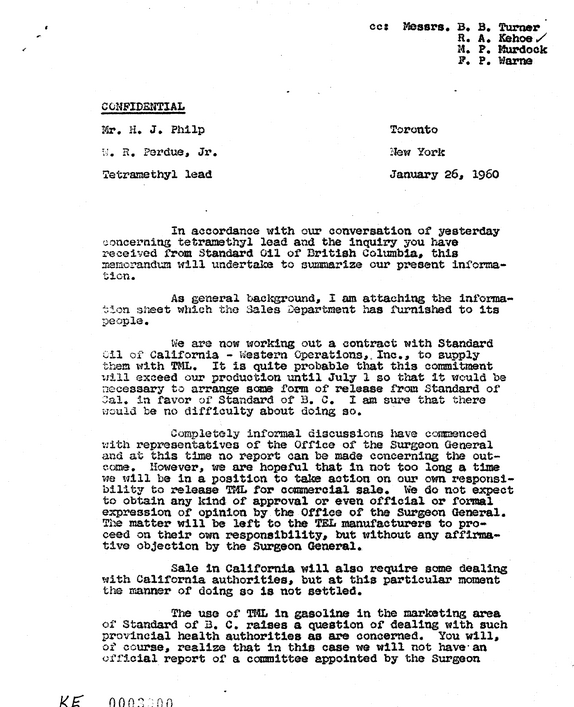
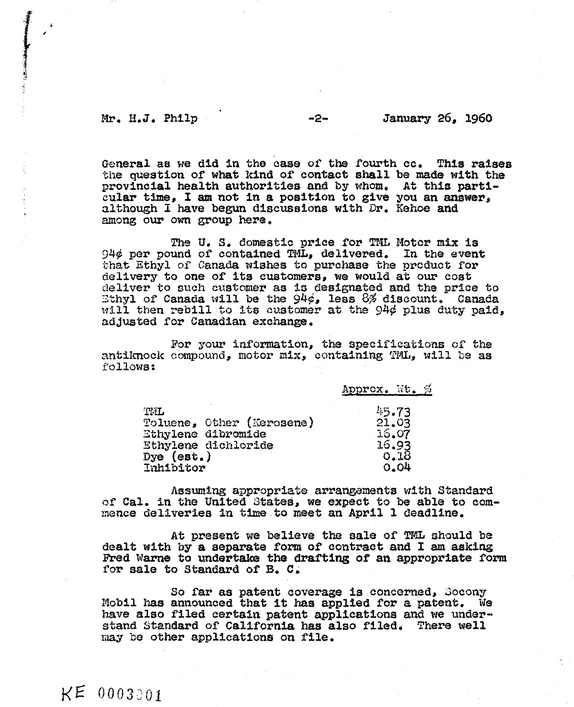
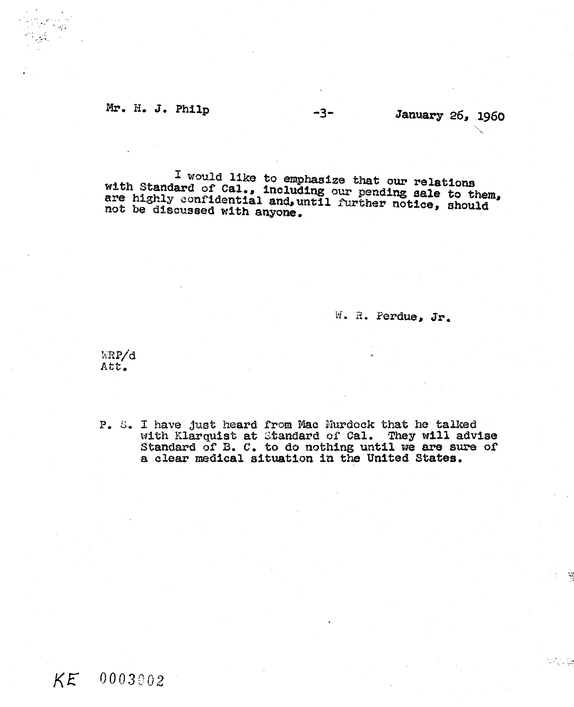
Tetramethyl lead ces Messrs.
refid# ZJ44z3618OR88x2aKbLwQr1JO3 pages
Wilmington, Delaware EXPLOSIVES Blasting Powder 3 Blasting Supplies Charcoal 3 Clay Mining Farm Explosives Industrial Dynamites 3 Land Gearing 0 Permissible Explosives 3 Refined Nitrate of Soda 3 Road Building Saltpetre O Tree Planting Wood Pulp SPORTING POWDERS Black Sporting Powder 3 Hand Trap 3 Hunting Pistol Smokeless Powder Resort Shooting Rifle Smokeless Powder 3 Shooting in Colleges Shooting on Boars Smokeless Powder Trapshooting PAINTS 3 Antoxide Iron Paint Auto Finish Auto Paints and Enamels 3 Bam Paint Bridgeport Standard Paint Bridgeport Wood Finishes 3 Colors in Oil Concrete Paint 3 Decorative Stains Dulite for Mills Enamels 0 Ferro-Keep (Metal Paint) Floor Paints 3 Floor Varnishes Flowkote Enamel 3 Industrial Paints Japans 3 Marine Paints 3 Railway Paints Red Lead Sanitary Wall Finish Shellac 3 Shingle Stain Smokestack Paint 3 Town and Country Paint Varnishes Virrolac Stain Finish 3 Virrolac Varnish Wagon and Carriage Paint Wheeler's Wood Filler Wire Screen Paint CHEMICALS Acids Alums Barium Chloride Belt Cement 3 Benzol Products Blanc Fixe Bronze Powder Cl Bronzing Liquids Carpolene (Wood Preservative) Carpo (Metal Paint) Coke 3 Creosote Dead Oil Distilled Water Dry Colors Ether Heavy Chemicals 3 Household Cement Leather Renovarors 3 Leather Substitute Solutions 3 Litharge 3 Lithopone 3 Mantle Dips 3 Metal Lacquer 3 Nitre Cake Parlodion 3 Patent Leather Solutions 3 Pegamoid Aluminum Paint Pitch Pontar 3 Pontoklene 3 Pulp Colon Py-ra-lin Enamel Pyroxylin Solutions Rubber Makers White Salt Cake 0 Shingle Oil Solvents 3 Split Leather Solutions Waterproof Cement 3 White Lead 3 Wood Lacquer 3 Wood Oil PY-RA-UN 3 Brushes 3 Challenge Qeanable Collars 3 Colored Sheeting 3 Combs a Desk Sets 3 Manicure Sets 3 Mirrors 3 Novelty Sheeting 3 Py-ra-lin Pipe Bits O Py-ra-lin Rods and Tubes Py-ra-lin Specialties 3 Py-ra-lin Toilet Goods 3 Toilet Sets 3 Transparent Sheeting COATED TEXTILES 3 Auto Truck Special Fabrikoid 3 Book-Finish Fabrikoid 3 Buggy Aprons 3 Craftsman Fabrikoid 3 Fabrikoid for Baggage Fabrikoid for Home Uses 3 Fabrikoid for Railway Uphol stery and Vestibule Curtains 3 Fabrikoid for Upholstering 3 Fabrikoid Sheeting Fairfield Rubber Coated Cloth 3 Hat Sweat Material 3 Marine Special (U.


refid# mkgNebNXn9g366x06ygxze1k2 pages
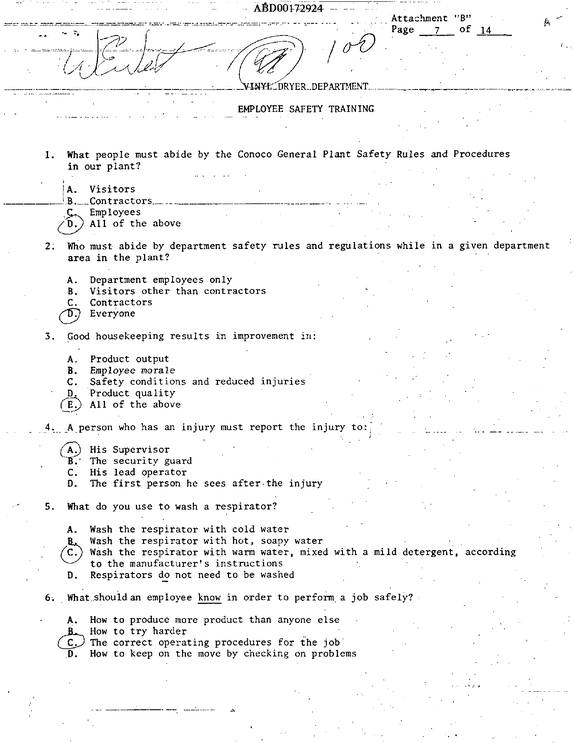
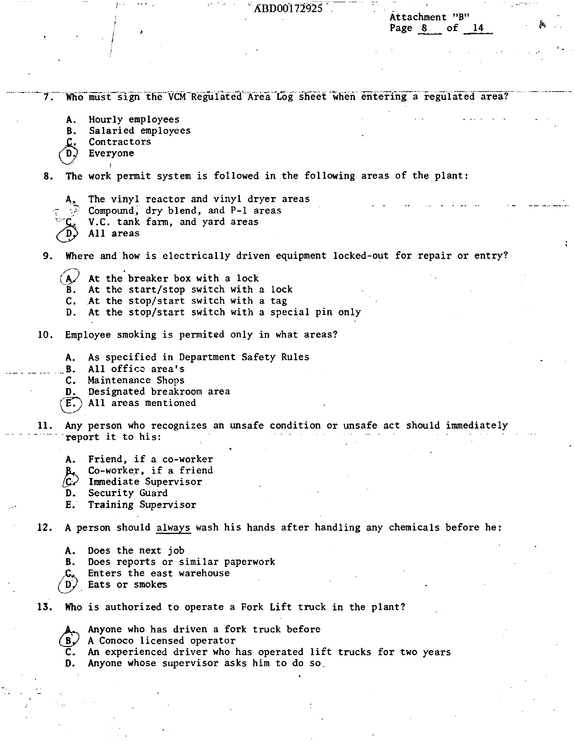
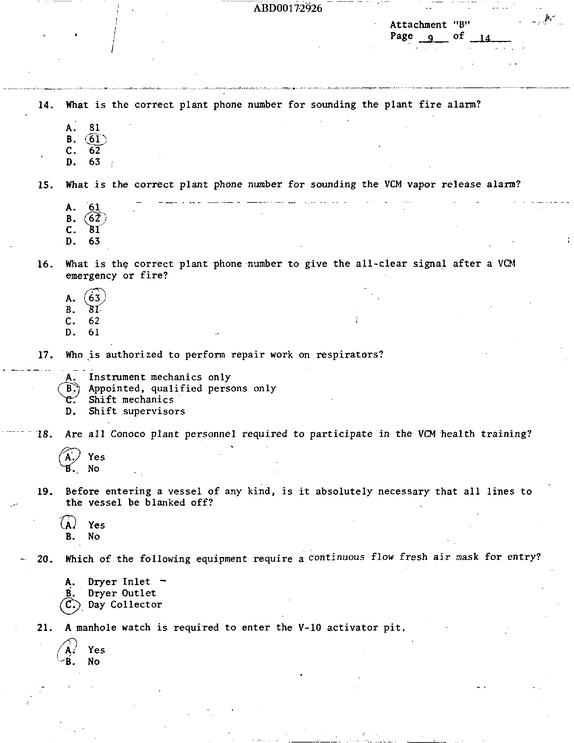
His lead operator D.
refid# 93rMymEE63eogBy8XpK7pMywD4 pages