Refine
Estimated Years UndatedClear
34,161 results foundRefine Search
37--Industrial Hygiene Definition of terms The safety professional must be aware of the precise meanings of certain words com monly used in industrial hygiene if he is going to effectively communicate with other workers in this area A fume respirator, for instance, is worthless as protection against gases or vapors Too frequently, terms (such as gases, vapors, fumes, and mists) are used interchangeably Each term has a definite meaning and describes a certain state of matter which can be achieved only by certain physical changes to the substance itself Basic to the industrial hygiene vocabulary are states of matter As defined by the Amer ican National Standards Institute, these are as follows Dusts Solid particles generated by han dling, crushing, grinding, rapid impact, det onation, and decrepitation of organic or in organic materials, such as rock, ore, metal, coal, wood, and gram Dusts do not tend to flocculate except under electrostatic forces, they do not diffuse in air but settle under the influence of gravity Dust is a term used m industry to describe airborne solid particles that range m size from 0 1 to 25/i(l,i = 1/10,000 cm = 1/25,000 in ) (/i is the abbreviation for micron) Dusts above 5/i in size usually will not remain air borne long enough to present an inhalation problem Dust may enter the air from various sources It may be dispersed when a dusty material is handled, such as when lead oxide is dumped into a mixer or a product is dusted with talc When solid materials are reduced to small sizes in processes such as grinding, crushing, blasting, shaking, and drilling, the mechanical action of the grinding or shaking device supplies a source of energy to disperse the dust formed Fumes Solid particles generated bv con densation from the gaseous state, generally after volatilization from molten metals This physical change is often accompanied by a chemical reaction, such as oxidation Fumes flocculate and sometimes coalesce A fume is formed when a volatilized solid, such as a metal, condenses m cool air The solid particles that make up a fume are ex 1040 tremely fine, usually less than 10/a In most cases, the hot material reacts with the air to form an oxide Examples are lead oxide fume from smelting, and iron oxide fume from arc welding A fume can also be formed when a matenal such as magnesium metal is burned or when weldmg or gas cutting is done on galvanized metal Odorous gases and vapors are not fumes Newspaper columnists commonly misuse this term and refer to carbon monoxide as a fume Smoke Carbon or soot particles less than 0 l/i in size which result from the incomplete combustion of carbonaceous materials such as coal or oil Smoke generally contains droplets as well as dry particles Tobacco, for instance, produces a wet smoke composed of minute tarry droplets The size of the particles contained in tobacco smoke is about 0 25/i Aerosols Liquid droplets or solid par ticles dispersed in air, that are of fine enough particle size to remain so dispersed for a period of time Mists Suspended liquid droplets gen erated by condensation from the gaseous to the liquid state or by breaking up a liquid into a dispersed state, such as by splashmg, foam ing, or atomizing Mist is formed when a finely divided liquid is suspended in air Examples are the oil mist produced during cutting and grinding operations, acid mists from electroplating, acid or alkali mists from pickling operations, paint spray mist from spraying operations and the condensation of water vapor to form a fog or rain Gases Normally formless fluids which occupy the space of enclosure and which can be changed to the liquid or solid state only by the combined effect of increased pressure and decreased temperature Gases diffuse Examples are weldmg gases, ex haust gases, and air Vapors The gaseous form of substances which are normally in the solid or liquid state (at room temperature and pressure) The vapor can be changed back to the solid or liquid state either by increasing the pressure
refid# DG1MMn9vN3r4LyzwRaGnjVaVM1 page
House Committee Proposes Amendments To Lead-Based Paint Poisoning Act DC Oct if -- Ti* >.
refid# emMjEDbb1vdMo6dyOpYg9Yy691 page
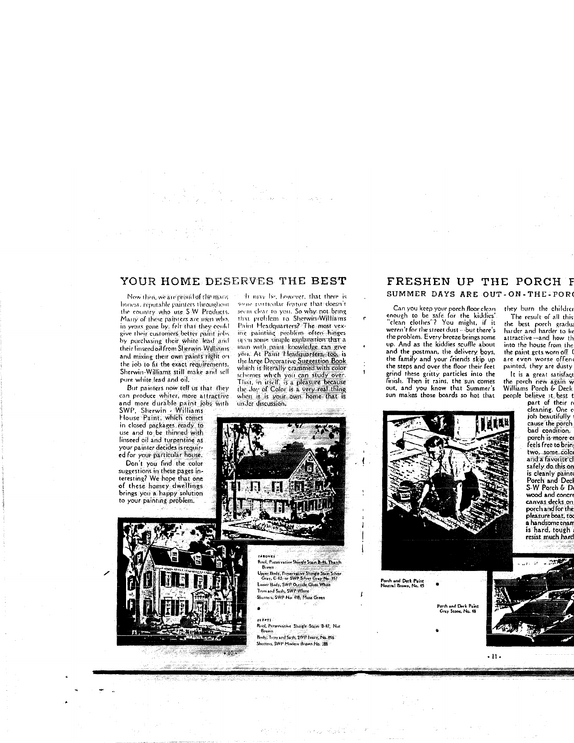
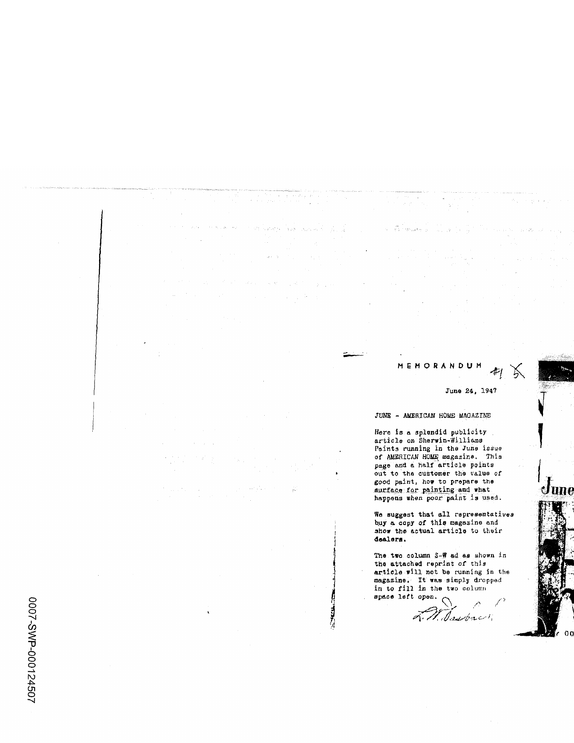
Vrm and mixing (heir own paints right on (he job to fit the exact rebujfei%er'its, Sherwin-Williams still make ami sell pure white lead and oil.
refid# mBqn2ERNDroQgkmm6nN1DL1DO3 pages
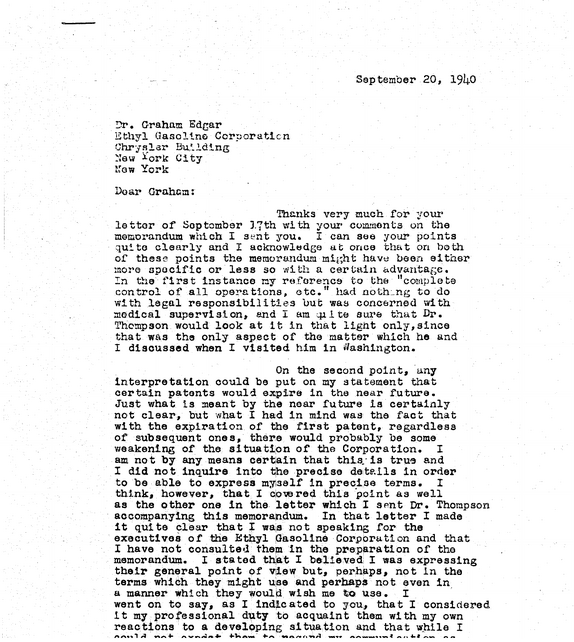
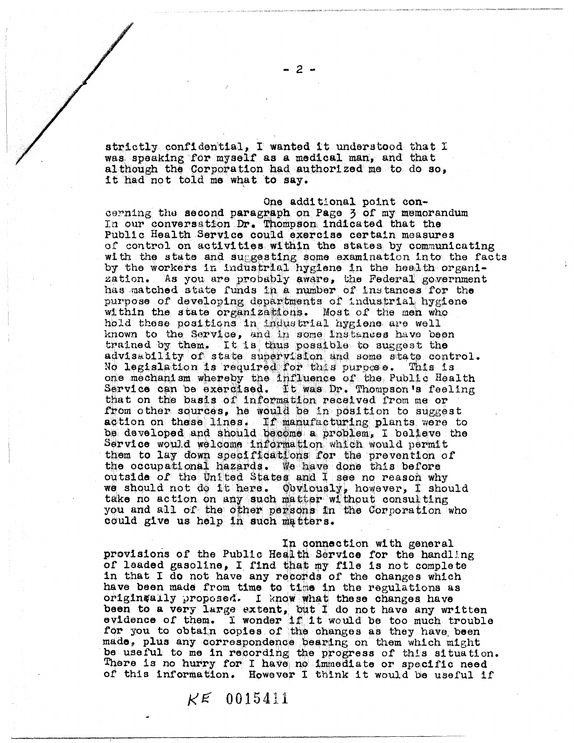
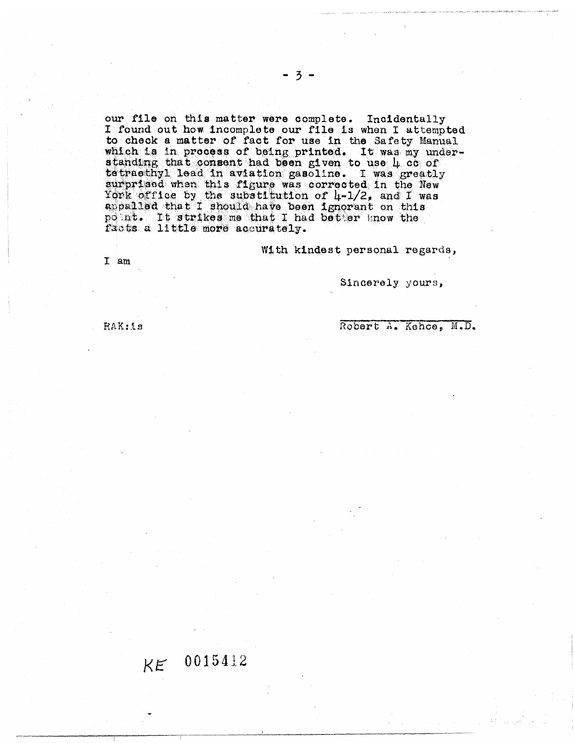
It wa3 my under standing that consent had been given to use J4. cc of tetraethyl lead in aviation gasoline.
refid# YjdVLNQ2V9MEoY14XN8wJV203 pages
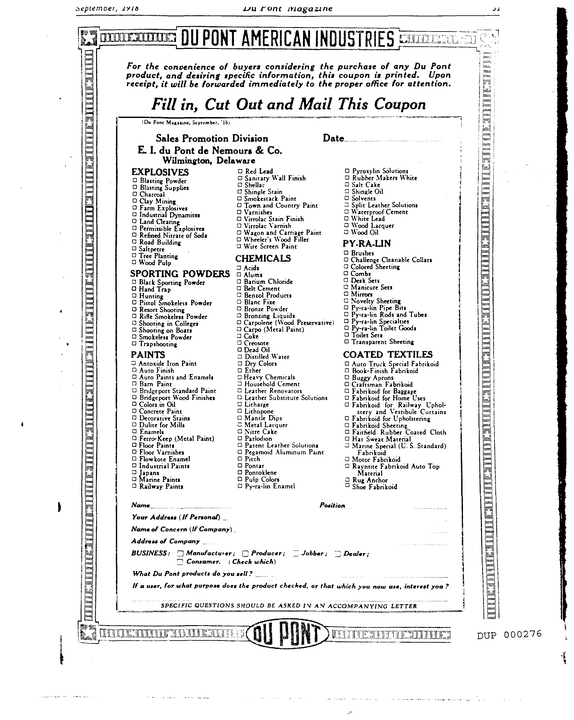
Wilmington, Delaware EXPLOSIVES Blasting Powder 3 Blasting Supplies Charcoal 3 Clay Mining Farm Explosives Industrial Dynamites 3 Land Gearing 0 Permissible Explosives 3 Refined Nitrate of Soda 3 Road Building Saltpetre O Tree Planting Wood Pulp SPORTING POWDERS Black Sporting Powder 3 Hand Trap 3 Hunting Pistol Smokeless Powder Resort Shooting Rifle Smokeless Powder 3 Shooting in Colleges Shooting on Boars Smokeless Powder Trapshooting PAINTS 3 Antoxide Iron Paint Auto Finish Auto Paints and Enamels 3 Bam Paint Bridgeport Standard Paint Bridgeport Wood Finishes 3 Colors in Oil Concrete Paint 3 Decorative Stains Dulite for Mills Enamels 0 Ferro-Keep (Metal Paint) Floor Paints 3 Floor Varnishes Flowkote Enamel 3 Industrial Paints Japans 3 Marine Paints 3 Railway Paints Red Lead Sanitary Wall Finish Shellac 3 Shingle Stain Smokestack Paint 3 Town and Country Paint Varnishes Virrolac Stain Finish 3 Virrolac Varnish Wagon and Carriage Paint Wheeler's Wood Filler Wire Screen Paint CHEMICALS Acids Alums Barium Chloride Belt Cement 3 Benzol Products Blanc Fixe Bronze Powder Cl Bronzing Liquids Carpolene (Wood Preservative) Carpo (Metal Paint) Coke 3 Creosote Dead Oil Distilled Water Dry Colors Ether Heavy Chemicals 3 Household Cement Leather Renovarors 3 Leather Substitute Solutions 3 Litharge 3 Lithopone 3 Mantle Dips 3 Metal Lacquer 3 Nitre Cake Parlodion 3 Patent Leather Solutions 3 Pegamoid Aluminum Paint Pitch Pontar 3 Pontoklene 3 Pulp Colon Py-ra-lin Enamel Pyroxylin Solutions Rubber Makers White Salt Cake 0 Shingle Oil Solvents 3 Split Leather Solutions Waterproof Cement 3 White Lead 3 Wood Lacquer 3 Wood Oil PY-RA-UN 3 Brushes 3 Challenge Qeanable Collars 3 Colored Sheeting 3 Combs a Desk Sets 3 Manicure Sets 3 Mirrors 3 Novelty Sheeting 3 Py-ra-lin Pipe Bits O Py-ra-lin Rods and Tubes Py-ra-lin Specialties 3 Py-ra-lin Toilet Goods 3 Toilet Sets 3 Transparent Sheeting COATED TEXTILES 3 Auto Truck Special Fabrikoid 3 Book-Finish Fabrikoid 3 Buggy Aprons 3 Craftsman Fabrikoid 3 Fabrikoid for Baggage Fabrikoid for Home Uses 3 Fabrikoid for Railway Uphol stery and Vestibule Curtains 3 Fabrikoid for Upholstering 3 Fabrikoid Sheeting Fairfield Rubber Coated Cloth 3 Hat Sweat Material 3 Marine Special (U.
refid# JrLgeVDw76OzGrqM35ROxzpzO2 pages
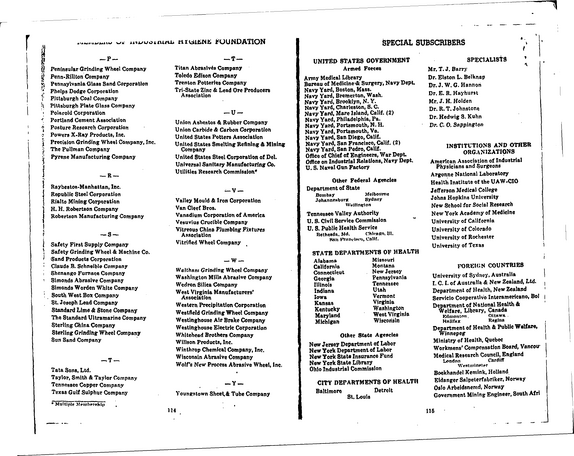
Joseph Lead Company Standard Lima & Stone Company The Standard Ultramarine Company Sterling China Company Sterling Grinding Wheel Company Sun Sand Company --T -- Tata Sons, Ltd.
refid# 3D9YNv0qNbmZyvrYvJo7wxZD1 page
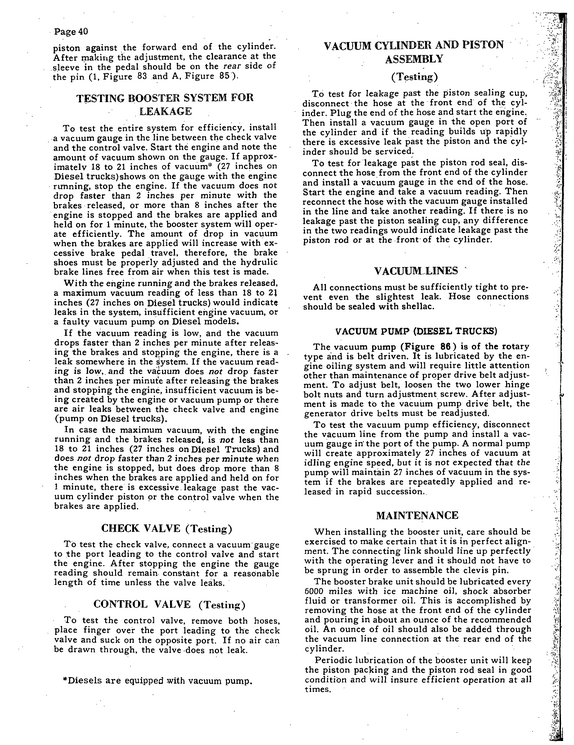
CHECK VALVE (Testing) To test the check valve, connect a vacuum gauge to the port leading to the control valve and start the engine.
refid# mBZoZQ0kveOY8MXMXkJk7N1jQ1 page
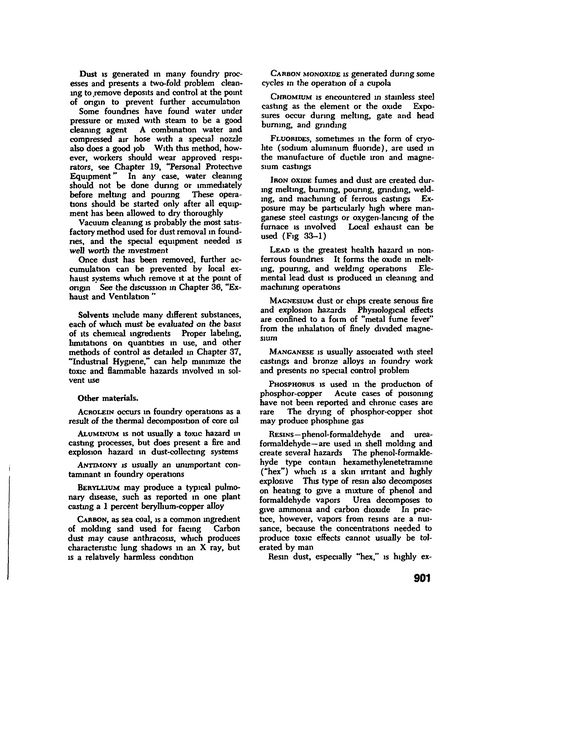
Acrolein occurs in foundry operations as a result of the thermal decomposition of core oil Aluminum is not usually a toxic hazard in casting processes, but does present a fire and explosion hazard in dust-collecting systems Antimony is usually an unimportant con taminant in foundry operations Beryllium may produce a typical pulmo nary disease, sucb as reported in one plant casting a 1 percent beryllium-copper alloy Carbon, as sea coal, is a common ingredient of molding sand used for facing Carbon dust may cause anthracosis, which produces characteristic lung shadows in an X ray, but is a relatively harmless condition Carbon monoxide is generated during some cycles in the operation of a cupola Chromium is encountered m stainless steel casting as the element or the oxide Expo sures occur during melting, gate and head burning, and grinding Fluorides, sometimes in the form of cryo lite (sodium aluminum fluonde), are used in the manufacture of ductile iron and magne sium castings Iron oxide fumes and dust are created dur ing melting, burning, pounng, gnnding, weld ing, and machining of ferrous castings Ex posure may be particularly high where man ganese steel castings or oxygen-lancing of the furnace is involved Local exhaust can be used (Fig 33-1) Lead is the greatest health hazard m nonferrous foundnes It forms the oxide in melt ing, pounng, and welding operations Ele mental lead dust is produced in cleaning and machining operations Magnesium dust or chips create senous fire and explosion hazards Physiological effects are confined to a foim of "metal fume fever" from the inhalation of finely divided magne sium Mancanese is usually associated with steel castings and bronze alloys in foundry work and presents no special control problem Phosphorus is used m the production of phosphor-copper Acute cases of poisoning have not been reported and chronic cases are rare The drying of phosphor-copper shot may produce phosphine gas Resins--phenol-formaldehyde and ureaformaldehyde--are used m shell molding and create several hazards The phenol-formalde hyde type contain hexamethylenetetramine ("hex") which is a skin irritant and highly explosive This type of resin also decomposes on heating to give a mixture of phenol and formaldehyde vapors Urea decomposes to give ammonia and carbon dioxide In prac tice, however, vapors from resins are a nui sance, because the concentrations needed to produce toxic effects cannot usually be tol erated by man Resin dust, especially "hex," is highly ex- 901
refid# ZBdYEqzkNQBOXeR1DN6by4eg71 page
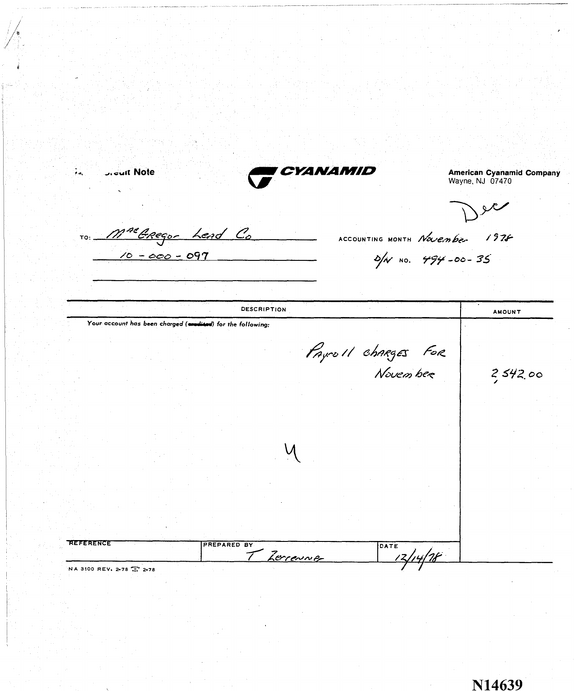
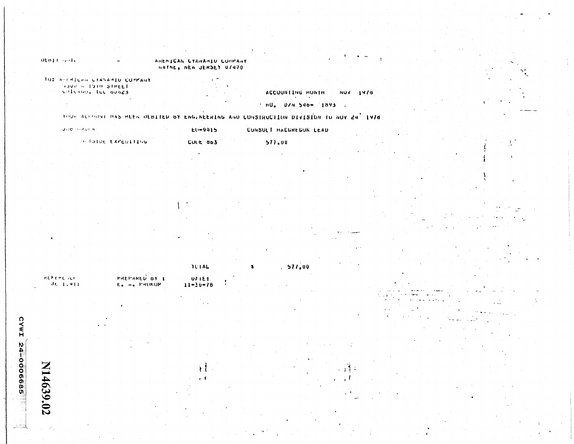
(MacGregor Lead)--------------------------------Mr.
refid# evw54zO2VjmxwM7n1myQBDBMG9 pages
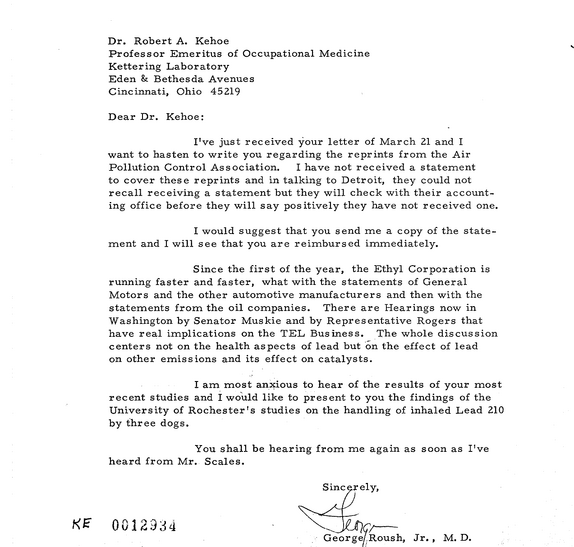
Th e w h ole d isc u ssio n ce n te r s not on th e h ealth a sp e c t s of lead but on th e effect of lead on oth er e m issio n s and its effect on c a t a ly st s.
refid# B82gDVQxEEm1R70oJZa4gYXa42 pages
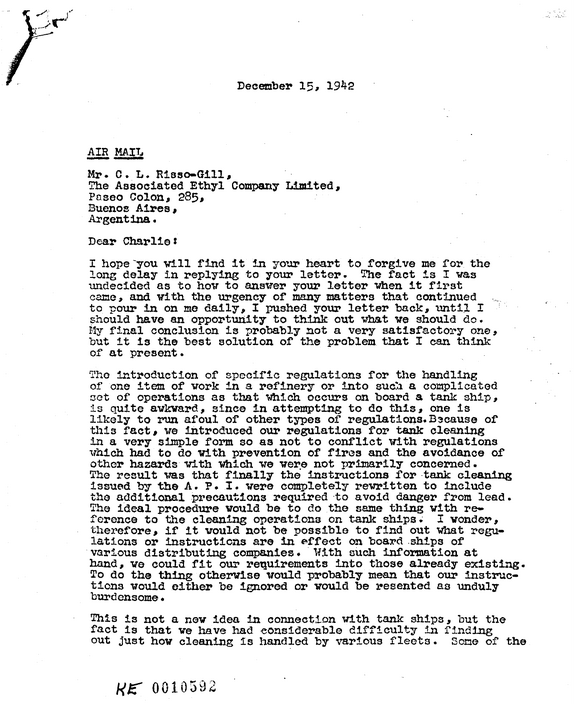
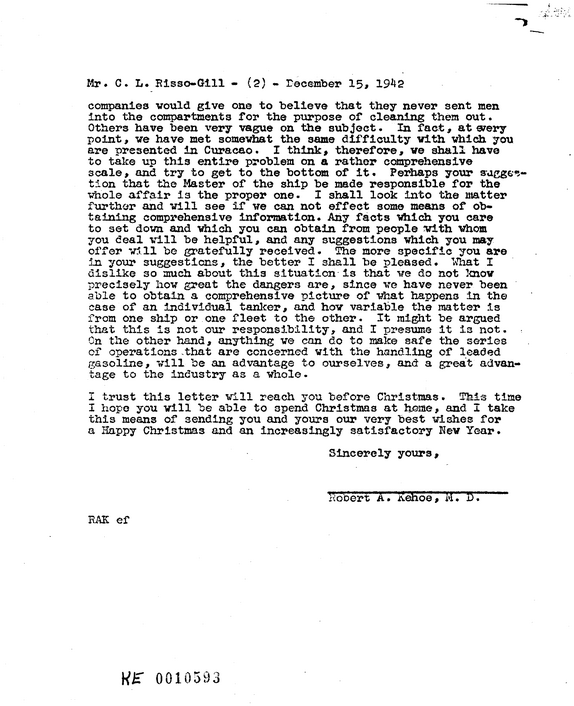
I. were completely rewritten to include the additional precautions required to avoid danger from lead.
refid# x1pRRKnmRgx4nKOz1OZwDv63Q2 pages
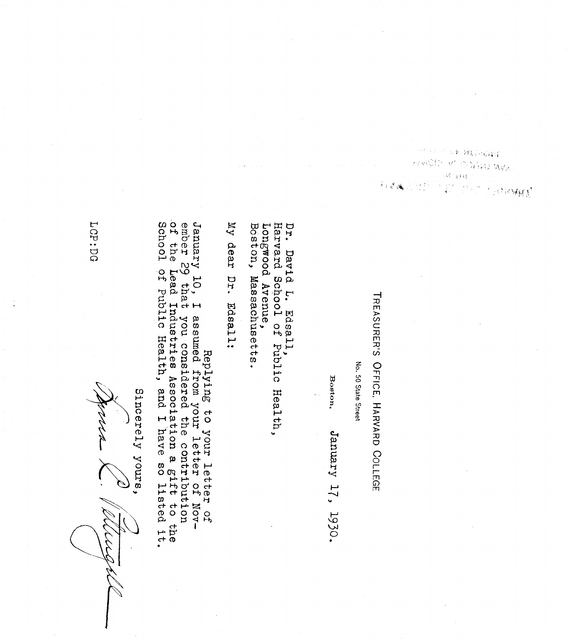
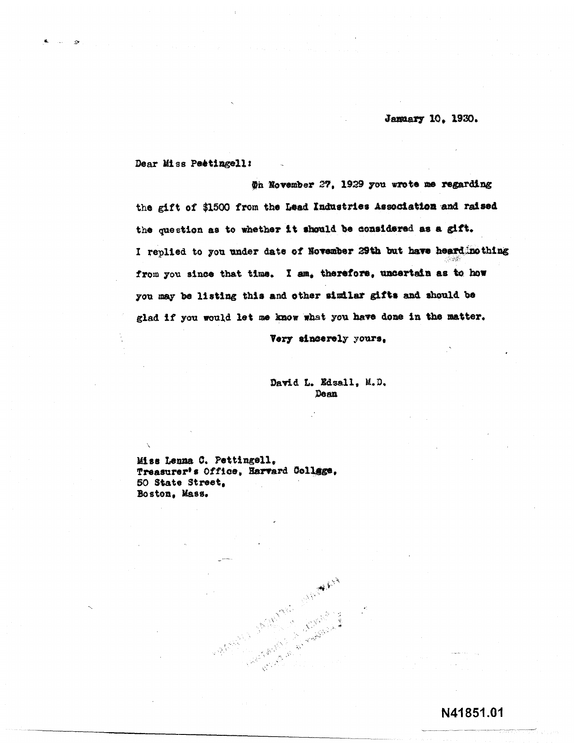
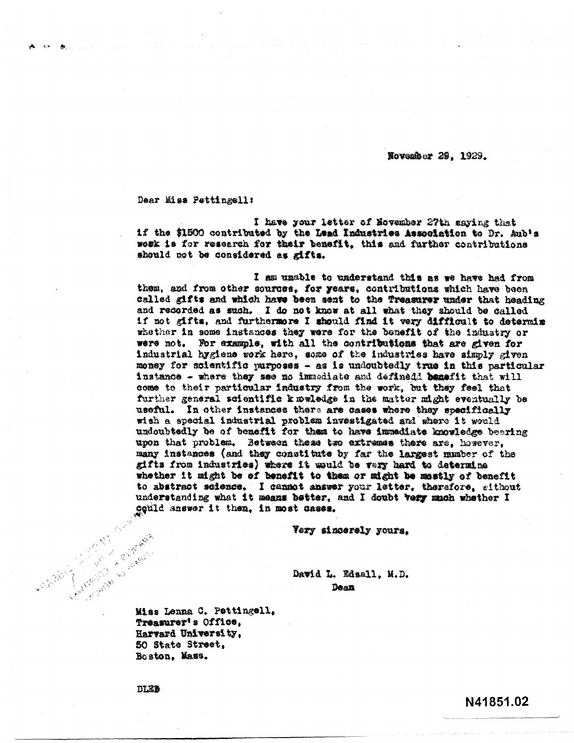
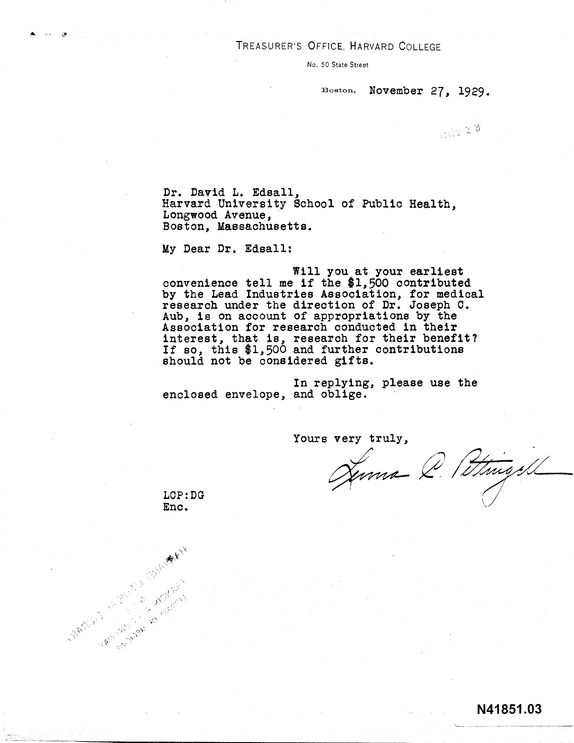
Edsall: Will you at your earliest convenience tell me if the $1,500 contributed by the Lead Industries Association, for medical research under the direction of Dr.
refid# poaEqawGjY31XMG82V0LLr3E4 pages
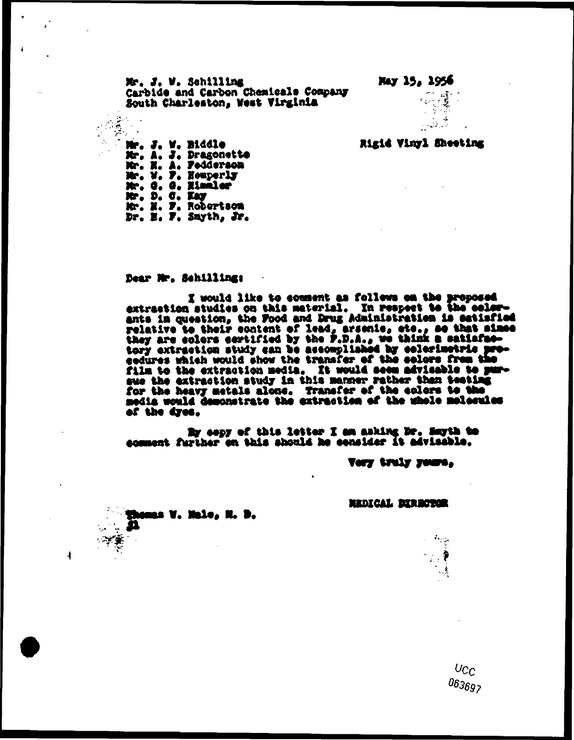
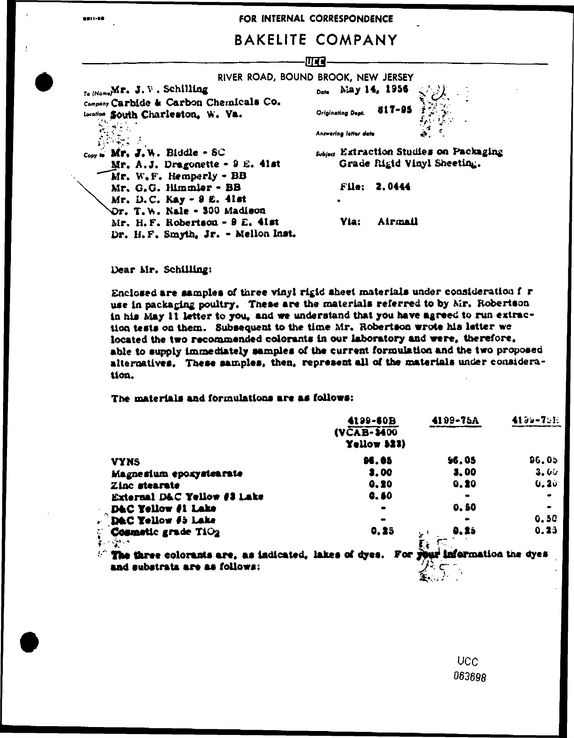
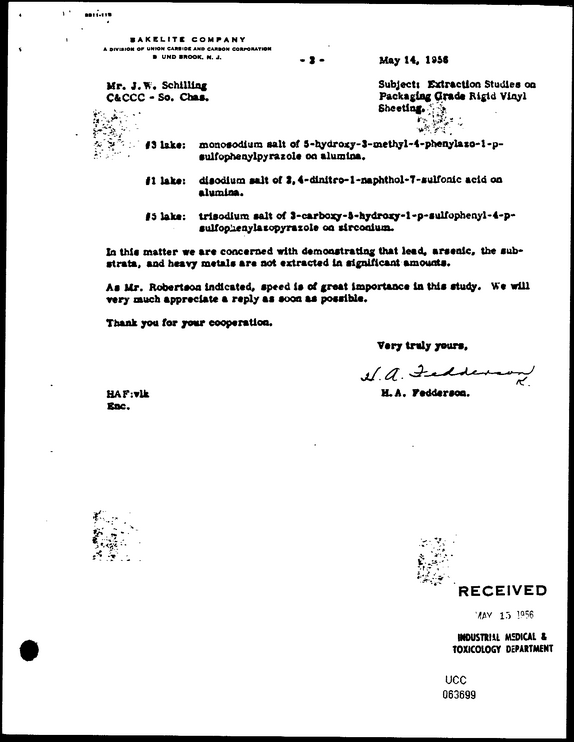
In this matter ve are concerned with demonstrating that lead, arsenic, the sub strata. and heavy metals are not extracted In significant amounts.
refid# M4zbGZOgLQ0m6mpQ6Egr1mybk3 pages
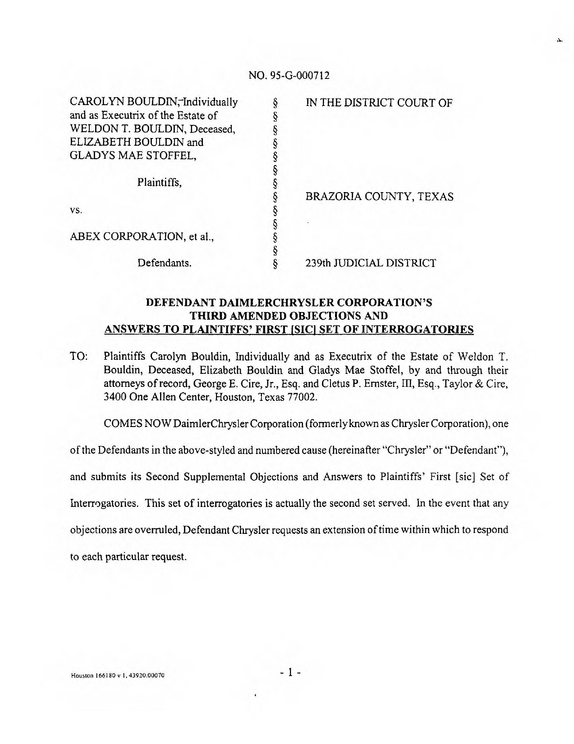
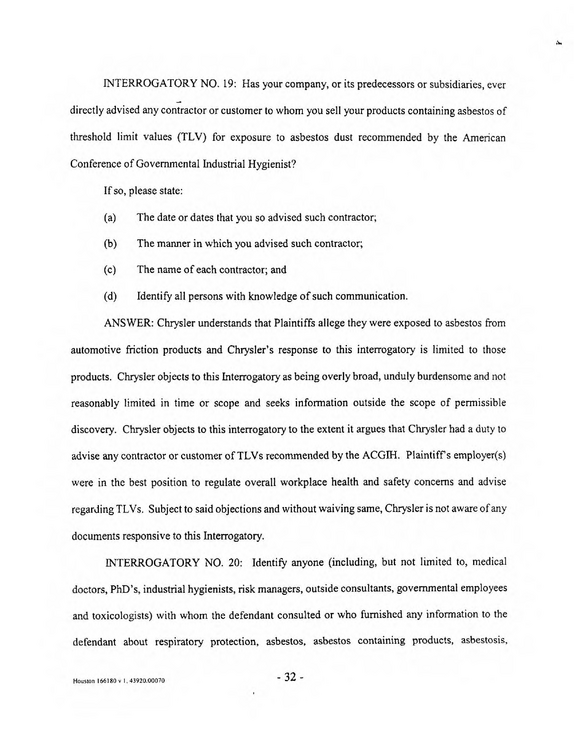
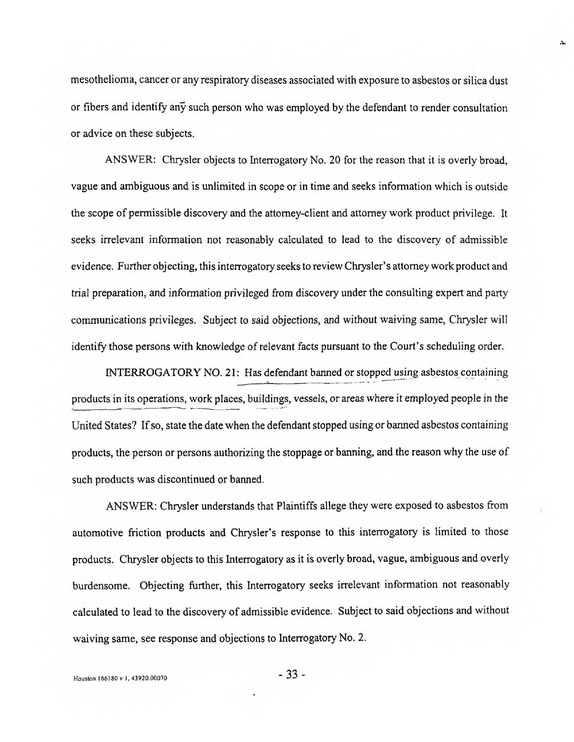
It seeks irrelevant information not reasonably calculated to lead to the discovery of admissible evidence.
refid# e7z97MzEGRV0mX21Ob7QLL97e3 pages
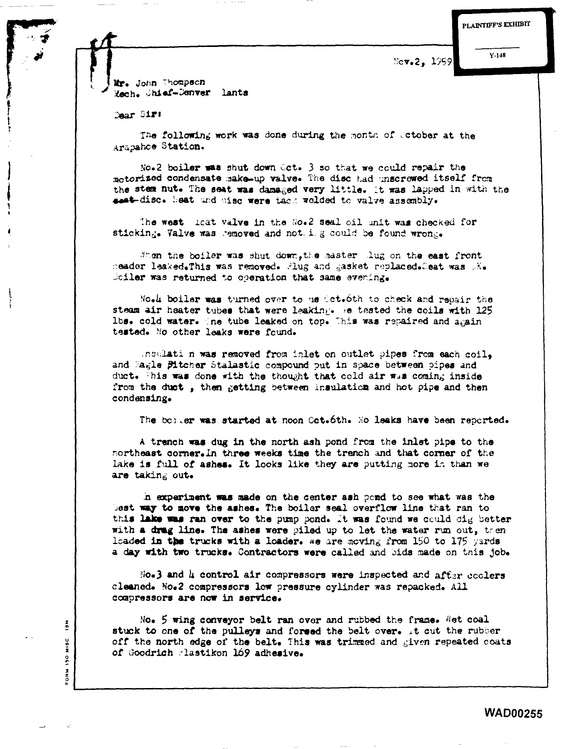
-en leaded in the trucks with a loader* we are moving from 150 to 175 yards a day with two trucks* Contractors were called and oida made on tnia Job.
refid# 3Qzjpgmjn2m9x04LmRoKbbwan2 pages