Refine
Estimated Years 1990-1999Clear
4,139 results foundRefine Search
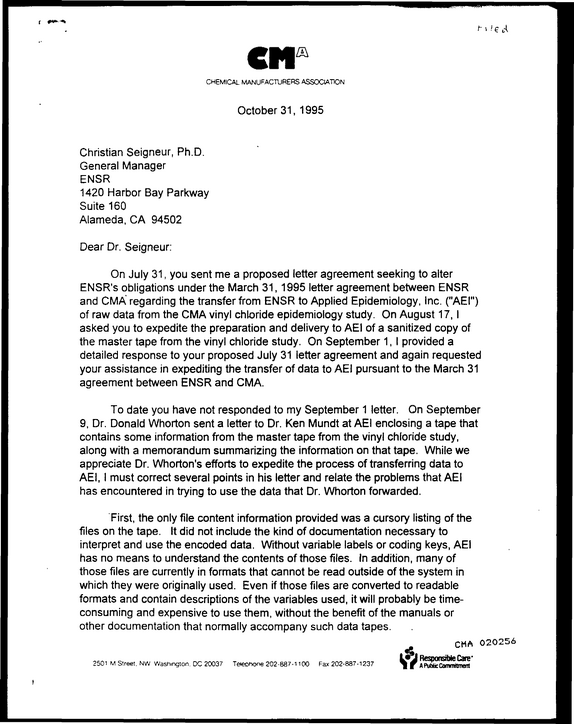
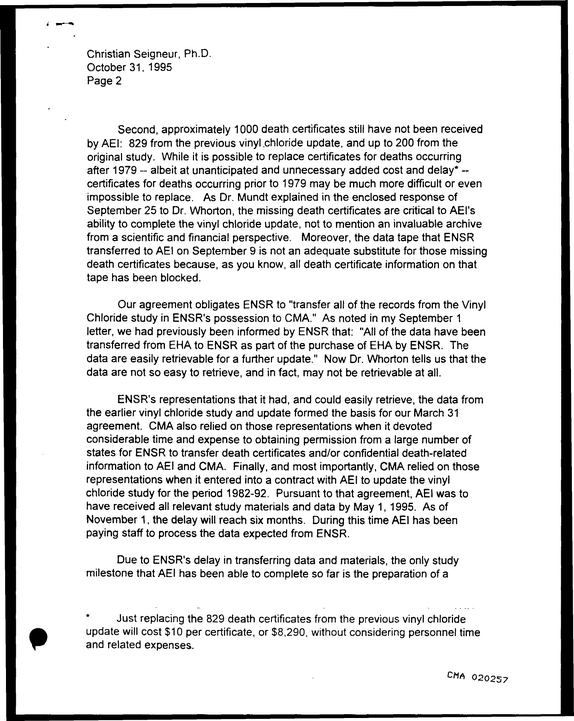
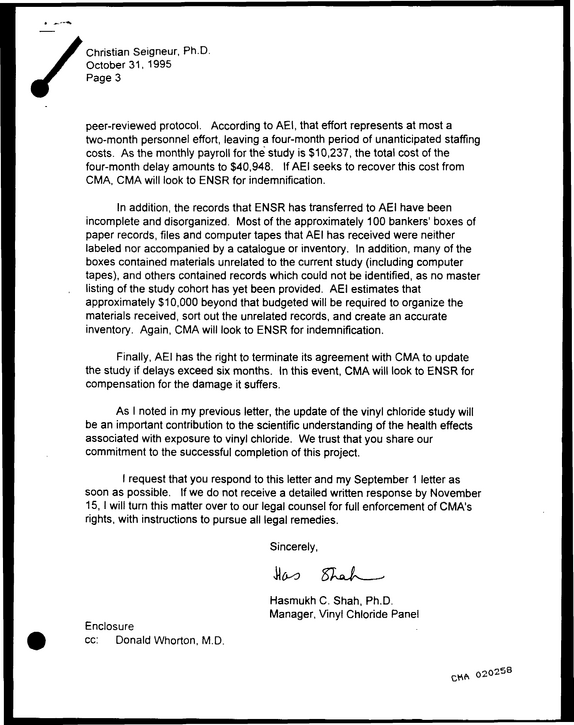
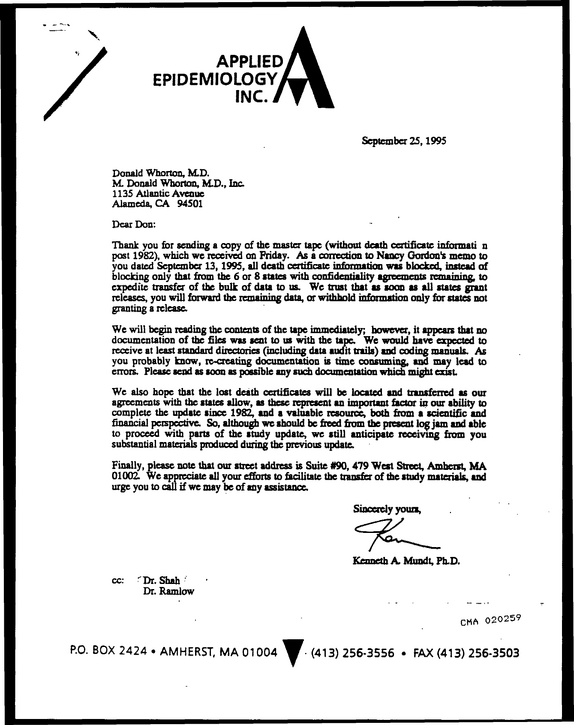
As you probably know, rc-creating documentation is time consuming, and may lead to errors.
refid# 2Nm49ELKnDz4zZBmDXayp5OJ54 pages
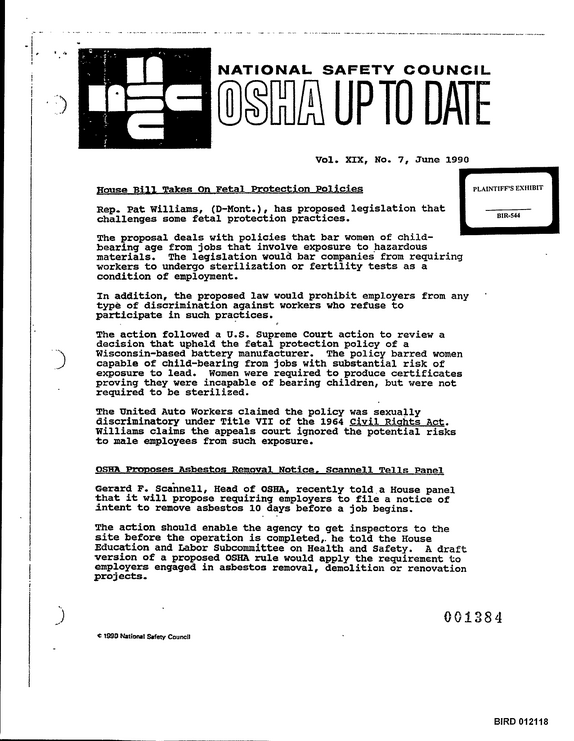
The policy barred women capable of child-bearing from jobs with substantial risk of exposure to lead.
refid# eJmb2rqKrk019p57GOoZY8Mq4 pages
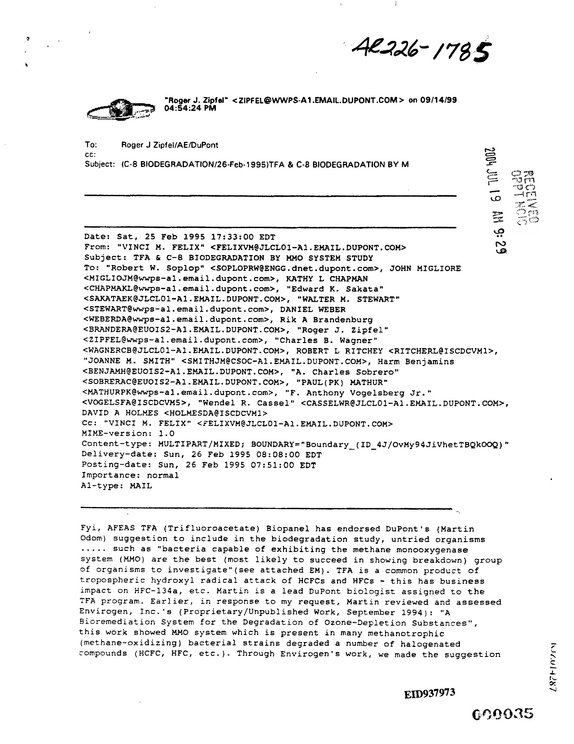
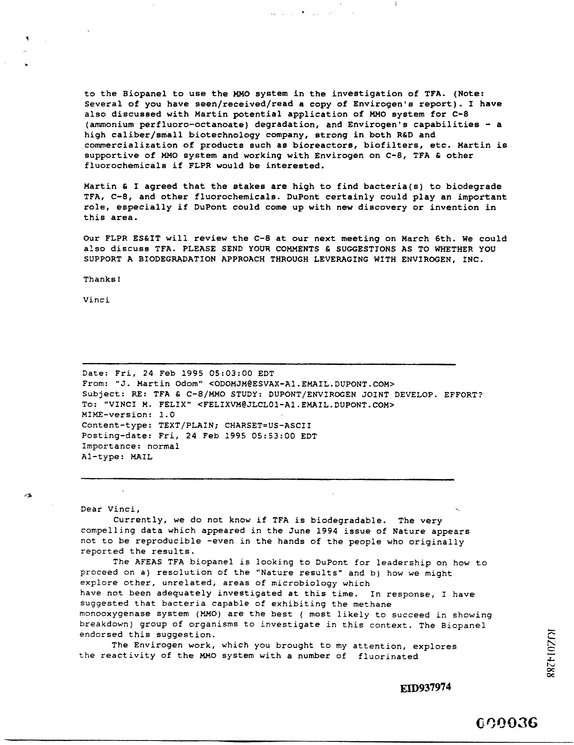
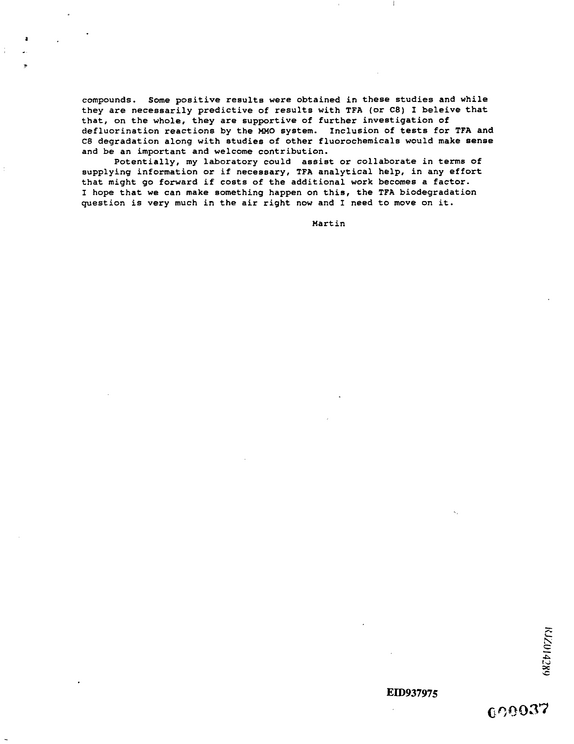
Martin is a lead DuPont biologist assigned to the TFA program.
refid# x5BYKY91OMRjwkw3BEY9BpMJJ3 pages
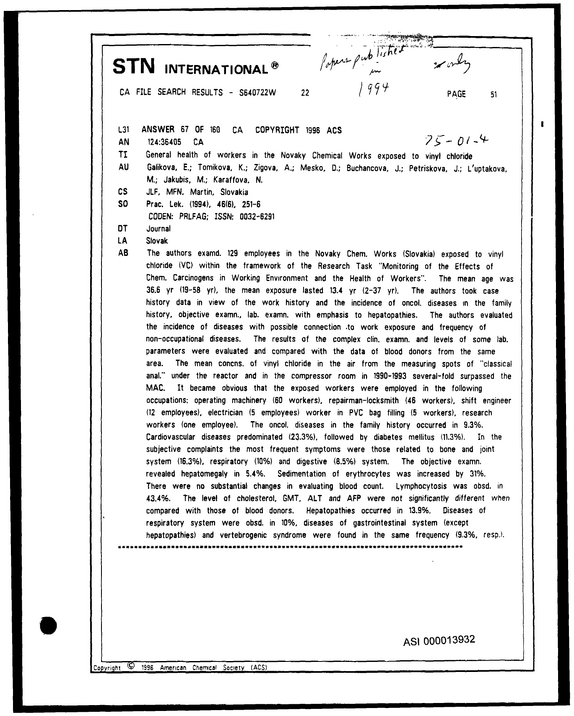
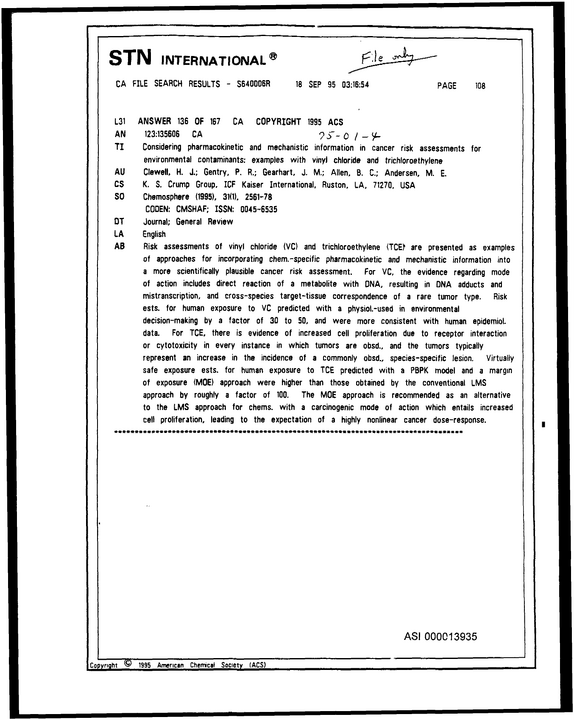
The MOE approach is recommended as an alternative to the LMS approach for chems. with a carcinogenic mode of action which entails increased cell proliferation, leading to the expectation of a highly nonlinear cancer dose-response.
refid# wgLG6b5LBJoM8NKa8Qww1gNrd4 pages
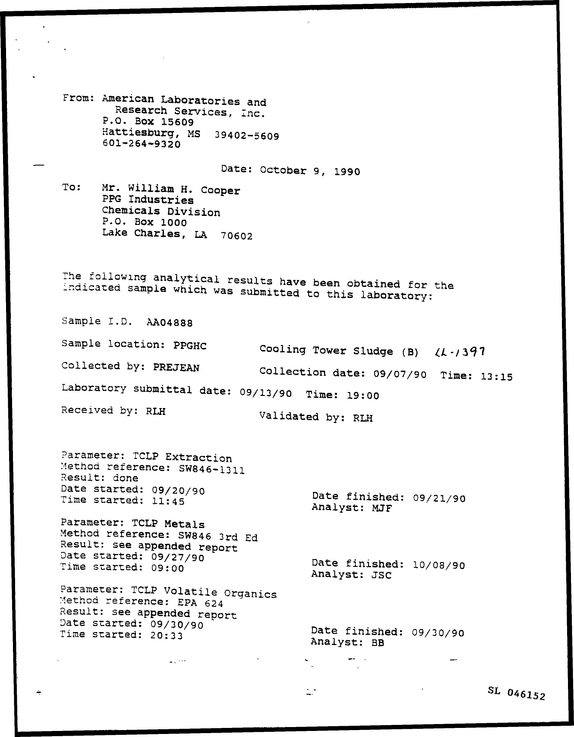
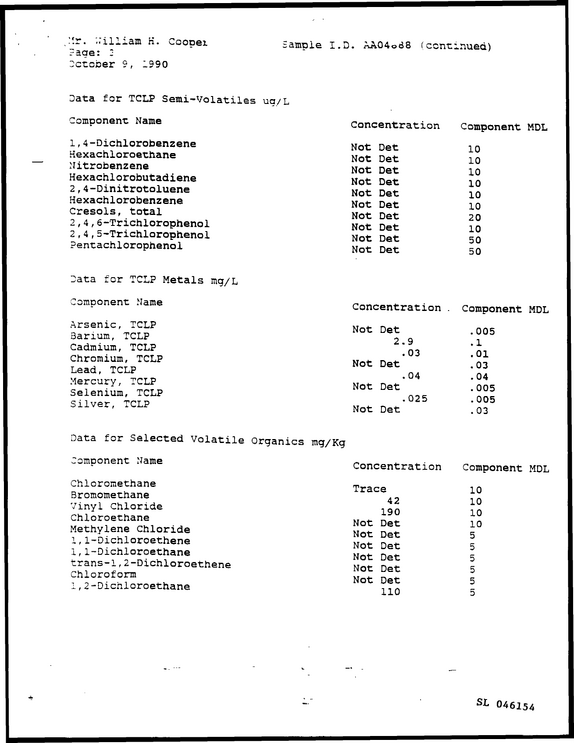
/L Component Name l,4-Dichlorobenzene Hexachloroethane Nitrobenzene Hexachlorobutadiene 2, 4-Dinitrotoluene Hexachlorobenzene Cresols, total 2,4,6-Trichlorophenol 2,4,5-Trichlorophenol Pentachlorophenol Concentration Not Det Not Det Not Det Not Det Not Det Not Det Not Det Not Det Not Det Not Det Component MDL 10 10 10 10 10 10 20 10 50 50 Data for TCLP Metals mg/L Component Name Arsenic, TCLP Barium, TCLP Cadmium, TCLP Chromium, TCLP Lead, TCLP Mercury, TCLP Selenium, TCLP Silver, TCLP Concentration .
refid# b52BXN8m99y06D51z8mZzqV8g6 pages
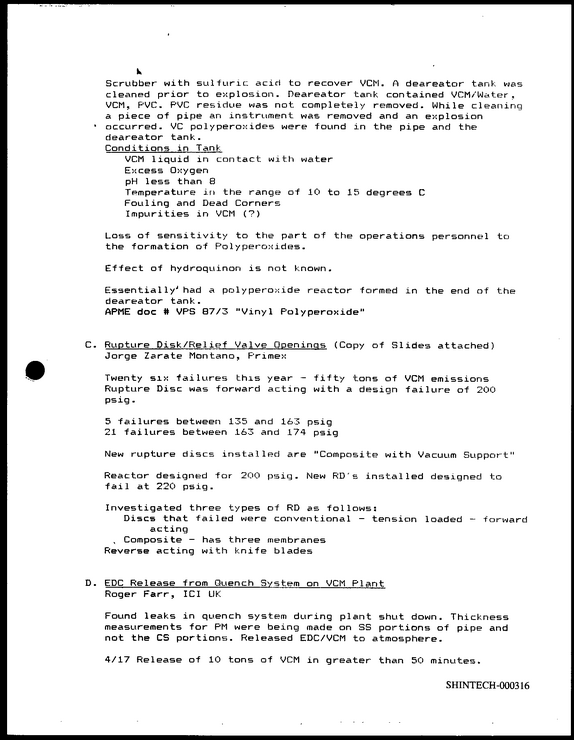
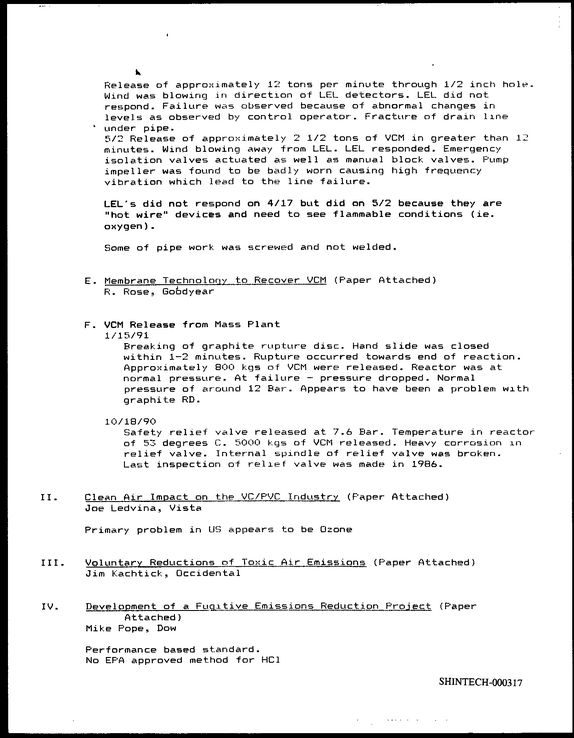
Pump impeller was found to be badly worn causing high frequency vibration which lead to the line failure.
refid# jGwRqxoGv9r4qOkdmO4Xxa6y5 pages
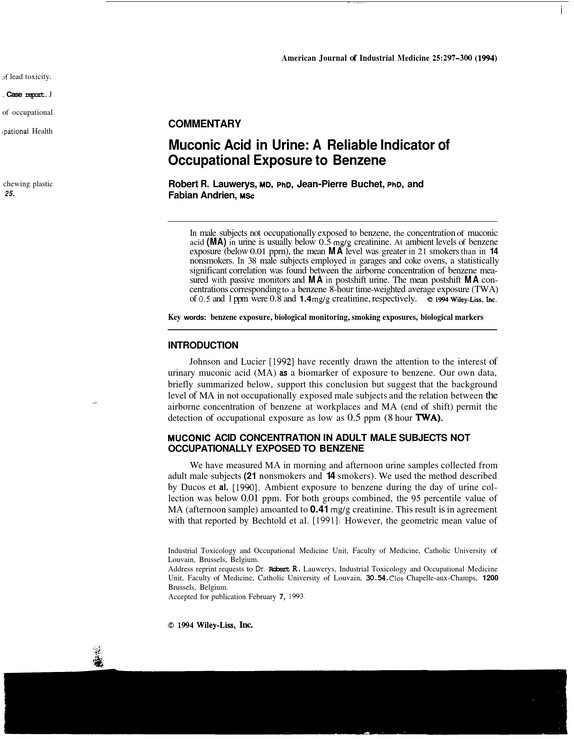
af lead toxicity. .
refid# nnkrrzrr0BwXKvmXa5xYX8X24 pages
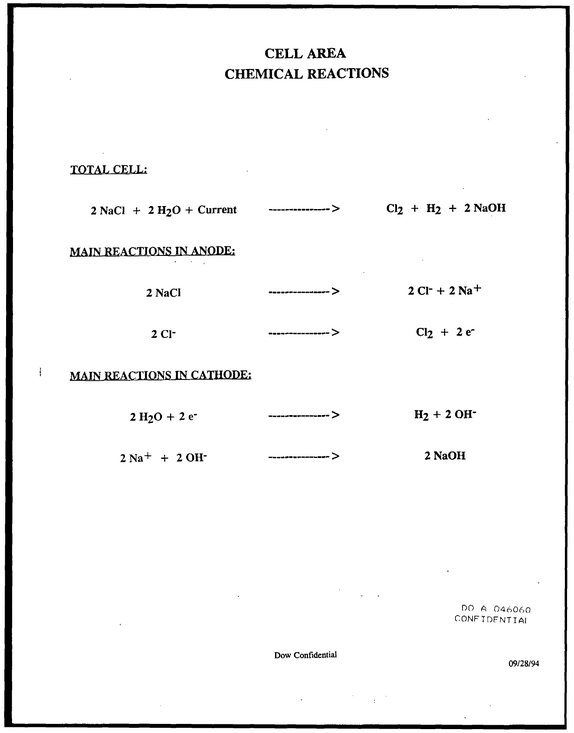
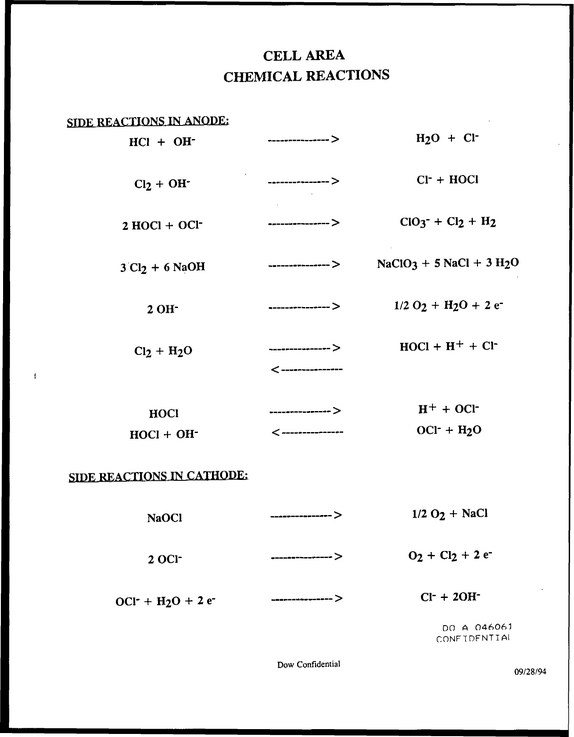
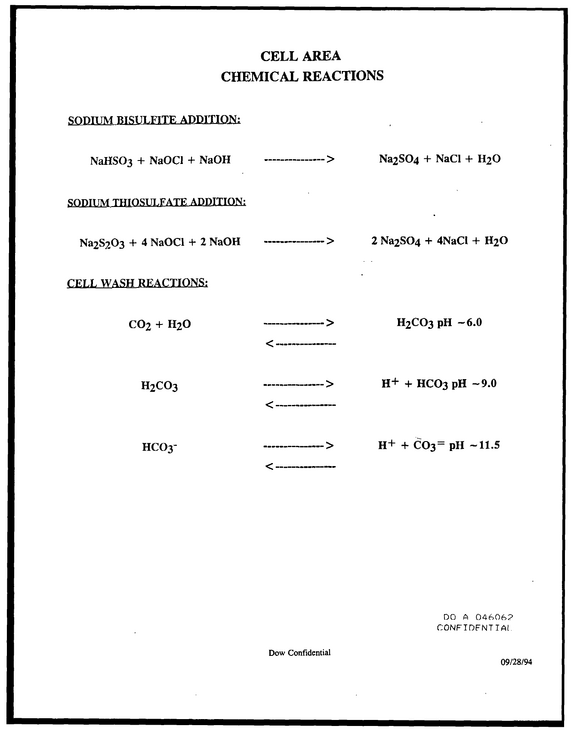
. - clip drop profiles quarterly by cell crew - anolyte and catholyte temperature alarms > 80 C October 6,1994 Dow Confidential Information efp DO A 0460A6 CONFIDENTIAL Potential Problems Oxygen in hydrogen Result: Explosion in hydrogen header ("pop" if minor in nature) Incidents: - 1993 Mod5 code problem resulted in no N2 purge on shutdown which lead to an explosion S-5/S-8 @ CA-2 - 1993 CA-2 Hydrogen log fire due to arcing at boot connection on S-8 hydrogen log caused by ground on series - 1994 S-4 at Cl-1 plant; failure to bottle series before lowering head to stop under-cell leak. - 1994 S-5 at Cl-1 between cell leak caused loss of catholyte level; H2 ignited above caustic trap.
refid# EqKdVNwVRwQVBgE6bXx05DBrn10 pages
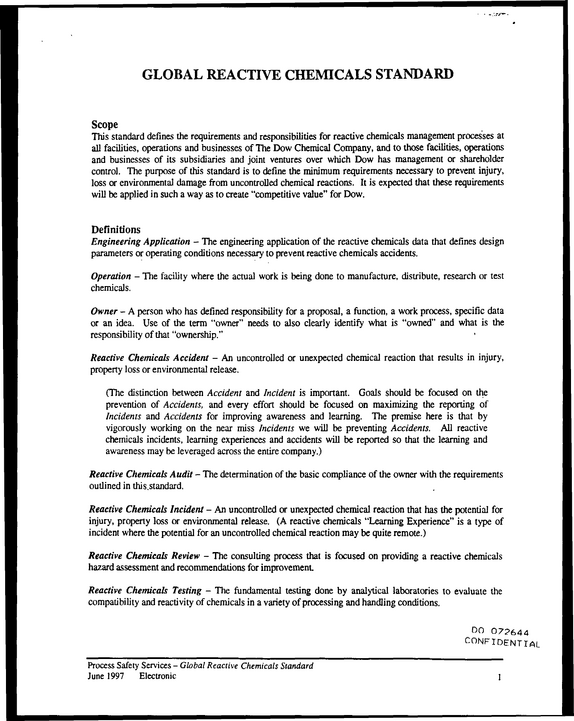
645 CONFIDENTIAL Process Safety Services - Global Reactive Chemicals Standard June 1997 Electronic 2 Training Requirements All operations personnel will be trained on the reactive chemicals potential for the chemicals they work with and to recognize the events that could lead to reactive chemicals incidents.
refid# 8Rj8nRD5m1dNG4VoQyBGpoY6m6 pages
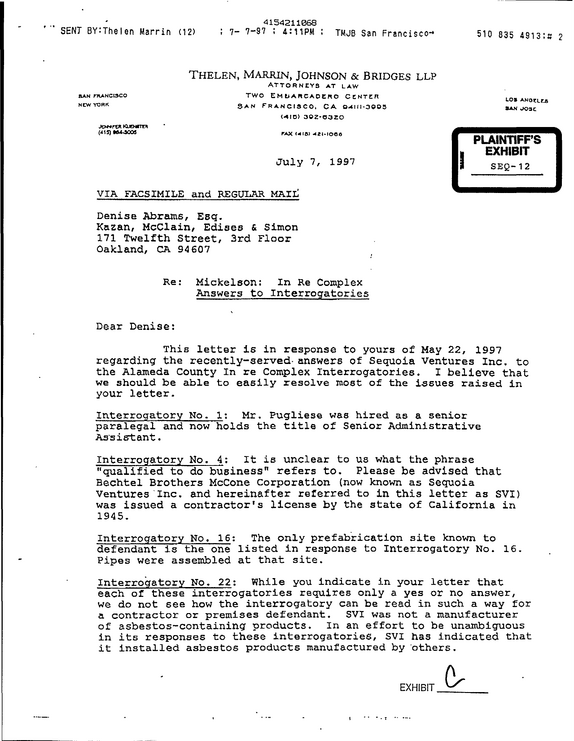
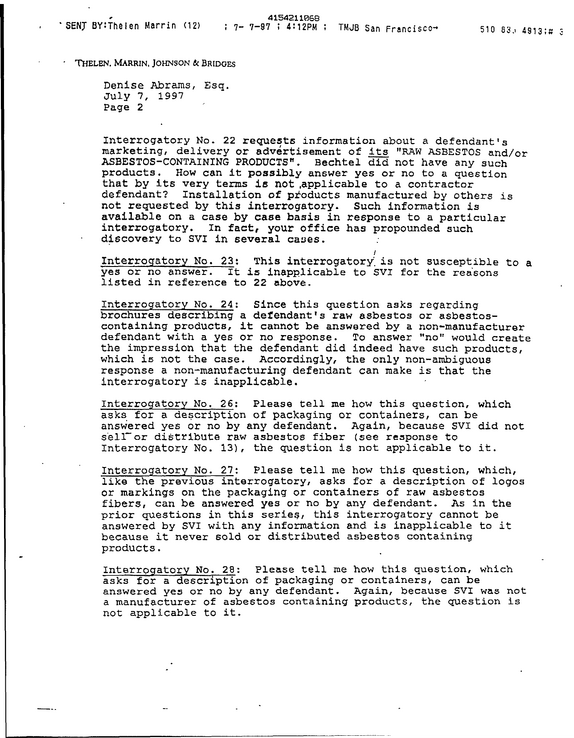
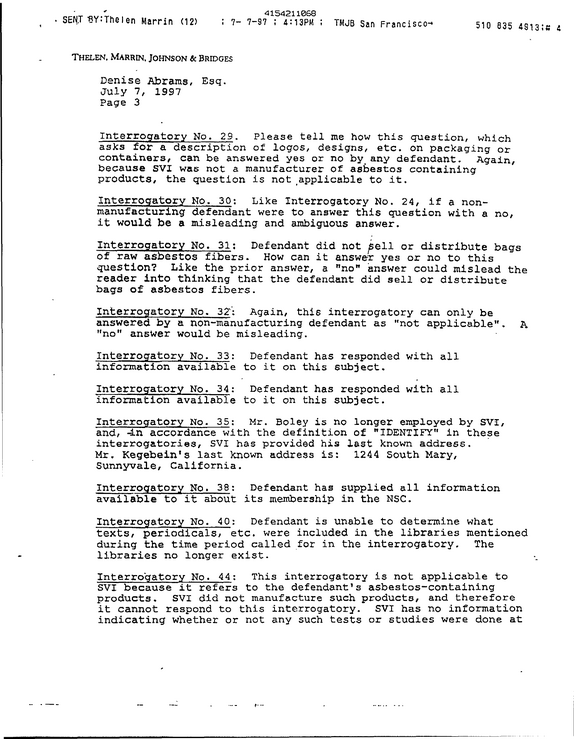
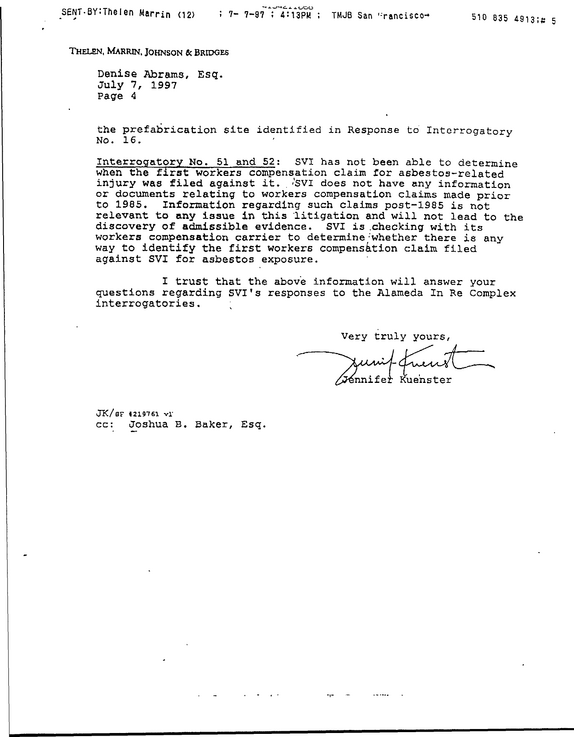
Information regarding such claims post-1985 is not relevant to any issue in this litigation and will not lead to the discovery of admissible evidence.
refid# Z11yyk8qwR2ZpEB3zVzN6KGp4 pages
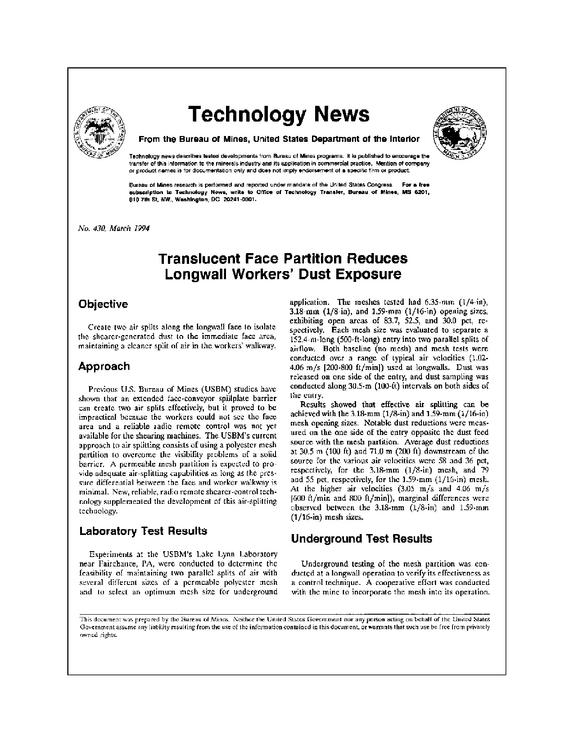
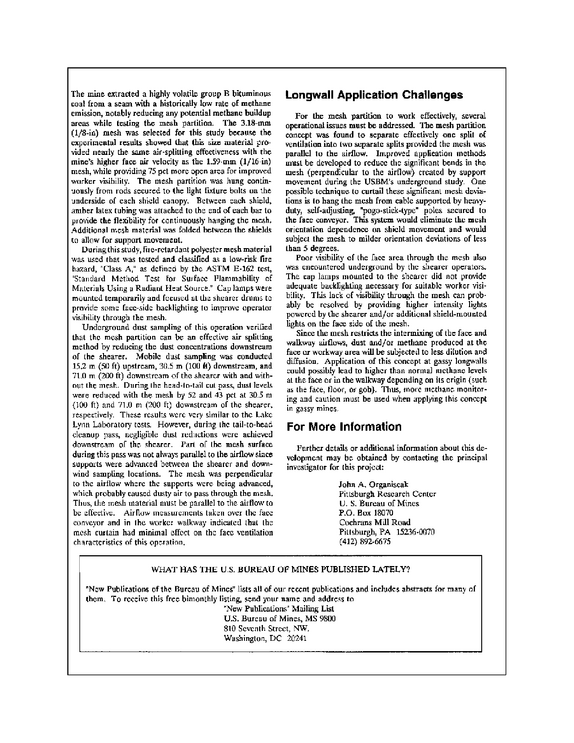
Application of this concept at gassy longwalls could possibly lead to higher than normal methane levels at the face or in the walkway depending on its origin (such as the face, floor, or gob).
refid# pBaJNR9aZRG16ERGbBLGmwX0k2 pages
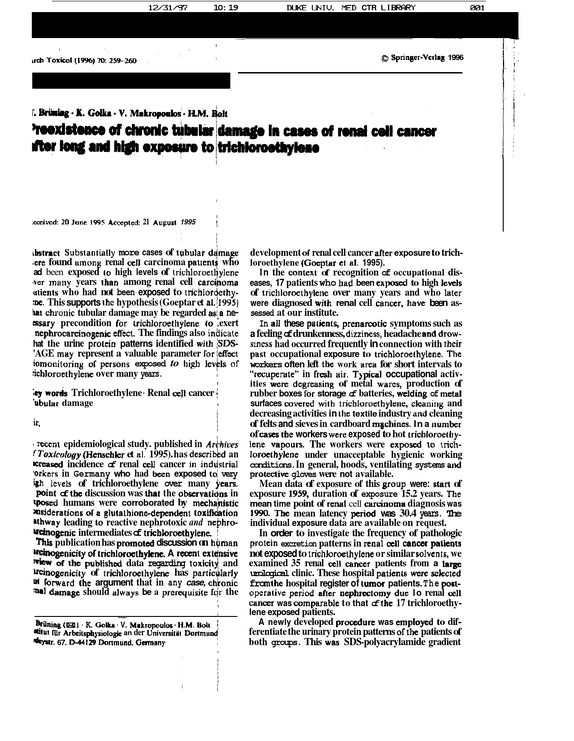
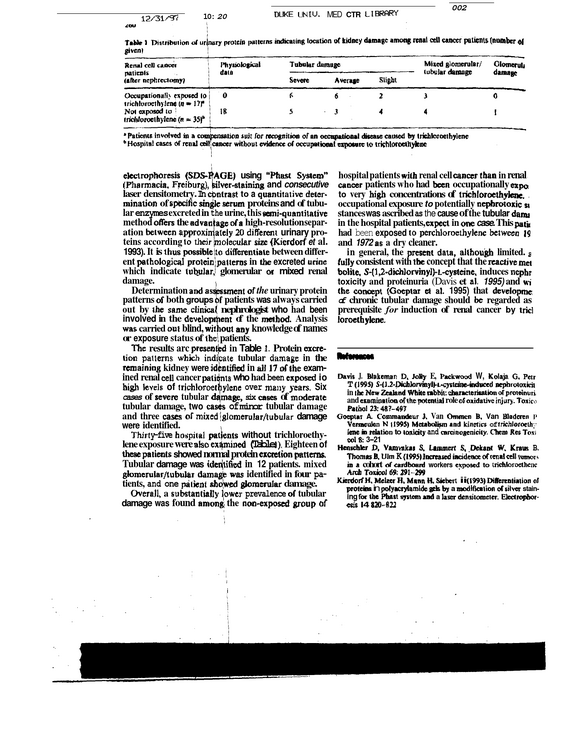
p i n t of thc discussion was tha1 the observatiQnsin [posed humans were corroborated by mechapistic asiderations of I gluiathimedepmdmt toxifiaation uhway leading lo reactive nephrotoxic and nebhro- ucfnogtnicintermediatesof tricbbrwhylene. i lhispublication has promoted discussion on hbman *W n q p k . i l y ortrichloroetbykne.A rGcent extdnsin of the published data regarding toxicild and -enicity of t r i c h l o r m h y h has partic\rlady brward the argument that in any case, chtonic md damage should always be a prerequisite f4r the I, *1 - - \Fining (e41 K.
refid# ZbNz08Z2DJegx3zMY0djrJDO2 pages
Water samples are periodically analyzed for total bacterial counts and for the presence ofcoliforms, lead, and other contaminants.
refid# RjVw2ndRXXen7DEpey6BMk3zE8 pages
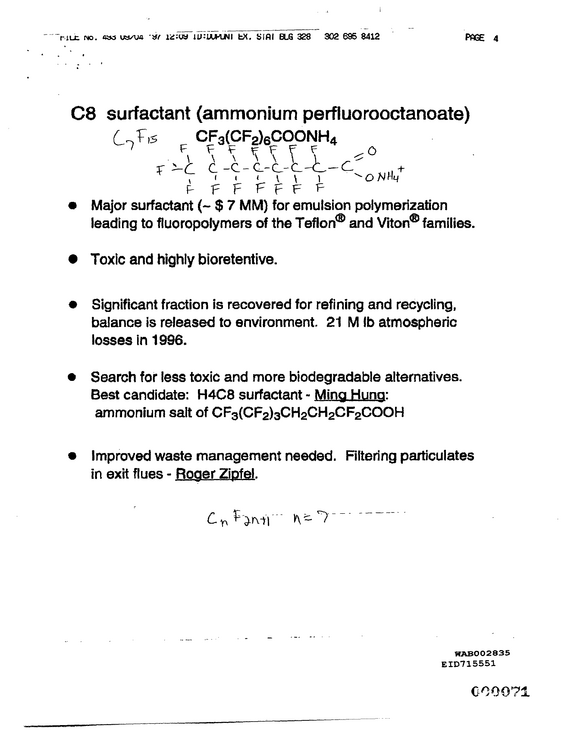
S lfll BL6 328 302 695 8412 PAGE 4 C 8 surfactant (ammonium perfluorooctanoate) )> CF3(CF2)6COONH4 F i F \cr\ -VcN- F c -c t \ F F FFF 1 F c o Major surfactant ( - $ 7 M M ) for emulsion polymerization leading to fluoropolymers of the Teflon and Viton families.
refid# 11r1o6V9ppNvY0XB0DrxjYBa9 pages
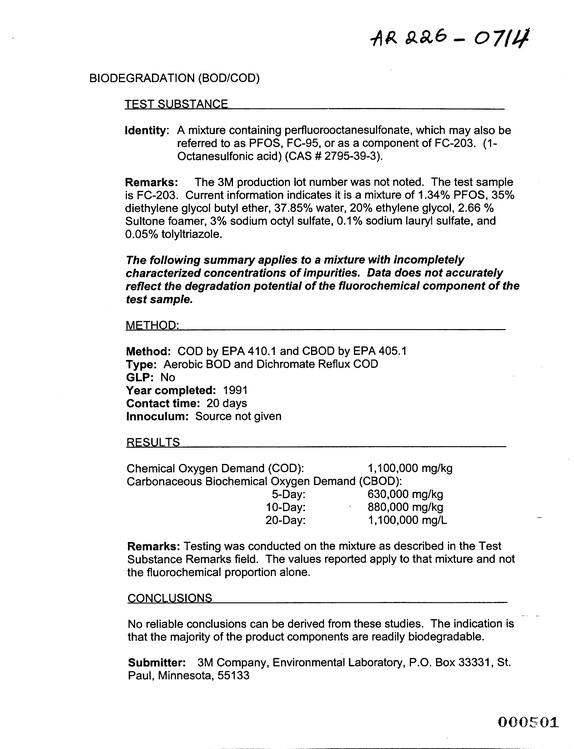
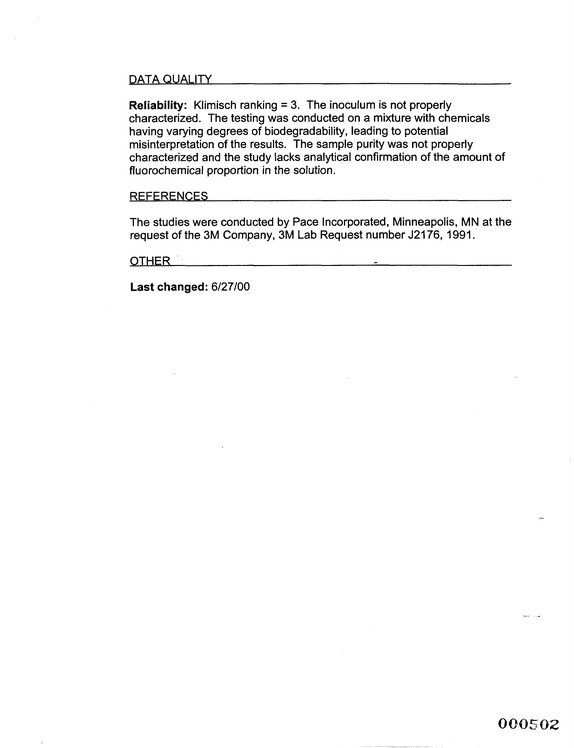
The testing was conducted on a mixture with chemicals having varying degrees of biodegradability, leading to potential misinterpretation of the results.
refid# zda6Y8wnrXNjy4VNOVre9wdvm5 pages