Refine
Estimated Years 1980-1989Clear
33 results foundRefine Search
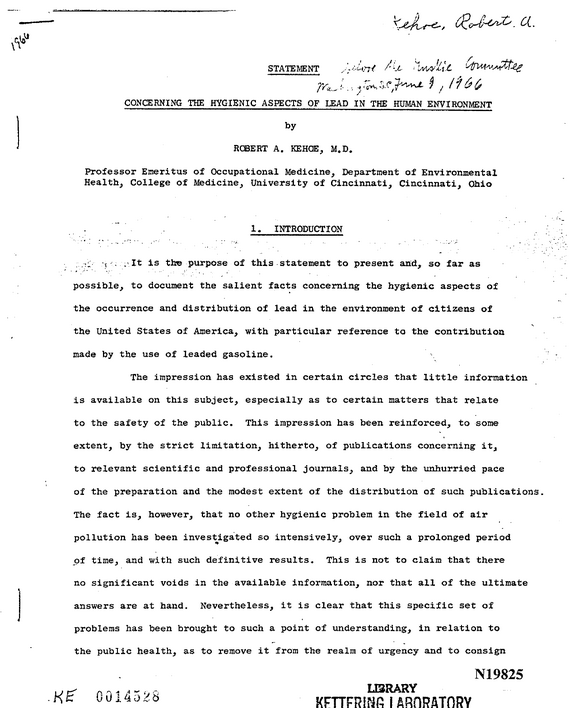
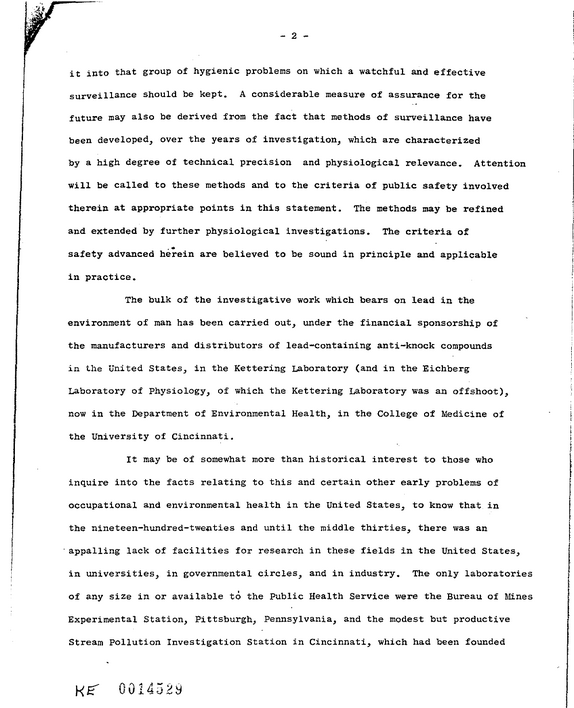
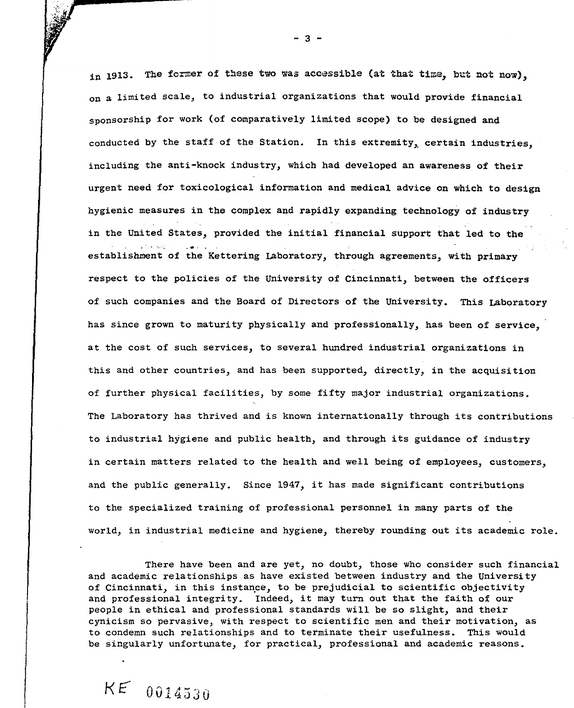
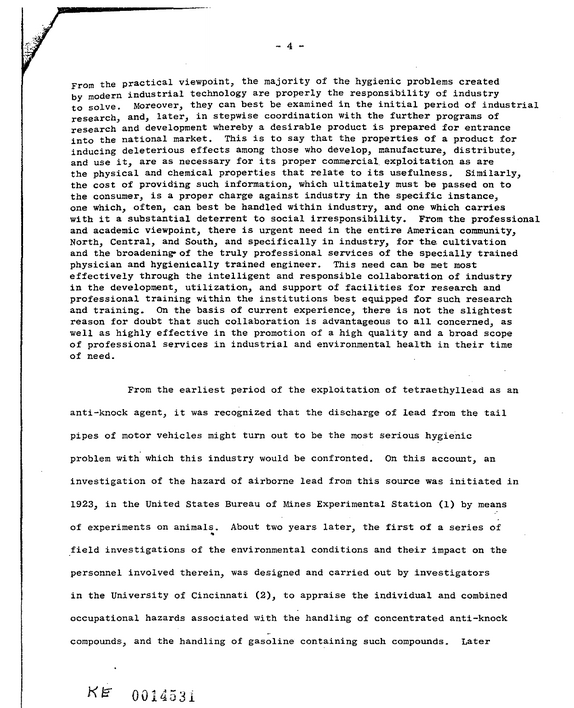
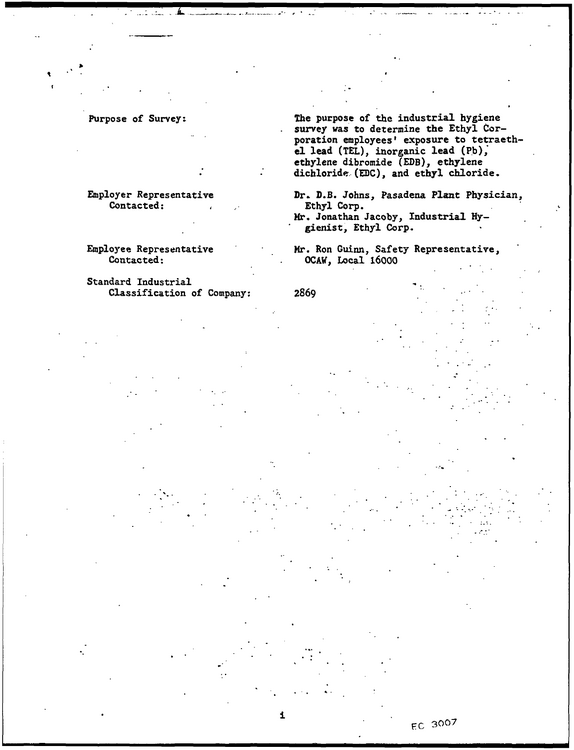
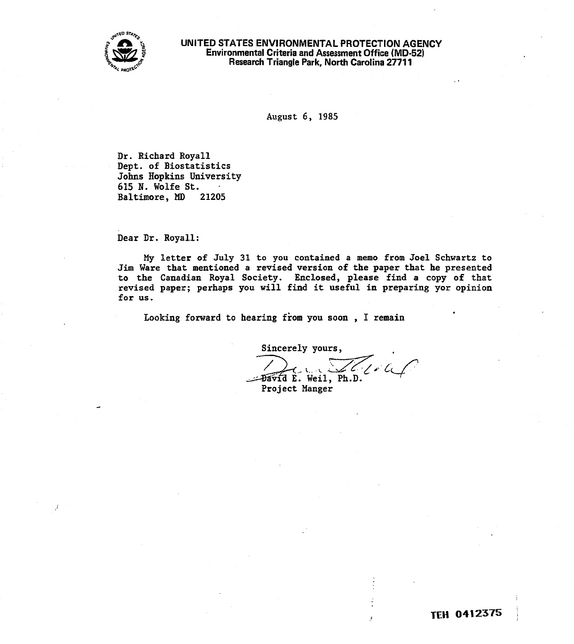
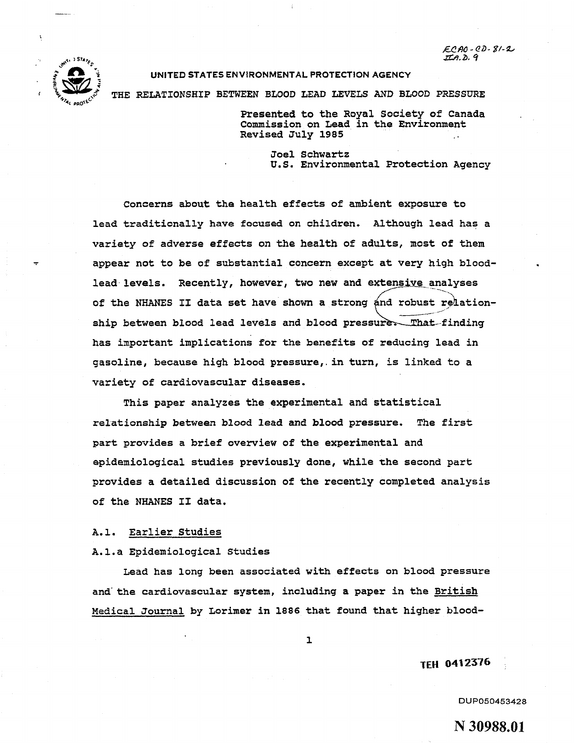
INTRODUCTION : ;i ( . - It is the purpose of this statement to present and, so far as possible, to document the salient facts concerning the hygienic aspects of the occurrence and distribution of lead in the environment of citizens of the United States of America, with particular reference to the contribution made by the use of leaded gasoline.
refid# p02pYGan43Gn6jNmQodd1kDd32 pages
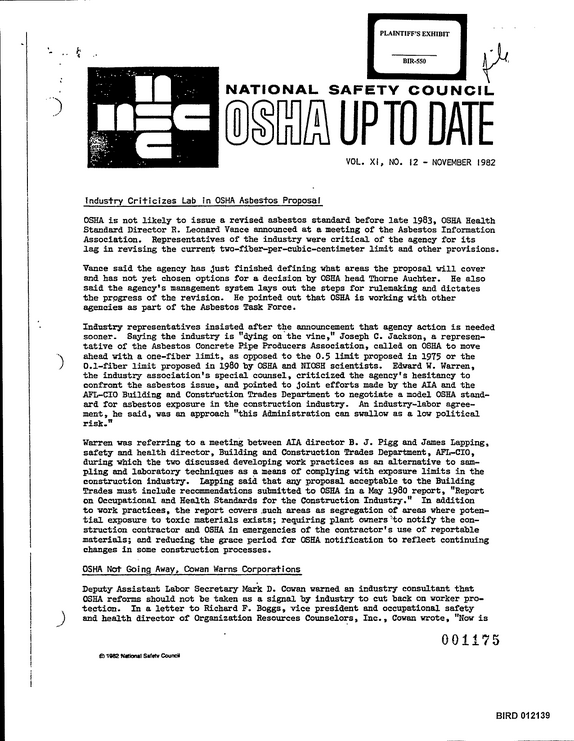
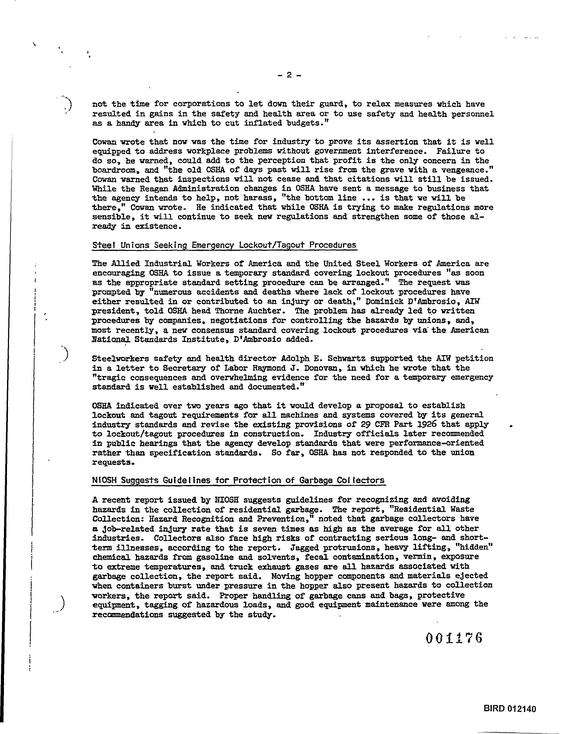
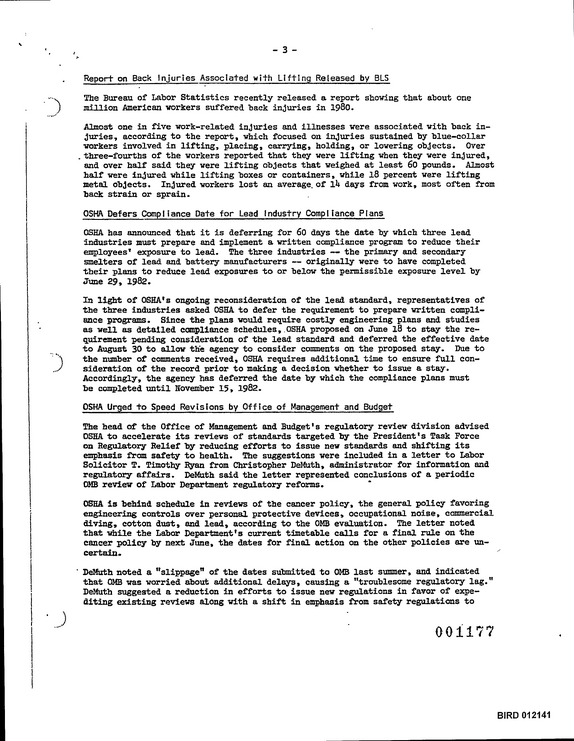
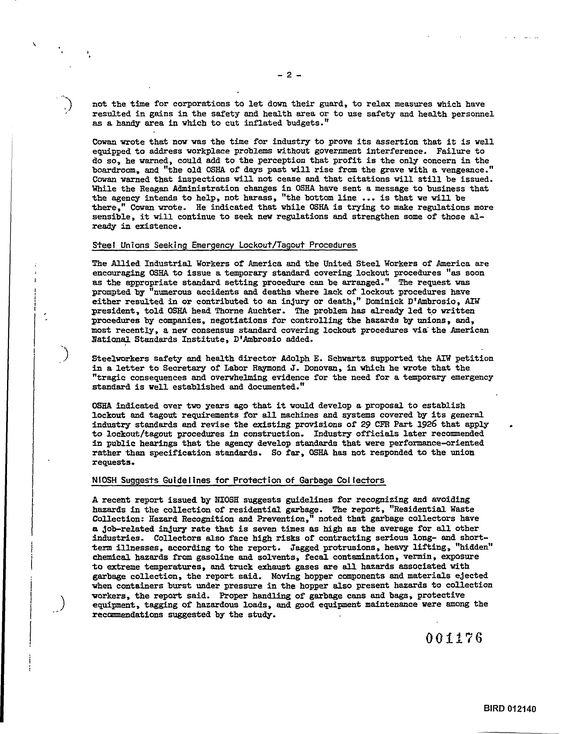
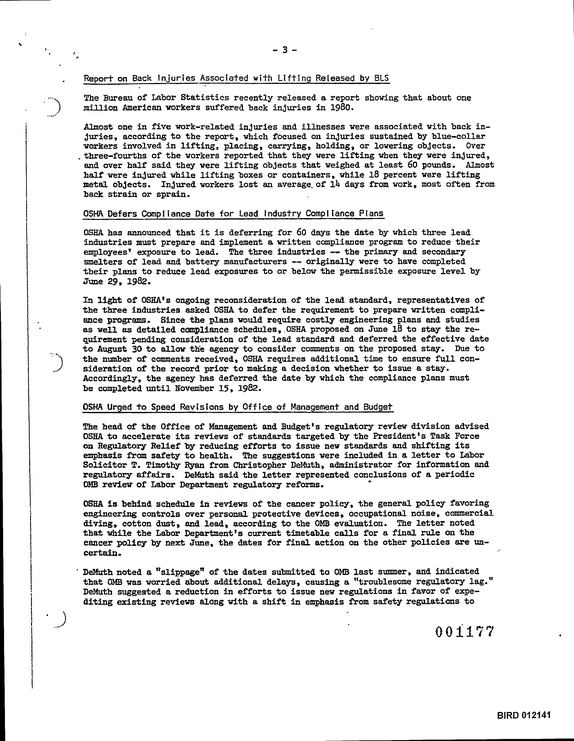
OSHA Defers Compliance Date for Lead Industry Compliance Plans OSHA has announced that it is deferring for 60 days the date by which three lead industries must prepare and implement a written compliance program to reduce their employees' exposure to lead.
refid# DGYEQV1N1DgYRQDMo8BQDQE2d3 pages
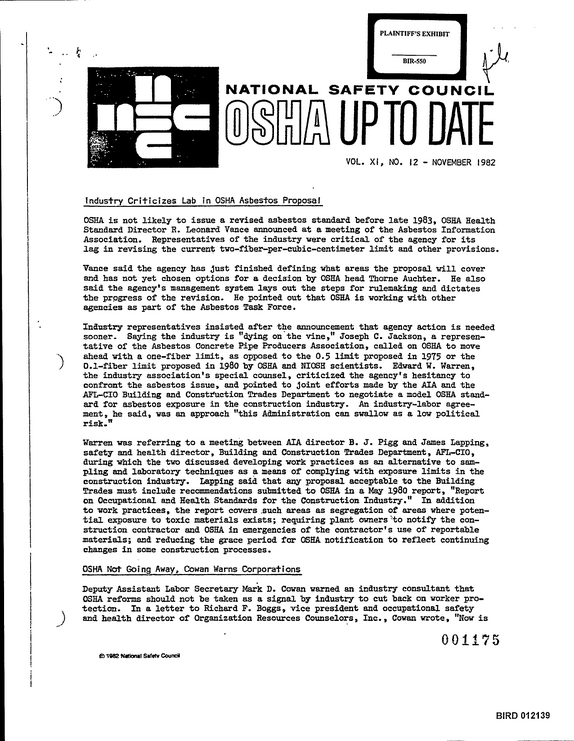
OSHA Defers Compliance Date for Lead Industry Compliance Plans OSHA has announced that it is deferring for 60 days the date by which three lead industries must prepare and implement a written compliance program to reduce their employees' exposure to lead.
refid# 5b5Mo6oLdZbmw5XERQ5wZnBpD3 pages
Industry developed more hygienic work practices and better technology, began clinical surveillance of TEL workers, and resumed production of TEL in 1926. 2 Several years later (and as late as the 1970's), TEL intoxication was observed in employees engaged in cleaning and repairing large gasoline storage tanks.
refid# RnY2pvYO49KKx0M6apXoqrz53 pages
Indeed Aub et al. remarked in 1926 that "lead follows the calcium stream." indicating that the Pb-Ca association is a long recognized one.
refid# v1n5nbdkpD01aLgQ8bgRMyaD644 pages
HJUHUHU E.
refid# X7QR0696aN2bmE6VYEvgJYazB40 pages
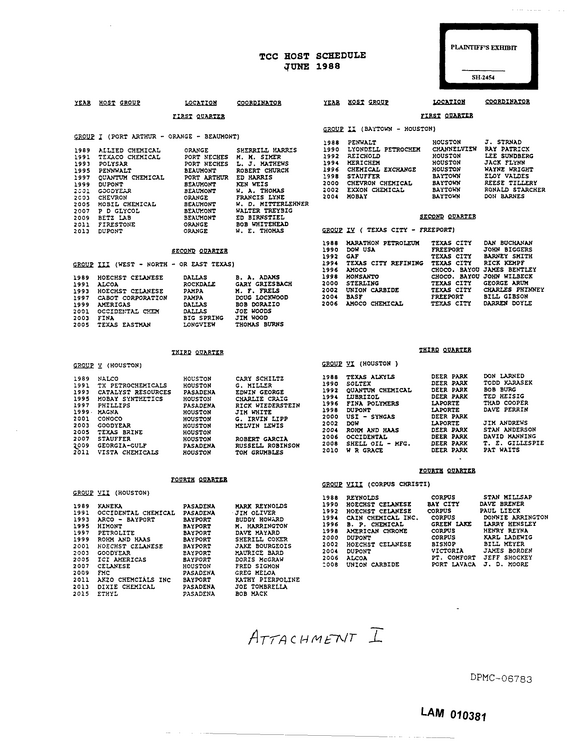
TCC HOST SCHEDULE qrUNE 1988 YEAR HOST GROUP LOCATION first quarter COORDINATOR GROUP I (PORT ARTHUR - ORANGE - BEAUMONT) 1989 1991 1993 1995 1997 1999 2C01 2 C 03 2005 2007 2009 2011 2013 ALLIED CHEMICAL TEXACO CHEMICAL POLYSAR PENNWALT QUANTUM CHEMICAL DUPONT GOODYEAR CHEVRON M03IL CHEMICAL P D GLYCOL BETZ LAB FIRESTONE DUPONT ORANGE PORT NECHES PORT NECHES BEAUMONT PORT ARTHUR BEAUMONT BEAUMONT ORANGE BEAUMONT BEAUMONT BEAUMONT ORANGE ORANGE SHERRILL HARRIS H.
refid# 7Re8QvLRbLwR2Zkjzxdb4jzDa12 pages
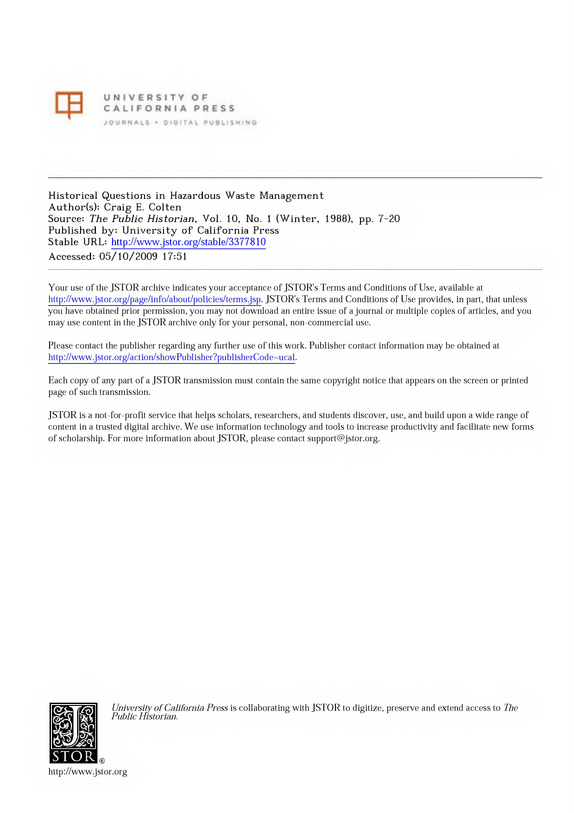
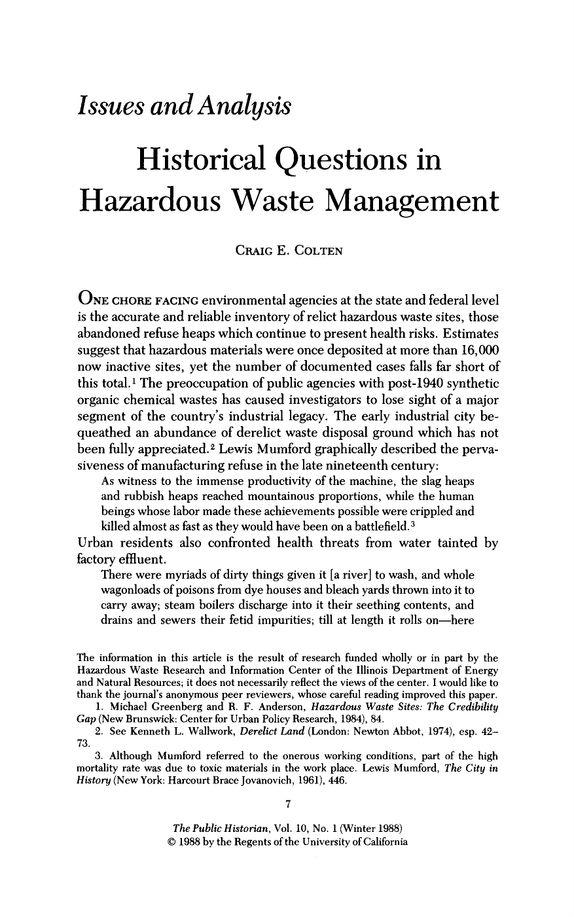
Inaccurate ranking can lead to misap plication of limited clean-up funds, dislocations of neighborhoods without due cause, and a persistence of reactive public response to hazards.
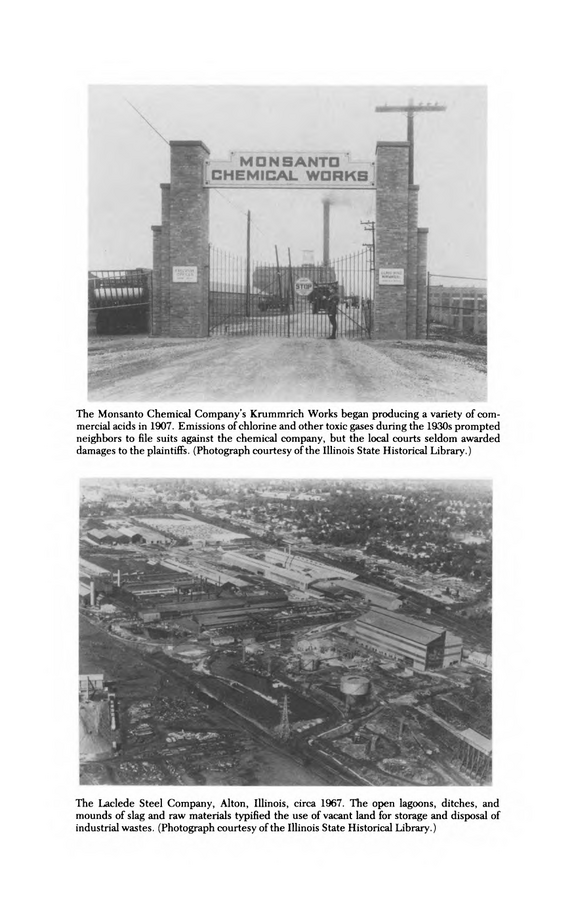
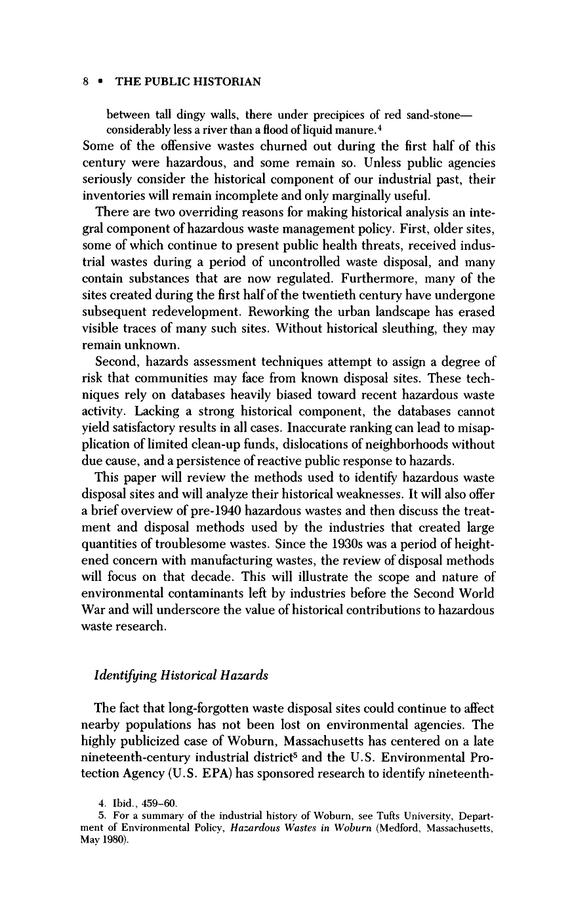
refid# O3D1nDBz9VnnM1wom1aX4LnE116 pages
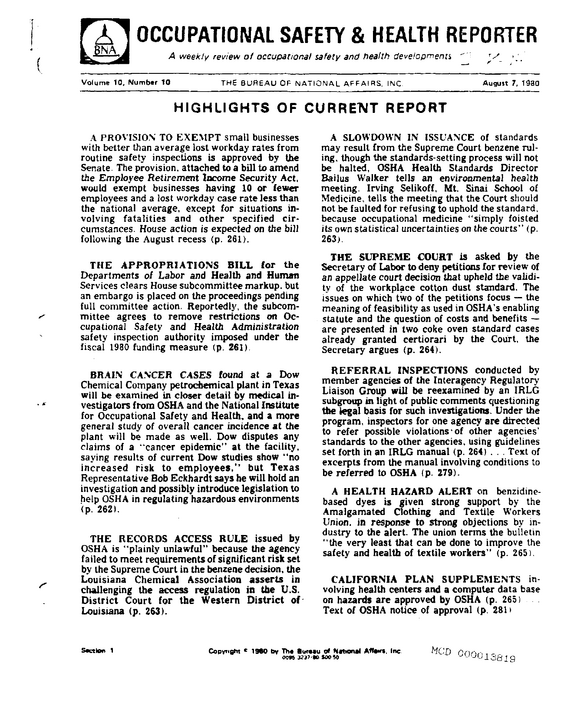
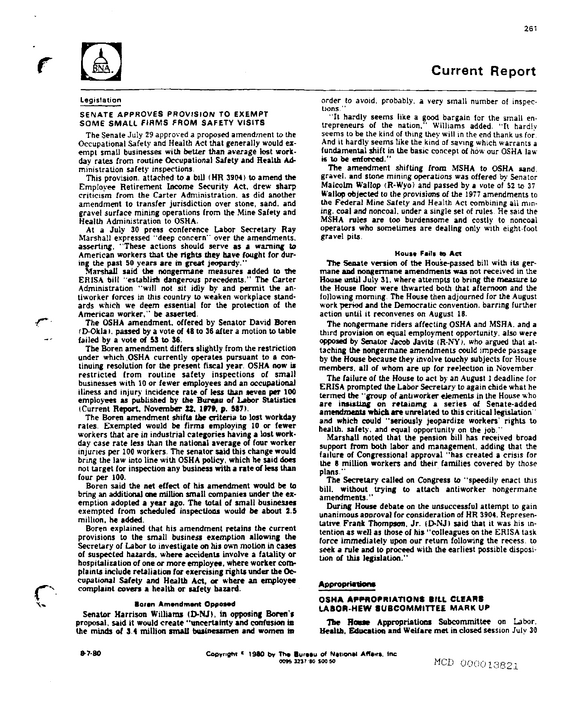
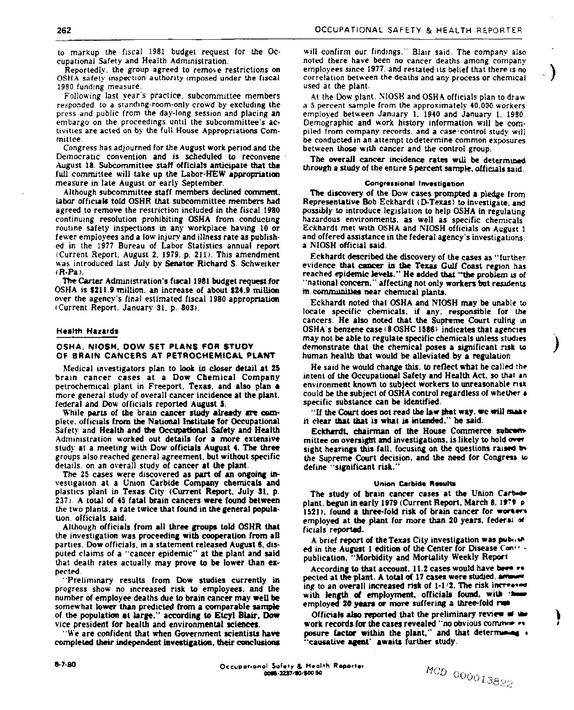
OCCUPATIONAL SAFETY & HEALTH REPORTER A weekly review of occupational safety and health developments " : ( Volume 10, Number 10 THE BUREAU OF NATIONAL AFFAIRS, INC.
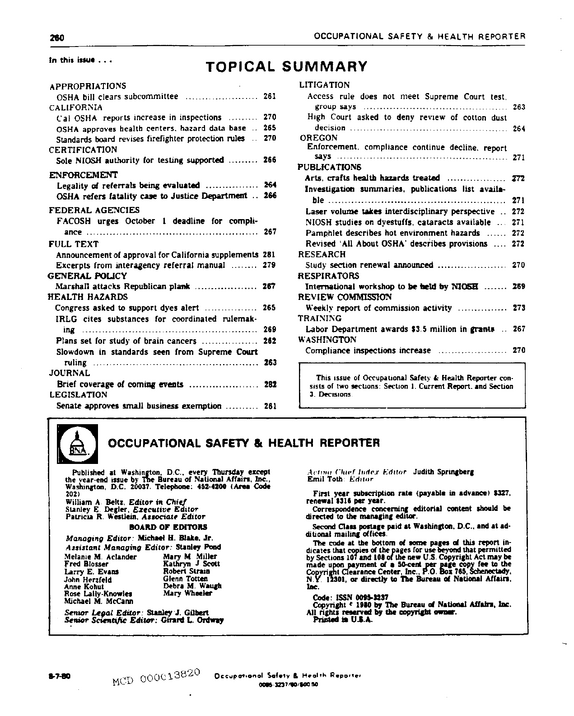
refid# x803490vpVJ3pM3wy69R34JE24 pages
Quantitative Evaluation of Lead and Biochemical Indices of Lead Exposure in Physiological Media......................... ............................................. .
refid# 9pYm9p9z4QJ1eb8x1100VNDR454 pages
By 1940 virtually all automobiles were equipped with molded brake linings although woven products continue to be used in trucks heavy equipment and for specialized applications The molded linings in use were cut to length usually by the manufacturer and mounted on brake shoes using rivets Until the mid 1920's brakes were only mounted on rear wheels However with the development of internal shoes four wheel mountings soon became standard and by 1930 were generally operated hydraulically As automobiles were designed for use at even higher speeds brake linings im- Various new materials were introduced proved in both quality and performance as fillers binders and friction modifiers In 1948 bonded brake linings were developed and soon accounted for approximately 40 of the original equipment brake market However they rapidly dominated the replacement market because of the considerable savings in labor during installation In 1965 the first disc brakes were introduced on American automobiles and rapidly increased in use In 1975 virtually all original equipment front wheel brakes on cars were of this type However because of less stringent braking requirements and the difficulty of adapting mechanical parking brakes to the disc configuration the rear wheel brakes on 95 of currently sold cars are still of the drum variety Requirements for Brake Linings A constant or slightly decreasing coefficient of friction C.F. with tempera- tures up to about 1000 is required for an efficient brake lining values of from 0.30 to 0.45 C.F. are normally sought Lower values produce brakes requiring excess pedal pressure and those with higher values are too sensitive to pressure and develop excess wear Ideally the desired frictional qualities should be maintained throughout the life of the lining material During braking chemical and physical changes occur in the material at the braking surfaces These changes may produce an increase build or a decrease fade in friction Satisfactory linings will fade slightly upon repeated applications but will return to their initial stat~ upon cooling Low wear of the linings is obviously desirable for economical and practical considerations However high wear resistance can be associated with the tendency of the lining to glaze with a concomitant reduction in the coefficient of friction This can be overcome by allowing a slow alteration of the brake lining material to occur Pyrolysis of the organic binders and thermal decomposition of the chrysotile fibers under braking provide the necessary continuing renewal of the lining surface The lining should be abrasive to the drum surface In addition to causing rapid drum wear abrasive linings score the drums which in turn leads to a rapid wearing of the lining Drums made of cast iron and steel are common with steel being the more susceptible to scoring Since brake drums have a hardness of from 3.5 to 4.0 on the MOH scale virtually all lining materials used have lower hardness values Other necessary or desirable properties of brake linings include physical strength dimensional stability quiet operation and safe and offensive degradation products Of the various properties desired in the linings greatest attention is paid to build and recovery characteristics Wear problems are not as serious and can more readily be overcome with the mate- rials available 7,8,9,10 Compounding Ingredients of Brake Linings To achieve the desired friction properties a wide variety of ingredients are commonly used in the manufacturer of automobile brake linings These include A Asbestos Asbestos is used for fiber reinforcement of the friction product Chrysotile is used almost exclusively and comprises from 40 to 50 percent of the brake lining Fiber grades 4 through 7 are used and occasionally several sizes are mixed or even calcined to improve performance characteristics Amosite crocidolite or other amphibole asbestos varieties are not used because they are too harsh and tend to score the brake drums Organic binders Organic binders are primarily phenolic type resins selected for high binding strength Unmodified phenolic resins when subjected to heat usually become hard and brittle To prevent this linseed cashew nut or China wood oils or cresols are added Rubber which also finds use as a binder imparts desirable friction qualities and improves the flexibility of the lining material Friction modifiers Friction modifiers are added to achieve a desirable coefficient of friction over all operating conditions These modifiers also produce a more homogeneous lining surface Included among these materials are lead zinc brass cashew nut oil graphite and oxides of iron and copper Fillers Fillers such as rubber scrap barites clays silica coke coal and other minerals are used These also have utility in achieving desired friction properties in some cases through action as abrasives to recondition braking surfaces It is important to note that one major purpose of the reconditioning agents is to retard the formation of forsterite which may accumulate on the surface of the brake lining Forsterite is a mineral not originally present in the brake material but is created by dehydroxylation and recrystallization of chrysotile asbestos at high temperatures The hardness of forsterite hardness 6.5-7.0 on the MOH Scale is such that it tends to score and gouge brake drums and discs hardness 3.5 degrading them prematurely Therefore recrystallization of chrysotile to forsterite is an unwanted effect Curing agents Curing agents and accelerators are used to assure that appropriate chemical reactions occur to produce the desired brake quality Types of Brake Linings and Manufacturing Processes In making the of different types of brake linings various manufacturing processes are utilized to achieve a wide range of potential applications .These include Wired Back These are made by a calendering process in which putty stock is formed into a ribbon about a wire backing The wire reinforcing serves to maintain strength during the curing process Further as linings of this type are invariably riveted the wire reinforcing provides long term structural strength and prevents shearing of the lining at the rivets during braking Linings of this type were extensively produced prior to World War II They are in little use today Extruded Linings These are manufactured by extruding the soft plastic stock through an appropriately sized rectangular orifice To minimize structural weakness in this lining curing agents are added t
refid# Lp4mbjQ078GB7ejEM23m1xvGb42 pages
Included among these materials are lead, zinc, brass, cashew nut oil, graphite, and oxides of iron and copper.
refid# RpgXwpon4pbwLbDjkerpEG5JV42 pages
I Z L Q:]OlS- RECEIVED f&29 WO Safety And Loss Prevention y Manual u For Contractors yV?
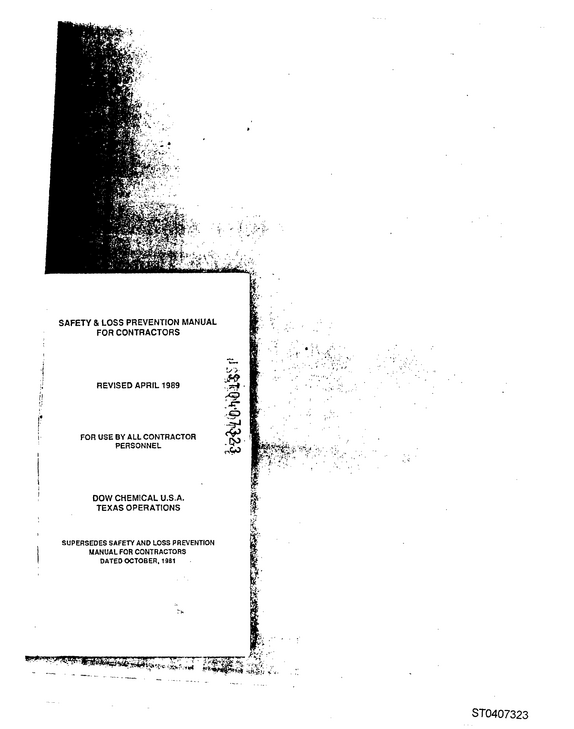
refid# 3JL8dz58xqDpDzO3n0xp8K0E6119 pages
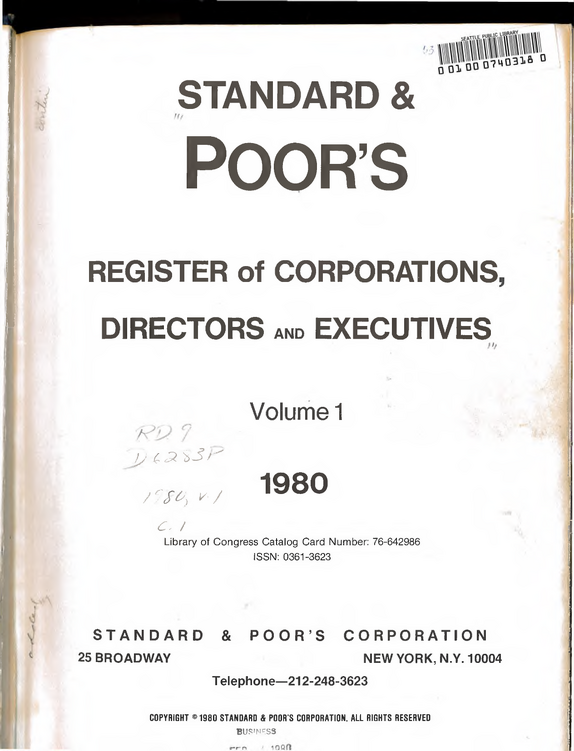
FILE NAME: Lone Star Industries (LS) DATE: 1980 DOC#: LS101 DOCUMENT DESCRIPTION: Standard & Poor's Register W.- - i The information in this REGISTER can be yours also in these formats 7TX- 169-617-16 Rmran>; mto.

refid# pmpz100nrk4rXNnBGR9X0LjR634 pages
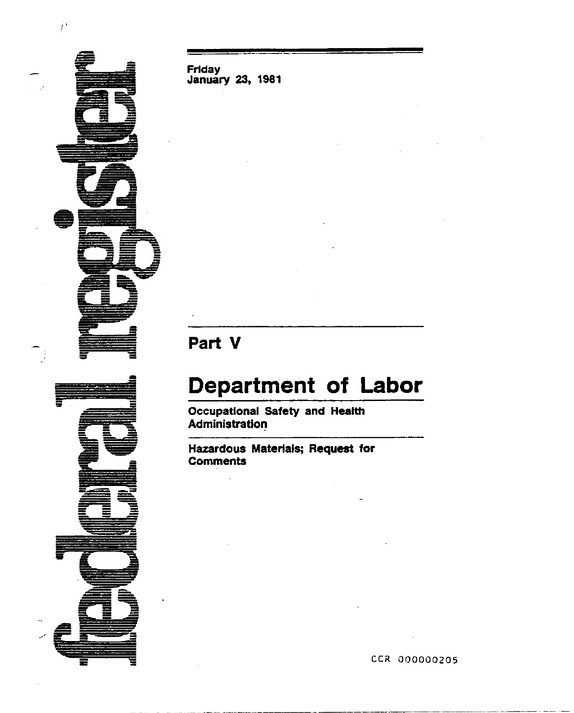
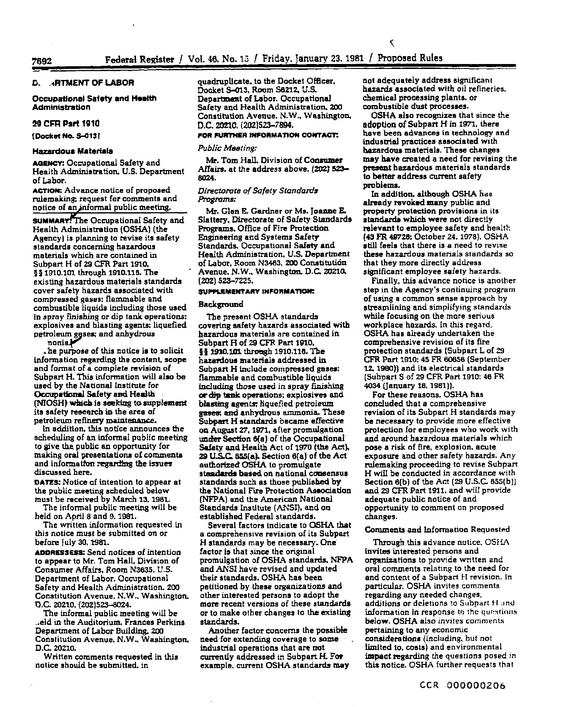
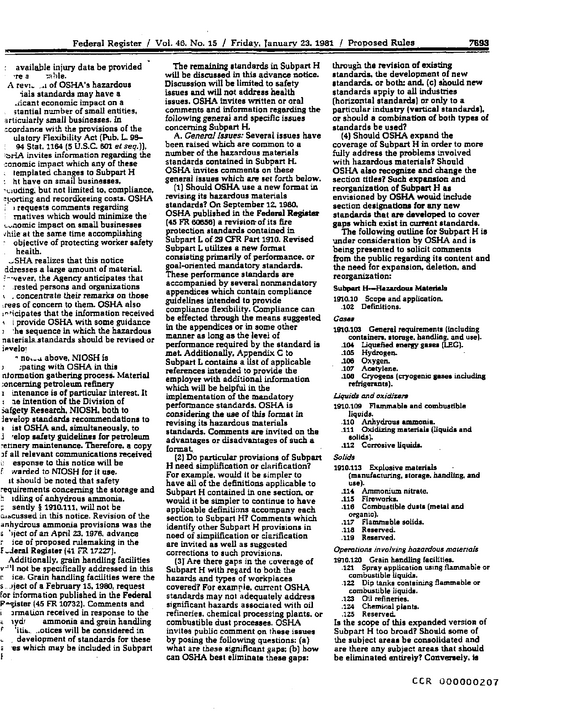
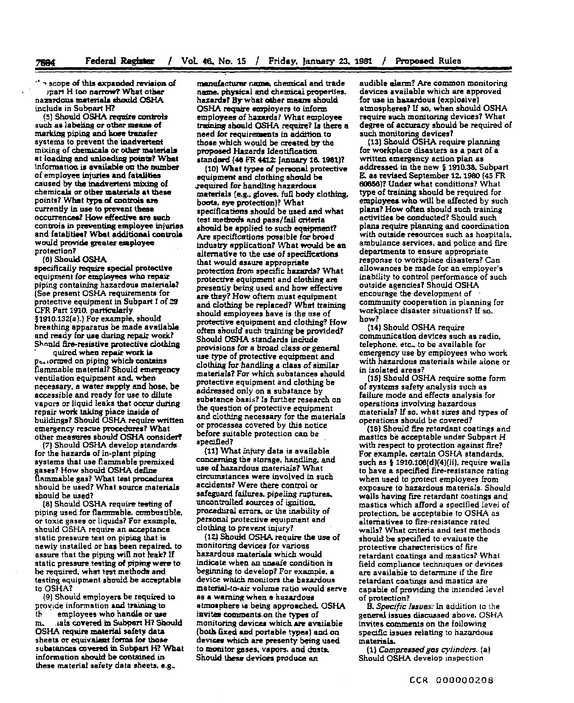
Friday January 23, 1981 Part V Department of Labor Occupational Safety and Health Administration Hazardous Materials; Request for Comments CCR 000000205 7692 Federal Register / Vol. 46, No. 15 / Friday.
refid# DvV9NZyzBV0LRvvvqe2ZgwG6n9 pages