Refine
Estimated Years 1980-1989Clear
14,918 results foundRefine Search
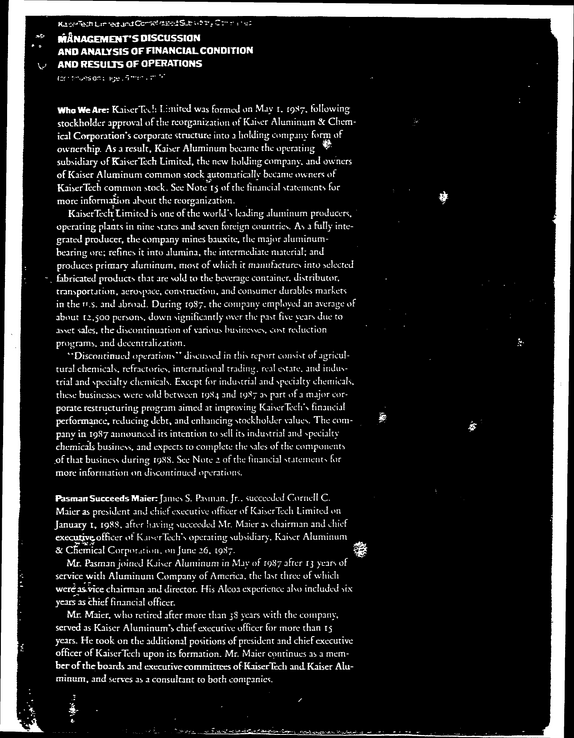
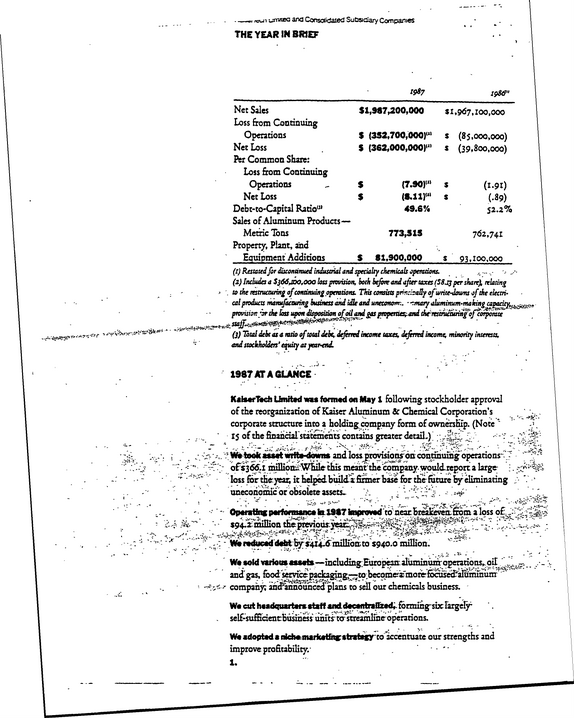
KaiserTech Limited 1987 Annual Report vr " ** I V K*i-'v,Te--H Lir- -tarctCc'-'K'!

refid# 4m8pmrQZjqqaMwQzGMQ3VKM198 pages
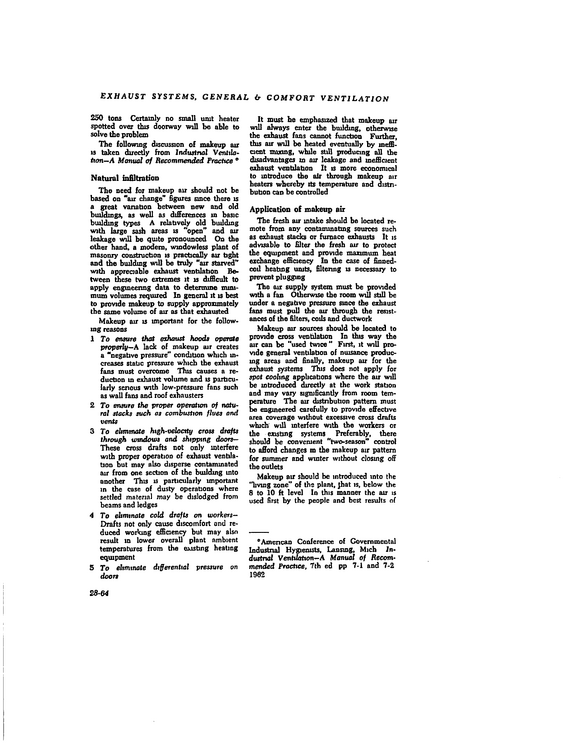
EXHAUST SYSTEMS, GENERAL It COMFORT VENTILATION 250 tons Certainly no small unit heater spotted over this doorway will be able to solve the problem The following discussion of makeup air is taken directly from Industrial Ventila tion--A Manual of Recommended Practice Natural infiltration The need for makeup air should not be based on "air change" figures since there is a great variation between new and old buildings, as well as differences in basic building types A relatively old building with large sash areas is "open" and air leakage will be quite pronounced On the other hand, a modern, windowless plant of masonry construction is practically air tight and the building will be truly "air starved" with appreciable exhaust ventilation Be tween these two extremes it is difficult to apply engineering data to determine mini mum volumes required In general it is best to provide makeup to supply approximately the same volume of air as that exhausted Makeup air is important for the follow ing reasons 1 To ensure that exhaust hoods operate properly--A lack of makeup air creates a "negative pressure" condition which in creases static pressure which the exhaust fans must overcome This causes a re duction m exhaust volume and is particu larly senous with low-pressure fans such as wall fans and roof exhausters 2 To ensure the proper operation of natu ral stacks such as combustion flues and vents 3 To eUmmate high-velocity cross drafts through windows and shipping doors-- These cross drafts not only interfere with proper operation of exhaust ventila tion but may also disperse contaminated air from one section of the building into another This is particularly important in the case of dusty operations where settled material may be dislodged from beams and ledges 4 To eliminate cold drafts on workersDrafts not only cause discomfort and re duced working efficiency but may also result in lower overall plant ambient temperatures from the existing heating equipment 5 To eliminate differential pressure on doors It must be emphasized that makeup air will always enter the building, otherwise the exhaust fans cannot function Further, this air will be heated eventually by ineffi cient mixing, while still producing all the disadvantages in air leakage and inefficient exhaust ventilation It is more economical to introduce the air through makeup air heaters whereby its temperature and distri bution can be controlled Application of makeup air The fresh air intake should be located re mote from any contaminating sources such as exhaust stacks or furnace exhausts It is advisable to filter the fresh air to protect the equipment and provide nunmiim beat exchange efficiency In the case of finnedcod heating units, filtering is necessary to prevent plugging The air supply system must be provided with a fan Otherwise the room will stdl be under a negative pressure since the exhaust fans must pull the air through the resist ances of the filters, coils and ductwork Makeup air sources should be located to provide cross ventilation In this way the air can be "used twice " First, it will pro vide general ventilation of nuisance produc ing areas and finally, makeup air for the exhaust systems This does not apply for spot cooling applications where the air will be introduced directly at the work station and may vary significantly from room tem perature The air distribution pattern must be engineered carefully to provide effective area coverage without excessive cross drafts which will interfere with the workers or the existing systems Preferably, there should be convenient "two-season" control to afford changes m the makeup air pattern for summer and winter without closing off the outlets Makeup air should be introduced into the "living zone" of the plant, Jhat is, below the 8 to 10 ft level In this manner the air is used first by the people and best results nf "American Conference of Governmental Industrial Hygienists, Lansing, Mich In dustrial Ventilation--A Manual of Recom mended Practice, 7th ed pp 7-1 and 7-2 1982 28-84
refid# zoYEvKmGmvqx4o5Er5Joo8BL61 page
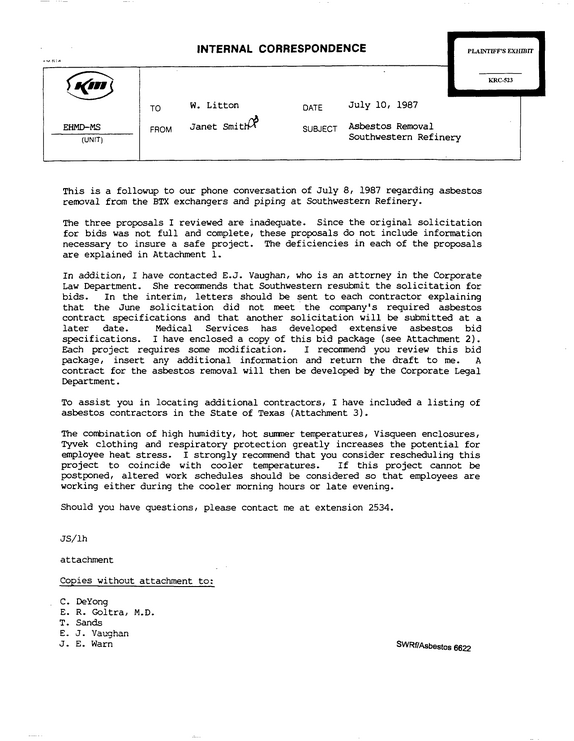
INTERNAL CORRESPONDENCE EHMD-MS (UNIT) FROM W.
refid# yOxjrV8YLekZnv3KeGYGyGN31 page
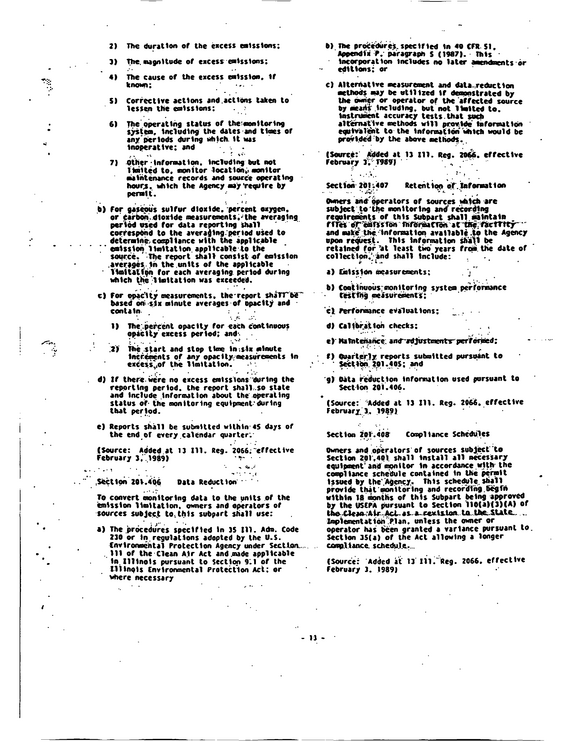
2) The duration of the excess emissions; 3) The.
refid# a1Ew0nDddMkw1QQb4r8qjXZJN1 page
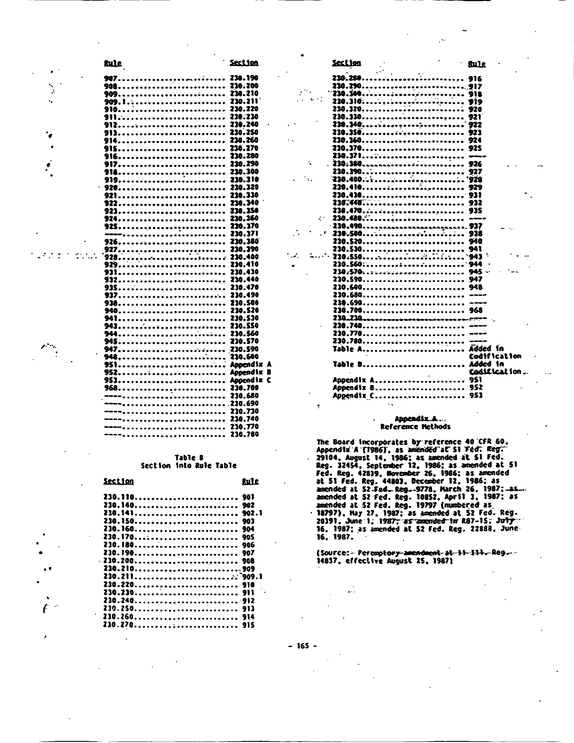
gult 926. 927. 928. 929. 911. 912. 91S. 937. 938. 940. 941. 943. 944. 945. 947. 948, 951. 952. 953. 968.
refid# gkpNLEj0429dqgxm29K3kXgG1 page
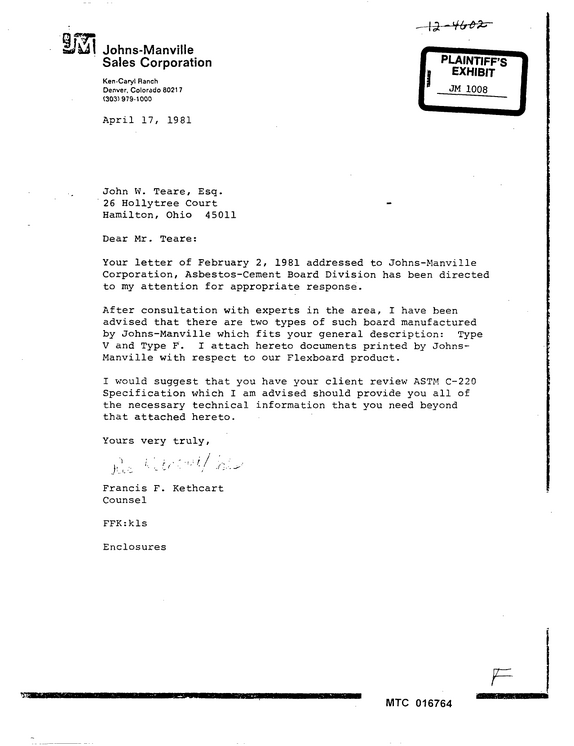
Johns-Manvrlle Sales Corporation Ken-Caryl Ranch Denver, Colorado 80217 (303) 979-1000 April 17, 1981 John W.

refid# MJkZLx1B5E6bv7jrwXzq5keVM2 pages
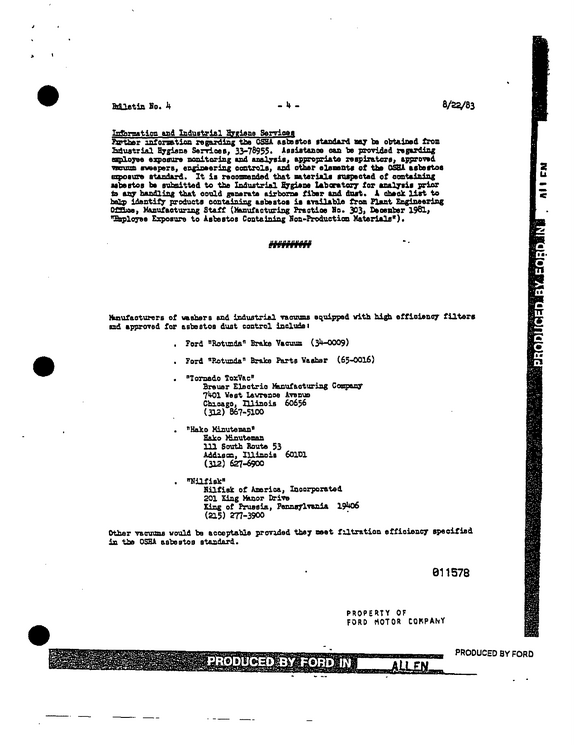
Bdletin Be* 4 -4- fi/2^83 Igfcnation and Industrial Hygiene Services Fxrtter intonation regarding tbs QSHA asbestos standard may be obtained from Industrial Bygiene Services, 33--78955 Assiatanoo oan be provided regarding employee exposure nonitoring and analysis, appropriate respirators, approved vwuum sweepers, engineering controls, and other eXenents of the OSBi asbestos exposure standard.
refid# y129g4xx7d2nMK1NxbMXBO021 page
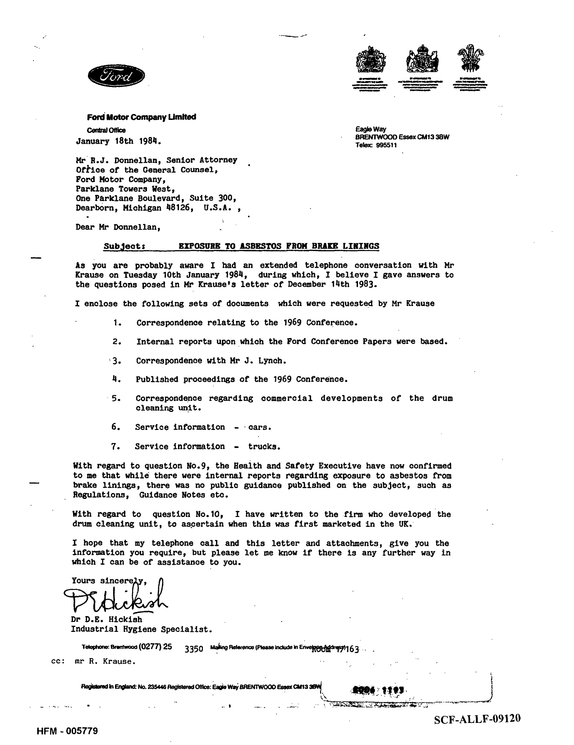
Ford Motor Company Limited Central Office January 18th 1984.
refid# yraJQGGob3Mkajg5kb8xEay741 page
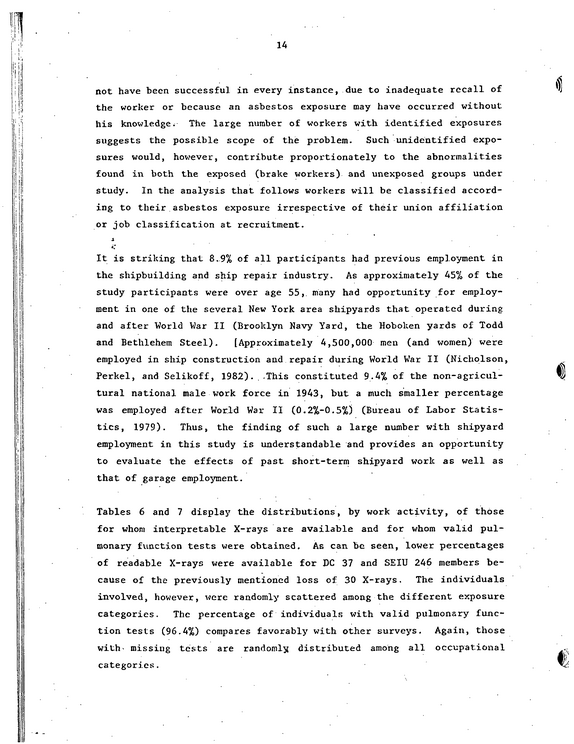
14 not have been successful in every instance, due to inadequate recall of the worker or because an asbestos exposure may have occurred without his knowledge.
refid# zz4gXLxvv7z78BQb0LYBzLXBg1 page
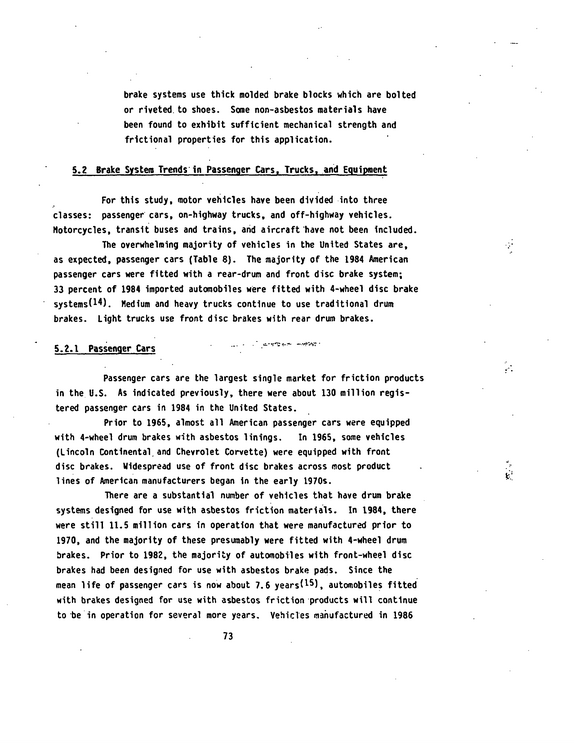
brake systems use thick molded brake blocks which are bolted or riveted, to shoes.
refid# JJZpKZJ74nM12vqejZgkKm72O1 page
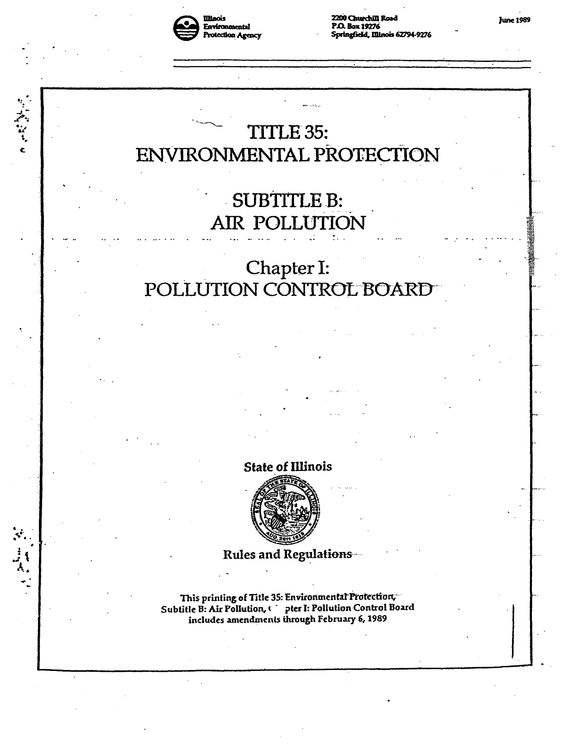
IHlAois Environmental fYoCectton Agency 2200ChureWn Road PjQ.
refid# Z4nLxnpR3m9npaa53GV3QNryp1 page
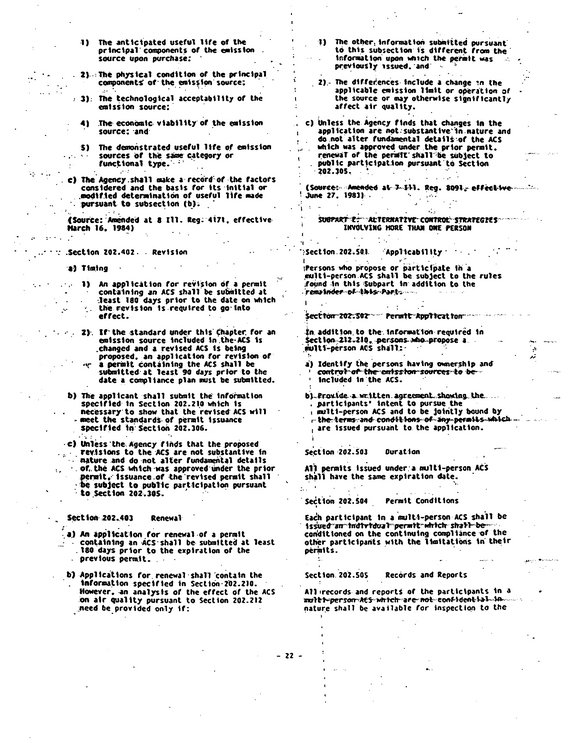
1) The Anticipated useful life of the principal components of the emission . source upon purchase: 2) The physical condition of the principal components of the emission source: .- 2): The technological acceptability of the emission source: 4) The economic viability of the emission source: and 5) The demonstrated useful life of emission sources of the same category or functional type.' ;; c) The Agency.shall make a record'of the factors considered and the basis for its initial or .modif ied determination of useful life made ' pursuant to subsection (b).
refid# rppRL9rL4RakBnbXvv0q3MrvJ1 page
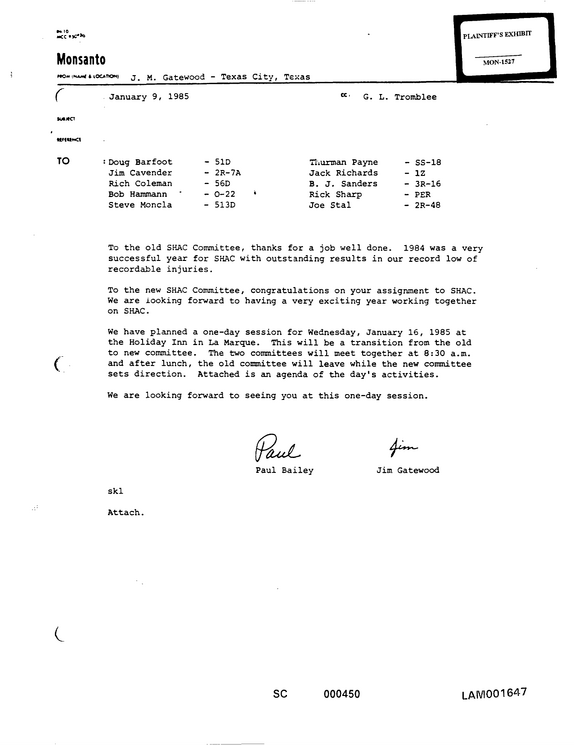
10 mCZ Monsanto no-imaitiootkjhi j_ Gatewood - Texas City, Texas r January 9, 1985 G.
refid# gbNNnmy3DYmzJw2LybM35pJNe2 pages
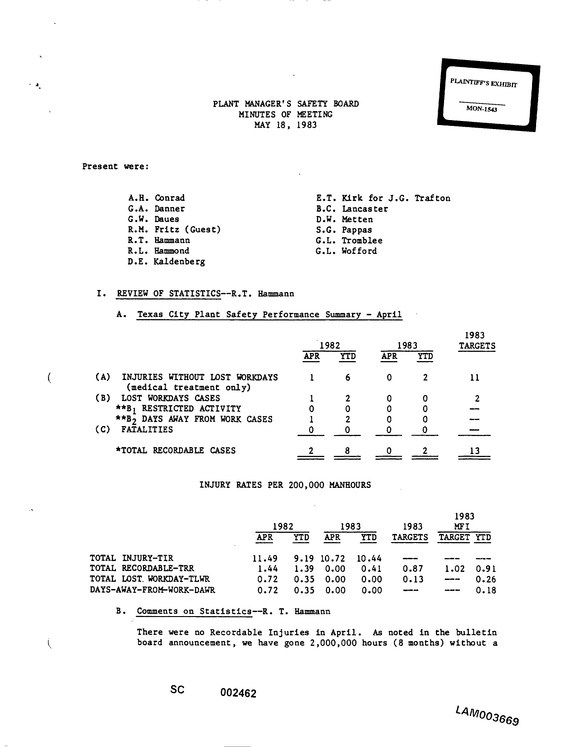
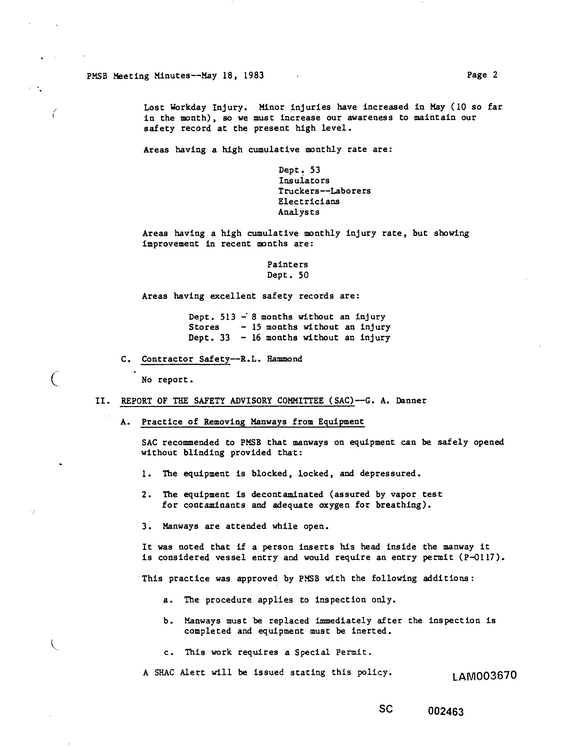
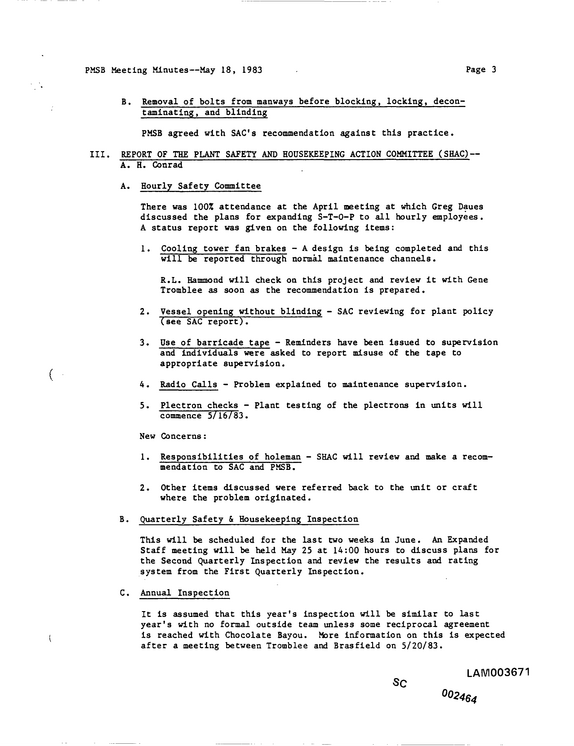
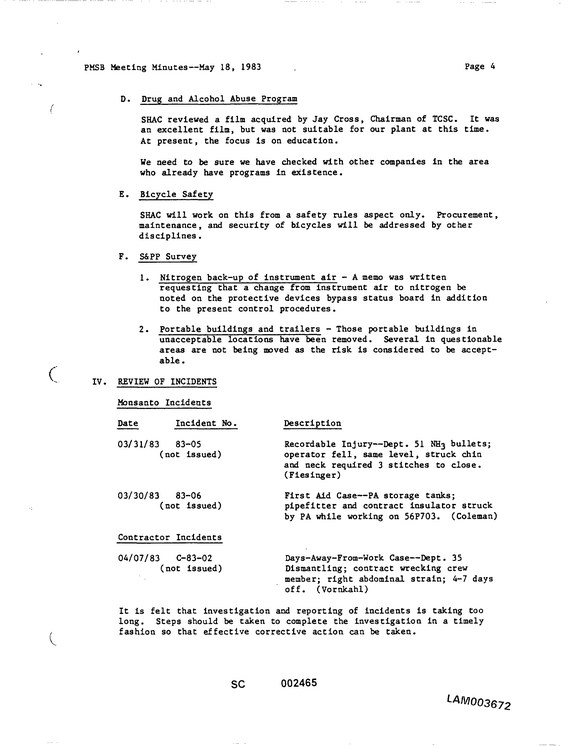
PLANT MANAGER'S SAFETY BOARD MINUTES OF MEETING MAY 18, 1983 Preseat were: A.H.
refid# zQgDo7EgZMQbR2GnjEB1Lembz6 pages
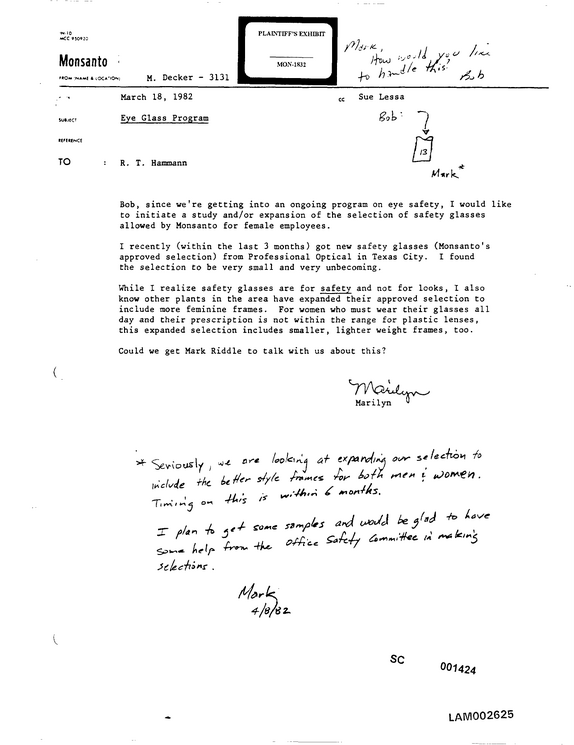
tN I 0 mCC 950920 Monsanto : *On* ;nam{ A iOCa'iOni M.
refid# 2JjOedVRqZmZL8O6ROn58Evm71 page