Refine
Estimated Years 1980-1989Clear
7,383 results foundRefine Search
The table is not to be construed as recommended safe concentrations As to underline that point the text went on to say The material is presented without comment Cook whose paper sup- plied 118 of the exposure limits adopted emphasized that his intent was to provide a handy yardstick to be used as guidance for the routine control of these health hazards that compliance with the figures listed would guarantee protection against ill health Cook went on to advise that maintenance of the limits he suggested should not be considered a substitute for * medical monitoring By 1946. most state governments had industrial health units and so did some cities and counties The MAC values reported by 27 of these agencies were quite variable for some chemicals For butanol the limits varied from 25 to 300 ppm in air depending on where the workplace was located For turpentine the range was 100 to 700 ppm for methanol from 100 to 300 ppm for nitrobenzene 1 to 5 ppm On the other hand there was substantial agreement f for many other chemicals among the health agencies Up to this time MACs in use had on the whole caused no serious handicap to industry according to JJ Bloomfield one of the leading industrial hygienists ' of the US Public Health Service However there was desire among the government people to harmonize their MACS and thus avoid the health and economic impacts of having divergent conditions for industry ACGIH acknowledged in 1946 that no uniform defi- nition of MACs existed citing three concepts then in use no safety margin against known health effects some safety margin against health effects and protection from objectionable but not harmful concentrations AC- GIH initially declined to define what its MACs were or to state whether they were limits not to be exceeded for 30 minutes 1 the MAC for hour 8 hours or longer For example chlorine was 5 ppm which compared unfavorably with 4 ppm recommended by Henderson and Haggard for minute to hour exposure periods the 100 ppm MAC for carbon monoxide had been rec- ommended by Henderson and Haggard for 1 hours several The 1947 list included 155 MACs The chairman of the Committee on Threshold Limits chemist LT Fair- hall expressed great confidence that the industrial hygienist was well placed to set health standards He is in contact with the individuals exposed and therefore soon learns whether the concentrations measured are causing any injury or complaint ?
refid# MGq6zKE4MJBzwqkw4QVYkzdJa10 pages
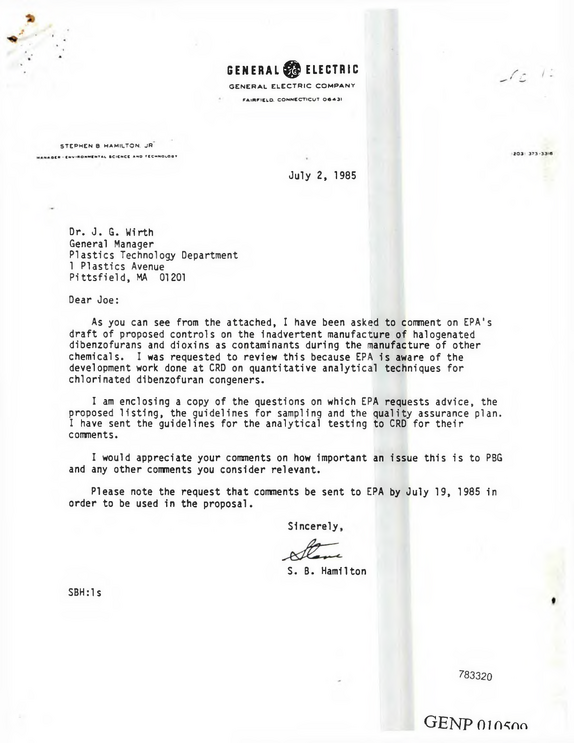
S T E P H E N B H A M IL T O N JR OCR ' ( V ' H O N M t N T A L I C K M C t AMO T lC ~ M O l.
refid# w8LYKM8YLwBeR313Q2bNaVY627 pages
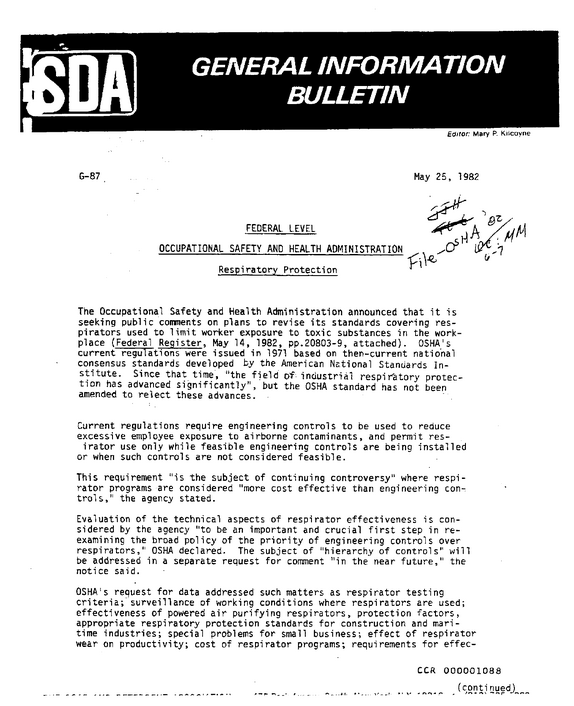
Since 1971, a number of OSHA health standards, such as lead, cotton dust, and arsenic, have included additional requirements for respiratory protection.

refid# 6bO3Lo79xmeKbxzbOKVZmwVVm14 pages
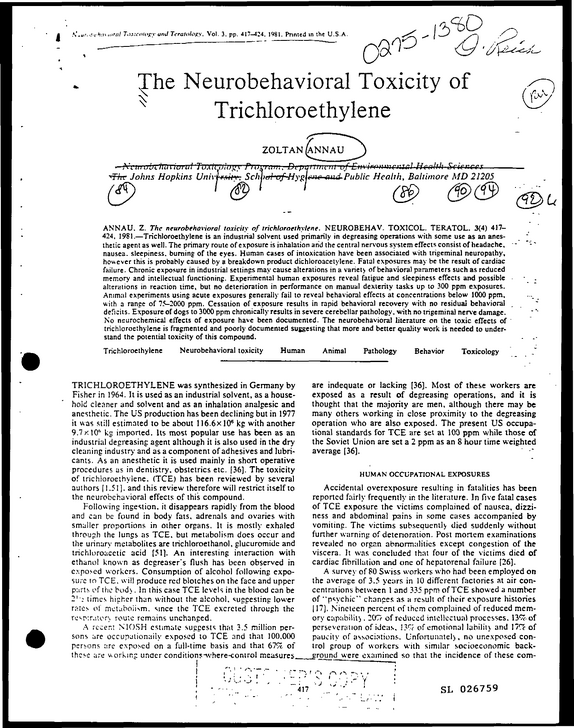
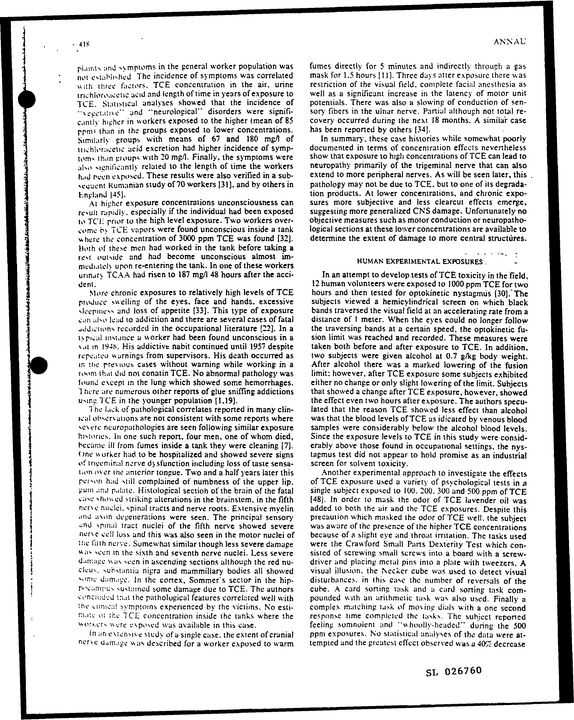
This type of exposure e.iti also lead to addiction and there are several cases of fatal jddieuons recorded in the occupational literature [22], In a npica!
refid# xjaVMJ9bz9d0qYQqm4Z8N8pJE8 pages
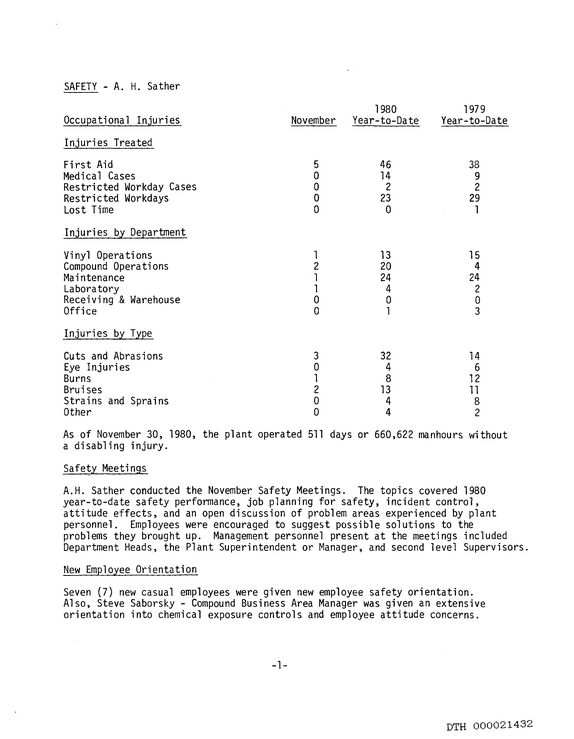
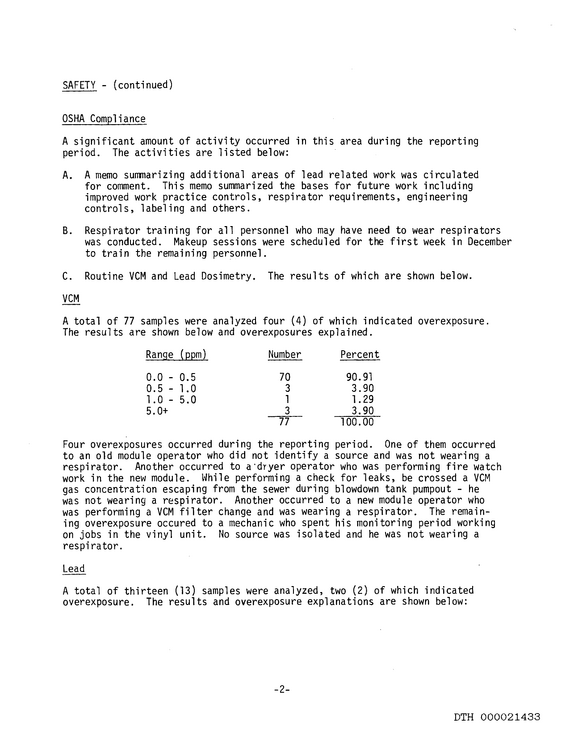
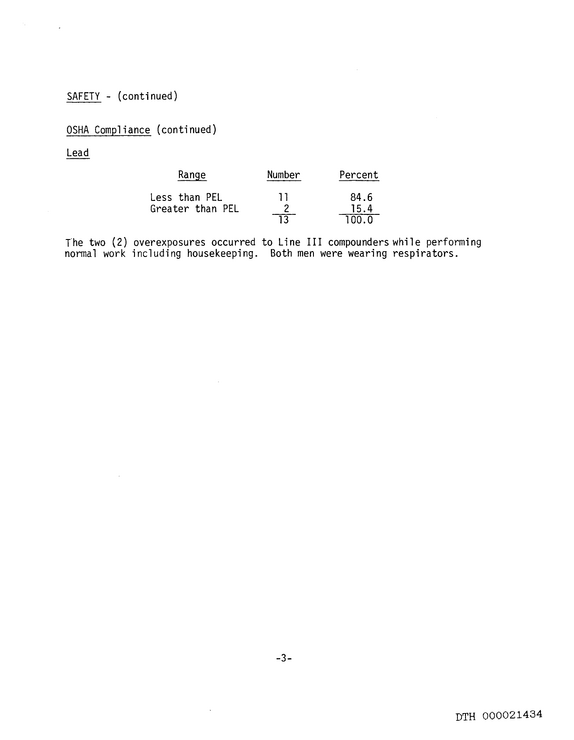
Routine VCM and Lead Dosimetry.
refid# xj87zjZK8EDnJzERN5oqydRZy41 pages
<!
refid# 6bv43kXRJ3KpkabyZqN4GXg3625 pages
Included among these materials are lead, zinc, brass, cashew nut oil, graphite, and oxides of iron and copper.
refid# RpgXwpon4pbwLbDjkerpEG5JV42 pages
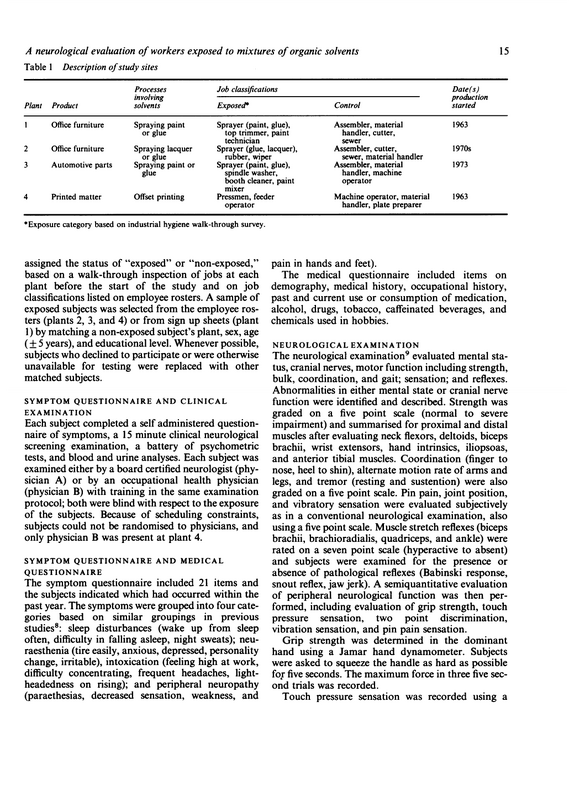
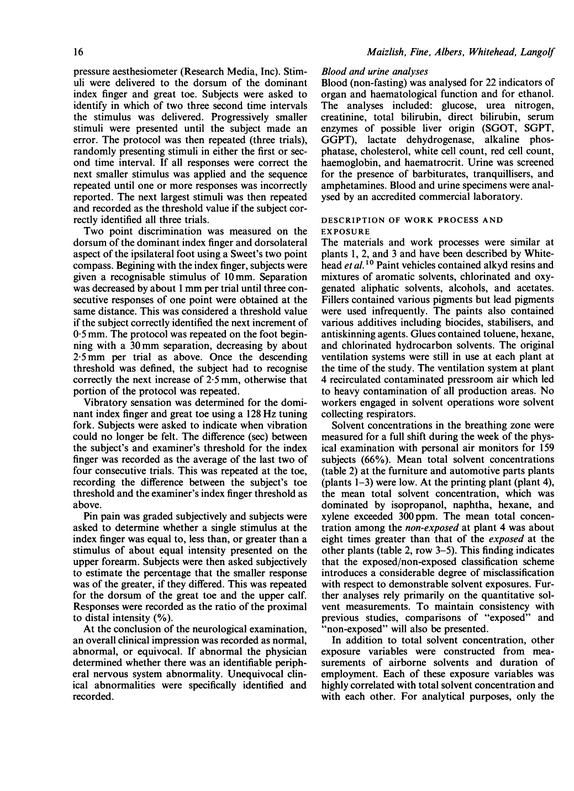
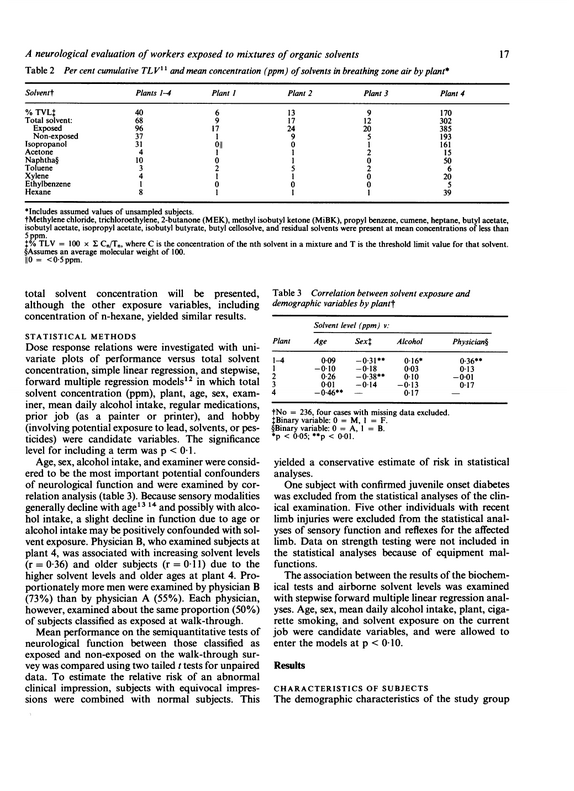
British Journal of Industrial Medicine 1987;44:14-25 A neurological evaluation of workers exposed to mixtures of organic solvents N A MAIZLISH,1 L J FINE,2 J W ALBERS,3 L WHITEHEAD,2 G D LANGOLF4 From the Departments of Epidemiology,1 and Environmental and Industrial Health,2 University of Michigan, Department of Neurology,3 University of Michigan Medical Center, and Centerfor Ergonomics,4 University of Michigan, Ann Arbor, MI 48109, USA ABSTRACT Workers with long term exposure to mixtures of organic solvents below regulatory limits have been reported to experience mild, but clinically detectable, sensory or sensorimotor polyneuropathies.
refid# ykrQEpYK52yar8zZXdY9MBRpd12 pages
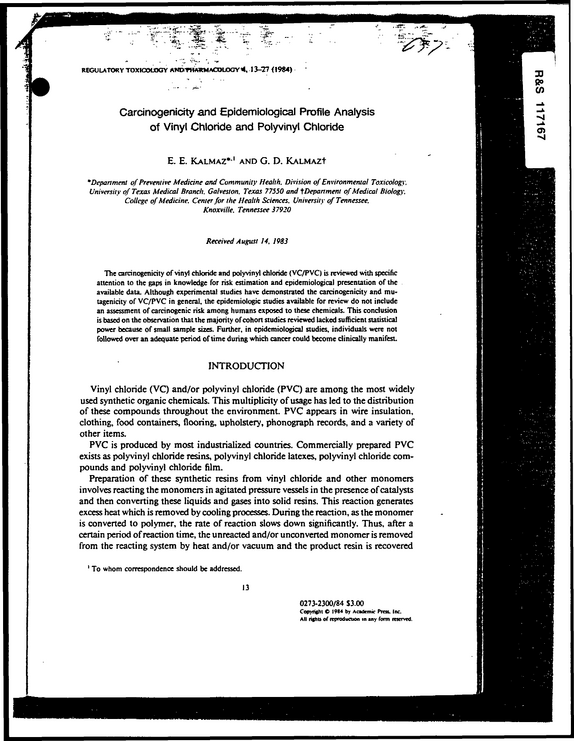
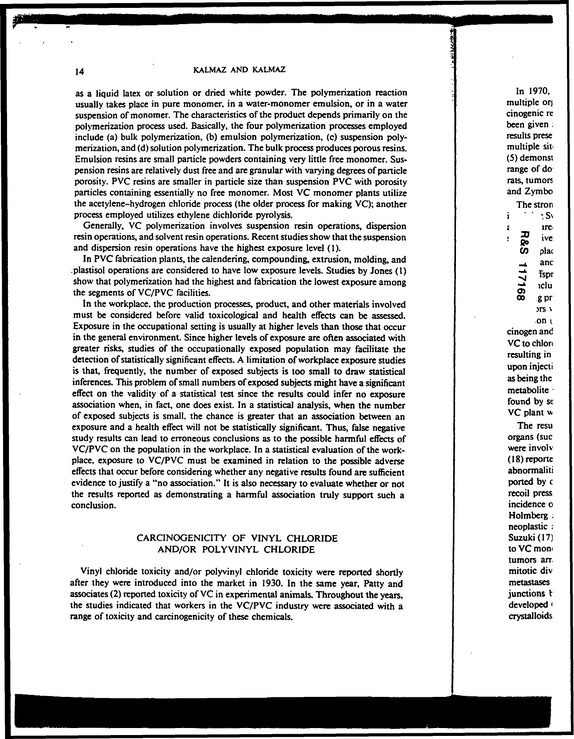
Thus, false negative study results can lead to erroneous conclusions as to the possible harmful effects of VC/PVC on the population in the workplace.
refid# yryZLb7Xp6xJgXOLLOYjMLReX15 pages
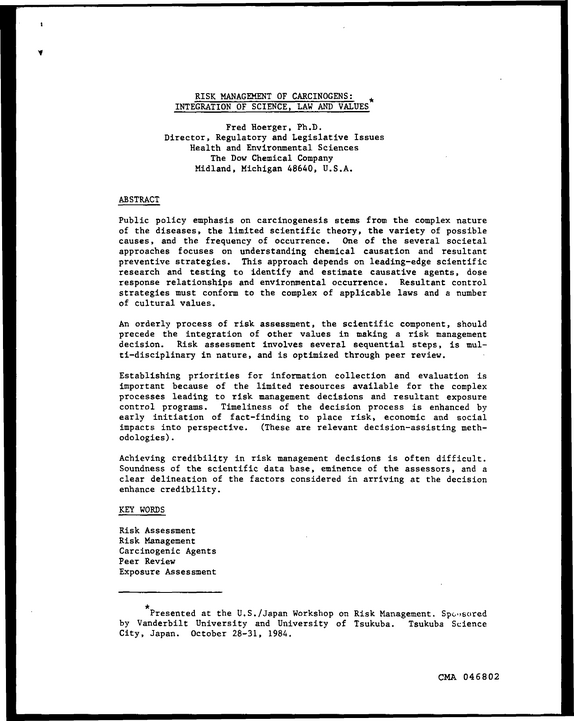
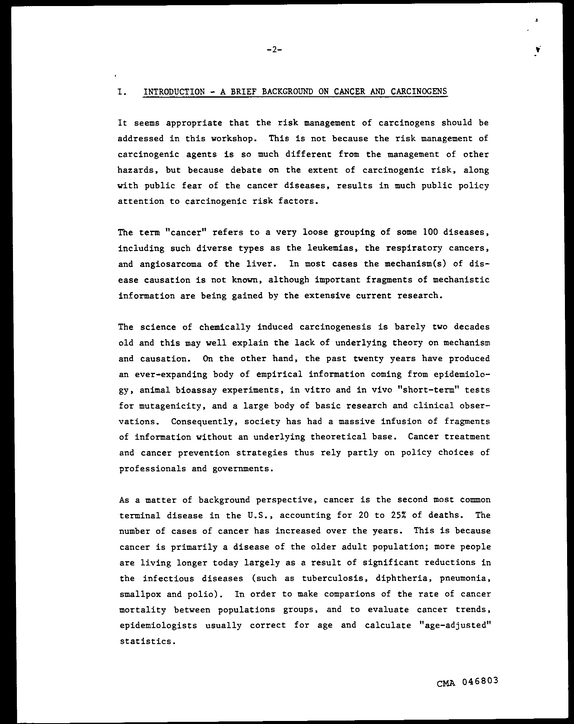
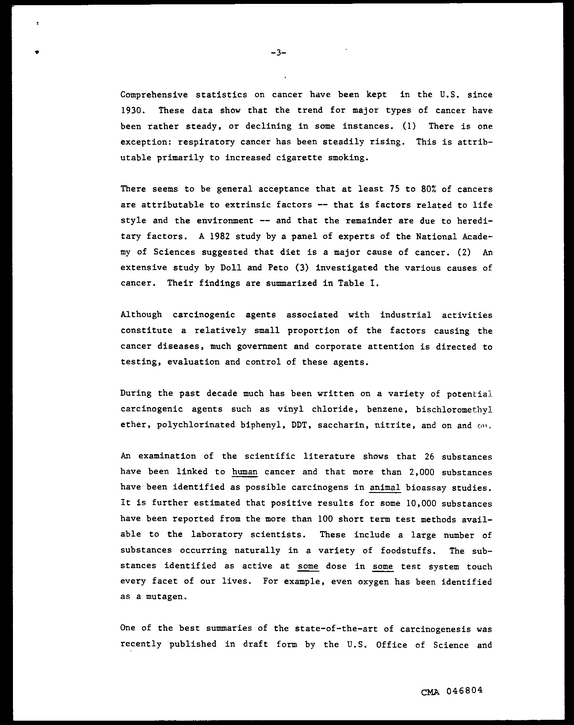
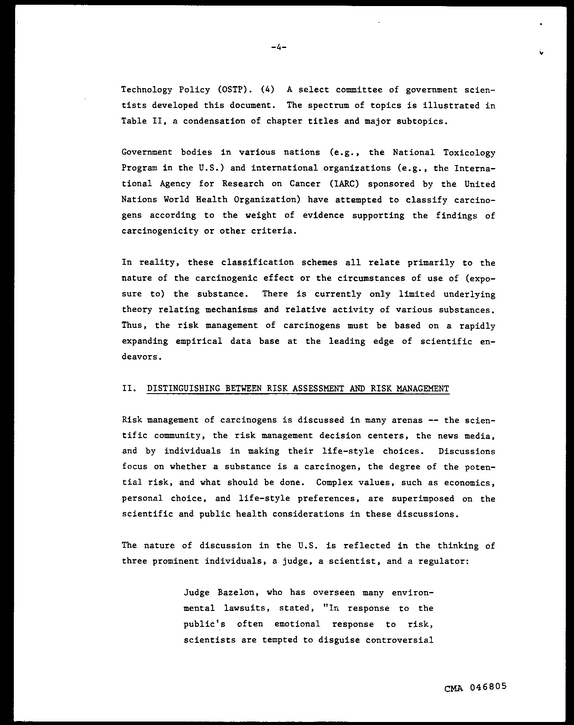
Thus, the risk management of carcinogens must be based on a rapidly expanding empirical data base at the leading edge of scientific en deavors, II.
refid# 6bZyM8mM5ZJvboBNLyK4kEGm139 pages
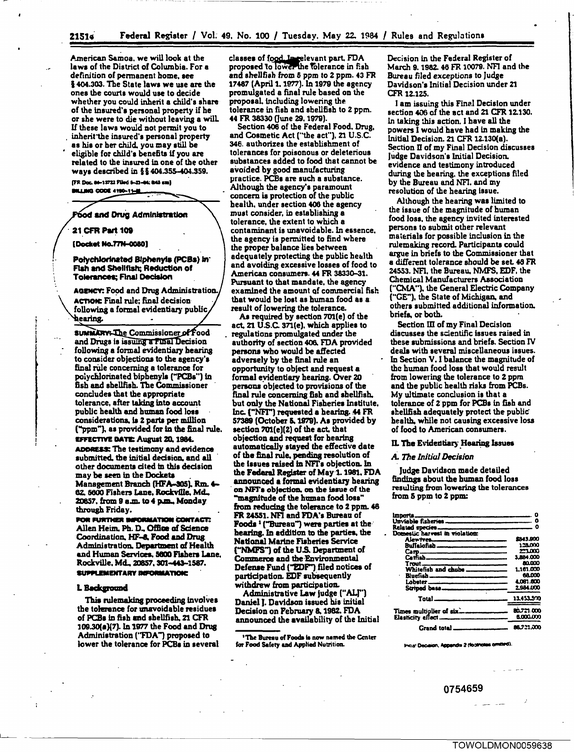
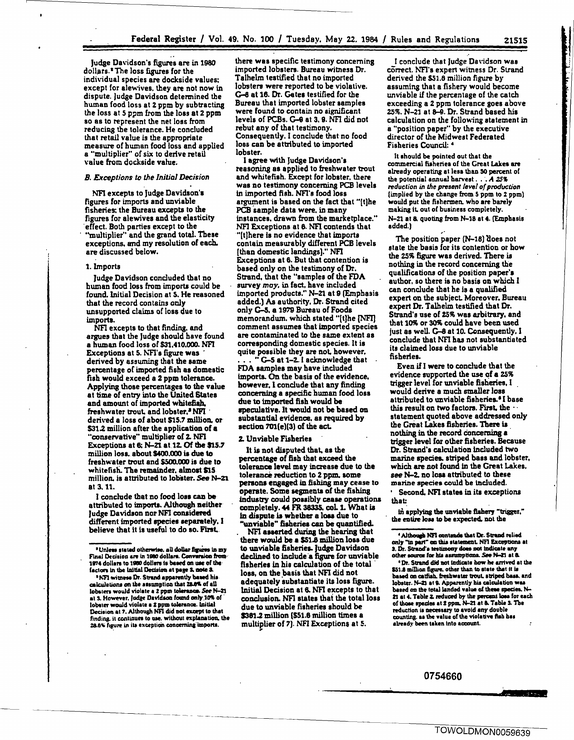
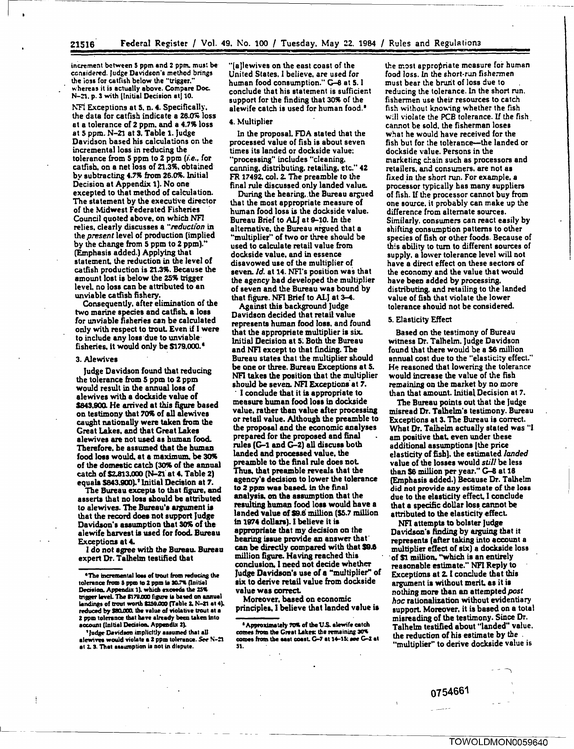
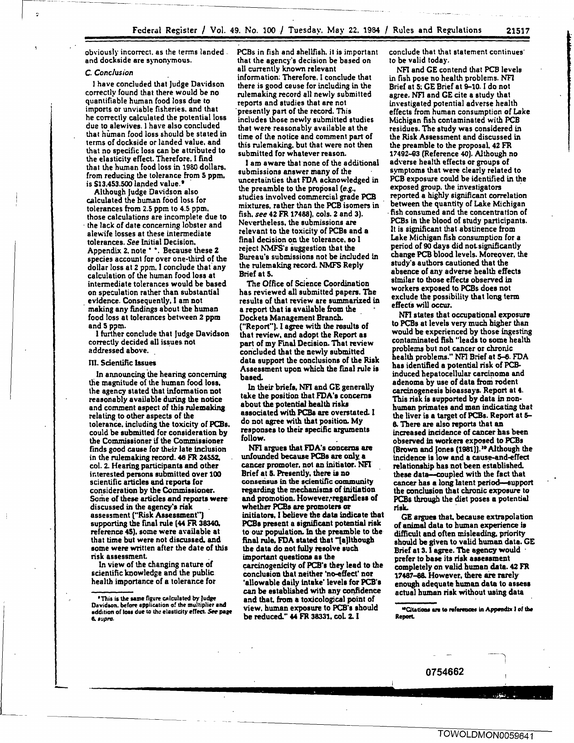
21514 Federal Register / Vol. 49, No. 100 / Tuesday.
refid# 3JvMvZLoBg2z8OmEeN37MMzwa8 pages
By 1940 virtually all automobiles were equipped with molded brake linings although woven products continue to be used in trucks heavy equipment and for specialized applications The molded linings in use were cut to length usually by the manufacturer and mounted on brake shoes using rivets Until the mid 1920's brakes were only mounted on rear wheels However with the development of internal shoes four wheel mountings soon became standard and by 1930 were generally operated hydraulically As automobiles were designed for use at even higher speeds brake linings im- Various new materials were introduced proved in both quality and performance as fillers binders and friction modifiers In 1948 bonded brake linings were developed and soon accounted for approximately 40 of the original equipment brake market However they rapidly dominated the replacement market because of the considerable savings in labor during installation In 1965 the first disc brakes were introduced on American automobiles and rapidly increased in use In 1975 virtually all original equipment front wheel brakes on cars were of this type However because of less stringent braking requirements and the difficulty of adapting mechanical parking brakes to the disc configuration the rear wheel brakes on 95 of currently sold cars are still of the drum variety Requirements for Brake Linings A constant or slightly decreasing coefficient of friction C.F. with tempera- tures up to about 1000 is required for an efficient brake lining values of from 0.30 to 0.45 C.F. are normally sought Lower values produce brakes requiring excess pedal pressure and those with higher values are too sensitive to pressure and develop excess wear Ideally the desired frictional qualities should be maintained throughout the life of the lining material During braking chemical and physical changes occur in the material at the braking surfaces These changes may produce an increase build or a decrease fade in friction Satisfactory linings will fade slightly upon repeated applications but will return to their initial stat~ upon cooling Low wear of the linings is obviously desirable for economical and practical considerations However high wear resistance can be associated with the tendency of the lining to glaze with a concomitant reduction in the coefficient of friction This can be overcome by allowing a slow alteration of the brake lining material to occur Pyrolysis of the organic binders and thermal decomposition of the chrysotile fibers under braking provide the necessary continuing renewal of the lining surface The lining should be abrasive to the drum surface In addition to causing rapid drum wear abrasive linings score the drums which in turn leads to a rapid wearing of the lining Drums made of cast iron and steel are common with steel being the more susceptible to scoring Since brake drums have a hardness of from 3.5 to 4.0 on the MOH scale virtually all lining materials used have lower hardness values Other necessary or desirable properties of brake linings include physical strength dimensional stability quiet operation and safe and offensive degradation products Of the various properties desired in the linings greatest attention is paid to build and recovery characteristics Wear problems are not as serious and can more readily be overcome with the mate- rials available 7,8,9,10 Compounding Ingredients of Brake Linings To achieve the desired friction properties a wide variety of ingredients are commonly used in the manufacturer of automobile brake linings These include A Asbestos Asbestos is used for fiber reinforcement of the friction product Chrysotile is used almost exclusively and comprises from 40 to 50 percent of the brake lining Fiber grades 4 through 7 are used and occasionally several sizes are mixed or even calcined to improve performance characteristics Amosite crocidolite or other amphibole asbestos varieties are not used because they are too harsh and tend to score the brake drums Organic binders Organic binders are primarily phenolic type resins selected for high binding strength Unmodified phenolic resins when subjected to heat usually become hard and brittle To prevent this linseed cashew nut or China wood oils or cresols are added Rubber which also finds use as a binder imparts desirable friction qualities and improves the flexibility of the lining material Friction modifiers Friction modifiers are added to achieve a desirable coefficient of friction over all operating conditions These modifiers also produce a more homogeneous lining surface Included among these materials are lead zinc brass cashew nut oil graphite and oxides of iron and copper Fillers Fillers such as rubber scrap barites clays silica coke coal and other minerals are used These also have utility in achieving desired friction properties in some cases through action as abrasives to recondition braking surfaces It is important to note that one major purpose of the reconditioning agents is to retard the formation of forsterite which may accumulate on the surface of the brake lining Forsterite is a mineral not originally present in the brake material but is created by dehydroxylation and recrystallization of chrysotile asbestos at high temperatures The hardness of forsterite hardness 6.5-7.0 on the MOH Scale is such that it tends to score and gouge brake drums and discs hardness 3.5 degrading them prematurely Therefore recrystallization of chrysotile to forsterite is an unwanted effect Curing agents Curing agents and accelerators are used to assure that appropriate chemical reactions occur to produce the desired brake quality Types of Brake Linings and Manufacturing Processes In making the of different types of brake linings various manufacturing processes are utilized to achieve a wide range of potential applications .These include Wired Back These are made by a calendering process in which putty stock is formed into a ribbon about a wire backing The wire reinforcing serves to maintain strength during the curing process Further as linings of this type are invariably riveted the wire reinforcing provides long term structural strength and prevents shearing of the lining at the rivets during braking Linings of this type were extensively produced prior to World War II They are in little use today Extruded Linings These are manufactured by extruding the soft plastic stock through an appropriately sized rectangular orifice To minimize structural weakness in this lining curing agents are added t
refid# Lp4mbjQ078GB7ejEM23m1xvGb42 pages
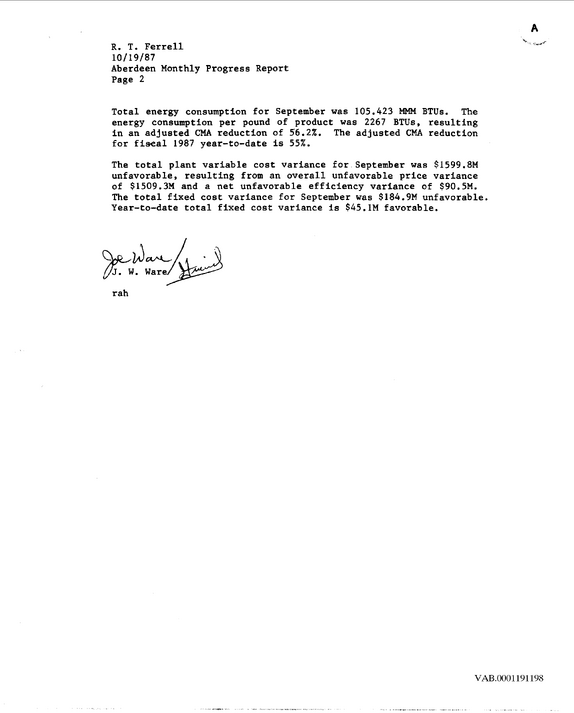
Phase I of the interim VCM/lead physicals was completed in September.
refid# jyx2oabDajed1kjr4d21nKXEy35 pages
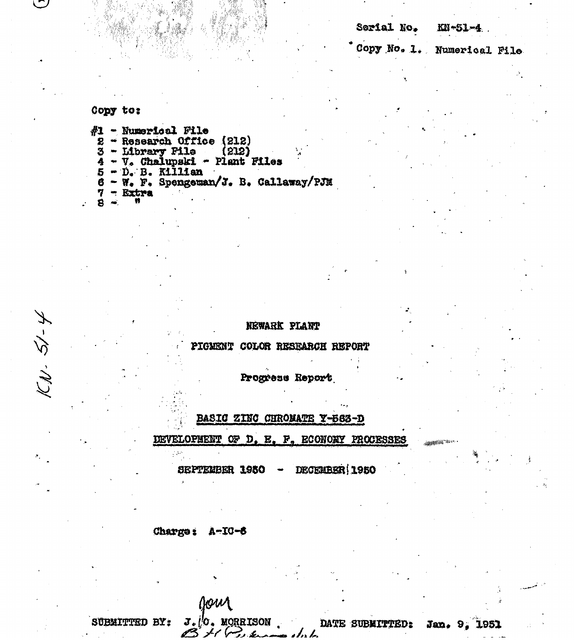
Serial Ho, KH^Sl-4 . * Copy No, 1.
refid# MJjjwvwjv3J2NENN973qO4Ljx22 pages
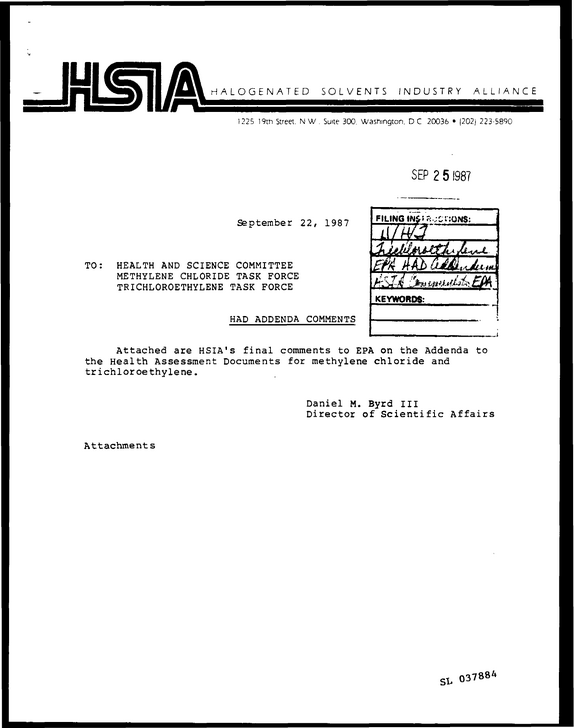
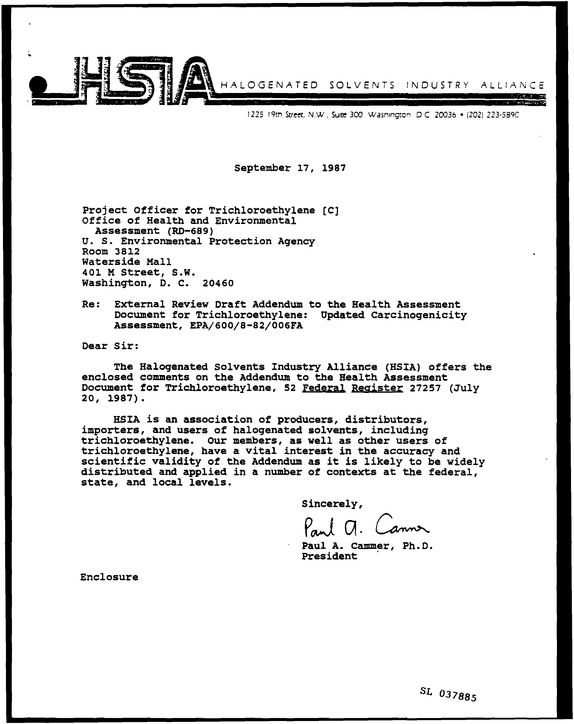
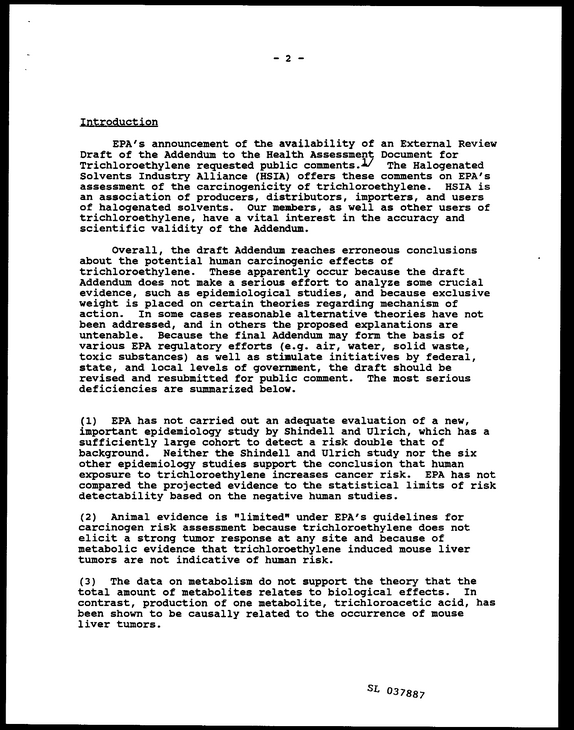
u HALOGENATED SOLVENTS INDUSTRY ALLIANCE 1225 19th Street.
refid# nmQYJ4B96e07XnkM1dy5Nrn5239 pages