Refine
Estimated Years 1970-1979Clear
27,937 results foundRefine Search
ilitll Johns-Manville To: J.R.M.
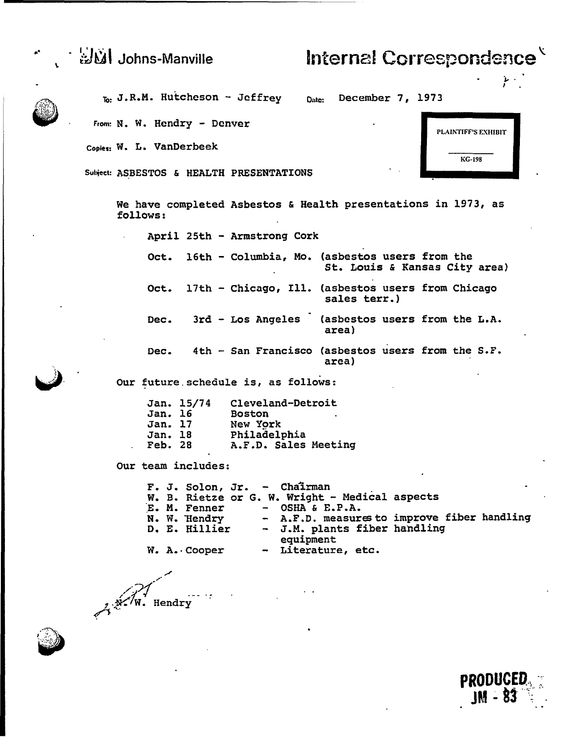

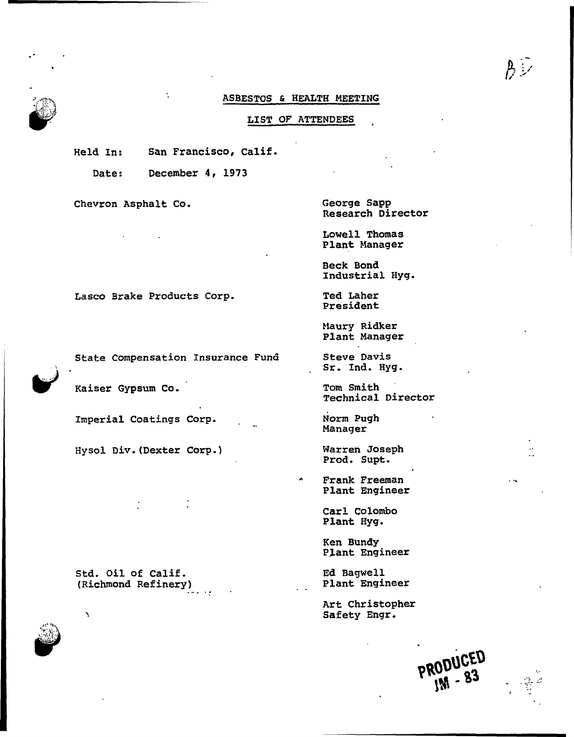
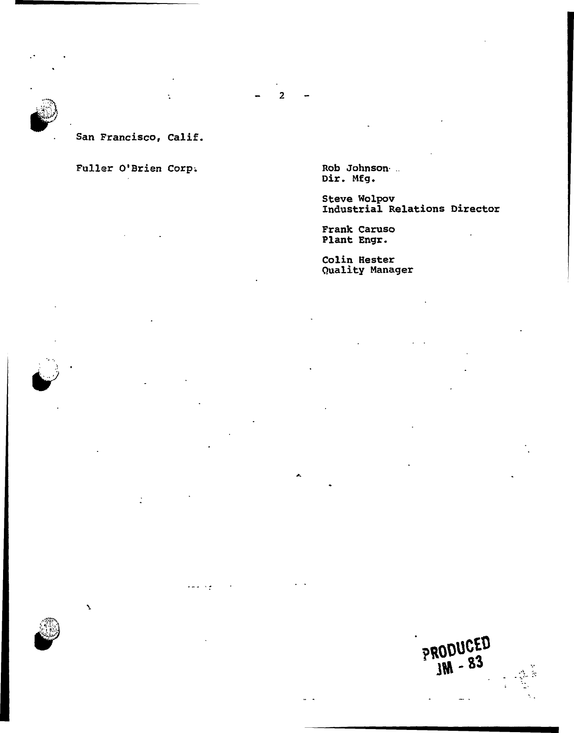
refid# nQQZYxZvYkBdx6Ndd7ojQjkw4 pages
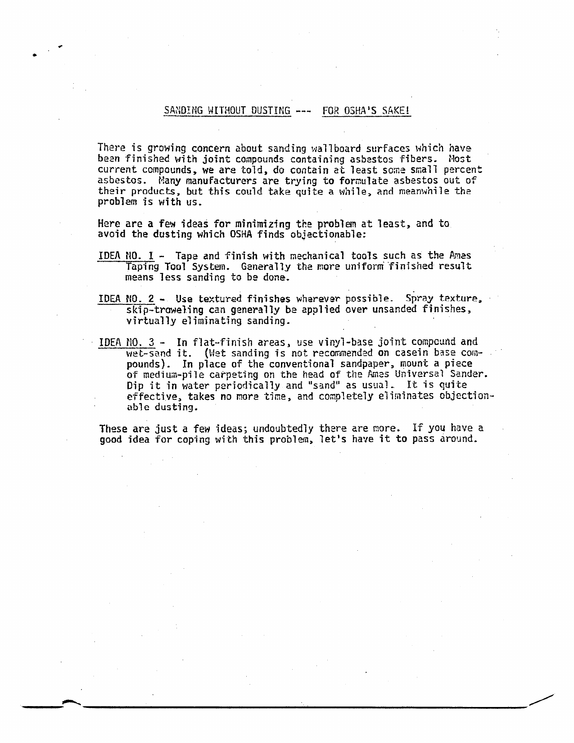
AME8%aping zoo!
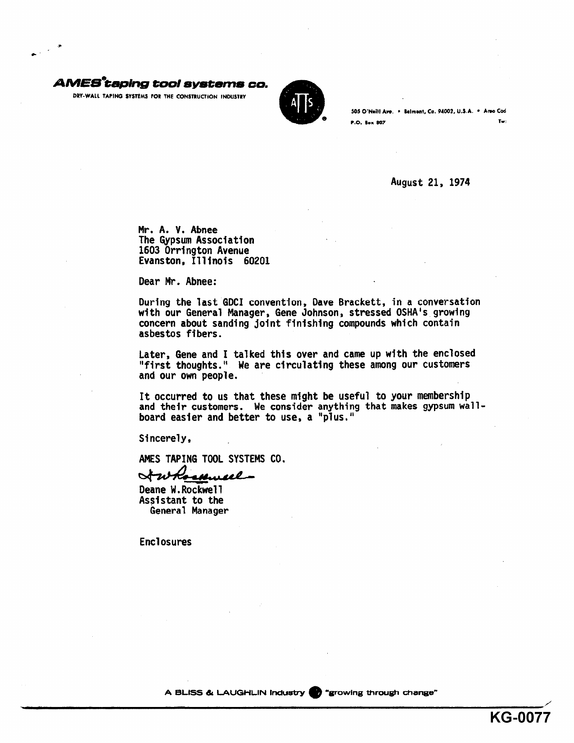
refid# EG8LL5YvxK6mmzY9bx5BmjLL2 pages
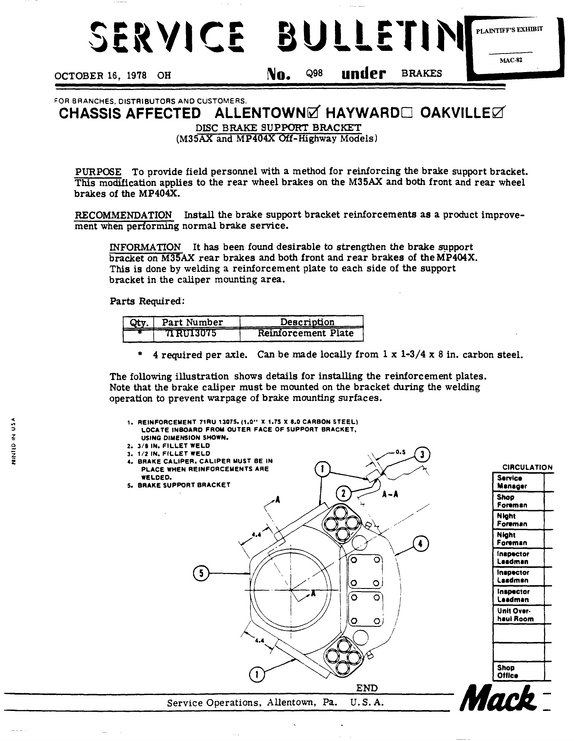
BULLETIN PLAINTIFF'SEXHIBIT OCTOBER 16, 1978 OH No.
refid# XRoRa6751v6Mme2Jw05v2zE641 page
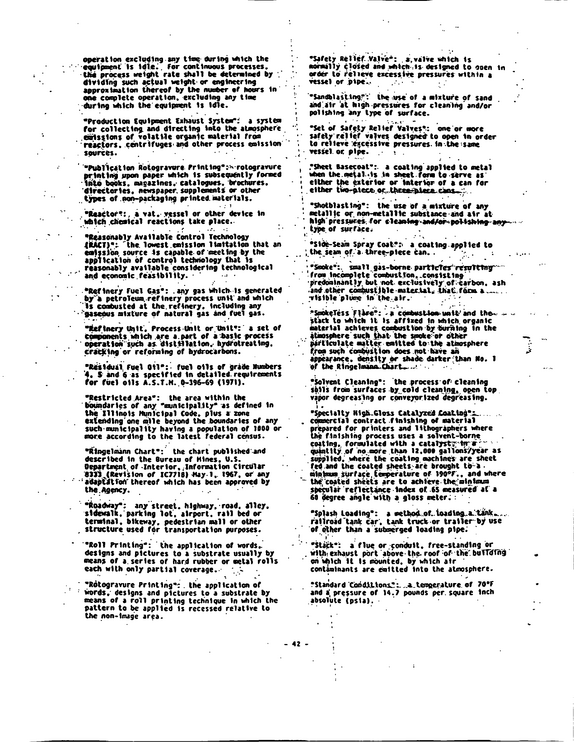
operation excluding any tine during which the -equipment Is idle.. for continuous processes.
refid# 1gV4RJgvpy88dMwdpRrrbxz8Z1 page
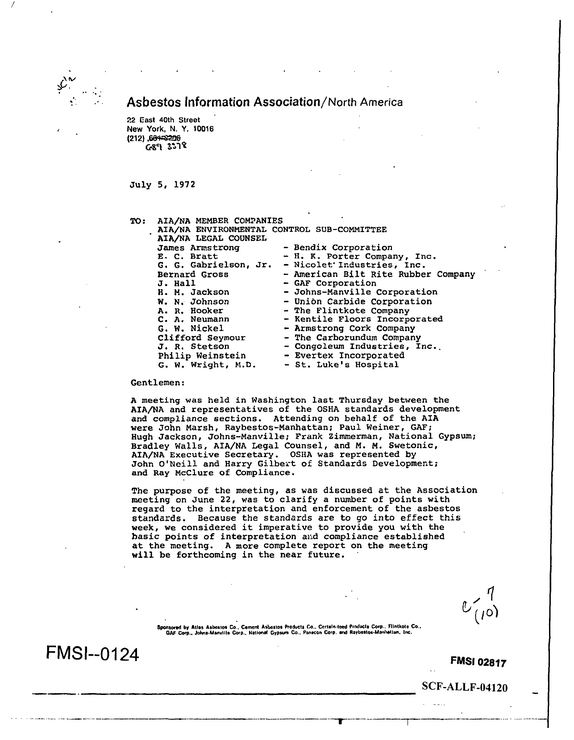
/ Asbestos Information Association/North America 22 East 40th Street New York, N.
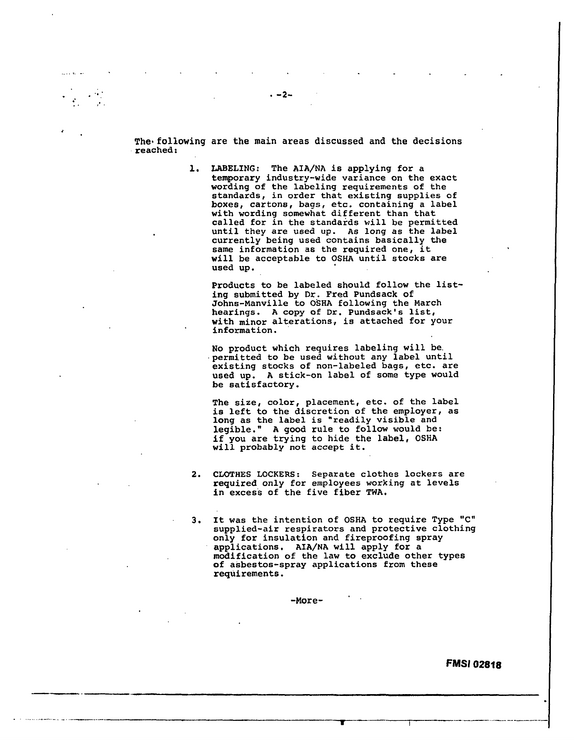
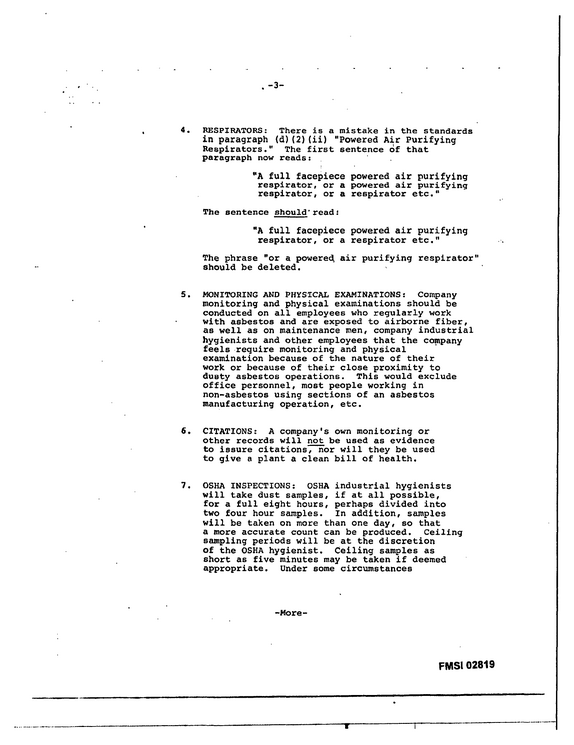
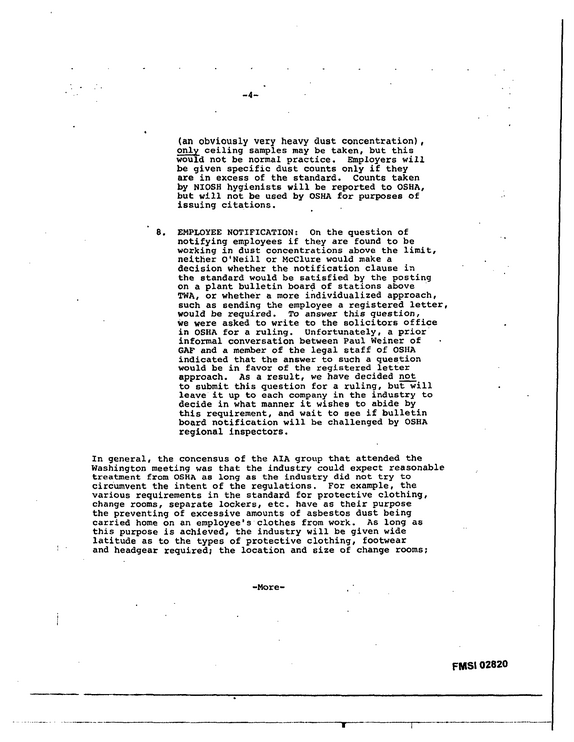
refid# gDZVpRd7KEoM070JnoyzLwxjq5 pages
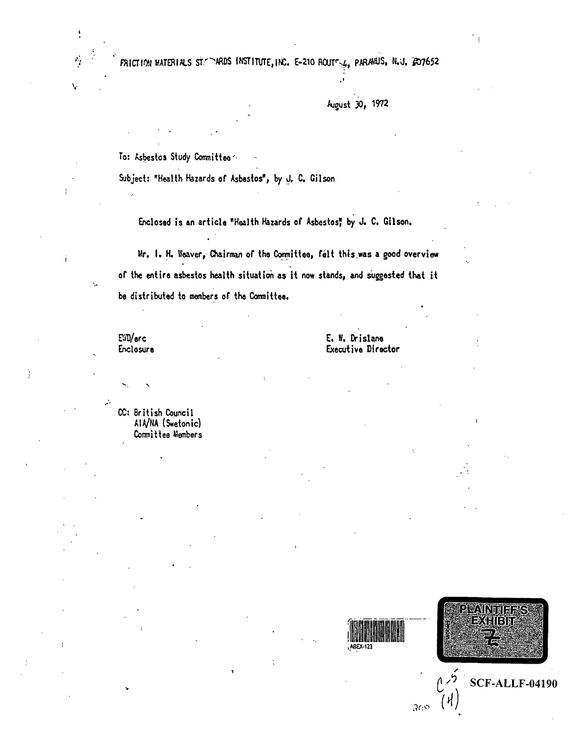
4 ' FRICTION MATERIALS sr'VRDS INSTITUTE,INC.
refid# DvzxQEgRZgjoj4QaekL41yRbN1 page
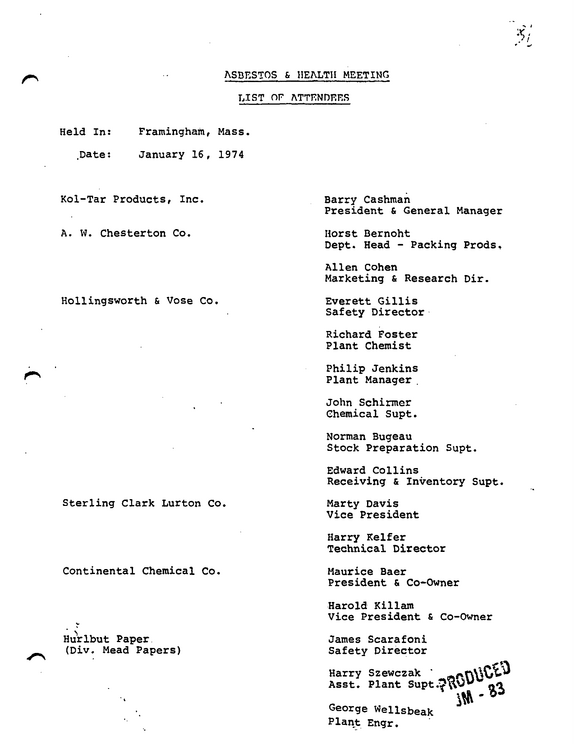
ASBESTOS & HEALTH MEETING LIST OF ATTENDEES Held In: .Date: Framingham, Mass.
refid# 6B5X1rrQvbdk3pN2dwQMpkXXR1 page
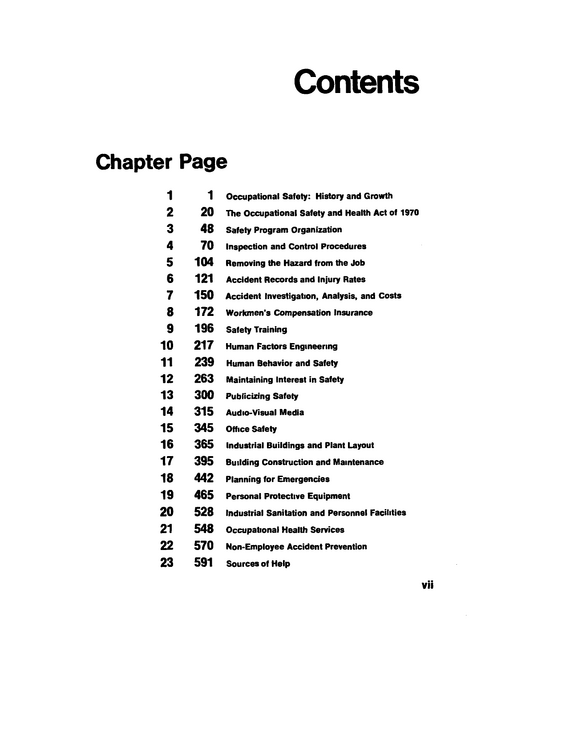
Contents Chapter Page 1 1 Occupational Safety: History and Growth 2 20 The Occupational Safety and Health Act of 1970 3 48 Safety Program Organization 4 70 Inspection and Control Procedures 5 104 Removing the Hazard from the Job 6 121 Accident Records and Injury Rates 7 150 Accident Investigation, Analysis, and Costs 8 172 Workmen's Compensation Insurance 9 196 Safety Training 10 217 Human Factors Engineering 11 239 Human Behavior and Safety 12 263 Maintaining Interest in Safety 13 300 Publicizing Safety 14 315 Audio-Visual Media 15 345 Office Safety 16 365 Industrial Buildings and Plant Layout 17 395 Building Construction and Maintenance 18 442 Planning for Emergencies 19 465 Personal Protective Equipment 20 528 Industrial Sanitation and Personnel Facilities 21 548 Occupational Health Services 22 570 Non-Employee Accident Prevention 23 591 Sources of Help vii
refid# RJ7bEXEjQ1dEO1VmN76wx29ov1 page
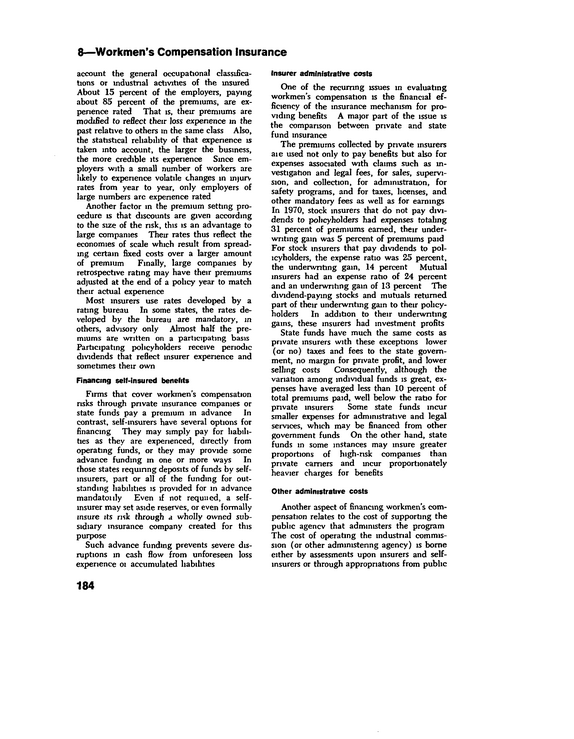
8--Workmen's Compensation Insurance account the general occupational classifica tions ot industrial activities of the insured About 15 percent of the employers, paying about 85 percent of the premiums, are ex perience rated That is, their premiums are modified to reflect their loss experience in the past relative to others m the same class Also, the statistical reliability of that experience is taken into account, the larger the business, the more credible its experience Since em ployers with a small number of workers are likely to experience volatile changes m injury rates from year to year, only employers of large numbers arc expenence rated Another factor in the premium setting pro cedure is that discounts are given according to the size of the risk, this is an advantage to large companies Their rates thus reflect the economies of scale which result from spread ing certain fixed costs over a larger amount of premium Finally, large companies by retrospective rating may have their premiums adjusted at the end of a policy year to match their actual expenence Most insurers use rates developed by a rating bureau In some states, the rates de veloped by the bureau are mandatory, in others, advisory only Almost half the pre miums are written on a participating basis Participating policyholders receive periodic dividends that reflect insurer expenence and sometimes their own Financing self-insured benefits Firms that cover workmen's compensation risks through pnvate insurance companies or state funds pay a premium in advance In contrast, self-insurers have several options for financing They may simply pay for liabili ties as they are experienced, directly from operating funds, or they may provide some advance funding m one or more ways In those states requiring deposits of funds by selfinsurers, part or all of the funding for out standing liabilities is provided for in advance mandatonly Even if not requned, a selfinsurer may set aside reserves, or even formally insure its risk through a wholly owned sub sidiary insurance company created for this purpose Such advance funding prevents severe dis ruptions in cash flow from unforeseen loss experience oi accumulated liabilities Insurer administrative costs One of the recurring issues in evaluating workmen's compensation is the financial ef ficiency of the insurance mechanism for pro viding benefits A major part of the issue is the comparison between private and state fund insurance The premiums collected by pnvate insurers aie used not only to pay benefits but also for expenses associated with claims such as in vestigation and legal fees, for sales, supervi sion, and collection, for administration, for safety programs, and for taxes, licenses, and other mandatory fees as well as for earnings In 1970, stock insurers that do not pay divi dends to policyholders had expenses totaling 31 percent of premiums earned, their under writing gain was 5 percent of premiums paid For stock insurers that pay dividends to pol icyholders, the expense ratio was 25 percent, the underwriting gain, 14 percent Mutual insurers had an expense ratio of 24 percent and an underwriting gain of 13 percent The dividend-paying stocks and mutuals returned part of their underwriting gam to their policy holders In addition to their underwriting gains, these insurers had investment profits State funds have much the same costs as private insurers with these exceptions lower (or no) taxes and fees to the state govern ment, no margin for private profit, and lower selling costs Consequently, although the variation among individual funds is great, ex penses have averaged less than 10 percent of total premiums paid, well below the ratio for pnvate insurers Some state funds incur smaller expenses for administrative and legal services, which may be financed from other government funds On the other hand, state funds m some instances may insure greater proportions of high-nsk companies than pnvate earners and incur proportionately heavier charges for benefits Other administrative costs Another aspect of financing workmen's com pensation relates to the cost of supporting the public agenev that administers the program The cost of operating the industrial commis sion (or other admimstenng agency) is borne either by assessments upon insurers and selfinsurers or through appropnations from public 184
refid# Yj24Lqm6rGE1D4YMv1xx9Rj4y1 page
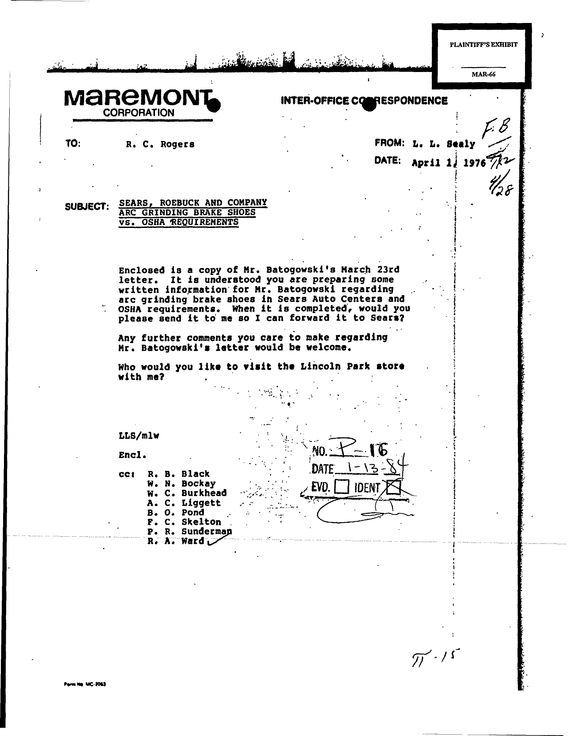
iHiL M PLAINTIFF'S EXHIBIT M3R6MONL CORPORATION w TO: R.
refid# 7Ovq1N8OerO2n3Me1w6mzqQEV1 page
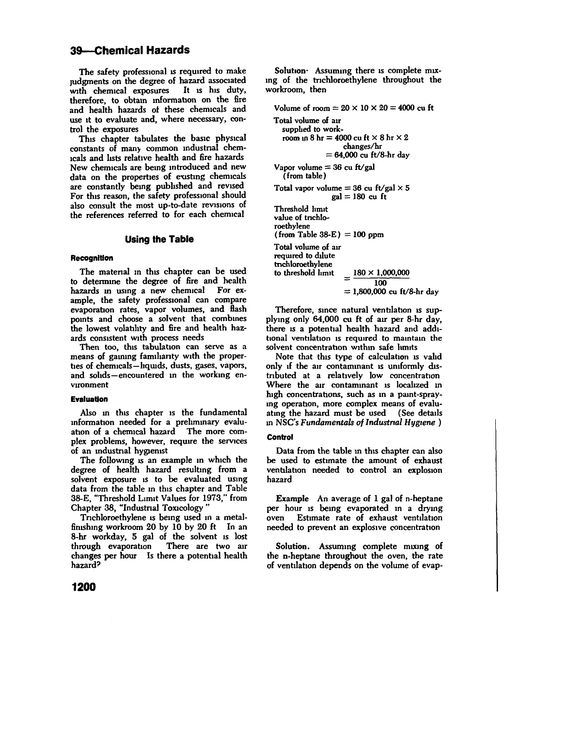
39--Chemical Hazards The safety professional is required to make judgments on the degree of hazard associated with chemical exposures It is his duty, therefore, to obtain information on the fire and health hazards of these chemicals and use it to evaluate and, where necessary, con trol the exposures This chapter tabulates the basic physical constants of many common industrial chem icals and lists relative health and fire hazards New chemicals are being introduced and new data on the properties of existing chemicals are constantly being published and revised For this reason, the safety professional should also consult the most up-to-date revisions of the references referred to for each chemical Using the Table Recognition The material m this chapter can be used to determine the degree of fire and health hazards m using a new chemical For ex ample, the safety professional can compare evaporation rates, vapor volumes, and flash points and choose a solvent that combines the lowest volatility and fire and health haz ards consistent with process needs Then too, this tabulation can serve as a means of gaming familiarity with the proper ties of chemicals--liquids, dusts, gases, vapors, and solids--encountered m the working en vironment Evaluation Also in this chapter is the fundamental information needed for a preliminary evalu ation of a chemical hazard The more com plex problems, however, require the services of an industrial hygienist The following is an example m which the degree of health hazard resulting from a solvent exposure is to be evaluated using data from the table m this chapter and Table 38-E, "Threshold Limit Values for 1973," from Chapter 38, "Industrial Toxicology " Trichloroethylene is being used in a metalfimshmg workroom 20 by 10 by 20 ft In an 8-hr workday, 5 gal of the solvent is lost through evaporation There are two air changes per hour Is there a potential health hazard?
refid# byv4zyezMaqGwj4VdykeZpnYy1 page
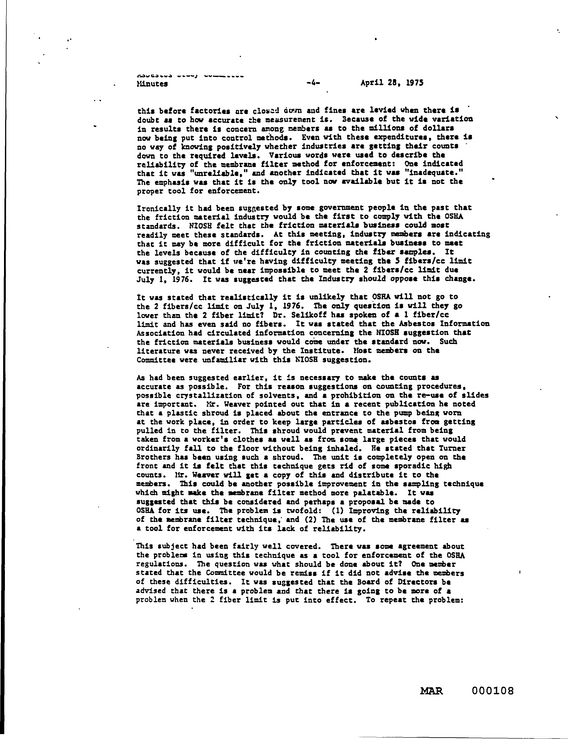
r&MLUilUil .1A1 * + W A | t.tutss of the ?
refid# xzKy4MMN2xK0a7YN625yxwR2J8 pages
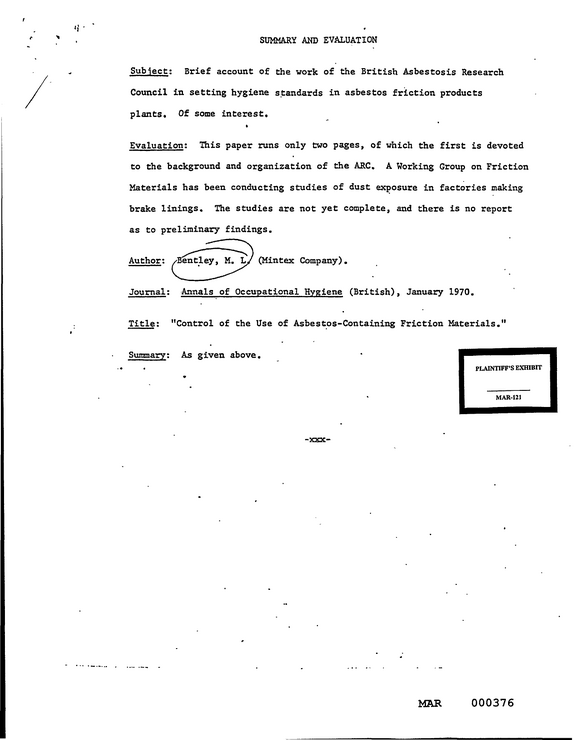
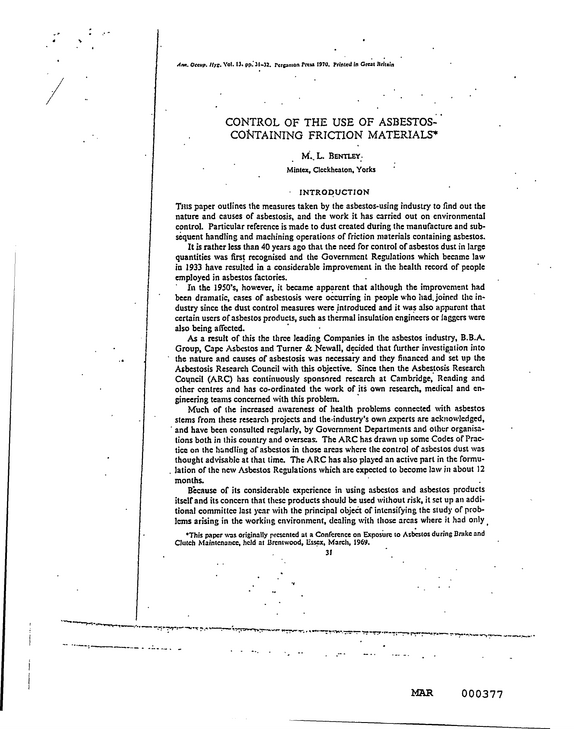
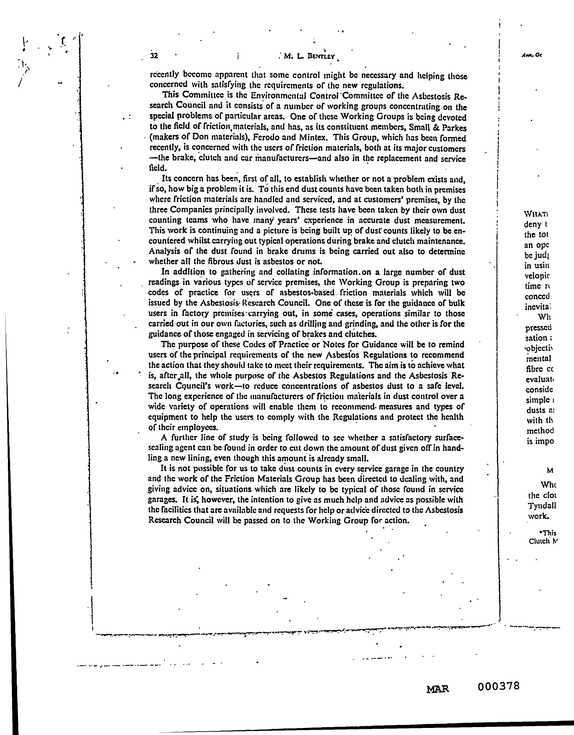
t * SUMMARY AND EVALUATION Subject; Brief account of the work of the British Asbestosis Research Council in setting hygiene standards in asbestos friction products plants.
refid# r4bna9GJQnZpOvpddJddx12J3 pages
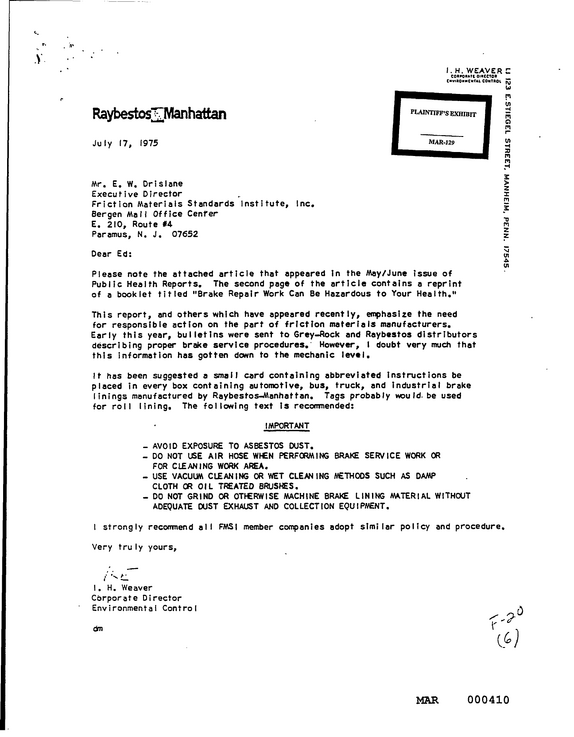
U 123 E.STIEG EL STREET, M ANHEIM , PENN. 1 7 5 4 5 .
refid# V3d23nn3wnq5qwJy9d50Vev6p6 pages
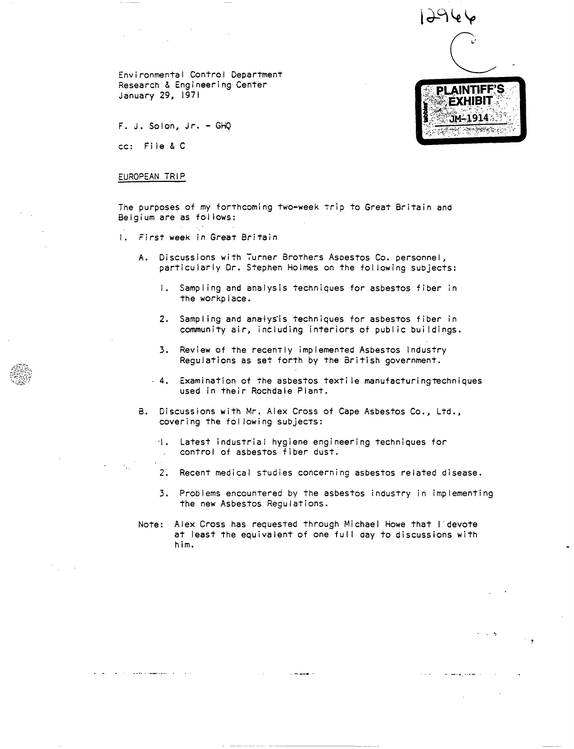
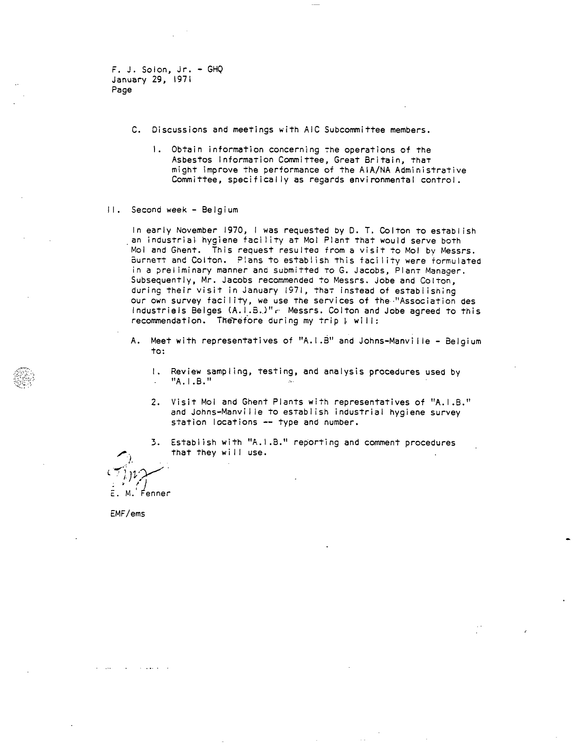
Environmental Control Department Research & Engineering Center January 29, 1971 F.
refid# DvV5Yk8X6wKgr3ek7onQ0zkjQ2 pages