Refine
Estimated Years 1960-1969Clear
16,810 results foundRefine Search
1 Dr.
refid# ja9MLJx47bakoNJa0ZYwe50N1 page
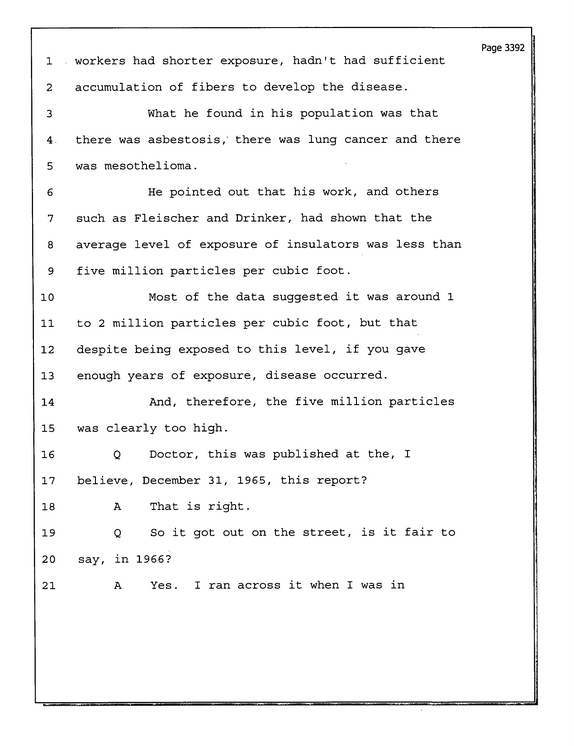
1 workers had shorter exposure, hadn't had sufficient Page 3392 2 accumulation of fibers to develop the disease. 3 What he found in his population was that 4. there was asbestosis,' there was lung cancer and there 5 was mesothelioma. 6 He pointed out that his work, and others 7 such as Fleischer and Drinker, had shown that the 8 average level of exposure of insulators was less than 9 five million particles per cubic foot. 10 Most of the data suggested it was around 1 11 to 2 million particles per cubic foot, but that 12 despite being exposed to this level, if you gave 13 enough years of exposure, disease occurred. 14 And, therefore, the five million particles 15 was clearly too high. 16 Q Doctor, this was published at the, I 17 believe, December 31, 1965, this report?
refid# qknNMoXpzy1rJwx87znpoymbG1 page
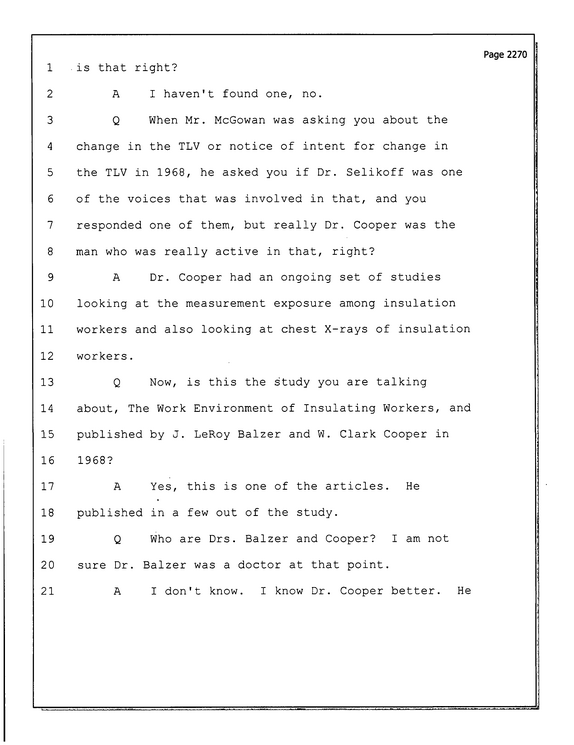
1 is that right?
refid# jgNJwN5BZda7MqRMDkQKYEoQp1 page
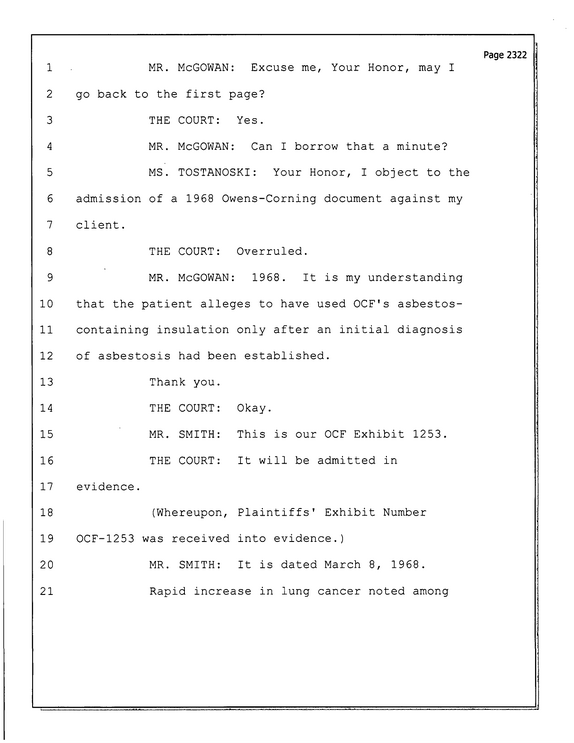
Page 2322 i 1 MR.
refid# qkZN4y4GLkNYr3XgEokQKoBxM1 page
Page 2311 1 MR.
refid# pex086zb8L5qv3D0NQyJzK1nk1 page
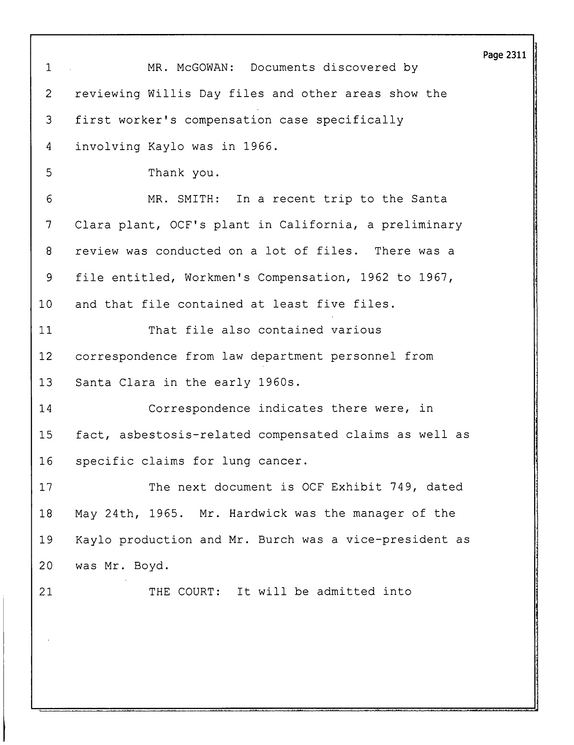
26-28 29-31 32-35 36-37 38-40 to Ford dealerships' service departments with regard to asbestos danger between 1961 and 1975.
refid# YjY0ORvxGjnOJqmjomkD6jOwK1 page
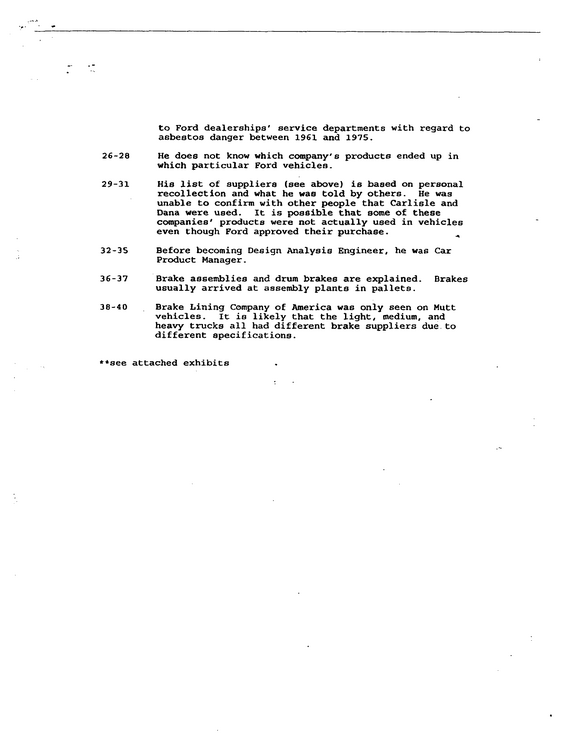
W/ * W MEMORANDUM FOR RECORD BY: Lee B.
refid# 2npjdQQyj45M3aV8ZVZbGn451 page
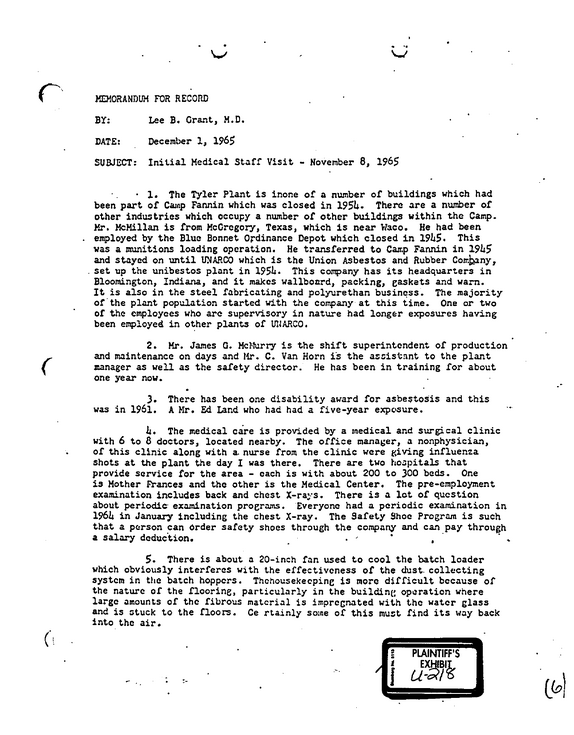
February 14, 1967 Occupational Health Research and Training Facility 1014 Broadway Cincinnati* Ohio 45202 * Attention: Mr* Jeremiah R.
refid# zdQ2RK9bNwXkEeDwnXDwD9aBB1 page
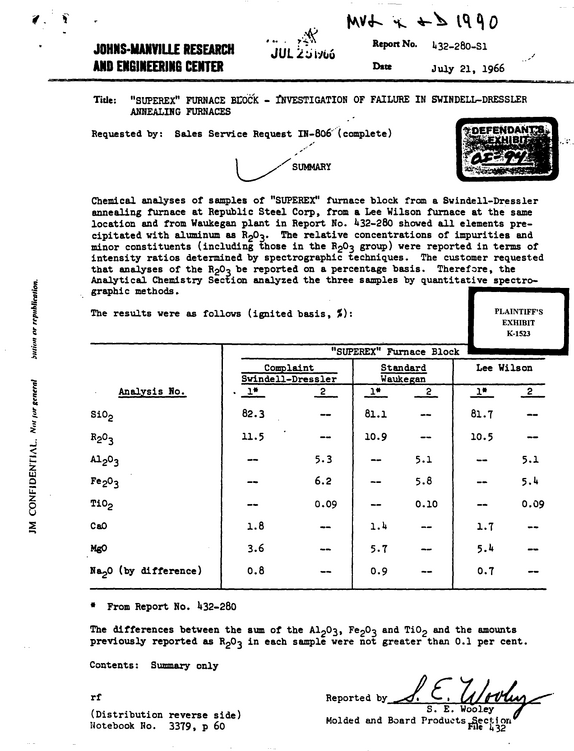
JOHNS-IIANVILLE RESEARCH AMD ENGINEERING CENTER |AV<k < 1^0 JULzoivoo Report No.
refid# jQZejpwzq68EgdZ2poz2MweR2 pages
JM CONFIDENTIAL.
refid# 6DN1vOobdGM7jdkk1oqj6VB32 pages
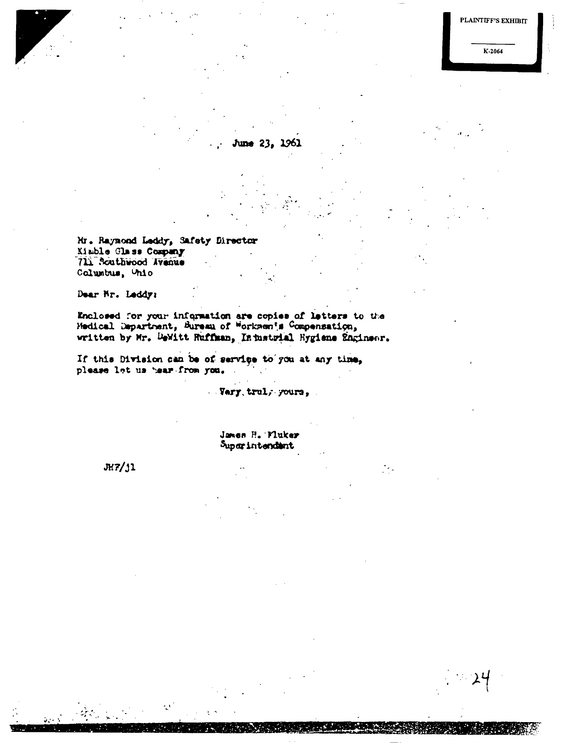
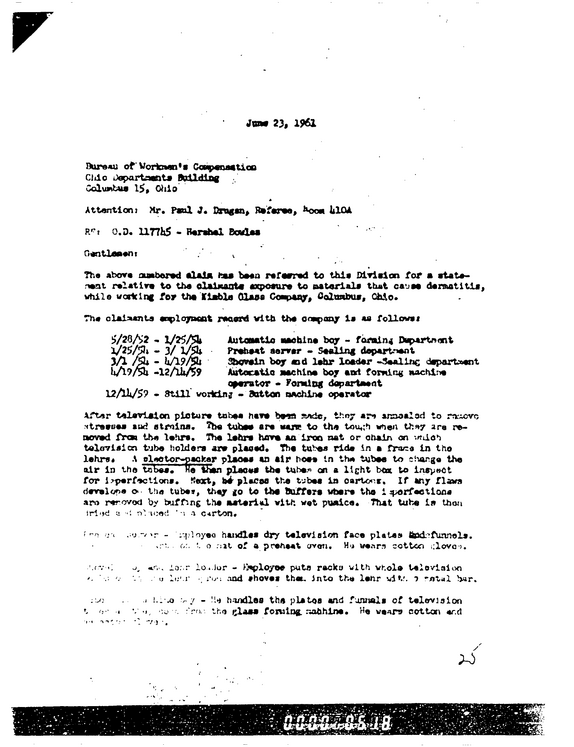
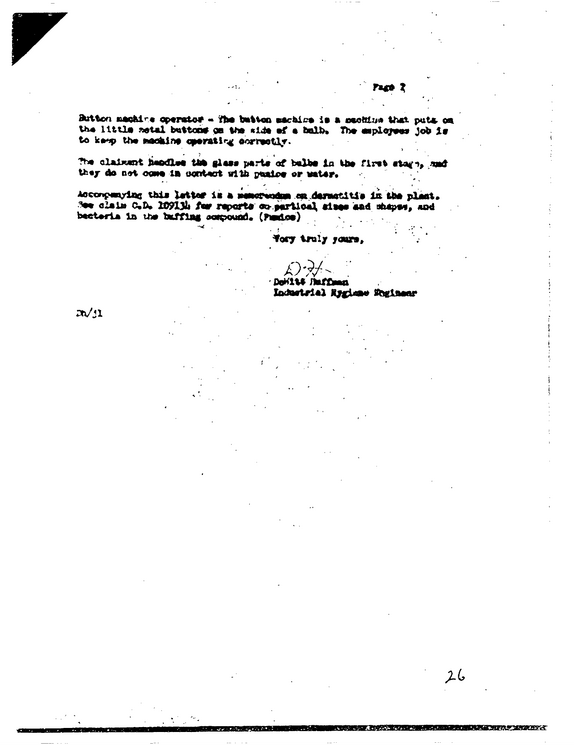
, June 23, 1961 Hr.
refid# YjdgLgwJy1z0YkD8ZwvL5No4k3 pages
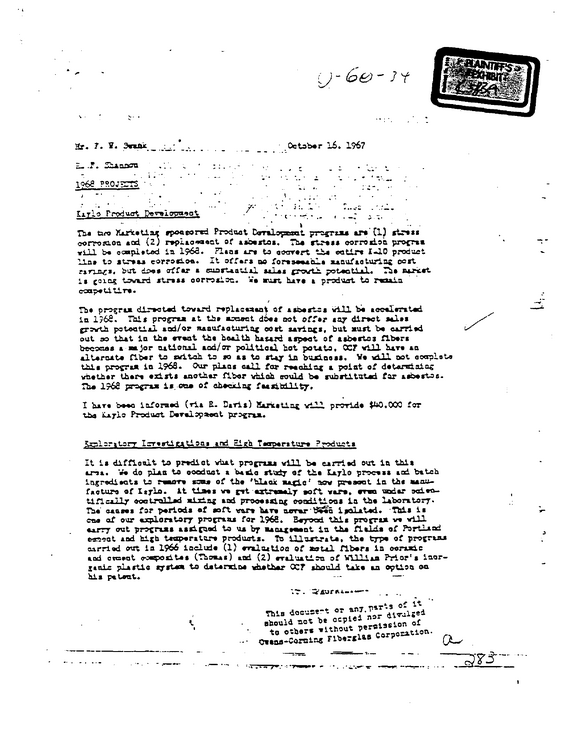
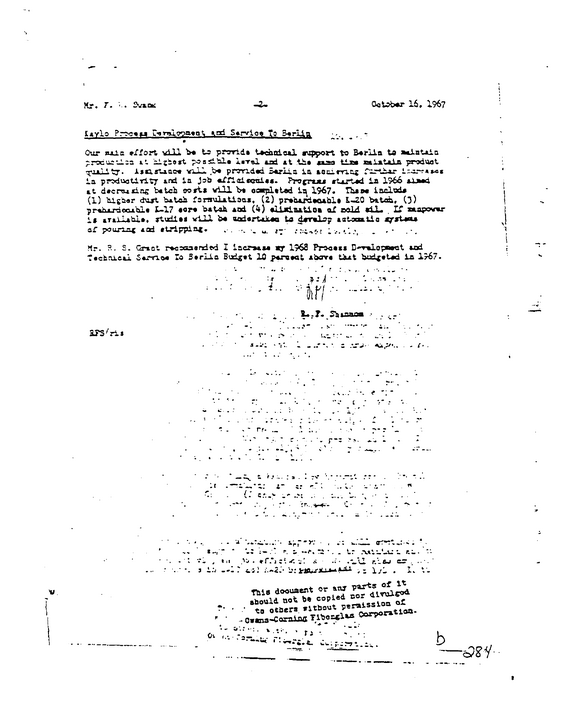
Hr. 7. 3e*ftk H-- .T. --*"^30 '. i 1966 PSOJSTTS October l. 1967 IitIo Product Deveiopaeot /** . ' i:- . * i -
refid# zdV7XXExQDkG7yk6BpJX1gvL72 pages
NEG.
refid# pEVNKNadw2e01GQRXvD3bLa61 page
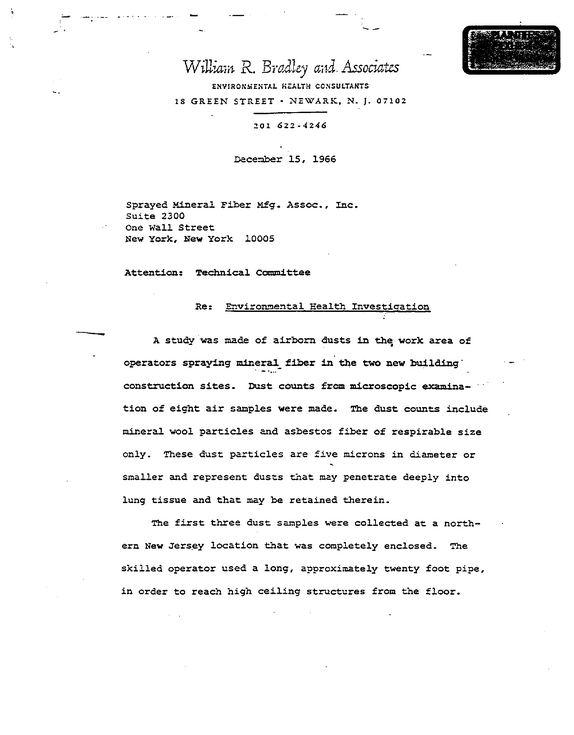
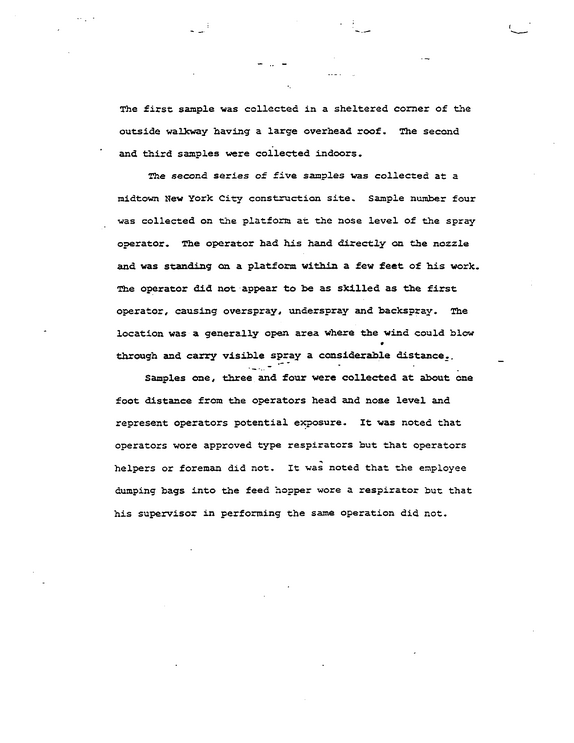
William R.
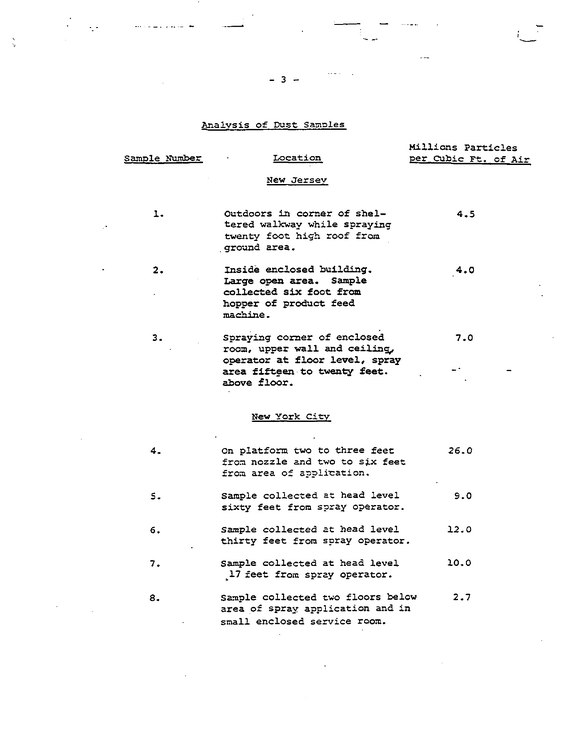
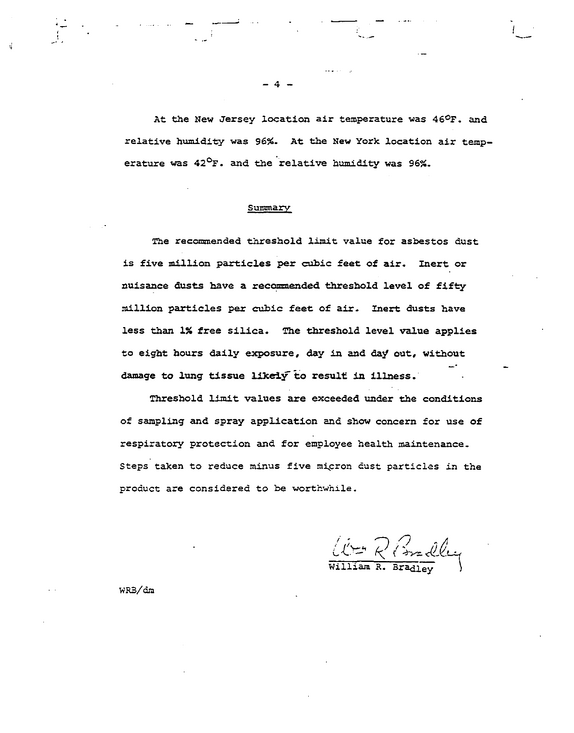
refid# 2RZEEp2o8d88rNK6e2zv2aXR64 pages
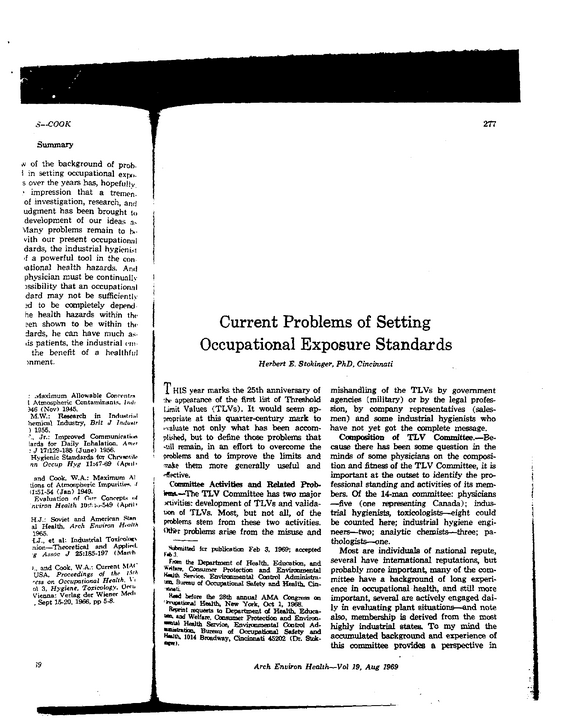
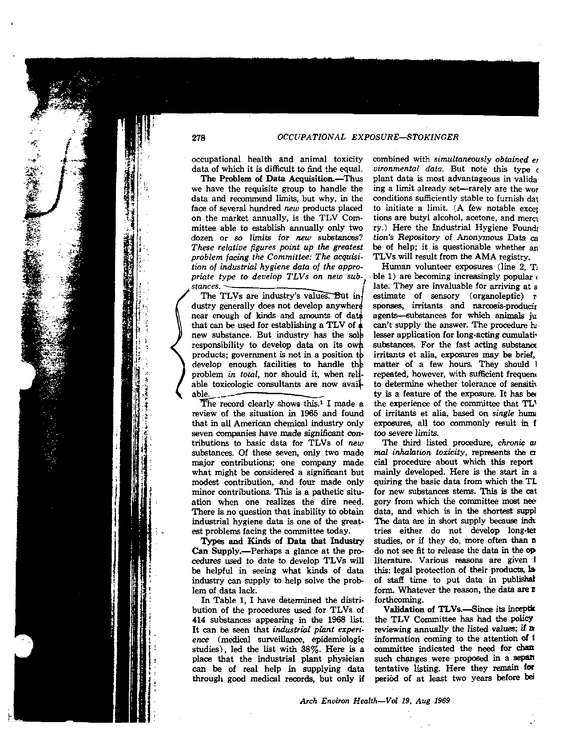
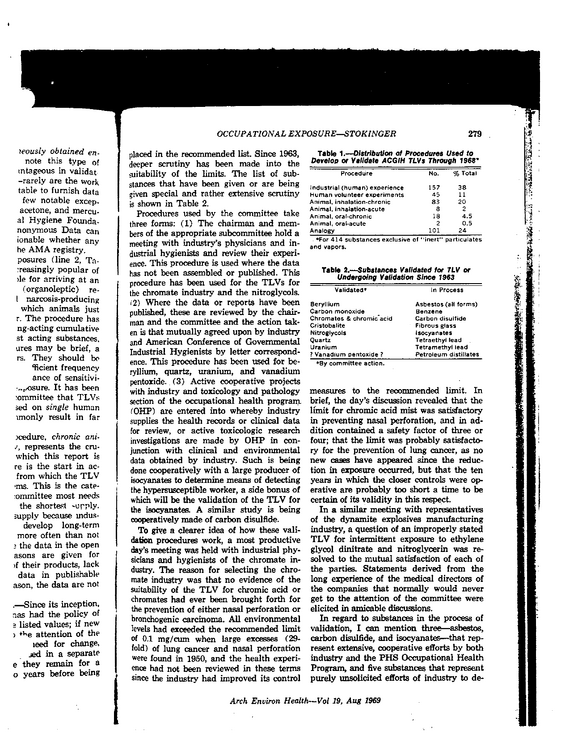
ARCHIVES OF ENVIRONMENTAL HEALTH VOLUME 19 July through December, 1969 American Medical Association Publication i EXHIBIT Summary *v of the background of probl in setting occupational expo, s over the years has, hopefully > impression that a tremenof investigation, research, and udgment has been brought to development of our ideas a> vlany problems remain to tv vith our present occupational dards, the industrial hygienist if a powerful tool in the con'ational health hazards.
refid# Y9wM11n6J56pjrxaJLDLO3kdO6 pages