Refine
Estimated Years 1960-1969Clear
7,161 results foundRefine Search
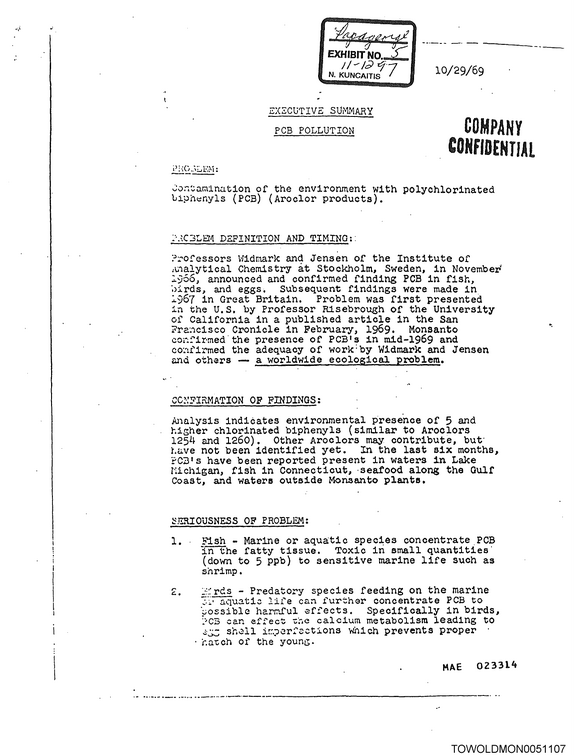
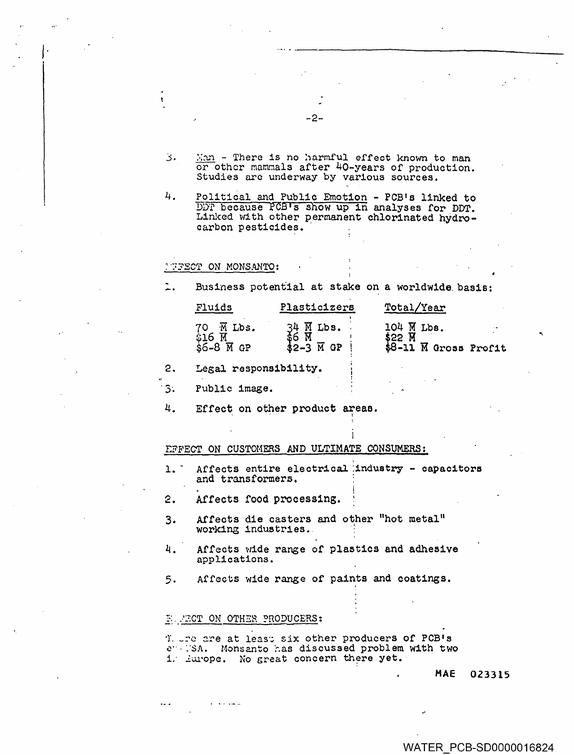
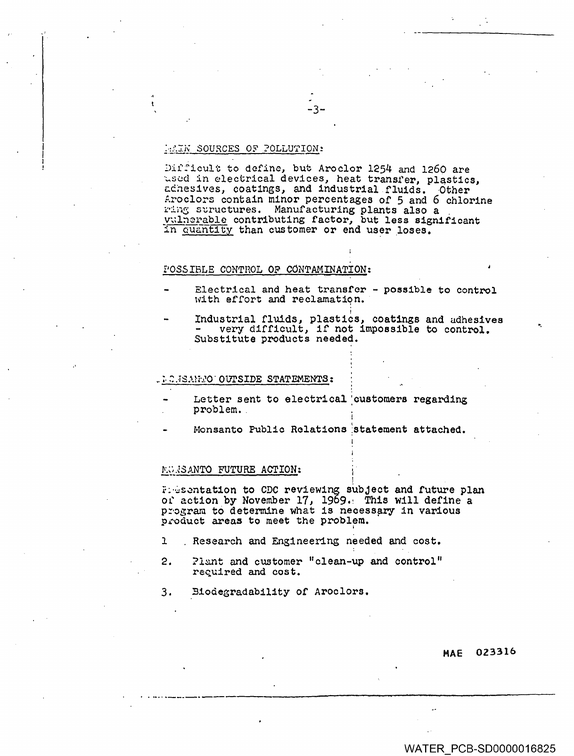
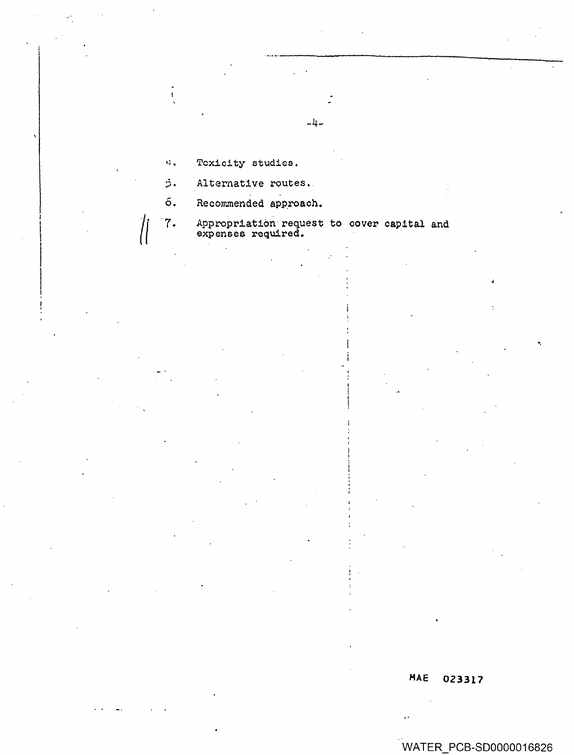
The common uses of commercial PCB would not normally lead to its release into the natural environment.
refid# 6R0K7pM4a4z1rpYQ8aZvKYXRg9 pages
We had the advantage of lead time for planning provided by the alert responses of corporate management.
refid# rBg0gL54M1B4JdQ91NONn209G2 pages
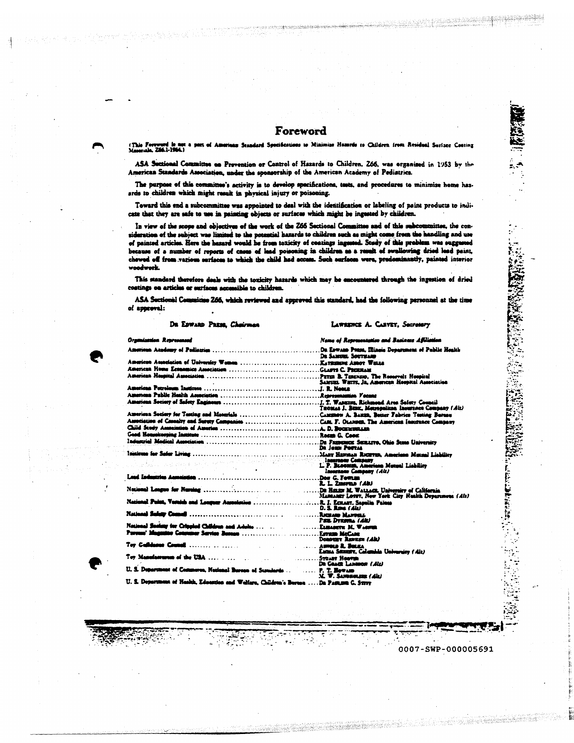
PWliCtfafat, fs.1; YfiMutNu IdMhfid ht OutofvifMtiMi d Lw CfiMusmtifiM d lead ia fair*.
refid# npOQBGjxMJbV1rpE7D8jpDN7w6 pages
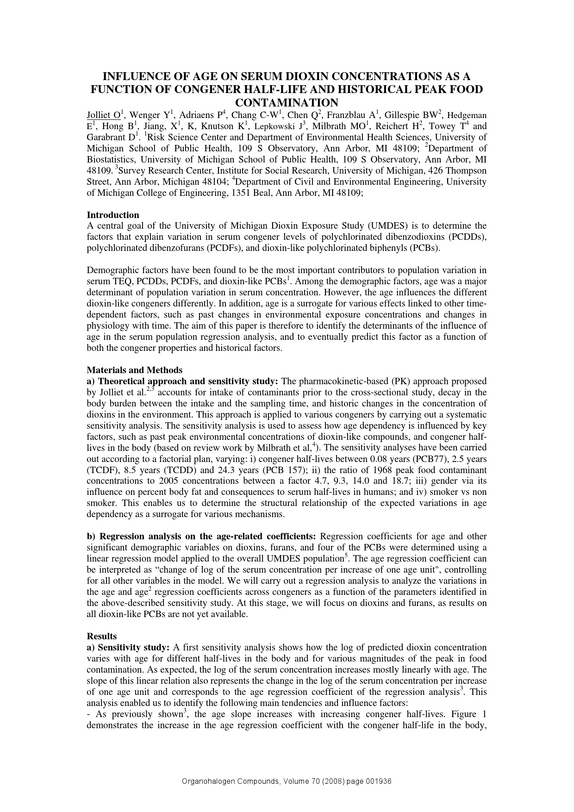
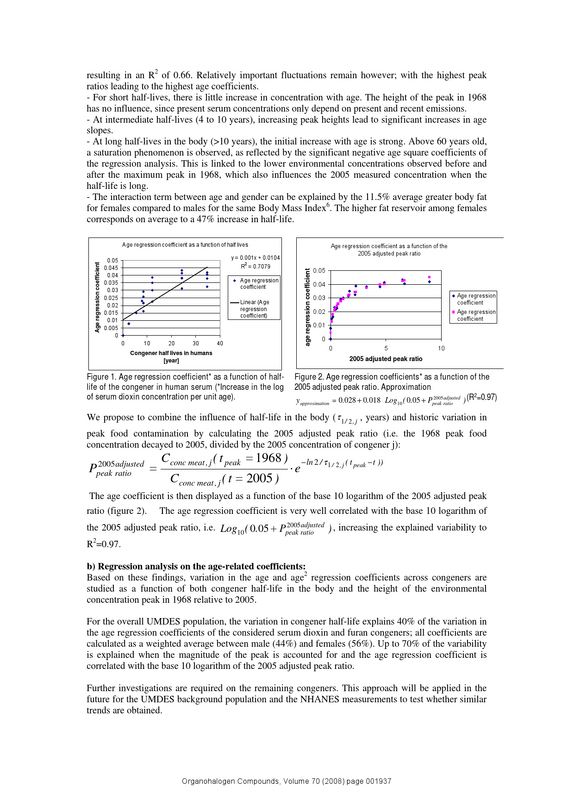
Relatively important fluctuations remain however; with the highest peak ratios leading to the highest age coefficients. - For short half-lives, there is little increase in concentration with age.
refid# aDELGwJodZzjLnLynpboE1oe93 pages
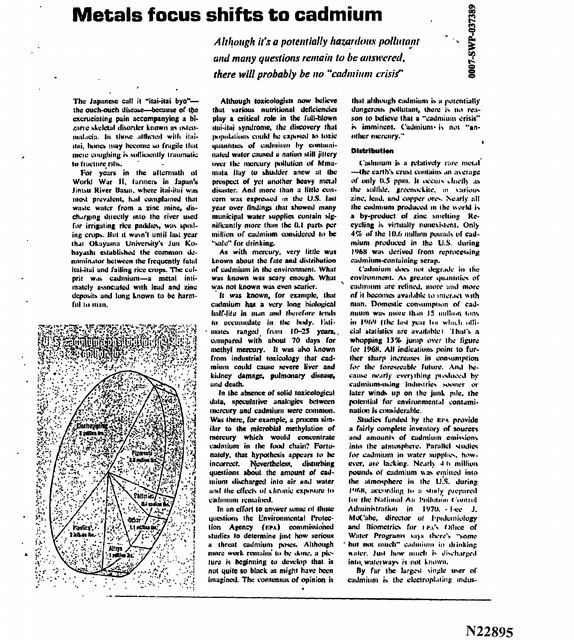
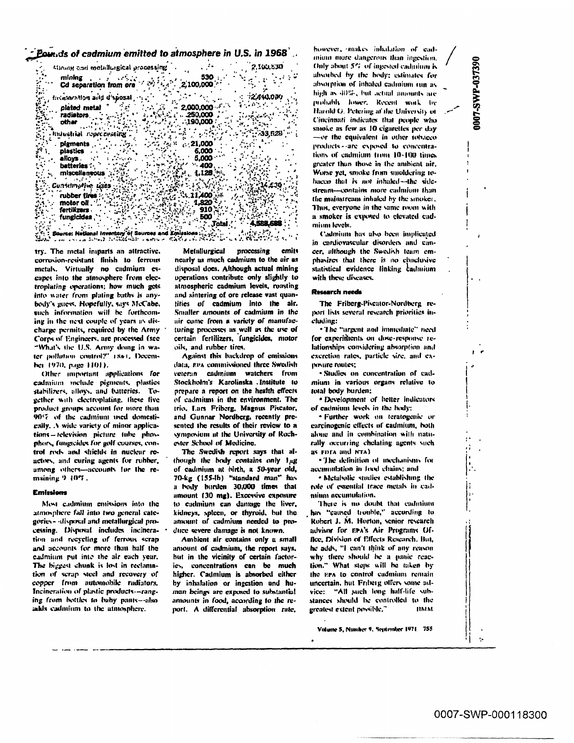
It norms ,lnell\ as the sulfide, grecnockile, in various zinc, lead, and copper ores.
refid# nmjdLabYeXm2dywR6OqaJVBnm2 pages
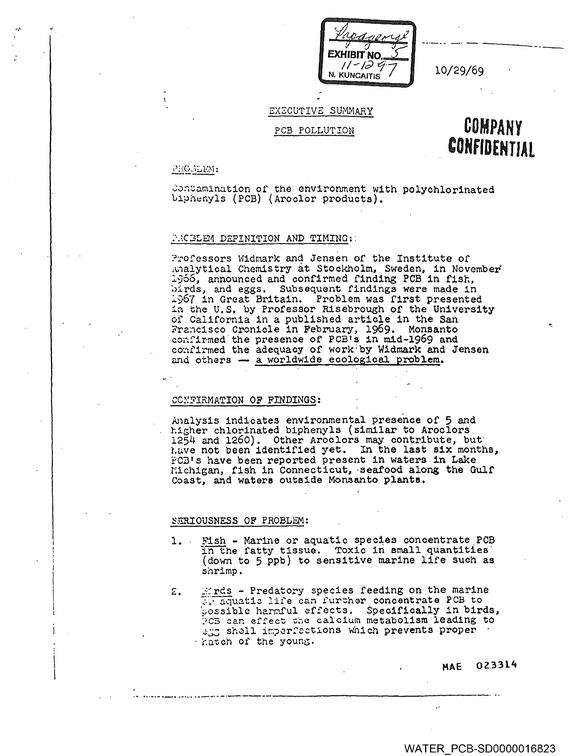
The common uses of commercial PCB would not normally lead to its release into the natural environment.
refid# qkx8nJ4jvoyX9ddMMkXdNedVG9 pages
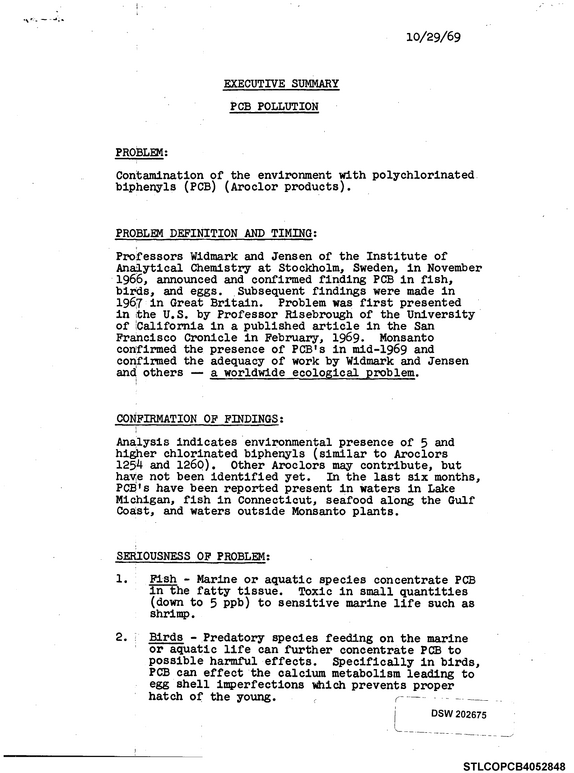
The common uses of commercial PCB would not normally lead to its release into the natural environment.
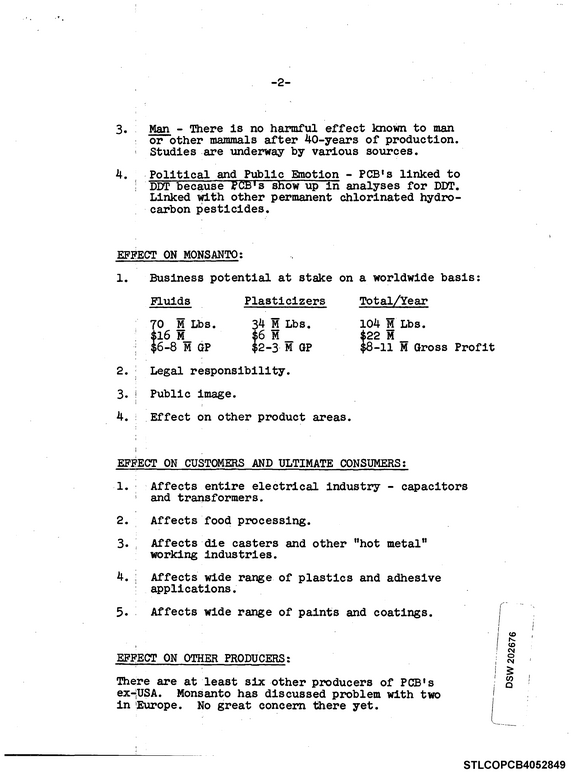
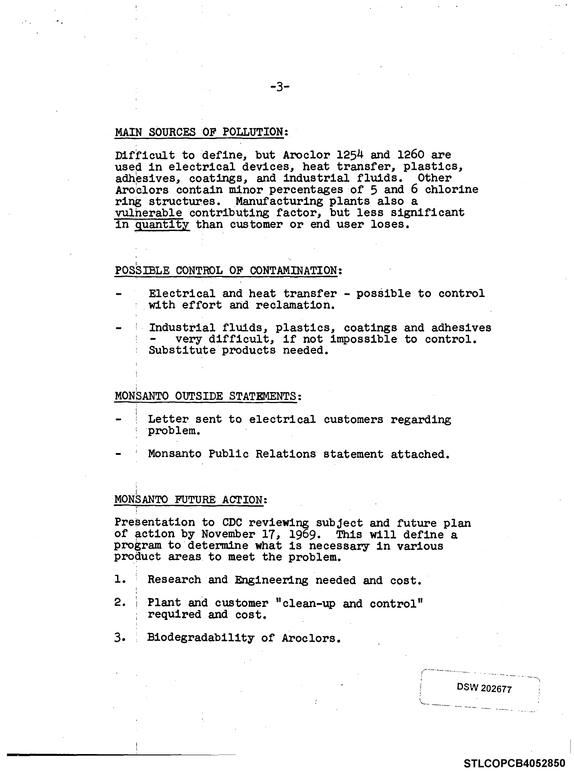
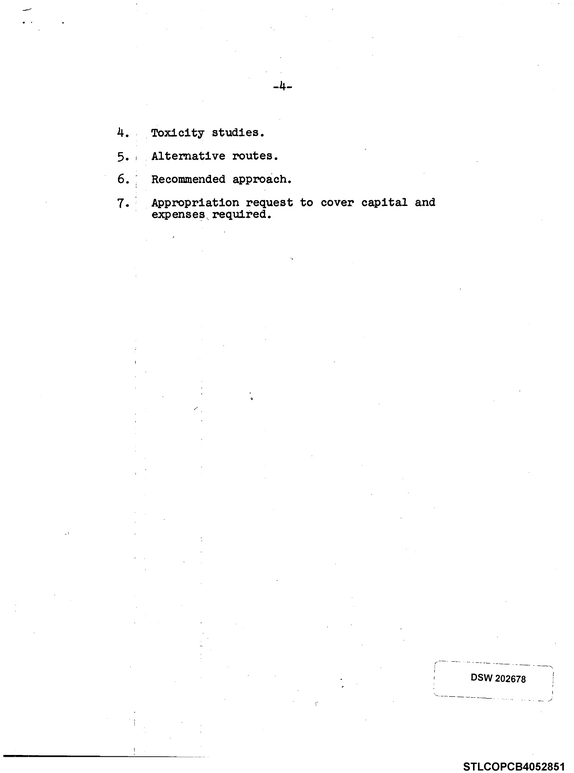
refid# pBng0j0VR46Q6n4J07eMyQogD9 pages
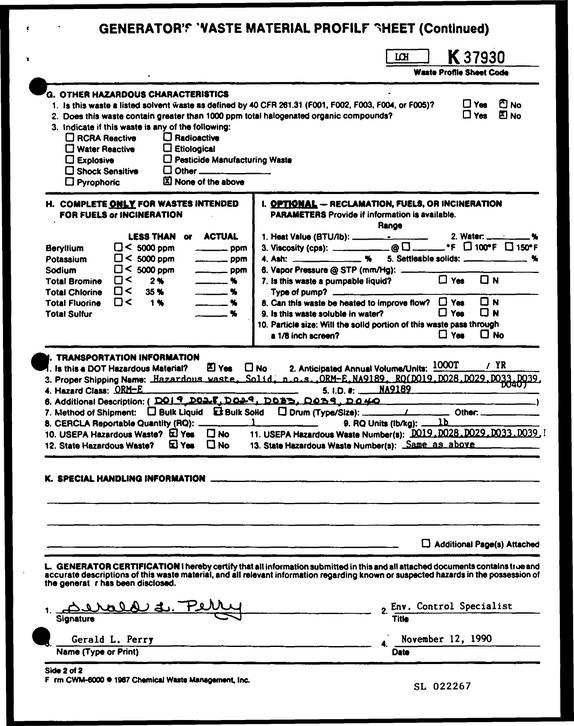
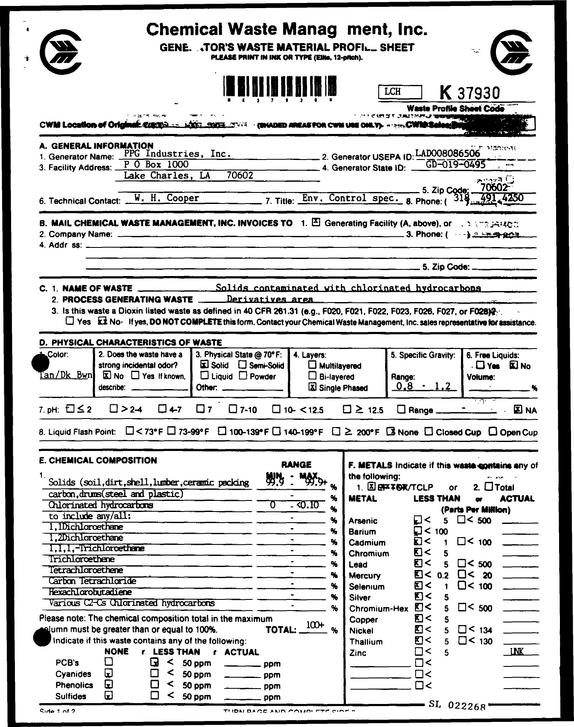
Total 0 - <0.10 % % METAL LESS THAN or ACTUAL (Parts Per Million) - % Arsenic B< 5 < 500 - % Barium < 100 - % Cadmium B< 1 n< ioo - % Chromium B< 5 - % Lead B< 5 < 500 - % Mercury B< 0.2 < 20 - % Selenium 0< 1 < 100 - % Silver B< 5 - % Chromium-Hex G< 5 < 500 Please note.
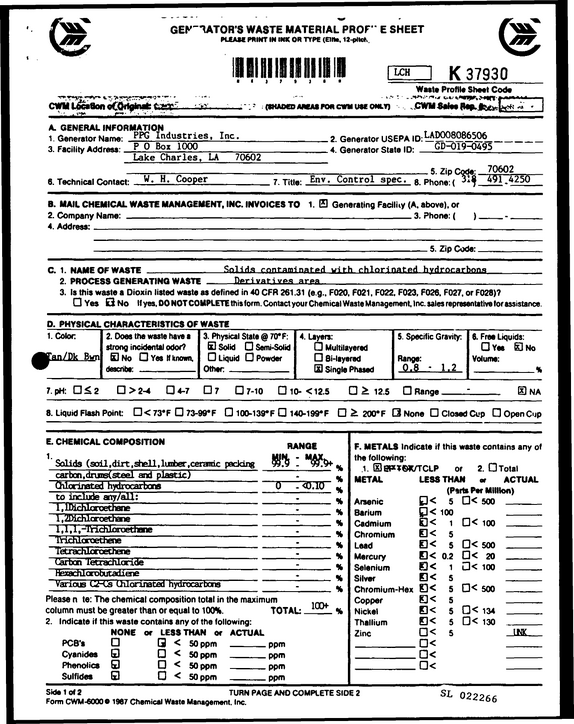
refid# 9JdqzQ4dv2norJOyweBz05EY73 pages
Either we lead, or we trail behind.


refid# wgje6vavvq0vd9J9jKaxz9qN44 pages
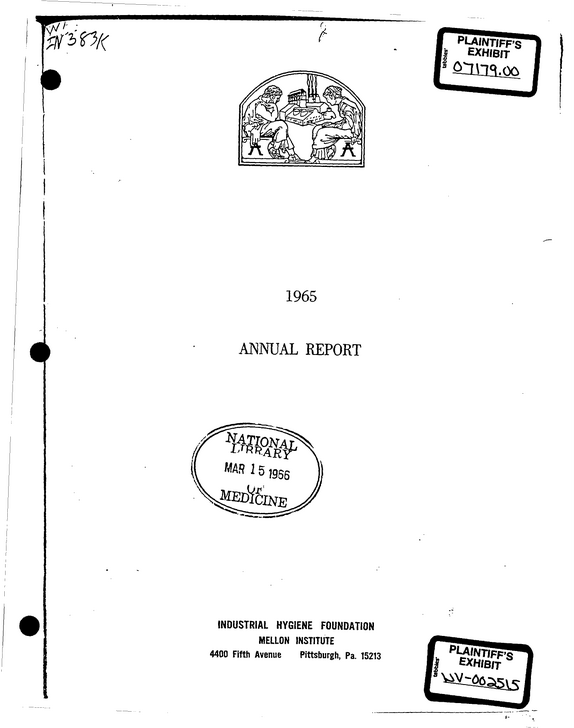
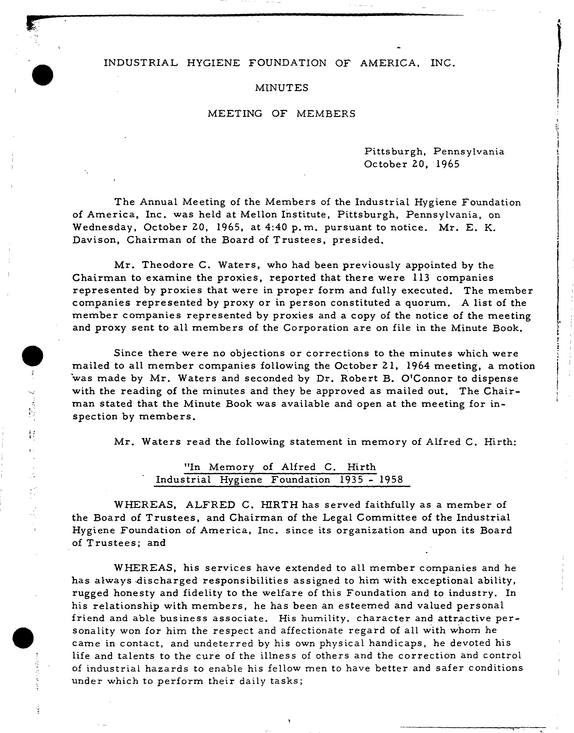
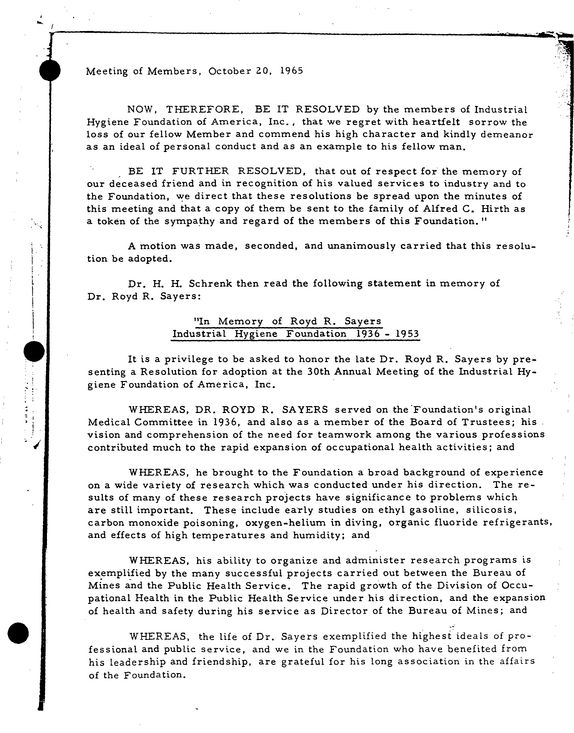
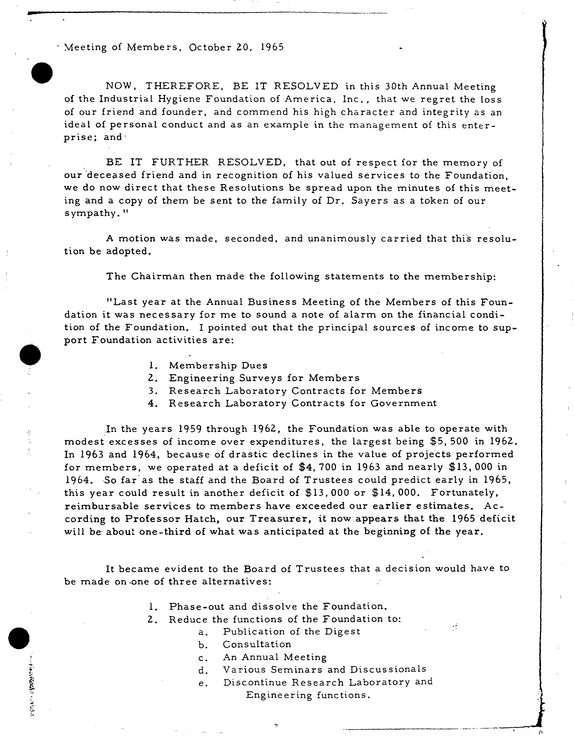
Wi&K 1965 ANNUAL REPORT INDUSTRIAL HYGIENE FOUNDATION MELLON INSTITUTE 4400 Fifth Avenue Pittsburgh, Pa. 15213 exhibit INDUSTRIAL HYGIENE FOUNDATION OF AMERICA, INC.
refid# baMp6VDQ7R7Lk09Ye3MexXkz625 pages
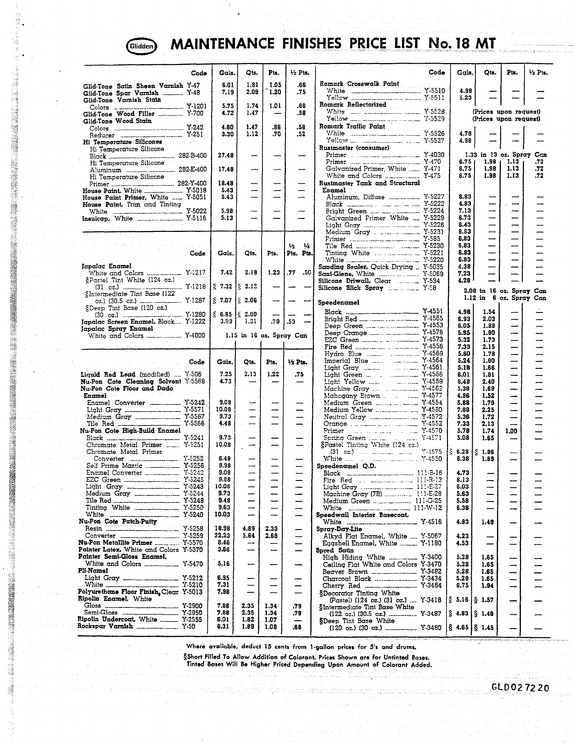
Liquid Red lead (modiiied) ....


refid# G5Z3v81q8rx8ZpEbYrYmNJByN6 pages
Wi&K 1965 ANNUAL REPORT INDUSTRIAL HYGIENE FOUNDATION MELLON INSTITUTE 4400 Fifth Avenue Pittsburgh, Pa. 15213 exhibit INDUSTRIAL HYGIENE FOUNDATION OF AMERICA, INC.
refid# zQ6NMDXvnXXEq1287dva8K1m025 pages
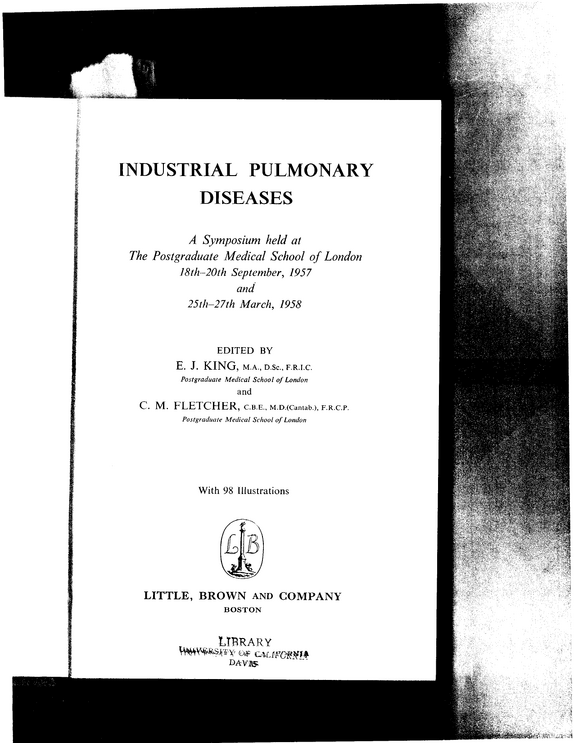
Heppleston Department of Pathology Welsh National School of Medicine Cardiff IN discussing the pathology of the pneumoconioses it is essential to distinguish asbestosis a variety which is caused by minerals with a librous structure from those varieties due to particulate nonJibrous minerals such as silica coal and h^matite Numerically the second group is the more important and will be considered first taking as types classical silicosis and coalworkers pneumoconiosis each of which assumes a simple and a massive form Simple Pneumoconiosis By simple pneumoconiosis is meant the pulmonary reaction to dust uncomplicated by any other factor and the term thus refers to the essential manifestation of the disease Characteristically it takes the form of numerous small focal lesions composed basically of dirt and fibrous tissue in various proportions These lesions are Increte and measure up to about 5 mm in diameter they are more o less evenly scattered throughout the lung substance but may be somewhat larger and more numerous in the upper than in the lower parts To appreciate the mode of development of dust lesions eference must be made to the normal anatomy of the respiratory portion of the bronchiolar tree The terminal bronchiole that is the last order of nonrespiratory bronchiole gives rise to three successive onders of respiratory bronchiole i.e. those bearing alveoli before the single order of alveolar duct is reached the alveolar ducts then lead lead to atria and alveolar sacs Heppleston 1953 Dust deposited in the alveoli is ingested by phagocytes which attempt to eliminate the dut up the bronchiolar tree or to transport it to the lymphatic system Dust may also move along airways and into the interstices ot the lung as free particles but evidence of this is not easily obtained Small accumulations of dust are found in relation to the 23 Sc SI ay J.
refid# 7Rm1XoMpMnbL1KoweXXXqjNxj14 pages
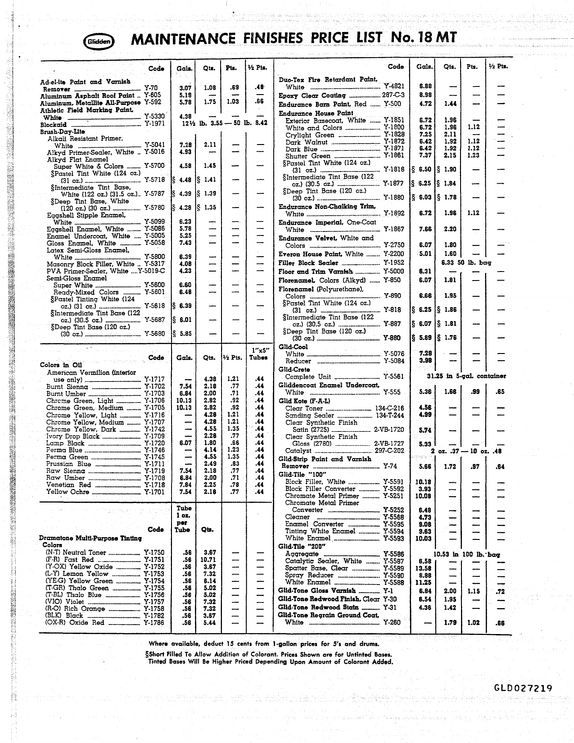
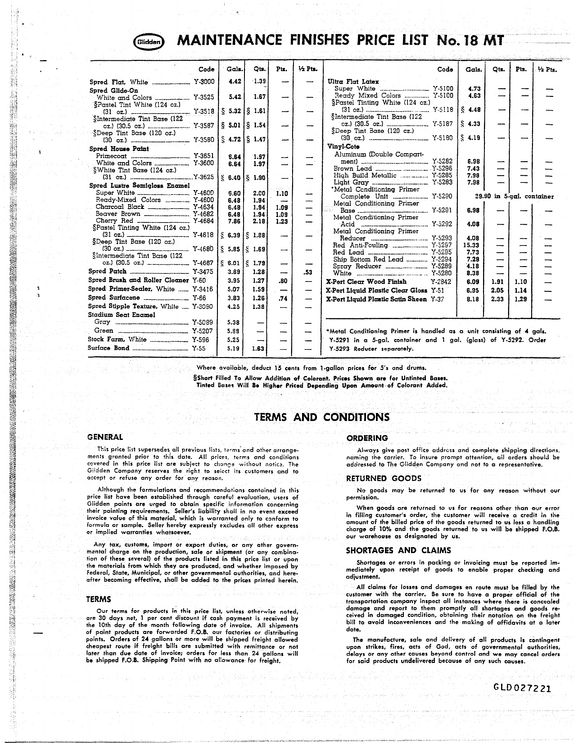
Y-4000 Code Liquid Red Lead (modified) Y-506 Nu-Pon Cote Cleaning Solvent Y-5568 Nu-Pon Cote Floor and Dado Enamel Enamel ConverterY-5242 Light Gray_________Y-5571 Medium Gray............. .............
refid# XVQJak3M4KKqxnapjozdrwpx6 pages
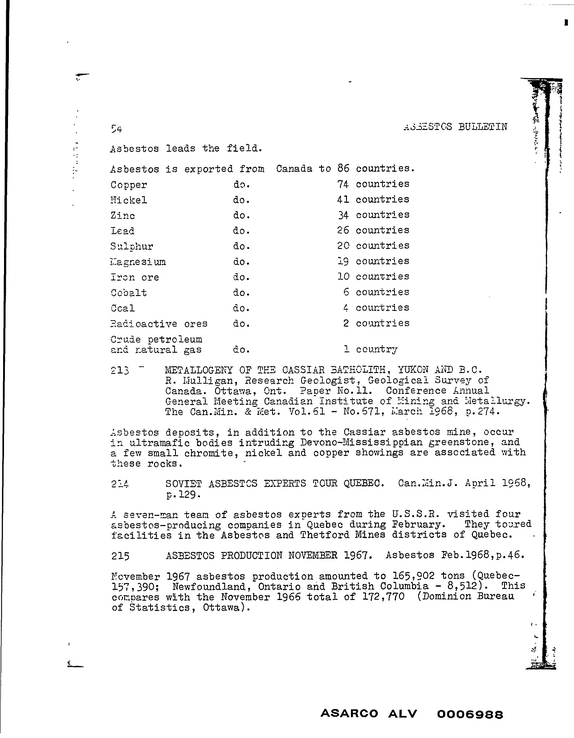
Lead do.
refid# Z8RB6vQ7zk9G55kYwdad3QMLV24 pages