Refine
Estimated Years 1960-1969Clear
7,161 results foundRefine Search
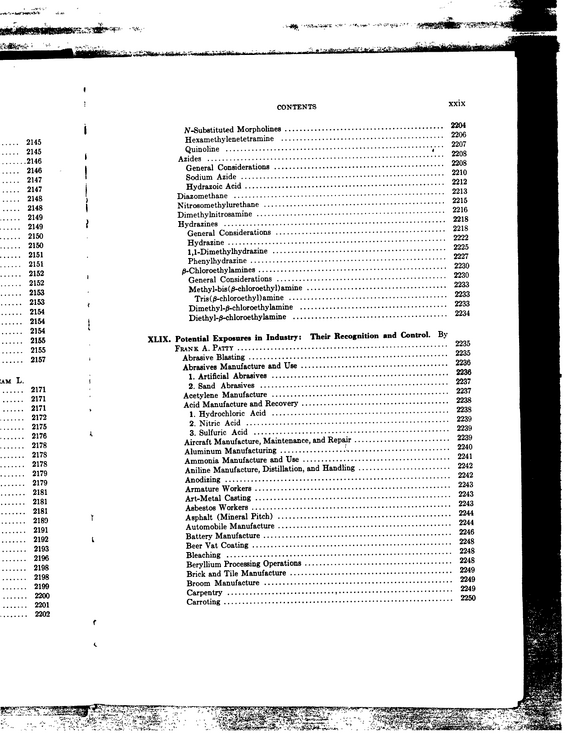
ces ce cece ec en cence eee en cree nena neces eens eens Bleaching .......cceccce ccc e neces ence eens en sean seen ness en es ee ean eees Beryllium Processing Operations eect ee .........0s nee ees eeee eee cer e cee es Brick and Tile Manufacture een eeenees ............ceeceeeeeeeeeeneescnee Broom Manufacture ..... ce. ce ce. s e ec nce s encec ee ss nenrc e cnc aa se ean es es Carpentry cece ence cece ...... eec cenec nes penne een enone eens e teense eeeeees Carroting oo. .c cece cere cece cena n ean ee nner encnnar se ees cencneanceseeceser 2235 2235 2236 2236 2237 2237 2238 2238 2239 2239 2239 2240 2241 2242 2242 2243 2243 2243 2244 2244 2246 2248 2248 2248 2249 2249 2249 2250 .mosphere ided Fire ak can be can cause workmen involved ion of the , benzene s involves ly slightly od general very effec- he dangers e skin are es or any aol amount of d be thor- elie Seats rproof ink .k Poisonwith such r exposure ng Aniline ooked and orrosion is eet h with the ned in this { a number en being com- of the tank e excessive Where any e and cor- owever to ts are dis- serpnt POTENTIAL EXPOSURES IN INDUSTRY 2243 Armature Workers Lead tinning baths and lead pots when small and equipped with temperature controls may not present serious lead exposures However the larger opera- tions especially when no temperature control is in use can offer serious exposures , Wherever there is any question of exposure the operation should either be provided with mechanically induced air flow to remove or dilute the lead fumes before they can be inhaled or else air blood or urine samples should be collected and analyzed for lead to establish whether ventilation is necessary Waterproof varnishes especially those made from cashew nutshell liquidformaldehyde resins may cause dermatitis This may result from contact with the wet varnish from the varnish dust dispersed in grinding armatures or from skin contact with dirty solvent baths for dipping and cleaning old armatures The solvent bath should not be permitted to become badly contaminated and skin contact must be avoided In the case of wet or dry varnish good personal cleanliness is an effective preventive measure and varnish dust should be controlled by process ventilation Protective creams and clothing may be useful in some instances Metal Casting metal casts for displays trophies medals and the like are usually cast from white metal or britannia metal which are alloys of tin antimony and copper often having some zinc and bismuth occasionally lead and possibly arsenic The alloys are melted in pots temperatures rarely exceeding 300 or 400 Burring filing belt sanding and buffing may be done and unless controlled significant exposures to mechanically generated metal dusts may result At the temperatures ordinarily employed there is little likelihood of an exposure to metal fumes however Where uncertainties exist exposures should be evaluated and when found excessive controlled Other possible exposures in the industry involve plating baths and cyanide dips Soldering operations are usually at low temperatures to avoid fusing the melting alloys and therefore are not conducive to the formation of metal fumes Asbestos Workers Dustiness around asbestos workers is sometimes above the proposed standard of 5 million particles per cubic foot Perhaps mining offers the greatest exposure to dust and in fabrication plants the operations listed in the probable decreasing order of dustiness are screening picking stacking and willowing in the preparation room carding dry weaving spinning twisting wi
refid# 10bem4M4G0n0Lkbyr6pyeL7Qj6 pages
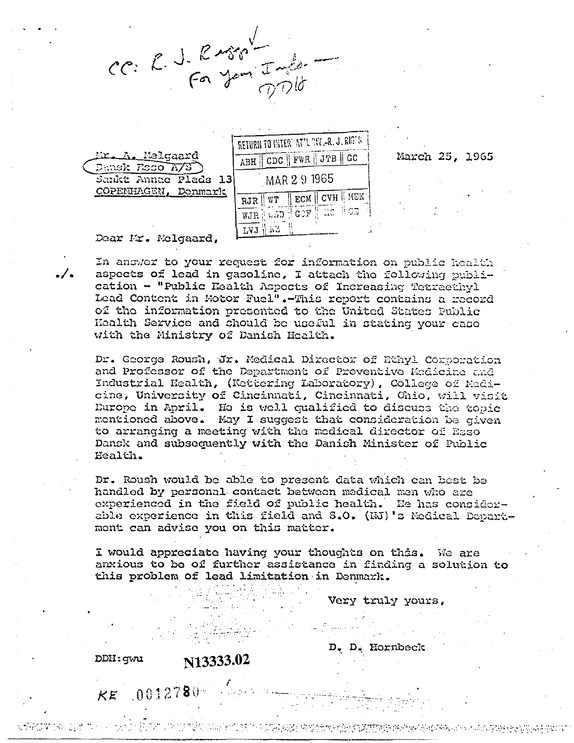
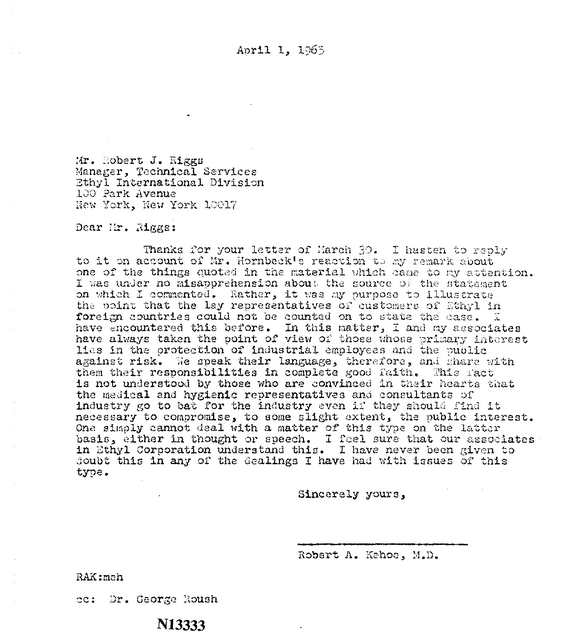
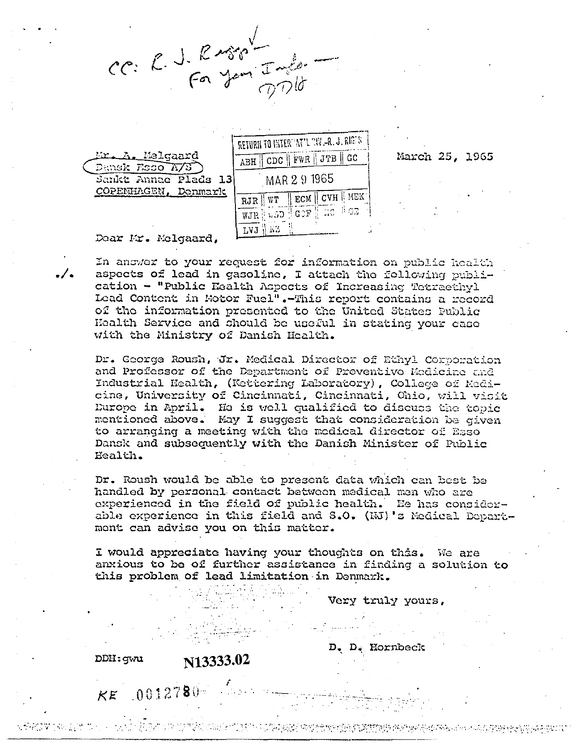
I would appreciate having your thoughts on this We are anxious to bo of further assistance in finding a solution to tills problem, of lead limitation in Denmark.
refid# 5DkvdR6RvYoQoRzd1NxQxExw89 pages
Batlaoel Lead lv"rT (Morrla P.


refid# KG8kxemaDoJjdgwjLqbnLZX2r8 pages
I would appreciate having your thoughts on this We are anxious to bo of further assistance in finding a solution to tills problem, of lead limitation in Denmark.
refid# bBbBeDXj8KoqJRjdXQ1DBMM3D9 pages
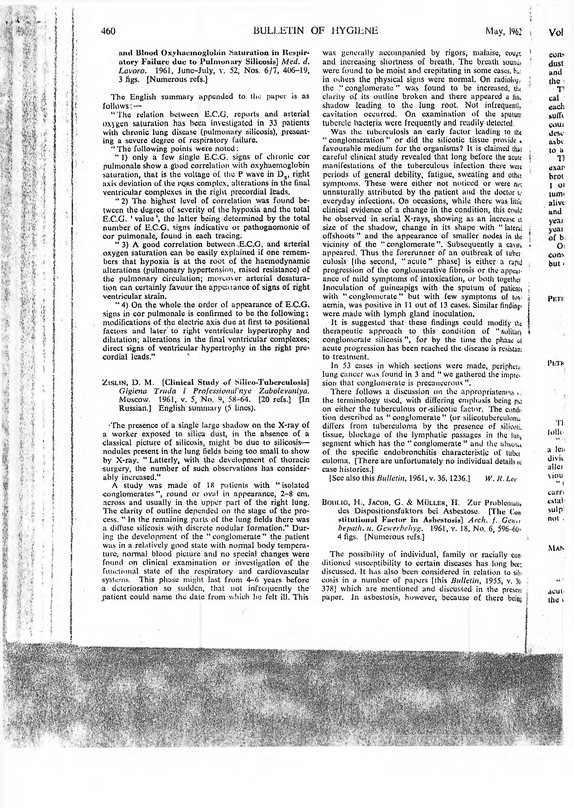
Was the tuberculosis an early factor leading to ih< " conglomeration " or did the silicotic tissue provide * favourable medium for the organisms?

refid# KR756D2wEv1dRpn36aVjKN1xQ4 pages
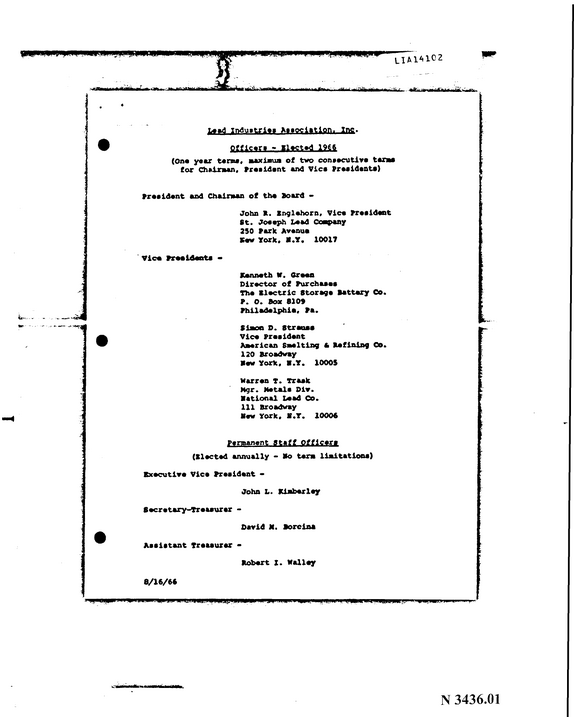
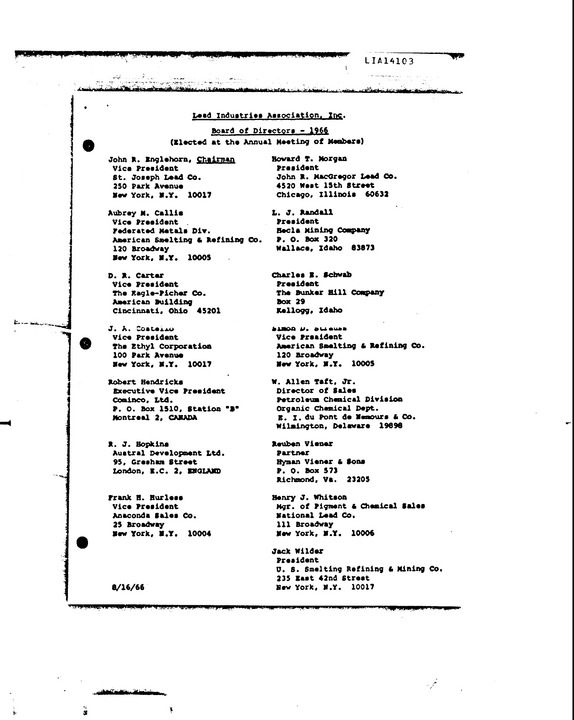
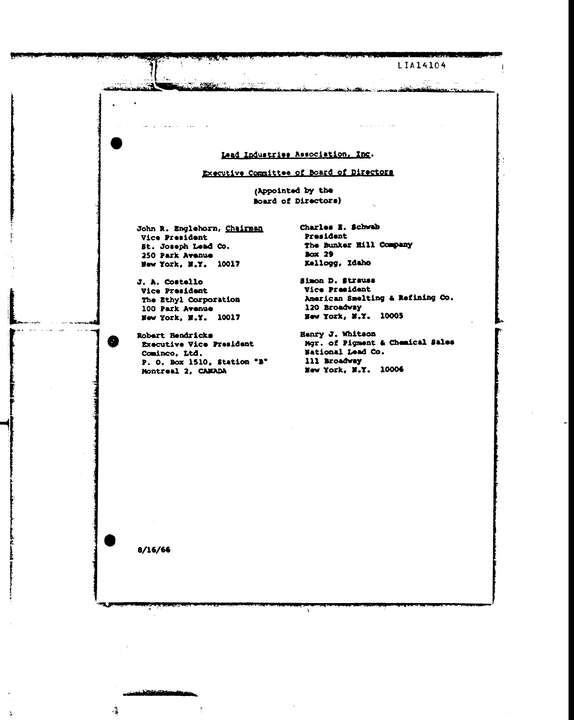
Whitson Mgr. of Pigment 4 Chat leal Salas ational Lead Co.
refid# 7RdqMXXMDng35drezm8YaKnog8 pages
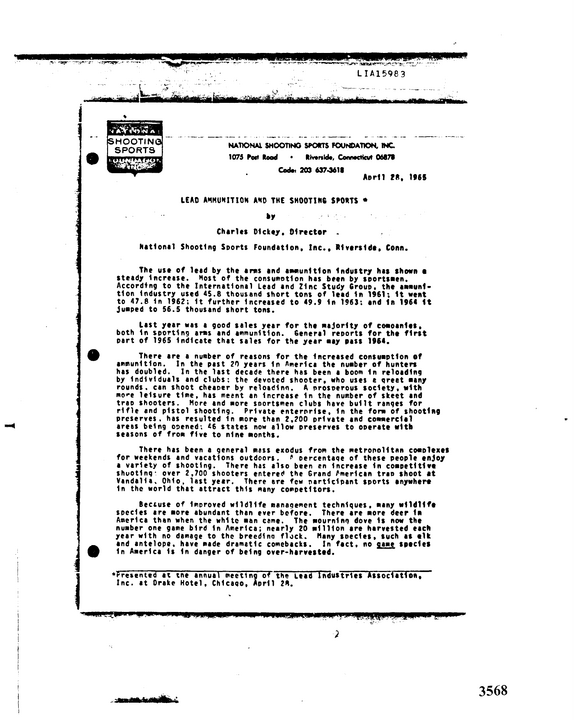
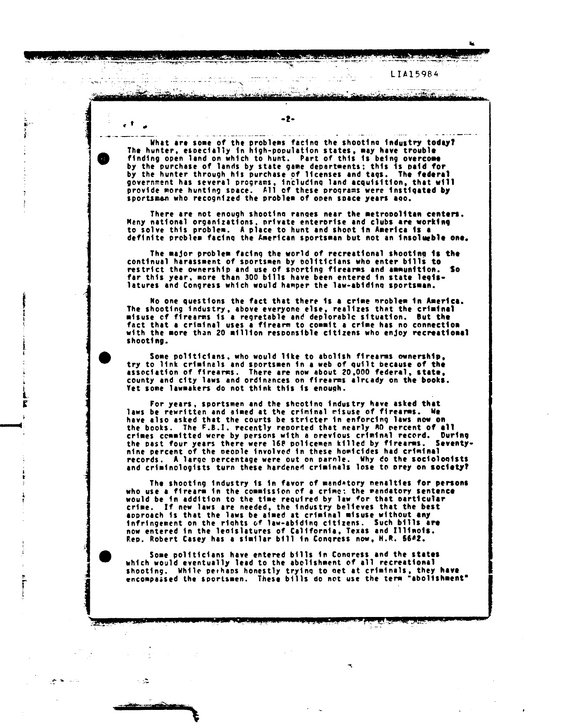
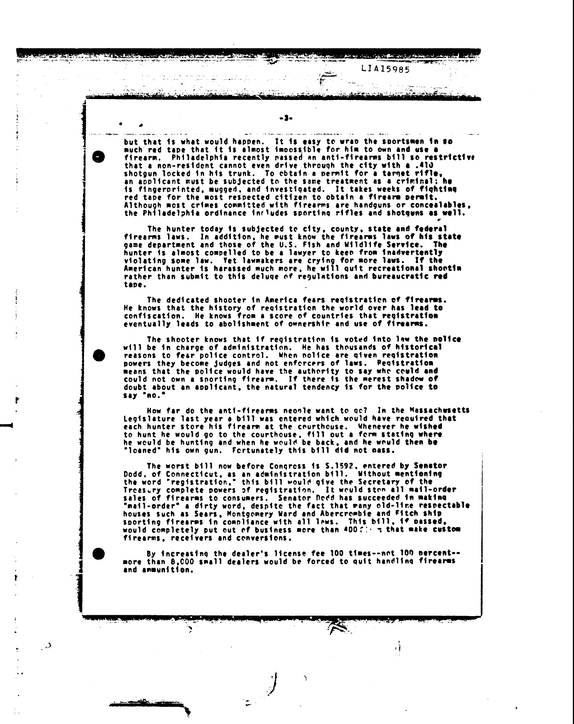
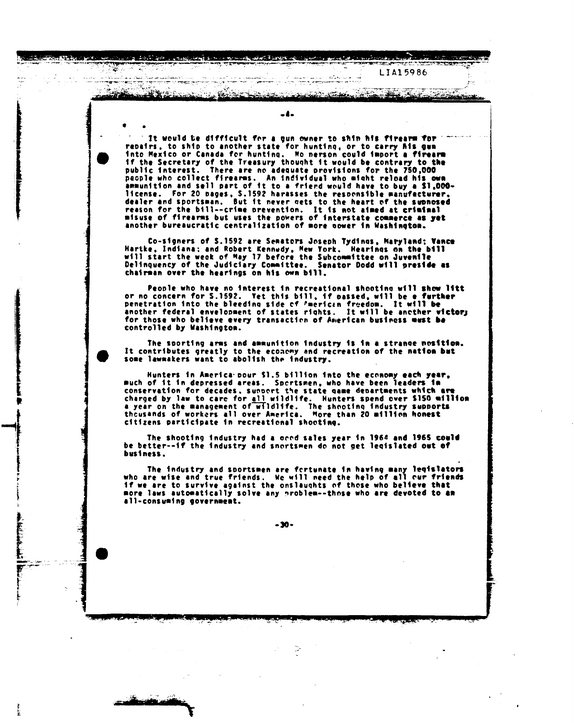
The use of lead by the arsis and ammunition Industry has shown o steady Increase.


refid# k9b3JdD9zdmyL6zG5DG8BbyqV4 pages
The use of lead by the arsis and ammunition Industry has shown o steady Increase.
refid# MDeEpk884oL0dQ16G8wDdxLa4 pages
Whitson Mgr. of Pigment 4 Chat leal Salas ational Lead Co.


refid# 9mYDXVR3ZprG486LYEM2bO9V8 pages
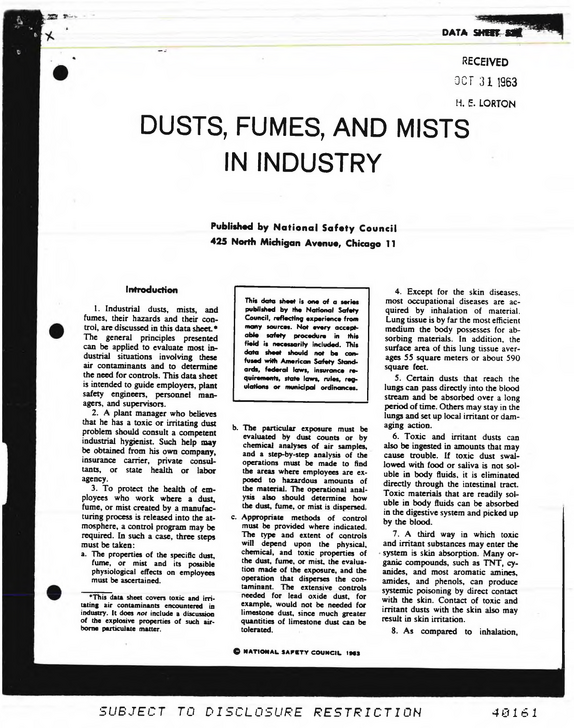
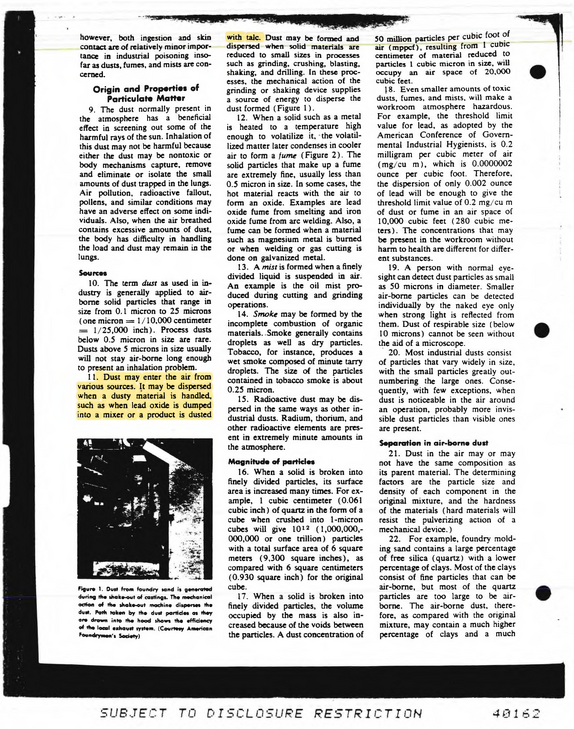
Examples are lead oxide fume from smelting and iron oxide fume from arc welding.
refid# Jr7bJYrDrajnZpbbORgYqg2m217 pages
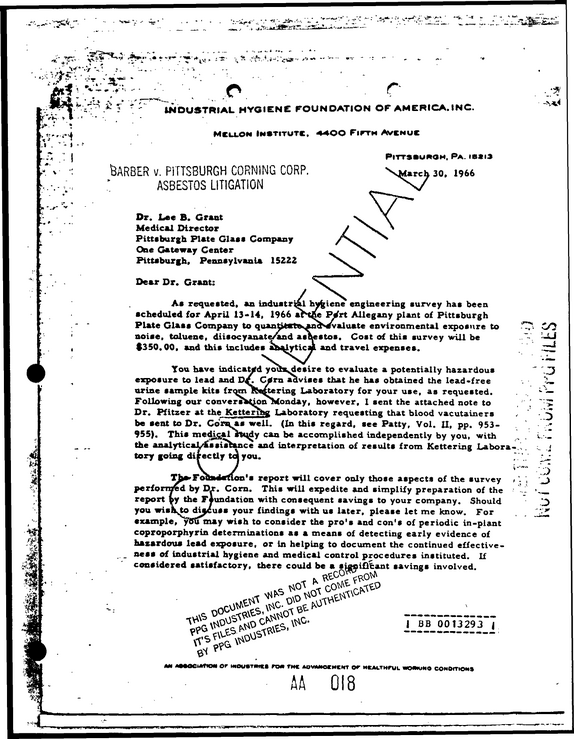
Y_ o. u h_ ave indicated y. otfe^sd^esiri e to evaluate a potentially hazardous exposure to lead and Df^.
refid# zQe9Jxn8k1adz5ovgXqNgZz4z1 page
. * You will note section 3.2.3 and 3.4 on page four refers to lead solubility and allowable limits.


refid# JJq9Yw5rEo9dnpZ0k5XwyqBnK2 pages
This plant operated for only seven weeks, somewhat sporadically, but the conditions, with respect to the exposure of men to lead dust and fume, were so bad, that at least 3 of 20 workmen developed lead intoxication.


refid# X73kL57BGBM46eYpNyYNQ0R0G2 pages
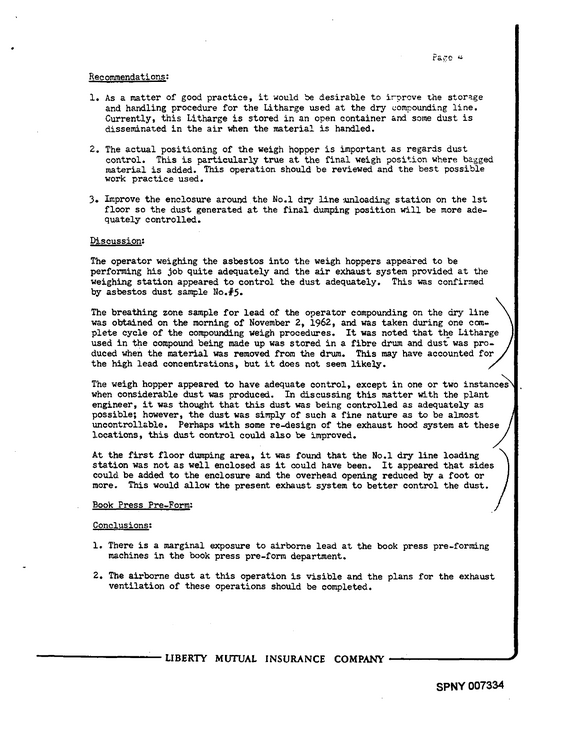
This may have accounted for the high lead concentrations, but it does not seem likely
refid# g2Y2z3N7EzVD1qYL1wZg92z2e1 page
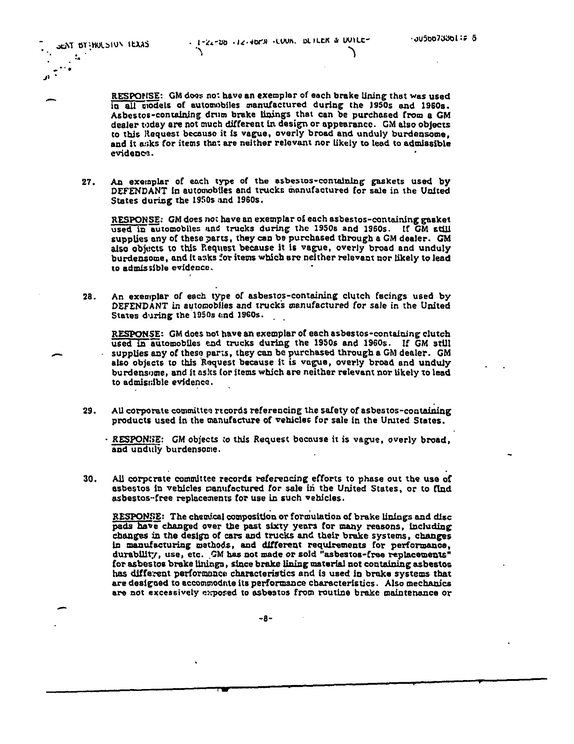
*;ks for items that are neither relevant nor likely to lead to admissible evidence. 27.
refid# zoVwxrr4VYMxNZM1pg1BwREj31 page