Refine
Estimated Years 1950-1959Clear
21,856 results foundRefine Search
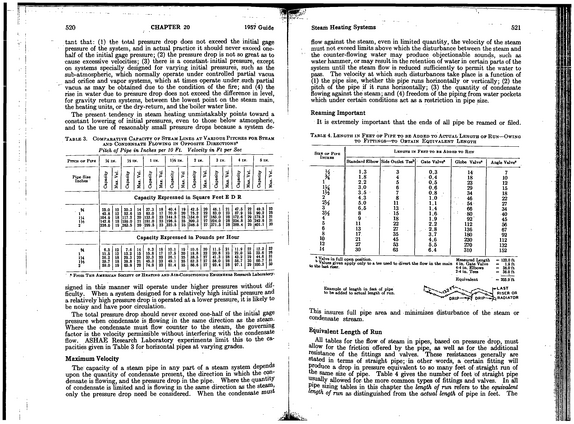
520 CHAPTER 20 1957 Guide tant that: (1) the total pressure drop does not exceed the initial gage pressure of the system, and in actual practice it should never exceed onehalf of the initial gage pressure; (2) the pressure drop is not so great as to cause excessive velocities; (3) there is a constant-initial pressure, except on systems specially designed for varying initial pressures, such as the sub-atmospheric, which normally operate under controlled partial vacua and orifice and vapor systems, which at times operate under, such partial vacua as may be obtained due to the condition of the fire; and (4) the rise in water due to pressure drop does not exceed the difference in level, for gravity return systems, between the lowest point on the steam main, the heating units, or the dry-return, and the'boiler water line.
refid# 7Rm5zygO3R5YKj99DeQxaG8BR1 page
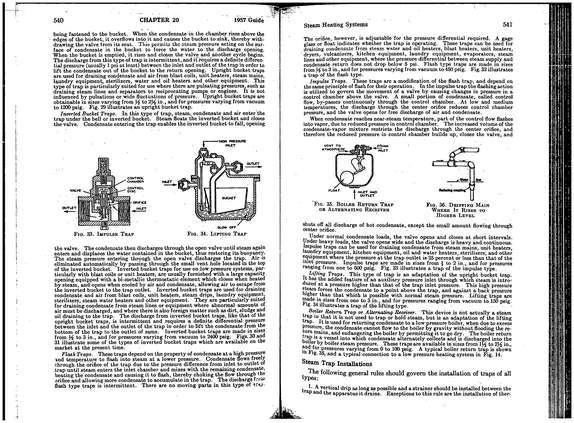
540 CHAPTER 20 1957 Guide being fastened to the bucket.
refid# rB374b7jzGkdQp7LvYNQ4bBea1 page
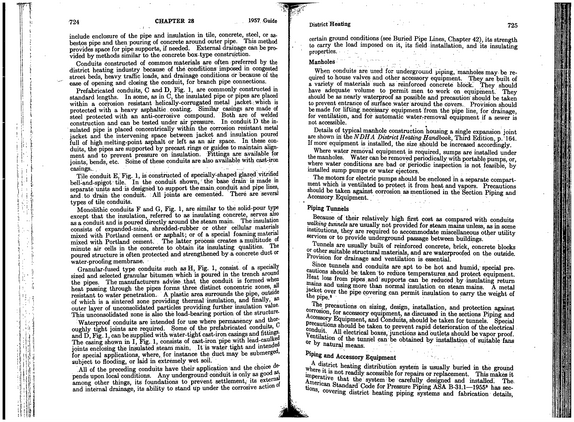
724 CHAPTER 28 1957.
refid# V3K7p3NJ2zGV72364QomnOoKN1 page
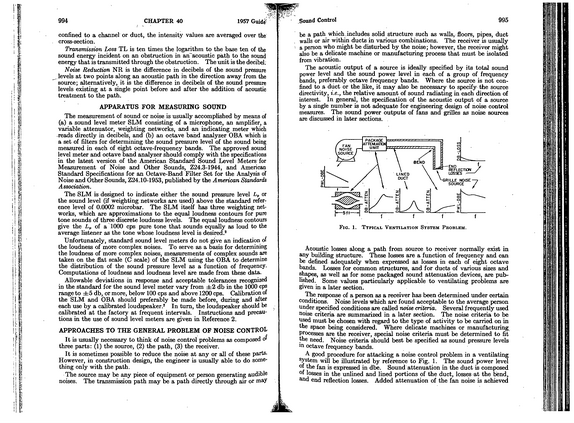
994 CHAPTER 40 1957 Guide Sound Control 995 confined to a channel or duct, the intensity values are averaged over the cross-section.
refid# N2Ja6LxzL190jYYbYXw2pQm4g1 page
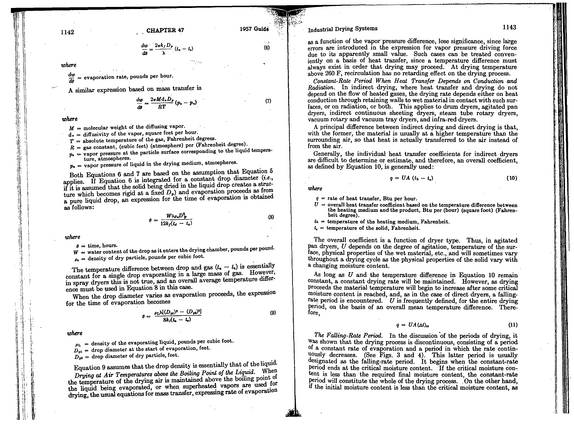
1 L' i. i : ;-!
refid# Z4EqX97v7a03VJ9zvVLonDMB71 page
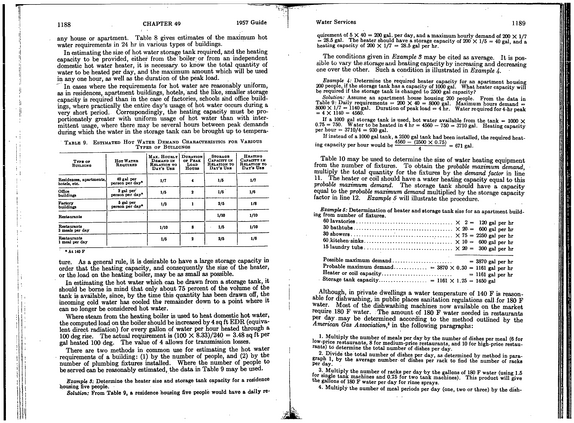
1188 CHAPTER 49 1957 Guide any house or apartment.
refid# O1RJJMZOE4oG17pYYoaEBwRvM1 page
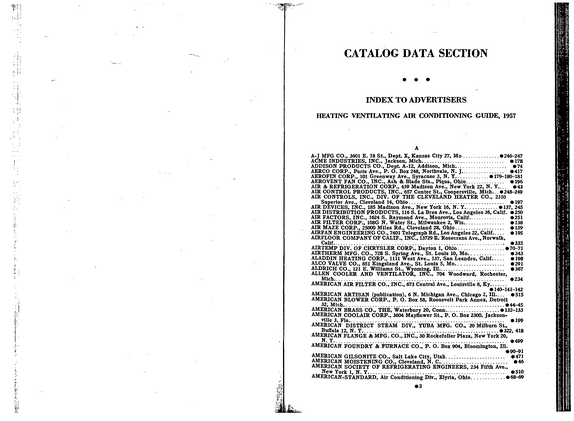
CATALOG DATA SECTION INDEX TO ADVERTISERS HEATING VENTILATING AIR CONDITIONING GUIDE, 1957 A A-J MFG CO., 3601 E. 18 St., Dept.
refid# k2yykYna66QgXqjknk55YKBq1 page
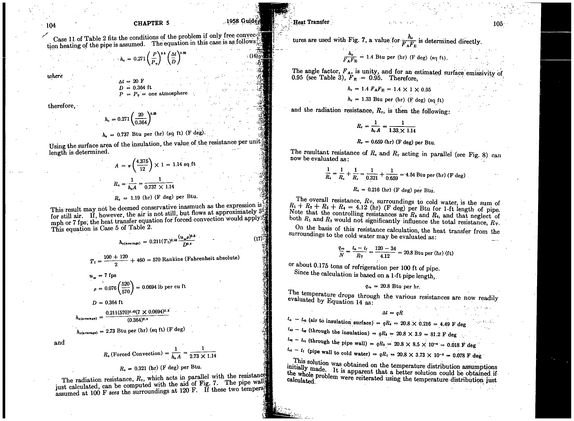
104 CHAPTER 5 ,1958 Guide y Case 11. of Table 2 fits the conditions of the problem if only free conyec tion heating of the pipe is assumed.
refid# 37p4w3yxDqm3axkyxdyDY7KrO1 page
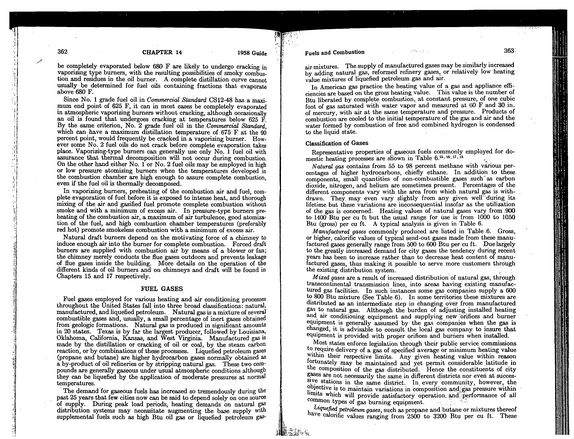
362 CHAPTER 14 1958 Guide be completely evaporated below 680 F are likely to undergo cracking in vaporizing type burners, with the resulting possibilities of smoky combus tion and residues in the oil burner.
refid# Jre9BdVgoX22b4BoaZbkZYBwv1 page
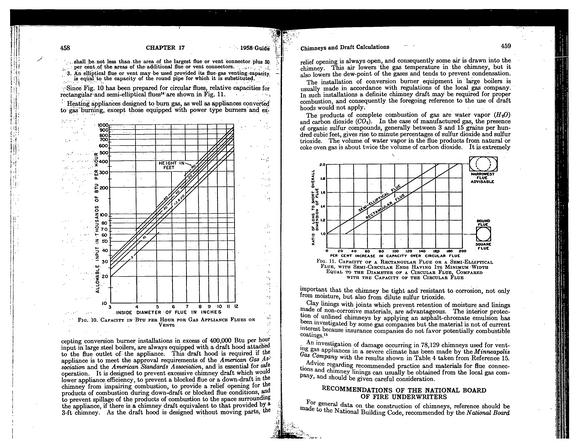
458 CHAPTER 17 1958 Guide , . shall be, not less than .the area of the largest flue or vent connector, plus 50 , : per cent.of the areas of the'additional flue or vent connectors. . ;> 3.
refid# x1KJg4DeVJbx3E1e1dVGZ3DDy1 page
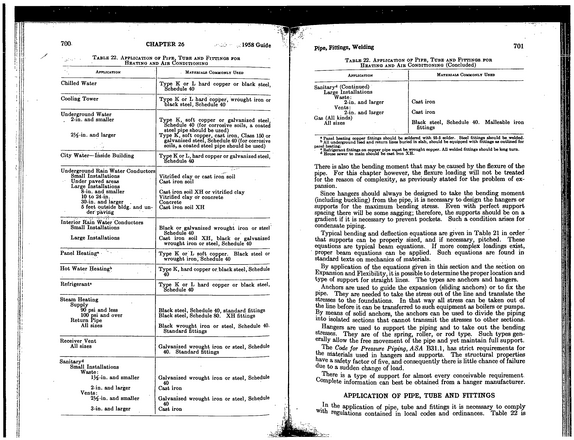
700.
refid# 0gKLXg0JzDKkMN3bdkBRNpz9V1 page
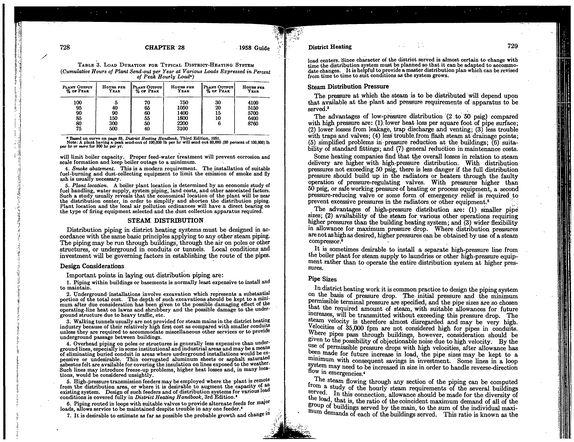
728 s CHAPTER 28 1958 Guide Table 3.
refid# BROXzrYpL6kVQOgL78bdkNbvw1 page
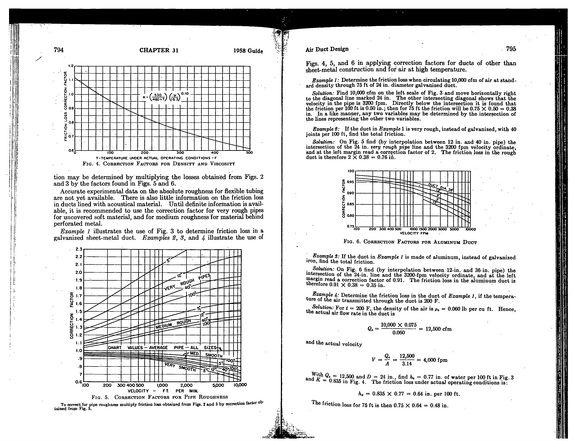
794 1.2 a O CHAPTER 31 1958 Guide QaI------------- ------- -------------- ------------------------------------------ ------- ------- ------- ------- ------- --------------------- ------- ---------------------------------- 0 100 200 300 400 300 T-TEMPERATURE UNDER ACTUAL OPERATING CONDITIONS-F Fig. 4.
refid# 50OamBgRkV9yR2MLoQv1BwM941 page
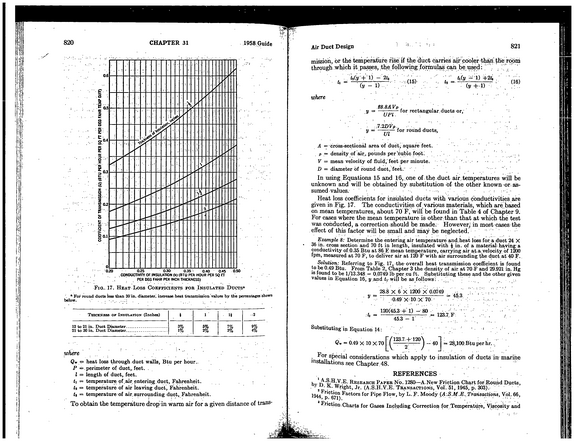
820 CHAPTER 31 1958 Guide CONDUCTIVITY OF INSULATION (k) (BTU PER HOUR PER SQ ET , PER DEG FAHR PER INCH THICKNESS) Fia.. 17.
refid# gawJnQNxa7MJ99540O0VR85b31 page
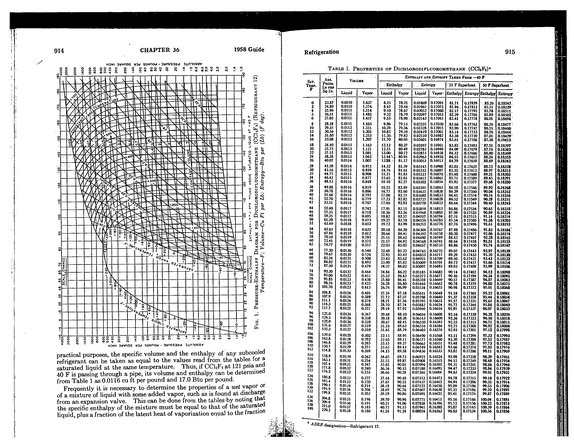
914 CHAPTER 36 H3NI 3MvnOS U3d SOMHOd - 3afKS3dd 3imOS9V 1958 Guide hdni aavnos H3d soNnod - 3anss3dd simossv practical purposes, the specific volume and the enthalpy of any subcooled refrigerant can be taken as equal to the values read from the tables for a saturated liquid at the same temperature.
refid# 5YXanO3vZ782K5mmmwgjMqrR1 page