Refine
Estimated Years 1950-1959Clear
14,527 results foundRefine Search
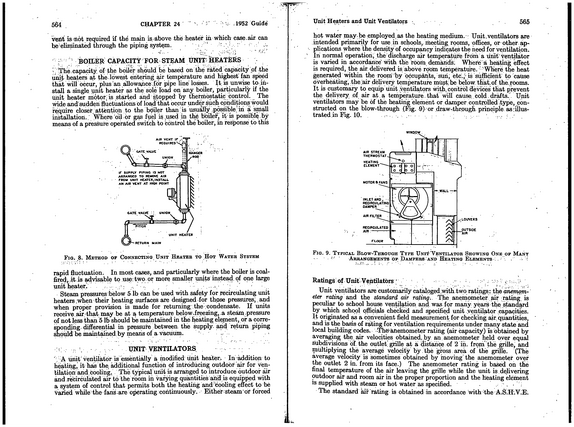
564 CHAPTER 24 ^ 1952 Guide vefit is-not required if the main is-above the heater in. which case.air can be eliminated through the piping system
refid# jabDO1oRa7M7YynRLVvN2RkR1 page
si 1953 Guide B24!
refid# g22odQ9NgjQ4OayDdkZdr6ZoJ1 page
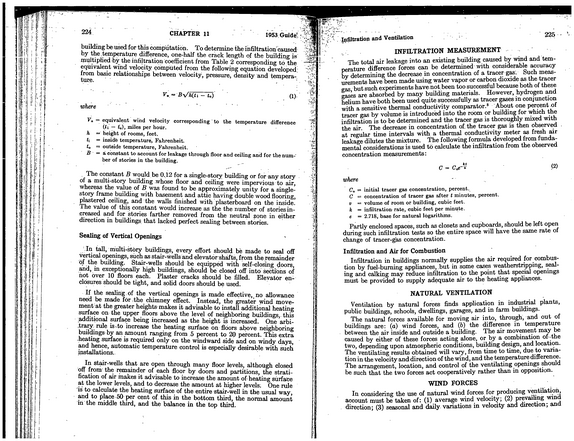
224 CHAPTER 11 1953 Guide' building be used for this computation.
refid# reOXGR3v6LryGey44XYemD8JV1 page
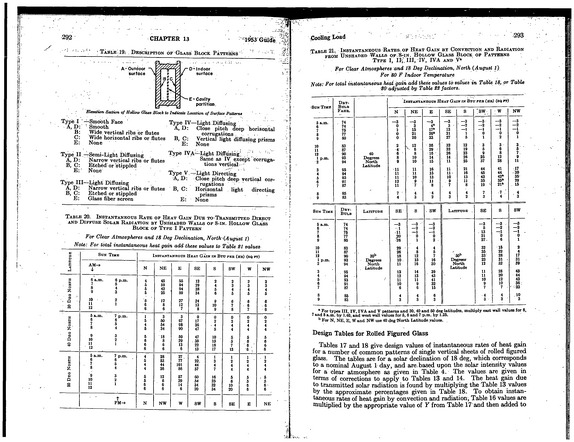
292 CHAPTER 13 *1953Gttid'e 1 TableU9.
refid# zbd9bZwo0EMzY3OMrz37xvNLB1 page
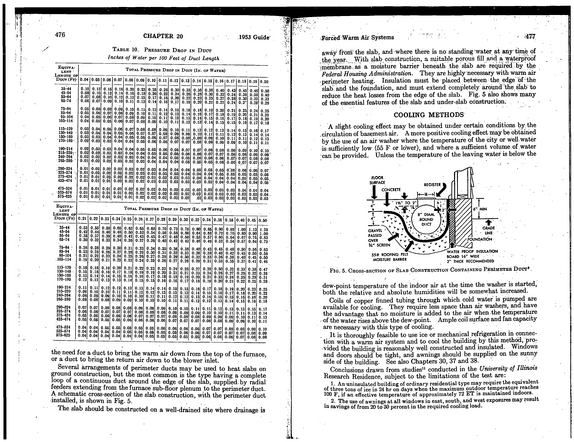
47.6 CHAPTER 20 1953 Guide Table 10.
refid# RjyMBjneqk6QwX8daNKN0K3mV1 page
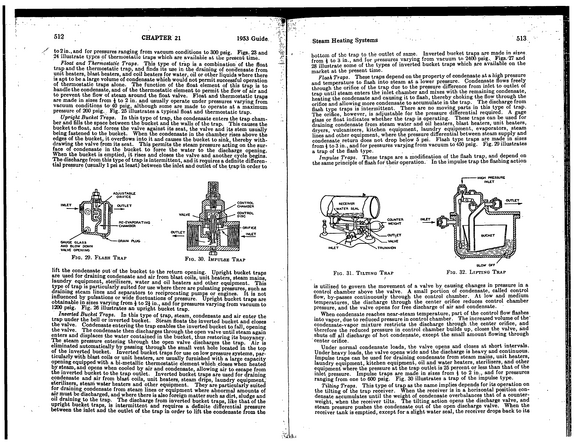
512 CHAPTER 21 1953 Guide.
refid# 2Jvy27oBLKOxdGvVLEL5REJD71 page
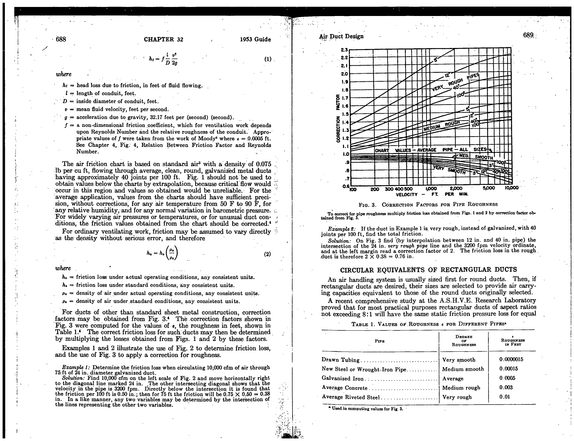
688 CHAPTER 32 1953 Guide ht (1) where hi = head loss due to friction, in feet of fluid flowing, l = length of conduit, feet, D = inside diameter of conduit, feet, v -- mean fluid velocity, feet per second. 9 = acceleration due to gravity, 32.17 feet per (second) (second), / = a non-dimensional friction coefficient, which for ventilation work depends upon Reynolds Number and the relative roughness of the conduit.
refid# zzd7pwyXNx0ZZQLxbkzNDbZoa1 page
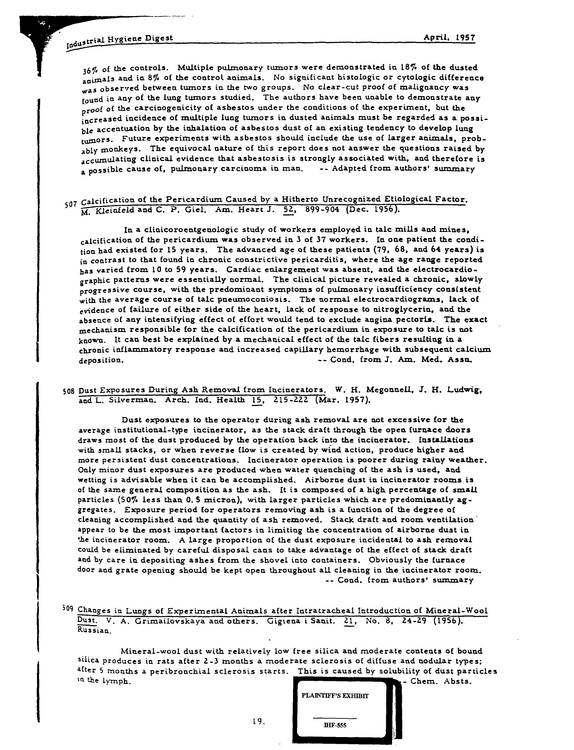
^ial Hygiene Digest April, 1957 36/i of the controls.
refid# 1Qbp4zermq2X36e2ok0rj56aj1 page
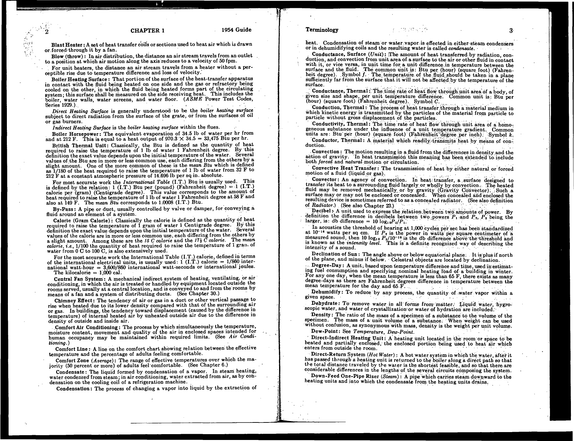
CHAPTER 1 1954 Guide Blast Heater: A set of heat transfer coils or sections used to heat air which is drawn or.forced-through it by a fan.
refid# bgwme5jkxJxDQdgrGoa6K8kZ1 page
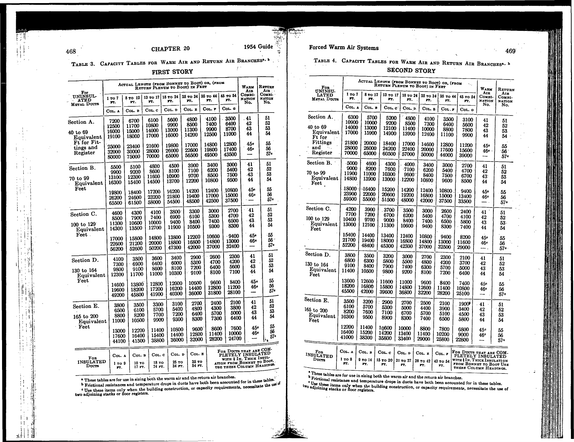
468 CHAPTER 20 1954 Guide Table 3.
refid# VjmLkooqdkYMrXxqbe9Bv4kZw1 page
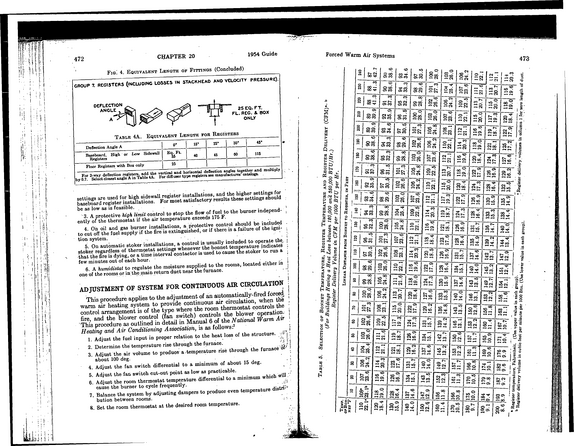
CHAPTER 20 1954 Guide 472 Fig!
refid# QGQqRr1VQnwoogx5YaXggag41 page
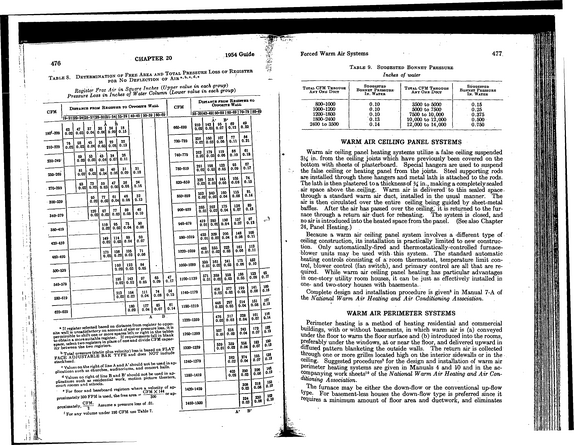
.1954 Guide CHAPTER 20 476 Table 8.
refid# NNe3vkJ7vdJvqEmMvp5MoK6GR1 page
480 CHAPTER 20 1954 Guide 3.
refid# 3N4doZObqyo9bpQrkwnEXydVn1 page
652 CHAPTER 29 1954 Guide customers having a high load factor (relatively low demand), and those having a low load factor (relatively high demand).
refid# zYLD2yXk66vzv23BNO81qMNn1 page
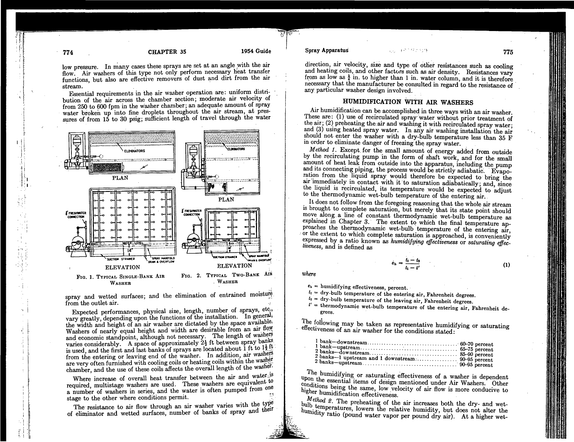
774 CHAPTER 35 1954 Guide low pressure.
refid# omQR8po2wmGrbe1021YL8nezr1 page