Refine
Estimated Years 1950-1959Clear
21,856 results foundRefine Search
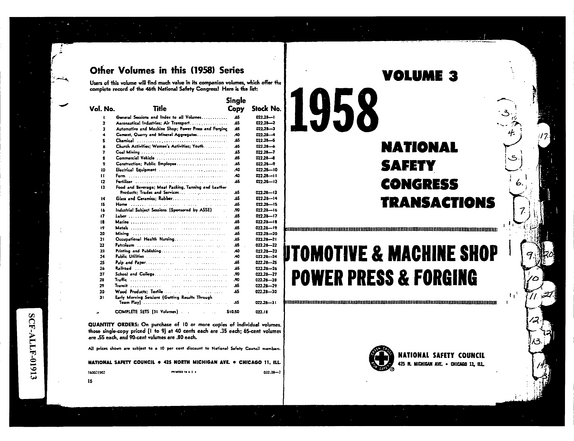
V Other Volumes in this (1958) Series User?
refid# 3JBOBXNp6z07K3jOmDRQ0JYeD3 pages
t.-."
refid# pe6Lw0GX8DBLKgwEQYy2zQBnk1 page
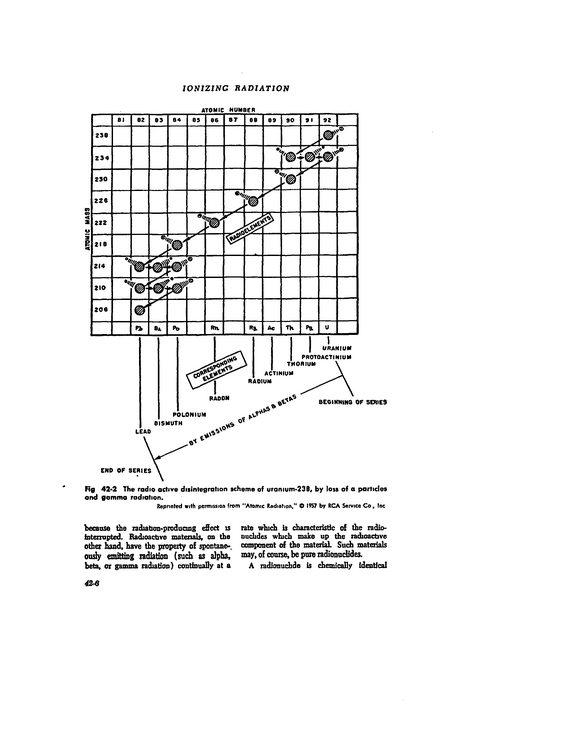
IONIZING RADIATION 81 236 234 230 82 83 84 ATOMIC NUMBER 89 86 07 88 M921f89 90 9 1 V 3>w-< p pr sr226 222 <a 3r 21 6 214 4 A w & '0210 r~ | s r 200 % B* P6 an.
refid# 2NqdyYKpXy9OyyQmE82rJOk0r1 page
19(9 National Safety Congress a decision shortly on whether, the Bureau will undertake this additional responsibility: For the past two years, including today, there has been no monitoring of agricultural respirators in llic United States.
refid# dQnJzjMapoVQORYknDOa1ZqB61 page
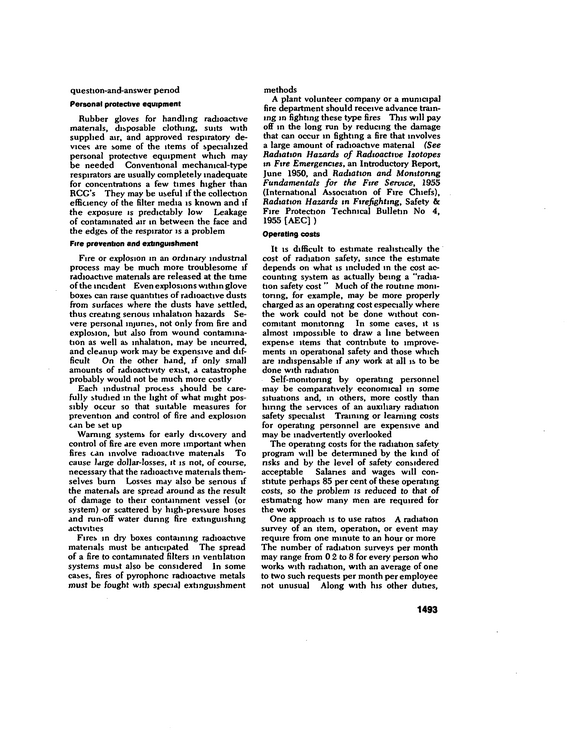
question-and-answer penod Personal protective equipment Rubber gloves for handling radioactive materials, disposable clothing, suits with supplied air, and approved respiratory de vices are some of the items of specialized personal protective equipment which may be needed Conventional mechanical-type respirators are usually completely inadequate for concentrations a few times higher than RCG's They may be useful if the collection efficiency of the filter media is known and if the exposure is predictably low Leakage of contaminated air in between the face and the edges of the respirator is a problem Fire prevention and extinguishment Fire or explosion in an ordinary industrial process may be much more troublesome if radioactive materials are released at the time of the incident Even explosions within glove boxes can raise quantities of radioactive dusts from surfaces where the dusts have settled, thus creating serious inhalation hazards Se vere personal injuries, not only from fire and explosion, but also from wound contamina tion as well as inhalation, may be incurred, and cleanup work may be expensive and dif ficult On the other hand, if only small amounts of radioactivity exist, a catastrophe probably would not be much more costly Each industrial process should be care fully studied in the light of what might pos sibly occur so that suitable measures for prevention and control of fire and explosion can be set up Warning systems for early discovery and control of fire are even more important when fires can involve radioactive matenals To cause large dollar-losses, it is not, of course, necessary that the radioactive matenals them selves bum Losses may also be senous if the matenals are spread around as the result of damage to their containment vessel (or system) or scattered by high-pressure hoses and run-off water dunng fire extinguishing activities Fires in dry boxes containing radioactive matenals must be anticipated The spread of a fire to contaminated filters m ventilation systems must also be considered In some cases, fires of pyrophonc radioactive metals must be fought with special extinguishment methods A plant volunteer company or a municipal fire department should receive advance train ing in fighting these type fires This will pay off in the long run by reducing the damage that can occur m fighting a fire that involves a large amount of radioactive matenal (See Radiation Hazards of Radioactive Isotopes m Fire Emergencies, an Introductory Report, June 1950, and Radiation and Monitoring Fundamentals for the Fire Service, 1955 (International Association of Fire Chiefs), Radtation Hazards in Firefighting, Safety & Fire Protection Technical Bulletin No 4, 1955 [AEC] ) Operating costs It is difficult to estimate realistically the cost of radiation safety, since the estimate depends on what is included in the cost ac counting system as actually being a "radia tion safety cost " Much of the routine moni toring, for example, may be more properly charged as an operating cost especially where the work could not be done without con comitant monitoring In some cases, it is almost impossible to draw a line between expense items that contribute to improve ments m operational safety and those which are indispensable if any work at all is to be done with radiation Self-monitoring by operating personnel may be comparatively economical m some situations and, m others, more costly than hiring the services of an auxiliary radiation safety specialist Training or learning costs for operating personnel are expensive and may be inadvertently overlooked The operating costs for the radiation safety program will be determined by the kind of risks and by the level of safety considered acceptable Salaries and wages will con stitute perhaps 85 per cent of these operating costs, so the problem is reduced to that of estimating how many men are required for the work One approach is to use ratios A radiation survey of an item, operation, or event may require from one minute to an hour or more The number of radiation surveys per month may range from 0 2 to 8 for every person who works with radiation, with an average of one to two such requests per month per employee not unusual Along with his other duties. 1493
refid# b5z23K73GZV1MzRVYooEK8Vq61 page
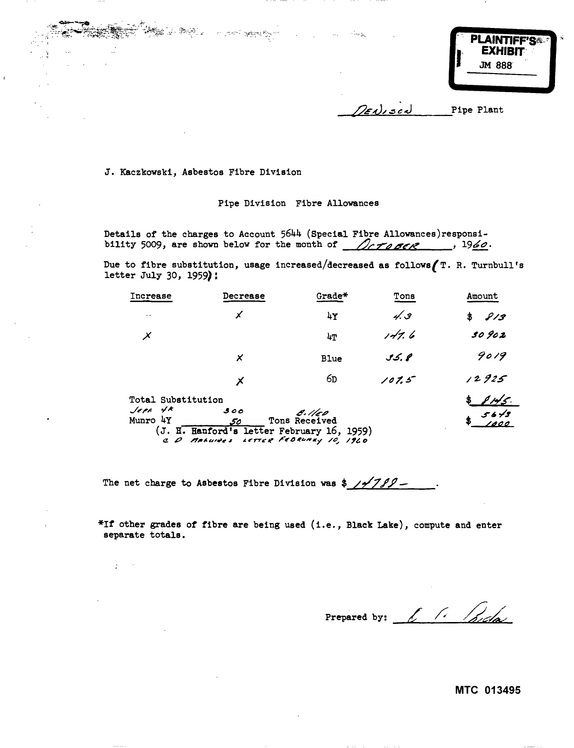
/Zfds.seJ_________ Pipe Plant J.
refid# jg8gpyBxebryY9pgoZnQag2KQ2 pages
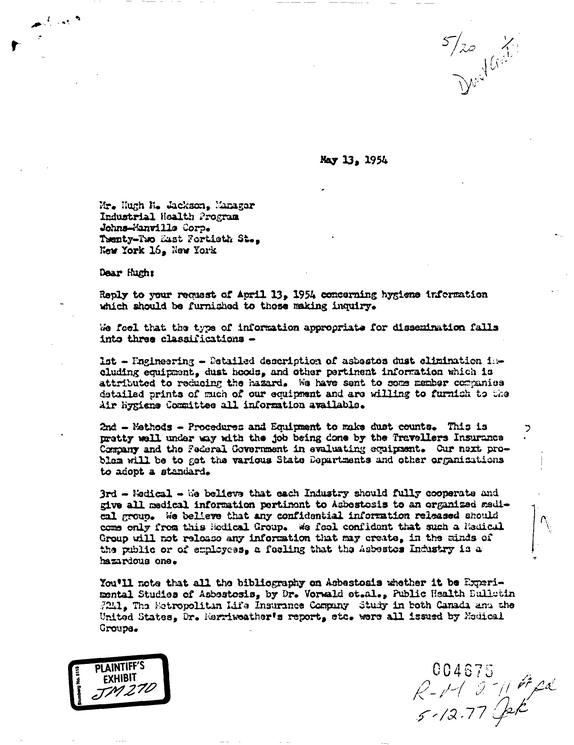
, r . tj ft- ay 13* 1954 Hr* Hugh K* Jackson, 'imager Industrial Health Program Johna-HanviHo Cor?
refid# rBENdR7NBM2M3xmR92OzOBk4v2 pages
*1;.-4 'j+rfsfis .
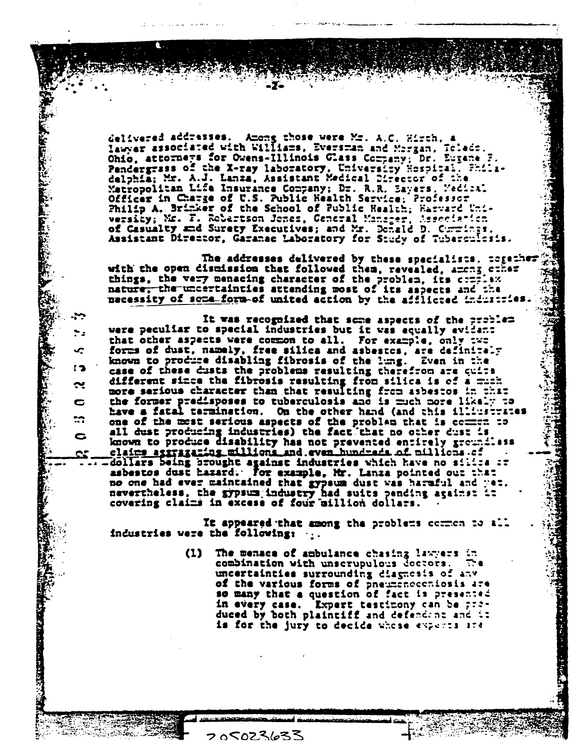
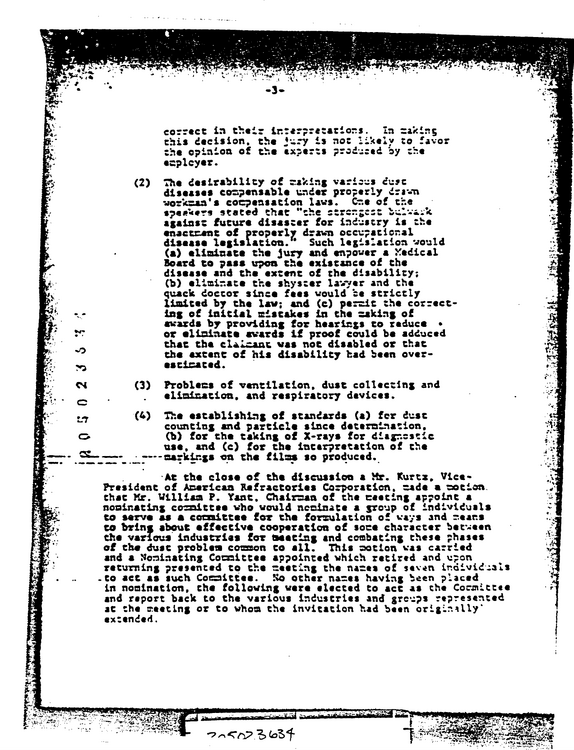
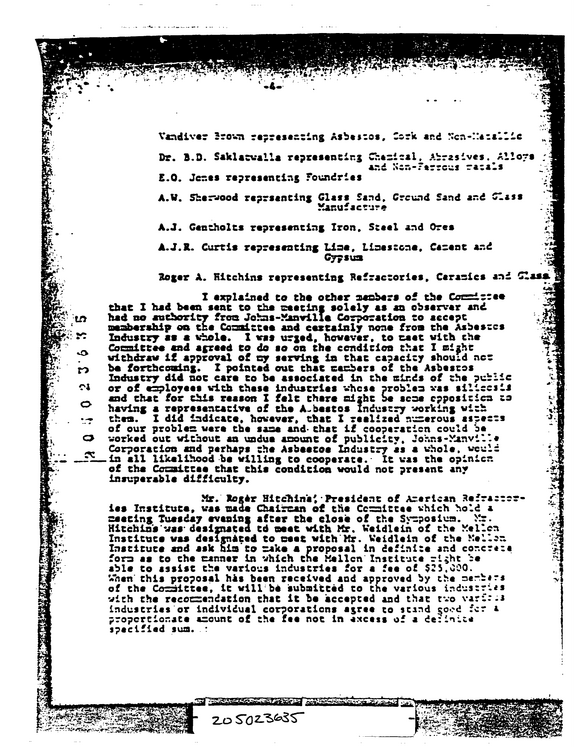
refid# M46jQ783vaKdzK3gX73zoz9mV7 pages
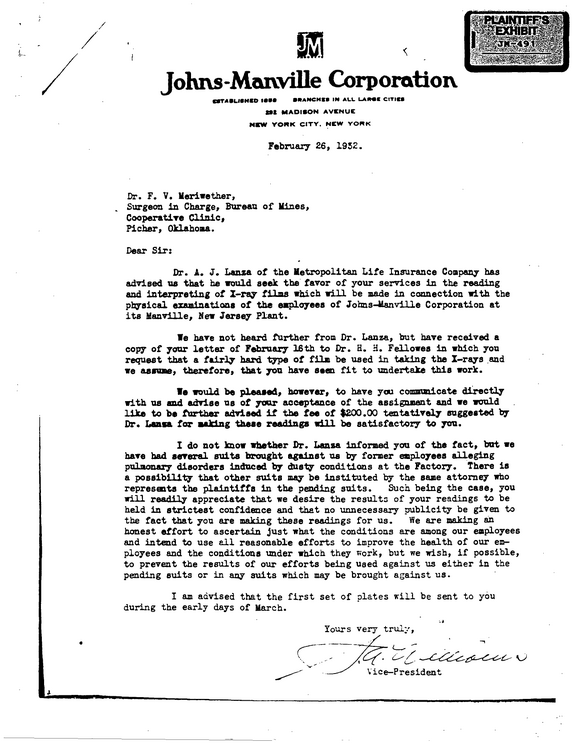
/ Johns-Maivville Corporation STARLIRMRO MM IHANCMfl IN ALL.
refid# ExxOZM5g36DvOKkdoMK5ddOMx2 pages
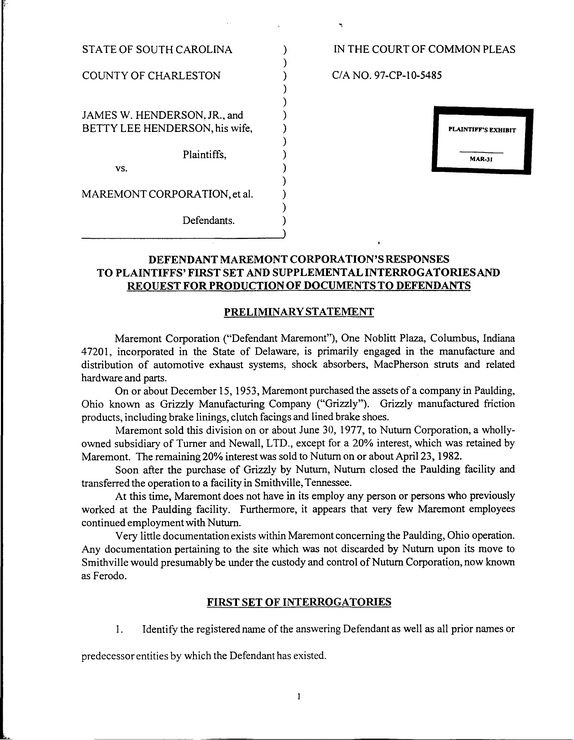
STATE OF SOUTH CAROLINA COUNTY OF CHARLESTON JAMES W.
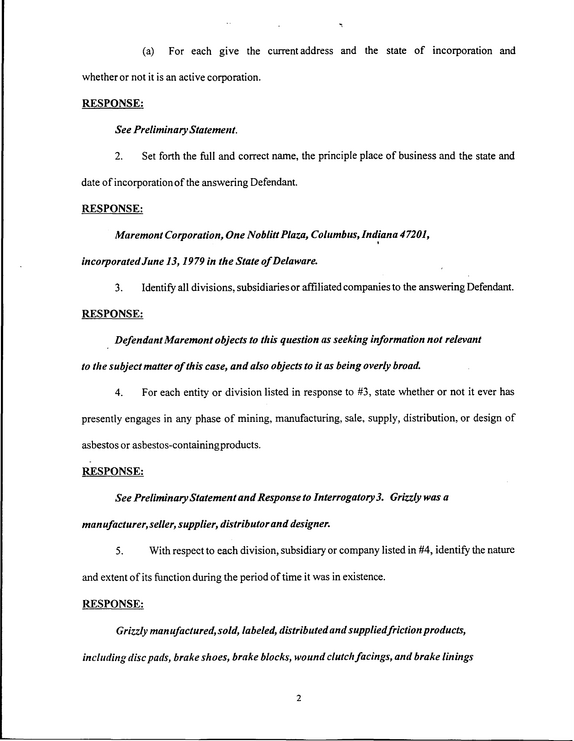
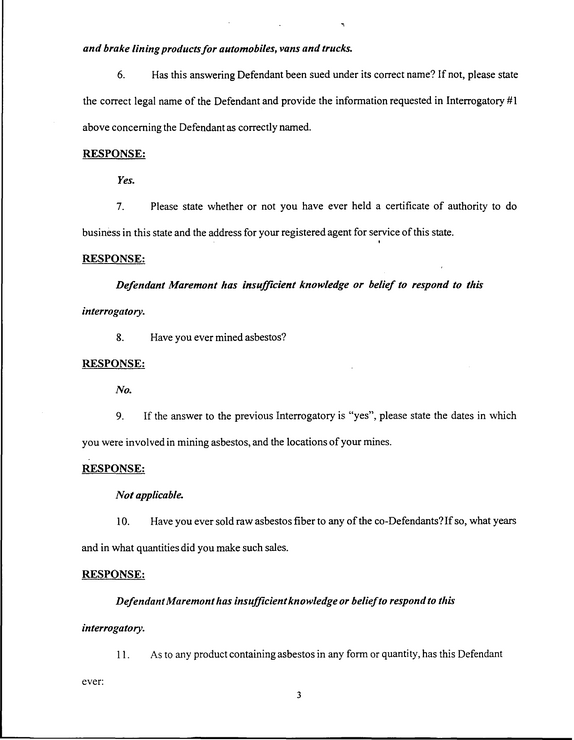
refid# Kd9OG01dyyVExOzgB8BZwMwN34 pages
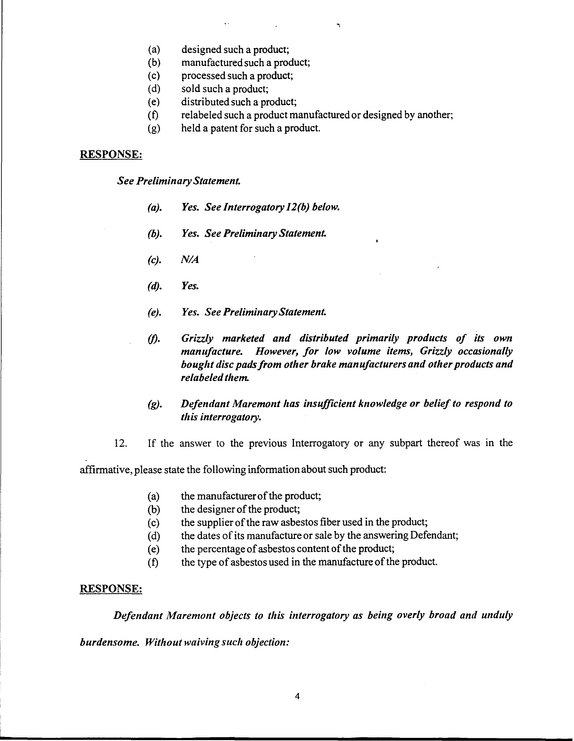
Rockwell (continued) Rockwell Number F.M.S.I.
refid# VJk5j3bVzyaw9OK58oaJbzjq41 page
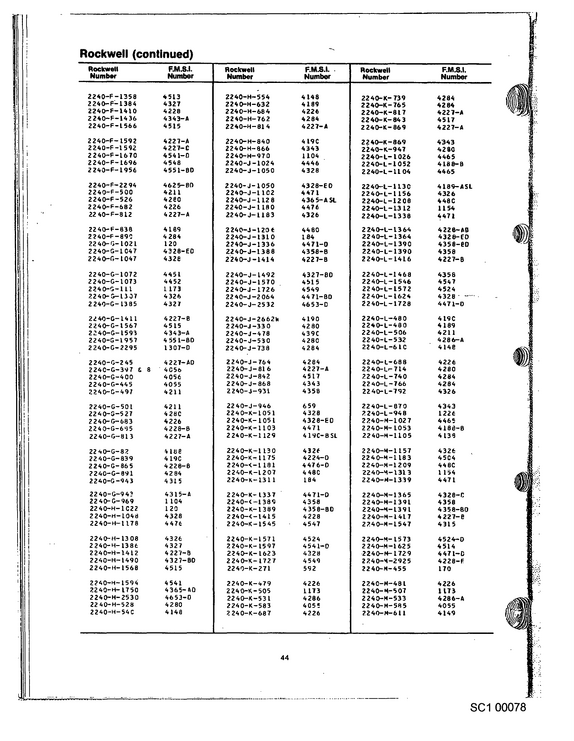
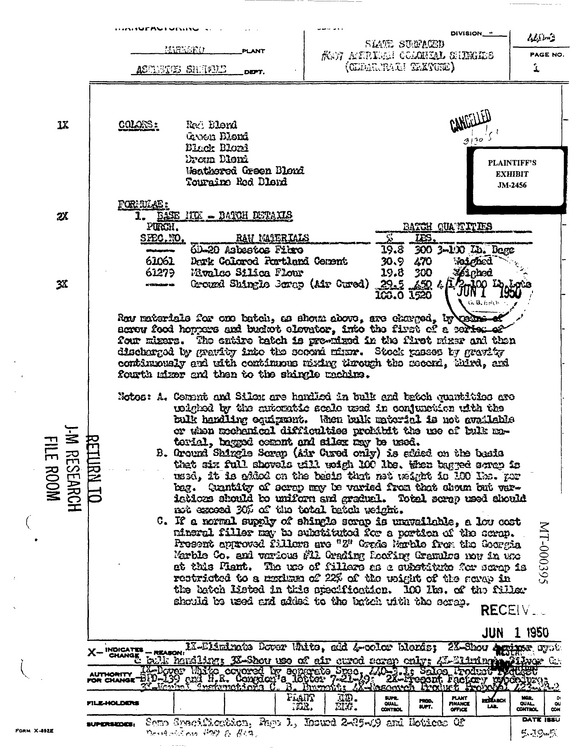
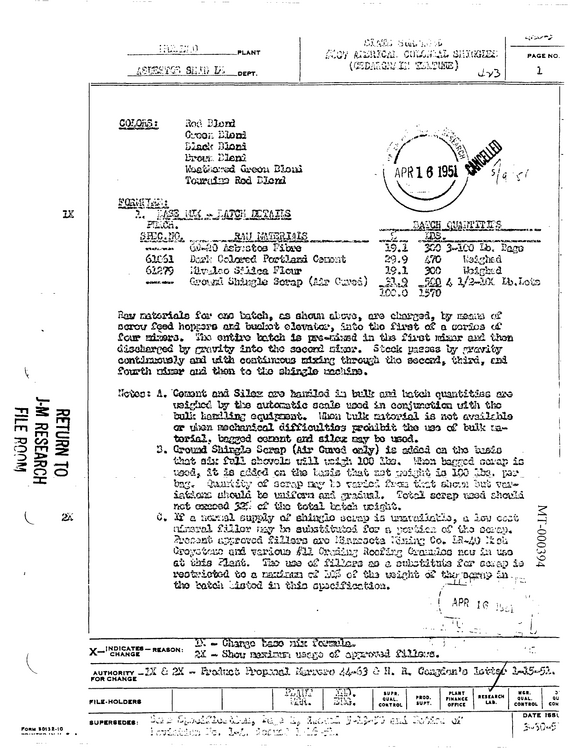
WW lUTMV I agg^ios sn:r[sar dept.
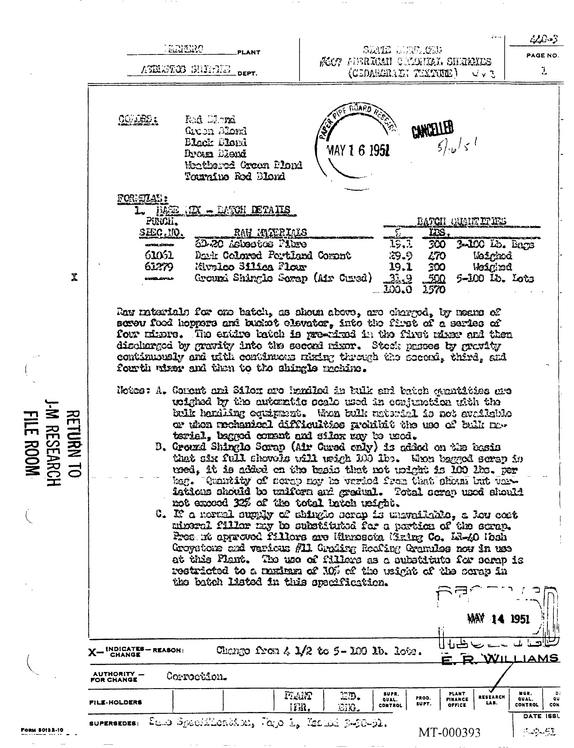
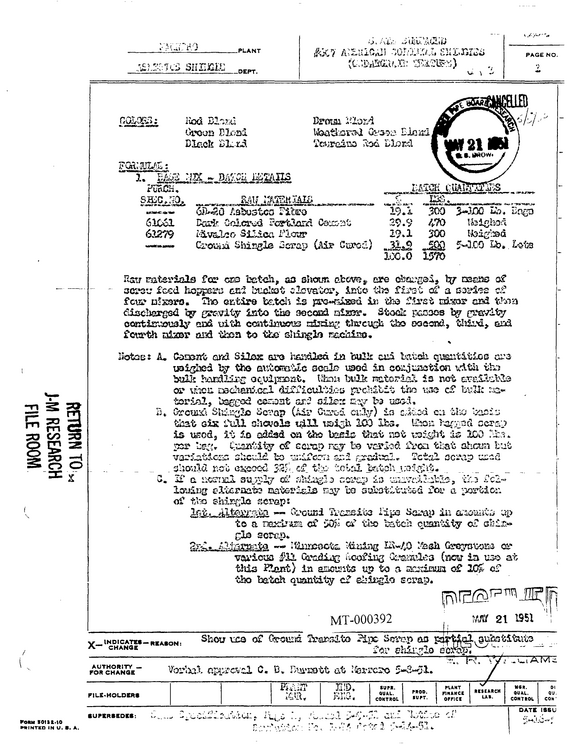
refid# k20o5wogdzbBBeoxBMnGqwRb5 pages
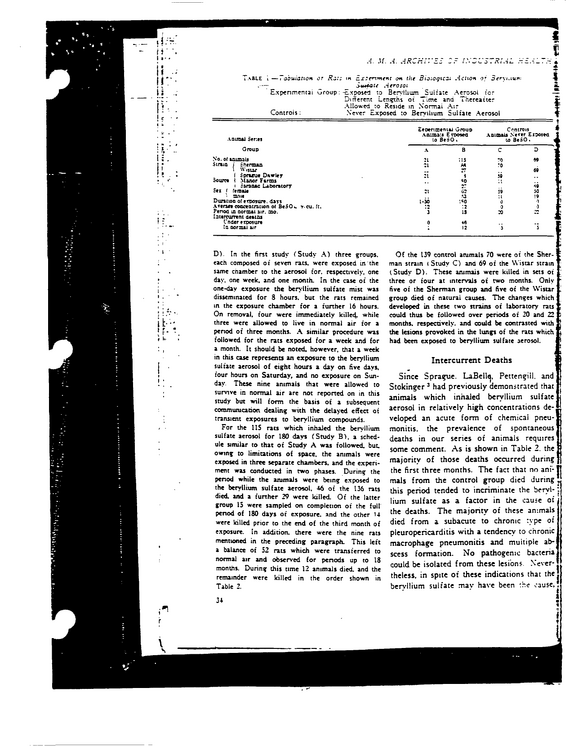
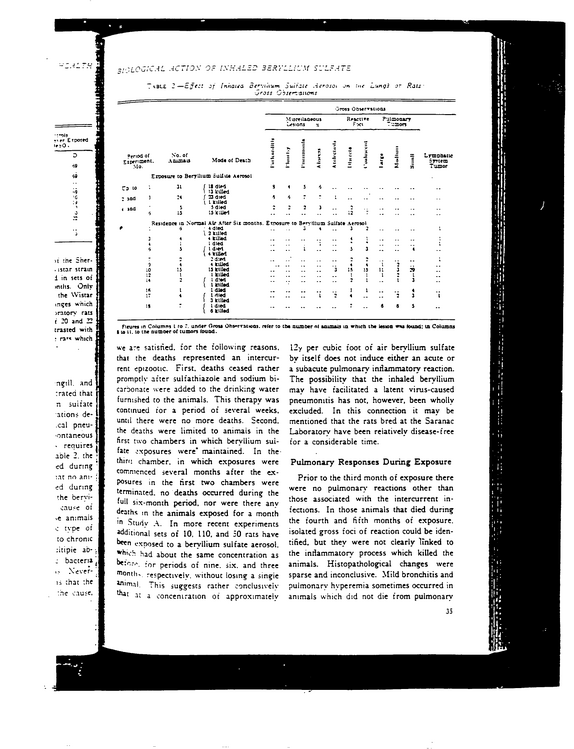
The Biolosieal Action of Inhaled Bervllium Sulfate A Preliminary Chronic . sx:c::y Study on Rots GIRRIT W.
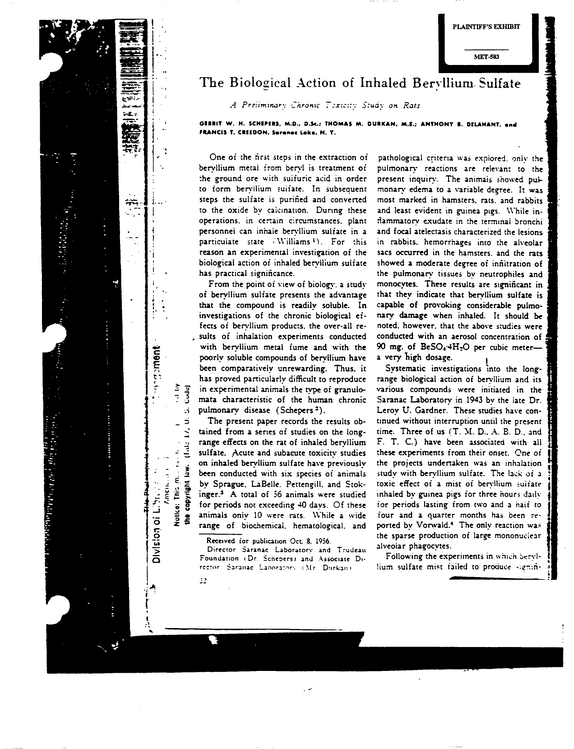
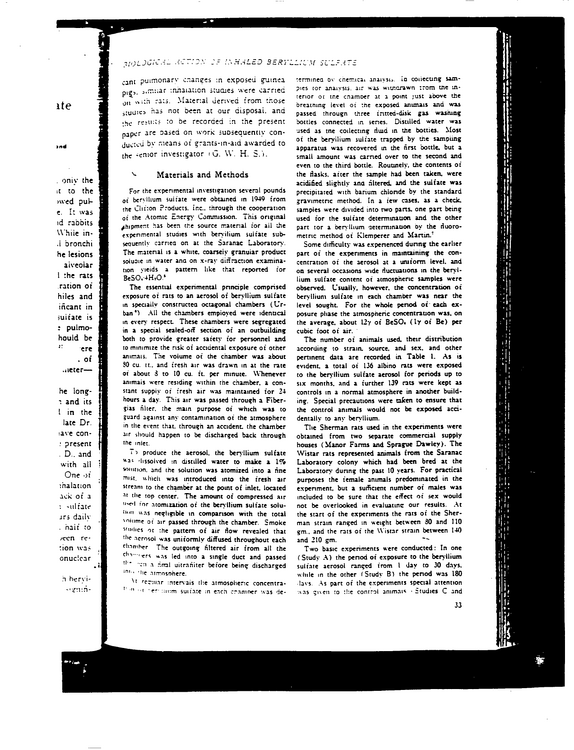
refid# rx8mpx9o1KB5g8aZ24xmmdo4G23 pages
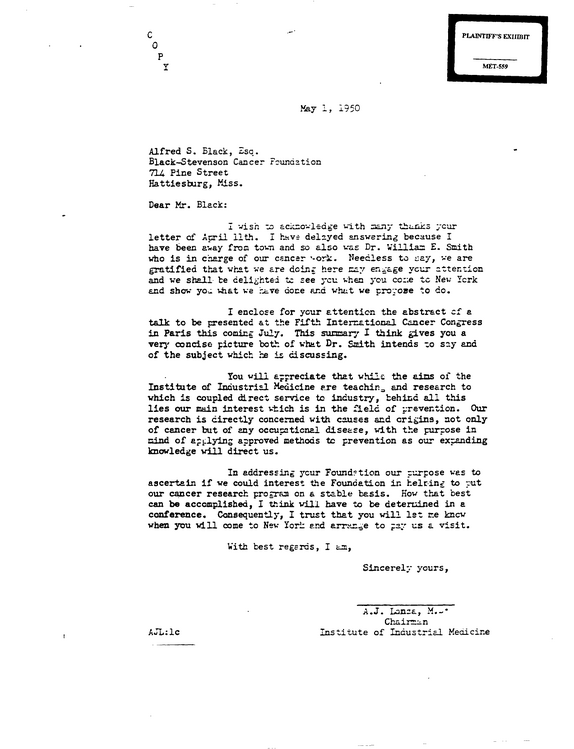
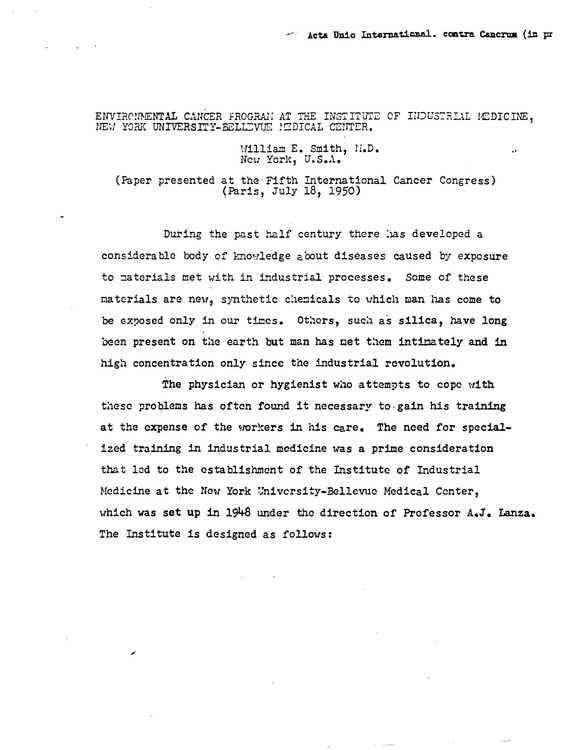
C 0 P Y May i, 1950 Alfred S.
refid# 2RR28LYkeOXz0b2bn2bKVB2qg6 pages
--------------- .wiw 4WW CORPORATION P.
refid# nkEjGwMma47ewgmgpkkbyvw4R1 page