Refine
Estimated Years 1940-1949Clear
11,527 results foundRefine Search
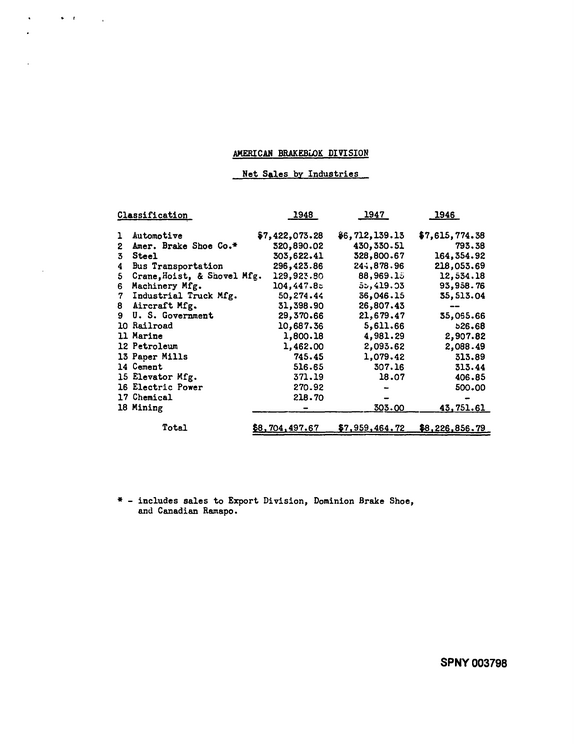
AMERICAN BRAKEBLOK DIVISION Net Sales by Industries Classification 1948 1947 1946 1 Automotive $7 ,422,073.28 2 Amer.
refid# B5KMJxv3BdOK7mmpmLVRVgj0o1 page
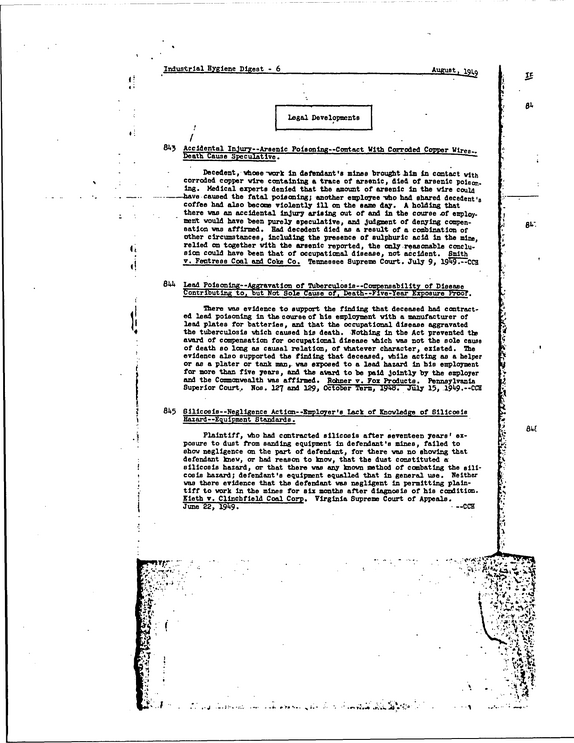
Industrial Hygiene Digest - 6 _August.
refid# orV2j5kGOD9eeQkVJg4aeMwg1 page
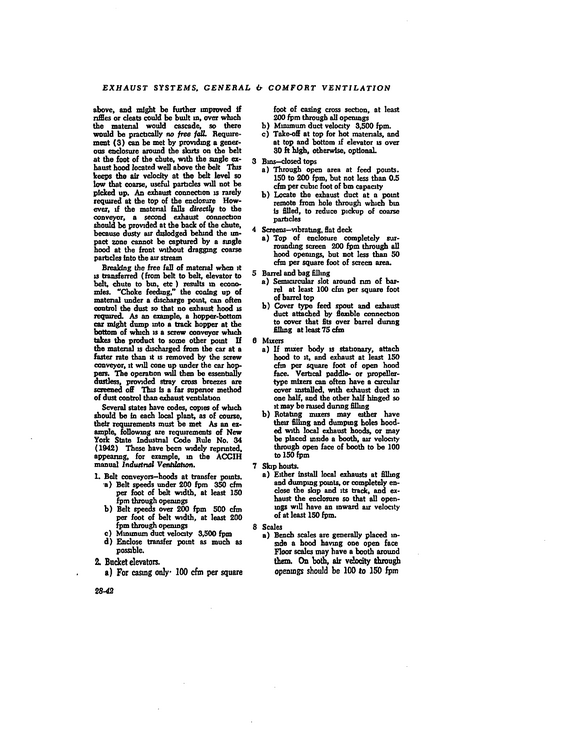
EXHAUST SYSTEMS.
refid# kmvQ8jdqLyZpNxQg0xvwQ6abn1 page
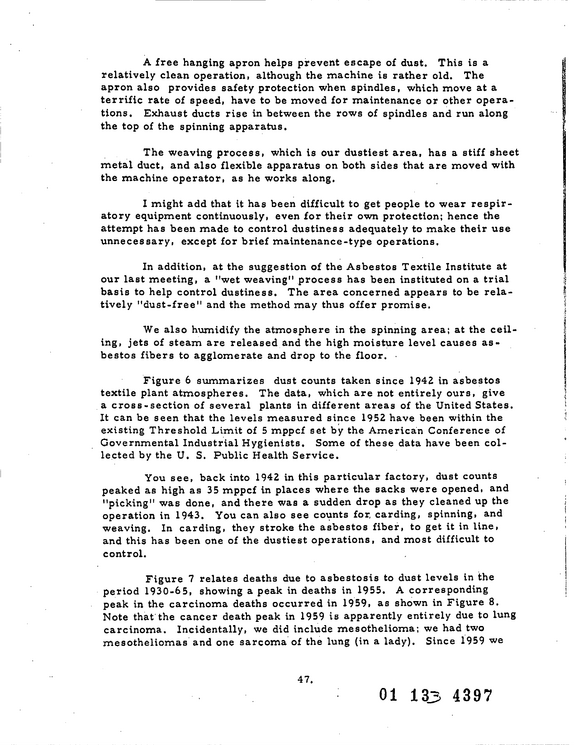
A free hanging apron helps prevent escape of dust.
refid# MDMMK4rDK3Lw0X0XvDMqJ7jj1 page
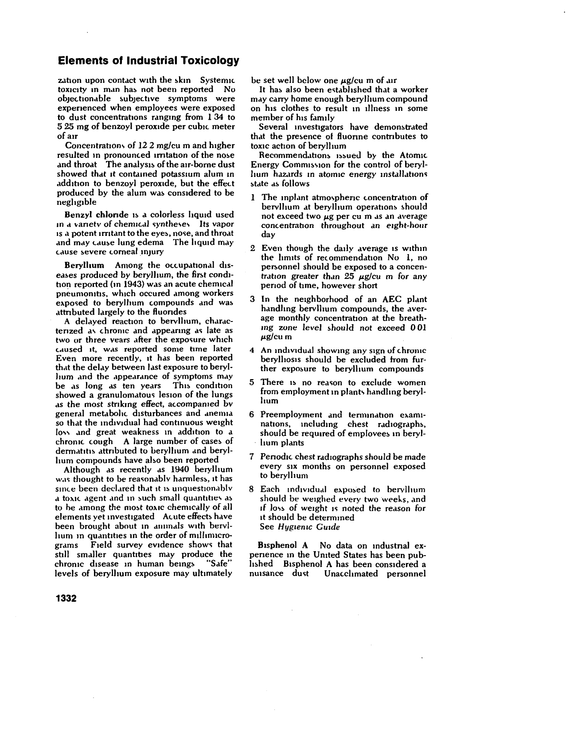
Elements of Industrial Toxicology zation upon contact with the skin Systemic toxicity in man has not been reported No objectionable subjective symptoms were experienced when employees were exposed to dust concentrations ranging from 1 34 to 5 25 mg of benzoyl peroxide per cubic meter of air Concentrations of 12 2 mg/cu m and higher resulted in pronounced irritation of the nose and throat The analysis of the air-borne dust showed that it contained potassium alum m addition to benzoyl peroxide, but the effect produced by the alum was considered to be negligible Benzyl chloride is a colorless liquid used in a variety of chemical syntheses Its vapor is a potent irritant to the eyes, nose, and throat and may cause lung edema The liquid may cause severe comeal injury' Beryllium Among the occupational dis eases produced by beryllium, the first condi tion reported (in 1943) was an acute chemical pneumonitis, which occured among workers exposed to beryllium compounds and was attributed largely to the fluorides A delayed reaction to beryllium, charac terized as chronic and appearing as late as two or three vears after the exposure which caused it, was reported some time later Even more recently, it has been reported that the delay between last exposure to beryl lium and the appearance of symptoms may be as long as ten years This condition showed a granulomatous lesion of the lungs as the most striking effect, accompanied bv general metabolic disturbances and anemia so that the individual had continuous weight loss and great weakness in addition to a chronic cough A large number of cases of dermatitis attributed to beryllium and beryl lium compounds have also been reported Although as recently as 1940 beryllium was thought to be reasonably harmless, it has since been declared that it is unquestionably a toxic agent and in such small quantities as to he among the most toxic chemically of all elements yet investigated Acute effects have been brought about in animals with beryl lium in quantities in the order of millimicrograms Field survey evidence shows that still smaller quantities may produce the chronic disease m human beings "Safe" levels of beryllium exposure may ultimately be set well below one jig/cu m of air It has also been established that a worker may carry home enough beryllium compound on his clothes to result in illness in some member of his family Several investigators have demonstrated that the presence ol fluorine contributes to toxic action of beryllium Recommendations issued by the Atomic Energy Commission for the control of beryl lium hazards m atomic energy installations state as follows 1 The inplant atmospheric concentration of beryllium at beryllium operations should not exceed two fig per cu m as an average concentration throughout an eight-hour day 2 Even though the daily average is within the limits of recommendation No 1, no personnel should be exposed to a concen tration greater than 25 fig/cu m for any period of time, however short 3 In the neighborhood of an AEC plant handling bervllium compounds, the aver age monthly concentration at the breath ing zone level should not exceed 0 01 figlcu m 4 An individual showing any sign of chronic berylliosis should be excluded from fur ther exposure to beryllium compounds 5 There is no reason to exclude women from employment in plants handling beryl lium 6 Preemployment and termination exami nations, including chest radiographs, should be required of employees in beryl lium plants 7 Periodic chest radiographs should be made every six months on personnel exposed to beryllium 8 Each individual exposed to beryllium should be weighed every two weeks, and if loss of weight is noted the reason for it should be determined See Hygienic Guide Bisphenol A No data on industrial ex perience in the United States has been pub lished Bisphenol A has been considered a nuisance dust Unacchmated personnel 1332
refid# qabov6DBNbZwpqLGRV3E8JKmx1 page
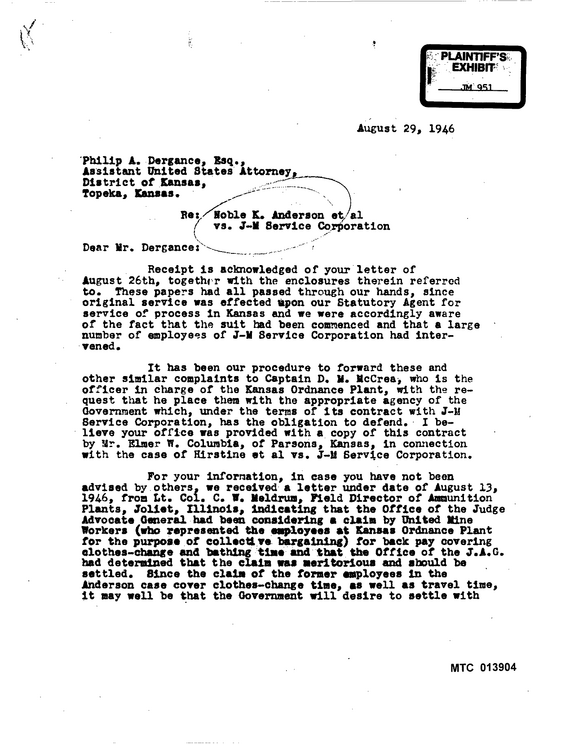
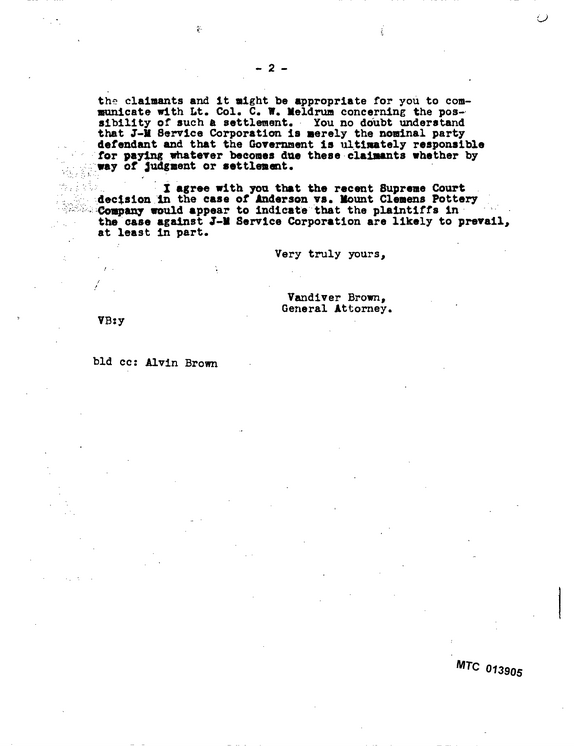
ft; PLAINTIFF'S EXHIBIT' ---------JM QS1 August 29, 1946 'Philip A.
refid# 8ZkxrE1oZ9XwDMRgEZmJ00OK2 pages
if y e 4# y I Sank n!
refid# oen1mg9ggDONqMe9X6NXxb3oE1 page
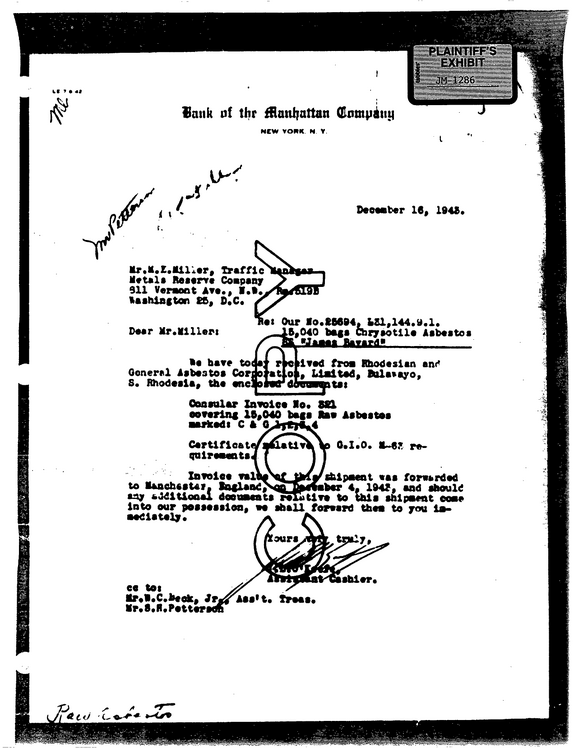
kl*44| Sank o!
refid# a1NwLExG3Dbyd3LX6ZvkBBMMB2 pages
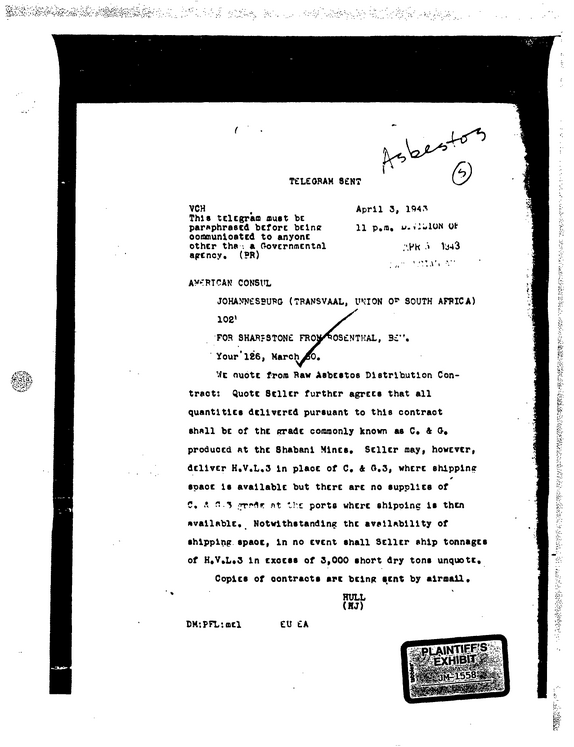
TELEGRAM SENT VCH This telegram oust be paraphrased before being oomcnunloatcd to anyone other tha i a Governmental agency.
refid# vx863MLGr2Z0JdMe243ZLQpq1 page
1.
refid# rpaj86BBQzGdLwVpXOQxLxd3v1 page
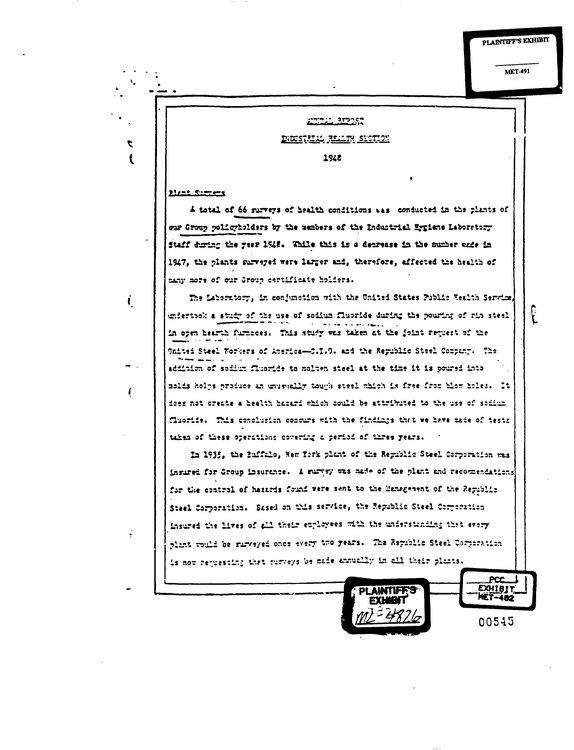
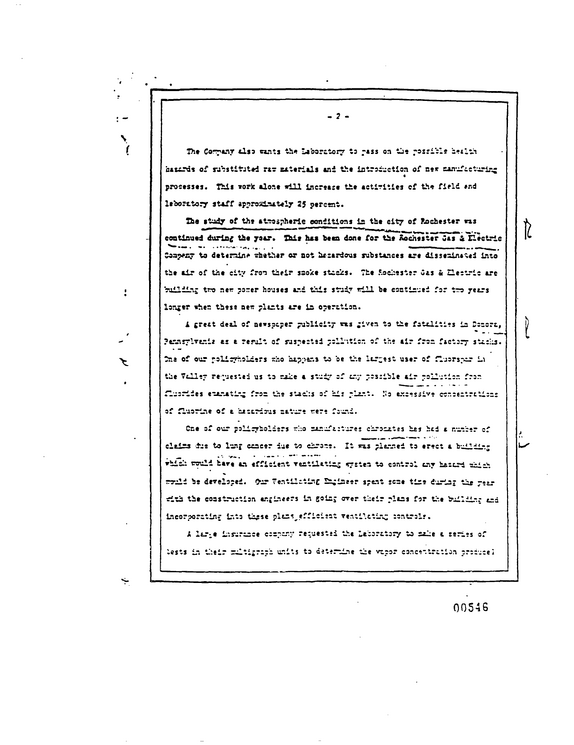
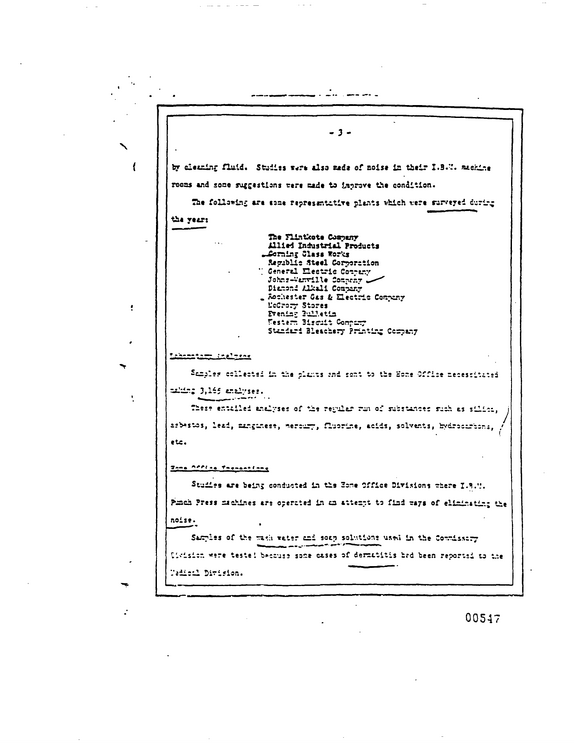
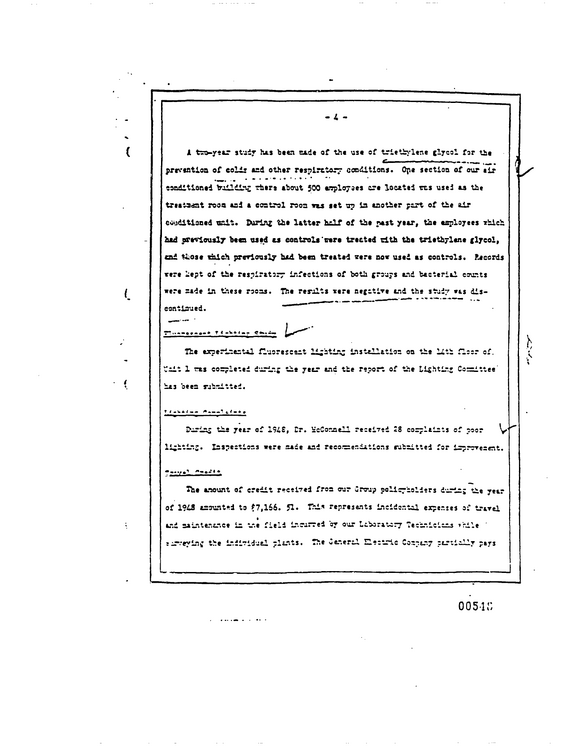
22/ PiPCSTRIll Hrt'.TV SICTIO?
refid# KzyDBmQaaQZb0KznpyyB9zwJw9 pages
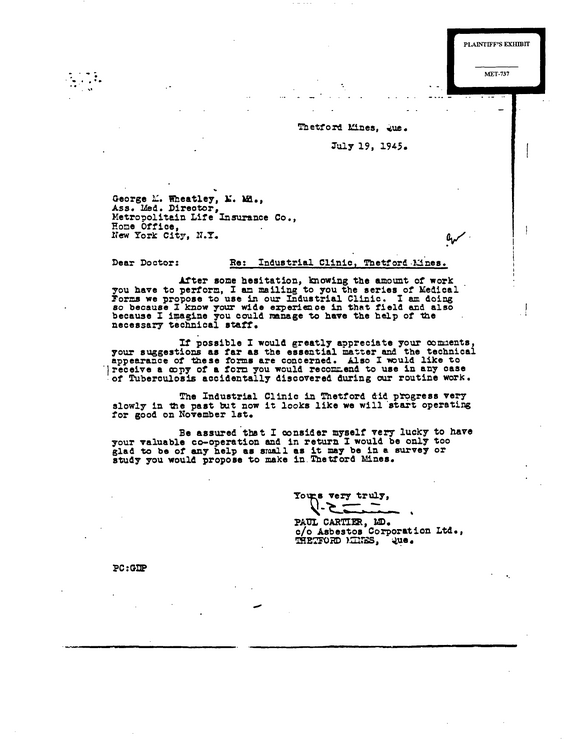
PLAINTIFF'S EXHIBIT Thetford lines, ^ue July 19, 1945.
refid# XzQ5Zd4gGKLpR0ZdNDjddJYnw1 page
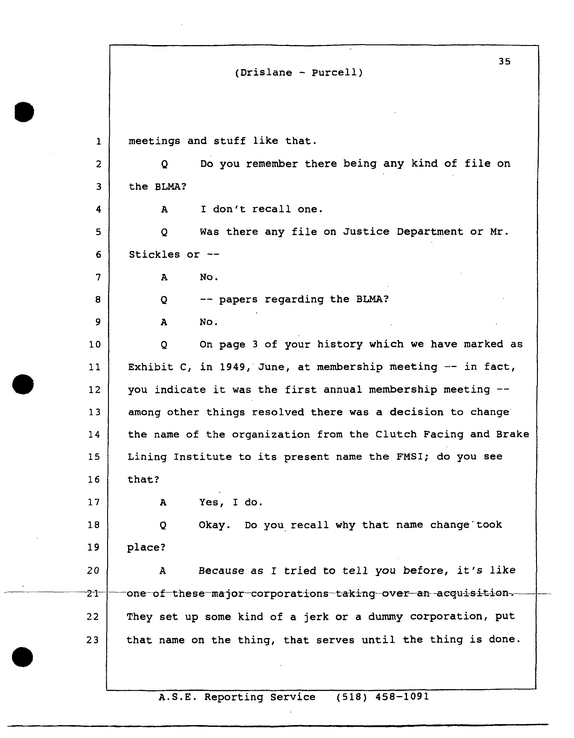
(Drislane - Purcell) 35 1 meetings and stuff like that. 2 Q Do you remember there being any kind of file on 3 the BLMA?
refid# pBKRJB5JzXxL7kJ76D6O654j71 page
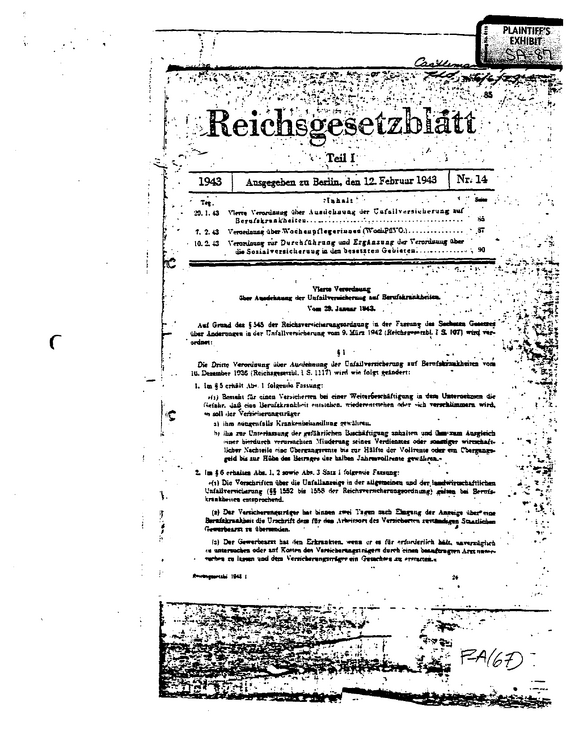
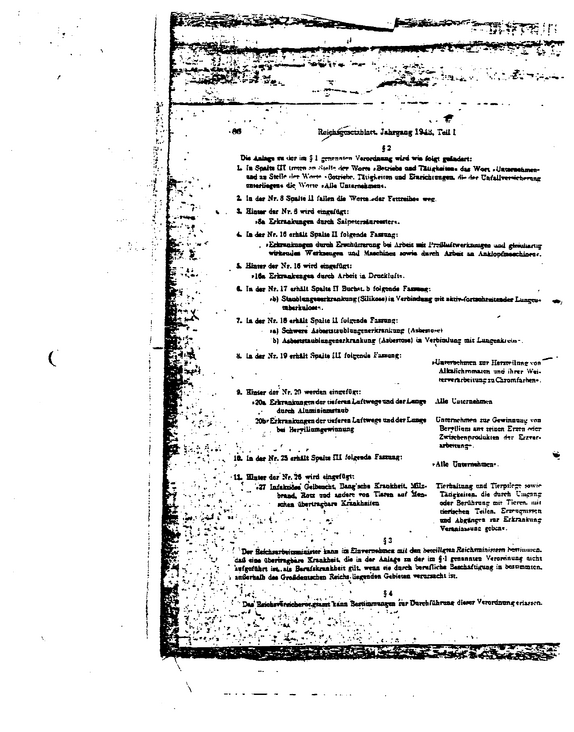
PLAINTIFF'S * EXHIBIT *' f ,- I . j ; ..; _ # --?
refid# YjLGQX0GQY36ZoOXBmd2Q2JkK3 pages
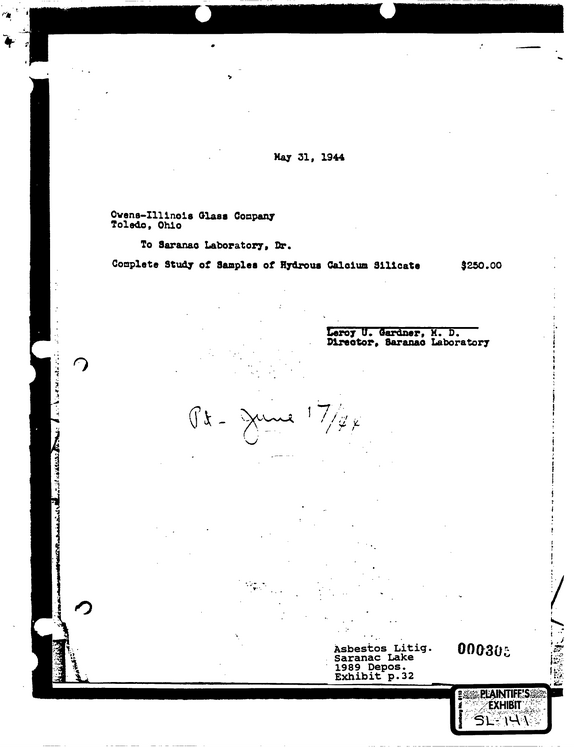
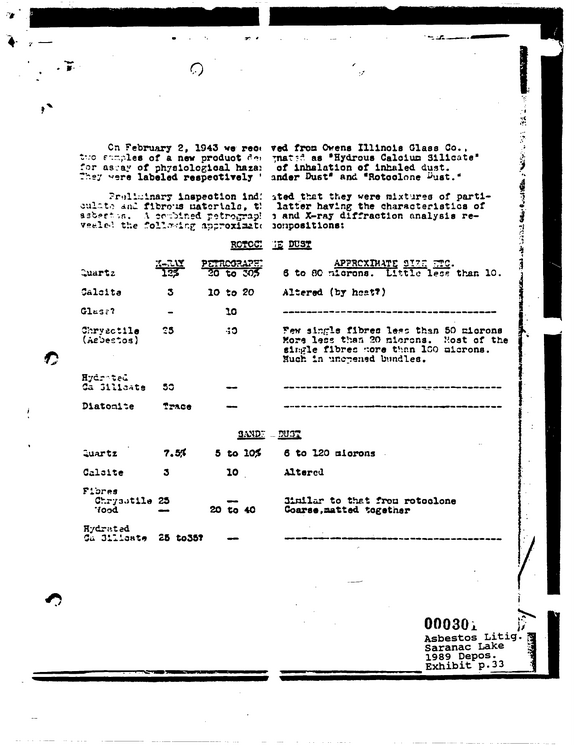
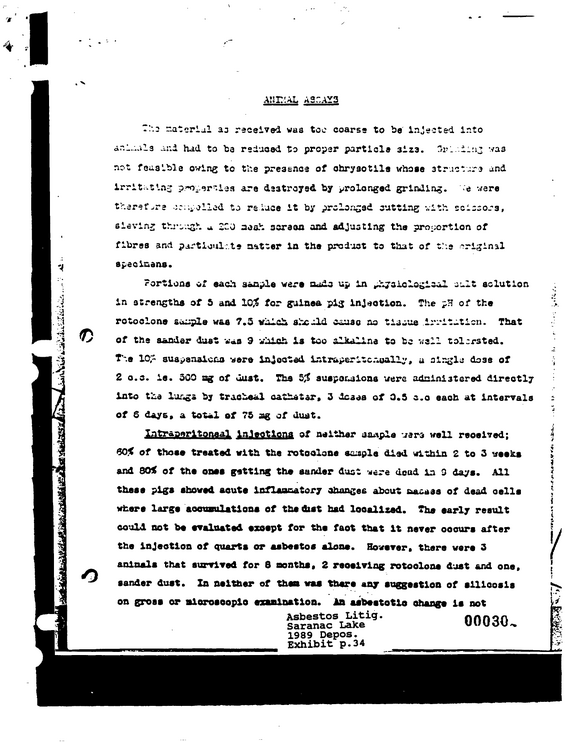
May 31, 1944 Owens-Illinois Glass Conpany Toledo, Ohio To Saranao Laboratory, Dr.
refid# nmZbd9gJr6ZN4MaVGvRVOrK1R5 pages