Refine
Estimated Years 1940-1949Clear
5,199 results foundRefine Search
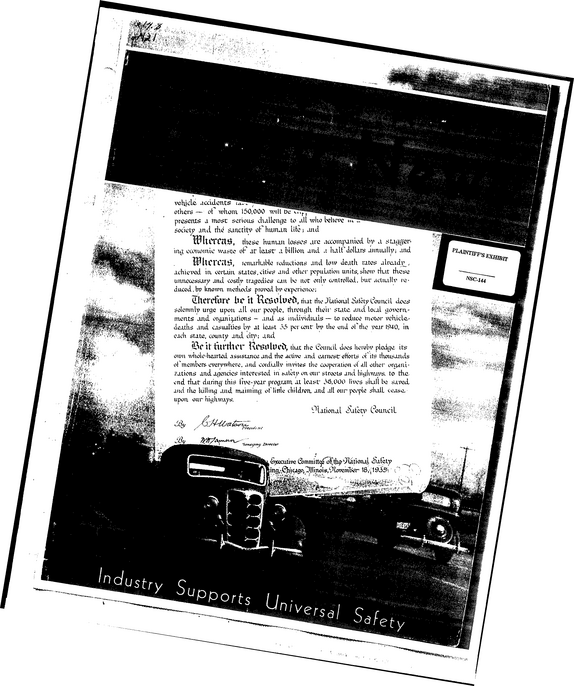
vehicle accidents others -- of whom 150,000 wtirticTS^ presents a most serious challenge to .ill who hehevcTf?



refid# oeGpjNe0kEkex10KXra92rVXr84 pages
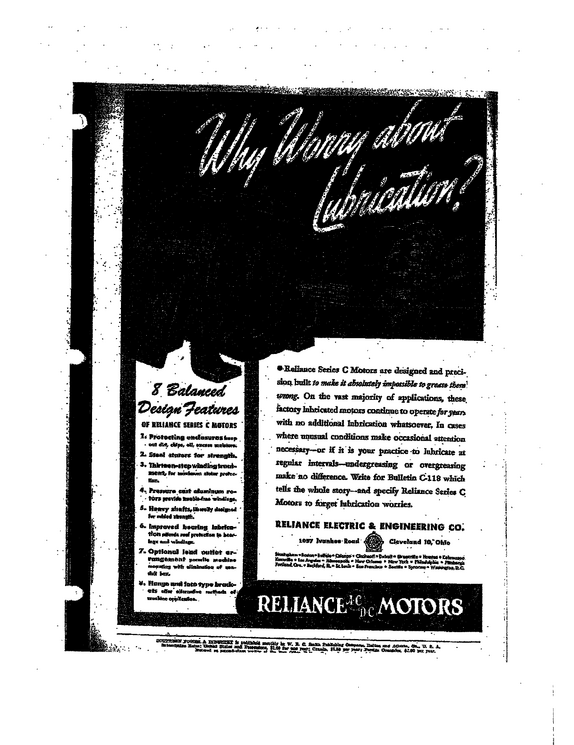
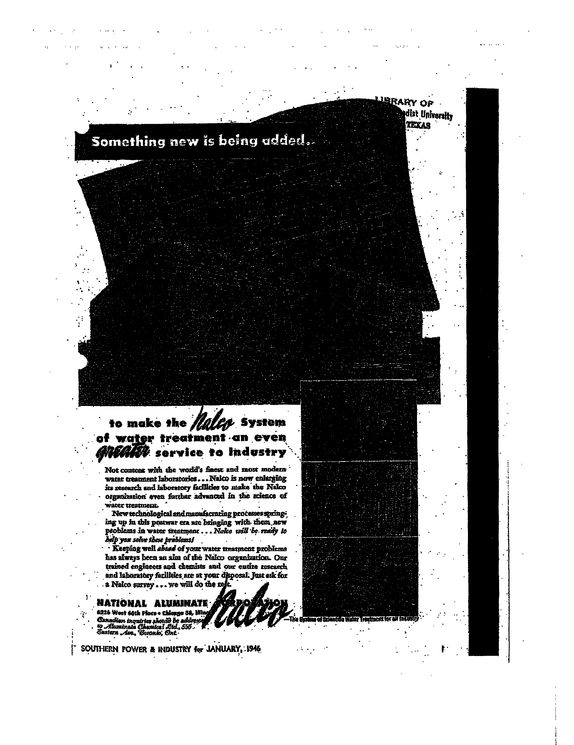
FILE NAME: General Cable (GC) DATE: 1946 DOC#: GC013 DOCUMENT DESCRIPTION: Advertisement in Southern Power & Industry sowrHrsNdivision orner 5I5.J6 Marf.o*rwtWdi, AKnlai Go.* * .


refid# MONYyz1b7px1eLmV1q53N6aj183 pages
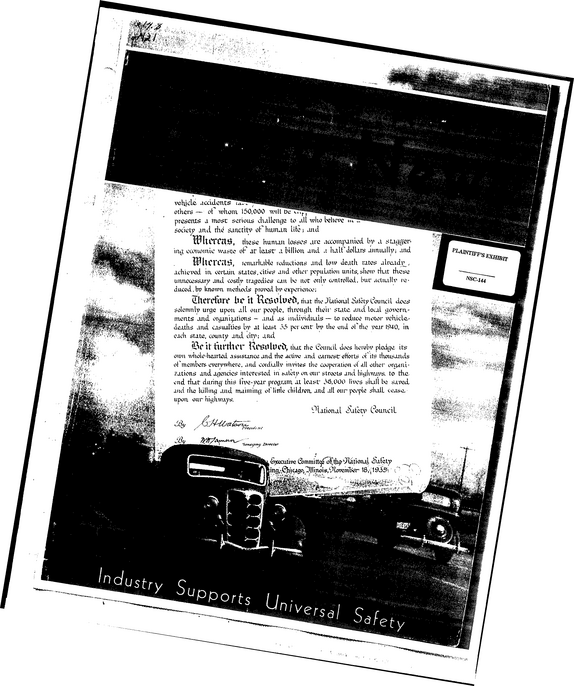
vehicle accidents others -- ol whom 150,000 wtirticTS^ presents a most serious challenge to .ill who hehevcTf?



refid# VJR5dMp3DX8eeO9XOmYkraQ7o84 pages
BU LLETIN S, REFERENCE I Cooperating with leading manufacture of equipment and supplies, SPI makes available for the asking, without cast or obligation, -the -fbHowmg valuable bulletins, booklets, handbooks and catalogs, Cheri ft fct, fijt in Coupon, mail to SOUTHERN POWER * INDUSTRY.


refid# ExaqKgRODaYGEOGRLpr4MRMrj180 pages
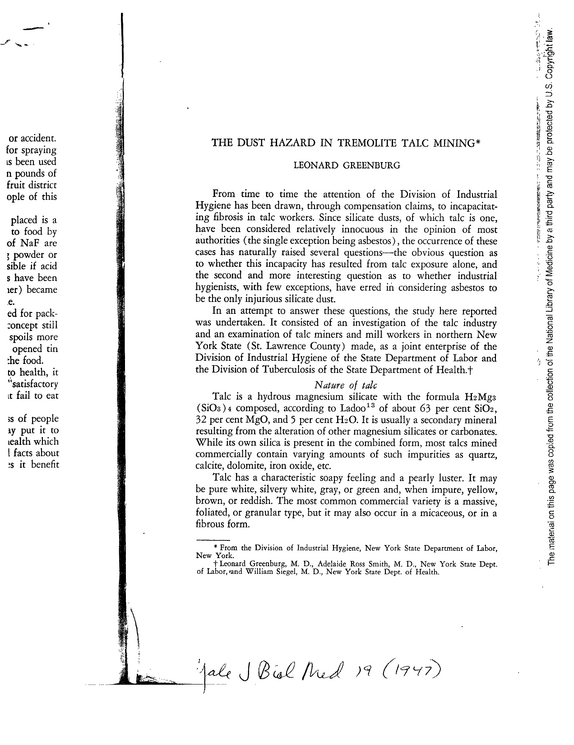
Geographical distribution The United States produces about 65 per cent of the world's supply of talc, the leading states in its production being Vermont, New York, California, N orth Carolina, and Georgia.
refid# aJM9Dj3jaGV12MeaXJv7XQM0Y22 pages
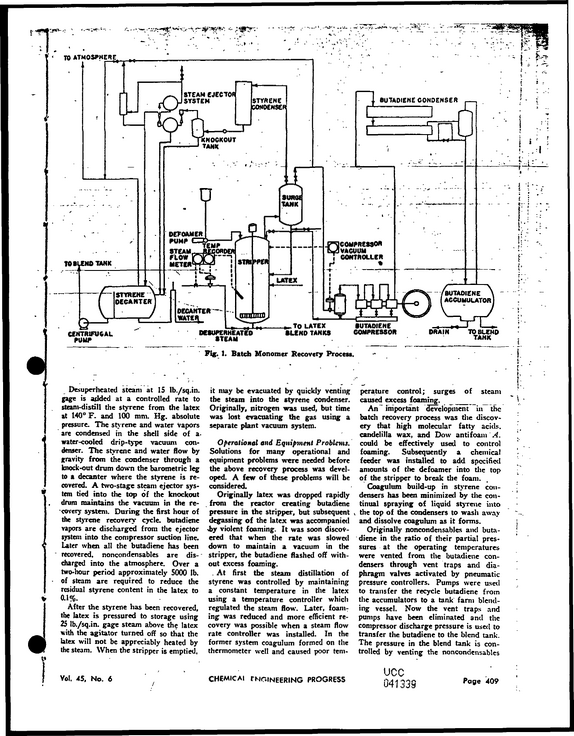
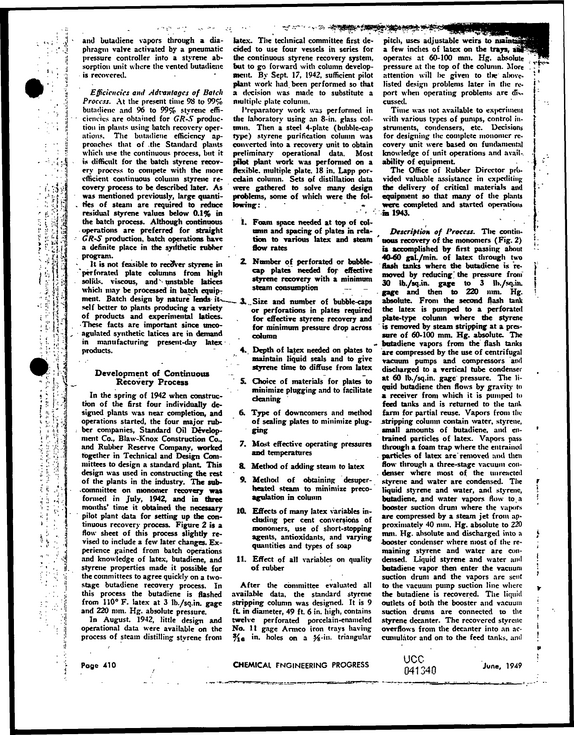
-diforflia baffles in icse tests it ions in 1 one t the e in pre fer. the on the l of a some of ix-stage rcuiting ijor obprocess e units tired, . lolyiner. lytliing except, : slides !
refid# EqagRaXjd75gGOKaBeG64Jggj8 pages
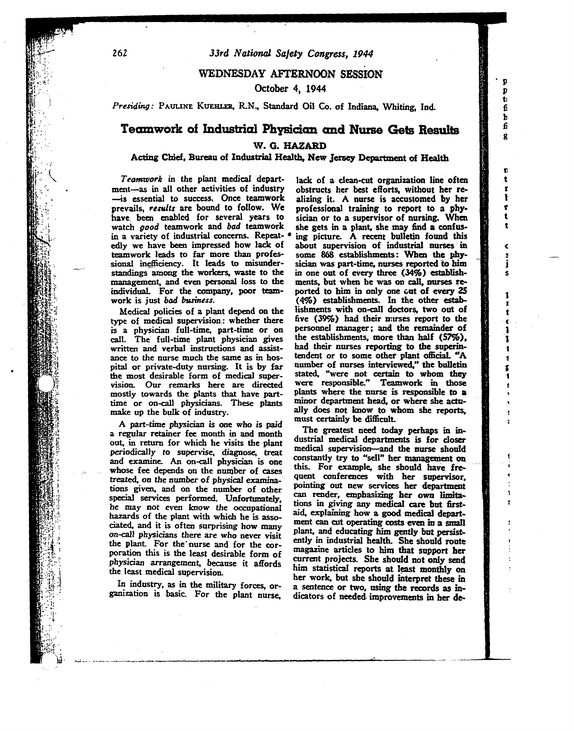
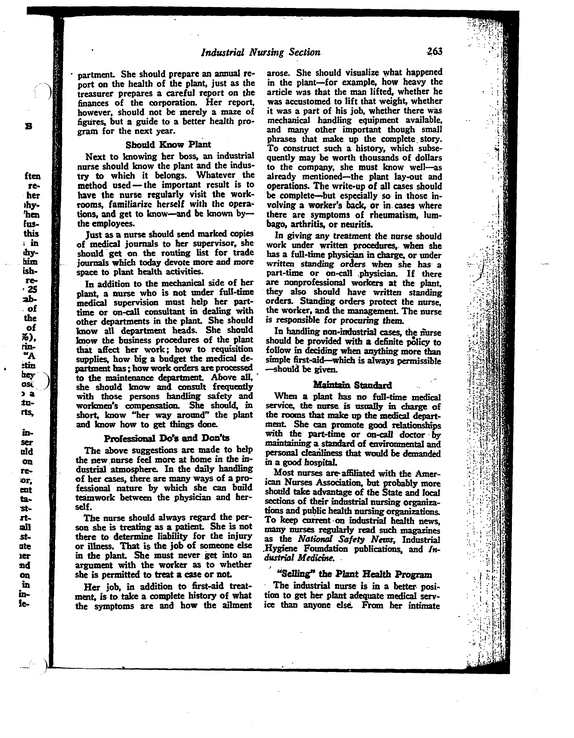
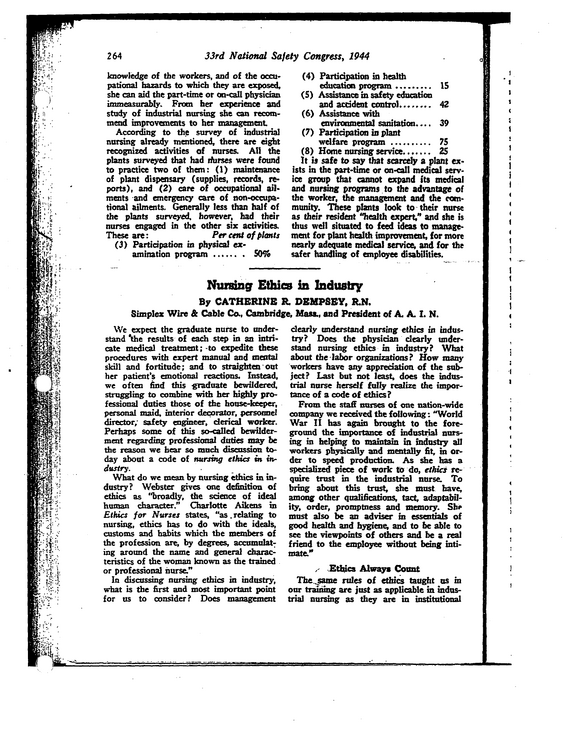
Repeat edly we have been impressed how lack of teamwork leads to far more than profes sional inefficiency.
refid# pmMypzjvE4EVR07Vx64nOXmo712 pages
"Lead in Industrial Processes."
refid# ypo8rgENvq4OoKgk9wy4wG24318 pages
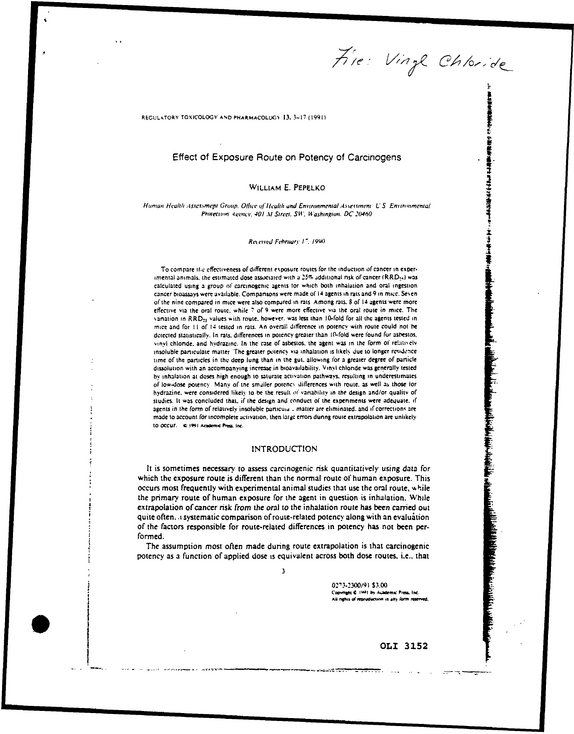
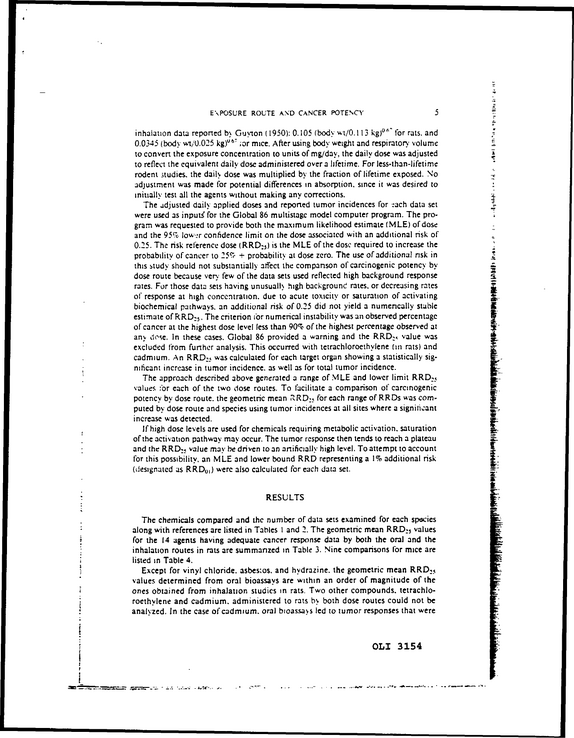
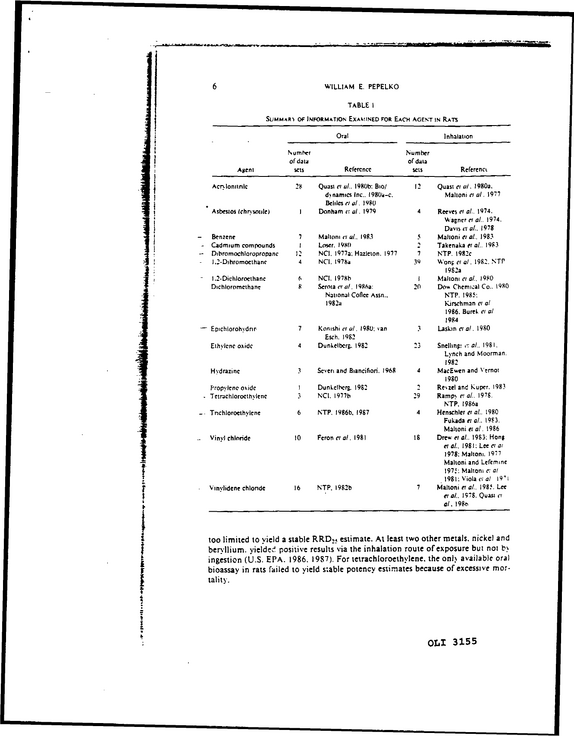
/e 1///1 >jJ(L GA/os, c/i REGULATORY TOXICOLOGY and pharmacology 13, 3-17 (1941) Effect of Exposure Route on Potency of Carcinogens William E.
refid# Lprwr0Lmxpx9v5JzO68pk7z7715 pages
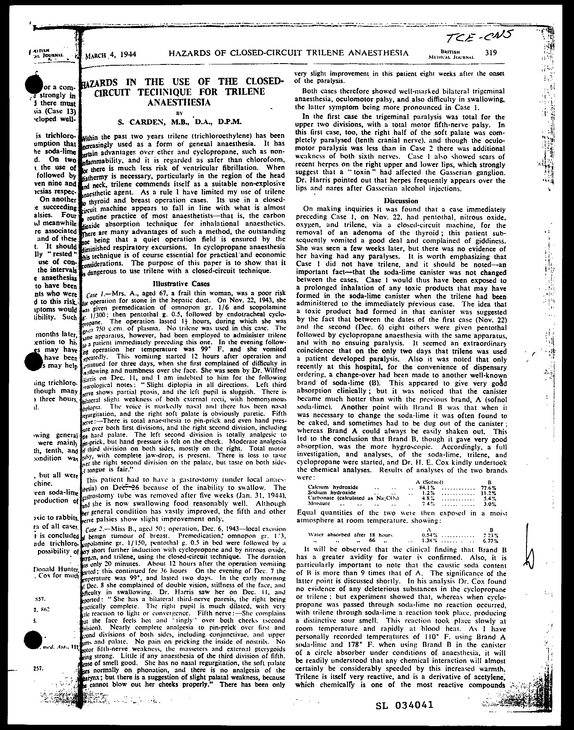
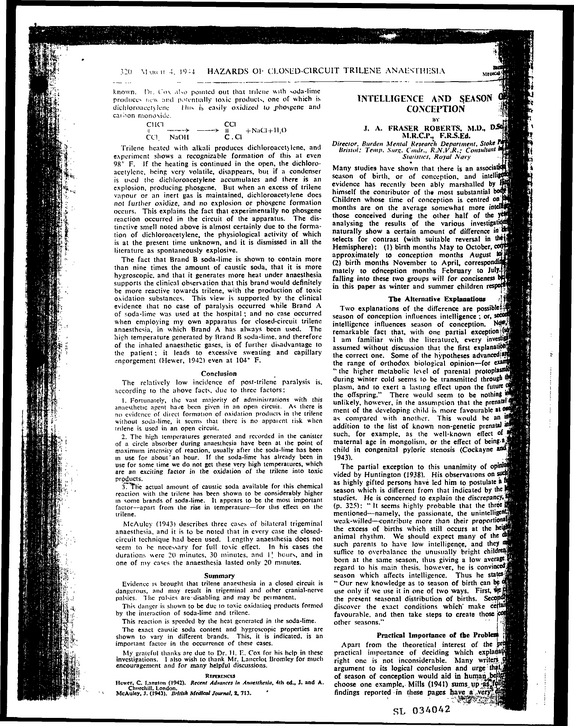
mrri':- -- t ,imsH 1 >L JOUINAI.
refid# xdyLJJ853gzN4BGrkJaxv5yXb10 pages
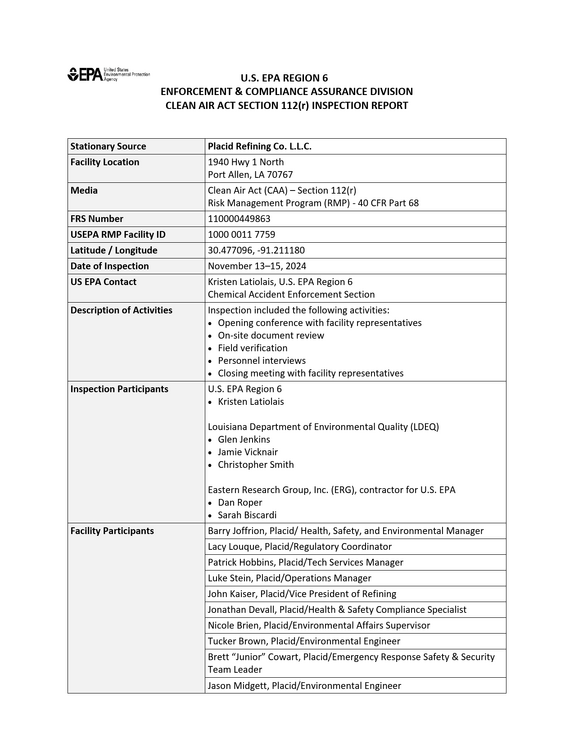
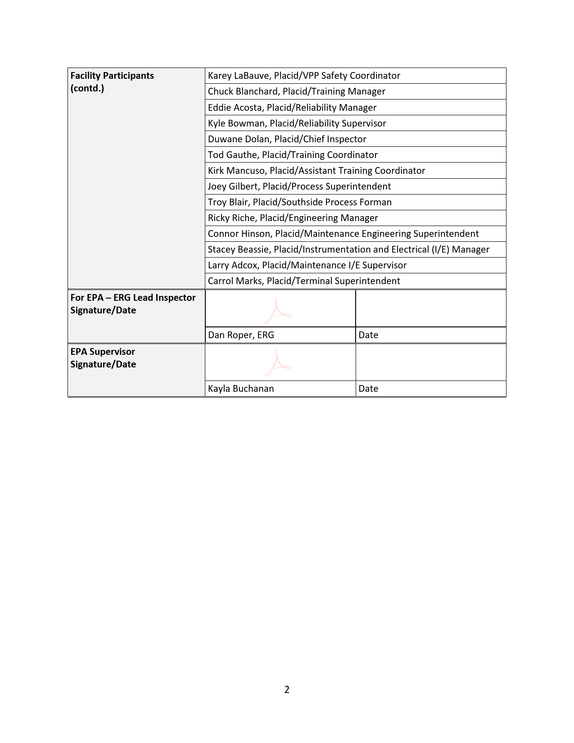
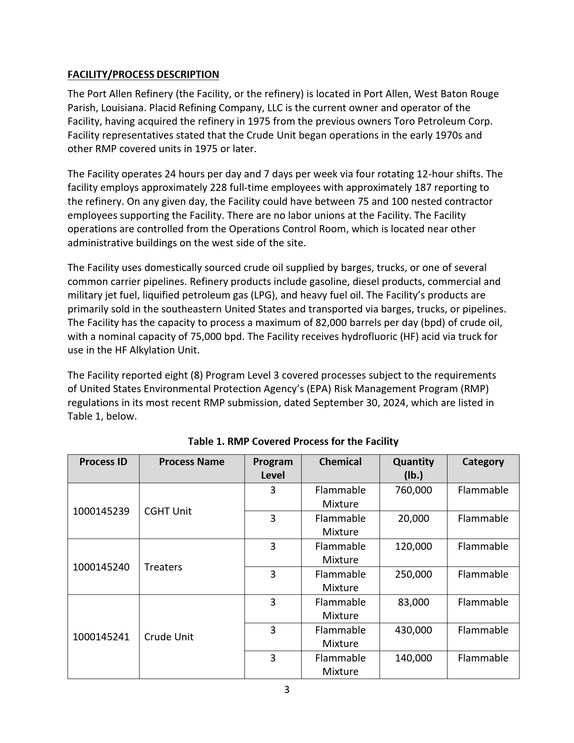
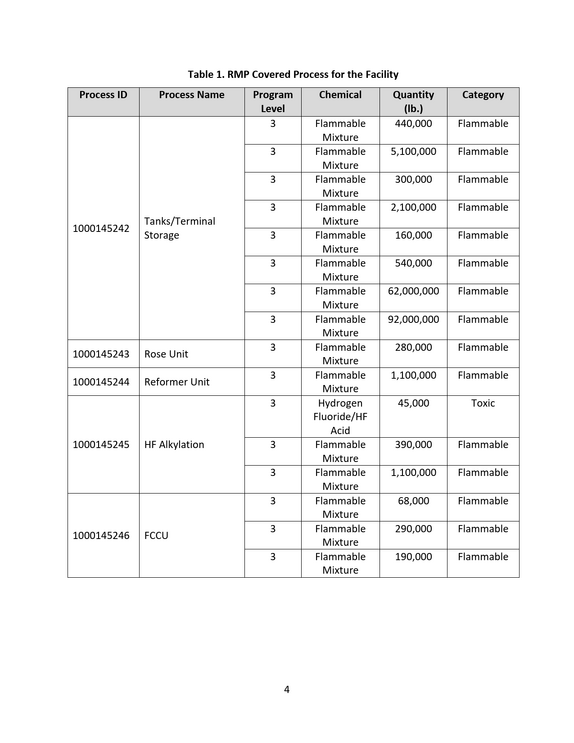
For EPA - ERG Lead Inspector Signature/Date EPA Supervisor Signature/Date Karey LaBauve, Placid/VPP Safety Coordinator Chuck Blanchard, Placid/Training Manager Eddie Acosta, Placid/Reliability Manager Kyle Bowman, Placid/Reliability Supervisor Duwane Dolan, Placid/Chief Inspector Tod Gauthe, Placid/Training Coordinator Kirk Mancuso, Placid/Assistant Training Coordinator Joey Gilbert, Placid/Process Superintendent Troy Blair, Placid/Southside Process Forman Ricky Riche, Placid/Engineering Manager Connor Hinson, Placid/Maintenance Engineering Superintendent Stacey Beassie, Placid/Instrumentation and Electrical (I/E) Manager Larry Adcox, Placid/Maintenance I/E Supervisor Carrol Marks, Placid/Terminal Superintendent Digitally signed by Daniel Daniel Roper Date: 2025.07.22 Roper 10:54:56 -07'00' Dan Roper, ERG 7/22/2025 Date KAYLA BUCHANAN Digitally signed by KAYLA BUCHANAN Date: 2025.07.29 08:38:37 -05'00' Kayla Buchanan 7/29/2025 Date 2 FACILITY/PROCESS DESCRIPTION The Port Allen Refinery (the Facility, or the refinery) is located in Port Allen, West Baton Rouge Parish, Louisiana.
refid# 5bR2ykK0JdBebq458V8D5gree42 pages
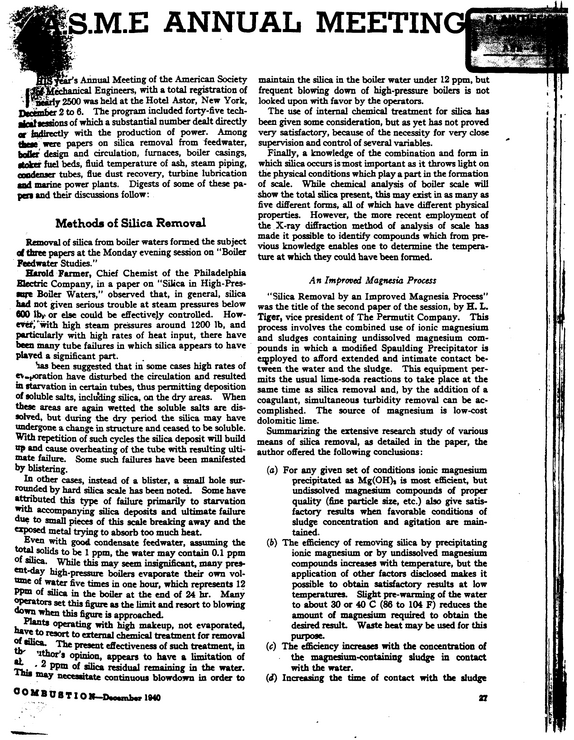
IS.M.E ANNUAL MEETIN s Annual Meeting of the American Society Mechanical Engineers, with a total registration of Marly 2500 was held at the Hotel Astor, New York, 2 to 6.
refid# ymdgGNgnEOQRynVmMLp8nVBYn11 pages
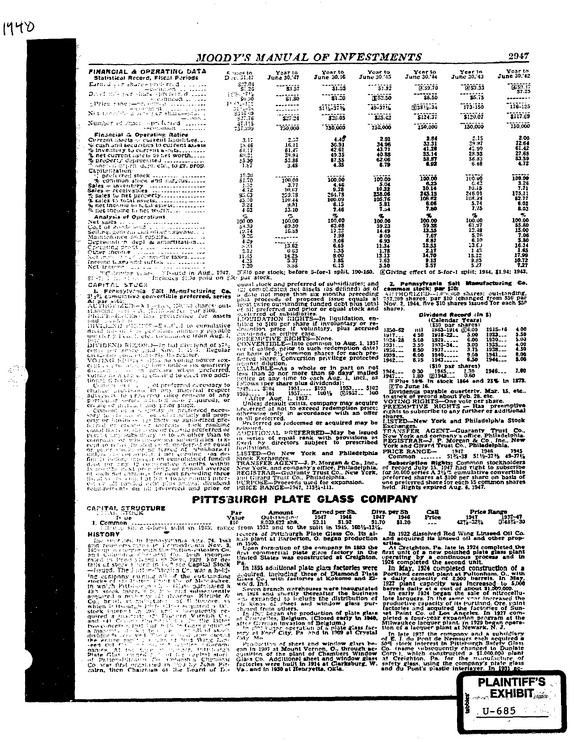
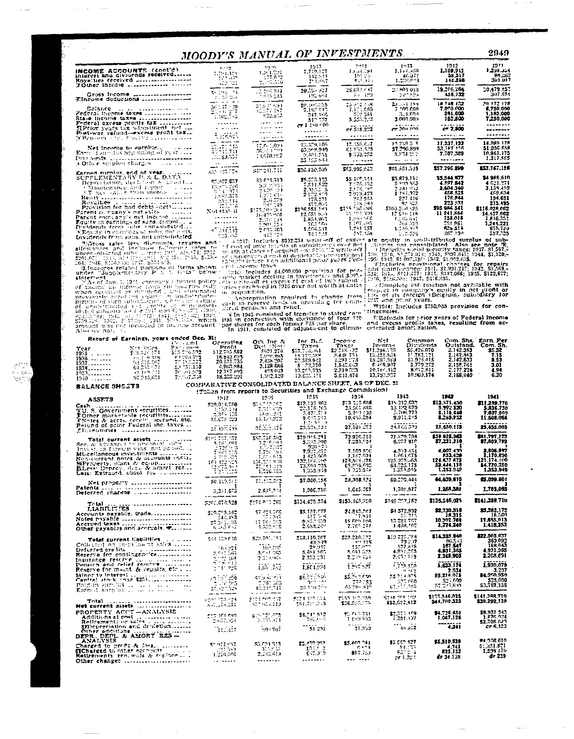
MOODY'S MANUAL OF INVESTMENTS 2947 FINANCIAL A OPERATING DATA Statistical Record, Fisc.-.!
refid# pBJEDJEo8OnvVgdGGqzJ9LqRD4 pages
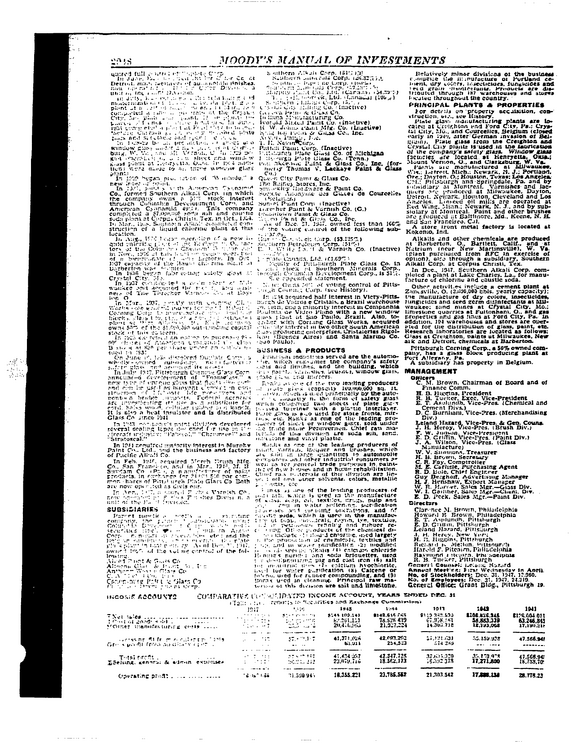
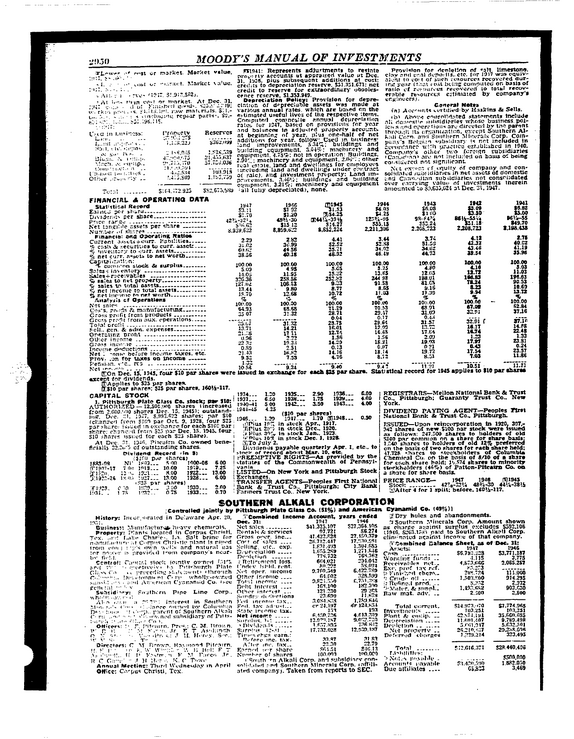
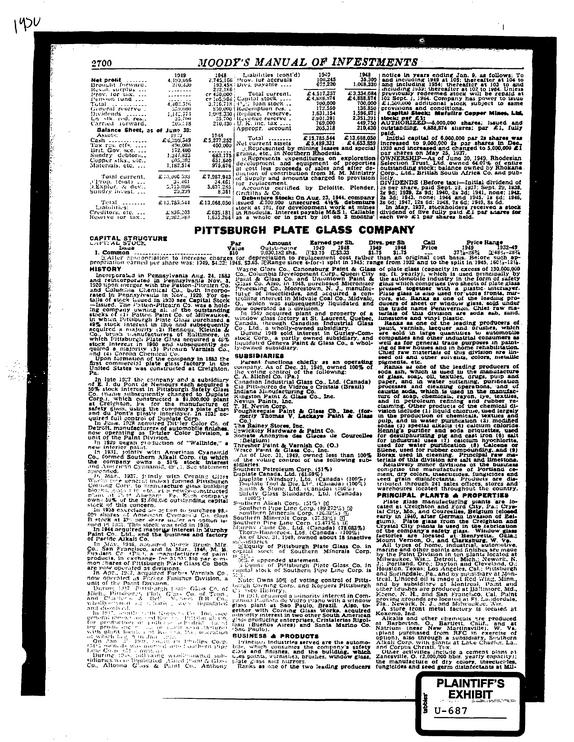
Ranks as one of the leading producers of soda ash, which is used m the manufacture of glass, soap, oil, textiles, drugs, puip and paper, and. in water sufUnmg, purification processes and cleaning operations, and uf caustic soda, which.is used la the manufac ture of soap, chemicals; rayon, lye, textiles, and In petroleum refining and rubber re claiming.
refid# qa211QxRB2krr0pO3ap9xap5n4 pages
niet by or aes protectedire erp Sai be Ie A may tem eco and upetagonm party Segre third a UE by 9 Medicne of Library National the a of colection the from copied was page this on material The 482 YALE JOURNAL OF BIOLOGY AND MEDICINE Soapstone is a closely related substance being essentially an impure talc and when pulverized it may be used for the same purposes Tremolite which is a calcium magnesium silicate changes over to talc It may be mined with it and subsequently ground and sold as talc Geographical distribution The United States produces about 65 per cent of the world's supply of talc the leading states in its production being Vermont New York California North Carolina and Georgia Industrial uses of talc According to the Minerals Year Book 1938 of the United States Bureau of Mines the use of talc and soapstone is steadily increasing Ladoo states that at least 60 different uses for talc have been noted though most of them are of minor importance Its value depends chiefly on its usefulness as a filler inert extender dusting powder and absorbent In 1921 according to Ladoo the marketed ground talc production in this country was industrially distributed as follows paper 38 per cent paint 23 per cent prepared roofing 18 per cent rubber 9.5 per cent textiles 4 per cent toilet powder 2.5 per cent other uses 5 per cent The other uses for which ground talc is adapted are as a filler in soap in foundry facings in insulating compounds in dry lubricants as a filler in cotton textiles in the dressing and manufacture of leather as a cleaning and polishing agent for rice peas coffee beans peanuts etc in making colored crayons as a filler in the windowshade cloth as a dusting agent in making candy chewing gum etc and as an ingredient of concrete plastics and insecticides Since 1921 there has been a marked increase in its use in the ceramic industry Fourteen thousand more tons of talc and related materials were sold in 1937 than in 1936 and about 10,000 tons of this increased amount went to the ceramic industry where talc is chiefly used as a constituent of glazed wall tile Review of literature on the effects of talc dust Experimental studies During the last ten years a certain amount of experimental work with talc dust has been reported but on reviewing this literature most of the inhalation experiments are found to have been of insufficient duration to be helpful in regard to the probable effect of continued industrial exposure law Copyright Copyright U.S. by protected be may and party third a increa Medicne of Library National the of colection the from copied copied was page this 5 material The a ~ an impure purposes date ver to talc ye is talc ay,ik J rld's supply New York Se nited States increasing een noted le depends owder and ground talc wspaper ent rubber other uses s a filler in 1 dry lubri- ufacture of offee beans indowshade ; and as an use in the and related tons of this c is chiefly amount of 1 reviewing nd to have e probable DUST HAZARD IN TALC MINING 483 In 1931 Haynes included talc in a series of dusts studied for their reactions on guinea Twelve pigs were dusted two hours daily except Sunday for a fortnight The author saw no sign of pulmonary damage but found that bronchial and lymphatic removal occurred unusually briskly He concludes that the substances dissolved from talc are of a low degree of toxicity but are sufficiently obnoxious to neighboring tissues to cause the removal of cells containing them St^...berin 1934 studying the cellular response of lymph nodes to various dust suspensions introduced into the lymphatics found that talc caused no apparent cellular proliferation within the lymph nodes after five days After 108 days the nodes were still normal and showed no increase in connective tissue Fossel in 1935 reported experiments in which guinea were exposed to the inhalation of talc for one hour daily over a period of eight weeks No significant tissue changes were seen Bethune in 1935 was able to produce pleural adhesions in cats and dogs by blowing commercial talc into the pleural cavity Miller and Sayers quoted below found that adhesions were not related to the subsequent behavior of the dust Fienberg in 1937 having observed granulomas from the surgical use of talc experimented with the injection of this substance in mice and obtained subcutaneous granulomas in these animals Miller and Sayers in 1936 reported studies in which talc was included among the dusts with which the intraperitoneal reaction in guinea was studied They found that it produced an inert reaction That is to say the injected dust was not absorbed neither did it initiate a cellular proliferation In interpreting the significance of inert reac- tions the authors conclude that such dusts should be considered as potentially harmful Gardner summarizing experimental work on silicate dusts at the Saranac Laboratory said at the Fourth Saranac Laboratory Symposium on Silicosis 1939 a few silicates like true talc and some of the clay minerals have provoked chronic inflammation of the lungs but this reaction has tended to retrogress after several months No pro- gression to a stage of true fibrosis has been observed within periods of one to two years and there is no indication that the progression will occur In 1939 Policard reported an experiment in which he dusted white rats with foliated industrial talc three hours a day for twelve Acts gas law Copyright Copyright U.S. by protecd be may and party third a by Medicne of Library National the of colection the from copied was page this on material The 484 YALE JOURNAL OF BIOLOGY AND MEDICINE days The intensity of the exposure was high He found that the dust was irritating to the upper respiratory tract and produced a marked dyspnea In the lungs of animals sacorfifibcreod ntcwhoi anacdutsiex deamypshayfsteermianhaalnad- tion began he found dilatation exudative alveolitis Many animals died spontaneously with pulmonary and foci of bronchopneumonia The short duration of the congestion concerning the possibility of experiments did not permit any conclusion postoperative pulmonary fibrosis McCormick and Ramsey in 1941 reported inflammation caused by talc in two cases And pSecrhiutlozneaanldgrWainlulloimaatmosusin 1942 injected intraperitoneally in guinea- series of seven commercial talcs with different carbonate priagtsioas Animals were sacrificed at intervals ranging from ten days to fifteen months In all cases the pathological histology showed the holding of talc particles in a local area by phagocytic cells of the macrophage and giant cell type Progressive fibrosis was not found The fibrosis which occurred was only enough to hold and limit the space for storing the foreign material The greatest amount of fibrous tissue developed in the presence of the two talcs which contained the least carbonate and the most talc and tremolite respectively Clinical reports Talc fibrosis as an occupational disease has received attention in this country only within the past ten years Policard says that it was in 1896 that the question of the action of industrial talc dust on the human lung was first considered At that time Thorel a pathological pathologist of Nuremberg published the results of the examination of the lung of a tuberculous woman patient of forty who had worked for many years in soapstone dust According ytoeaProslicard Thorel demonstrated the
refid# gbrZ0VR279E3o3eVDJv6O5vJ322 pages