Refine
Estimated Years 1940-1949Clear
5,199 results foundRefine Search
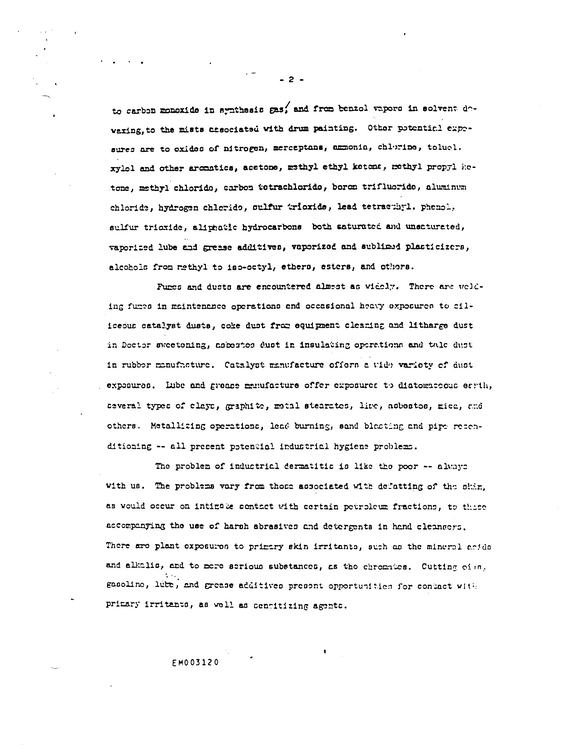
Metallizing operatione, lead burning, sand bloc ting and pipt' resendltioning -- all prccent potential irductrial hygiene problems.
refid# ZB2nMRoZkvZxeqzkX8er2Ja1J20 pages
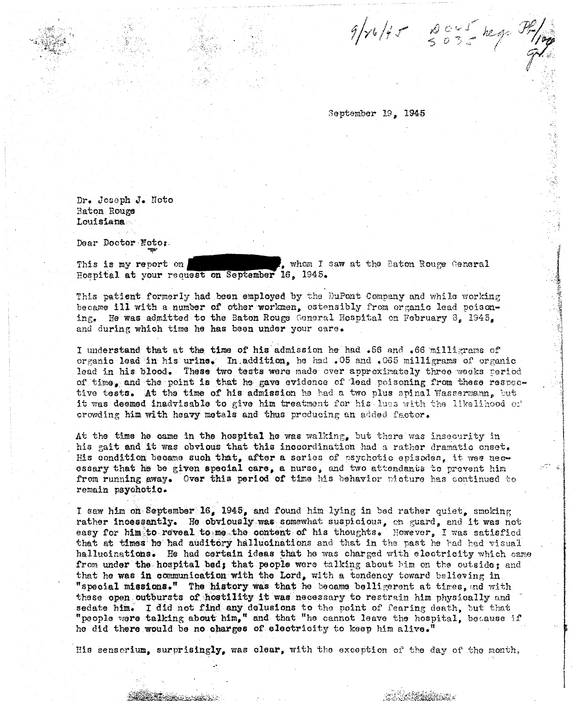
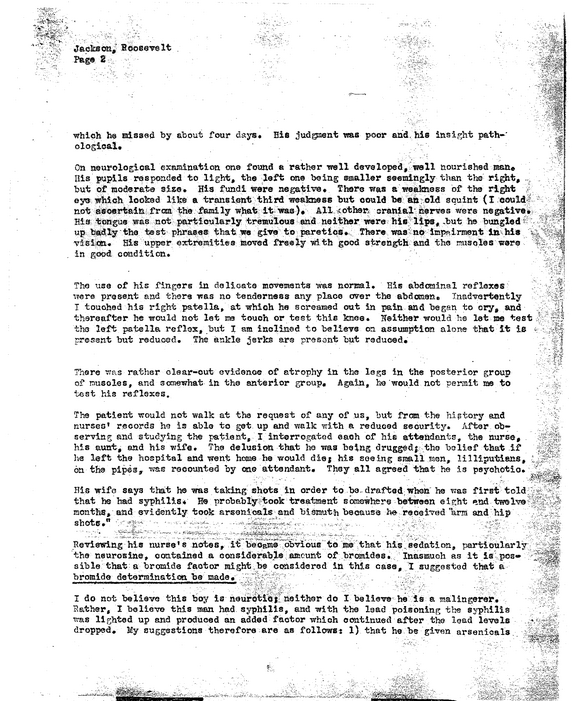
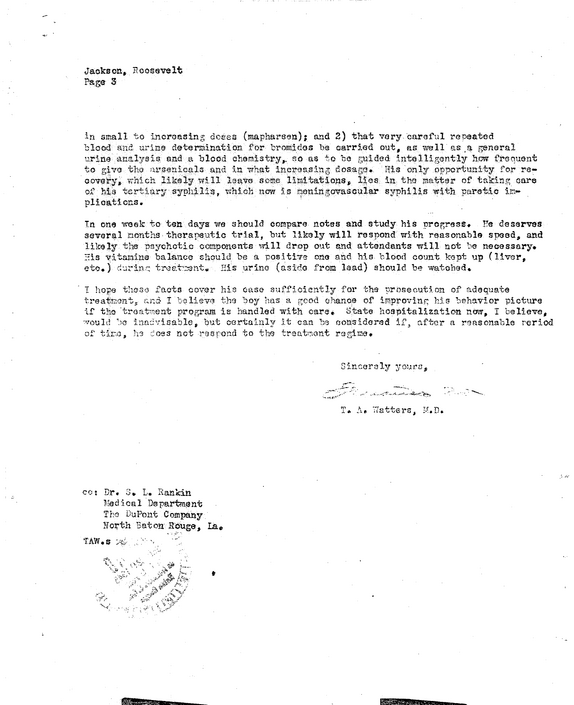
T his p a t i e n t fo rm e rly had been employed b y th e DuPont Company and w h ile w orking became i l l w ith a number o f o th e r workmen, o s te n s ib ly from o rg an ic lead poison in g .
refid# L20DrKd4rrNk52Ep2bKERrpz3 pages
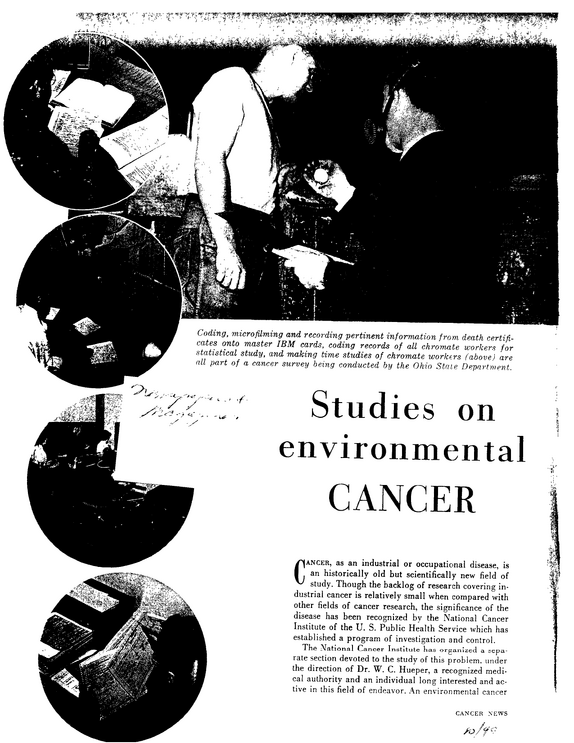
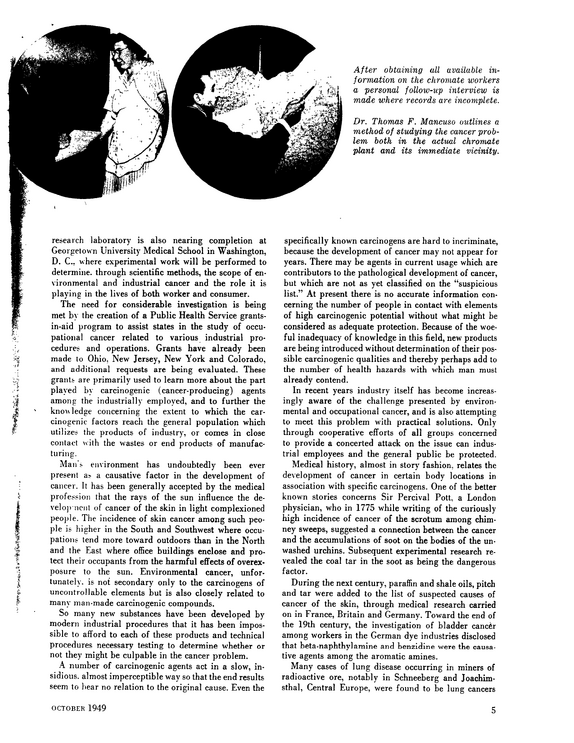
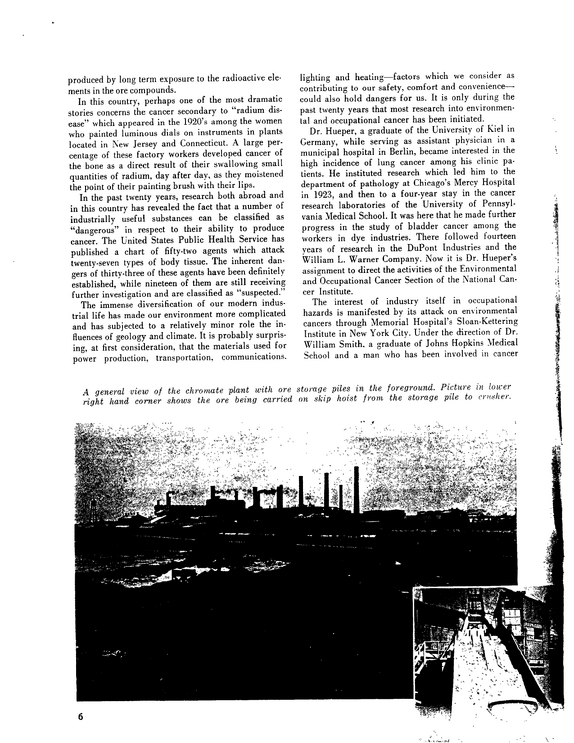
FILE NAME Newspaper & Magazine Articles NMA DATE 1949 Oct DOC NMA123 DOCUMENT DESCRIPTION Journal Article - Studies on Environmental Cancer Cancer News Coding microfilming and recording pertinent information from death certifi- cates onto master IBM cards coding records of all chromate workers for statistical study and making time studies of chromate workers above are all part of a cancer survey being conducted by the Ohio State Department Studies on 4 a 8 4 4 ; CANCER ANCER as an industrial or occupational disease is an historically old but scientifically new field of study Though the backlog of research covering industrial cancer is relatively small when compared with other fields of cancer research the significance of the disease has been recognized by the National Cancer Institute of the U.
refid# 2q502bqwqLJG4Knryw6XRa3ng11 pages
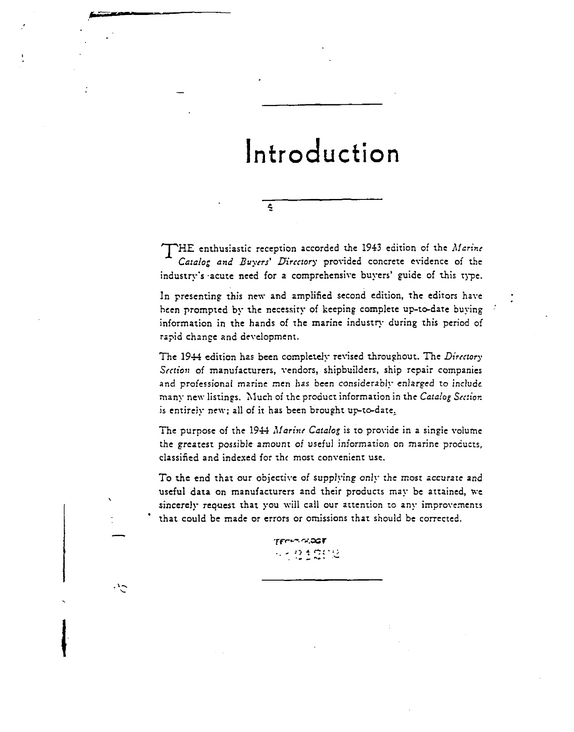
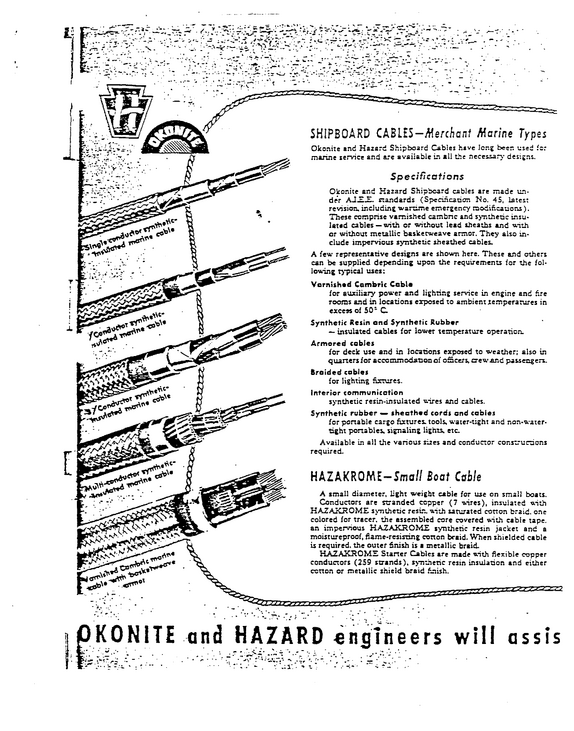
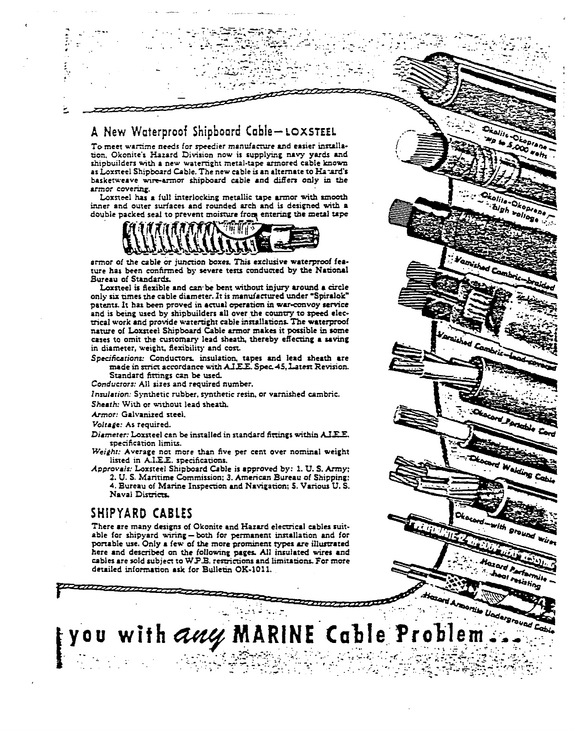
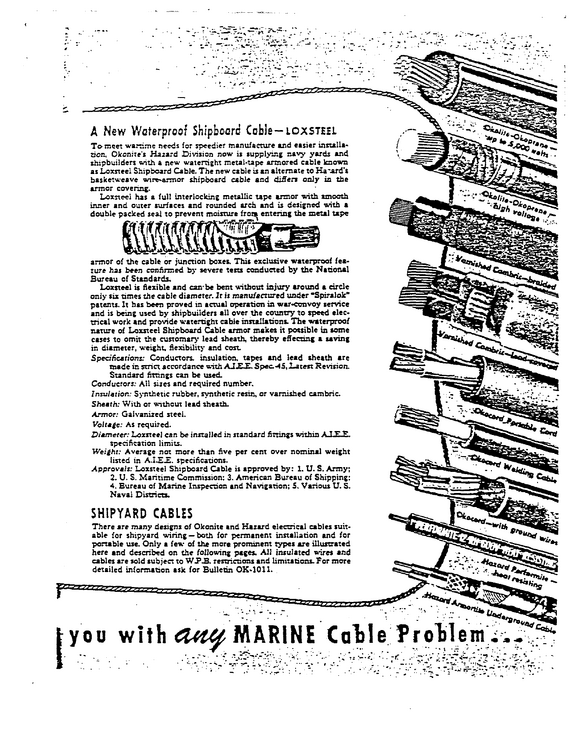
Sheath; With or without lead sheath.
refid# r19e2BpzmBJaMrgkjb9Eb35V8 pages
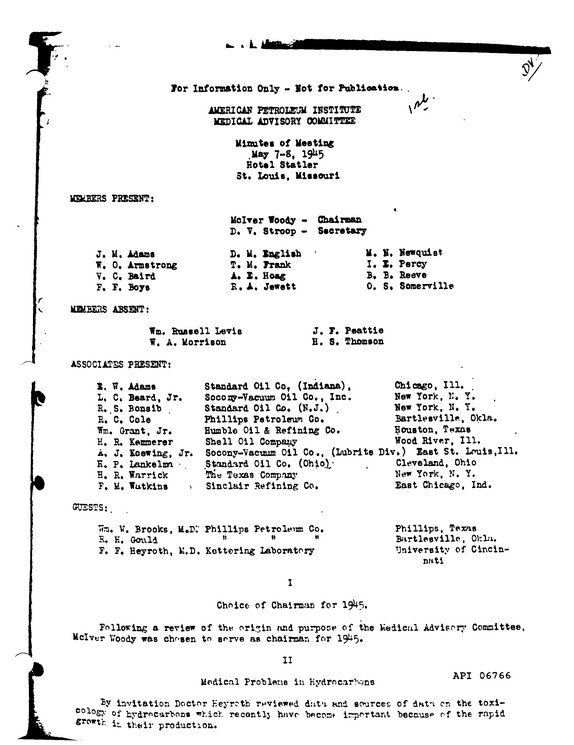
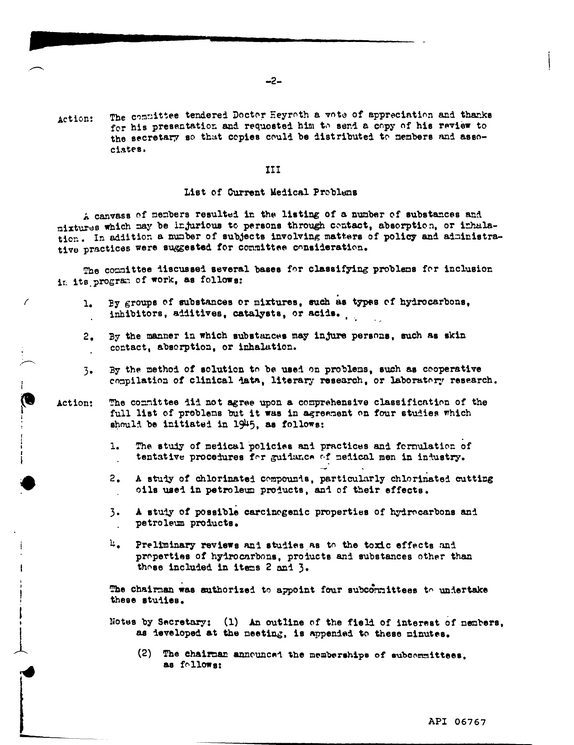
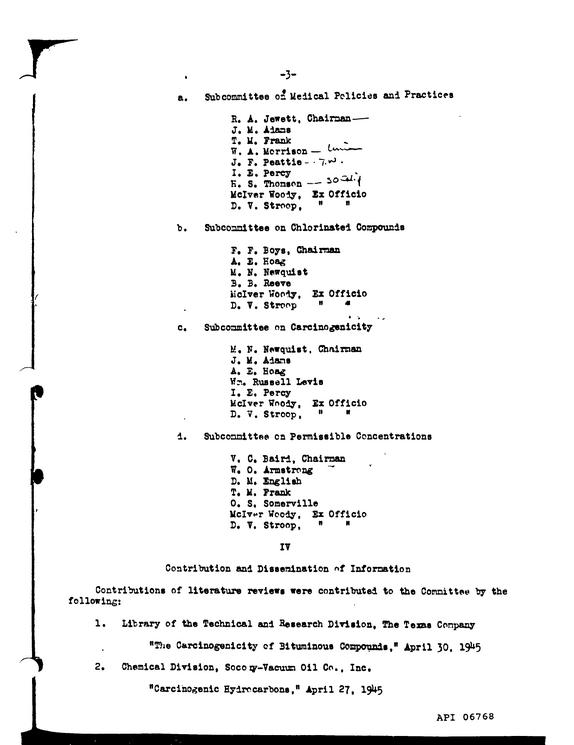
FILE NAME: Oil Industry American and Petroleum Institute (API) DATE: 1945 May DOC#: API001 DOCUMENT DESCRIPTION: Meeting Minutes & Attendee List - API Medical Advisory Committee Tor Information Only - Hot for Publioaii AMERICAN PETROLEUM INSTITOTE MEDICAL ADVISORY COMMITTEE Mistes of Meeting May 7-8, 19^5 Hotel Statler 5t.
refid# BnjRwJgY3VJ869Rq92QXeJOk21 pages
Aside cally, they are metallic and are from any nuisance or economic usually the oxides of such metals loss resulting from the escape of as zinc, and lead.
refid# 61V0brLxpRxgmE48971enE3E11 pages
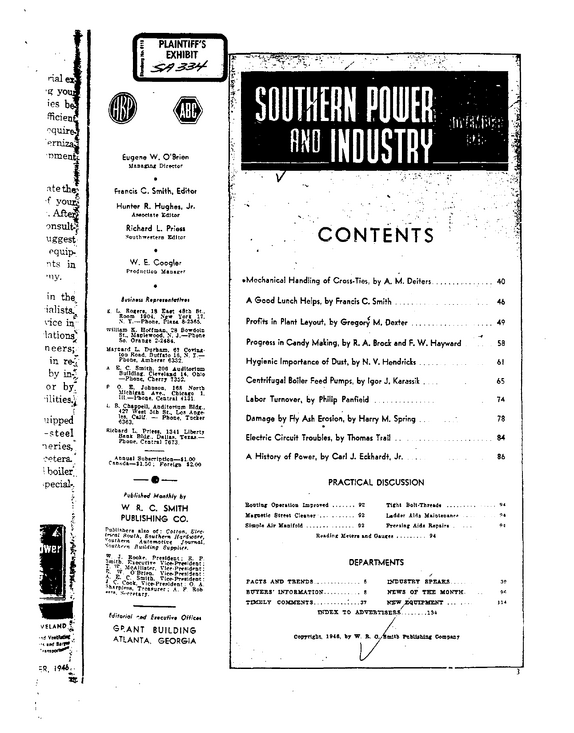
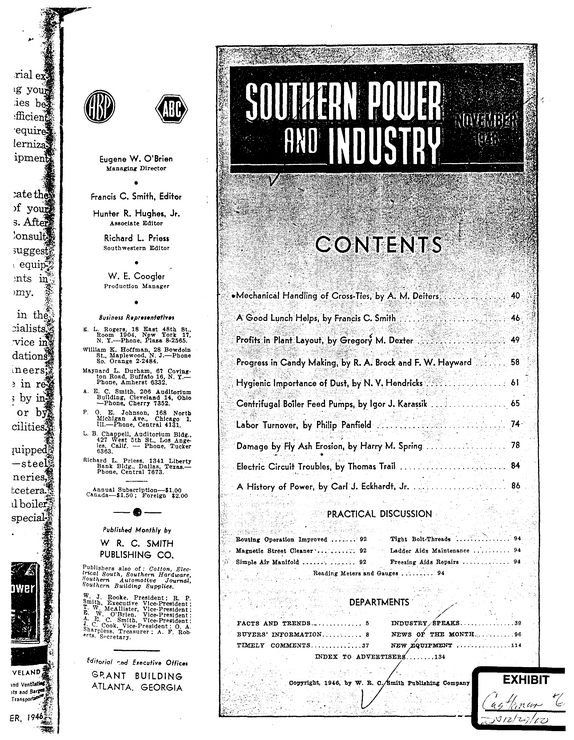
The particle size of dusts may vary considerably ranging from microscopic to visible FUMES are formed by sation and sublimation conden Chemi- cally they are metallic and are usually the oxides of such metals as zinc and lead The particle size is usually below one micron Smoke comes from the burning of organic material and its particle size is usually less than one- half micron Mists and Fogs result from the condensation of water vapor on suitable nuclei and the particle size will vary with given con- ditions General Properties As a substance is reduced in particle size there are certain general properties of the material which are changed On breaking up a solid into finely divided particles the surface area is greatly enlarged and therefore the space occupied is greatly increased As an example a piece of quartz one centimeter on each side when crushed to where the particles of one micron in size will present a system containing 10" number of particles The total surface area will be 6 square meters If these dust particles are dispersed onto the atmosphere in such manner that the concentration will be 100 million particles per cubic foot the space occupied by this dispersed system will be 10 thousand cubic feet The chemical activity of a solid is considerably increased by a reduction in particle size Thus the rate of oxidation is increased as is evidenced by occasional disastrous dust explosions The phenomena of adsorption becomes more important as gases are more easily adsorbed on the surface of the smaller particle From the standpoint of health hazards resulting from dust ex- posures the physiological proper ties of dust vary somewhat with the particle size It is an accepted fact that with exposures to silica dust the smaller the particle size the greater the hazard Physiological Response Drinker has summarized the reactions resulting from the inhala- 61 SOUTHERN POWER & INDUSTRY for NOVEMBER 1946 FROM oe 410 448 2368 tion of dust sponse into are 410 448 2368 by classifying the re- four groups These a Pneumoconiosis dusts producing this type reaction are harmful only when inhaled The principal materials producing this type reaction are free silica and asbestos dust On inhalation these two materials produce specific lung pathology and from the standpoint of disability present the most important of the dust ex- posures b Toxic Reaction poisoning by lead cadmium or radium These materials produce harmful effects when taken into the body both by inhalation and ingestion With reference to lead and its compounds which may be present in the atmosphere as particulate matter it has been fairly well established that entrance into the 06-07-94 08:03 TO albert body by innalation is more important mode of entry than the same material taken by mouth This is primarily due to the fact that when such materials are tak- en into the body by inhalation the major portion is taken into the blood stream whereas a considerable part of that taken by mouth is removed by certain organs of the body c Metal Fume Fevers conditions result from the inhale- tion of finely divid
refid# 2RR3K2JygkQLv0x3YNXdOVD6R12 pages
FILE NAME: Westinghouse (WH) DATE: 1945 Apr DOC#: WH109 DOCUMENT DESCRIPTION: Journal Article - The Industrial Physician ril, 1945 lints in 1 of a uced by :1 of the al nerve : ramus aphenus ced for s at the rotated t is in nee kept ;cted leg with his jack and affected nee.
refid# Jv3XK62qLnBN7r1rxKdZYq5325 pages
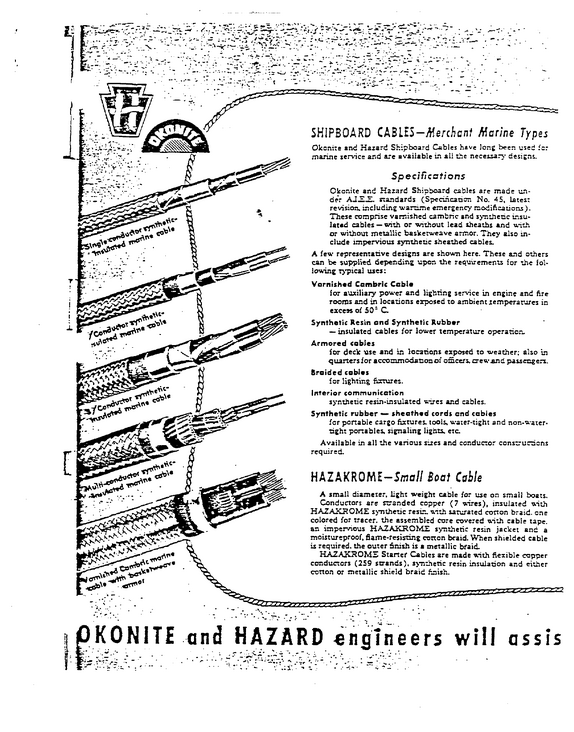
Sheath: With or without lead sheath.
refid# 3owgJM87dObXbwoYOD2Jvrp08 pages
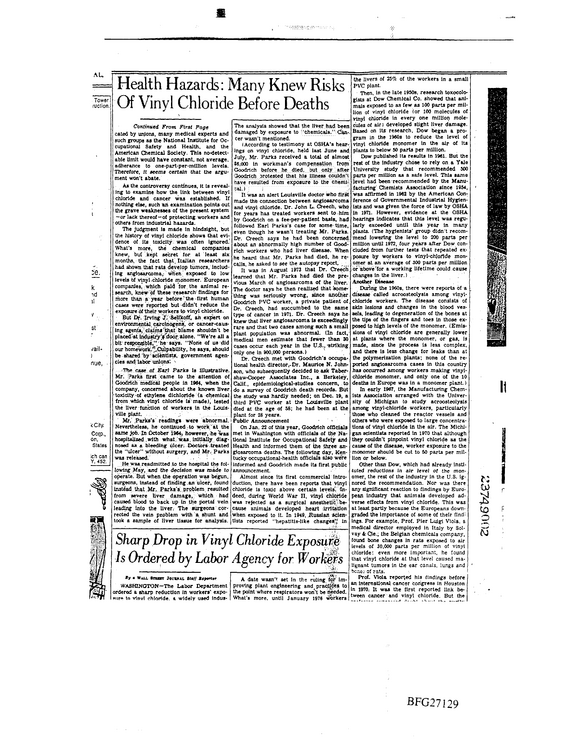
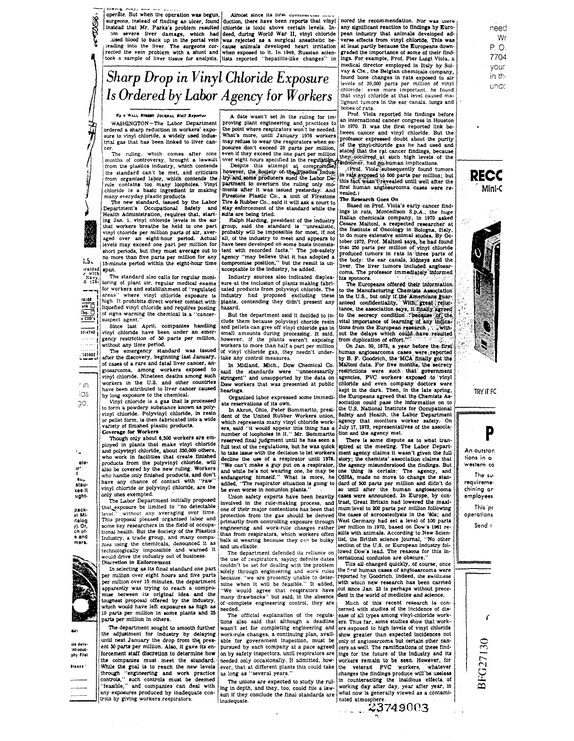
Creech says he sels, leading to degeneration
refid# RjXdZyan5d4Gxxb0yj8oY6aGE3 pages
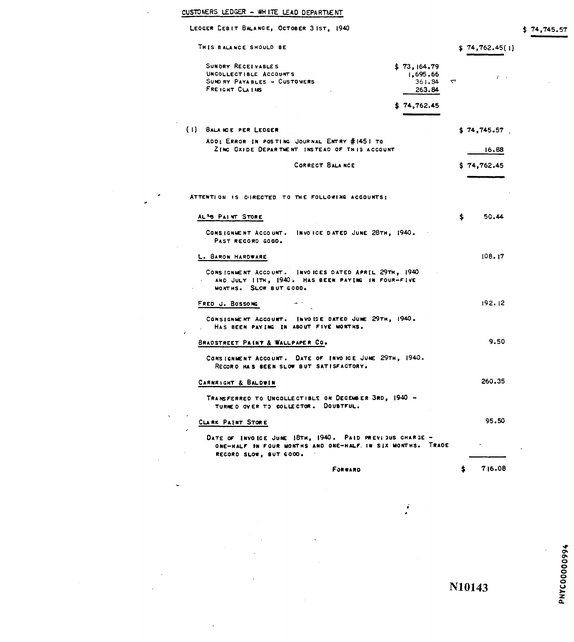
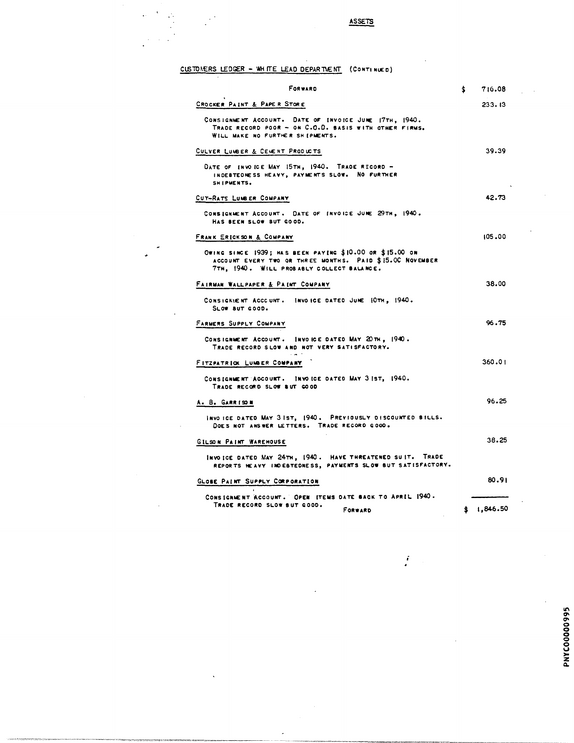
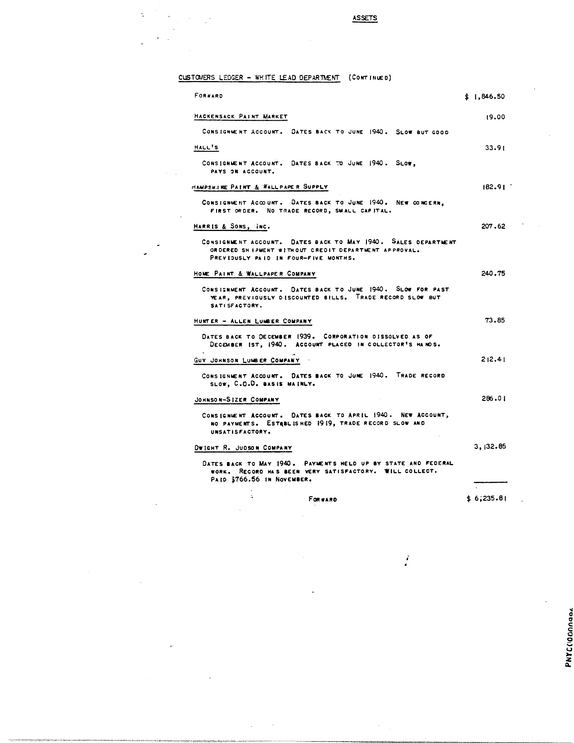
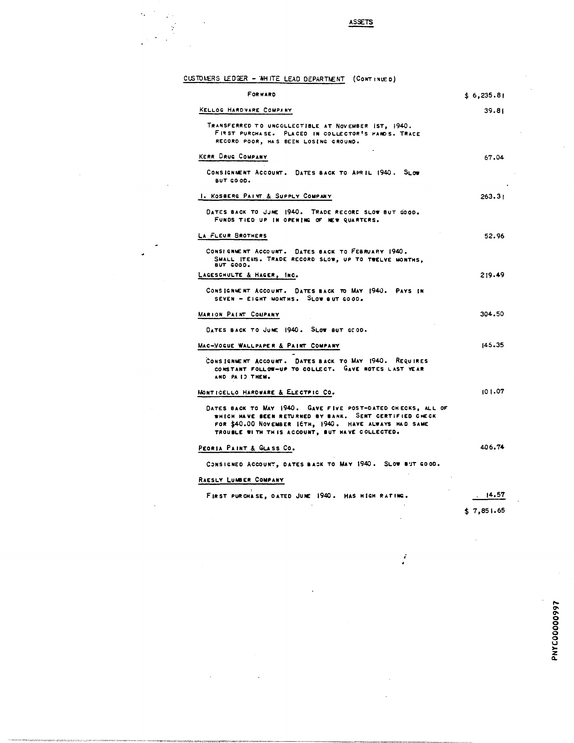
Fo r w ar d $ 7,851.65 48.76 50.97 |23. |6 500.88 25.00 171.50 110.15 39.39 77.00 % 8,998.46 PNYC00000998 CUSTOMERS LEDGER - 'WH 1TE LEAD DEPARTMENT (Co n t in u e d ) Fo r w a r d J.
refid# kmxE7Nq0mEYeX9ErmqNeajrR06 pages
(b) Toxic Reaction--(As poison ing by lead

refid# gbobnqO9L4EpyV6eq54wwYJV10 pages
Just as in dermatitis due to solvents, especially in older persons with dry skins, the degreasing action may lead to drying and Assuring of the skin.
refid# BRYk3kNvpNgBzzD277Oon0XJE18 pages
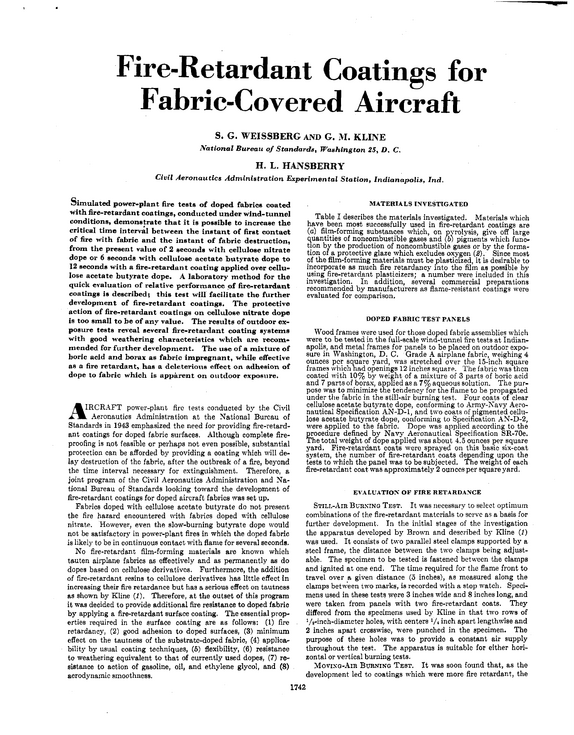
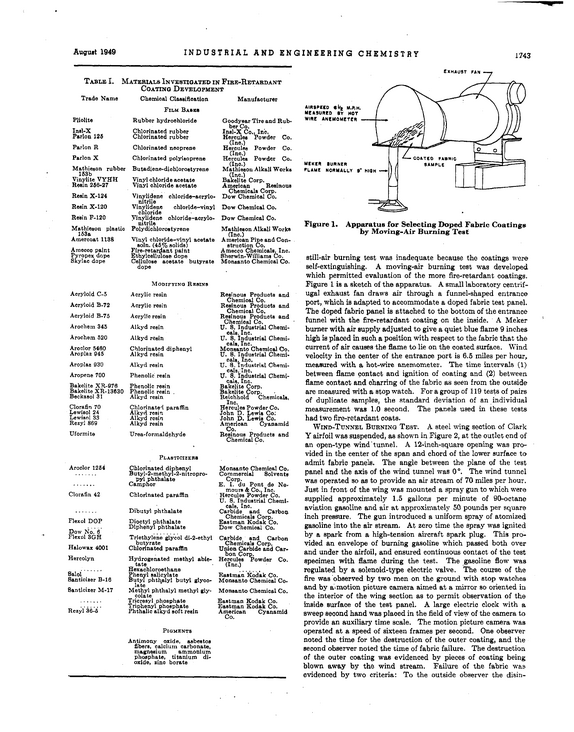
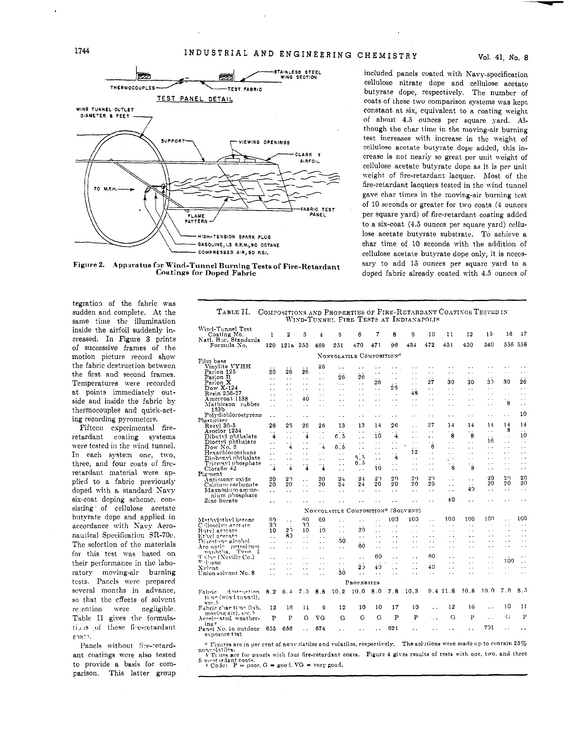
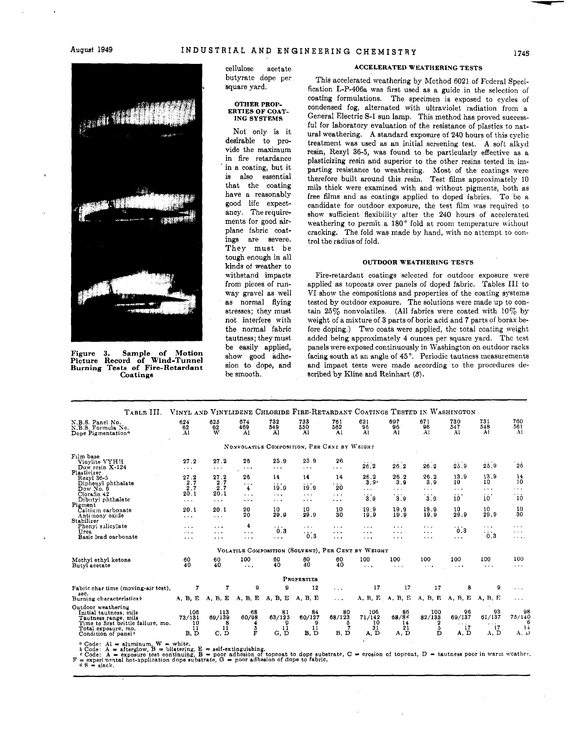
Fire-Retardant Coatings for Fabric-Covered Aircraft S.
refid# 4vYzL5QL7JXa7Y9wXEYrkrBYQ8 pages
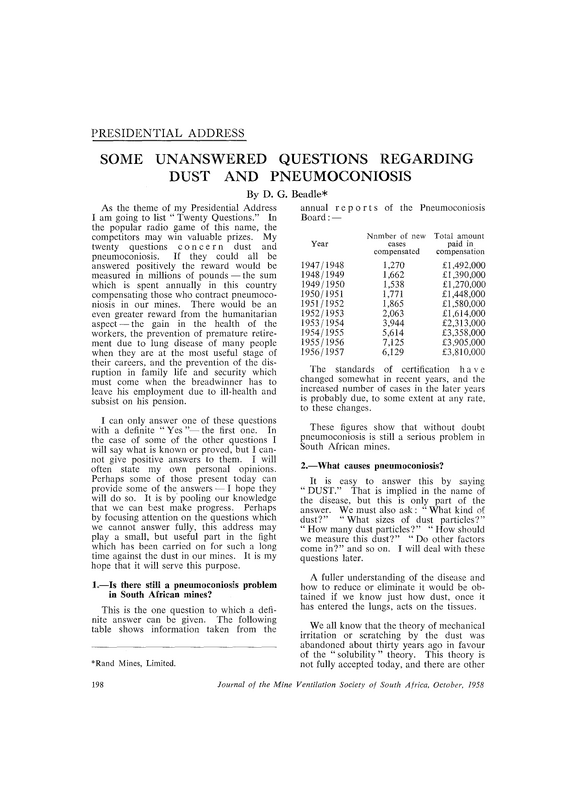
PRESIDENTIAL ADDRESS SOME UNANSWERED QUESTIONS REGARDING DUST AND PNEUMOCONIOSIS By D.
refid# dD2qnmb0b5YRQRoD06Jq1bay511 pages