Refine
Estimated Years 1930-1939Clear
8,921 results foundRefine Search
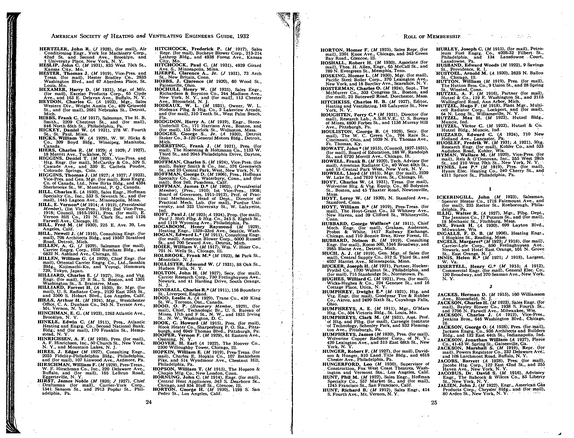
American Society of Heating and Ventilating Engineers Guide, 1932 HERTZLER, John R. (/ 1928), (for mall).
refid# np1npJErepmE971GZ5QDZOZZ81 page
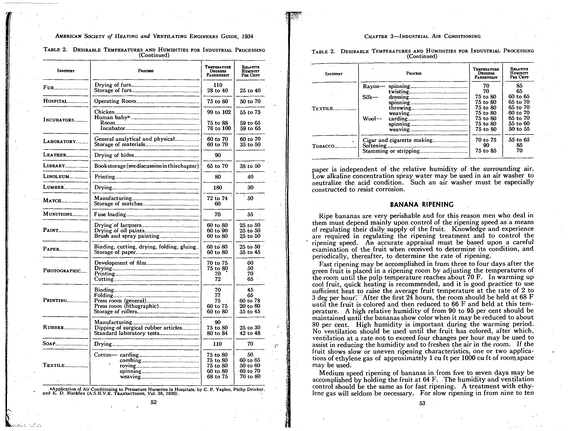
American Society of Heating and Ventilating Engineers Guide, 1934 Table 2.
refid# 3e17X6rR79q13J97EXKYOND161 page
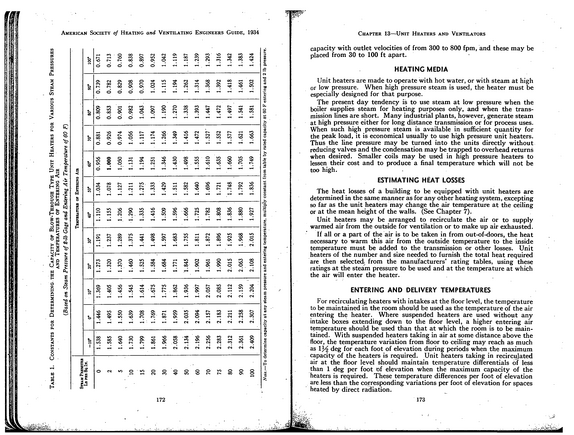
American Society of Heating and Ventilating Engineers Guide, 1934 Note.-- T o determ ine capacity a t any steam pressure and entering tem perature, m u ltip ly constant fro m table by rated capacity a t 00 F entering and 2 lb pressure.
refid# 6BZbDOBz6R99ve3v9EwRXMLYE1 page
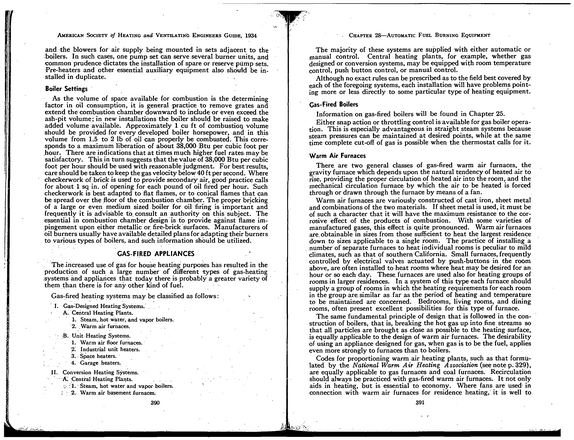
American Society of Heating and Ventilating Engineers Guide, 1934 and the blowers for air supply being mounted in sets adjacent to the boilers.
refid# Kd6mM7dkR4bgeZk5GKXdvnq61 page
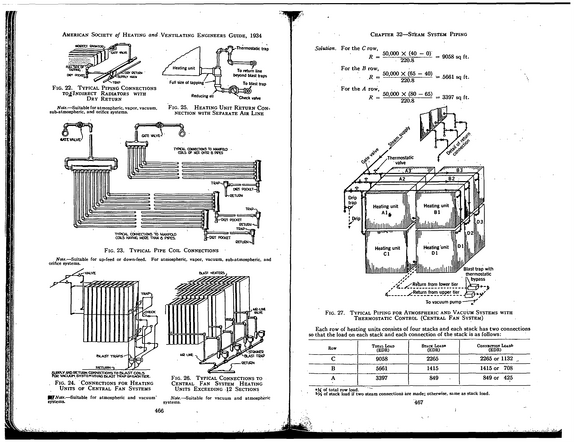
American Society of Heating and Ventilating Engineers Guide, 1934 aagECT QAOATQgj ^ Keens iOivc Thermostatic trap Fig. 22.
refid# peyQB5z1yYgb8vOQRwn2NE6K61 page
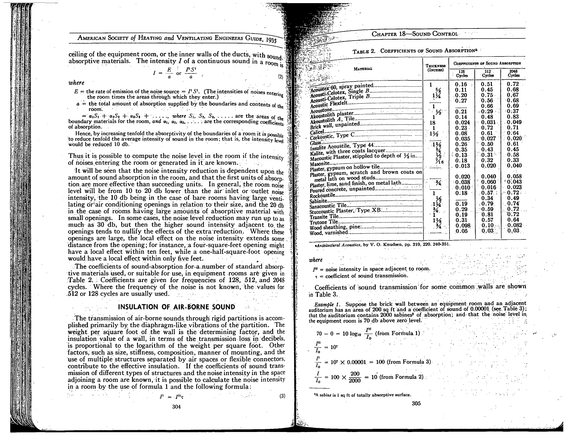
American Society of Heating and Ventilating Engineers Guide, 1935" ceiling of the equipment room, or the inner walls of the ducts, with sounn absorptive materials.
refid# rKr78b3ogoE7q6jkjoddxnLJ1 page
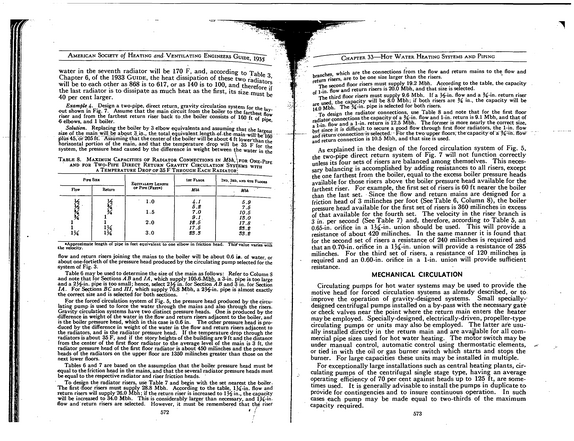
American Society of Heating and Ventilating Engineers GuiDtPig^ water in the seventh radiator will be 170 F, and, according to Tahl Chapter 6, of the 1933 Guide, the heat dissipation of these two radiar will be to each other as 868 is to 617, or as 140 is to 100, and therefo'f the last radiator is to dissipate as much heat as the first, its size m,,J,e." 40 per cent larger.
refid# Dj6Gk5xk0LrDRKno20Qjm9jN1 page
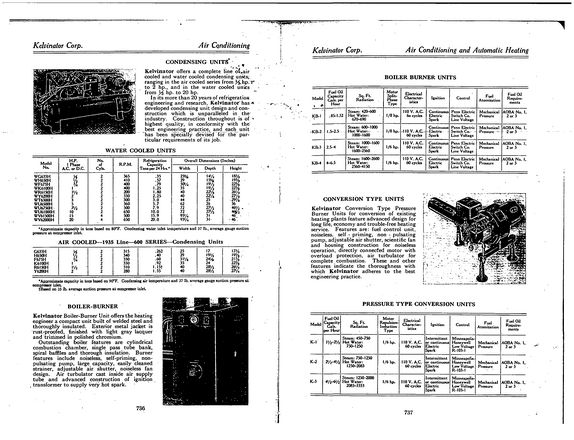
Keloinator Corp.
refid# 71x4Rm1Jppj3k3J52GQvjwq8e1 page
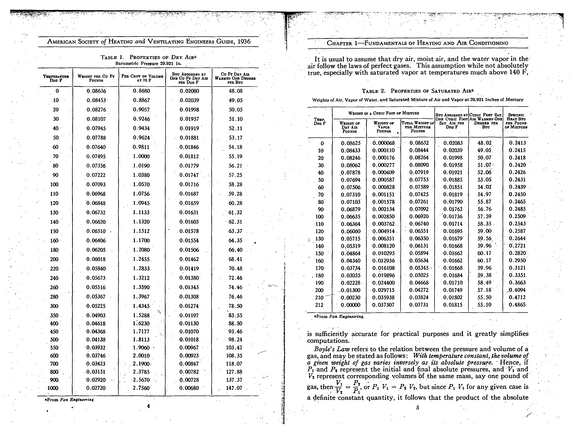
American Society of Heating and Ventilating Engineers Guide, 1936.
refid# 67rnkDB7QX0Oq29q5p3Ryw1E1 page
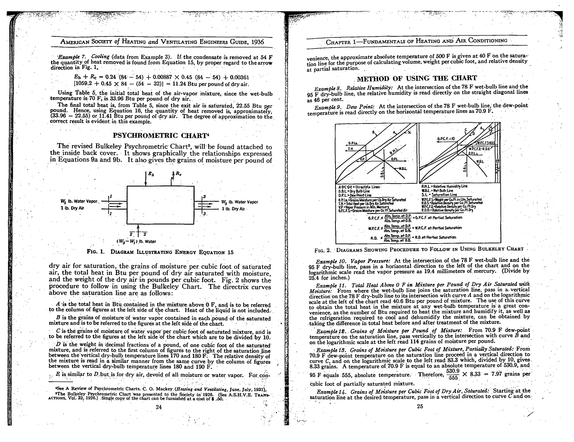
American Society of Heating and Ventilating Engineers Guide, 1936 'JSxample 7.
refid# ZnJxq5On5x16x4nQKnE9Bk1pL1 page
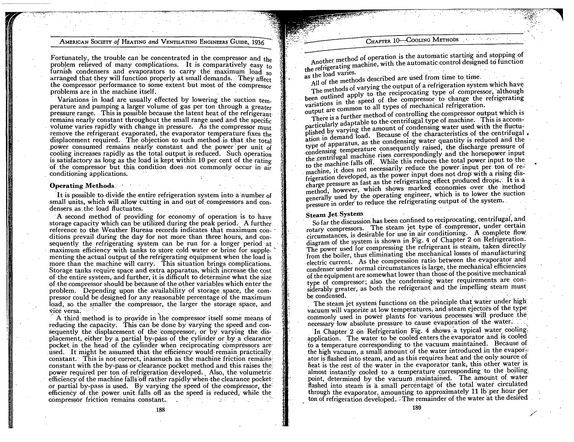
American Society of Heating and Ventilating Engineers Guide, 1936 Fortunately, the trouble can be concentrated in the compressor and the problem relieved of many complications.
refid# 7aN3dx1Ym3j9jLd8o0ON4MeV1 page
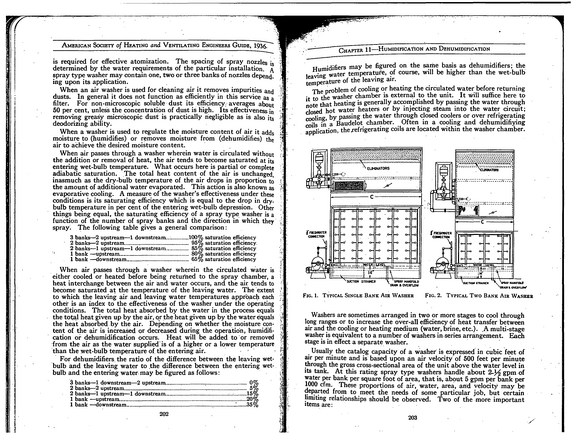
American Society of Heating and Ventilating Engineers Guide, 1936.
refid# 2RvdJNk0vqG7agpm5Xr7mekYg1 page
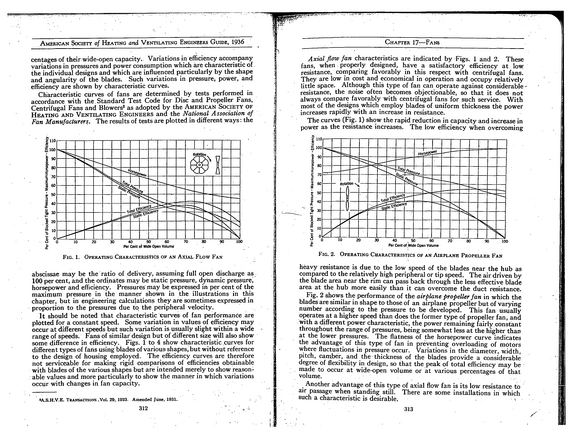
American Society of Heating and Ventilating Engineers Guide, 1936 centages of their wide-open capacity.- Variations in efficiency accompany variations in pressures and power consumption which are characteristic of the individual designs and which are influenced particularly by the shape and angularity of the blades.
refid# O3MGkeOX546GJdKgbXQJjN0Z11 page
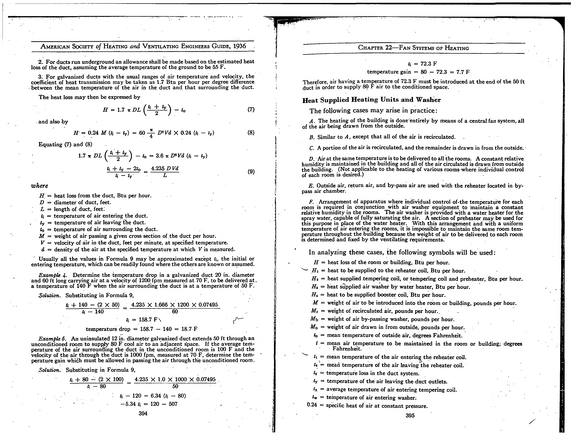
American Society of Heating and Ventilating Engineers Guide, 1936 2.
refid# bBxwMYvzeBg0q5nZG5XXXe3py1 page
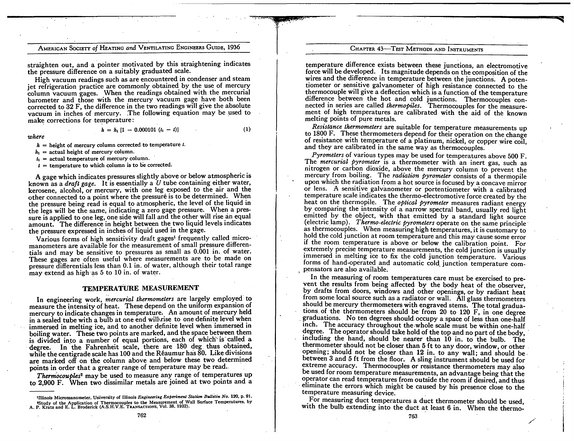
American Society of Heating and Ventilating Engineers Guide, 1936 straighten out, and a pointer motivated by this straightening indicates the pressure difference on a suitably graduated scale.
refid# QXaNaKMxeDdrqEkX0oGvLGgQ71 page