Refine
Estimated Years 1930-1939Clear
8,921 results foundRefine Search
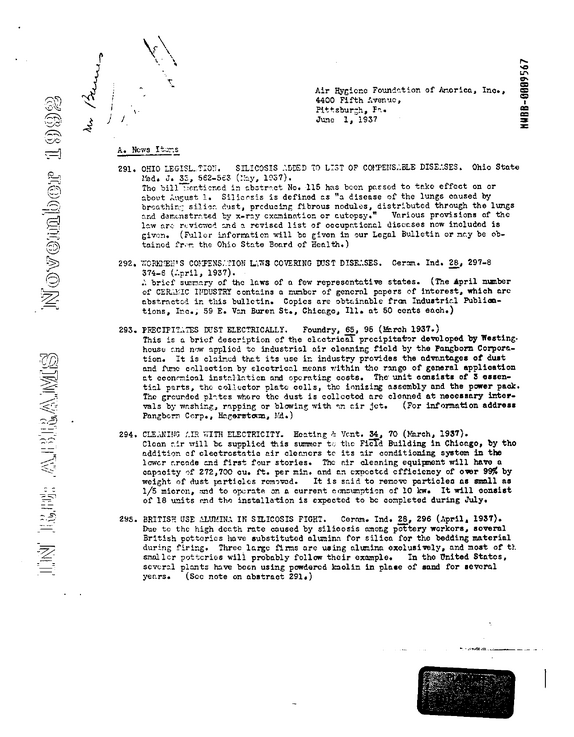
v=3 ---J /S\ Sgj c--u Air Hygiene Foundation of Amorica, Inc*, 4400 Fifth Avenue, Pittsburgh, Fa.
refid# KJz1baLLpdGxwD0prp220eO4N10 pages
1 MWBB-Q0O9793 Mr Hygiene Foundation of America, Inc. 4400 Fifth Avenue, Pittsburgh, Pa.
refid# Ra7wvGmMb7dgorOBa5b3Dnw3z20 pages
HUBS-00081 VoX.
refid# KzBgZ3pnma48m9LaGDK0x1YgN20 pages
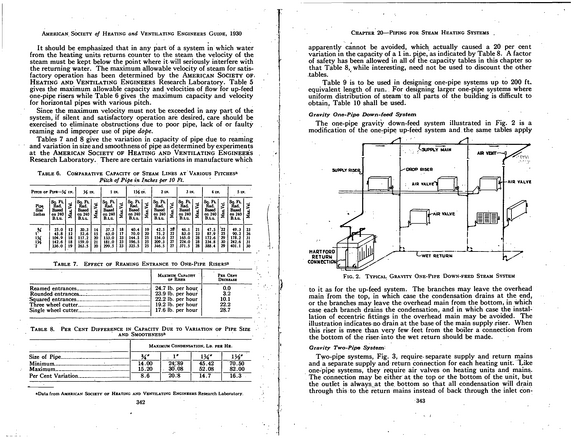
American Society of Heating and Ventilating Engineers Guide, 1930 It should be emphasized that in any part of a system in which water from the heating units returns counter to the steam the velocity of the steam must be kept below the point where it will seriously interfere with the returning water.
refid# wDz1VqqqxeNVbEEN4pnKQnaJd1 page
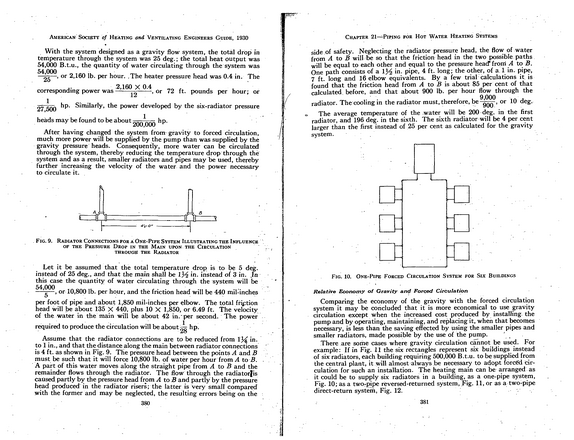
American Society of Heating and Ventilating Engineers Guide, 1930 With the system designed as a gravity flow system, the total drop in temperature through the system was 25 deg.; the total heat output was 54,000 B.t.u., the quantity of water circulating through the system was 54 000 ---, or 2,160 lb. per hour. .The heater pressure head was 0.4 in.
refid# 3JVGXozVObYRbb3b1KBxZeZex1 page
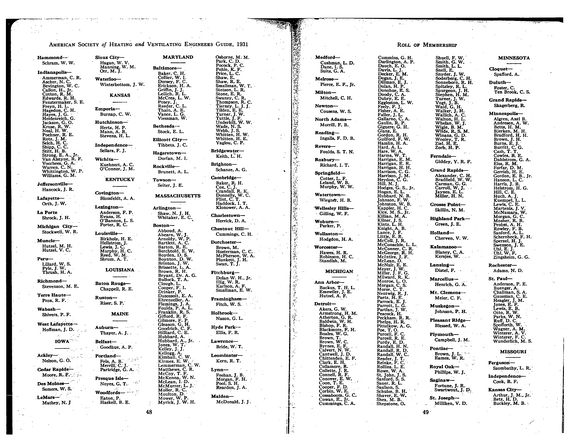
1931American Society of Heating and Ventilating Engineers Guide, Hammond-- Schram, W.
refid# 2LKJDV1BLEXKx4pm8yEvq1551 page
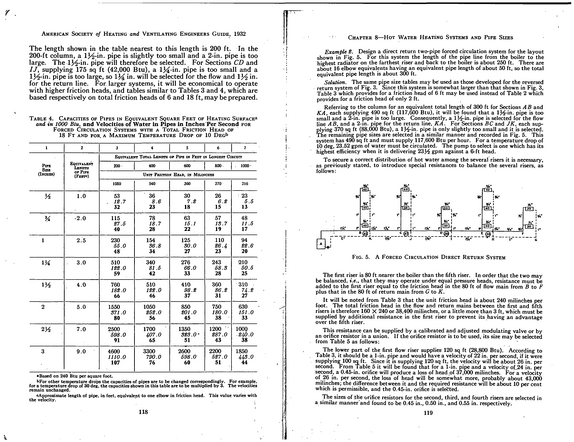
American Society of Heating and Ventilating Engineers Guide, 1932 The length shown in the table nearest to this length is 200 ft.
refid# 0Nmk5m1Edp9mKr1oOJaN85Zm1 page
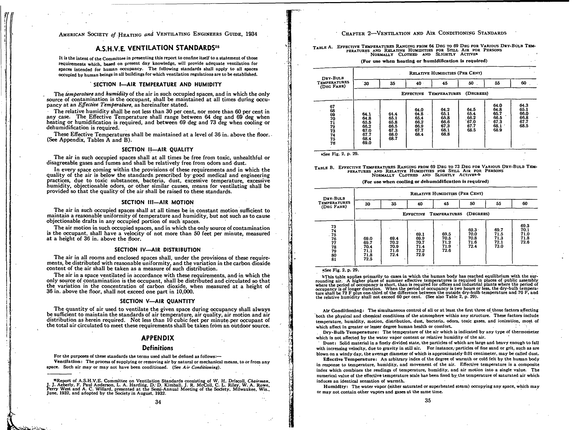
American Society of Heating and Ventilating Engineers Guide, 1934 A.S.H.V.E.
refid# 4JLdOKx4YDGO930kgL5xYxLnV1 page
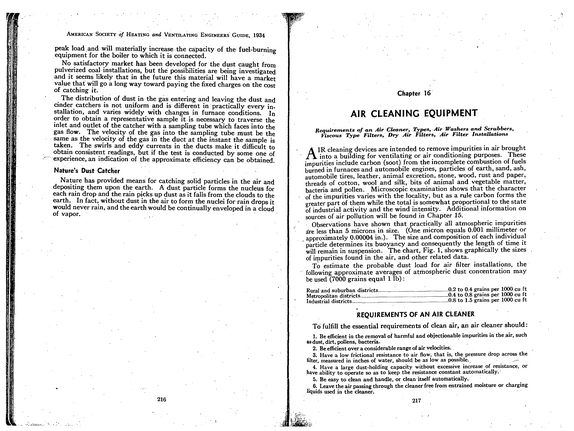
American Society of Heating and Ventilating Engineers Guide, 1934 peak load and will materially increase the capacity of the fuel-burning equipment for the boiler to which it is connected.
refid# 85pGOYGoRdzzkDnDJKx8xOKea1 page
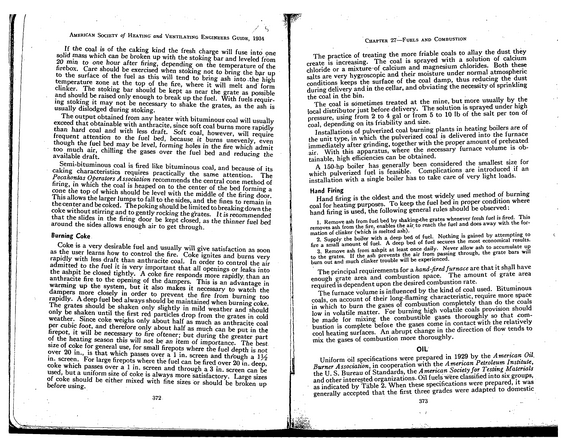
/s American Society of Heating' and Ventilating Engineers Guide, 1934 If the coal is of the caking kind the fresh charge will fuse into one solid mass which can be broken up with the stoking bar and leveled from 20 min to one hour after firing, depending on the temperature of the firebox.
refid# G5ZdKJoJa4K8vG0q0w7LGaZ7r1 page
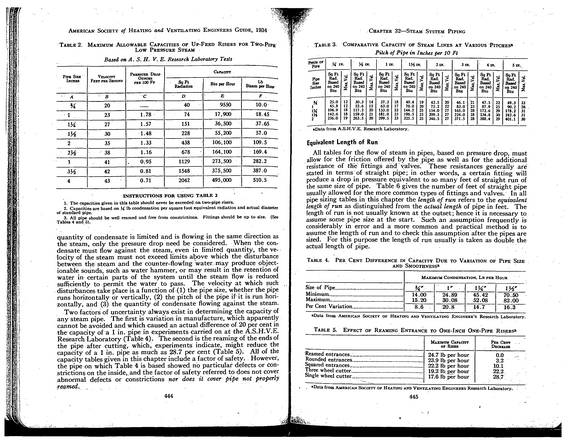
American Society of Heating and Ventilating Engineers Guide, 1934 Table 2.
refid# yrOEyGVYDKqarQ28GxVboYxYV1 page
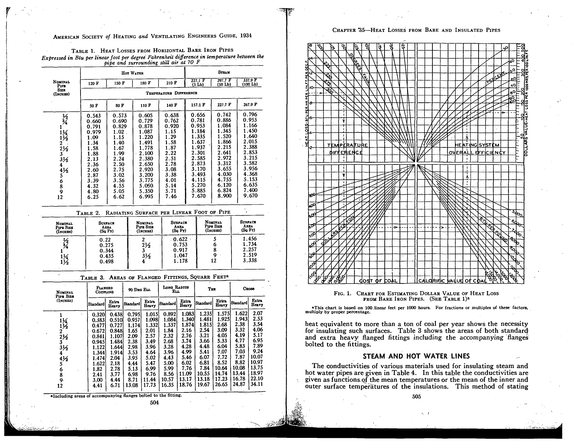
American Society of Heating and Ventilating Engineers Guide, 1934 Table 1.
refid# zzLaxJKO44GgOanwKmvZBkZY01 page
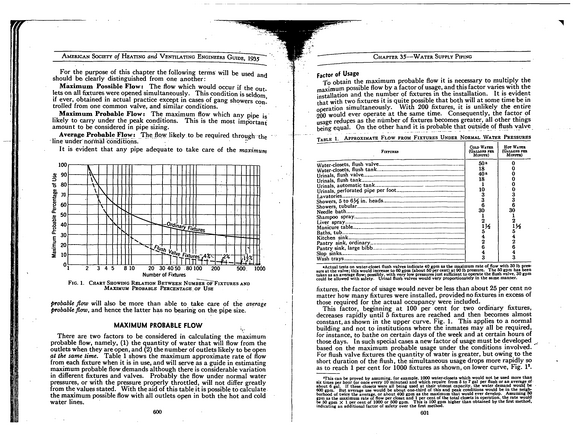
American Society of Heating and Ventilating Engineers Guide, 1935 For the purpose of this chapter the following terms will be used and should be clearly distinguished from one another: a Maximum Possible Flow: The flow which would occur if the out lets on all fixtures were opened simultaneously.
refid# KJO4E4bQN9B6pkMemnyYr16bN1 page
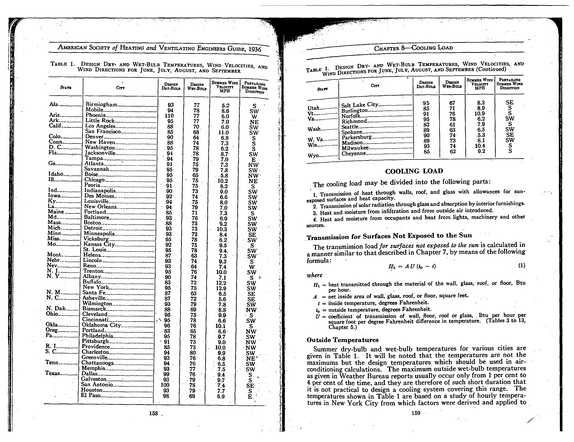
American Society of Heating and Ventilating Engineers Guide, 1936 Table 1.
refid# 22qEw7daZYbkBgQ8dereegba1 page
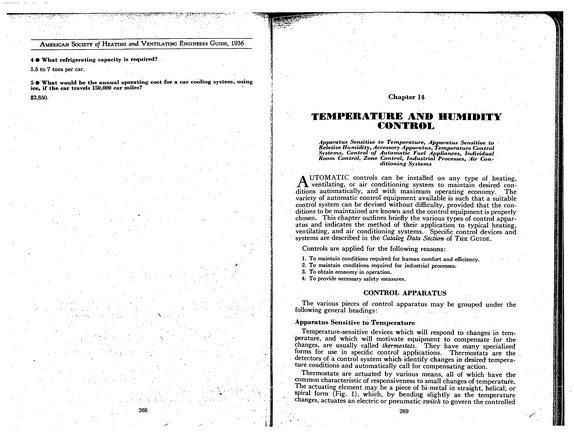
American Society of Heating and Ventilating Engineers Guide, 1936 4 What refrigerating capacity is required?
refid# zow0VbpBVeqoXOE89JZDLvZ7n1 page