Refine
Estimated Years 1930-1939Clear
8,921 results foundRefine Search
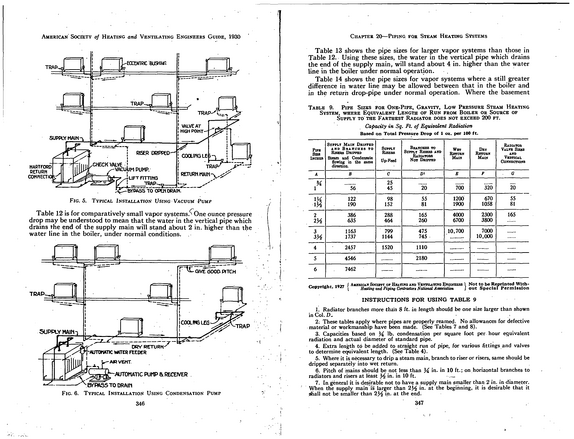
American' Society of Heating and Ventilating Engineers Guide, 1930 Table 12 is for comparatively small vapor systems.^ One ounce pressure drop may be understood to mean that the water in the vertical pipe which drains the end of the supply main will stand about 2 in. higher than the water line in the boiler, under normal conditions. 346 Chapter 20--Piping for Steam Heating Systems Table 13 shows the pipe sizes for larger vapor systems than those in Table 12.
refid# zZ1BDZ1j1n6YOKBqwbvNZB7g1 page
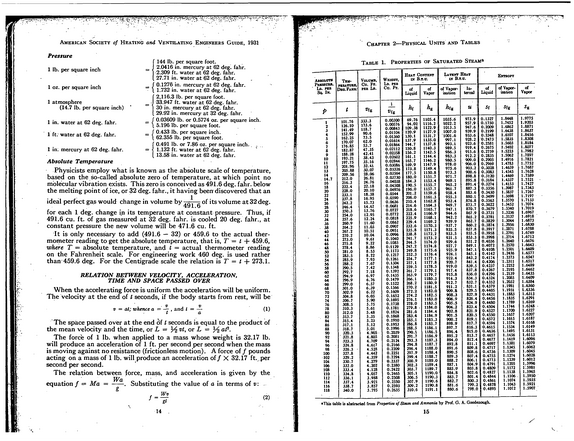
American Society of Heating and Ventilating Engineers Guide, 1931 Pressure 1 lb. per square inch 1 oz. per square inch 144 lb. per square foot. (2.0416 in. mercury at 62 deg. fahr. 2.309 ft. water at 62 deg. fahr. 27.71 in. water at 62 deg. fahr. 1 atmosphere (14.7 lb. per square inch) _ / 0.1276 in. mercury at 62 deg. fahr. \ 1.732 in. water at 62 deg. fahr. 2,116.3 lb. per square foot. 1 in. water at 62 deg. fahr. 1 ft: water at 62 deg. fahr. 133.947 ft. water at 62 deg. fahr. 30 in. mercury at 62 deg. fahr. 29.92 in. mercury at 32 deg. fahr
refid# zoZXXRradyOy5EKk7bQ87qDn31 page
American Society of Heating and Ventilating Engineers Guide, 1932 equipment in a thorough and authoritative manner has gained for The Guide worldwide recognition and acceptance as the standard reference work on heating and ventilating.
refid# v1mwJJDbZEN2L6bz1zKmz8qJw1 page
American Society o/.
refid# 8RQkLxJGNKbp9mkkRenrq58Jo1 page
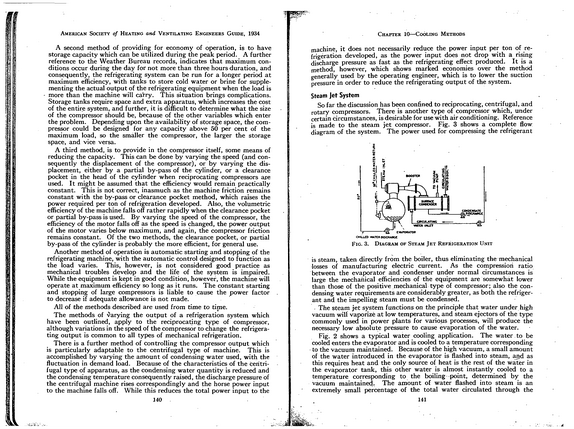
American Society of Heating and Ventilating Engineers Guide, 1934 A second method of providing for economy of operation, is to have storage capacity which can be utilized during the peak period.
refid# vVKyD53XBBk46Vj2y3ob4MVBw1 page
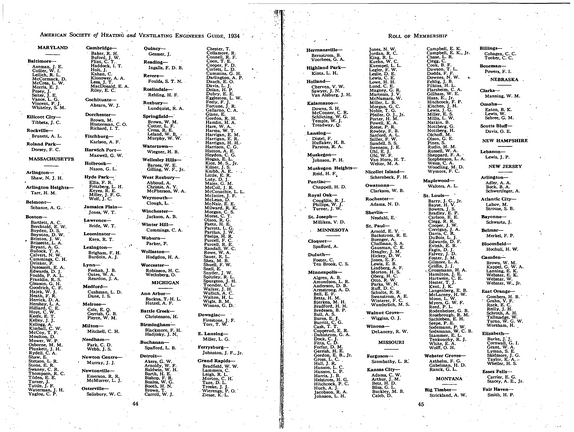
American Society of Heating and Ventilating Engineers Guide, 1934 ' MARYLAND Baltimore-- Axeman, J.
refid# rpjX50n5ggy2p1Lz6BM6MZGDq1 page
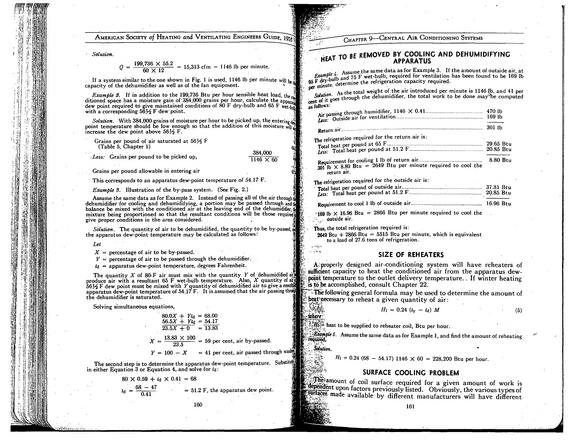
American Society of Heating and Ventilating Engineers Guide, 1935 Chapter 9--Central Air Conditioning Systems Solution. 199,736 X 55.2 ieolo , 60 X 12 ~ 15-313cfra 1146 lb per minute.
refid# YjjZgerNkG6qr79mBR846K7B81 page
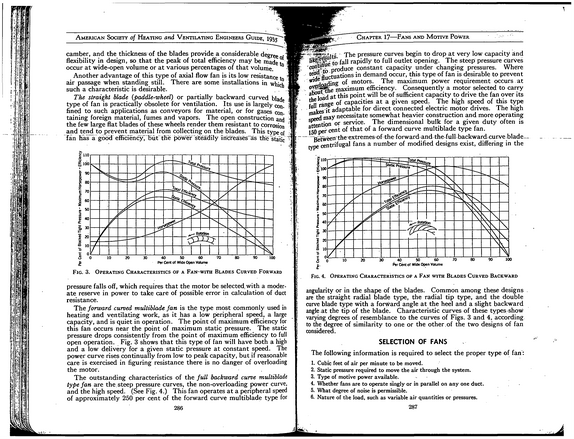
American Society of Heating and Ventilating Engineers Guide, 1935 camber, and the thickness of the blades provide a considerable degree f flexibility in design, so that the peak of total efficiency may be made t occur at wide-open volume or at various percentages of that volume. 10 Another advantage of this type of axial flow fan is its low resistance t air passage when standing still.
refid# XzdaEwjjOwE5e7aY90LjB1EmB1 page
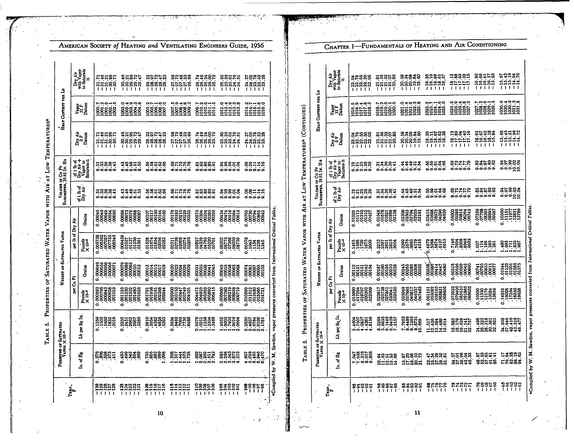
American Society of Heating and Ventilating Engineers Guide, 1936 ace :S MHHMH Mill 77777 10 'T a b le 5.
refid# Em2g6n1DgG8jDnrv6Rpy9k1mV1 page
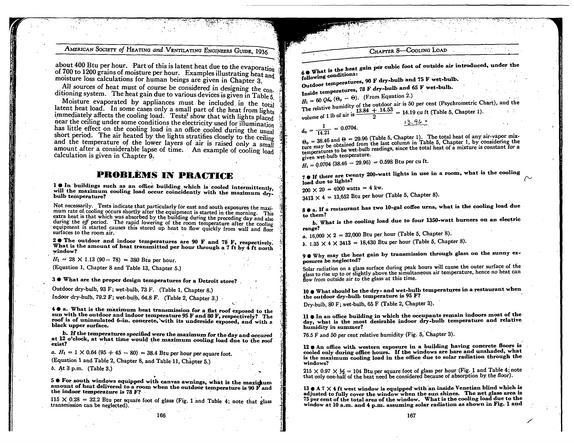
T hew American Society of Heating and Ventilating Engineers Guide, 1935 Chapter 8--Cooling Load about 400 Btu per hour.
refid# 9LeKaYjbD9wXajbz5zYrQ25951 page
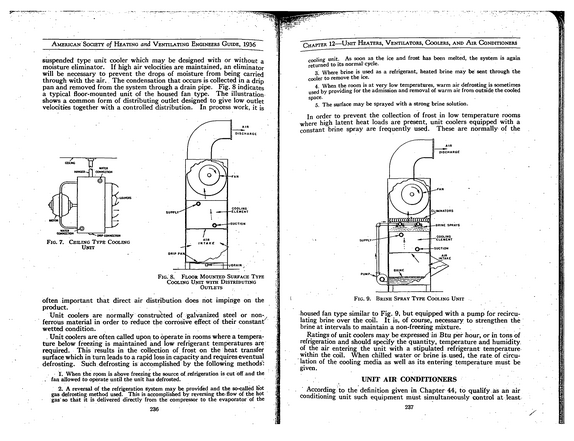
American Society of Heating and Ventilating Engineers Guide, 1936 suspended type unit cooler which may be designed with or without a moisture eliminator.
refid# KZeM57xoaJL9LVb0vL8or9pX1 page
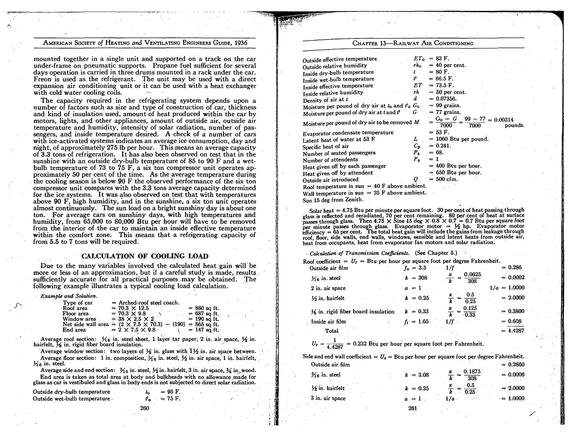
American Society of Heating and Ventilating Engineers Guide, 1936 mounted together in a single unit and supported on a track on the car under-frame on pneumatic supports.
refid# emLNVpQNokVggGVQGv5VQKdv41 page
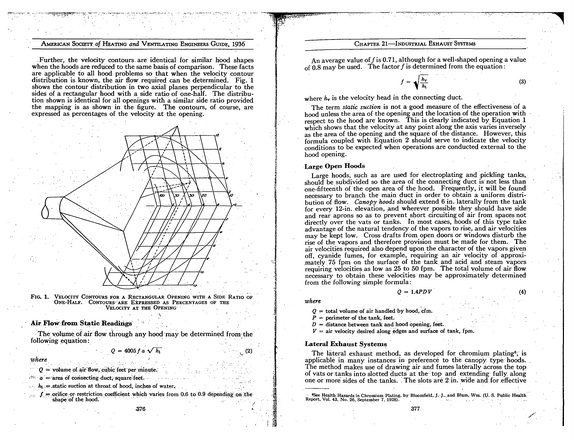
American Society of Heating and Ventilating Engineers Guide, 1936 Further, the velocity contours, are identical for similar hood shapes when the hoods are reduced to the same basis of comparison.
refid# OqbzgJ1eqqwnBgEYEN7bQLMj1 page
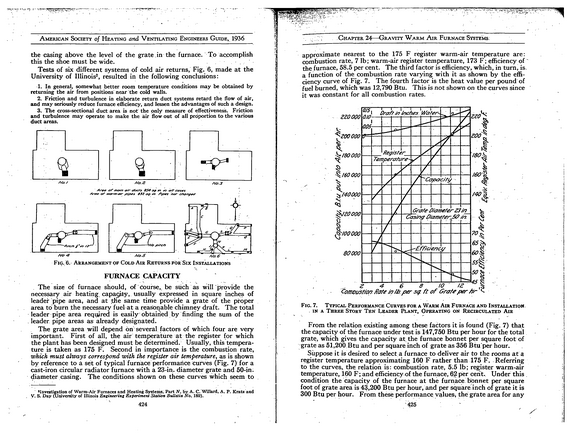
American Society of Heating and Ventilating Engineers Guide, 1936 the casing above the level of the grate, in the furnace.
refid# NNErYjMGmq7ER8nby0rnnEp0w1 page
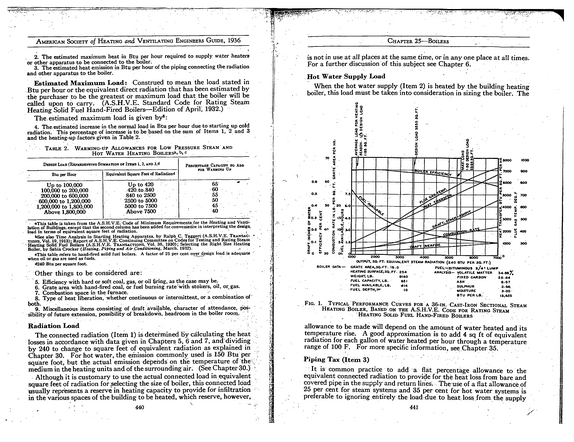
American Society of Heating and Ventilating Engineers Guide, 1936 2.
refid# qmdNaMbDVEqvy6VygGaKK1ewM1 page