Refine
Estimated Years 1920-1929Clear
2,678 results foundRefine Search
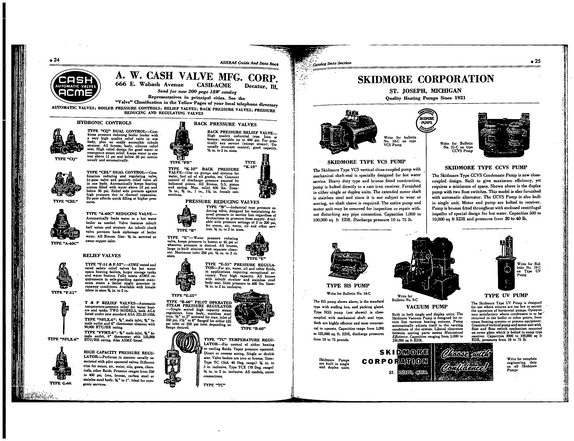
24 ASHRAE Guide And Data Book A.
refid# 2NNVdejwEBdB06dBo71oMGY4r1 page
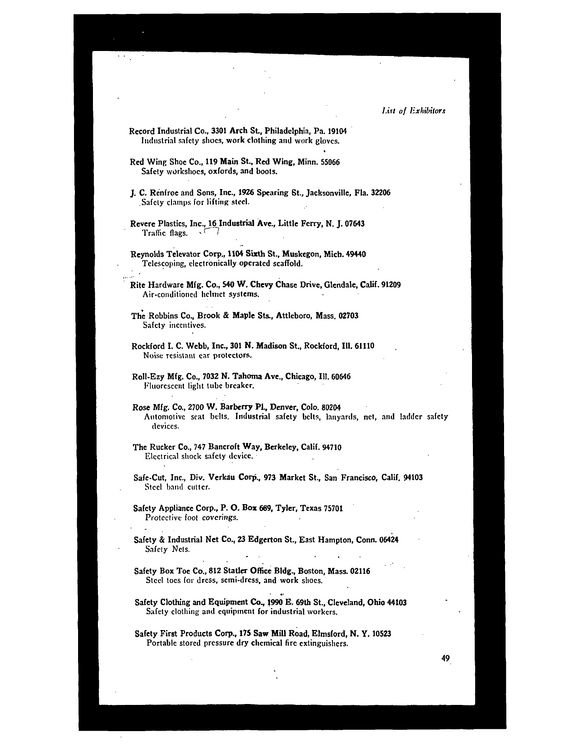
List of Exhibitors Record Industrial Co., 3301 Arch St, Philadelphia, Pa. 19104 Industrial safety shoes, work clothing and work gloves.
refid# KG8QwErz7kjkKaym25EQKdvo1 page
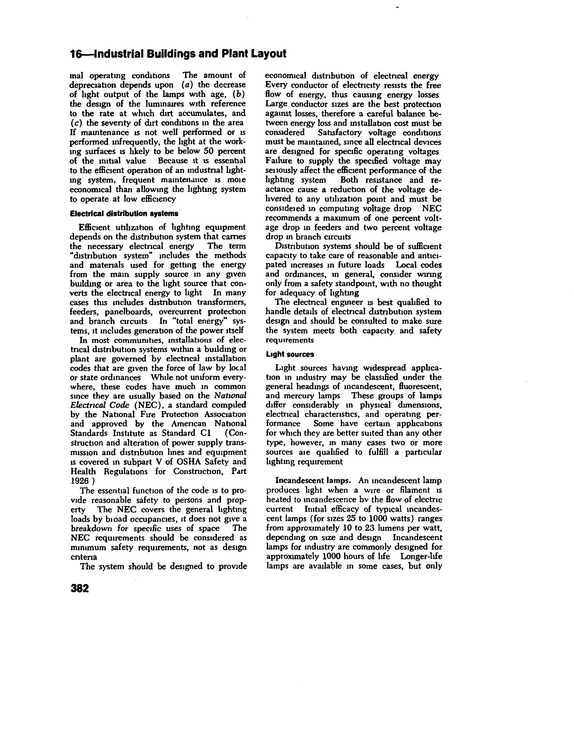
16--Industrial Buildings and Plant Layout mal operating conditions The amount of depreciation depends upon (a) the decrease of light output of the lamps with age, (b) the design of the luminaires with reference to the rate at which dirt accumulates, and (c) the seventy of dirt conditions in the area If maintenance is not well performed or is performed infrequently, the light at the work ing surfaces is likely to be below 50 percent of the initial value Because it is essential to the efficient operation of an industnal light ing system, frequent maintenance is moie economical than allowing the lighting system to operate at low efficiency Electrical distribution systems Efficient utilization of lighting equipment depends on the distribution system that carries the necessary electrical energy The term "distribution system" includes the methods and matenals used for getting the energy from the main supply source in any given building or area to the light source that con verts the electrical energy to light In many cases this includes distribution transformers, feeders, panelboards, overcurrent protection and branch circuits In "total energy" sys tems, it includes generation of the power itself In most communities, installations of elec trical distribution systems within a building or plant are governed by electrical installation codes that are given the force of law by local or state ordinances While not uniform every where, these codes have much m common since they are usually based on the 'National Electrical Code (NEC), a standard compiled by the National Fire Protection Association and approved by the American National Standards Institute as Standard Cl (Con struction and alteration of power supply trans mission and distribution lines and equipment is covered in subpart V of OSHA Safety and Health Regulations for Construction, Part 1926 ) The essential function of the code is to pro vide reasonable safety to persons and prop erty The NEC covers the general lighting loads by bioad occupancies, it does not give a breakdown for specific uses of space The NEC requirements should be considered as minimum safety requirements, not as design cntena The system should be designed to provide economical distribution of electrical energy Every conductor of electricity resists the free flow of energy, thus causing energy losses Large conductor sizes are the best protection against losses, therefore a careful balance be tween energy loss and installation cost must be considered Satisfactory voltage conditions must be maintained, since all electrical devices are designed for specific operating voltages Failure to supply the specified voltage may senously affect the efficient performance of the lighting system Both resistance and re actance cause a reduction of the voltage de livered to any utilization point and must be consideied m computing voltage drop NEC recommends a maximum of one percent volt age drop in feeders and two percent voltage drop in branch circuits Distribution systems should be of sufficient capacity to take care of reasonable and antici pated increases in future loads Local codes and ordinances, m general, consider wiring only from a safety standpoint, with no thought for adequacy of lighting The electrical engineer is best qualified to handle details of electrical distribution system design and should be consulted to make sure the system meets both capacity and safety requirements Light sources Light sources having widespread applica tion in industry may be classified under the general headmgs of incandescent, fluorescent, and mercury lamps These groups of lamps differ considerably in physical dimensions, electrical characteristics, and operating per formance Some have certain applications for which they are better suited than any other type, however, in many cases two or more sources aie qualified to fulfill a particular lighting requirement Incandescent lamps.
refid# 65OzQ3pz235z5aJZ6EG6n5KX11 page
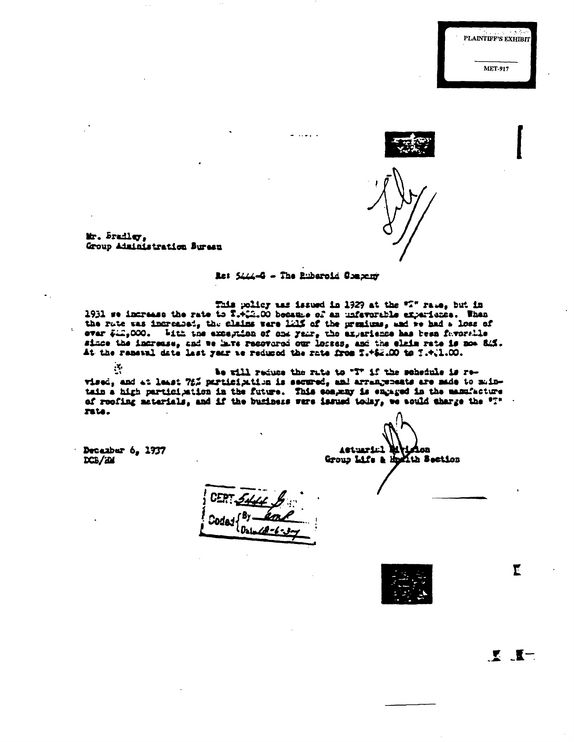
PLAINTIFF'S EXHIBITI MET-917 ttr.
refid# BvRD0B3LYBbx7qn6oojbKeGpE1 page
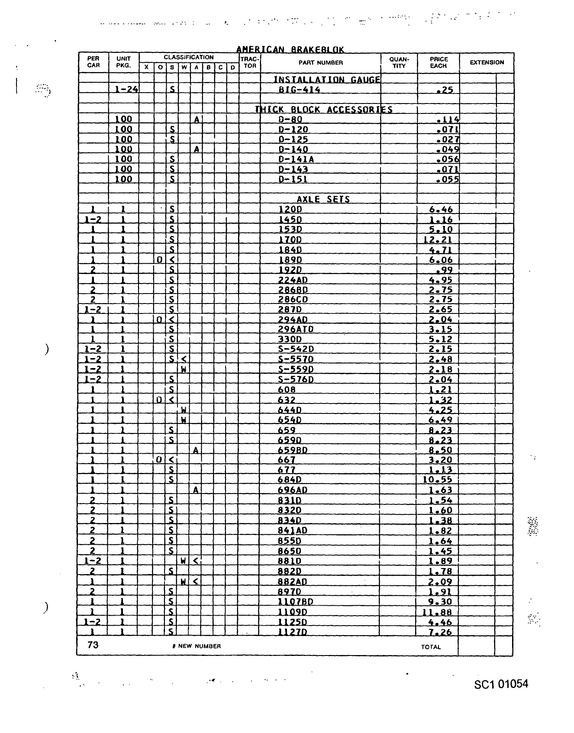
AMERICAN BRAKEBLQK PER CAR UNIT PKG.
refid# LgOGr36OJGgDdXrZVVZO6733X1 page
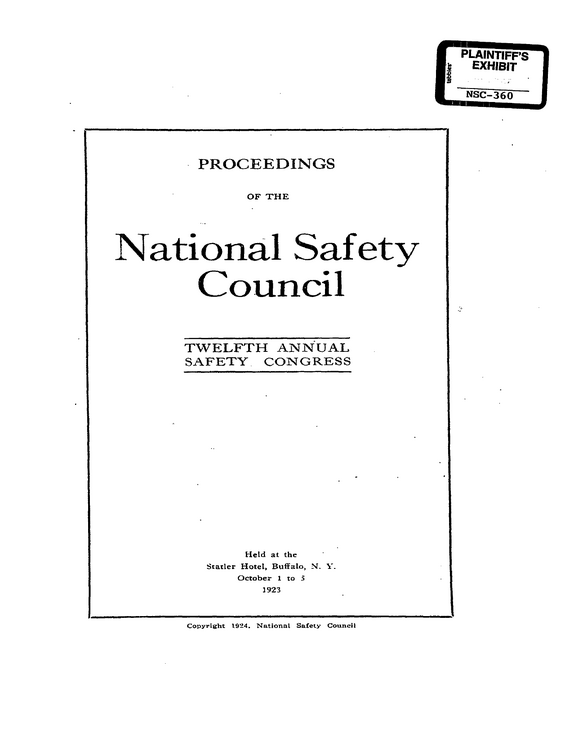
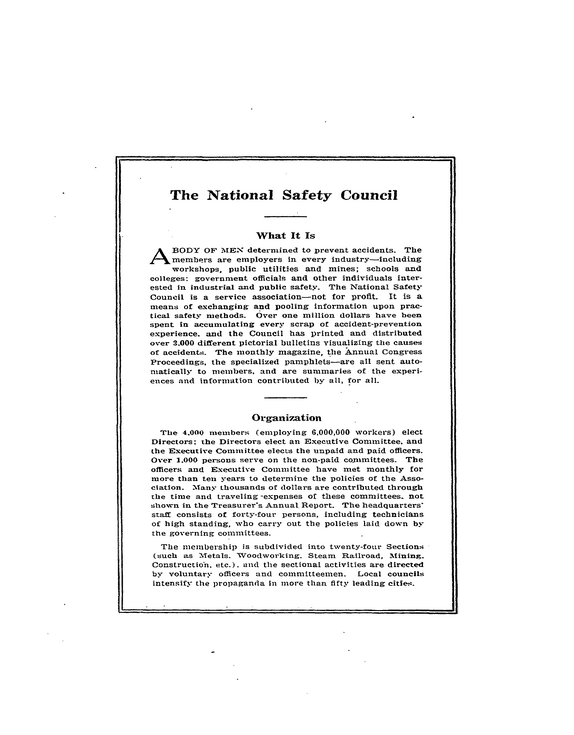
PROCEEDINGS OF THE National Safety Council TWELFTH ANNUAL SAFETY CONGRESS Held at the ' Statler Hotel, Buffalo, N.
refid# g2RO9vqwrzJg67ZZM8jXL6zYQ1,134 pages
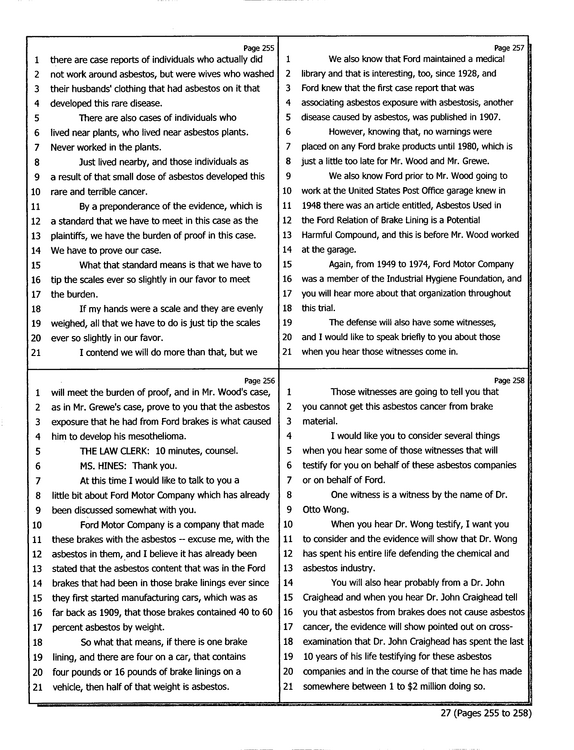
Page 255 1 there are rase reports of individuals who actually did 1 Page 257 We also know that Ford maintained a medical 2 not work around asbestos, but were wives who washed 2 library and that is interesting, too, since 1928, and 3 their husbands' clothing that had asbestos on it that 3 Ford knew that the first case report that was 4 developed this rare disease. 4 associating asbestos exposure with asbestosis, another 5 There are also rases of individuals who 5 disease caused by asbestos, was published in 1907. 6 lived near plants, who lived near asbestos plants. 6 However, knowing that, no warnings were 7 Never worked in the plants. 7 placed on any Ford brake products until 1980, which is 8 Just lived nearby, and those individuals as 8 just a little too late for Mr.
refid# NeVG8oYeDqpJMQ573YmVnZkeE1 page
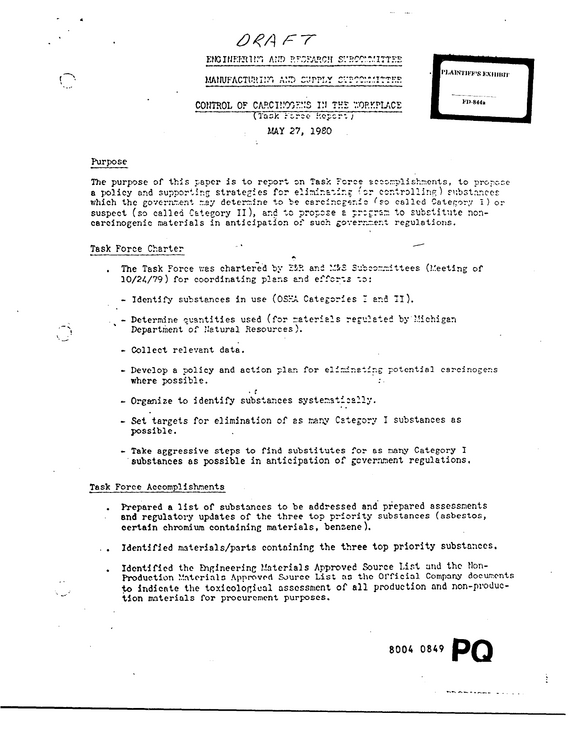
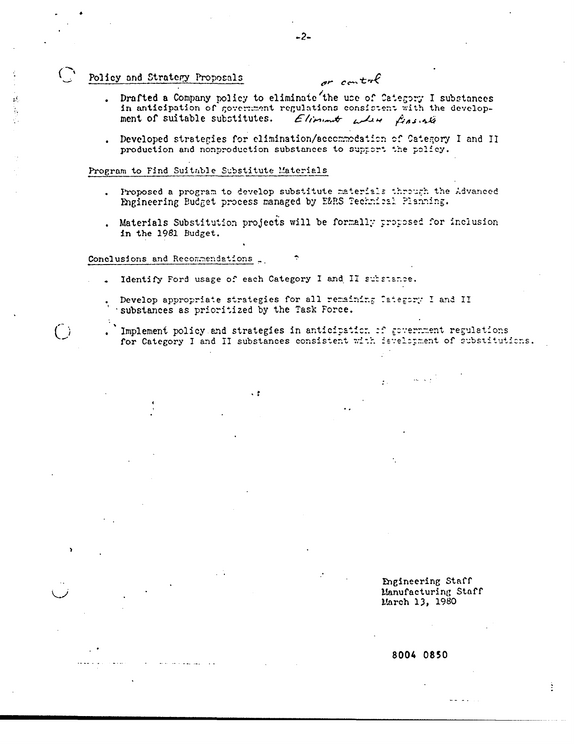
f ' EMGiNErjnrr. a::d rf.cfarcr si-rccimittfe MAiRJFACTimirr, a:.d cjpply svrccM.'
refid# 3N4M3EVKgLQN8a8MbbVLDpBKO11 pages
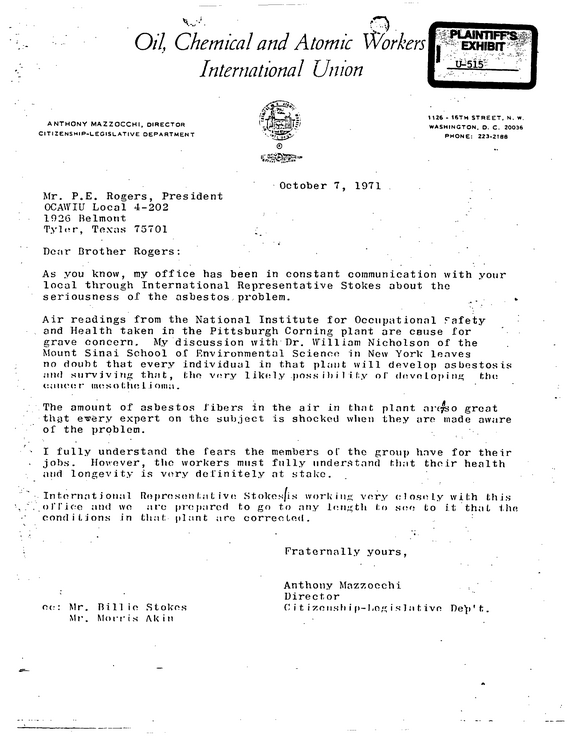
V.-- _ n Chemical and Atomic Workers International Union ANTHONY MAZZOCCHI, DIRECTOR CITIZENSHIP-LEGISLATIVE DEPARTMENT . lyi'ar; 1126* 16TH STREET.
refid# KGnzx1boox6YN645mzEd8VrNQ2 pages
; -1- - v .v^v/y- * v!
refid# 2q81N0qvY4nG31QR6qGZokqYL1 page
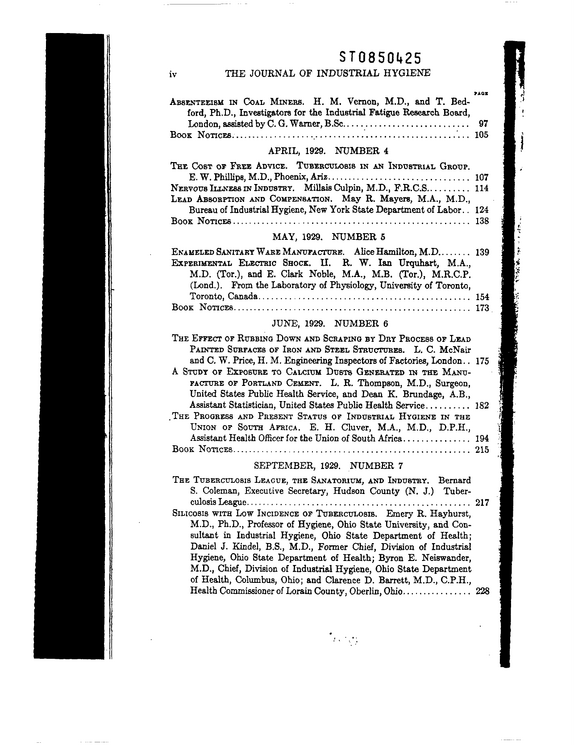
ST0850U22 THE JOURNAL OF INDUSTRIAL HYGIENE EDITORS DAVID L.
refid# 6bw1QRN7QR797xyQBMO7BqG610 pages
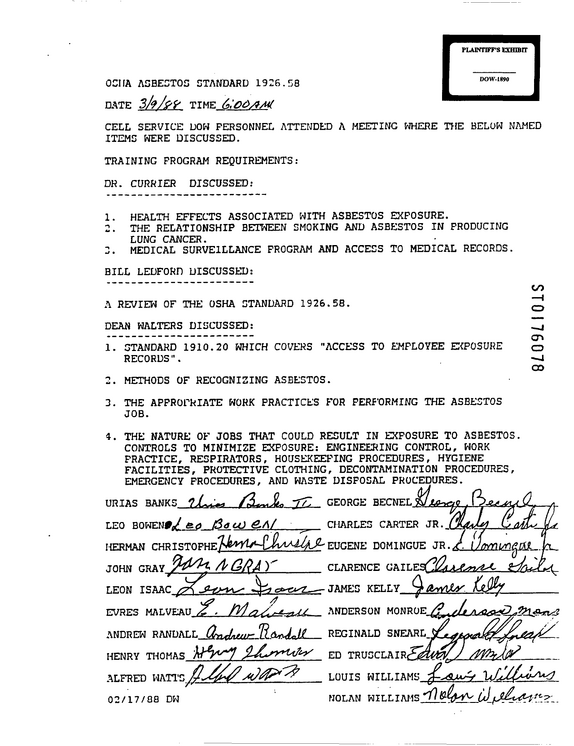
OCIFA ASBESTOS STANDARD 1926.58 DATE 3U/&9 TIME &O&AM CELL SERVICE DOW PERSONNEL ATTENDED A MEETING WHERE THE BELOW NAMED ITEMS WERE DISCUSSED.
refid# 06RYg13oJD845DnQG39rQZ8zx5 pages
Am.
refid# jy7NknVexROzybvKYx83nq63y1 page
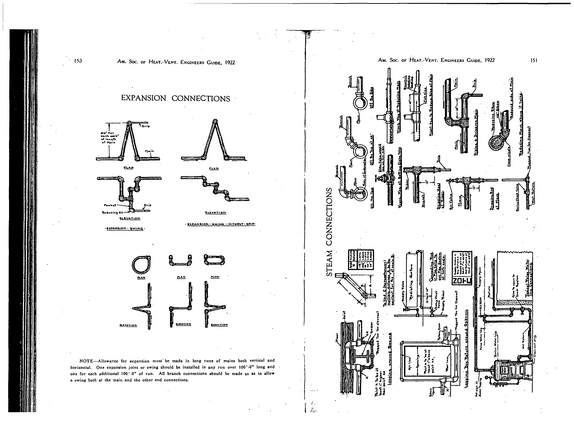
150 1922Am.
refid# rBZY6Kynq5nnD4D708N2waO1G1 page
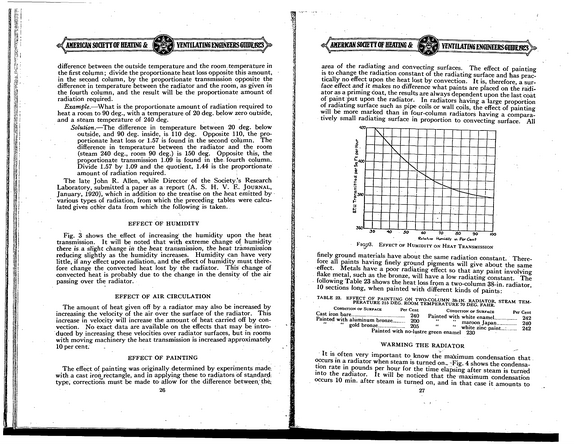
; AMERICAN SOCIETYOE HEAMG & VENTILATING ENGINEERS GMHE192L difference between the outside temperature and the room.temperature in the first column; divide the proportionate heat loss opposite this amount, in the second column, by the proportionate transmission opposite the difference in temperature between the radiator and the room, as given in the fourth column, and the result will be the proportionate amount of radiation required.
refid# mbqG083gZvMVO88z28LMqzYZ1 page