Refine
Estimated Years 1910-1919Clear
845 results foundRefine Search
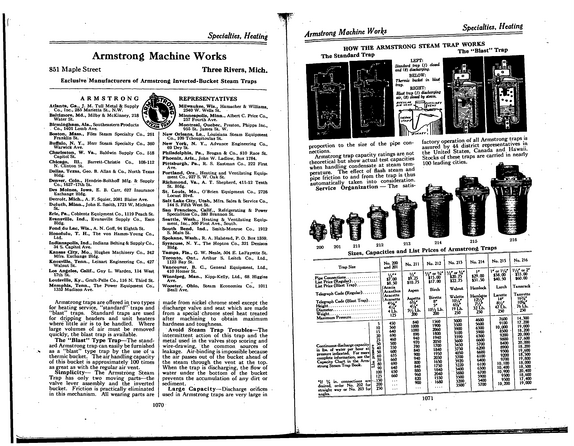
Stocks of these traps are carried in nearly 100 leading cities. 211 212 213 214 215 Sizes, tenacities and List Prices of ArmsgongTrap^ Continuousdischarge capacity v in lbs. of water per hour at *3 pressure indicated.
refid# kZpK2yR5vrXBkKXy6woYLOQV1 page
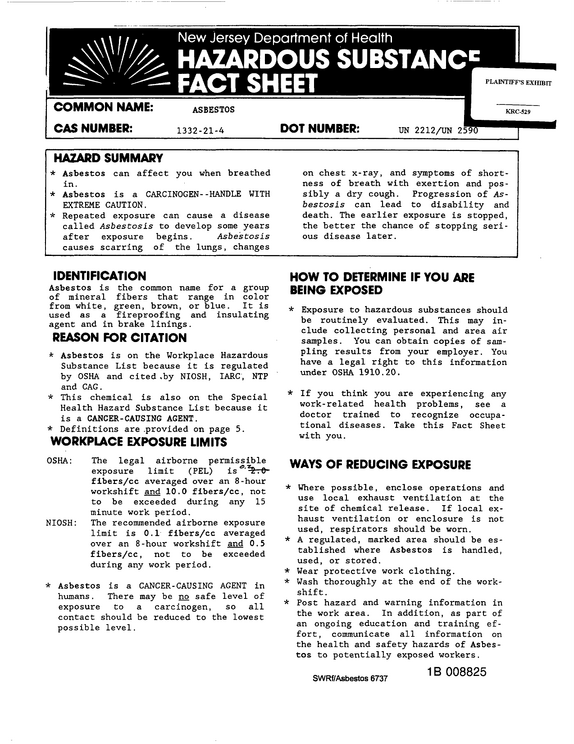
Progression of As bestosis can lead to disability and death.
refid# kDnZm9gRMkD2JNL3q0JNaVErB3 pages
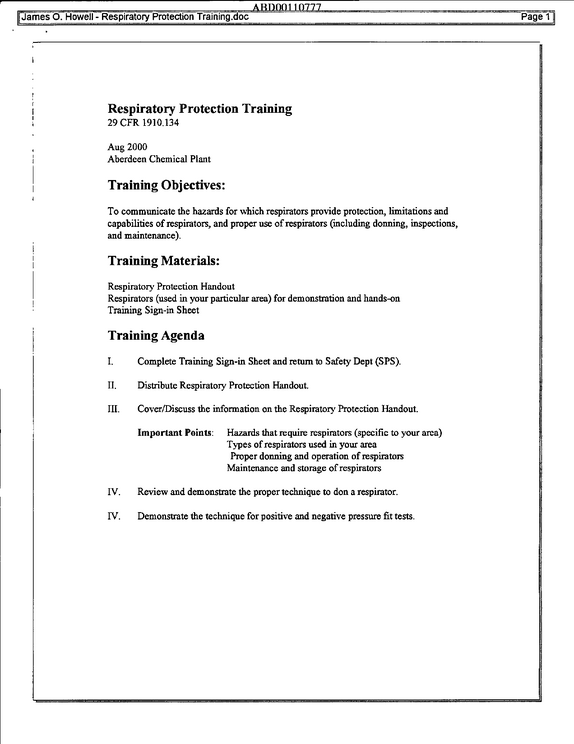
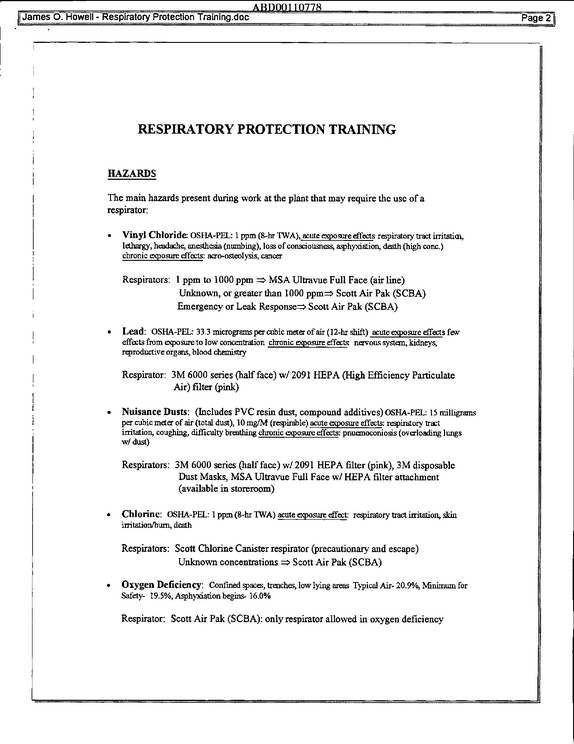
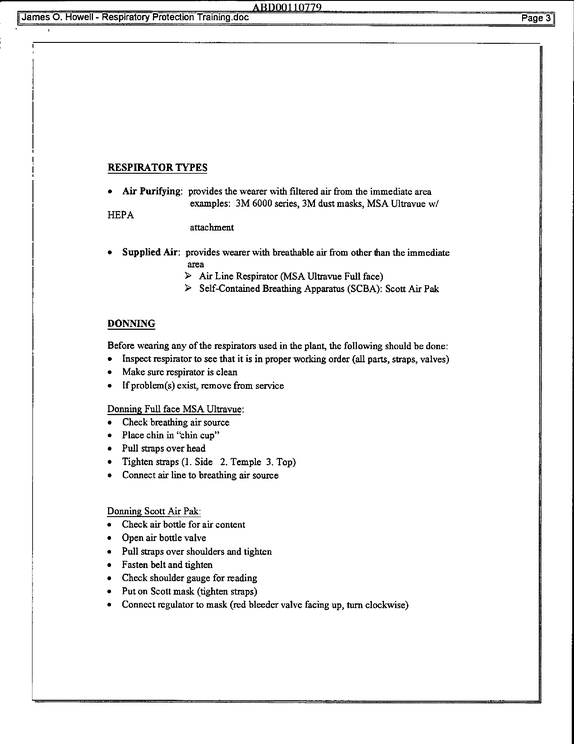
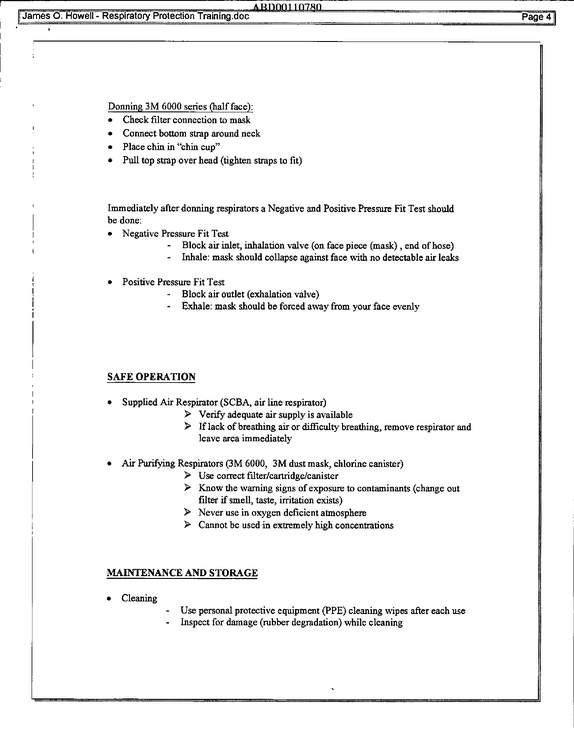
Howell - Respiratory Protection Trammg.doc ~Page2l RESPIRATORY PROTECTION TRAINING HAZARDS The main hazards present during work at the plant that may require the use of a respirator: Vinyl Chloride: OSHA-PEL: 1 ppm (8-hr TWA), acute exposure effects respiratory tract irritatiai, lethargy, headache, anesthesia (numbing), loss of consciousness, asphyxiation, death (high cone.) chronic exposure effects: acro-osteolysis, cancer Respirators: 1 ppm to 1000 ppm => MSA Ultravue Full Face (air line) Unknown, or greater than 1000 ppm=> Scott Air Pak (SCBA) Emergency or Leak Responses Scott Air Pak (SCBA) Lead: OSHA-PEL: 33.3 micrograms per cubic meter of air (12-hr shift) acute exposure effects few effects from exposure to low concentration chronic exposure effects nervous system, kidneys, reproductive organs, blood chemistry Respirator: 3M 6000 series (half face) w/ 2091 HEPA (High Efficiency Particulate Air) filter (pink) Nuisance Dusts: (Includes PVC resin dust, compound additives) OSHA-PEL: 15 milligrams per cubic meter of air (total dust), 10 mg/M (respirable) acute exposure effects: respiratory tract irritation, coughing, difficulty breathing chronic exposure effects: pnuemoconiosis (overloading lungs w/ dust) Respirators: 3M 6000 series (half face) w/ 2091 HEPA filter (pink), 3M disposable Dust Masks, MSA Ultravue Full Face w/ HEPA filter attachment (available in storeroom) Chlorine: OSHA-PEL: 1 ppm (8-hr TWA) acute exposure effect respiratory tract irritation, skin irritation/bum, death Respirators: Scott Chlorine Canister respirator (precautionary and escape) Unknown concentrations => Scott Air Pak (SCBA) Oxygen Deficiency: Confined spaces, trenches, low lying areas Typical Air- 20.9%, Minimum for Safety- 19.5%, Asphyxiation begins-16.0% Respirator: Scott Air Pak (SCBA): only respirator allowed in oxygen deficiency WWjPSgjggggggWgg James O.
refid# O1a0oVQKk8eKO5k8KKeMq87JM5 pages
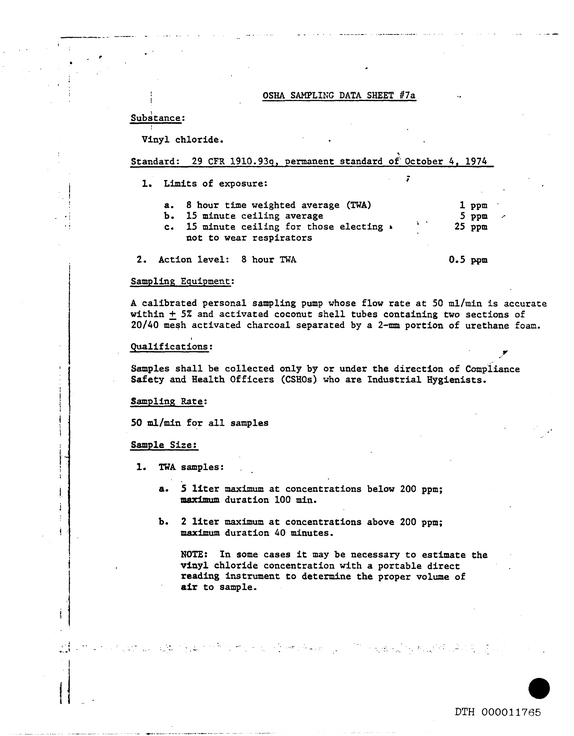
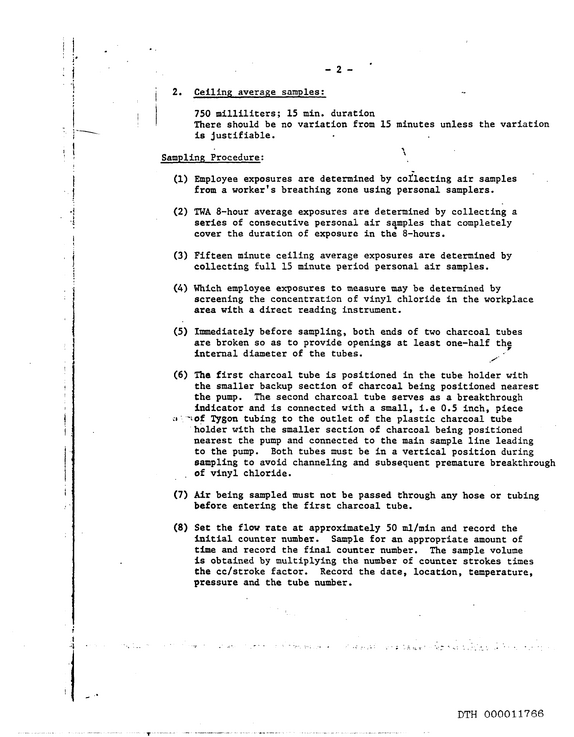
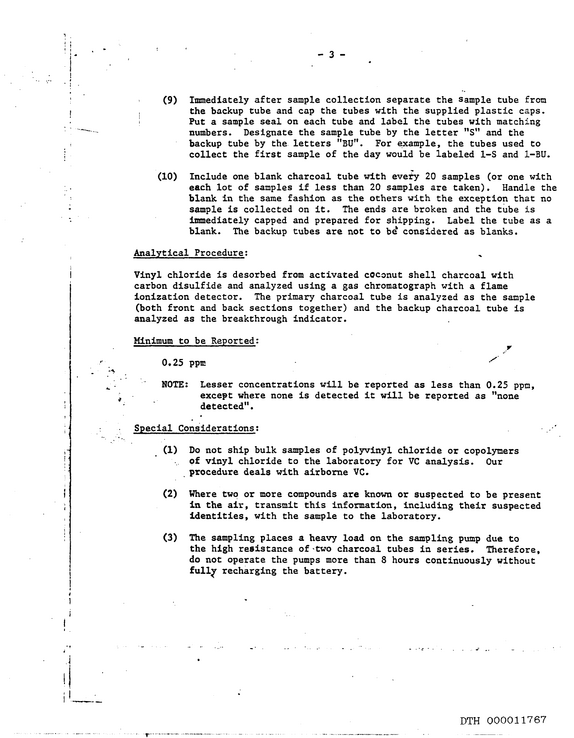
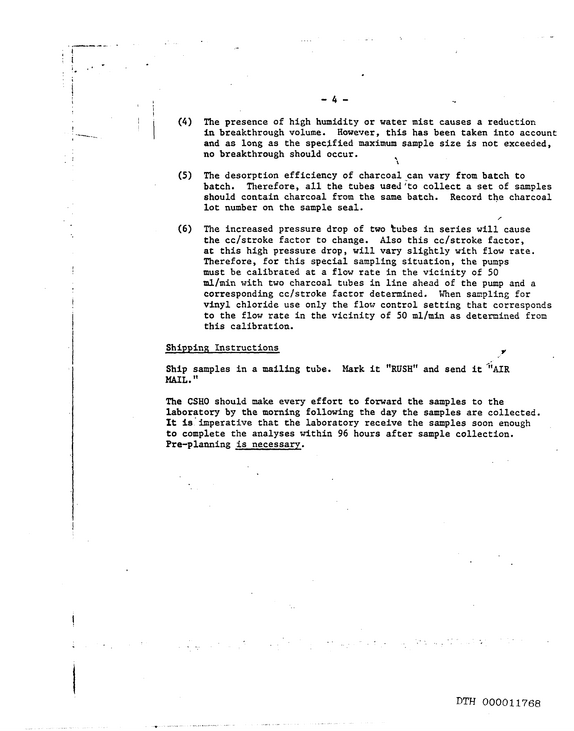
The second charcoal tube serves as a breakthrough indicator and is connected with a small, i.e 0.5 inch, piece ; of Tygon tubing to the outlet of the plastic charcoal tube holder with the smaller section of charcoal being positioned nearest the pump and connected to the main sample line leading to the pump.
refid# 06omp4zV4Z8BXjwegNRL9k2EM4 pages
<v | A l h e r I n n ' s soph baseba|) era jedged rnly High, 7-fl, yeste day In a practice game on the Hirr's '.diamond, ' The Rears were leading 4-2 going Into the fateful fra| tnr, but the Vlkcs loaded the hi sr.a on singles bv l*oh C.rofr nd Denny Rrewick and a field r choice.

refid# pB3j7Gg1qQGZjONga1QjywpwB1 page
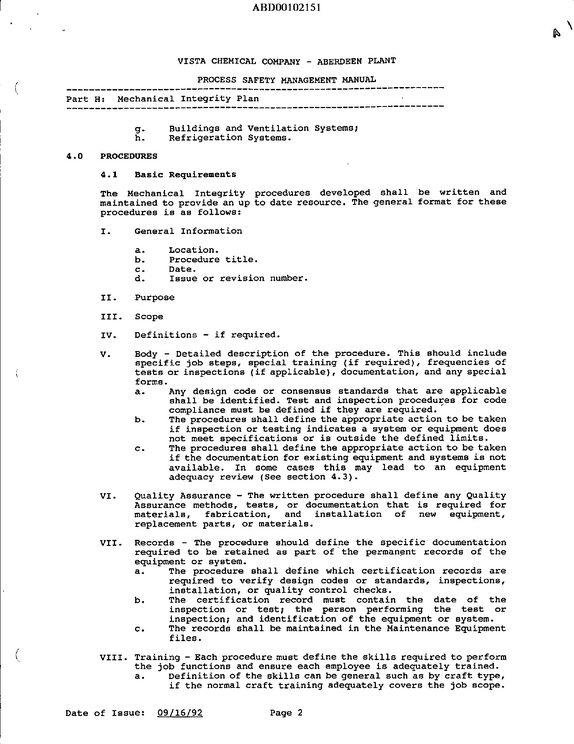
In some cases this may lead to an equipment adequacy review (See section 4.3).
refid# 2j1mXQozkRdLgG4e10LryGk5a5 pages
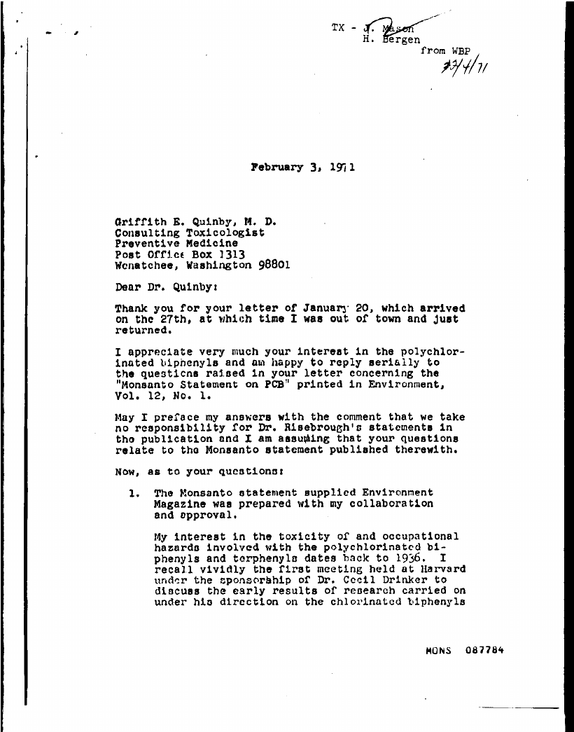
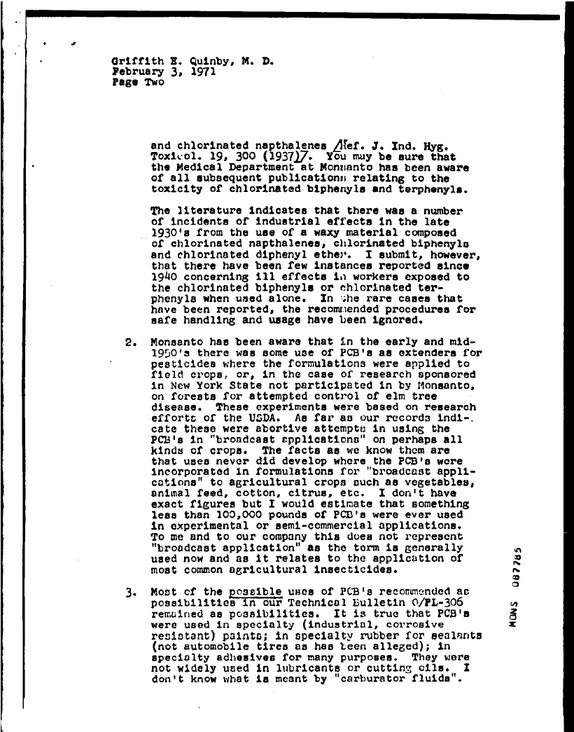
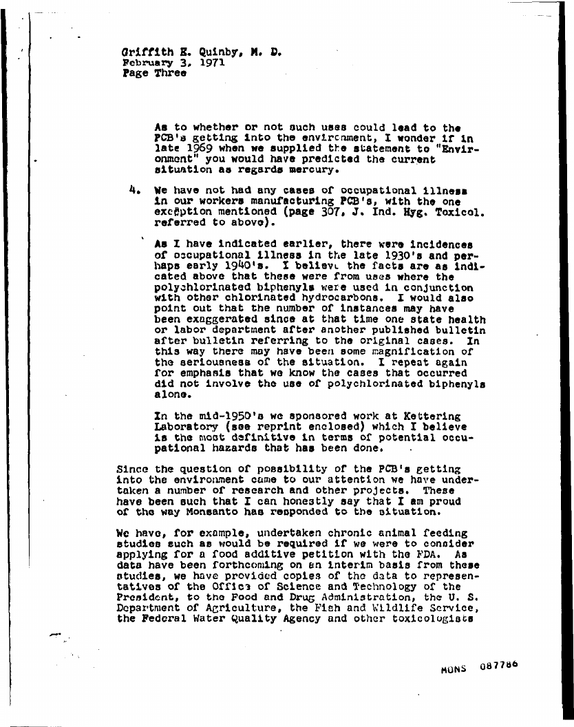
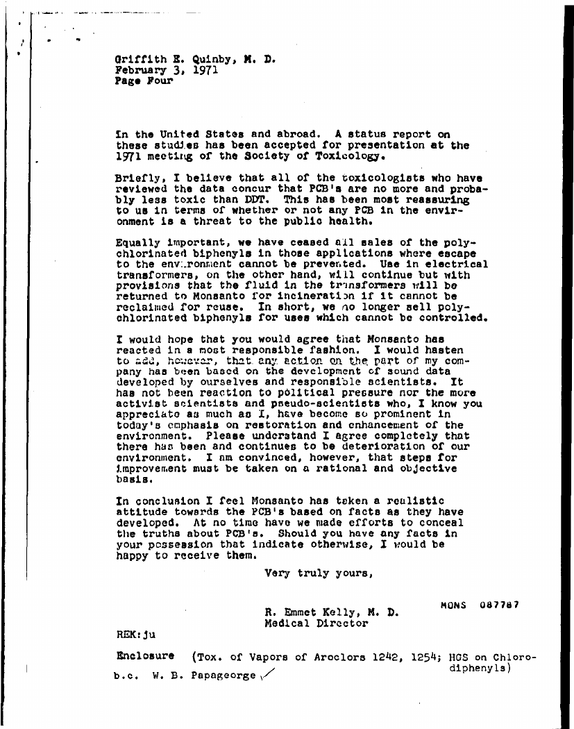
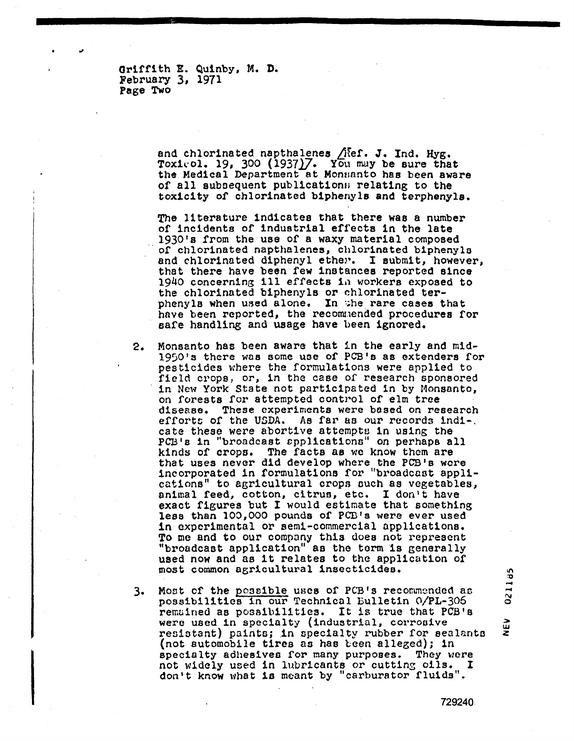
D, February 3, 1971 Page Three As to whether or not ouch uses could lead to the PCB'a getting Into the environment, I wonder If In late 1969 when we supplied the statement to "Envir onment" you would have predicted the current situation as regards mercury. 4.
refid# OJ3KnqBb7YMXmD2RNz960qDQQ4 pages
D avis: We h ave r e c e iv e d your a n a l y si s on Sam ple Nos. 59A-11216 t o 59A-11221 in c lu siv e in d ic a t in g mg. o f le a d p er 100 gram s o f o ld hood con ducted both sp e c t r o g r a p h ic a lly and by th e lead dith izon e method.

refid# dabKgn3Nroa8GNkX5zw50825Q1 page
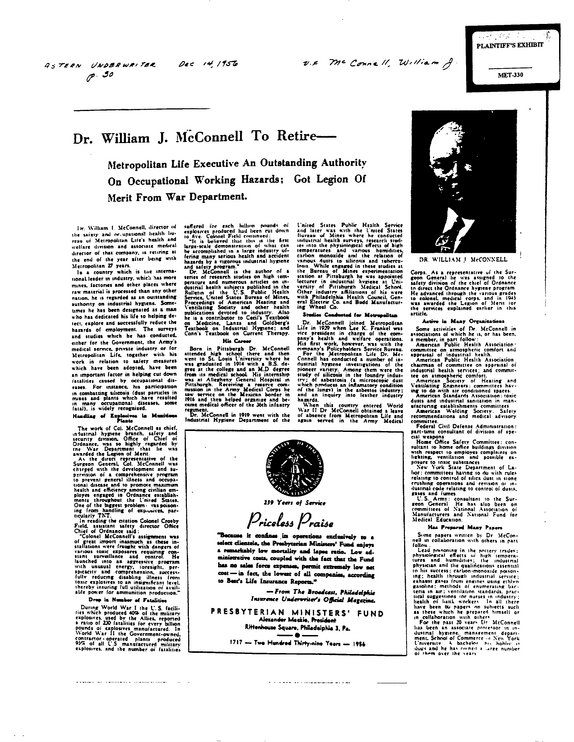
Lead poxomns in the poiterv trade*: physiological effects of high tempera tures and liumtditie*; the industrial physician and the qualification* enenti.nl to his success: carbon-monoxide poison ing: health through industrial service; exhaust ga*es front eneine* using ethlyn gasoline: methods of enumerating bac teria in air: ventilation standards, prac tical suggestions ior nurses in industry; health of Hank worker* In all there have been 60 paper* on suhiects such as these which he prepared himseli or in collaboration with other* For the past 20 sear* Dr McConnell has been an associate proie*or m in dustrial hygiene, manaremem depart ment.
refid# VGjZnX9kDyB7q7K6m3R4GmbKN1 page
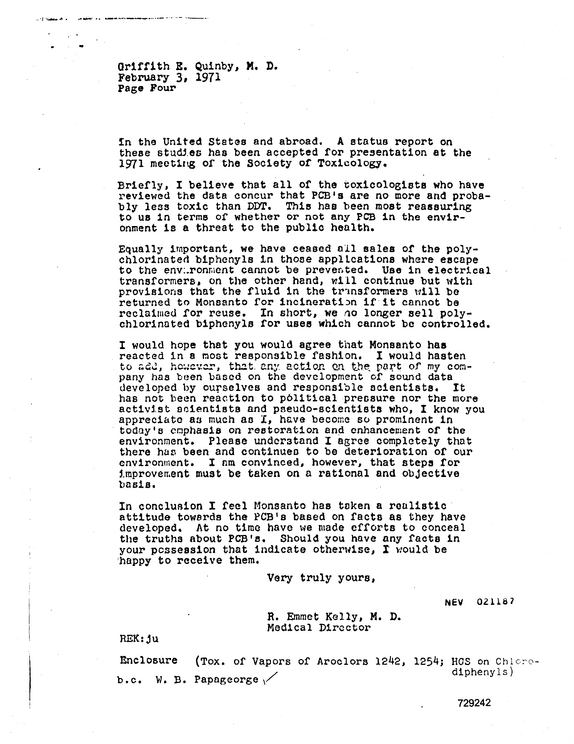
V, February 3, 1971 Page Three Aa to whether or not ouch uses could lead to the PCB's getting Into the environment, I wonder If In late 1969 when we supplied the statement to ''Envir onment" you would have predicted the current situation as regards mercury. 4.
refid# gbOvp9vQDrX08pmbEmrp7q7JG4 pages
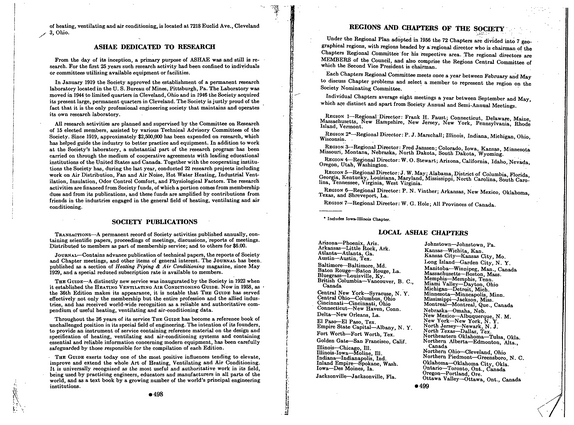
In addition to work at the Society's laboratory, a substantial part of the research program' has been carried on through the medium of cooperative agreements with leading educational institutions of the United States and Canada.
refid# G6emMmR5QLa0mJV328Bd2njjn1 page
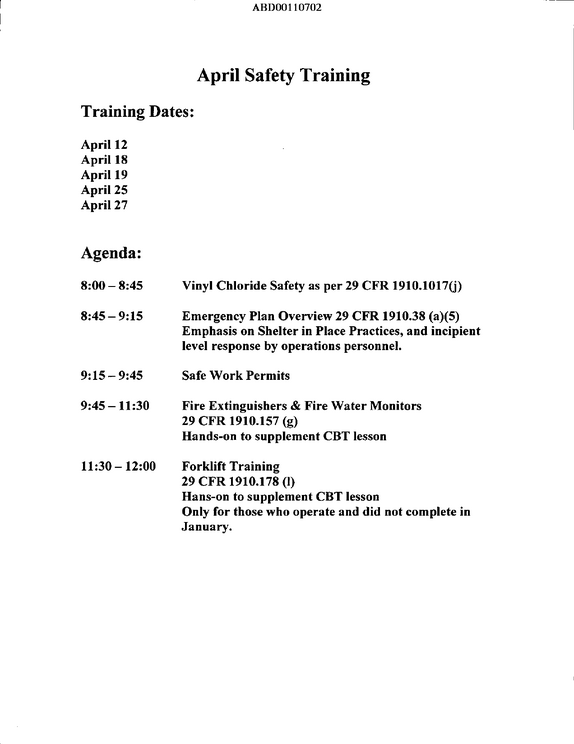
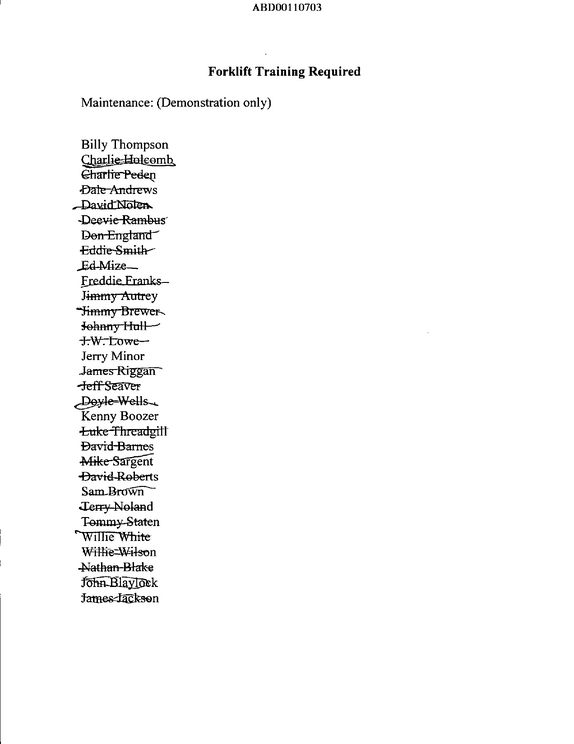
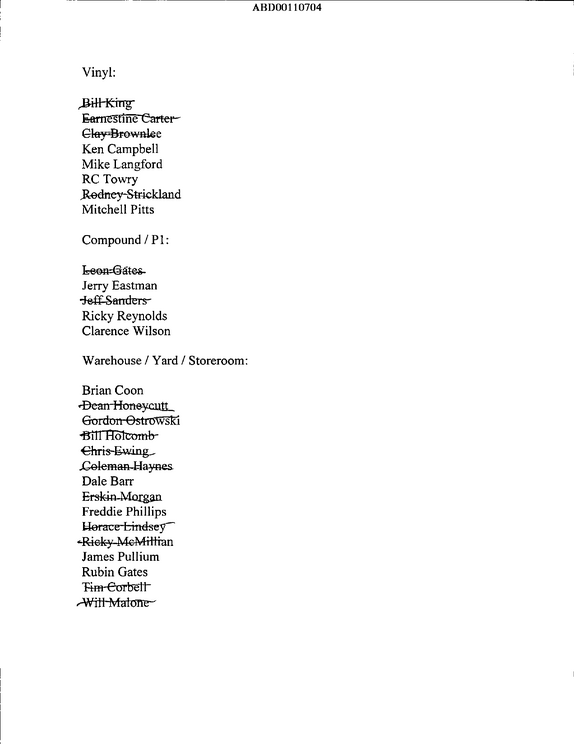
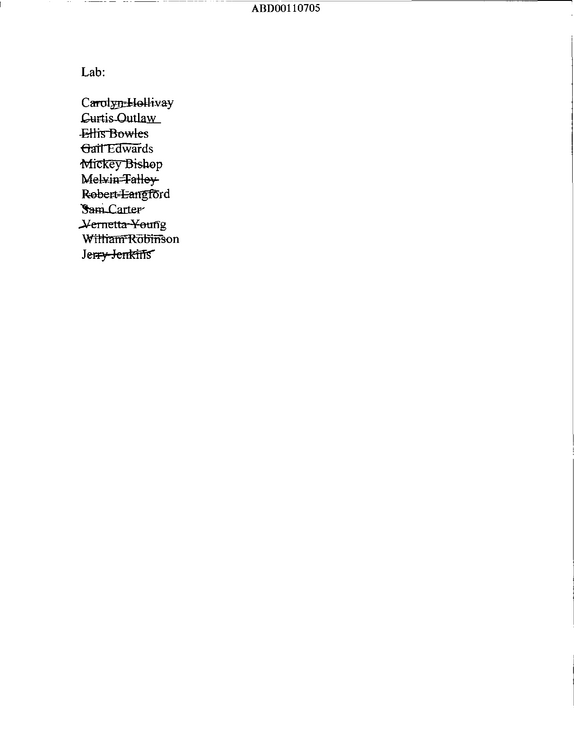
Kenny Boozer Luke Tlireadgrfl Mtke-SaFgent -Bavid-Reberts SanuBrOwn Jerr-^Noland Tommy-Staten ** Willie ^White Wffle^WiJson -Nathan-BJake James^acksen ABDOO110704 Vinyl: jJdLKmg- Barnestine Carter" Gtey^Brownlee Ken Campbell Mike Langford RC Towry Redney-Str-ickland Mitchell Pitts Compound/PI: Jerry Eastman 'f&fi-Sanders' Ricky Reynolds Clarence Wilson Warehouse / Yard / Storeroom: Brian Coon *DeairHoneycutt_ Gordon-0stn5WsK -Bill fldfcomtr ^hris-Ewing^ .Coleman-Haynes Dale Barr Erskin-Morgan Freddie Phillips Uerace-Lmdsey^ R-ieky-MeMiffian James Pullium Rubin Gates Tim-CorbelL WttHrfafone-' Lab: Carol^rtLiellivay Curtis Outlaw -&Hts'Bowles 0atTbdwards Mickey Bishop Mefedrf&Hey- RoberbLarfgffird "SamXIarter J/einctta Yoofig WitfranfRobmson Jeffy-JenfenTS' ABDOO110705 ABDOO110706 Vinyl Chloride Monomer (VCM) Regulatory Training Vinyl Chloride Monomer: colorless, highly flammable gas, liquid under pressure, faint sweet odor Odor threshold = 0.25 ppm, varies from person to person Fire Hazards: has a flash point of-108 F Bums much like propane Flammable Limits in Air % by Volume-* Lower: 3.6 Upper: 23.0 Health Hazards Acute (Short term) Exposure Inhalation Relatively low acute toxicity May lead to smothering (asphyxiation) Inability to sense pain (anesthesia): (10,000-20,000 ppm) Dryness of throat, headache, mental dullness, incoordination, nausea, unconsciousness, and death: short term high level exposure Skin Frostbite from liquid VCM Ingestion Not a significant hazard via ingestion Chronic (Long Term) Exposure Inhalation Angiosarcoma (blood vessel tumors in the liver) Liver damage Skin Acro-osteolysis- disease of the bone and blood vessels of the hand Hardening of the skin (scleroderma) ' ' Vinyl chloride is considered a carcinogen by EPA, OSHA, IARC, NTP, and ACGIH Established Exposure Limits: OSHA Permissible Exposure Limit (PEL) = 1 ppm for an 8-hr TWA Respiratory Protection OSHA Short Term Exposure Limit (STEL) = 5 ppm for any 15 min period Less than 1 ppm => none From 1 ppm to 1000 ppm => Air-line respirator Unknown, or greater than 1000 ppm SCBA (Scott Air Pak) ABDOO110707 Hazardous Operations Plant tasks likely to involve VCM exposure to concentrations above OSHA limits: Loading/Unloading VCM railcars Changing VCM filter pack filters Opening any line or vessel which contains, or has contained, VCM Locating VCM leaks Emergency response during incidents involving the release of VCM Cleaning dump strainers, polishing strainers, and chunk catchers Warning Signs and Labels Regulated Areas: The plant has no OSHA-defined regulated areas (where VCM concentrations are above the OSHA-PEL: 1 ppm).
refid# 2q9J5oN7rRbnnzvpKy6Lqge7g7 pages
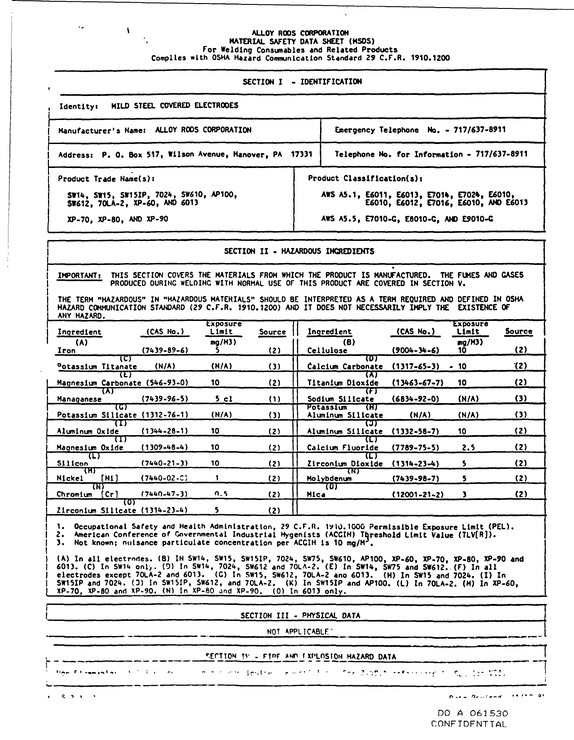
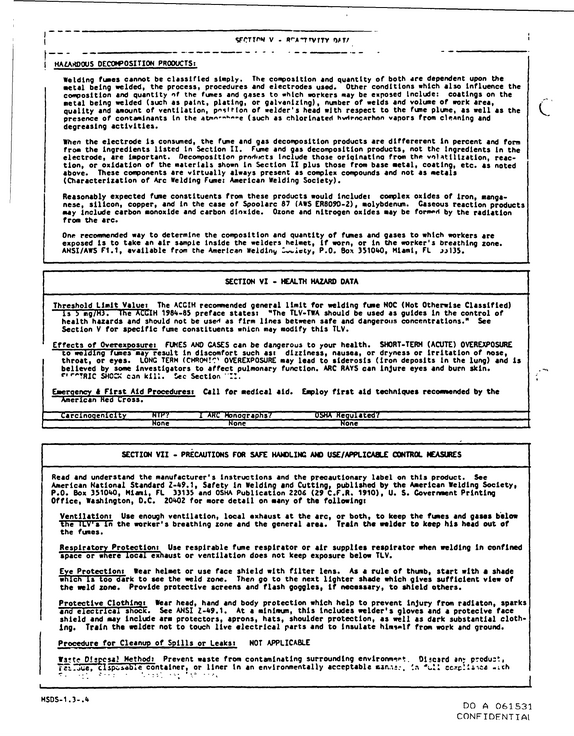
LONC TERM (CHRONIC' OVEREXPOSURE may lead to slderosls (iron deposits In the lung) and is believed by some investigators to affect pulmonary function.
refid# gay3Ly297y13R3MnwnNd2NaQ92 pages
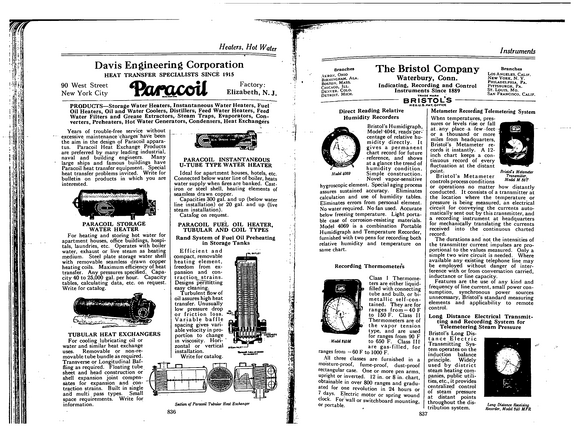
Paracoil Heat Exchange Products are preferred by many leading industrial, naval and building engineers.
refid# JvBaakqdZdGxN19X4EEN2LQrX1 page
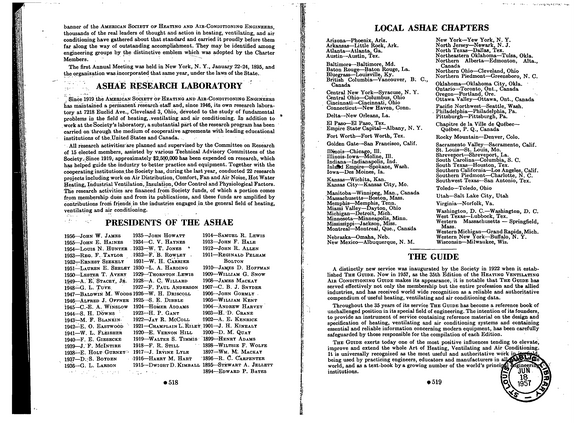
In addition to work at the Society's laboratory, a substantial part of the research program has been carried on through the medium of cooperative agreements with leading educational institutions of the.United States and Canada. .
refid# BRwj5KqapmjewgyEnaL2BXvjX1 page