Refine
Estimated Years 1910-1919Clear
1,849 results foundRefine Search
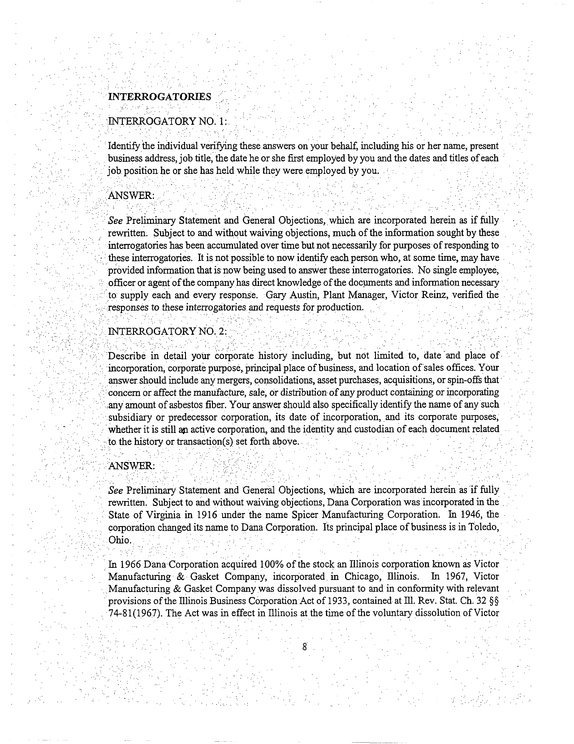
INTERROGATORIES INTERROGATORY NO. 1: Identify the individual verifying these answers on your behalf, including his or her name, present business address, job title, the date he or she first employed by you and the dates and titles ofeach job position he or she has held while they were employed by you.
refid# mBp41wELn2agrrO2Eyownpoj41 page
V'* r :r-. .
refid# 1ewprD871ZYMrg1QX0n37GVa32 pages
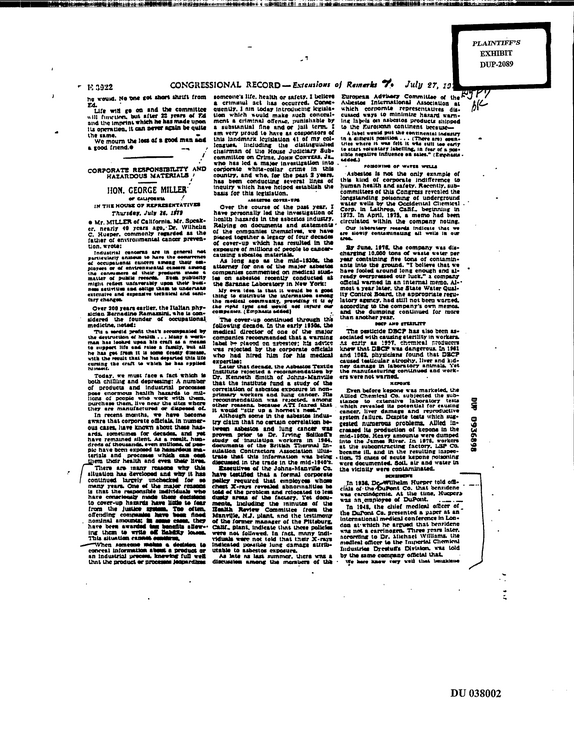
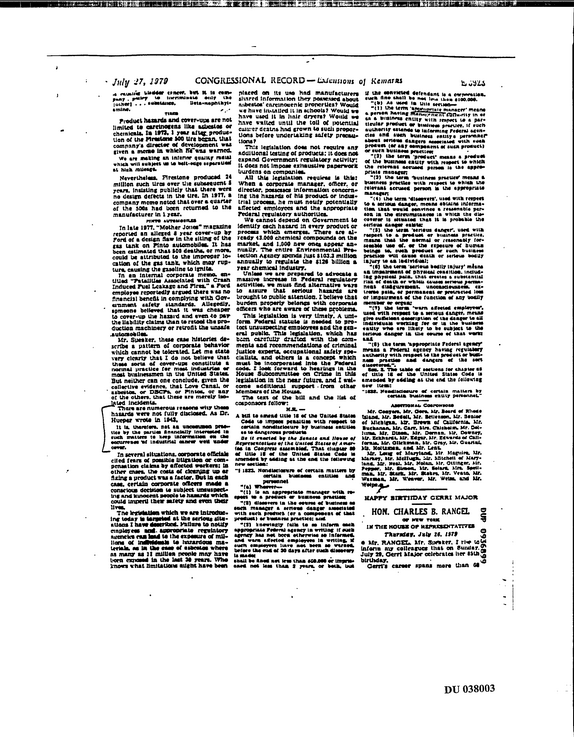
PLAINTIFF'S EXHIBIT 1 DUP-2089 K 3022 CONGRESSIONAL RECORD -- Estcuiion of Remarks % July 27, 10 ho *oul.
refid# 3NnNXmOwRK1aagXgDBQ9vq67E2 pages
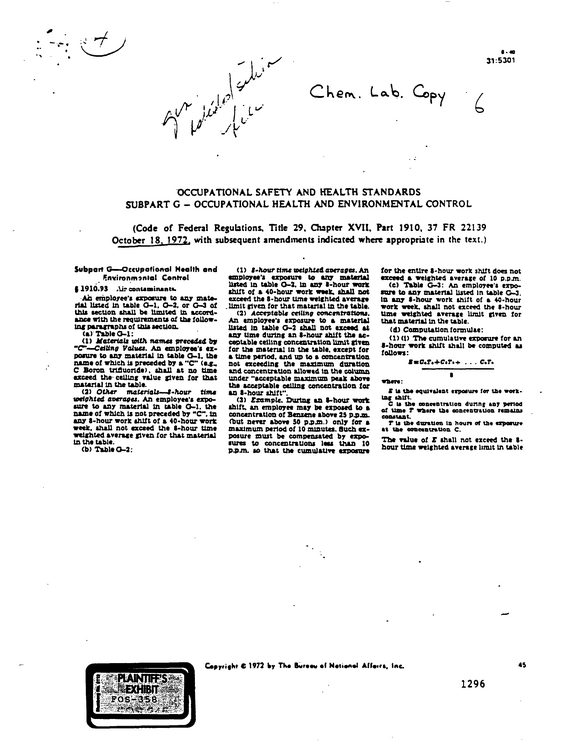
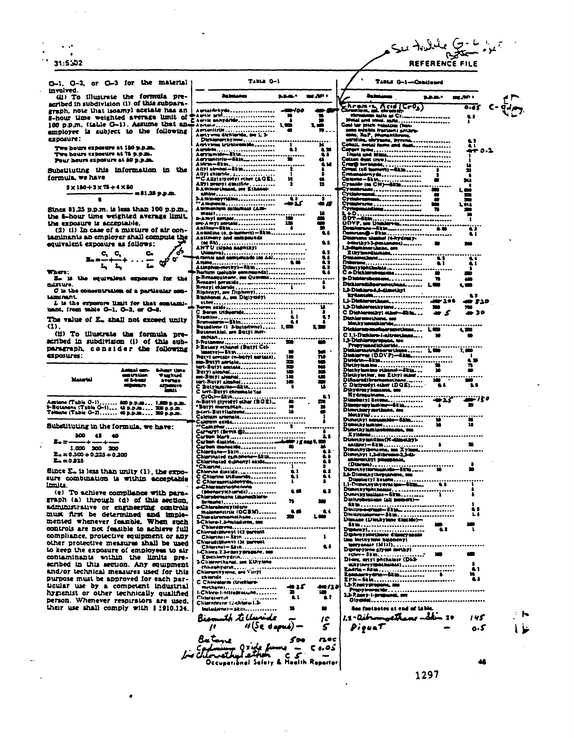
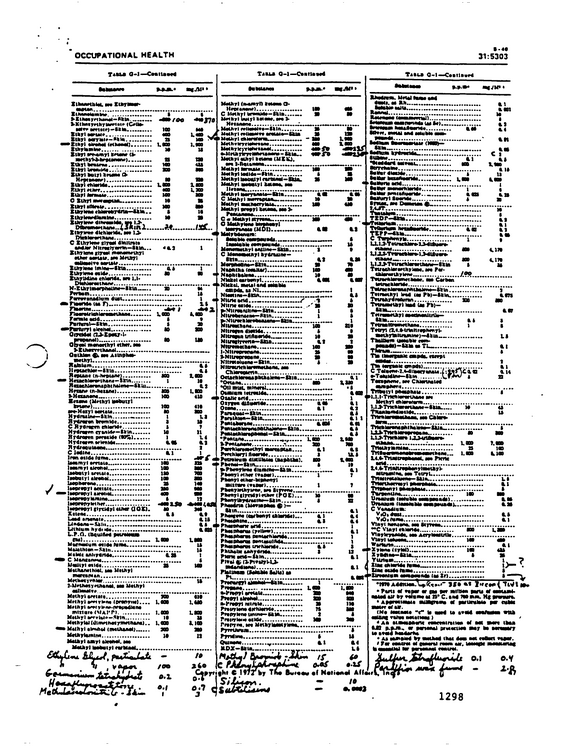
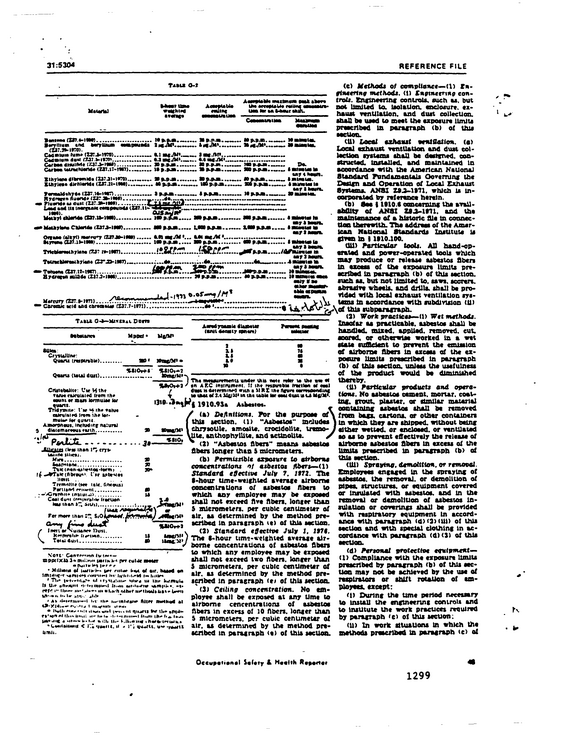
3V5301 c OCCUPATIONAL SAFETY AND HEALTH STANDARDS SUBPART G - OCCUPATIONAL HEALTH AND ENVIRONMENTAL CONTROL (Code of Federal Regulations, Title 29, Chapter XVII.
refid# ZBb6EdEzEMGxw9X369XOogmgp6 pages
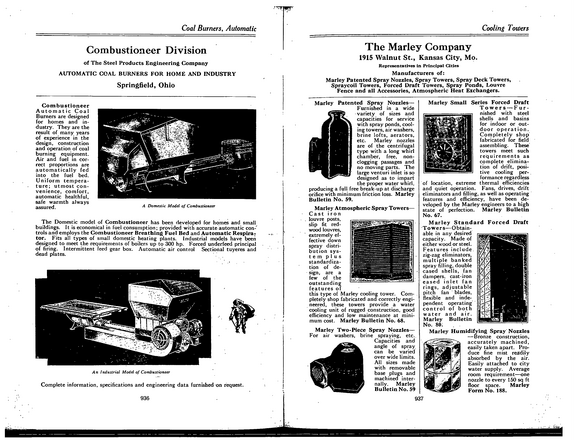
Coal Burners, Automatic Combustioneer Division of The Steel Products Engineering Company AUTOMATIC COAL BURNERS FOR HOME AND INDUSTRY Springfield, Ohio Combustioneer Automat ic Coal Burners are designed for homes and in dustry.
refid# reNmeerGBa0xJNyNgvVXyDGvV1 page
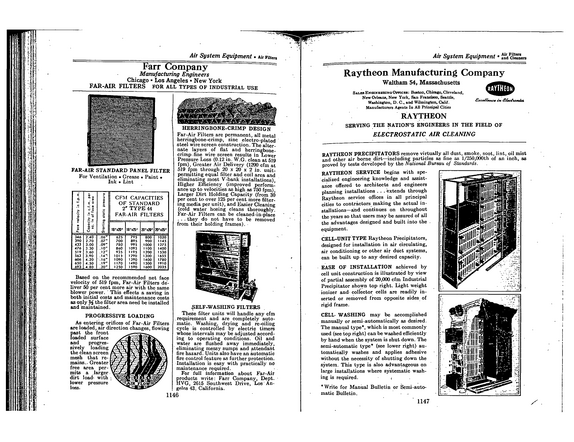
Air System Equipment .
refid# 0g1EL25nvDJyO1NpO0zaBve4O1 page
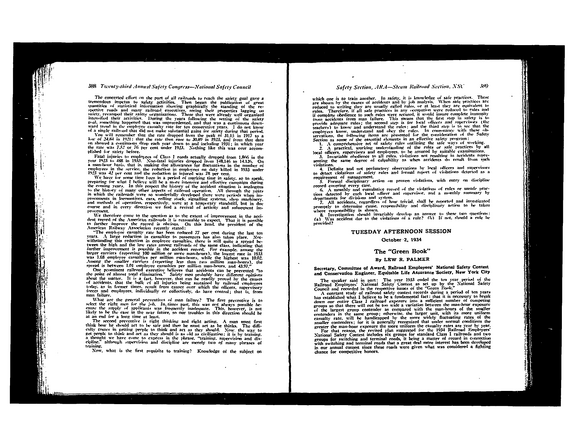
388 Txirenty-third Annual Safely Congress--National Safety Council The concerted effort 'i the part of all railroa<h to reach the safety goal gave a tremendous impetus to safety activities.
refid# 2NJO1rndGYdGkvLRZBQ4vdEGp1 page
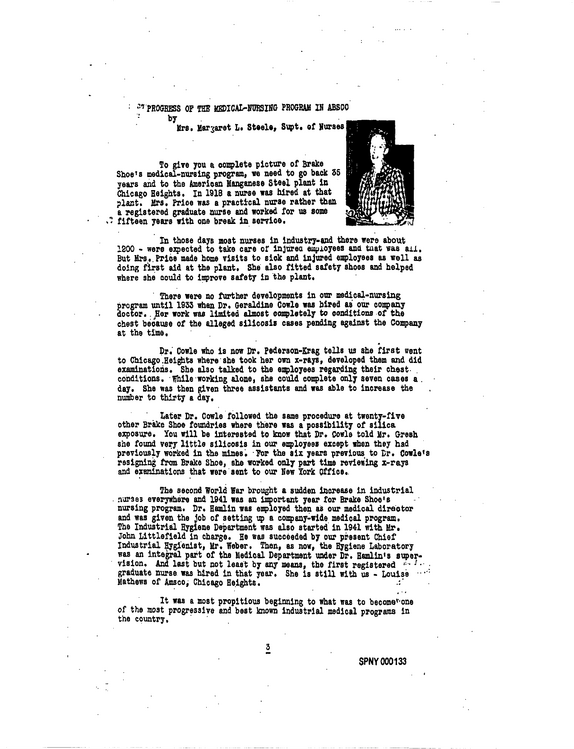
''-' PROGRESS OP TEE MEDICAL-NURSING PROGRAM IN ABSCO by Mrs.
refid# Qk9Bo33EJoOR7Ljg4oM6mrK641 page
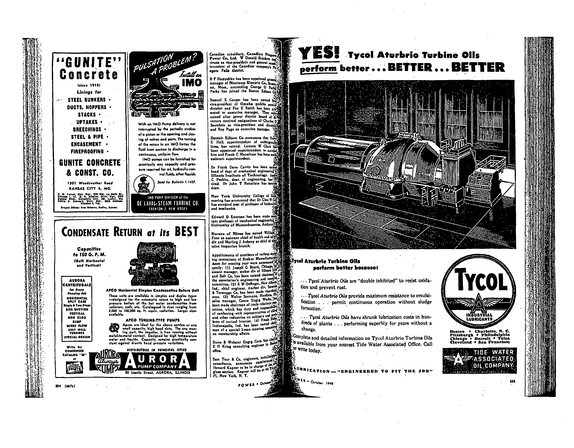
"GUNITE" Concrete (Inca 1919) Linings for ' STEEL BUNKERS DUCTS.
refid# 24Mpa02BoQX7ZyRK89RMmLwg1 page
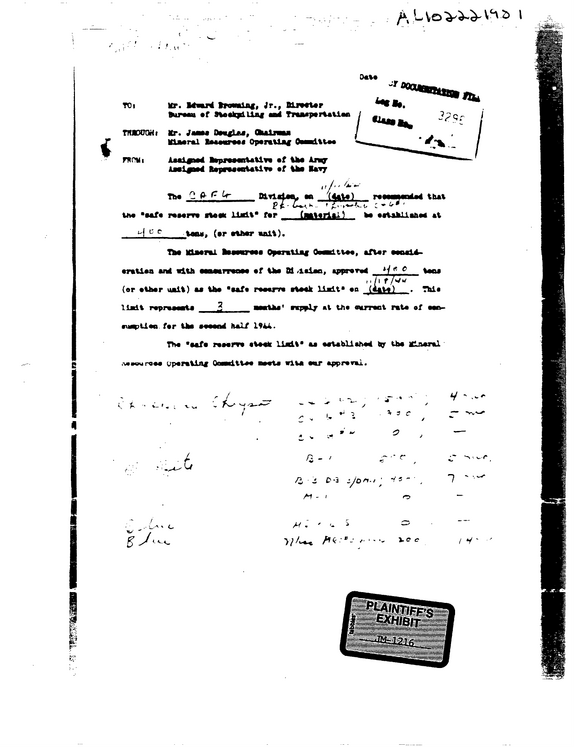
L \,o Data b i/" ^ Tta OItIcIml, an Wta) raa that p p - 6-fcj, *
refid# dD1y0X1xdXaODK8q0mn0YmvMQ1 page
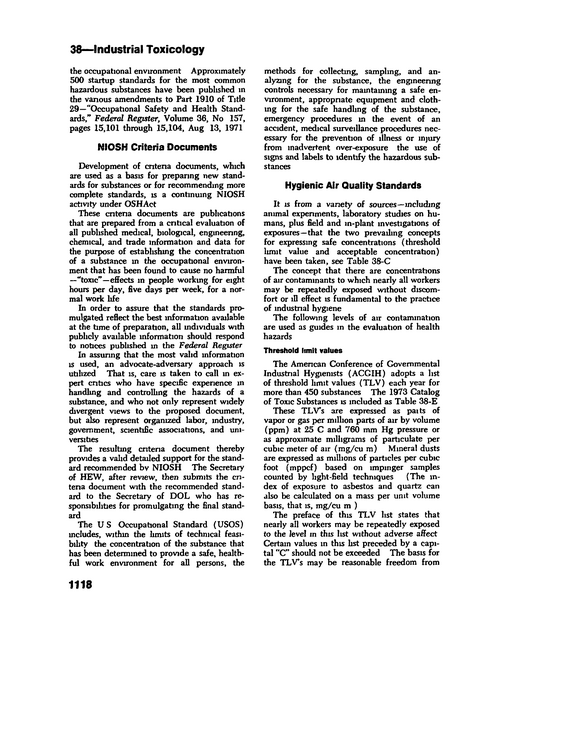
38--Industrial Toxicology the occupational environment Approximately 500 startup standards for the most common hazardous substances have been published in the various amendments to Part 1910 of Title 29--"Occupational Safety and Health Stand ards," Federal Register, Volume 36, No 157, pages 15,101 through 15,104, Aug 13, 1971 NIOSH Criteria Documents Development of cntena documents, which are used as a basis for preparing new stand ards for substances or for recommending more complete standards, is a continuing NIOSH activity under OSHAct These cntena documents are publications that are prepared from a cntical evaluation of all published medical, biological, engineenng, chemical, and trade information and data for the purpose of establishing the concentration of a substance in the occupational environ ment that has been found to cause no harmful --"toxic"--effects m people working for eight hours per day, five days per week, for a nor mal work life In order to assure that the standards pro mulgated reflect the best information available at the time of preparation, all individuals with publicly available information should respond to notices published in the Federal Register In assuring that the most valid information is used, an advocate-adversary approach is utilized That is, care is taken to call m ex pert cntics who have specific experience in handling and controlling the hazards of a substance, and who not only represent widely divergent views to the proposed document, but also represent organized labor, industry, government, scientific associations, and uni versities The resulting cntena document thereby provides a valid detailed support for the stand ard recommended by NIOSH The Secretary of HEW, after review, then submits the cn tena document with the recommended stand ard to the Secretary of DOL who has re sponsibilities for promulgating the final stand ard The US Occupational Standard (USOS) includes, within the limits of technical feasi bility the concentration of the substance that has been determined to provide a safe, health ful work environment for all persons, the 1118 methods for collecting, sampling, and an alyzing for the substance, the engineenng controls necessary for maintaining a safe en vironment, appropnate equipment and cloth ing for the safe handling of the substance, emergency procedures in the event of an accident, medical surveillance procedures nec essary for the prevention of illness or injury from inadvertent over-exposure the use of signs and labels to identify the hazardous sub stances Hygienic Air Quality Standards It is from a variety of sources--including animal experiments, laboratory studies on hu mans, plus field and m-plant investigations of exposures--that the two prevailing concepts for expressing safe concentrations (threshold limit value and acceptable concentration) have been taken, see Table 38-C The concept that there are concentrations of air contaminants to which nearly all workers may be repeatedly exposed without discom fort or ill effect is fundamental to the practice of industrial hygiene The following levels of air contamination are used as guides in the evaluation of health hazards Threshold limit values The American Conference of Governmental Industrial Hygienists (ACGIH) adopts a list of threshold limit values (TLV) each year for more than 450 substances The 1973 Catalog of Toxic Substances is included as Table 38-E These TLVs are expressed as paits of vapor or gas per million parts of air by volume (ppm) at 25 C and 760 mm Hg pressure or as approximate milligrams of particulate per cubic meter of air (mg/cu m) Mineral dusts are expressed as millions of particles per cubic foot (mppcf) based on impmger samples counted by light-field techniques (The in dex of exposure to asbestos and quartz can also be calculated on a mass per unit volume basis, that is, mg/cu m ) The preface of this TLV list states that nearly all workers may be repeatedly exposed to the level in this list without adverse affect Certain values m this list preceded by a capi tal "C" should not be exceeded The basis for the TLVs may be reasonable freedom from
refid# n9dOdekaQnR8wmKOx1Jw6vJn21 page
J J Xt.
refid# bygR8X9dy3nbNVVgwe9V6MLVO2 pages
:c- :rc : as :on .nd -k ra- on.
refid# jgyw5br3v6OGLYd4gNwk2XJ5N6 pages
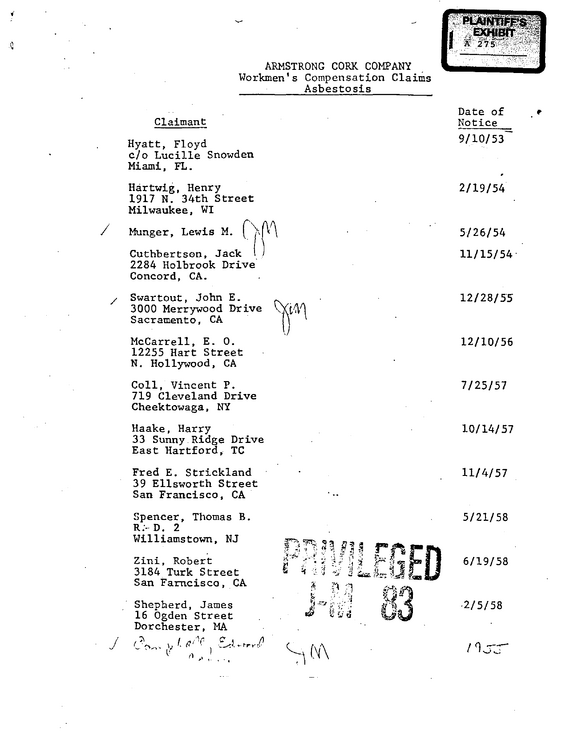
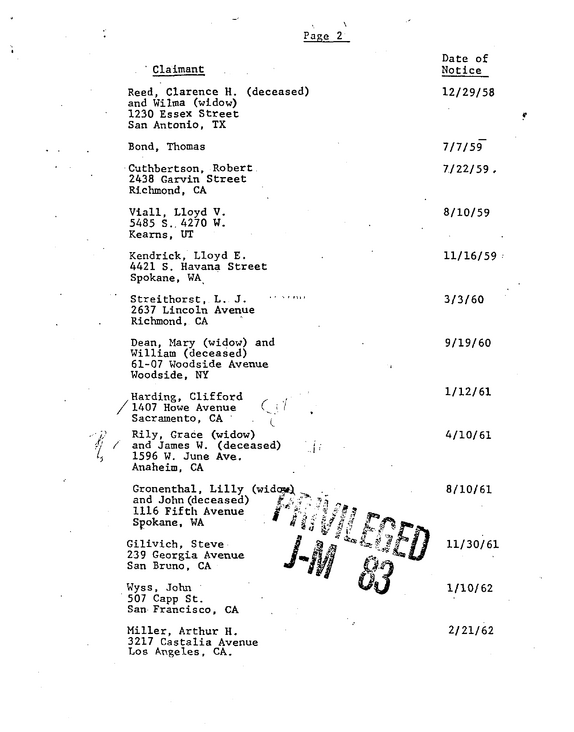
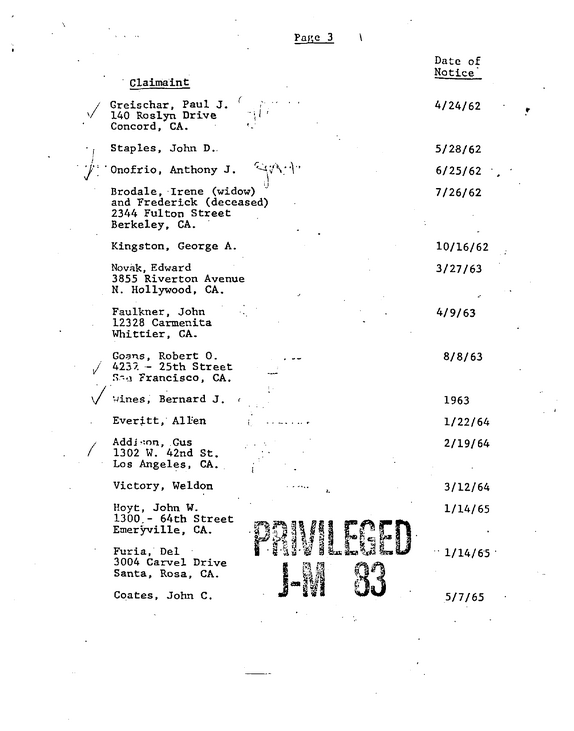
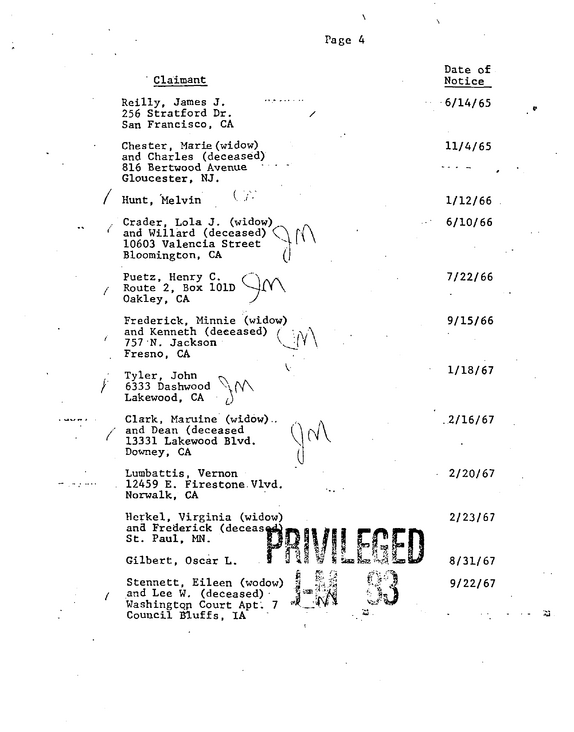
ARMSTRONG CORK.
refid# DGaYB2JdVr1g27mdVGjM9nq0N8 pages
U.S.
refid# baQEX8YwxEg8aDbx7qMwGvyK02 pages