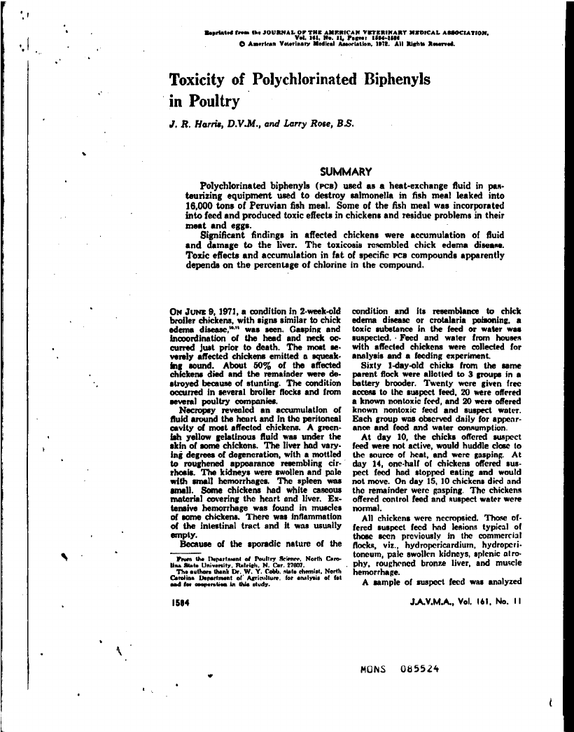
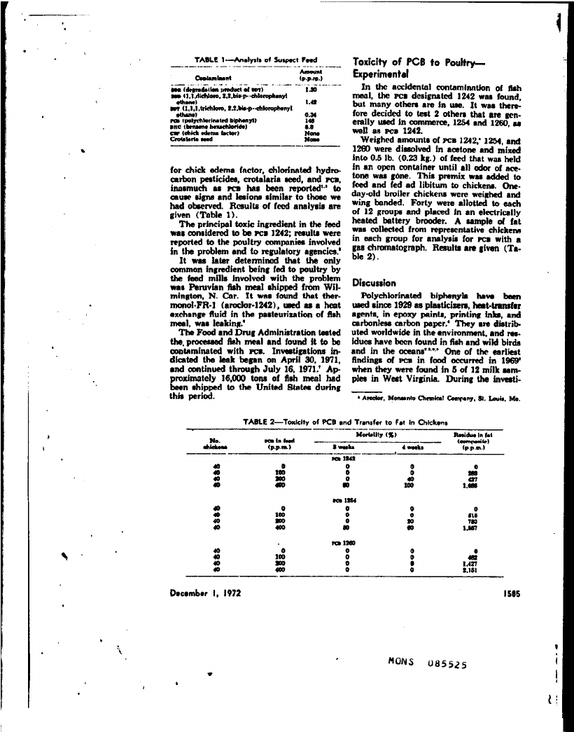
SUMMARY Polychlorinated biphenyls (pcb) used as a heat-exchange fluid in pas teurizing equipment used to destroy salmonella in fish meal leaked into 16,000 tons of Peruvian fish meal.
refid# 375zepjoxa1B4ZoBL3XV3pN433 pages
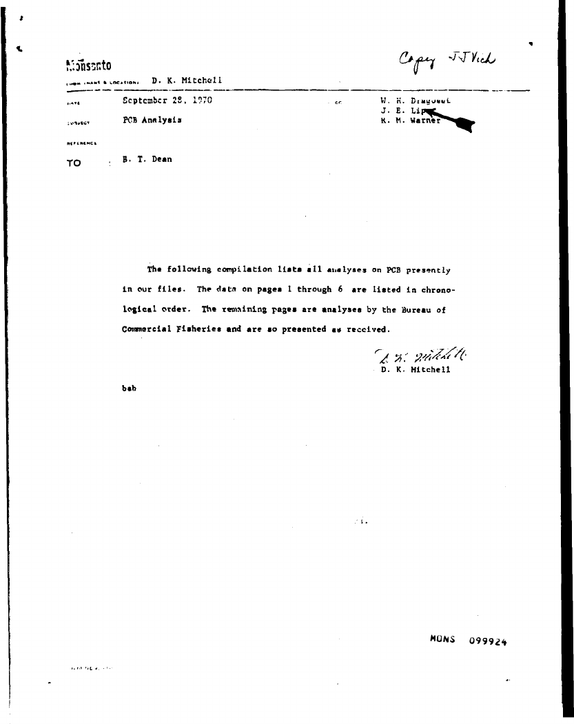
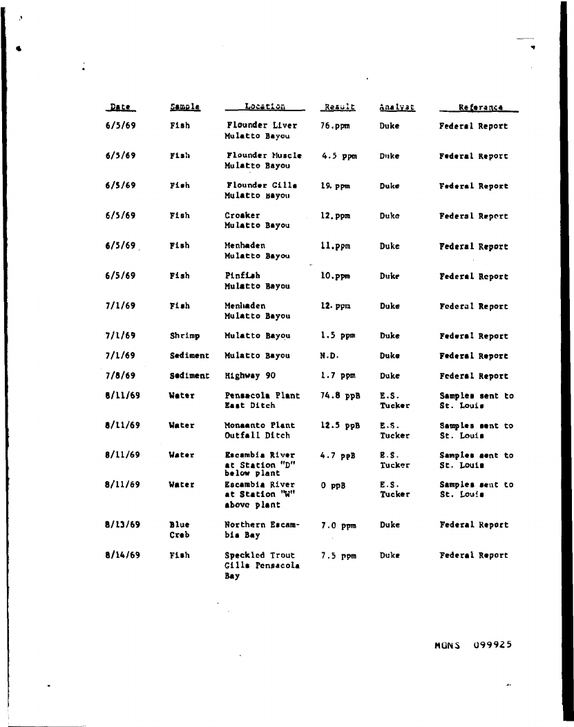
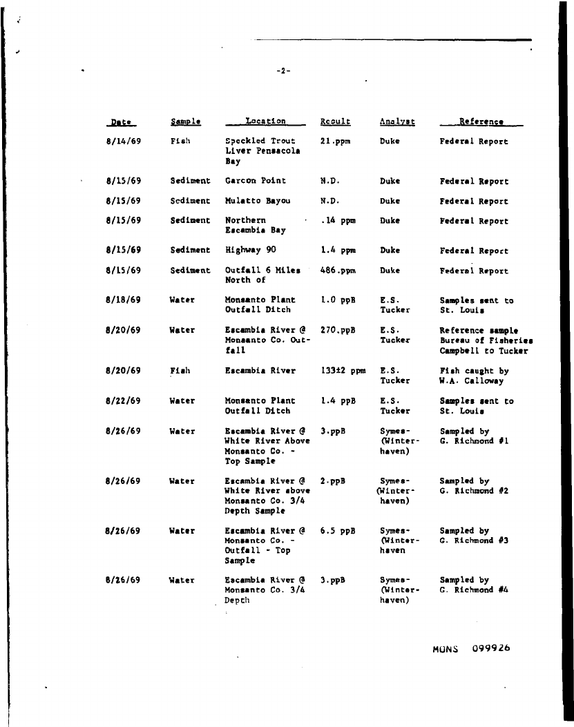
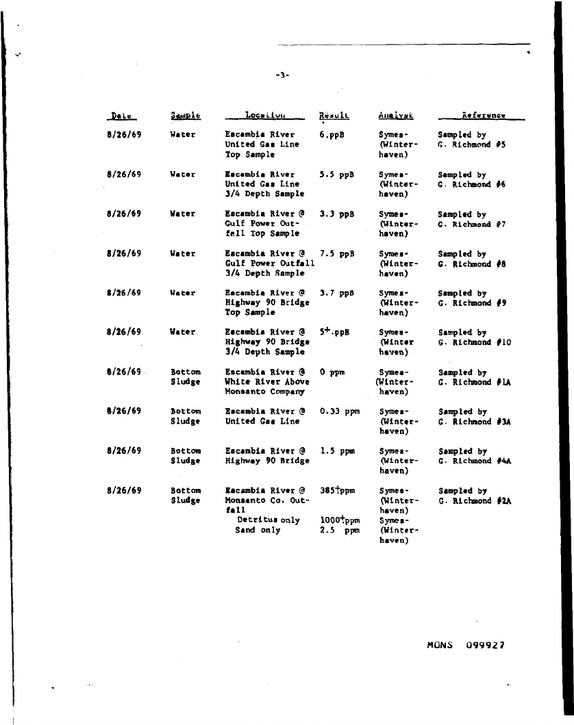
Mitchell bab MOWS 0999^4 Cute 6/5/69 6/5/69 6/5/69 6/5/69 6/5/69 6/5/69 7/1/69 7/1/69 7/1/69 7/8/69 8/11/69 8/11/69 8/11/69 8/11/69 8/13/69 8/16/69 Simple Location Fish Flounder Liver Mulatto Bayou Fish Flounder Muscle Mulatto Bayou Fiih Flounder Cille Mulatto Bayou Fish Croaker Mulatto Bayou Fish Menhaden Mulatto Bayou Fish PlnfLsh Mulatto Bayou Fish Menhaden Mulatto Bayou Shrimp Mulatto Bayou Sediment Mulatto Bayou Sediment Highway 90 Veter Pensacola Plant East Ditch Veter Monaanto Plant Outfall Ditch Veter Veter Eacambia River at Station "D" below plant Escambia River at Station "U" above plant Blue Creb Northern Escam bia Bay Fish Speckled Trout Gills Pensacola Bay Result 76.ppm 4.5 ppm 19. ppm 12.ppm 11.ppm 10.ppm 12* ppm 1.5 ppm N-D. 1.7 ppm 74.8 ppB 12.5 ppB 4.7 ppB 0 ppB 7.0 ppm 7.5 ppm Analyst Duke Duke Duke Duke Duke Duke Duke Duke Duke Duke E.S.
refid# KJ0gQzEZJxm2ZEDQ8o9dZ5Ygx7 pages
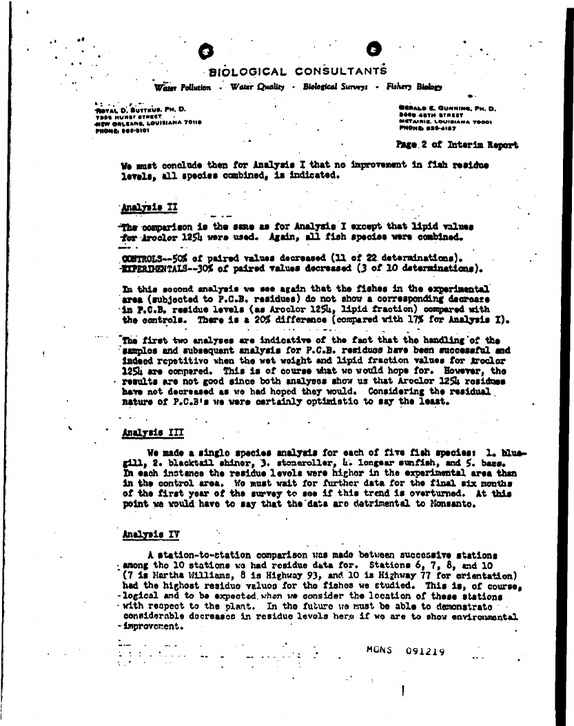
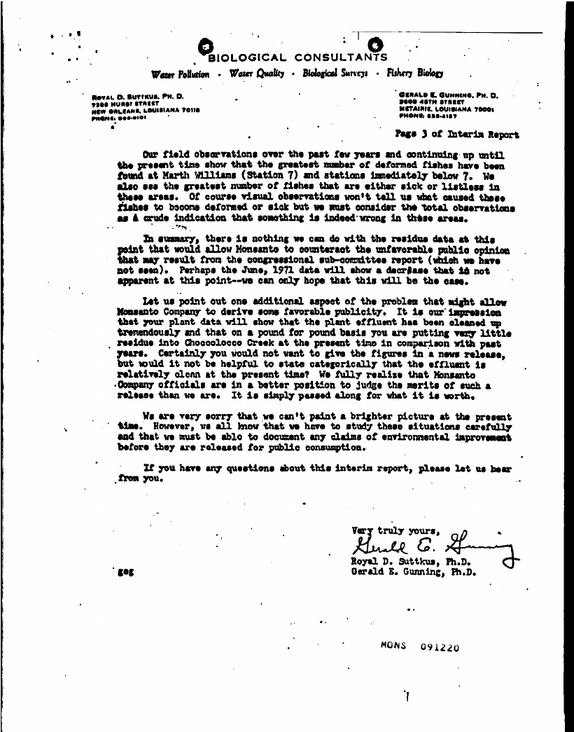
Wo also sss the greatest number of fishes that are either sick or listless la these areas.
refid# a69nXJL8r1bvy63yYR3VgMYN5 pages
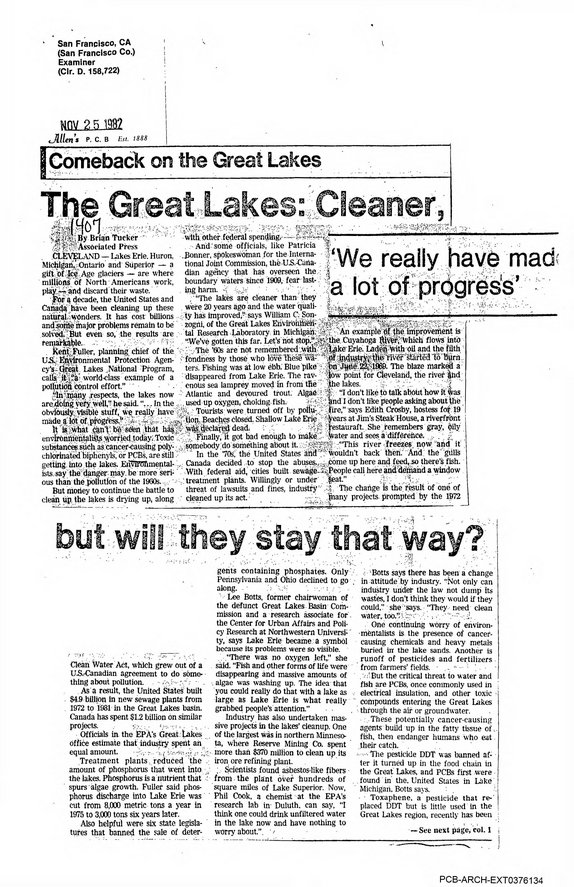
Fishing was at low ebb.
refid# RJ4V1QbyJaO2OKEqKL9M91VO83 pages
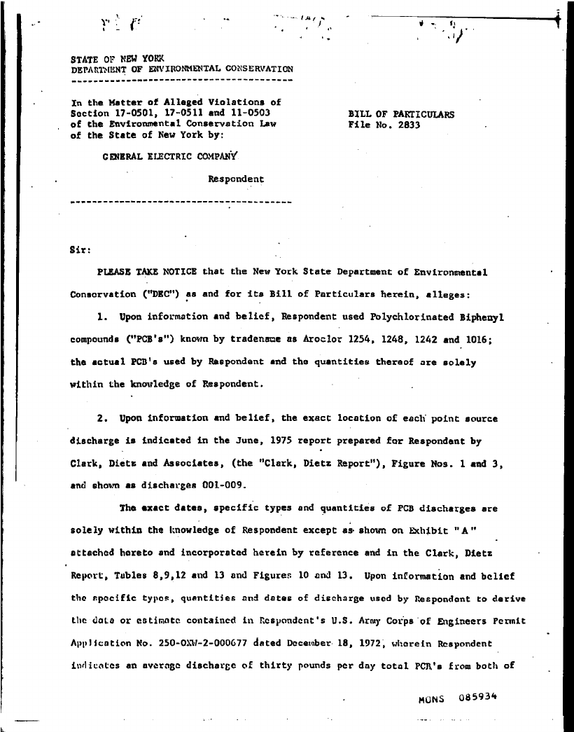
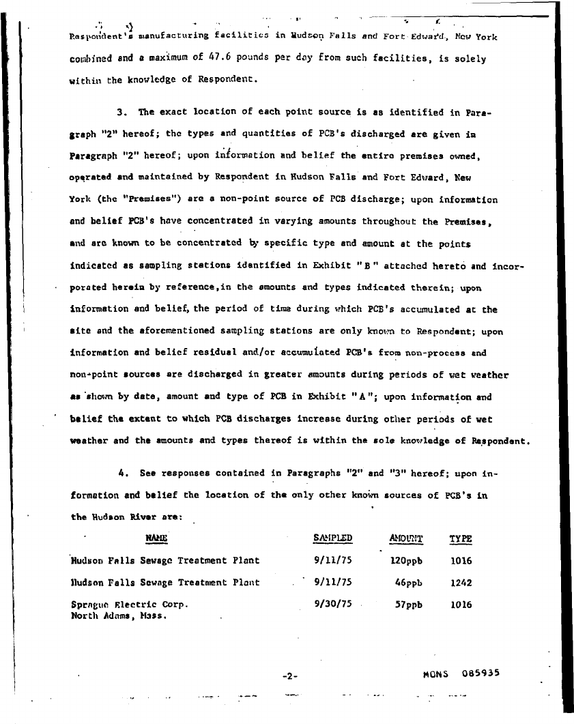
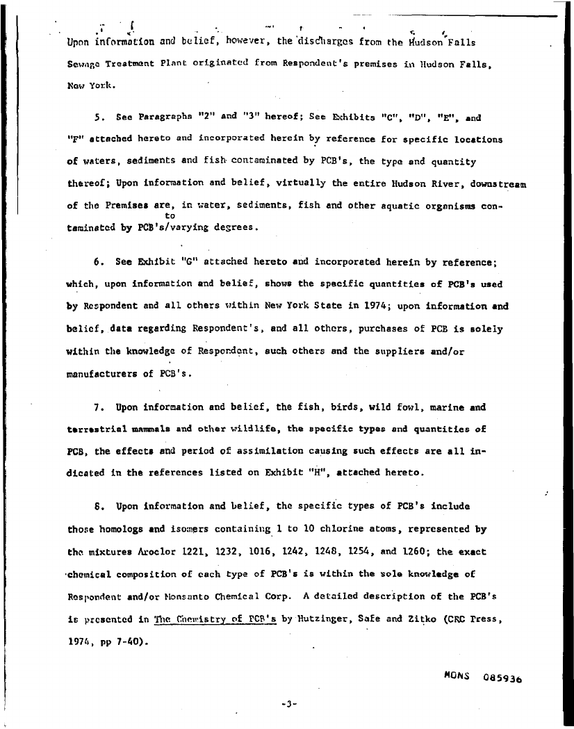
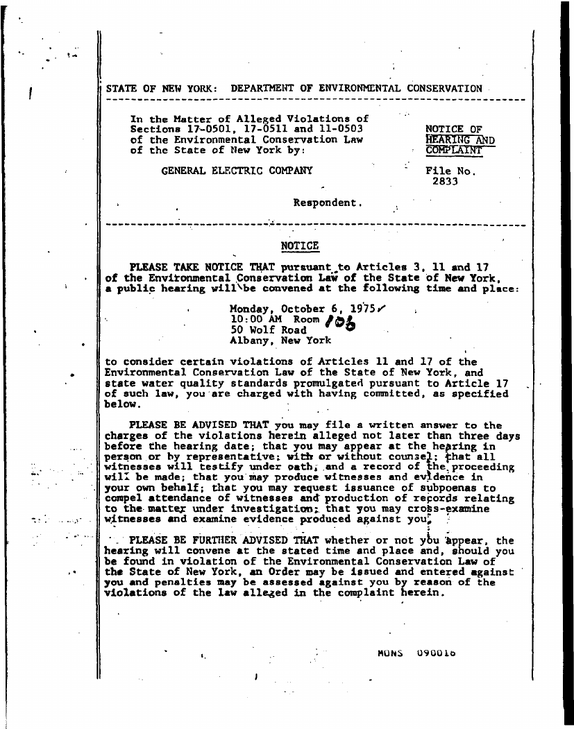
See Paragraphs "2" and "3" hereof; See Exhibits "C", "D", "E", and "F" attached hereto and incorporated herein by reference for specific locations of waters, sediments and fish contaminated by PCB's, the type and quantity thereof; Upon information and belief, virtually the entire Hudson River, downstream of the Premises are, in water, sediments, fish and other aquatic organisms cen to taminsted by PCB's/varying degrees. 6.
refid# aBEpkQXm1JkeJKdKKkDqdz8Ly102 pages
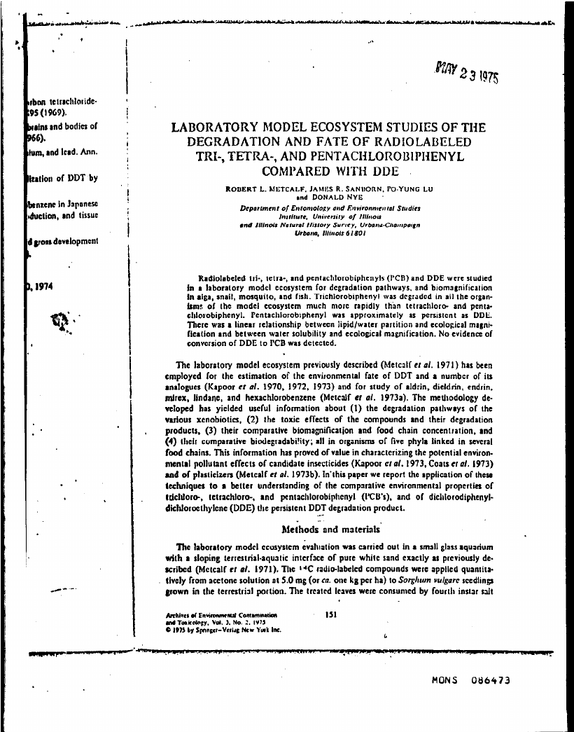
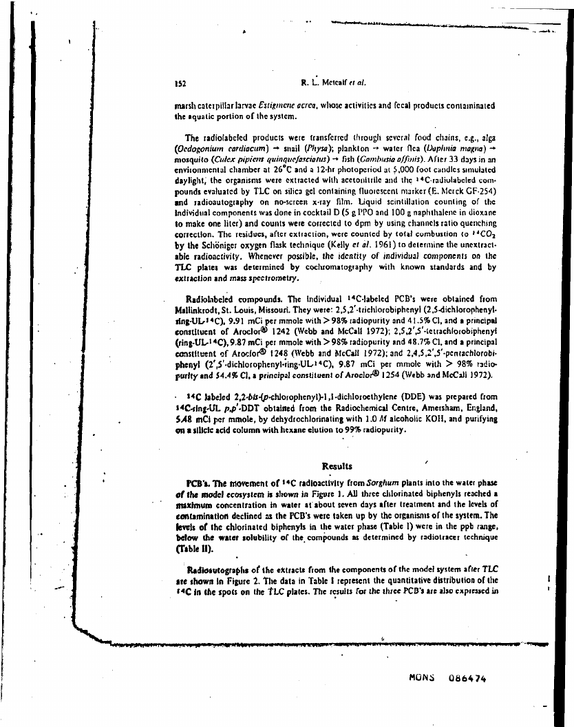
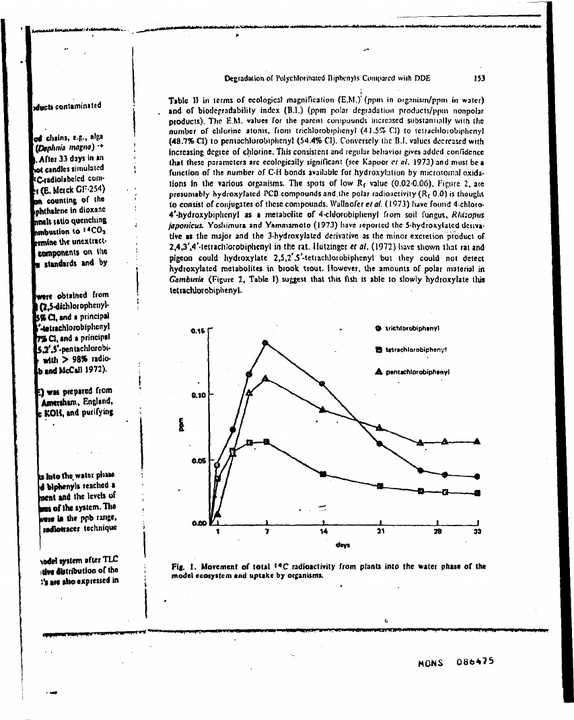
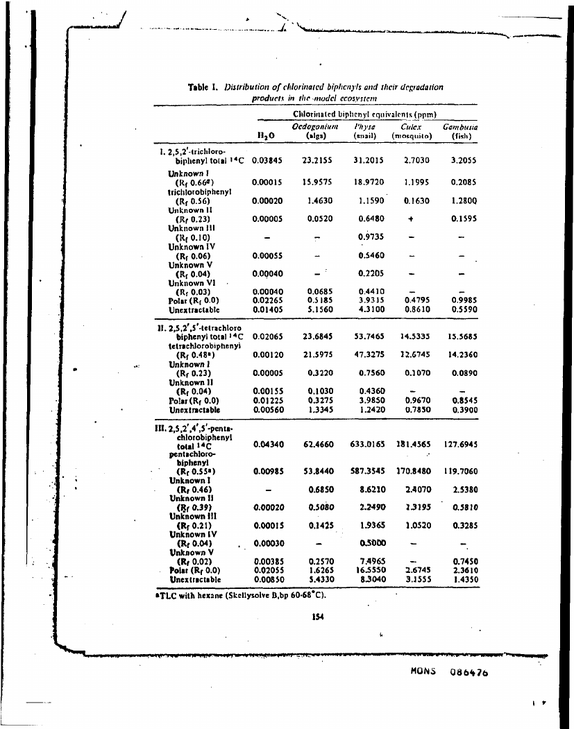
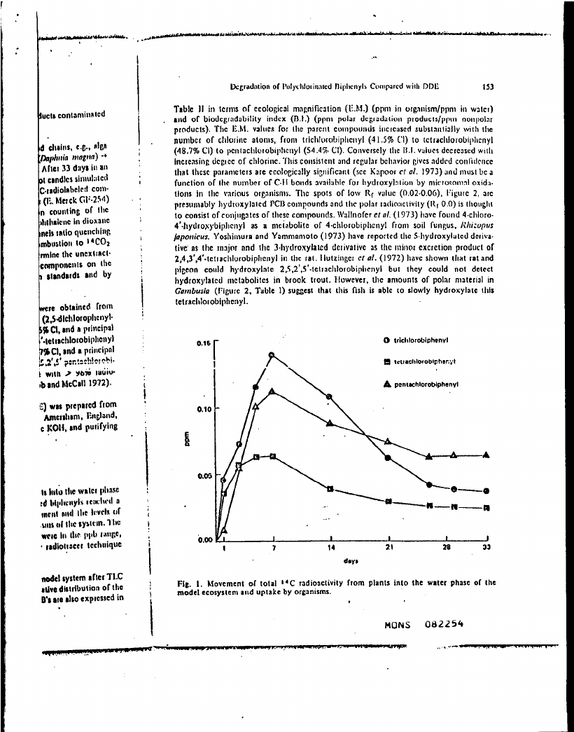
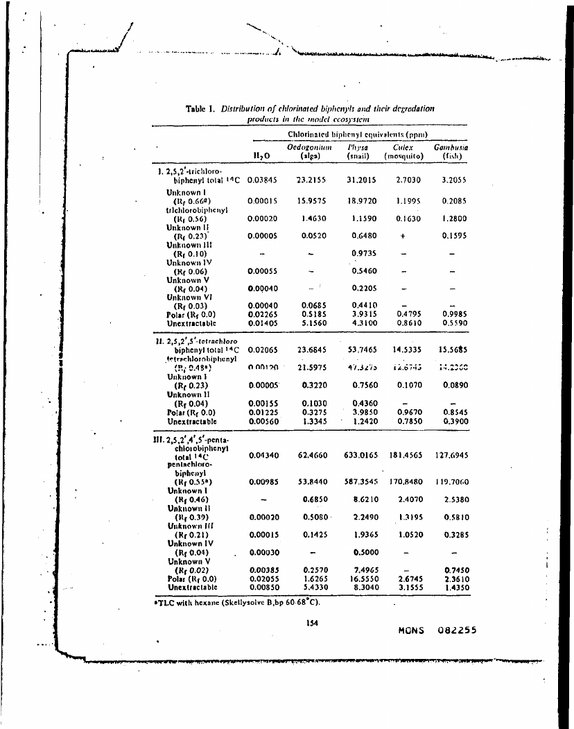
suggest that this fish is able to slowly hydroxylatc tltis tetrachlorobiphenyl.
refid# JJ3Qb6d5O2Y4b2q4gBgKEpXBv15 pages
Upon information and belief, PCBs are toxic wastes and deleterious substances which are a hazard to the health of humans, fish, birds, wild fowl, marine and terrestrial mammals and other.
refid# 1QDgXQ6Qq0jn8Oj4Eb3gexN9525 pages
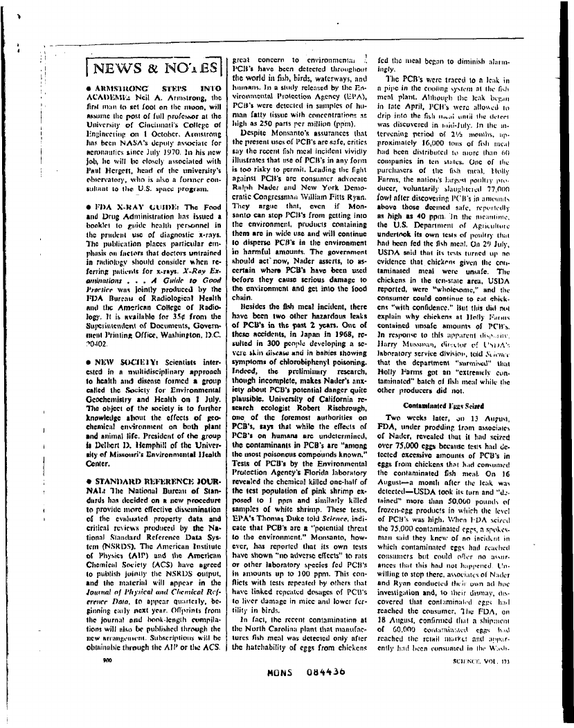
PCB's have been detected throughout the world in fish, birds, waterways, and humans.
refid# oR1wO7nn11ek4Rv6RBEaww584 pages
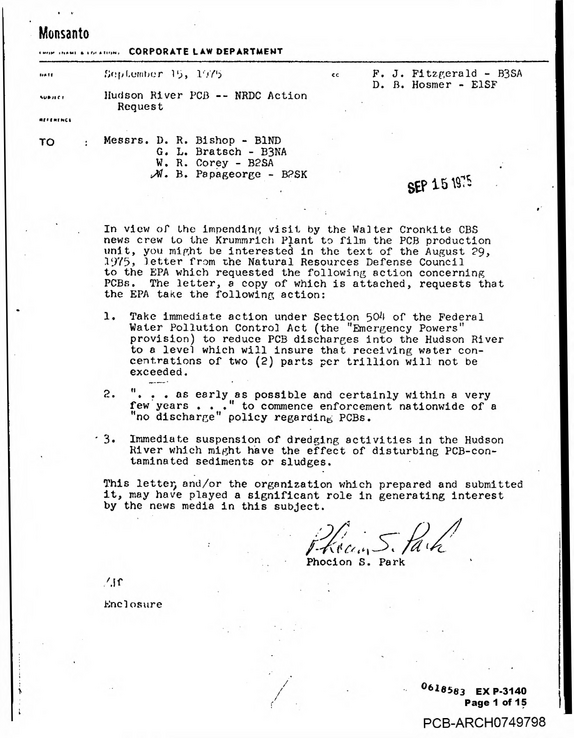
Then, ve will set out the facts as we knov; them re garding the discharges of PCB's into the Hudson and the re sulting contamination of the fish population.
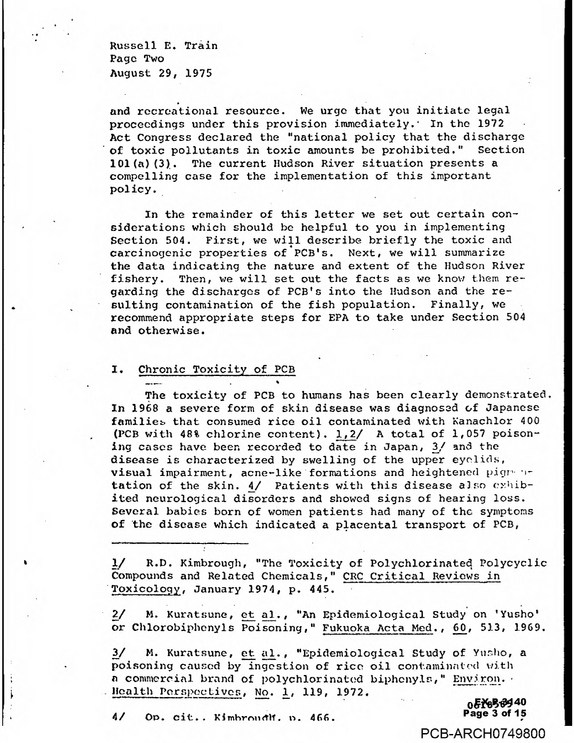
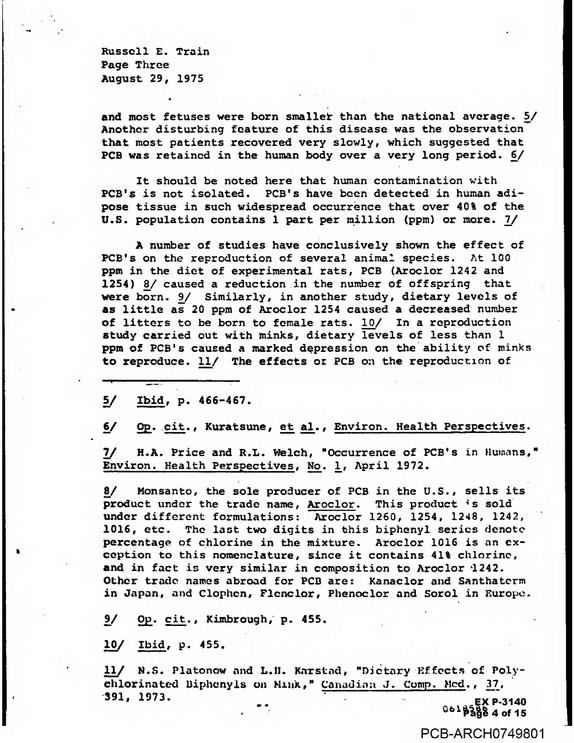
refid# gbzQmegL4ORgvbvbeYgw9XkvQ15 pages
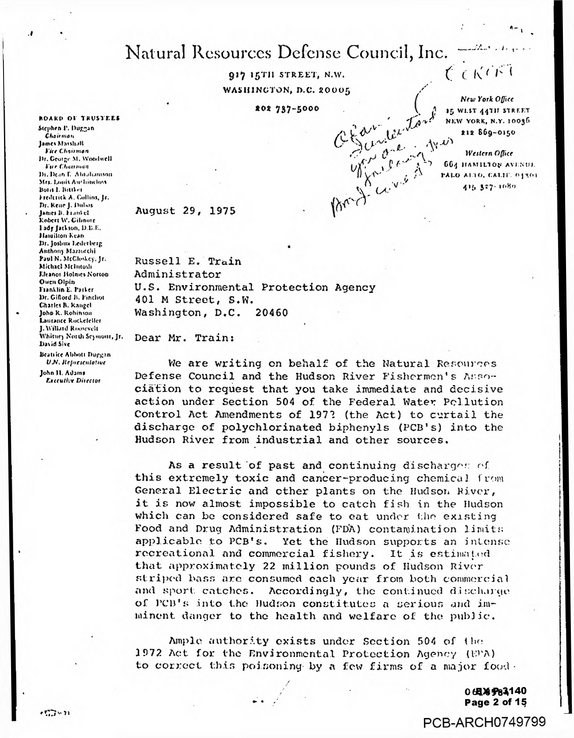
Then, we will set out the facts as we know them re garding the discharges of PCB's into the Hudson and the re sulting contamination of the fish population.
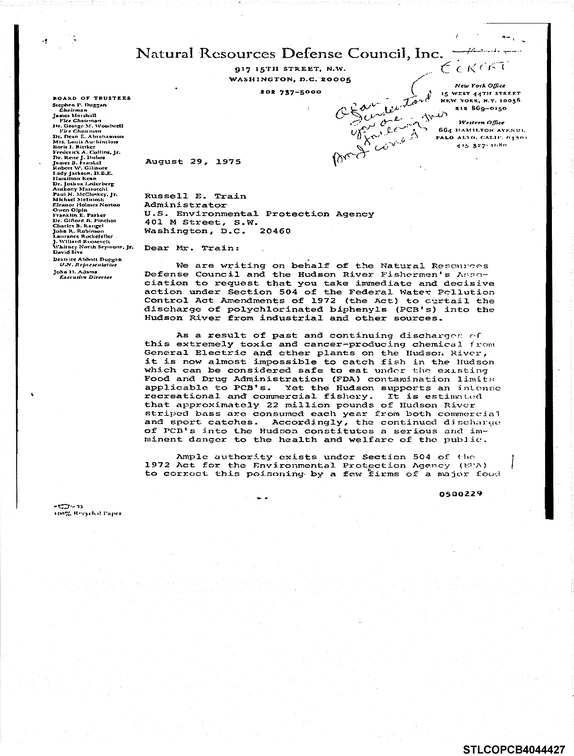
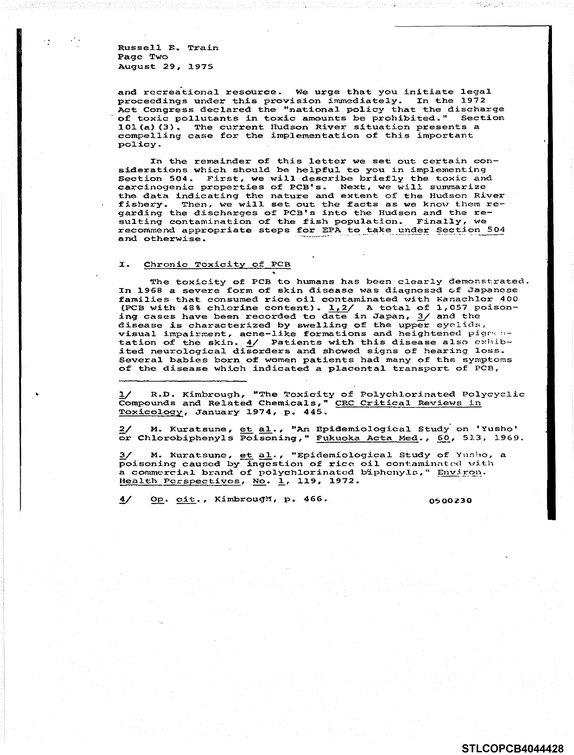
refid# pELwnXkmLYv5Q8aZMyd222Xd13 pages
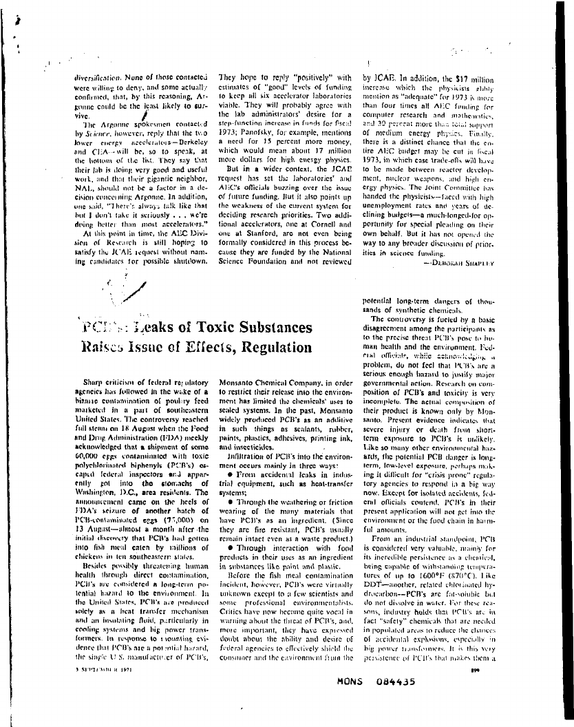
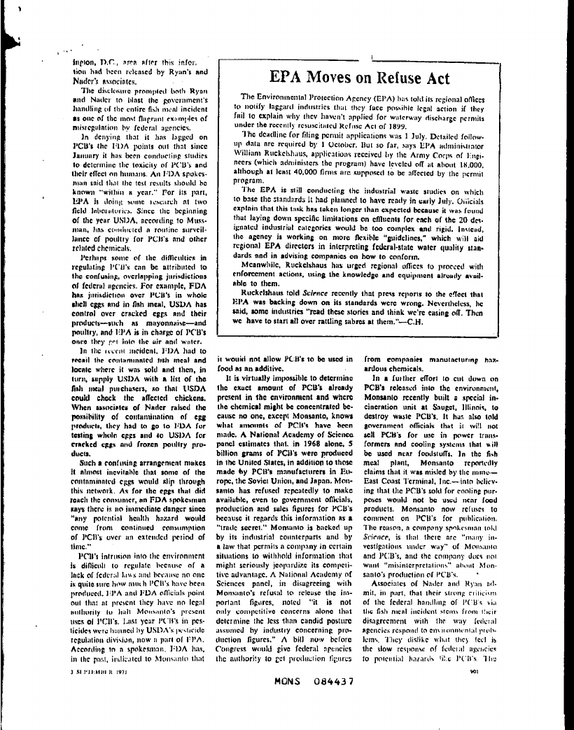
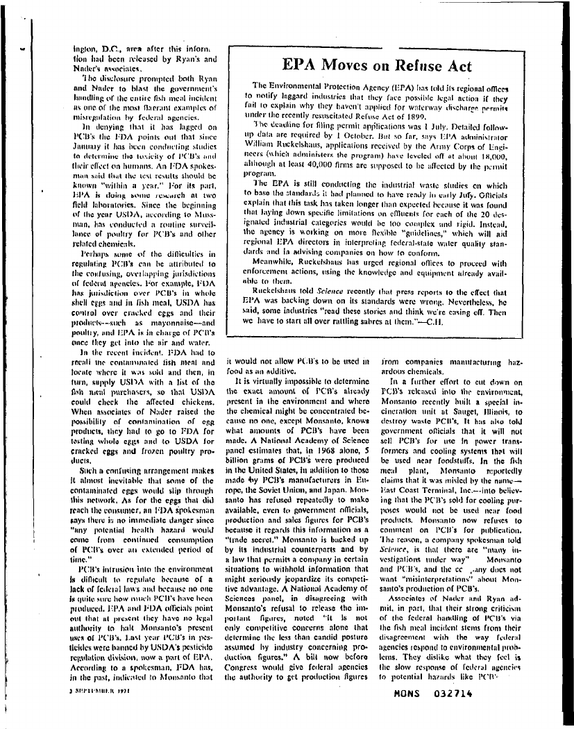
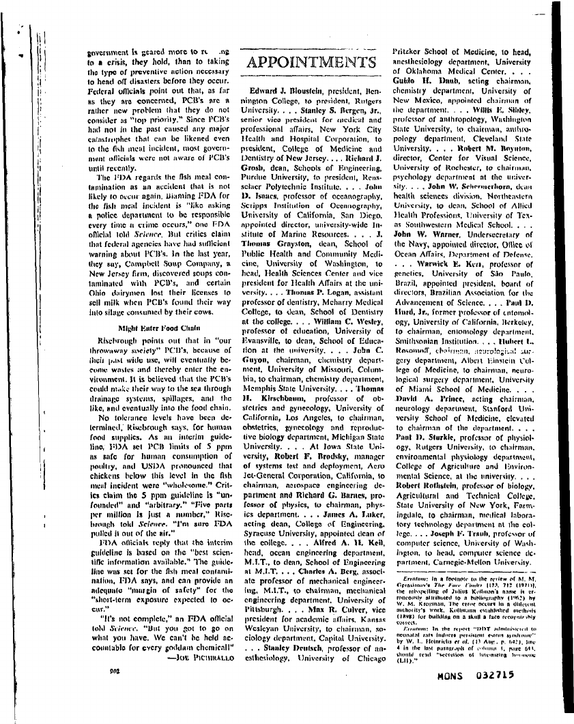
gotten Into fish meal eaten by millions of chickens lit ten southeastern stales.
refid# xjMxN3zaxzNN6m7D3zv0D8ymg4 pages
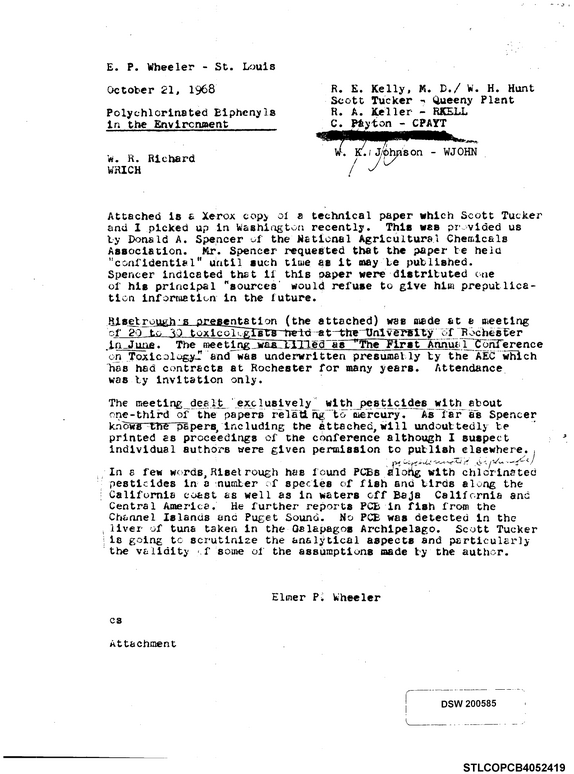
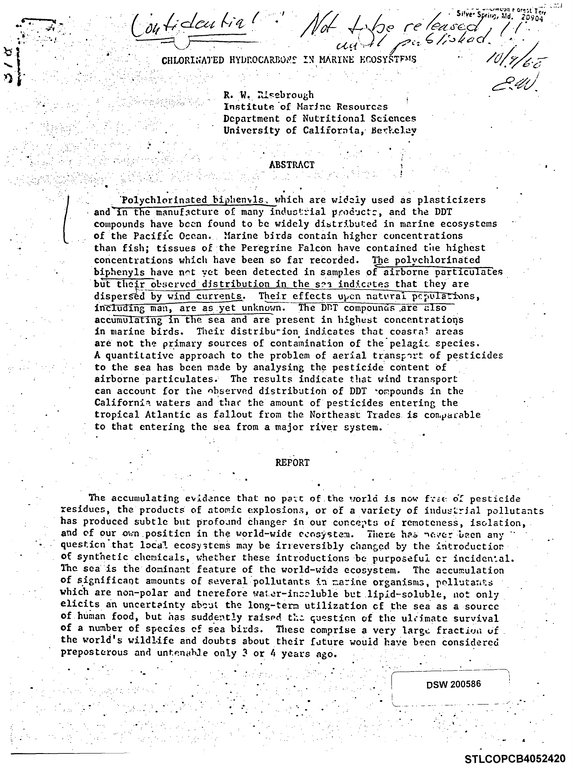
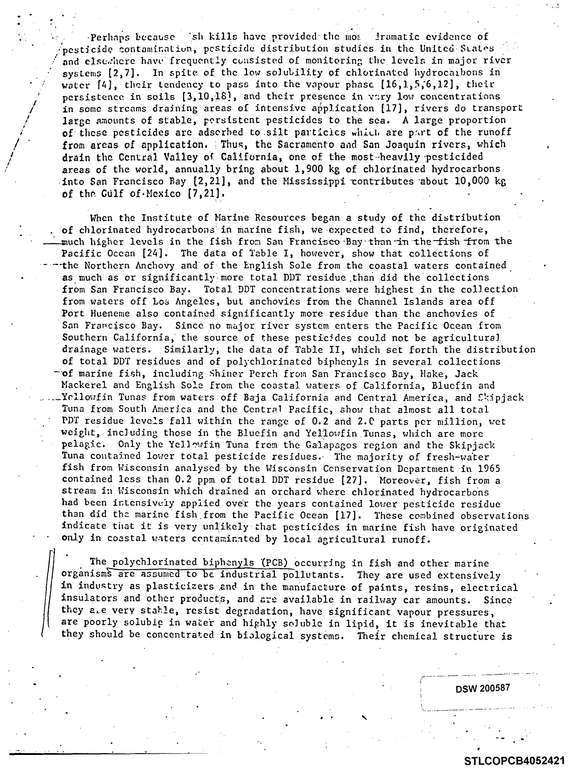
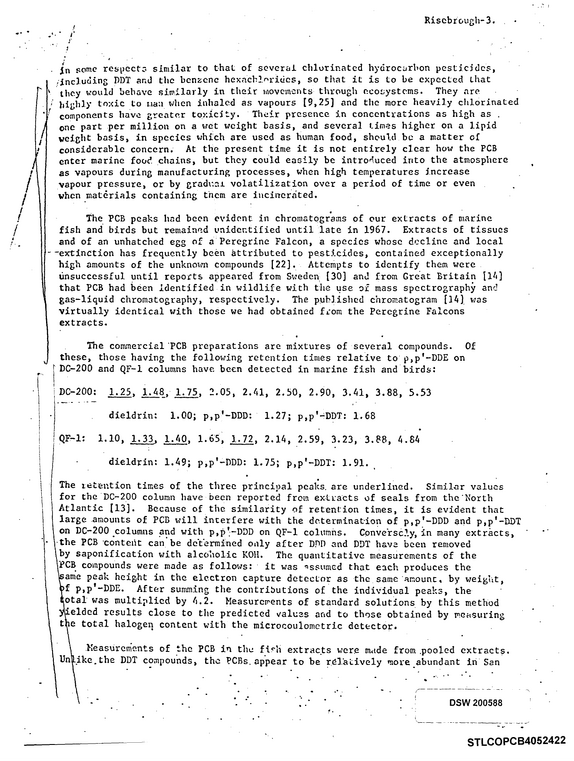
When the Institute of Marine Resources began a study of the distribution of chlorinated hydrocarbons in marine fish, we expected to find, therefore, -much higher levels in the fish from San Franci-sc -Bay-than "in -the-fish ~fTom "the Pacific Ocean [24].
refid# o6nRoJL0boB91NRzaXQOYX717 pages
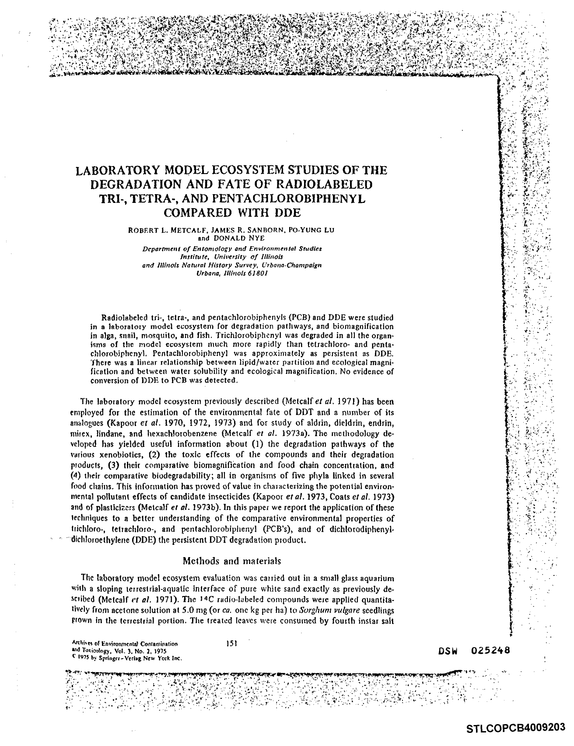
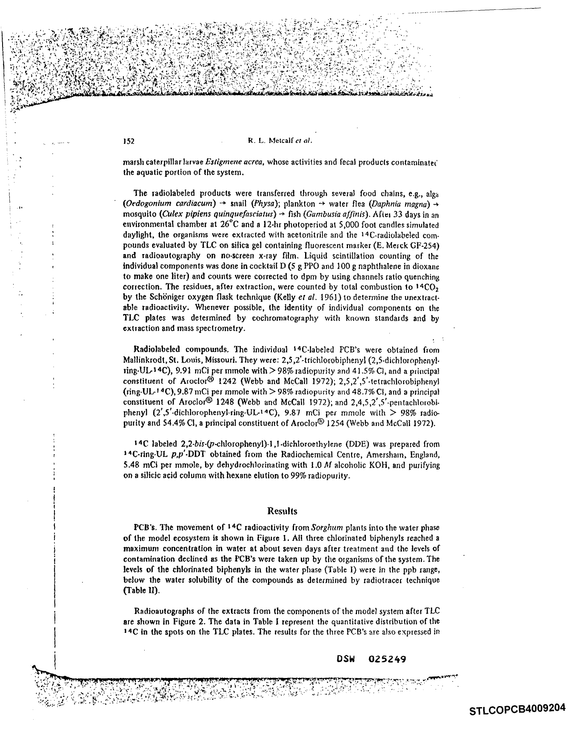
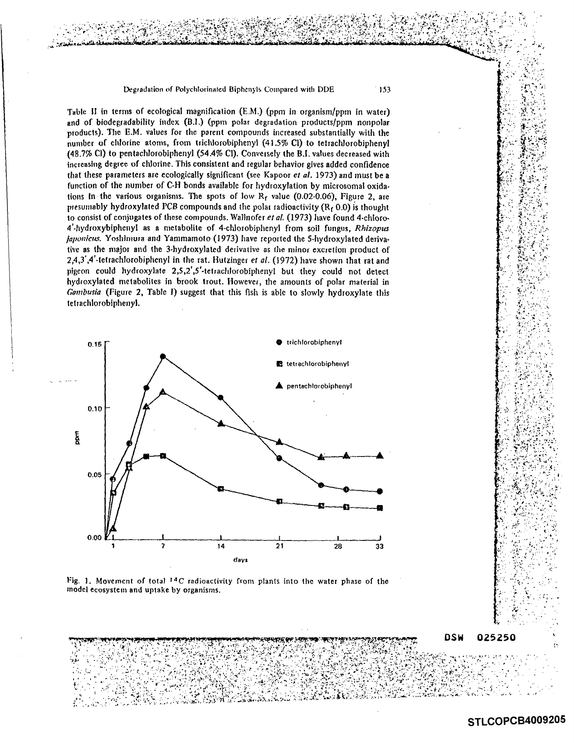
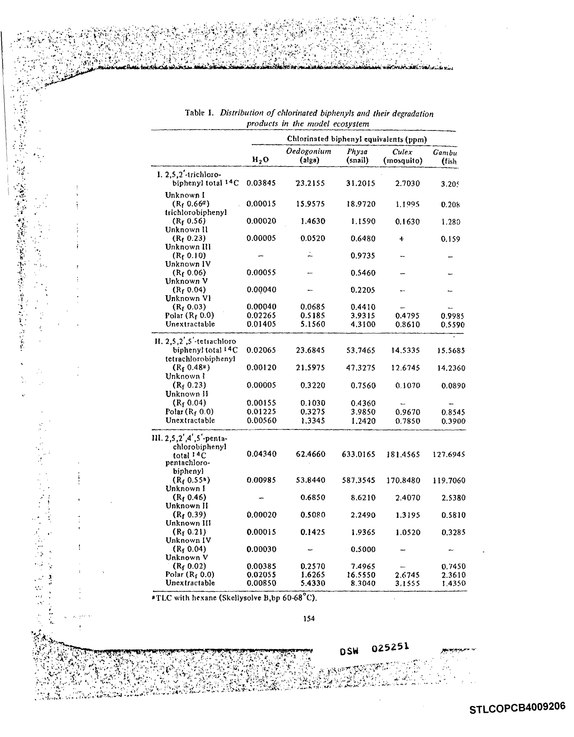
However, the amounts of polar material in Gambusia (Figure 2, Table I) suggest that this fish is able to slowly hydroxylate this tctrachlorobiphenyl.
refid# 6xYxoLkJLomYJpBmkrkbo3QE15 pages
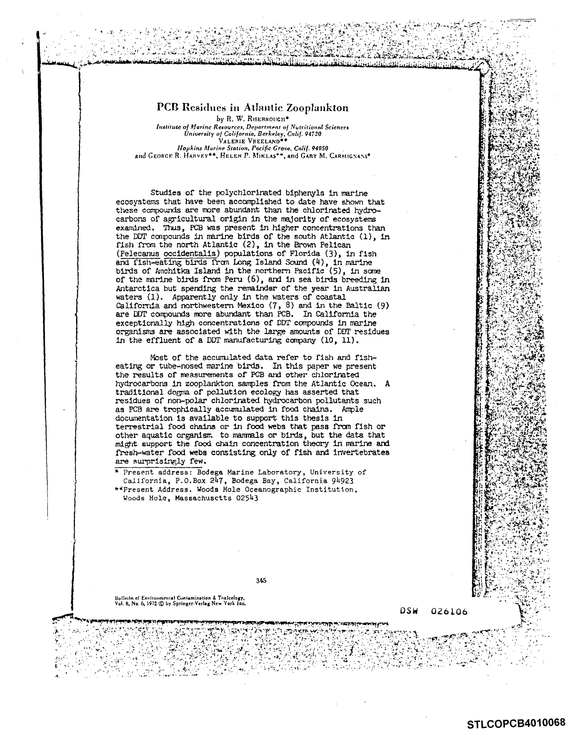
Most of the accumulated data refer to fish and fish eating or tube-nosed marine birds.
refid# Rjp9vd5xxN78p5j75dV262V9811 pages
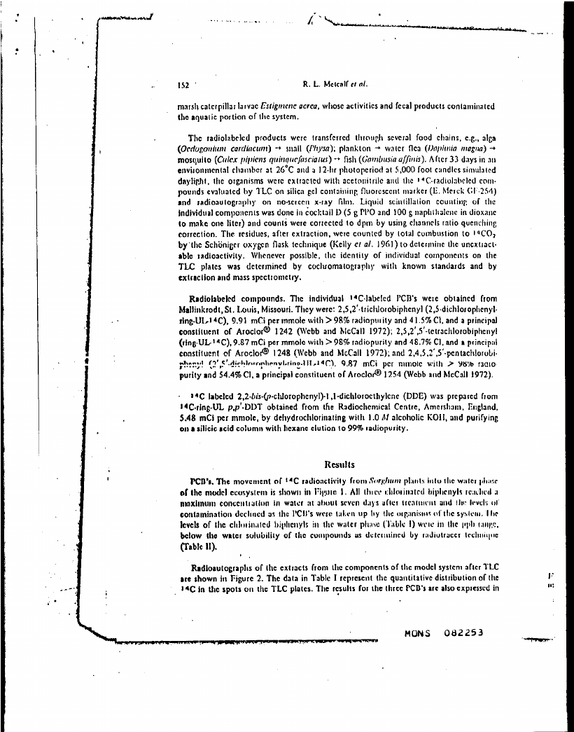
However, the amounts of polar material in Gambusla (Figure 2, Table 1) suggest that this fish is able to slowly hydroxylatc this tctrachlorobiphcnyl.
refid# 93MmnZoOEwX5ymgMz0R96LDdR15 pages