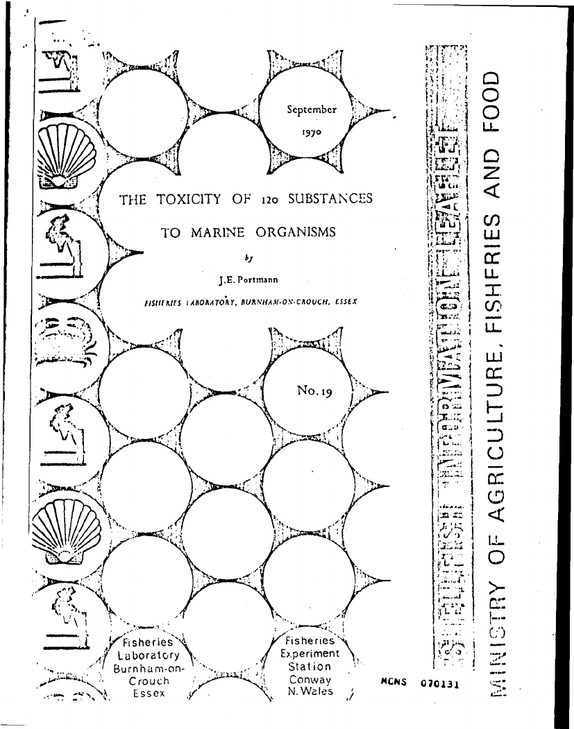
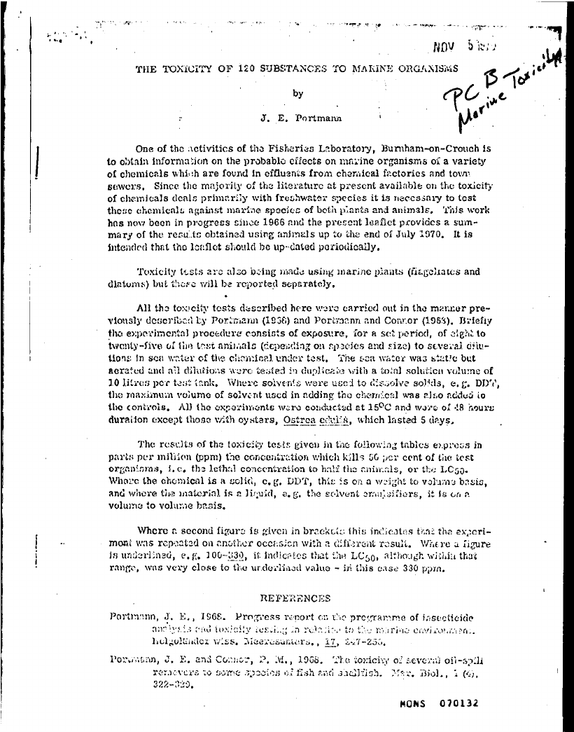
Tie ioxiciry of eevcra'j oil-spill removers to seme specie.1; of fish and suallfish.
refid# XRE4RNKrwy5Z7RVQ95e1RqRZg11 pages
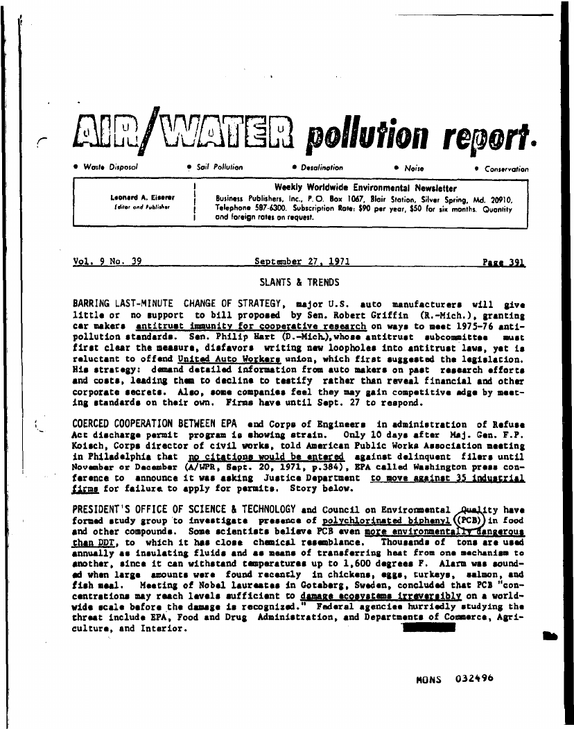
Alarm was sound ed when large amounts wsre found recently in chickens, eggs, turkeys, salmon, and fish meal.
refid# 4JLBDo3BGQXO286bdMMvwO76e3 pages
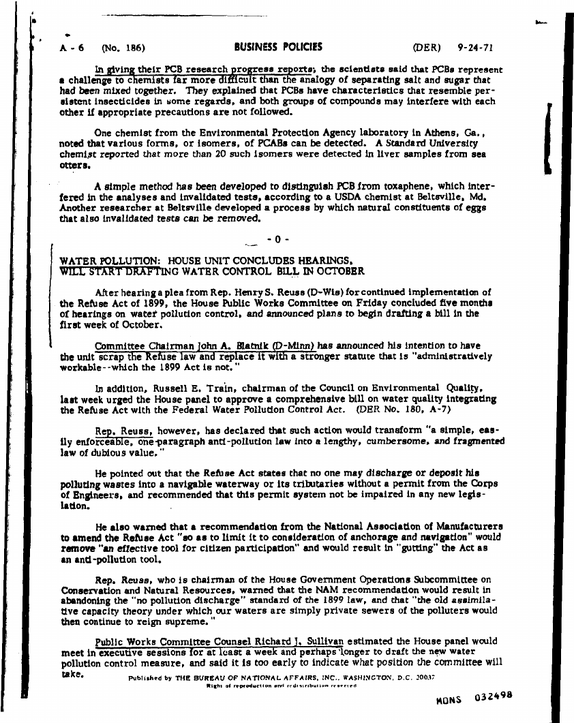
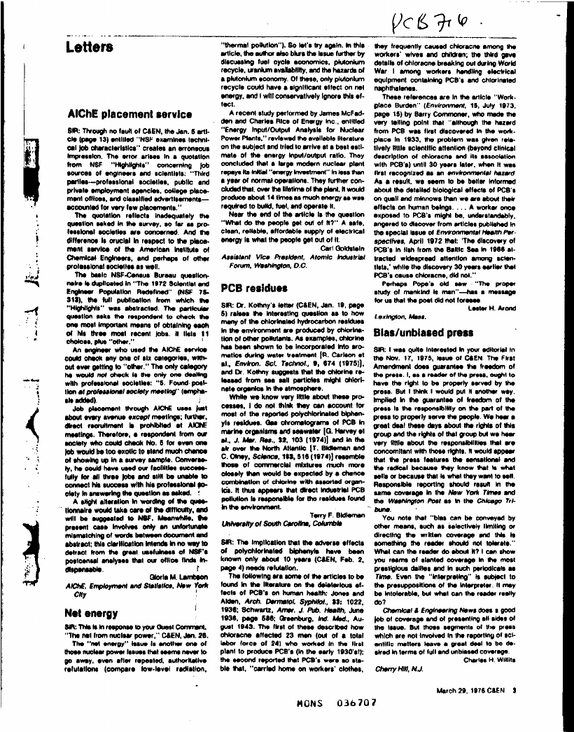
A worker once exposed to PCB's might be. understandably, angered to discover from articles published In the special Issue of Environmental Health Per spectives, April 1972 that: 'The discovery of PCB's In fish from the Baltic Sea In Y966 at tracted widespread attention among actonlists,' while the discovery 30 years earlier the!
refid# 3NQZymeo5VLNQ5Z8QQQjBaG2y1 page
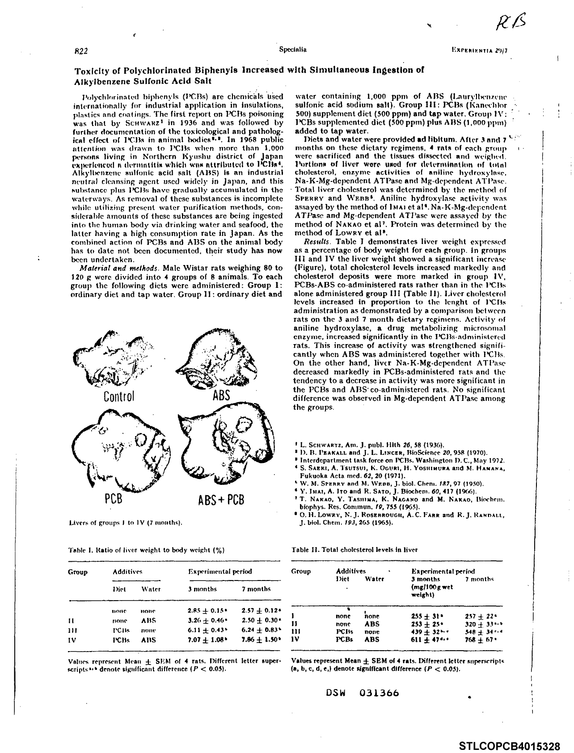
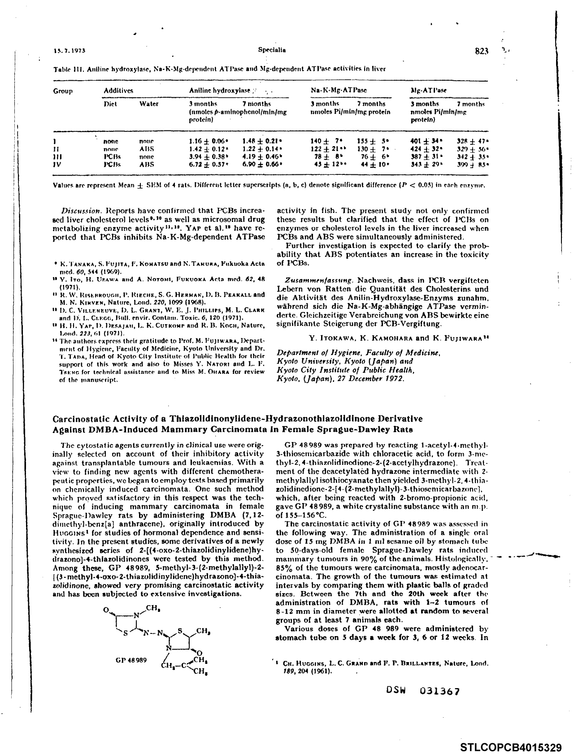
activity in fish.
refid# 93jaxzz1qoRq2DE5GLXmj09OR2 pages
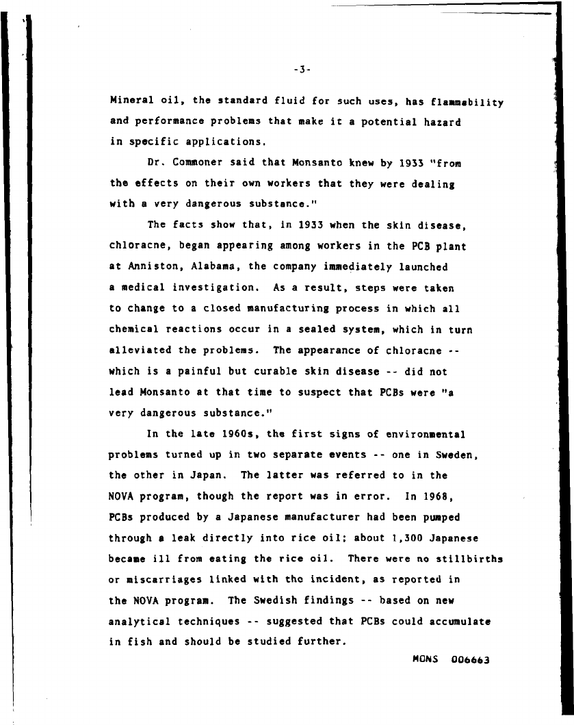
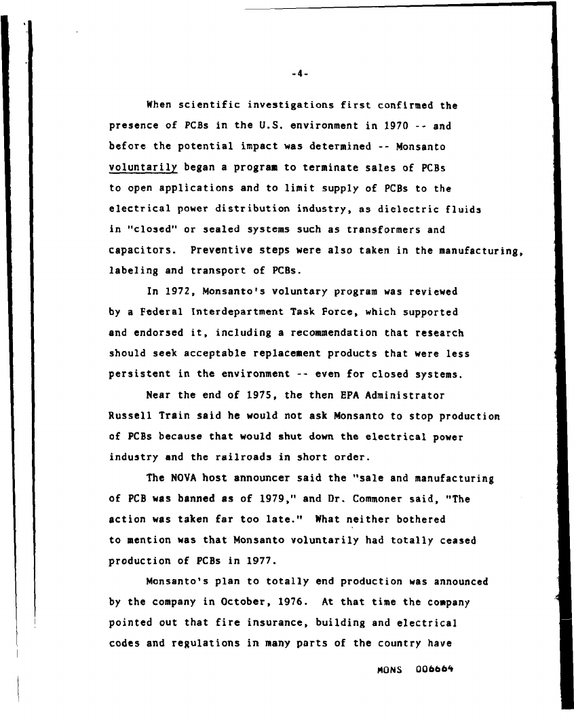
The Swedish findings -- based on new analytical techniques -- suggested that PCBs could accumulate in fish and should be studied further.
refid# Jv7dYOa5Lr3VrzGKmO4qezn4X8 pages
We have found no evidence during all these years that any employee was made seri ously ill by exposure to FCBs or that any fish kills occurred because of same.
refid# NRKYppVjGza8Mx9V207LD1Vb9 pages
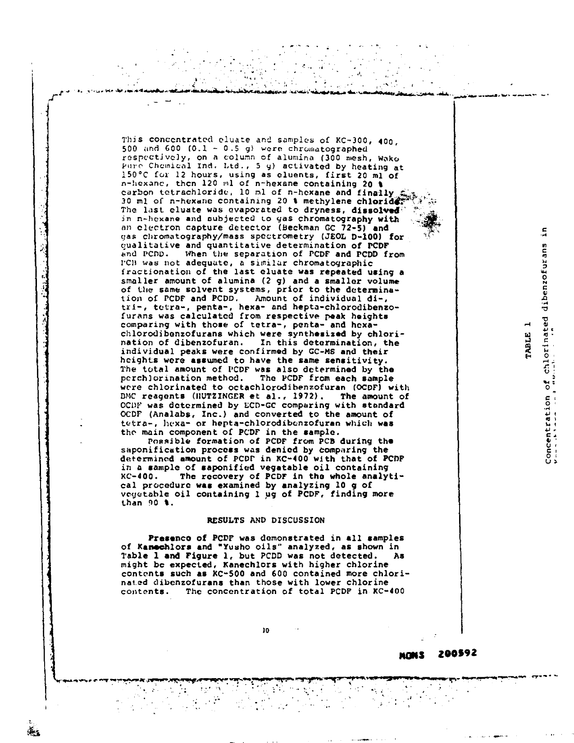
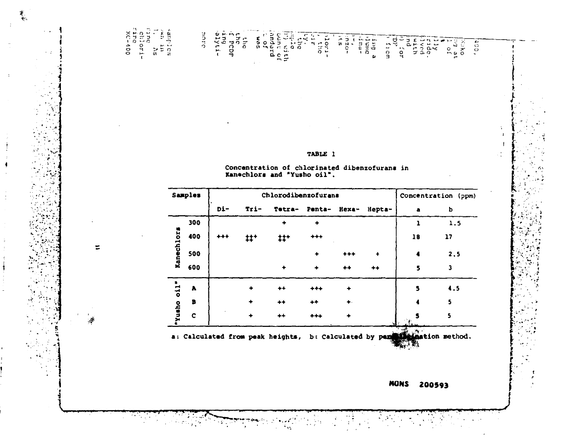
. ,.v- Polychlorinated biphenyls (PCB) are widely distributed in the environment, especially in the tissues of fish, wild lives and nan.
refid# 5k47QmzVKX4yK89gXaaGKmD656 pages
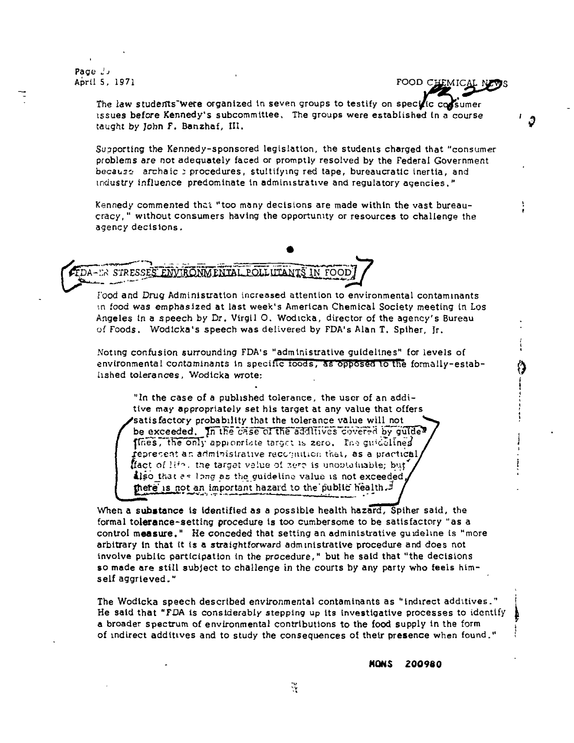
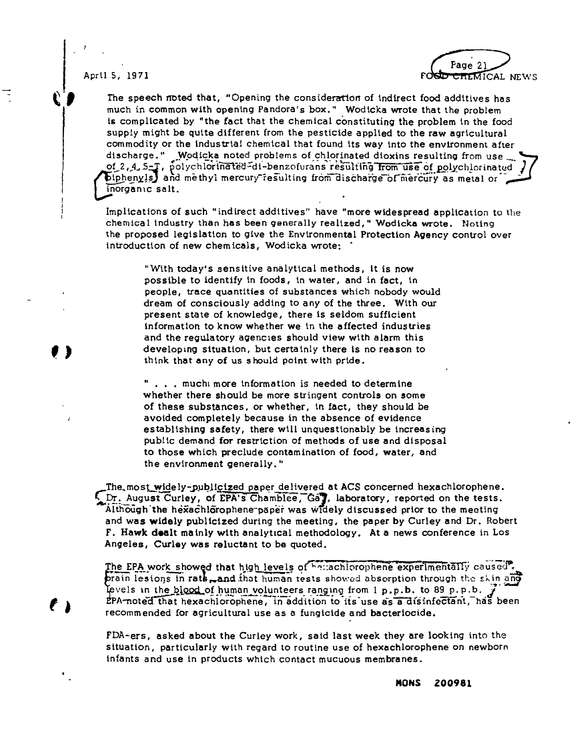
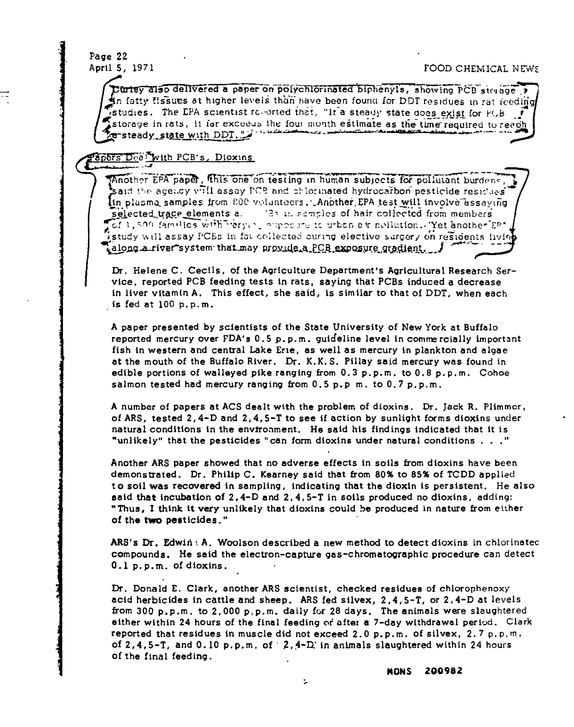
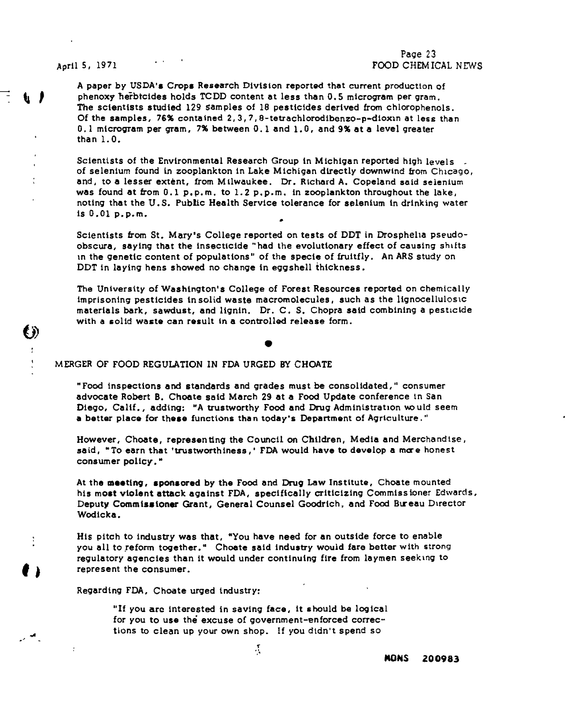
A paper presented by scientists of the State University of New York at Buffalo reported mercury over FDA's 0.5 p.p.m. guideline level in commercially important fish In western and central Lake Erie, as well as mercury In plankton and algae at the mouth of the Buffalo River.
refid# 5L9ZMrbB2ZZMBY1RxOwnbeR1V4 pages
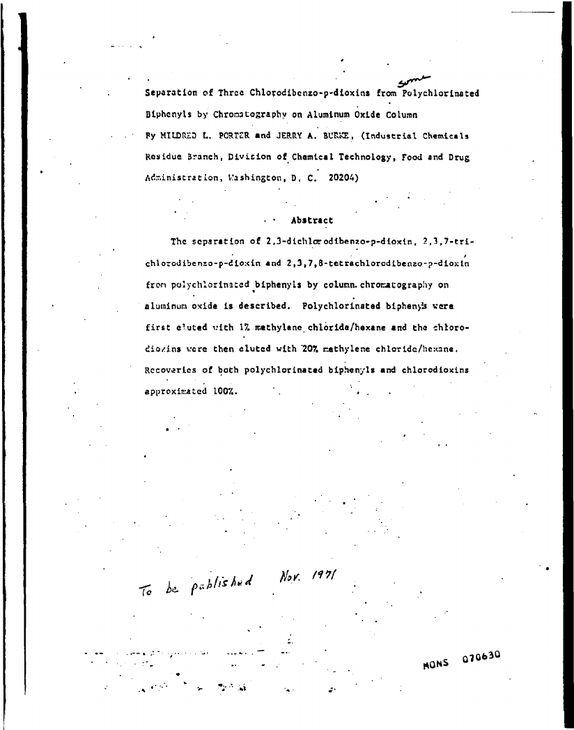
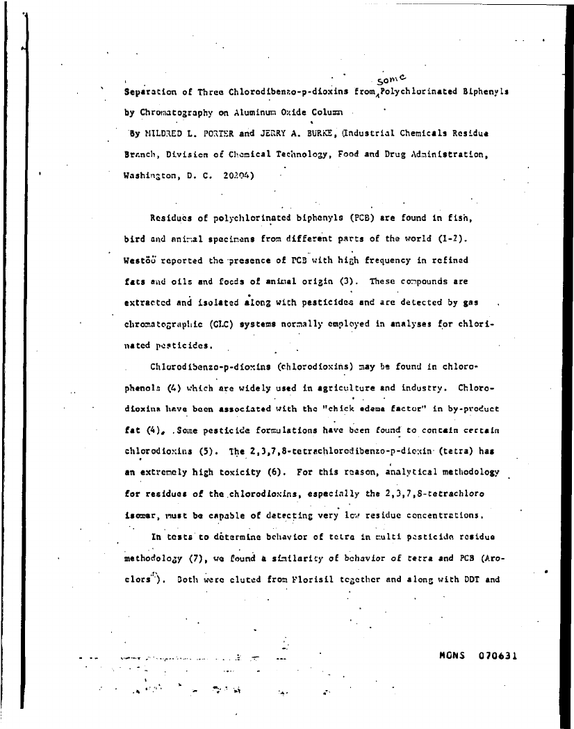
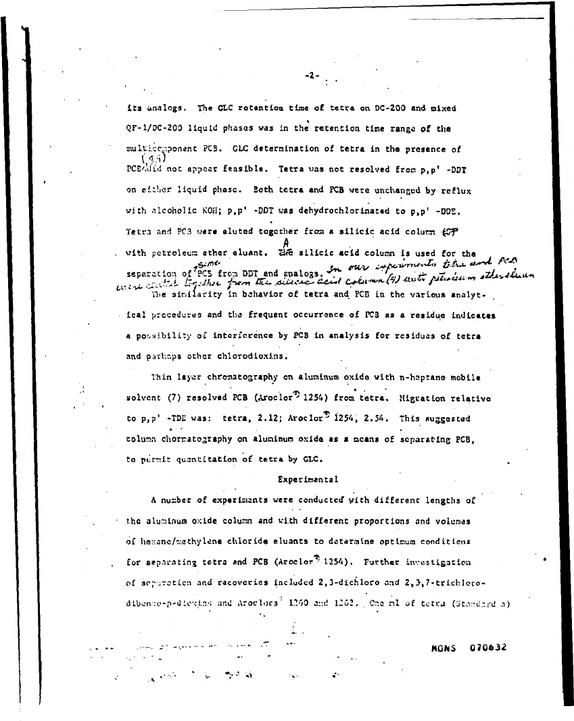
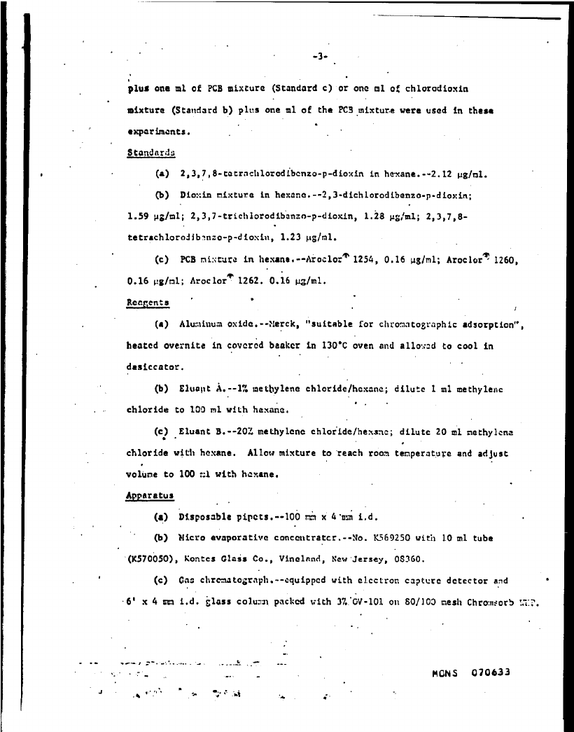
Residues of polychlorinated biphenyls (PCB) are found in fish, bird and animal specimens from different parts of the world (1-2).
refid# 2jpnL0mBvgoQkm9qJ966LNxDg7 pages
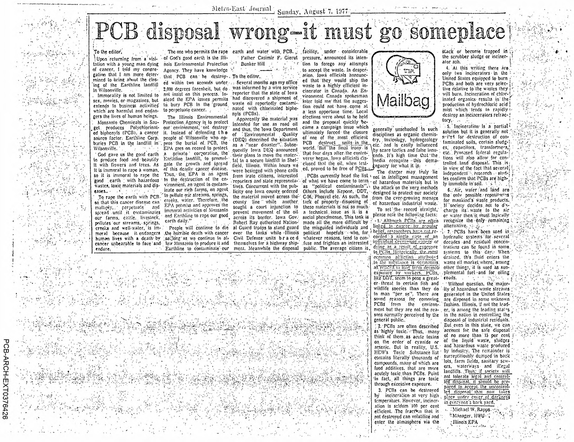
. , ;' er threat to certain fish and ' Without question, (he major- wildlife sneeics than they do ily of hazardous waste streams ; tn man "per. se".
refid# aBeQkBxb8qVOkQgqX1qO91ZV91 page
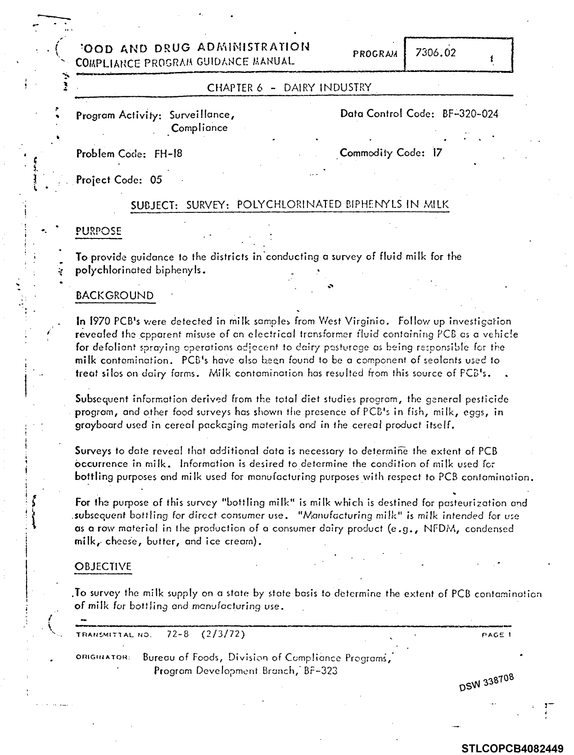
Subsequent information derived from the total diet studies program, the general pesticide program, and other food surveys has shown the presence of PCB's in fish, milk, eggs, in groyboard used in cereal packaging materials and in the cereal product itself.
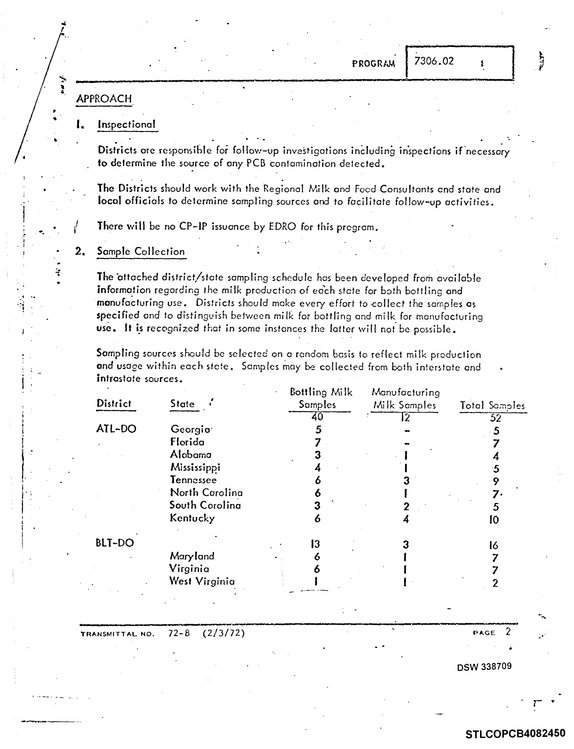
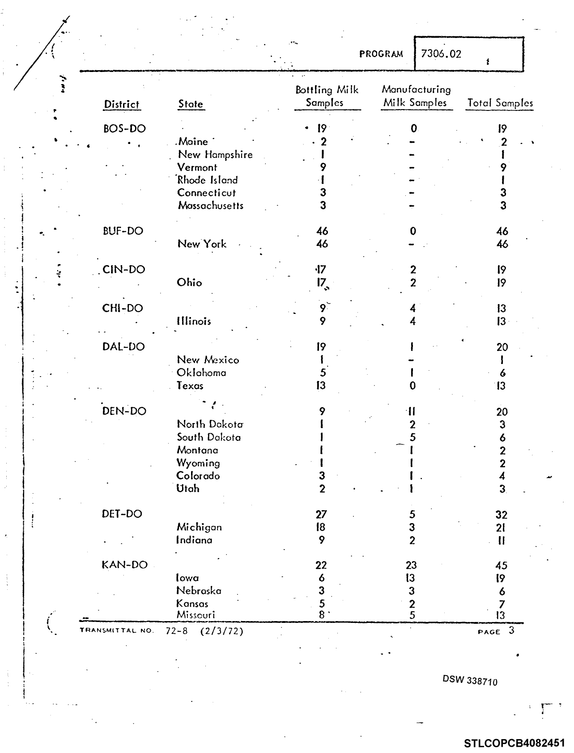
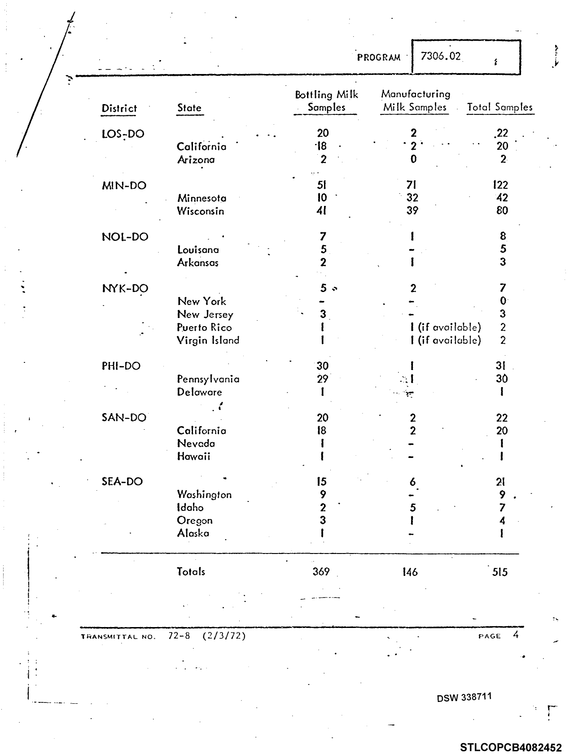
refid# NQ2Ko85dyE716k19oZMXx18R6 pages
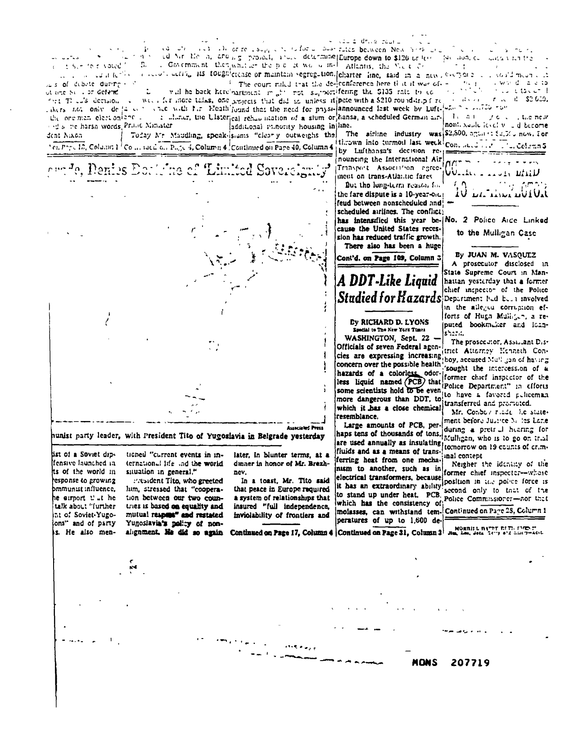
been contaminated by PCB, nwti Quality x ferr. a :u;dy fowl, fish and perhaps rais I*onn CIO necLi e"o to 'n-l vesfite the p-cic'r; of FCB' in food ard c'.
refid# 1gNzbXN00MLDnBNEy8GkdV18K2 pages
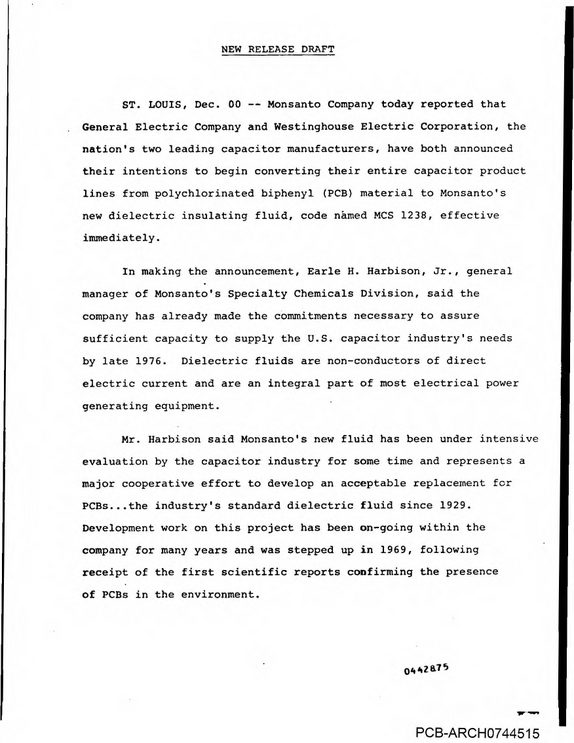
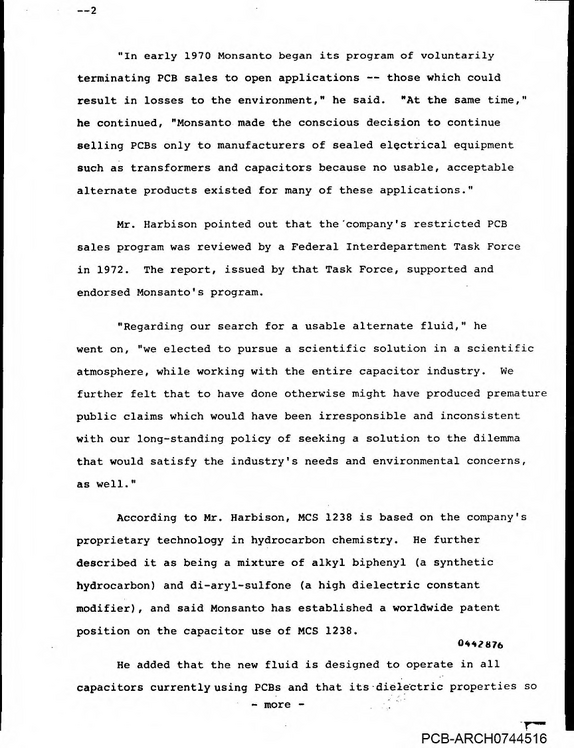
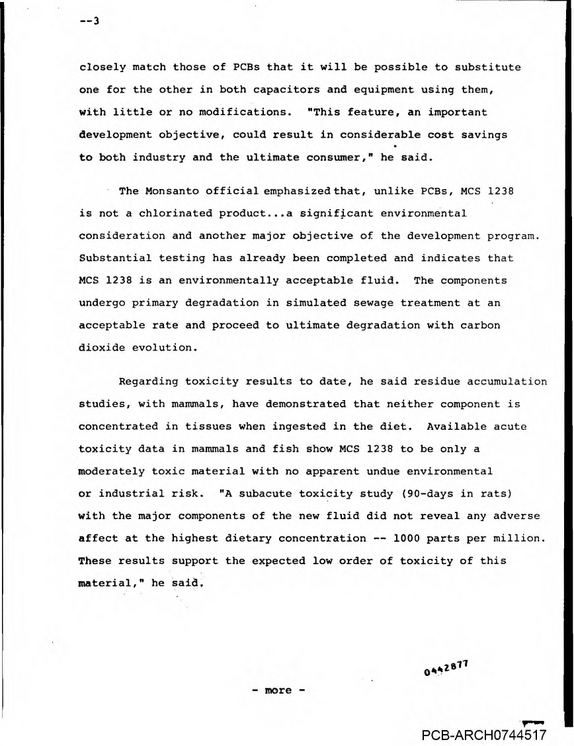
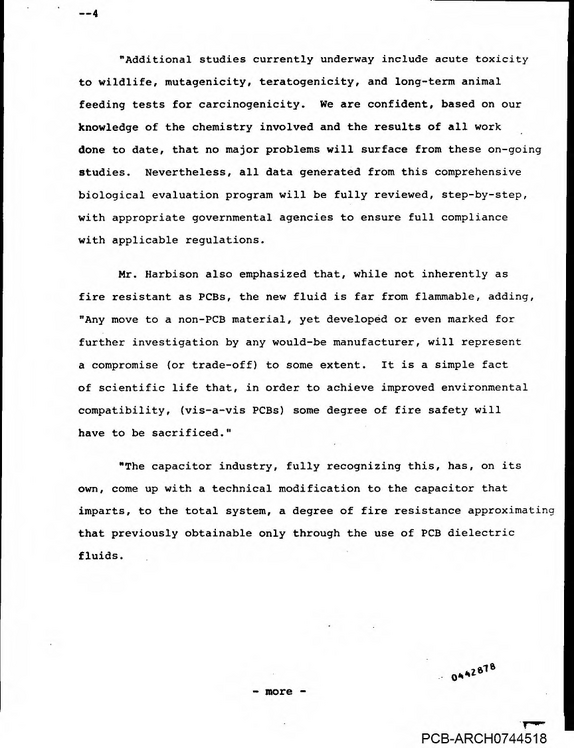
Available acute toxicity data in mammals and fish show MCS 1238 to be only a moderately toxic material with no apparent undue environmental or industrial risk.
refid# 7JnMZK4rb5QvRENorBno98e7 pages
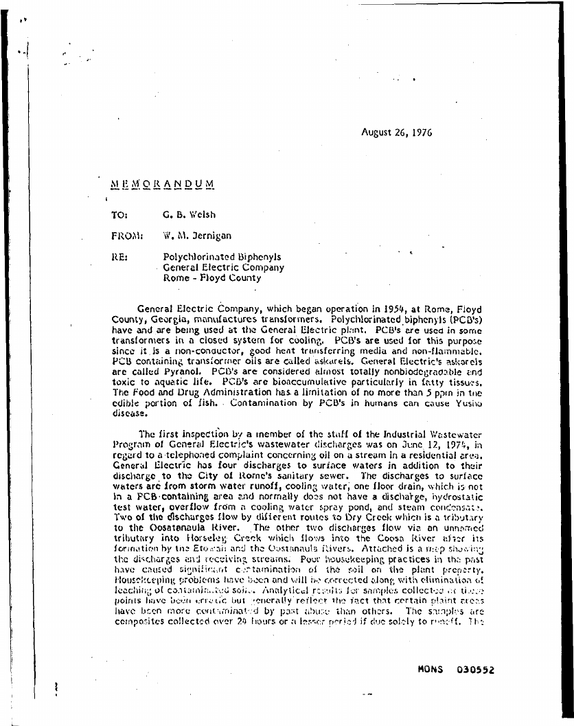
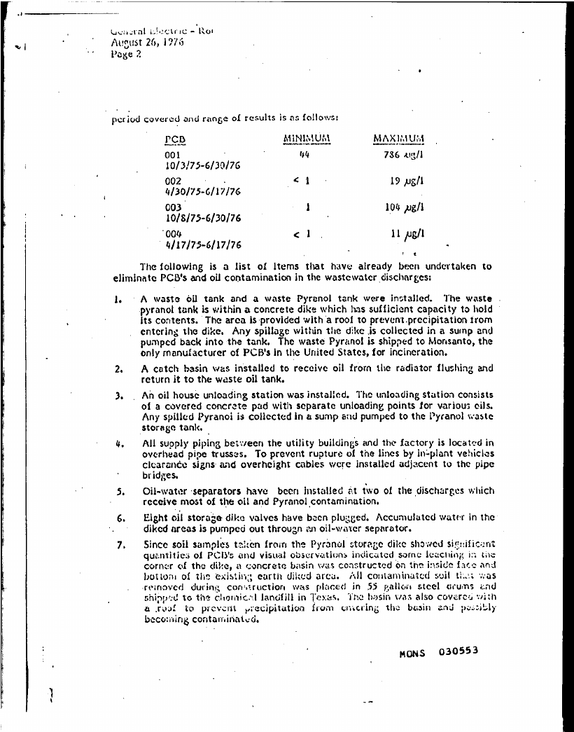
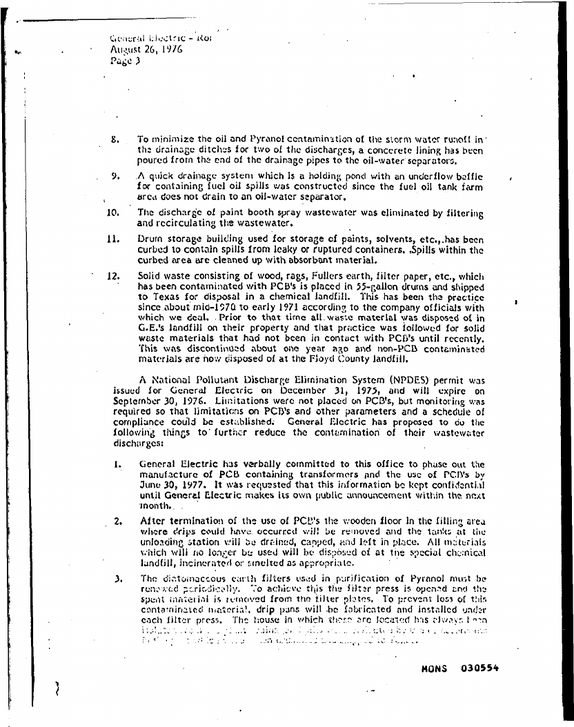
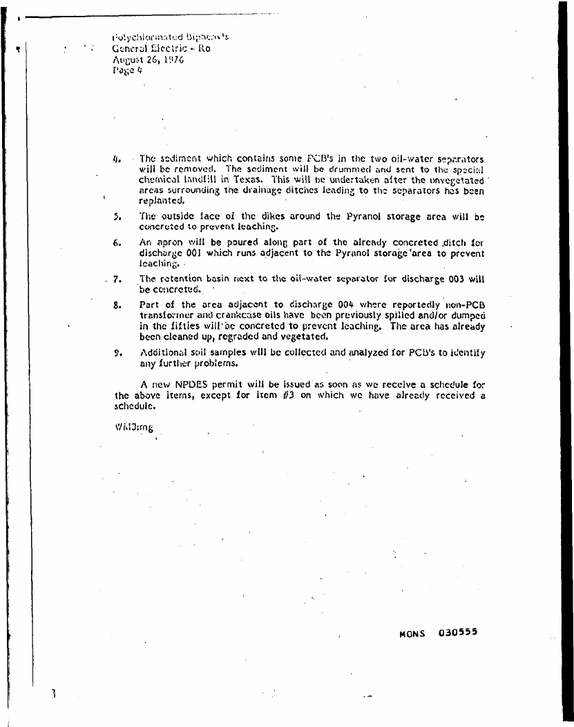
The Food and Drug Administration lias, a limitation of no more than 5 ppm in tne edible portion of fish.
refid# 5kzNRLXvqZwo248NaB517kvyz4 pages
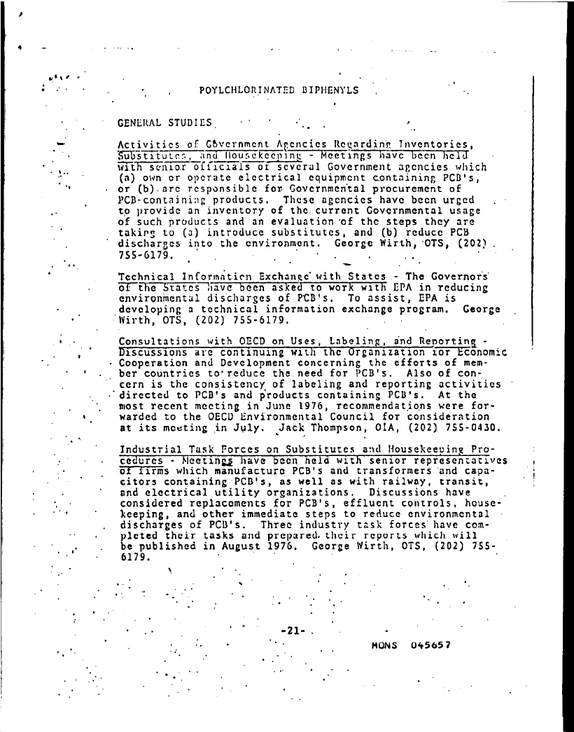
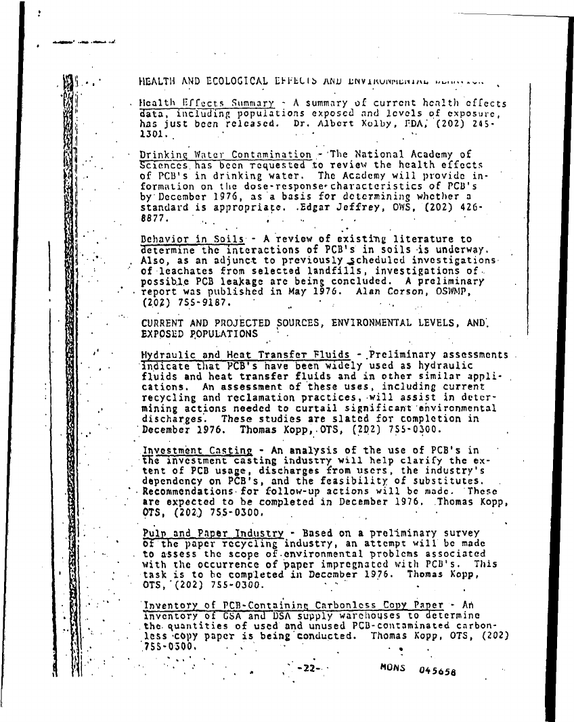
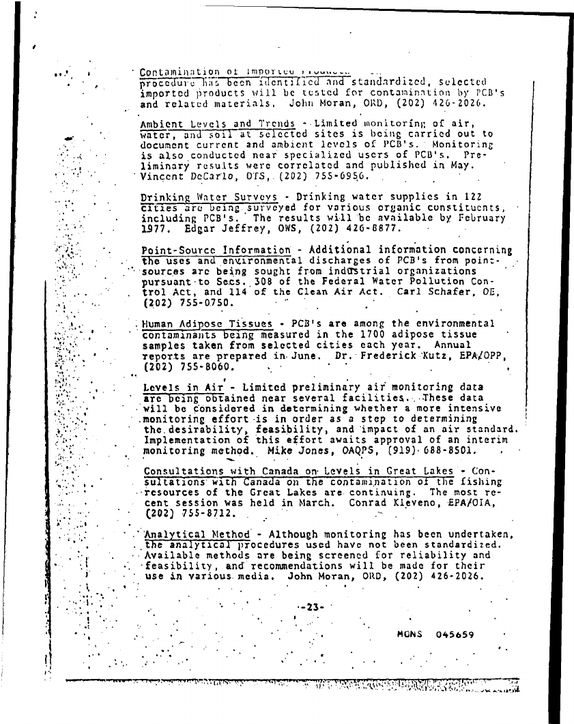
Consultations with Canada on- levels in Great Lakes - Con sultations with Canada on the contamination of the fishing resources of the Great Lakes are continuing.
refid# QnDzp3MXBRneOkEe0wwRdOOo6 pages