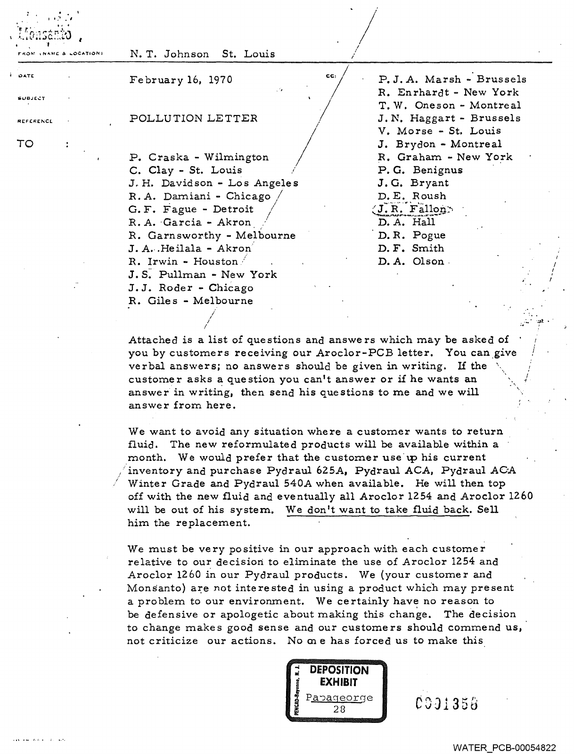
i > .* x1 i rOW i NAME & wOCATlON ) i DATE SUBJECT REFCRENCL TO N.
refid# vVoYknNBbRQv9KxL5G5yv6V7Y24 pages
From th do '' o!
refid# Ne9rZOnZEM8vroGVEz7m0Dj7833 pages
i > .* x1 i rOW i NAME & wOCATlON ) i DATE SUBJECT REFCRENCL TO N.
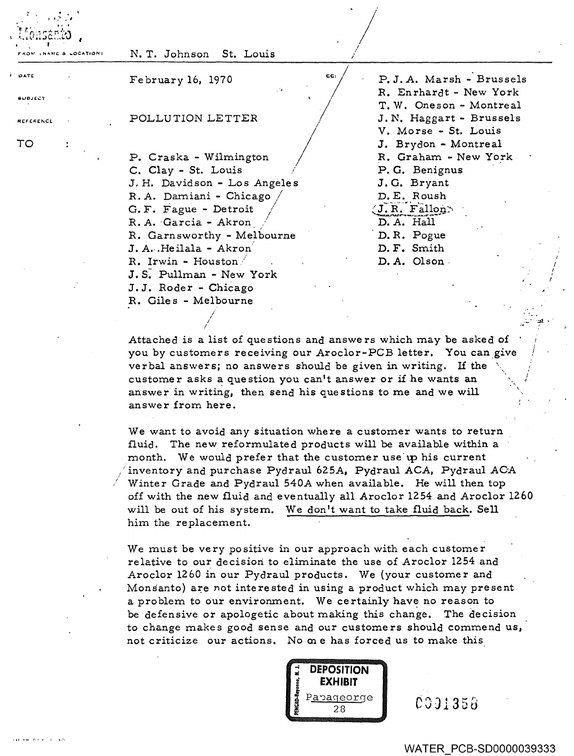
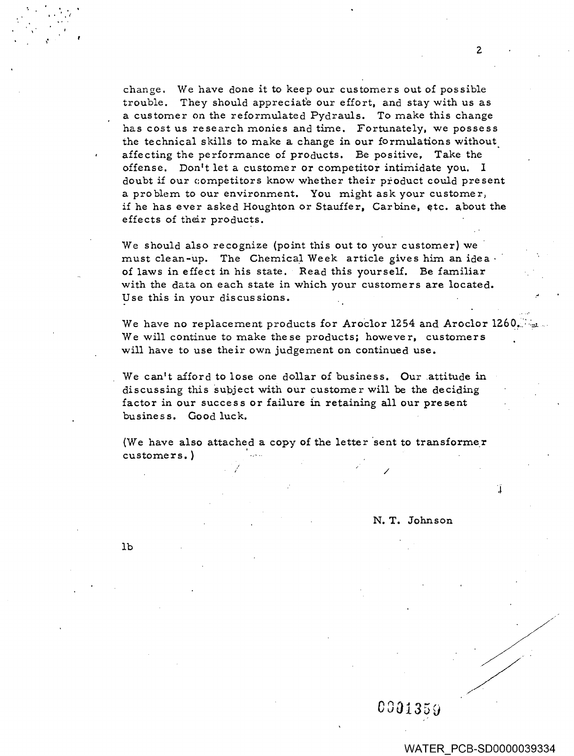
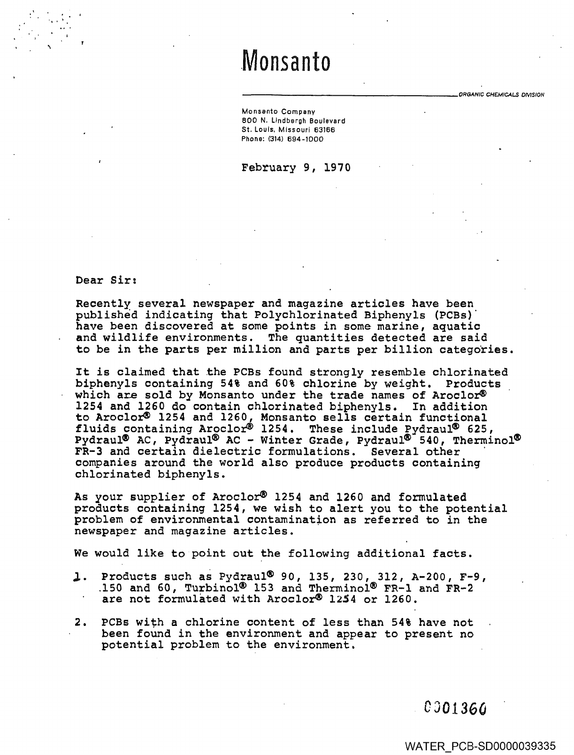
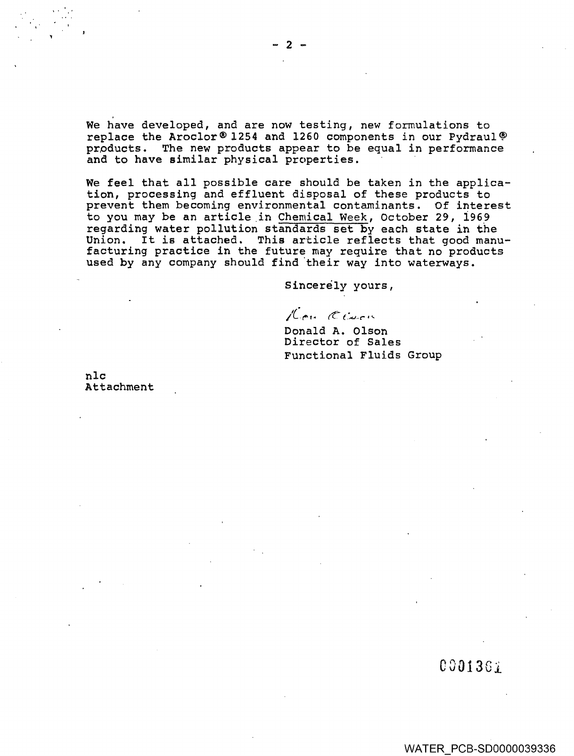
refid# o9knxpBvNRNNVqVJG4aO3Z5wR24 pages
PINAL ENVIRONMENTAL IMPACT STATEMENT RULE MAXING ON POLYCHLORINATED BIPHENYLS Pood and Drug Administration Dapartaant of Haalth, Education, and Halfara Saa D.
refid# Eydmgq7g03pgdD23kpbDRGRL72 pages
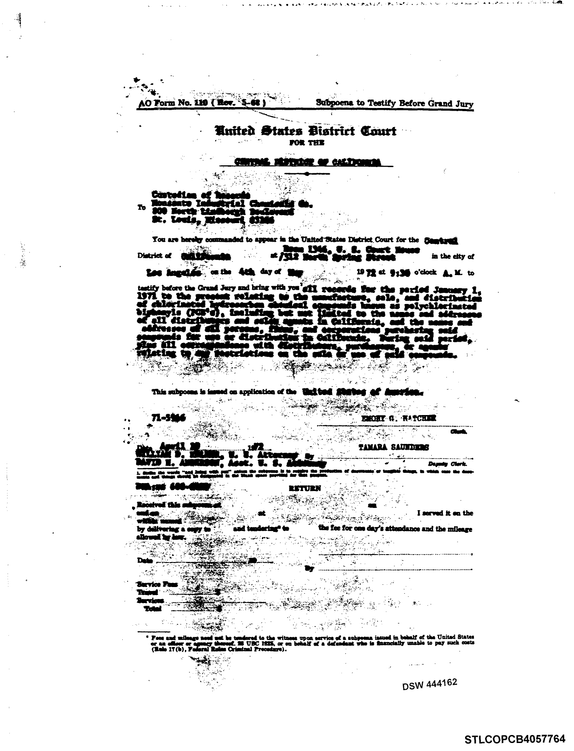
AO Tam No.
refid# 65jwJLN51qeM7rwEvDMNzM91655 pages
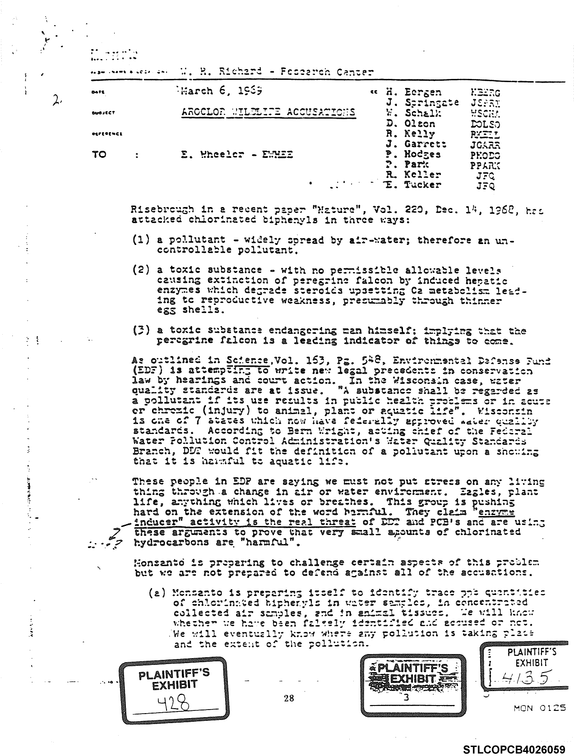
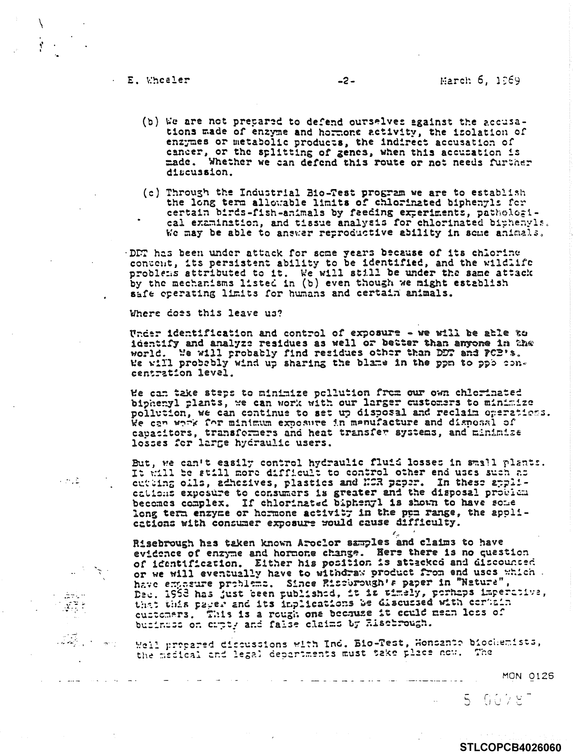
(c) Through the Industrial Bio-Test program we are to establish the long tern allowable limits of chlorinated biphenyls for certain birds-fish-animals by feeding experiments, pathelori- " cal examination, and tissue analysis for chlorinated biphenyls.
refid# wrR4Nv0XXEQM0aDXK1Kqb6y1d3 pages
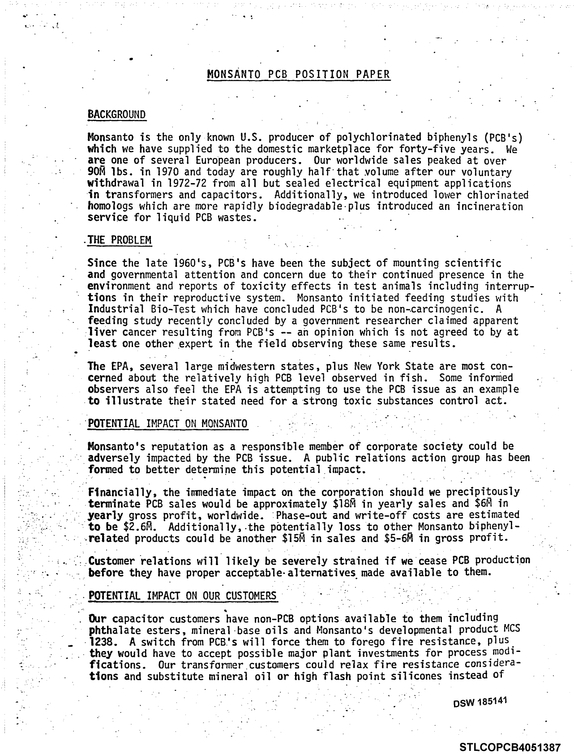
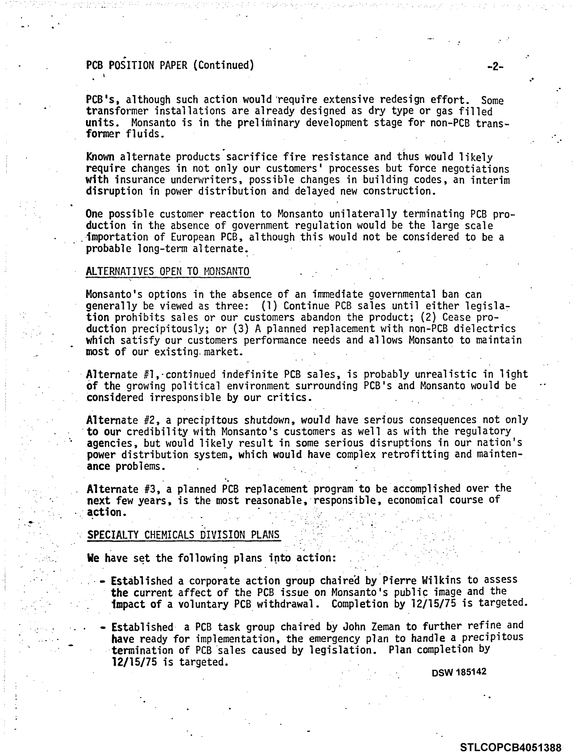
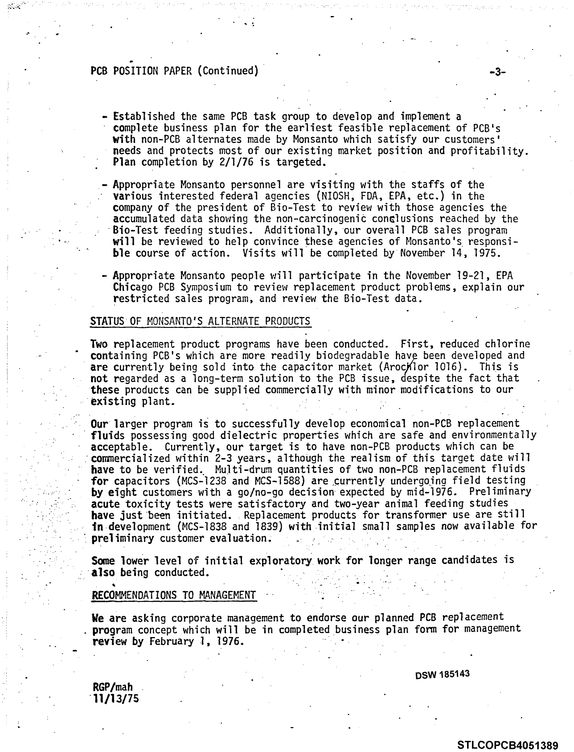
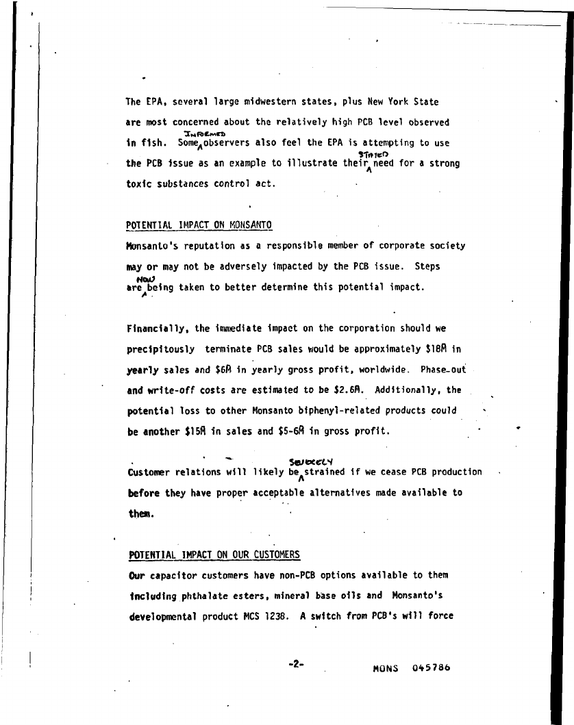
The EPA, several large midwestern states, plus New York State are most con cerned about the relatively high PCB level observed in fish.

refid# zozYp6bKnp5OqjwYbaRBR3Zz04 pages
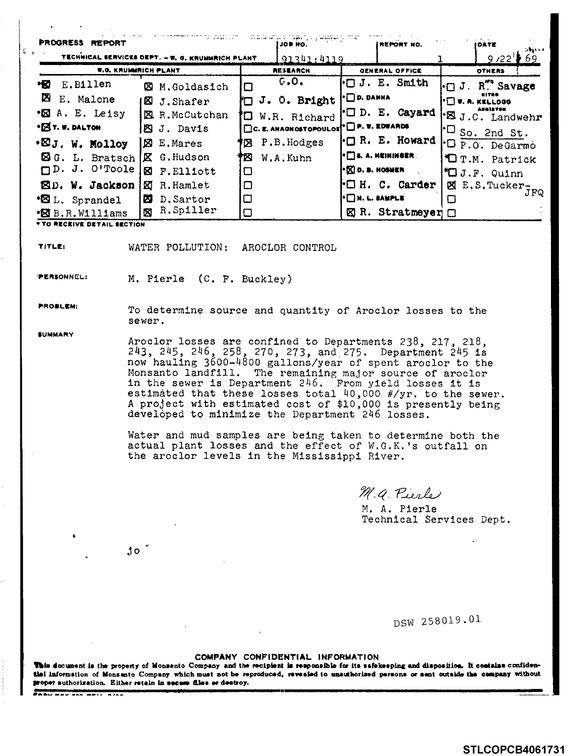
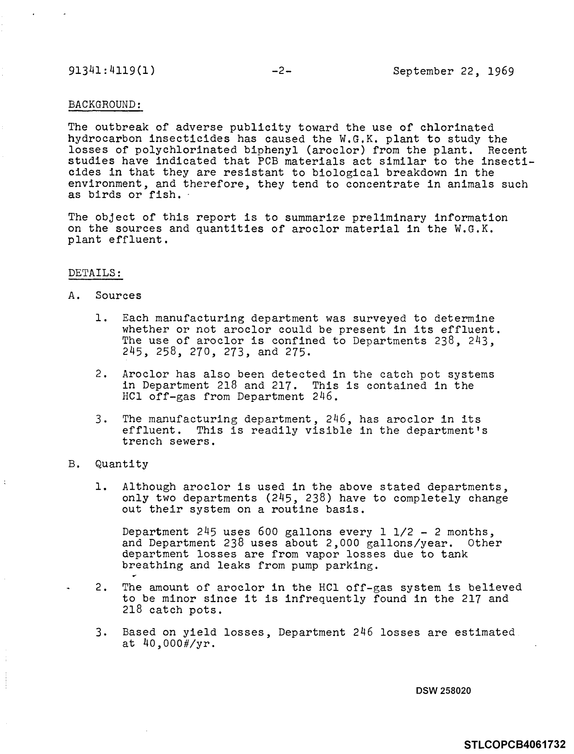
Recent studies have indicated that PCB materials act similar to the insecti cides in that they are resistant to biological breakdown in the environment, and therefore, they tend to concentrate in animals such as birds or fish.
refid# EdMv1NYVB47YJD1324Yaqoqxb4 pages
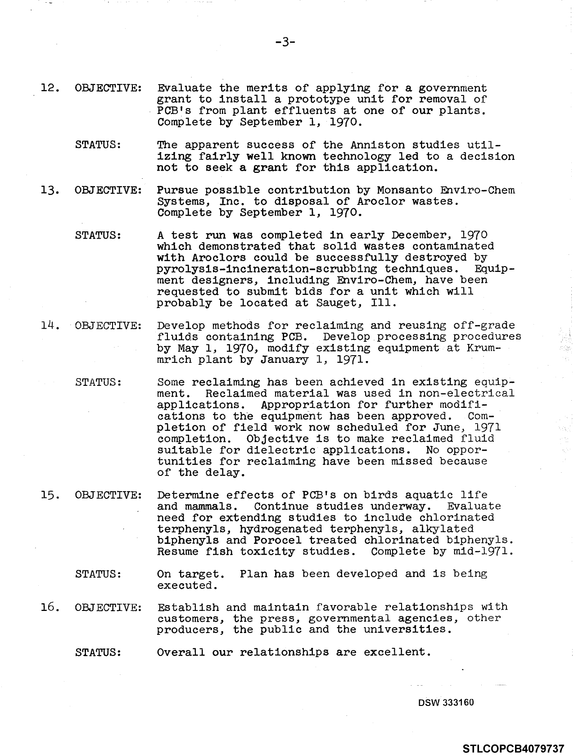
Resume fish toxicity studies.
refid# gD8oB0opV2aQe3LgYzjVJqVg93 pages
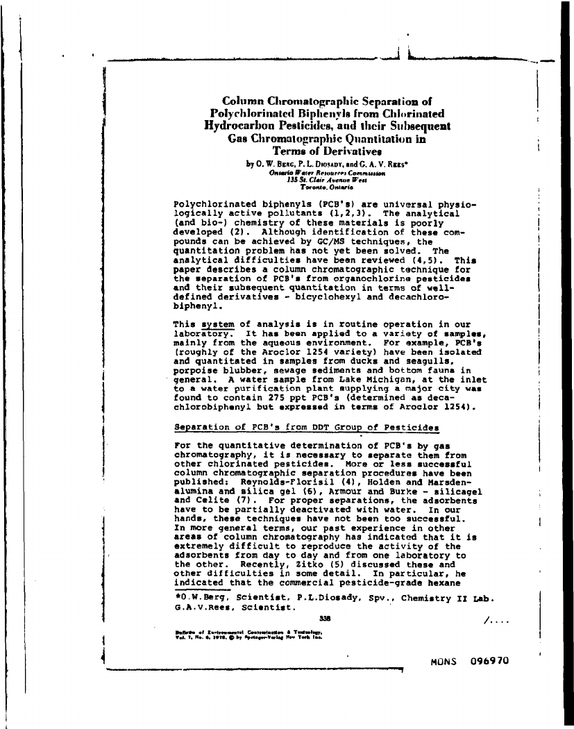
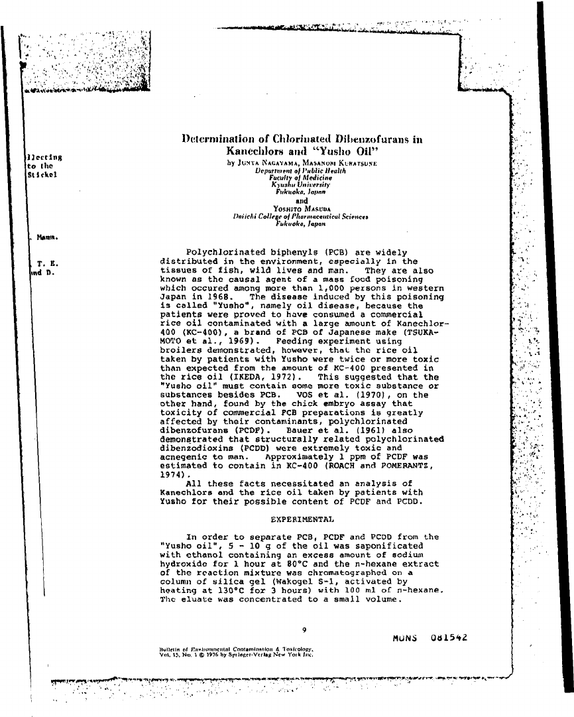
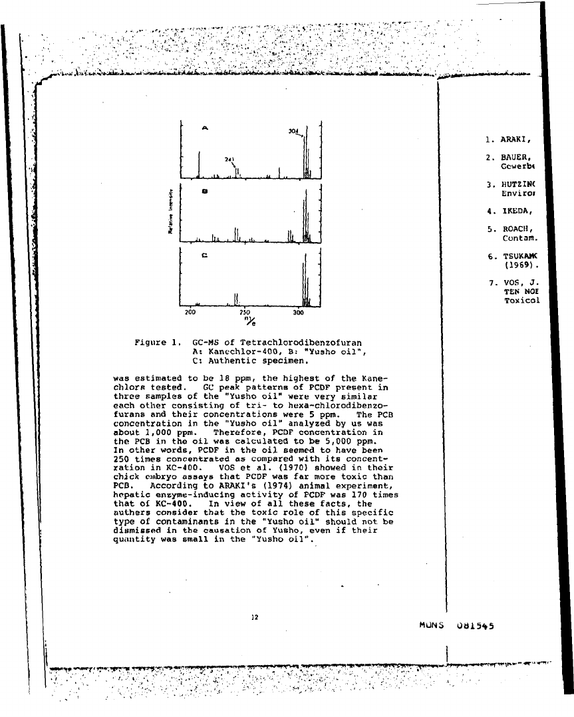
Determination of Chlorinated Diheuzofurans in KanechlorH and "Yusho Oil" hy Junya Nacayama, Masanoni Klhatsune Department of J'ublic Health Fucufly of Medicine Kyushu Vniversity Fukuoka, Japan and Yoshjto Masuoa Daiiehi College of Pharmaceutical Scunicfs Fukuoka, Japan Polychlorinated biphenyls (PCB) are widely distributed in the environment, especially in the tissues of fish, wild lives and man.
refid# RadJRVvnve0b7d0gG6YYpZ66V5 pages
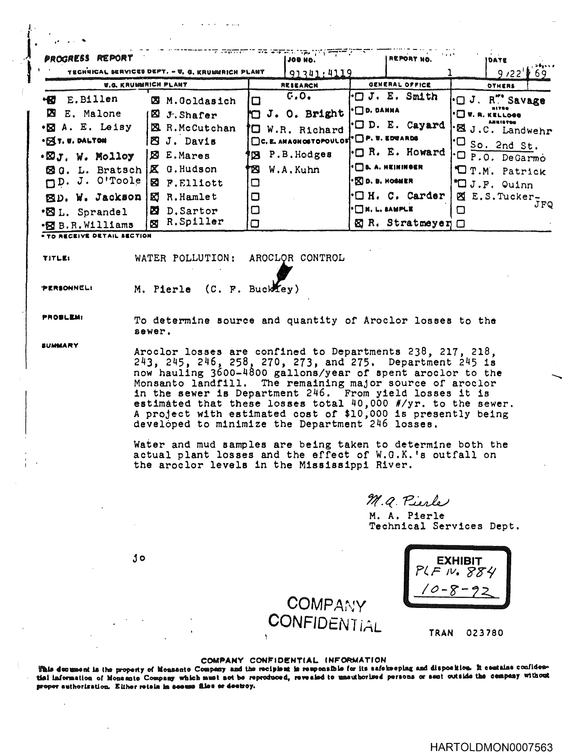
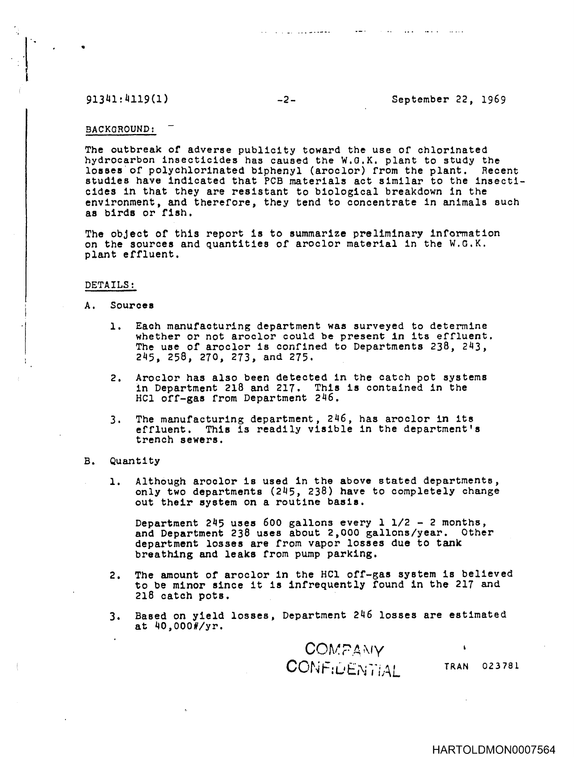
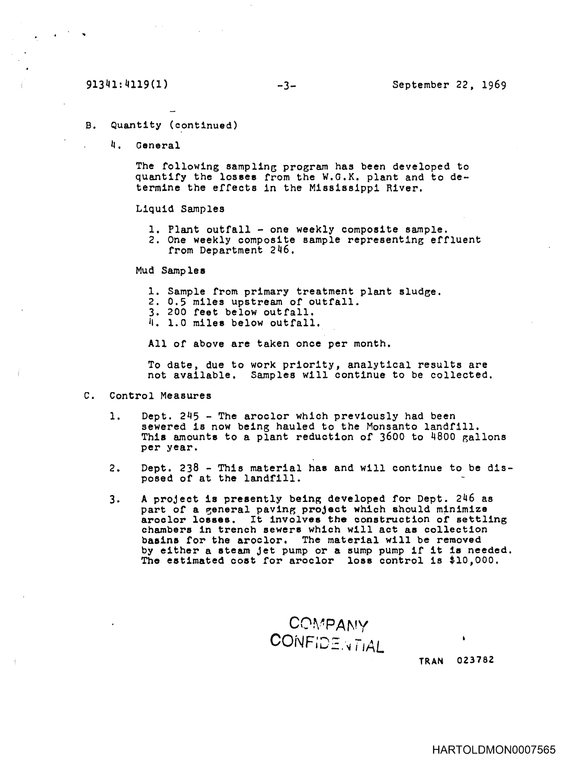
Recent studies have indicated that PCB materials act similar to the insecti cides in that they are resistant to biological breakdown in the environment, and therefore, they tend to concentrate in animals such as birds or fish.
refid# gaN6V62wDvw34ZLZq0EpdZo1N6 pages
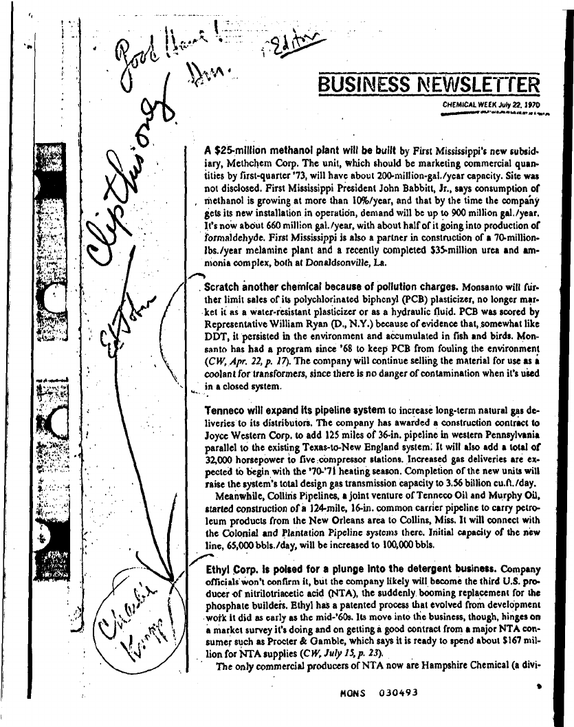
., N.Y.) because of evidence that, somewhat like DDT, it persisted in the environment and accumulated in fish and birds.
refid# bB3Oy8J0JDDRrNxdap9qyp3ZO2 pages
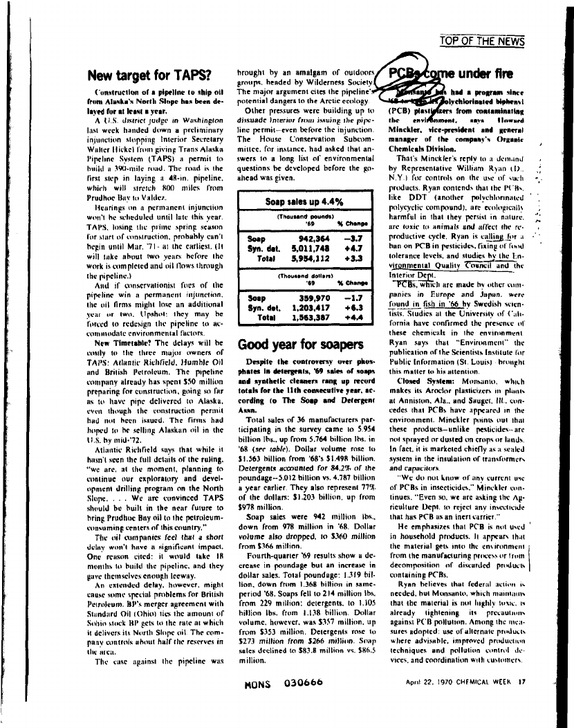
' ' PC6s, which arc made by other com panies in Europe and Japan, were found in fish in *66 hv Swedish scien tists.
refid# DMyajNVX5kpYa5R0aZngRZNRo1 page
Should include shellfish with fish at 5 ppm or shellfish be specifically excluded from the proposal.
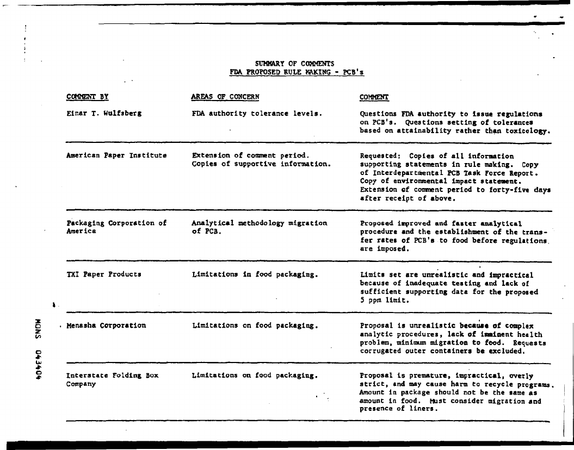
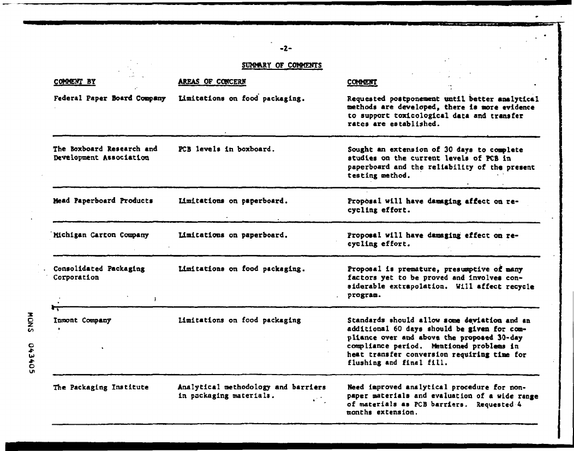
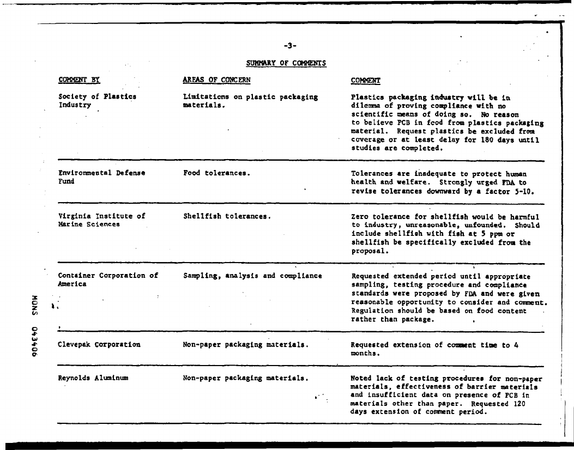
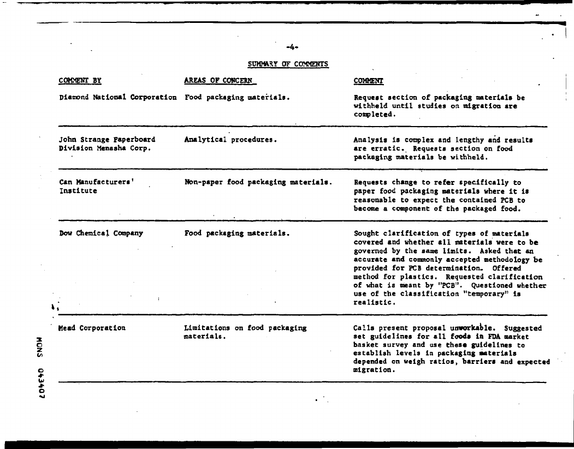
refid# NGLbO3pqnEYM6GLDVrX1VQzDD6 pages
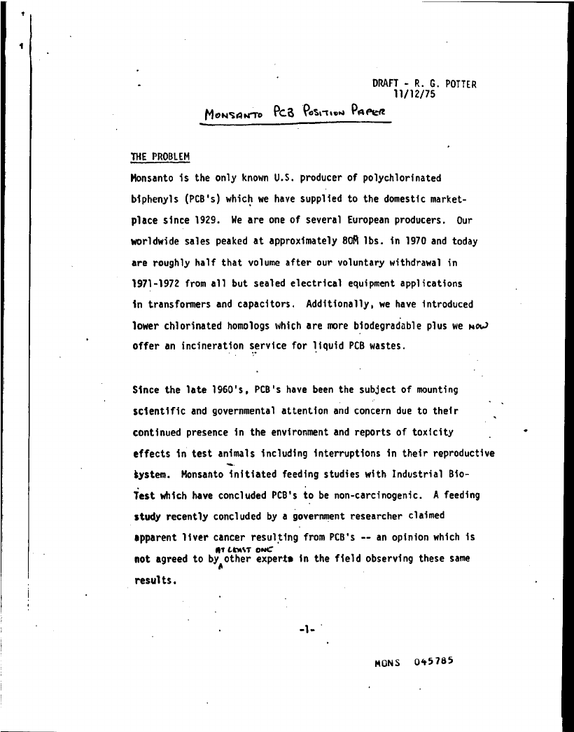
-1MQNS 045 785 The EPA, several large midwestern states, plus New York State are most concerned about the relatively high PCB level observed In fish.
refid# 52yE8q3OeMjgokzmqOKKLNVz6 pages