In I.ake Michigan, where fish and wildlife people have claimed overwhelming success In establishing coho salmon populations, cuiio have been fotmd to mtitain IVIJ's at a b:cl of from 7.C ppm m l: ppm.
refid# zdbZL0eKwo7DR6Kd52em576n61 page
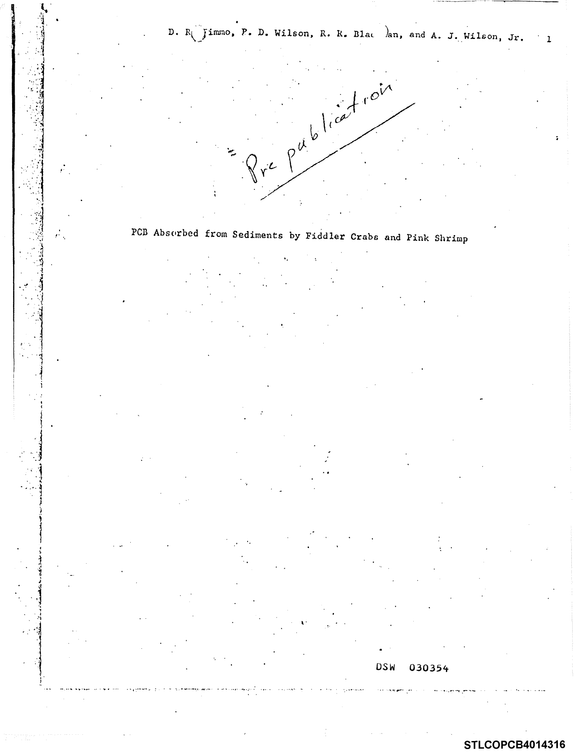
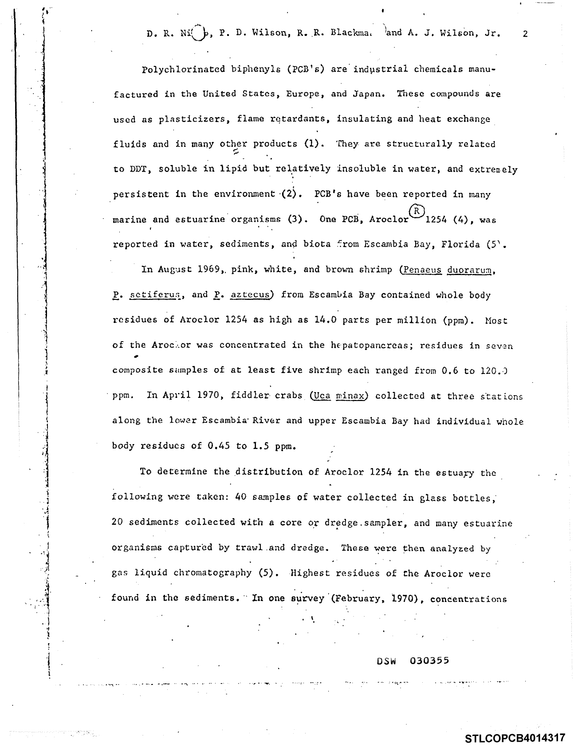
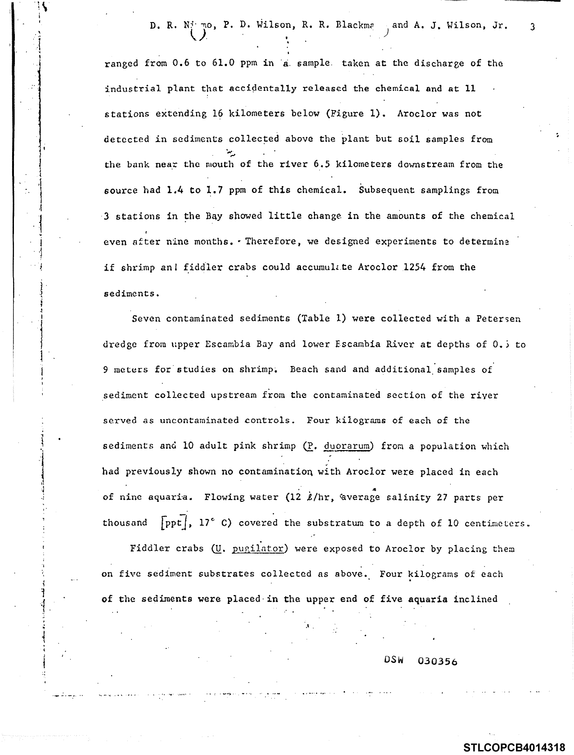
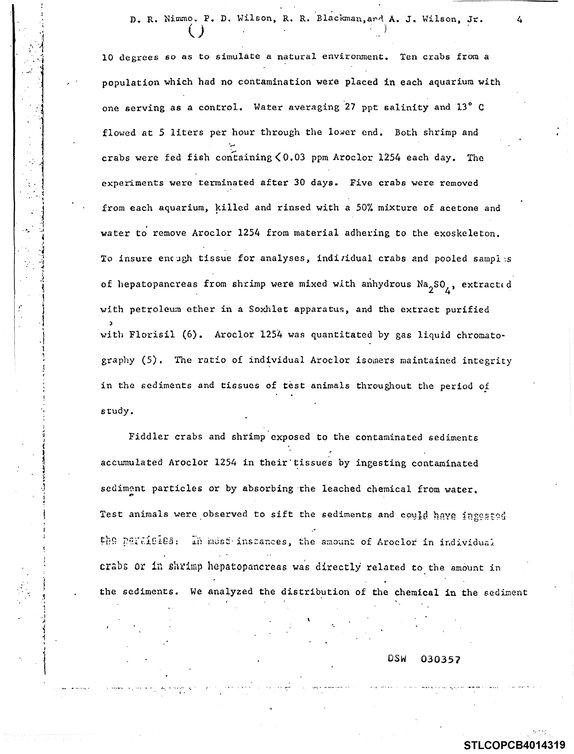
Both shrimp and crabs were fei fish containing<0.03 ppm Aroclor 1254 each day.
refid# 0Jw1GYn1pJXG4Y0nBGqkGqj4V9 pages
PCUs Impair the ability of fish to icproriurc.
refid# 6w45BZ7OBbqgr2d1wqG2EDB061 page
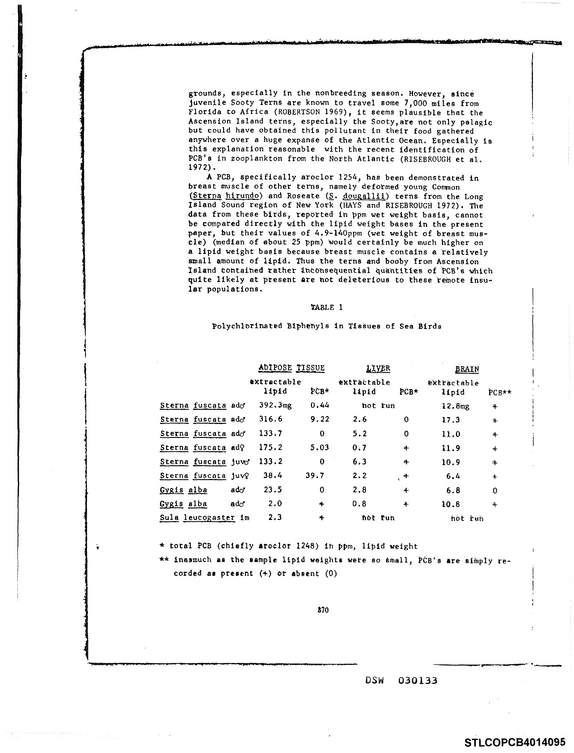
The adult terns had been feeding on small fish and other marine life in the offshore waters, whereas the immature birds were being fed by their parents (one of the nestling terns regurgitated a small squid).
refid# n90K58OgeRaz8w1vbGQzr9o164 pages
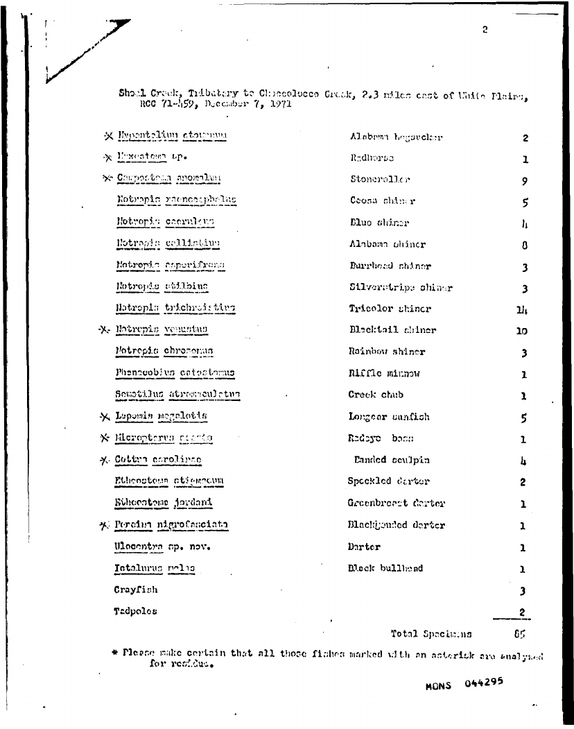
-v,:a 1 2 1 16 2 1 23 Clioccolcrco Grad:, Fish Station 7, Martha K.
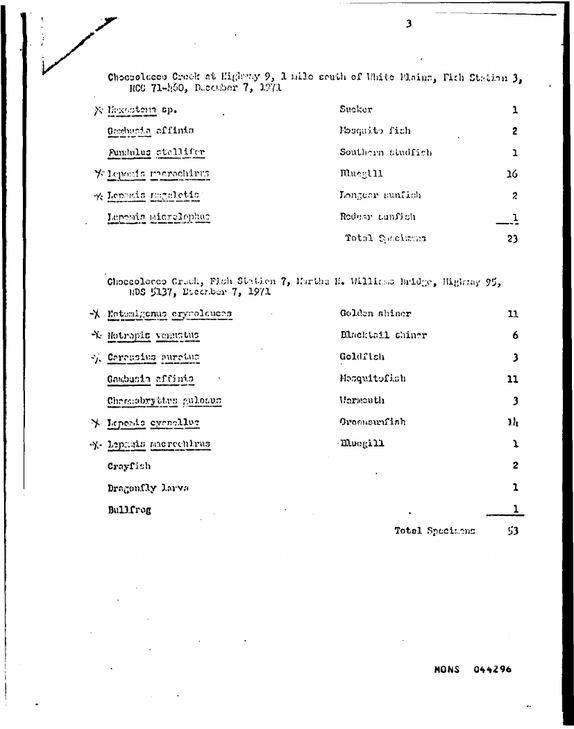
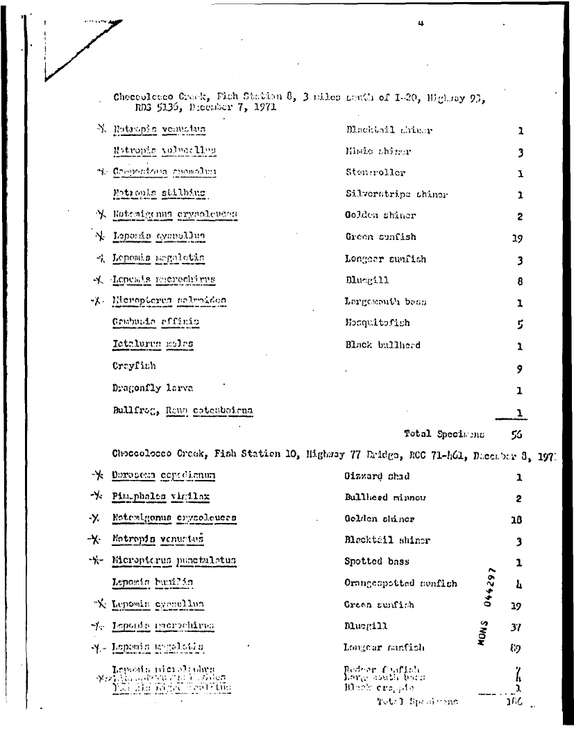
refid# M9DYqD7G82pja9ymykxdyOva8 pages
s setting of "action level" standards of PCB in milk, fish and poultry.
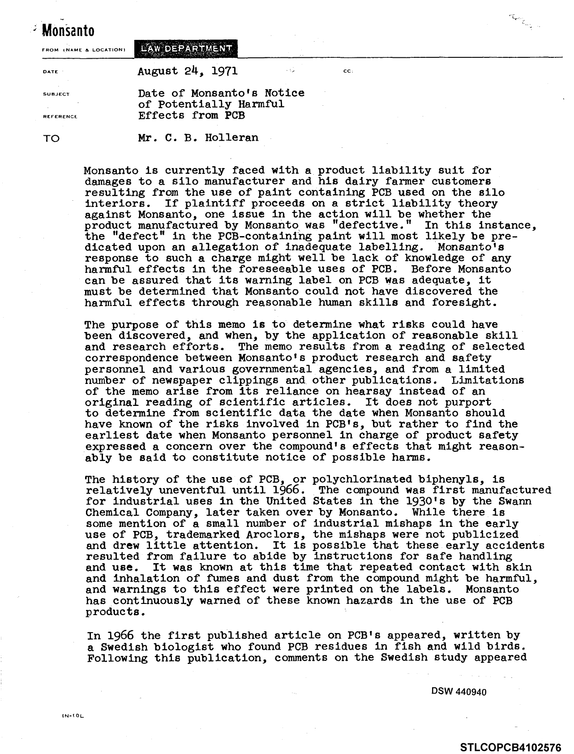
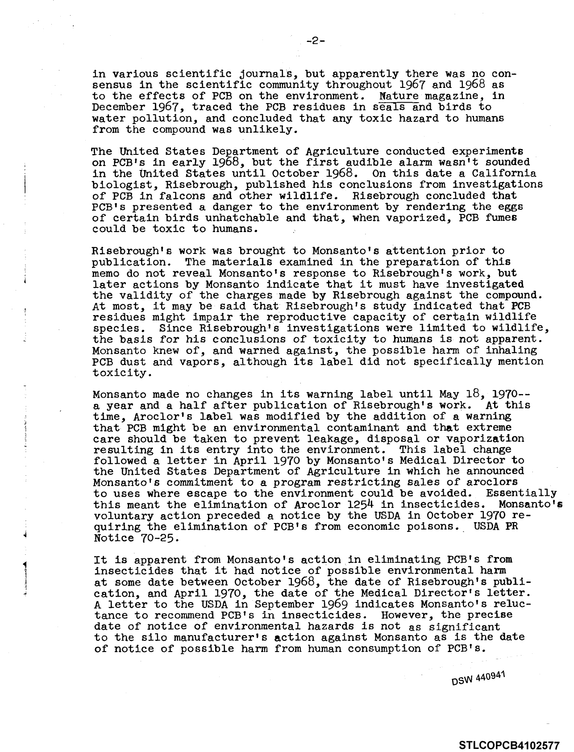
refid# 3eXzGKzJ390eoVyBz73mMpvan4 pages
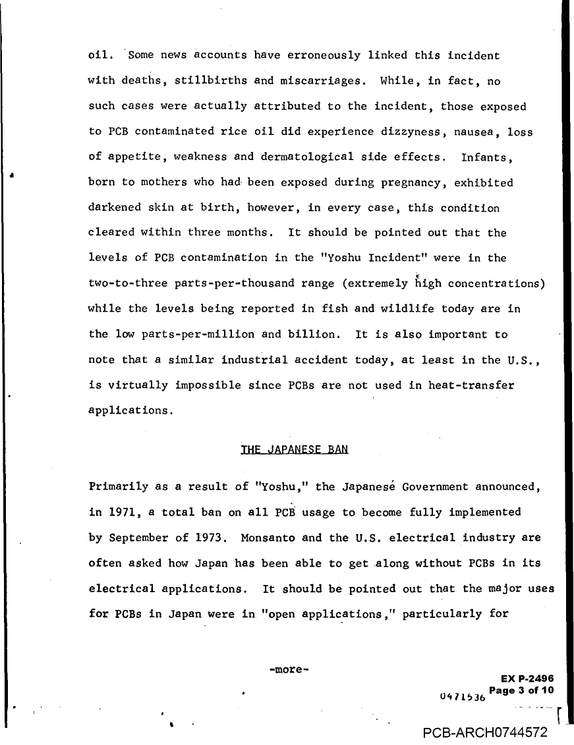
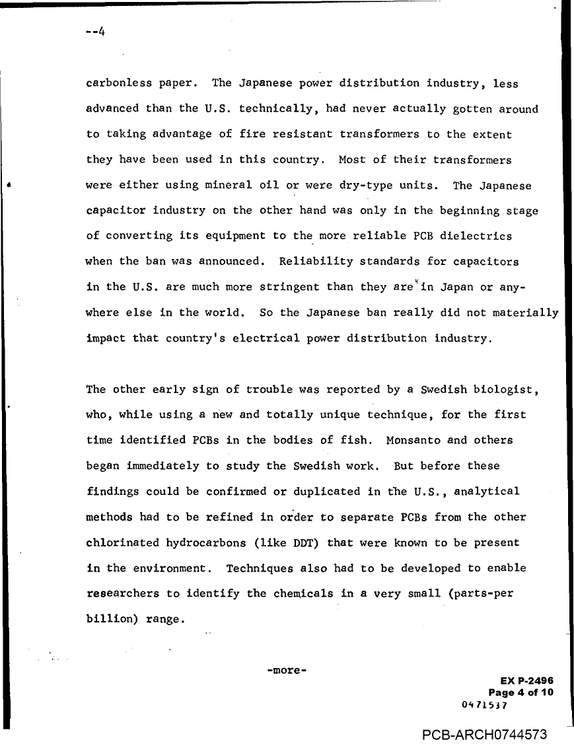
The other early sign of trouble was reported by a Swedish biologist, who, while using a new and totally unique technique, for the first time identified PCBs in the bodies of fish.
refid# M4EqbY7dr4JdKa7w1Mn71EQ1L10 pages
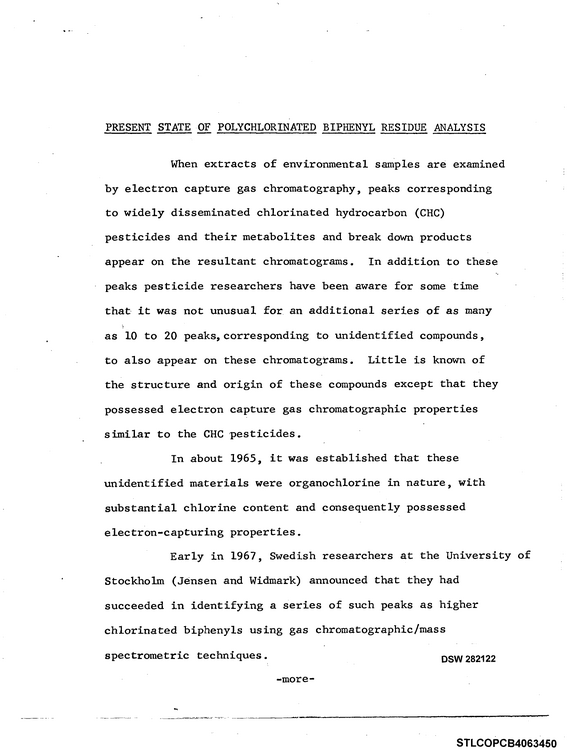
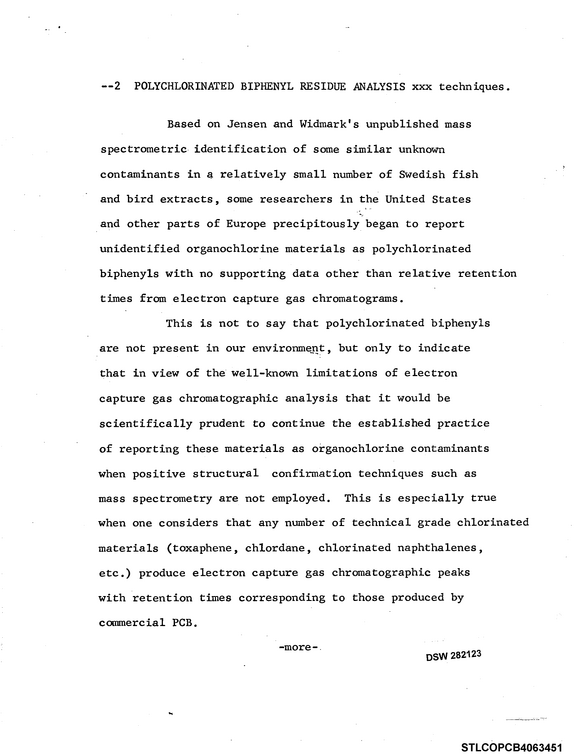
Based on Jensen and Widmark's unpublished mass spectrometric identification of some similar unknown contaminants in a relatively small number of Swedish fish and bird extracts, some researchers in the United States and other parts of Europe precipitously began to report unidentified organochlorine materials as polychlorinated biphenyls with no supporting data other than relative retention times from electron capture gas chromatograms.
refid# Y9eqwR6KB94OJ9D44ojk3yO8011 pages
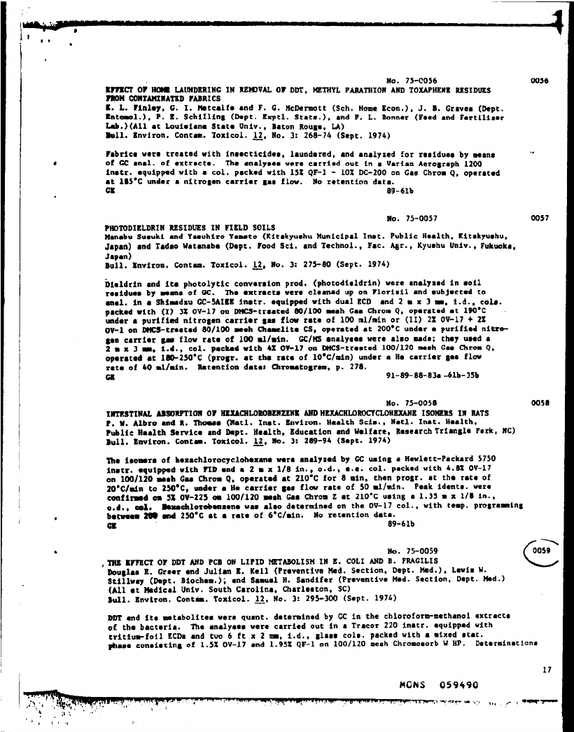
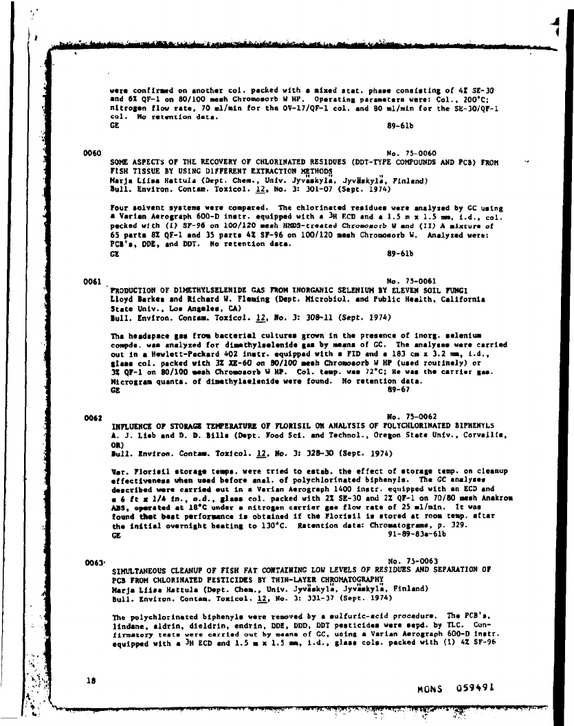
GC 89-61b 0060 No. 75-0060 SOME ASPECTS OF THE RECOVERY OF CHLORINATED RESIDUES (DDT-TYPE COMPOUNDS AND PCB) FROM FISH TISSUE BY USING DIFFERENT EXTRACTION METHODS Marja Lliaa Hattula (Dept.
refid# 2JbJ6vYZgzZrmdeGqzgVqw2Qp2 pages
The other early sign of trouble was reported by a Swedish biologist, who, while using a new and totally unique technique, for the first time identified PCBs in the bodies of fish.
refid# NGkL59pm6aDkogrzwLakyNMmb10 pages
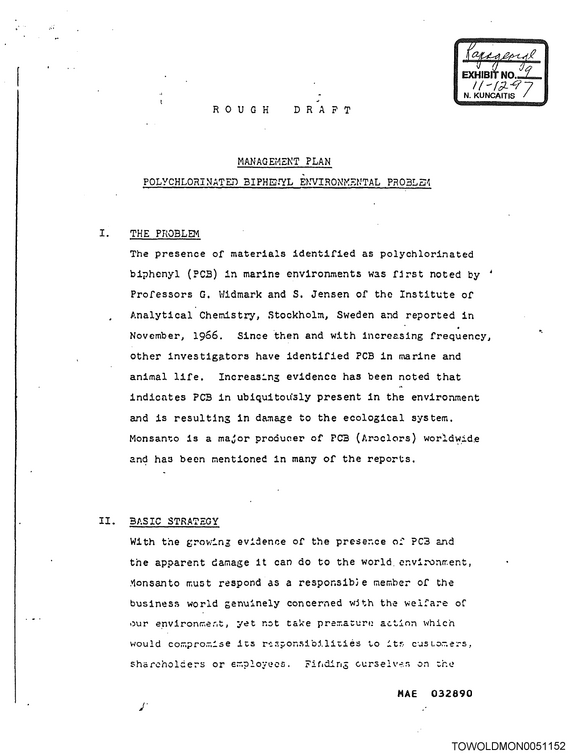
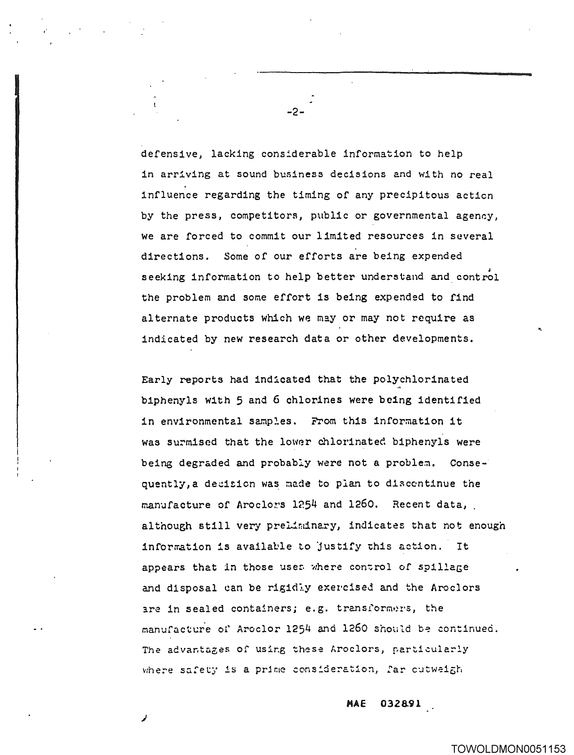
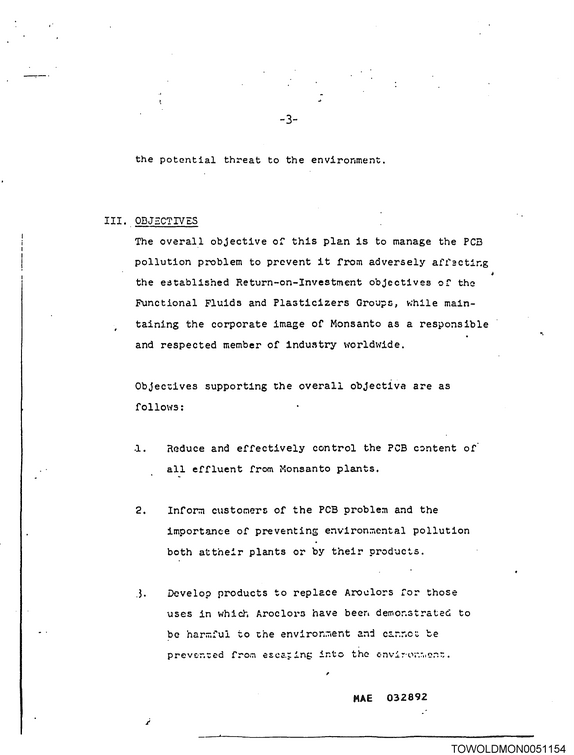
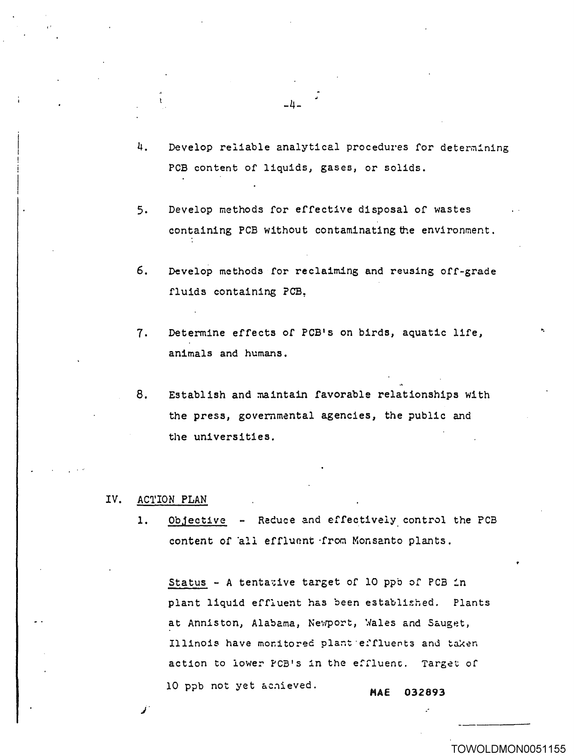
t ROUGH DRAFT 1 EXHIBIT NO.Zf_ I 7 N.
refid# mbzkr74GG48awoVwq8z4Nbqxg12 pages
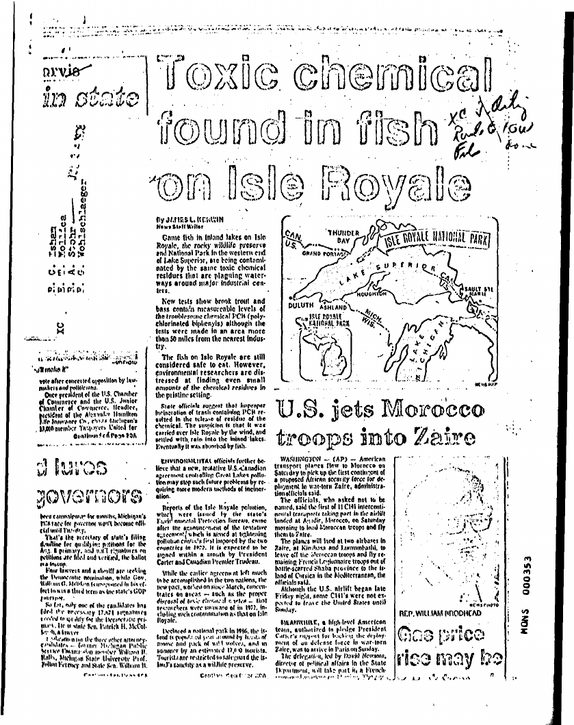
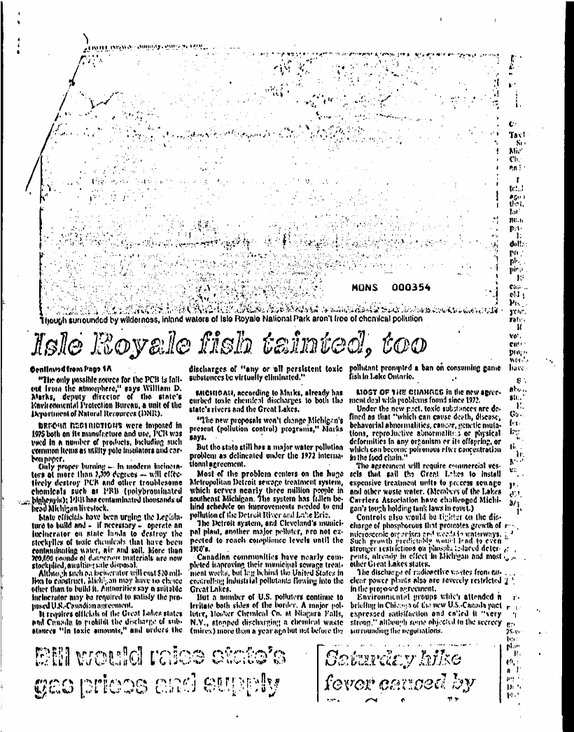
fish in take Ontario
refid# RjV0qXzyjx3KBe58arKpqNEva2 pages
Both shrimp and crabs were fed fish containing<0.03 ppm Aroclor 1254 each day.
refid# gb67v2rOBE67EEXnya0DEO6pN9 pages
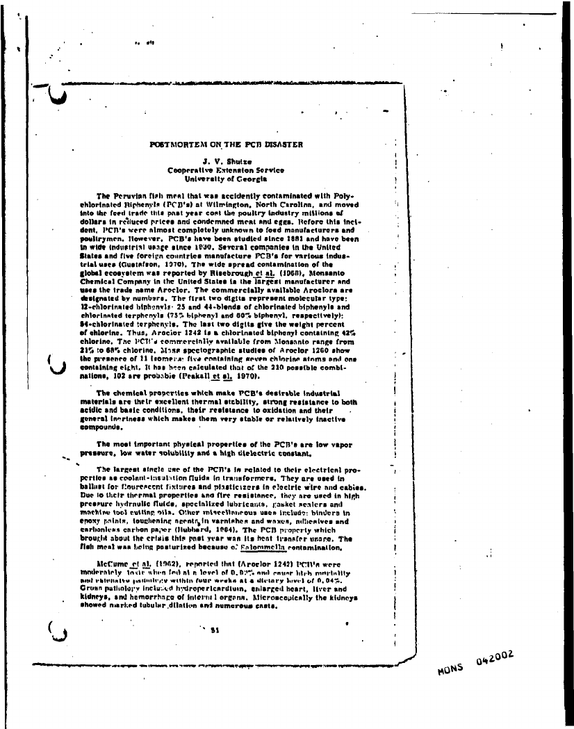
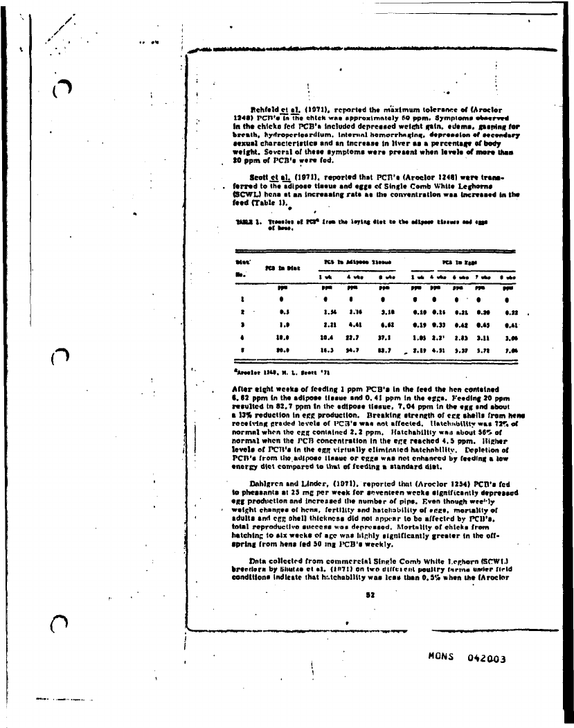
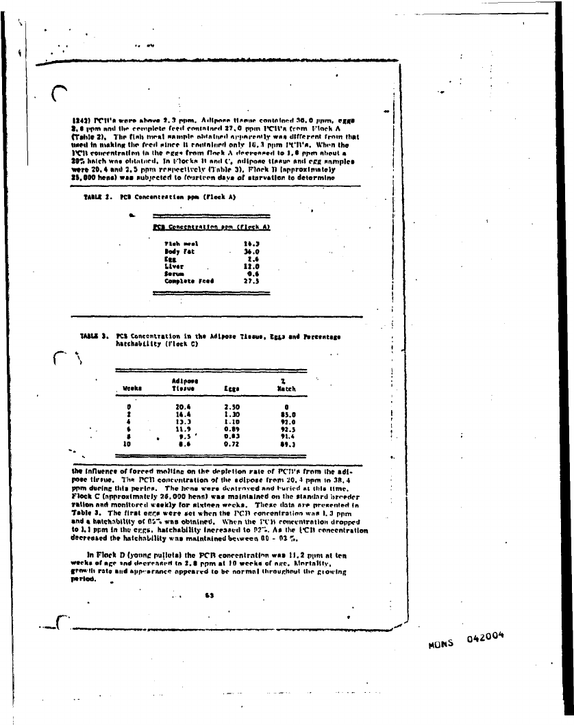
The fish meal waa being pasturixod because of Fnlonimclla contamination.
refid# zR34g6OM8Vmm062L7d6zO7bn5 pages
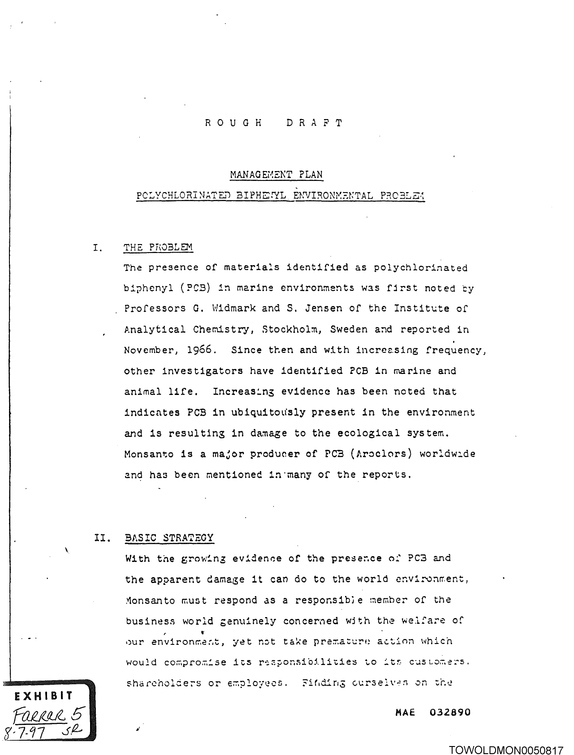
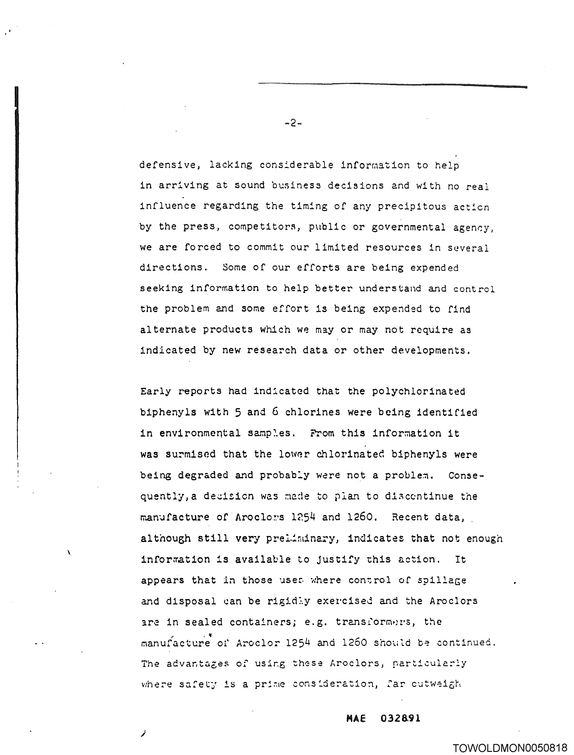
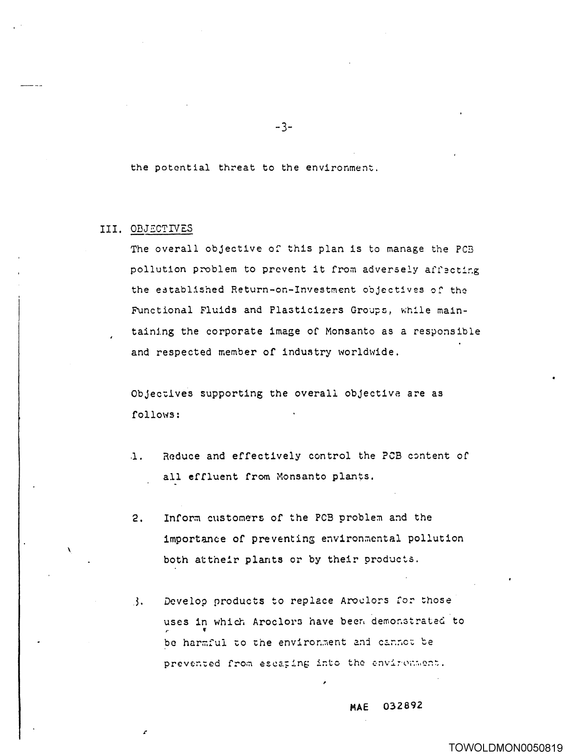
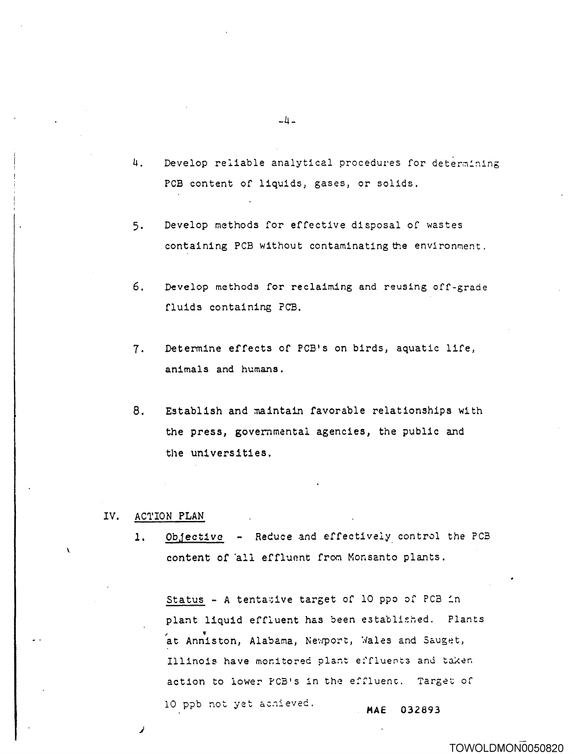
I1 ROUGH DRAFT MANAGEMENT PLAN POLYCHLORINATED BIPHENYL.
refid# bOy72GEmkRwa0gwzRo0nmnKpk12 pages