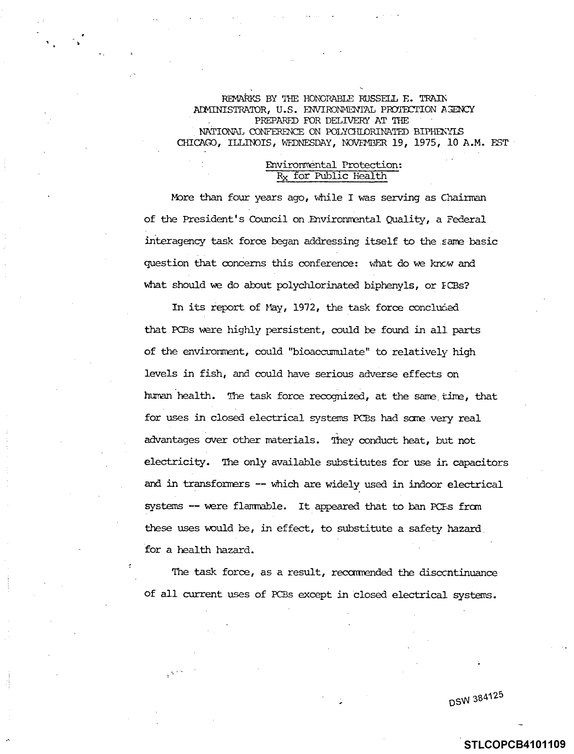
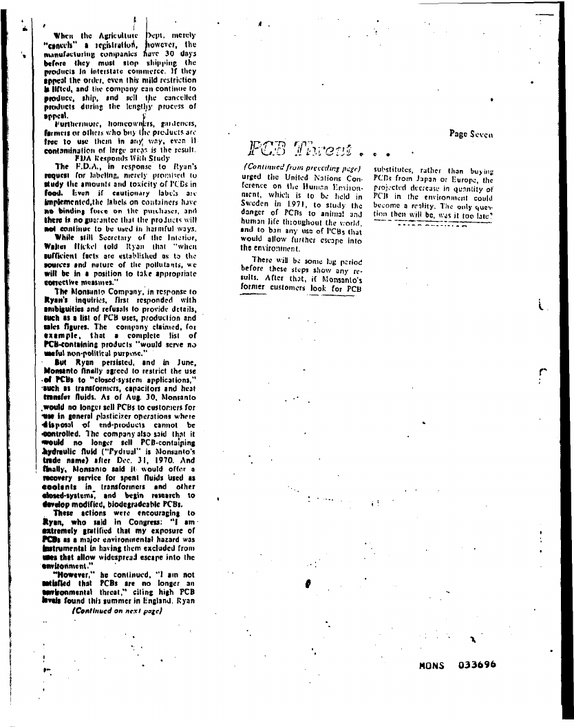
In its report of May, 1972, the task force concluded that PCBs were highly persistent, could be found in all parts of the environment, could "bioaccumulate" to relatively high levels in fish, and could have serious adverse effects on human health.
refid# v6r9y0gnQQmqO1DJMEjRyM2Kw10 pages
I I o o OJ W Ui CD *% UJ o STLCOPCB4019654 STLCOPCB4019655 i.S> ' :**v TABLE IV TEST MATERIAL: HlowI099 Rsngs Finding Fish Toxicity Study - Rxinbow Trout Mortality, DO, nrxf pi' Data Nttmlw r Dexci !
refid# 1gJ1BM9yQ4OMq7vm30Xjwej3X32 pages
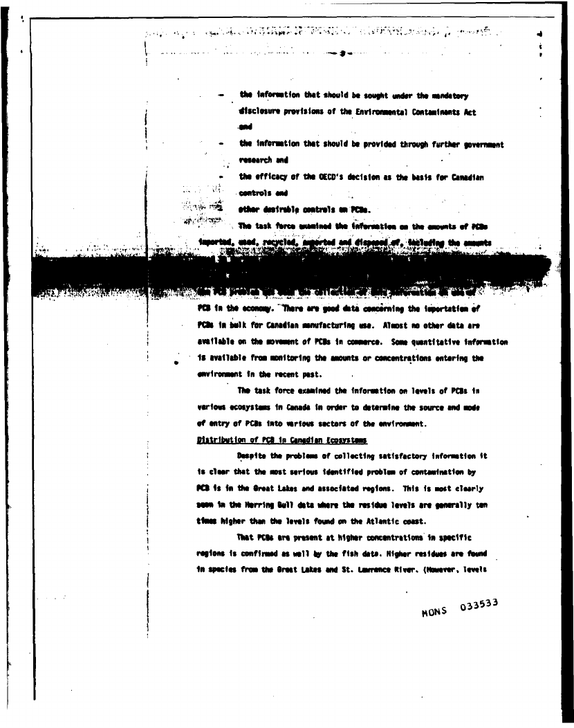
That fCIa are present at higher concentrations In specific regions Is conflraad as noil by the fish dote.
refid# 0N5JB6w7aVxLyd2v31x5OnNJ9 pages
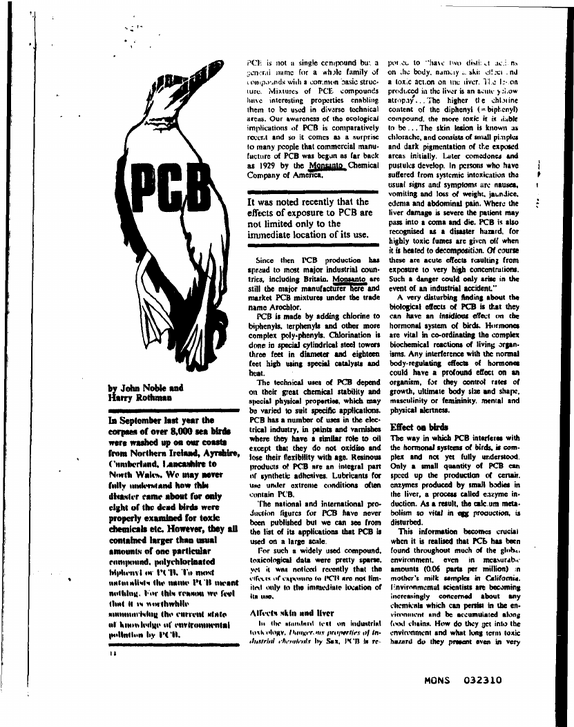
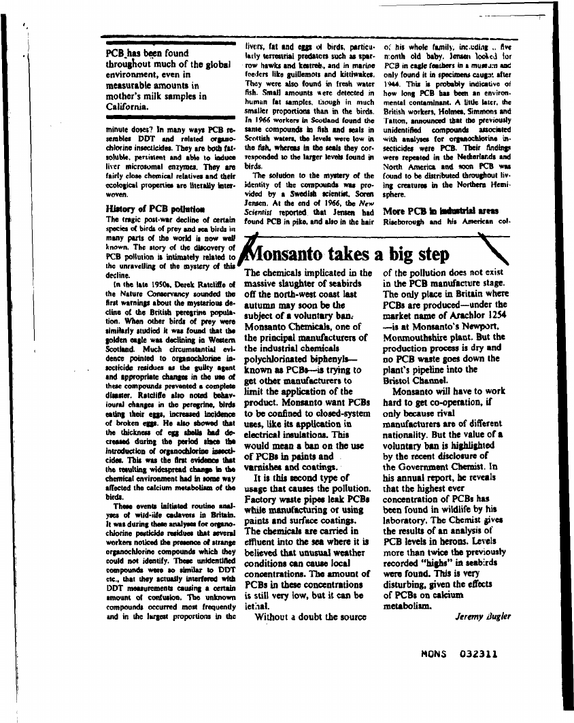
They were also found in fresh water fish.
refid# Ny3qyNO5rMLj6dK29wGgv9vy3 pages
Similar losses of these early GLC peaks after PCB treatment of Japanese quail have been reported by Koeman et al. (1969), of rats by Grant et al. (1971; 1974) and Curley et^al. (1971), and of fish by Hansen et al. (1971).
refid# JJq2mY5nnX7GR56ZJLMX2aDa216 pages
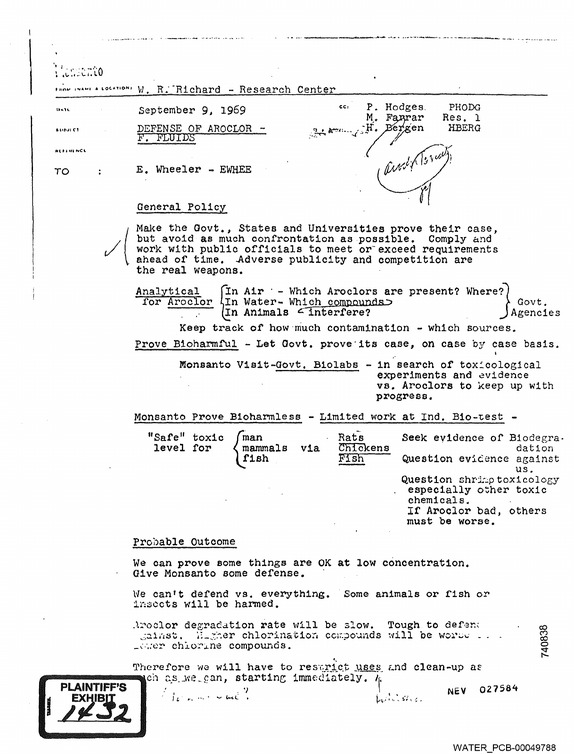
Some animals or fish or insects will be harmed.
refid# MGMEV4VQ4QkROKrwgr1j7QMyy8 pages
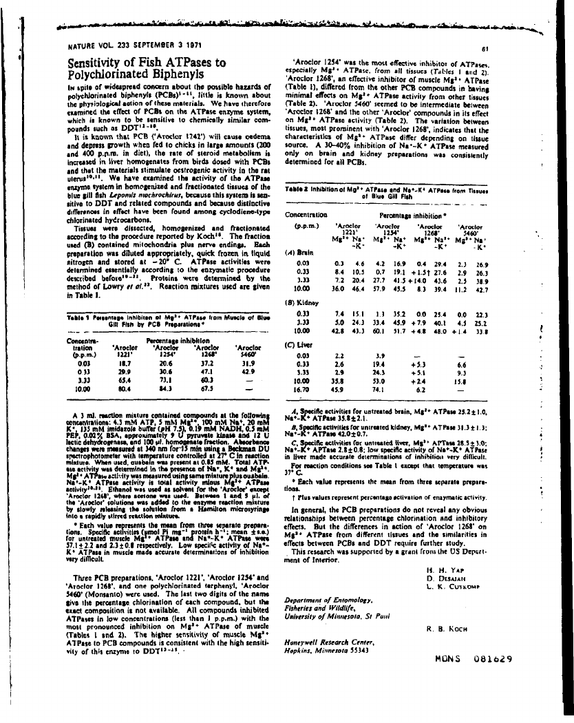
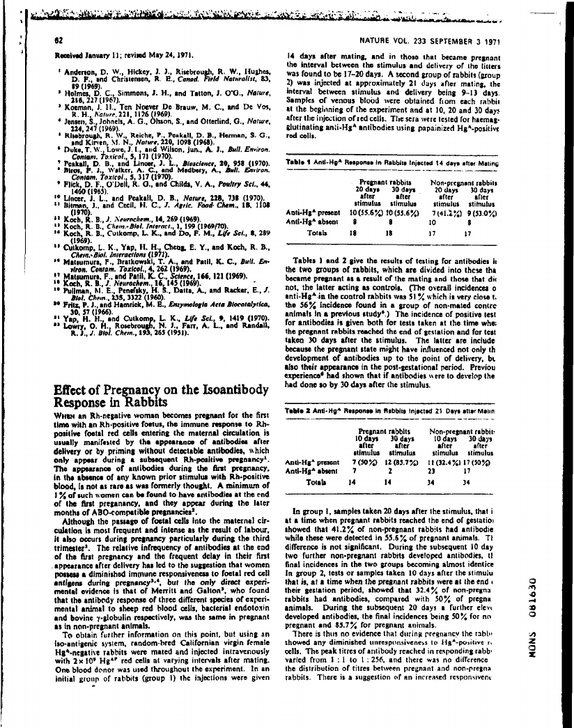
" " Hfi rain tfr NATURE VOL 233 SEPTEMBER 3 1971 Sensitivity of Fish ATPases to Polychlorinated Biphenyls In ipito of widespread concern about ihe possible hazards of polychlorinated biphenyls (PCBs)'"", little is known about the physiological action of these materials.
refid# B89K5d4Y82L1n13jq2emKVz942 pages
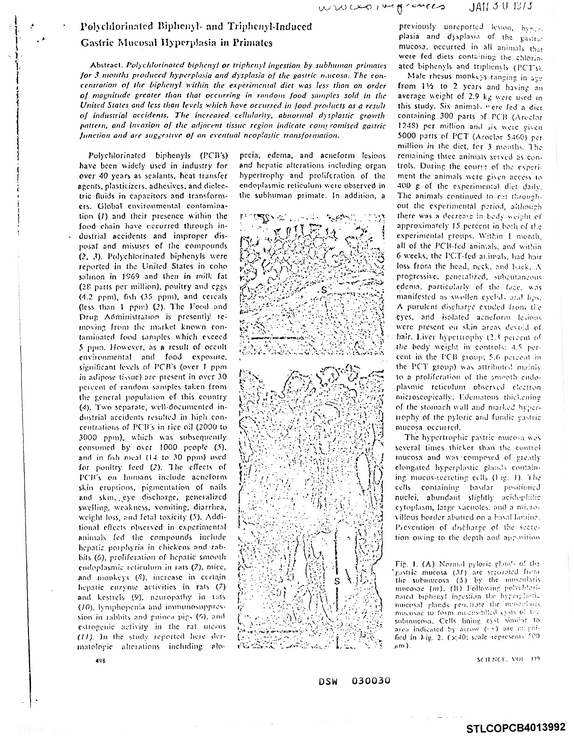
Polychlorinated biphenyls were reporlcd in the Llniled Stales in coho salmon in J969 and then in mill; fat (2P parts per million), poultry and eggs (4.2 ppm), fish (35 ppm), and cereals (less than 1 ppm) (2).
refid# kDvzEzB3My9yyka8gx5p5NgbJ2 pages
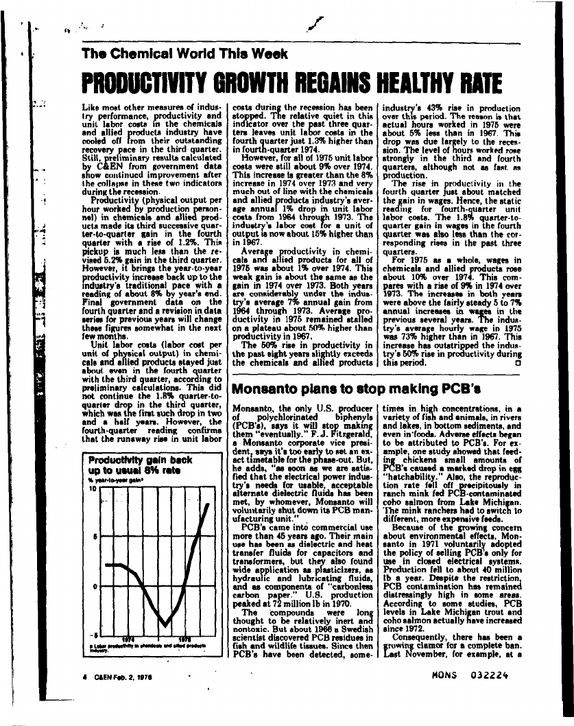
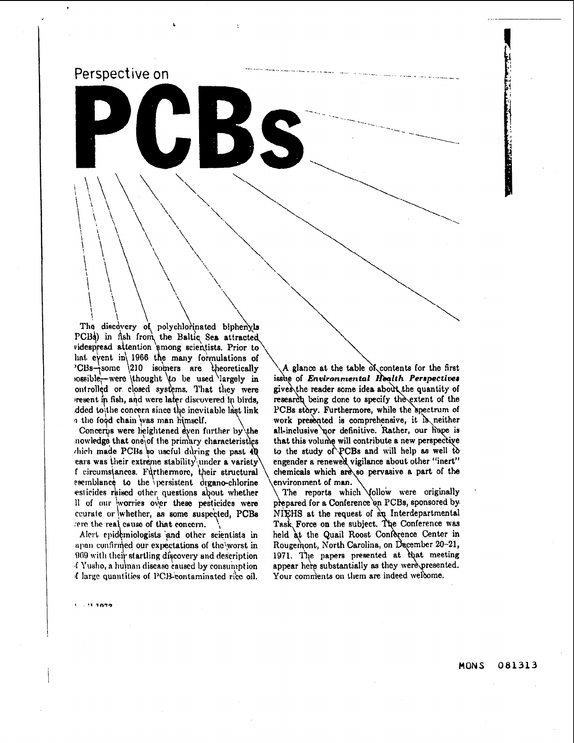
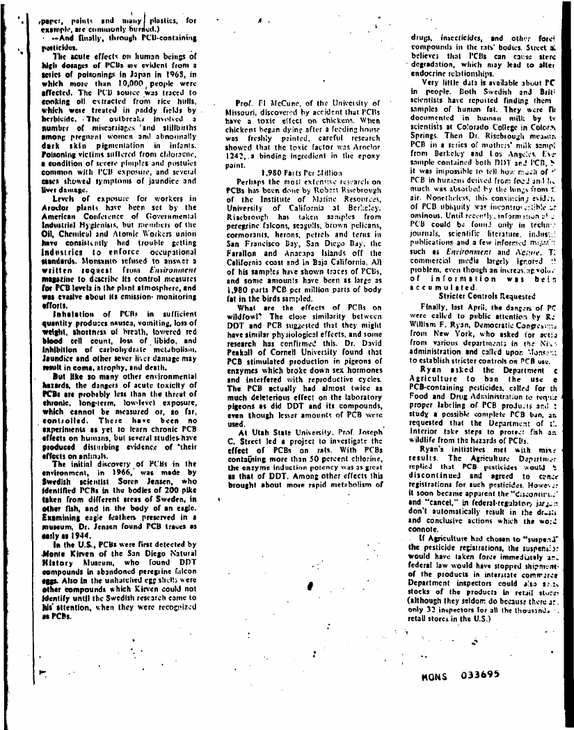
But about 1966 a Swedish scientist discovered PCB residues in fish and wildlife tissues.
refid# zo9ZQBbVxMraoeXp8n2nQGjYa2 pages
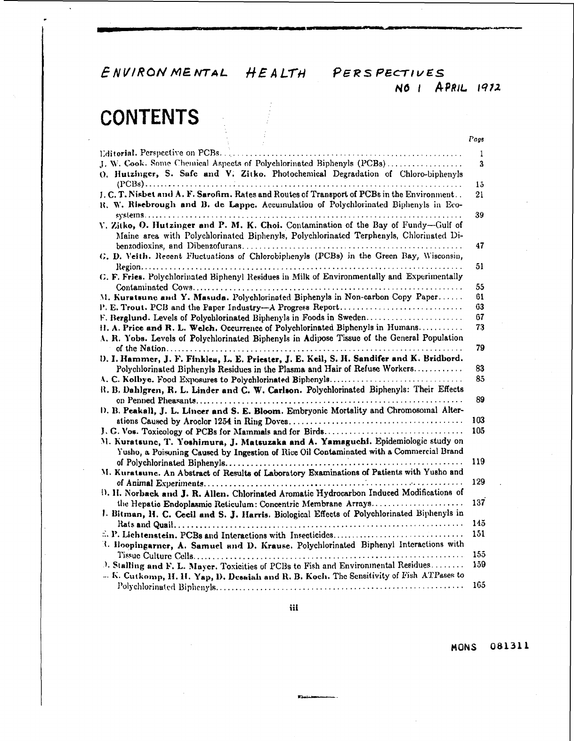
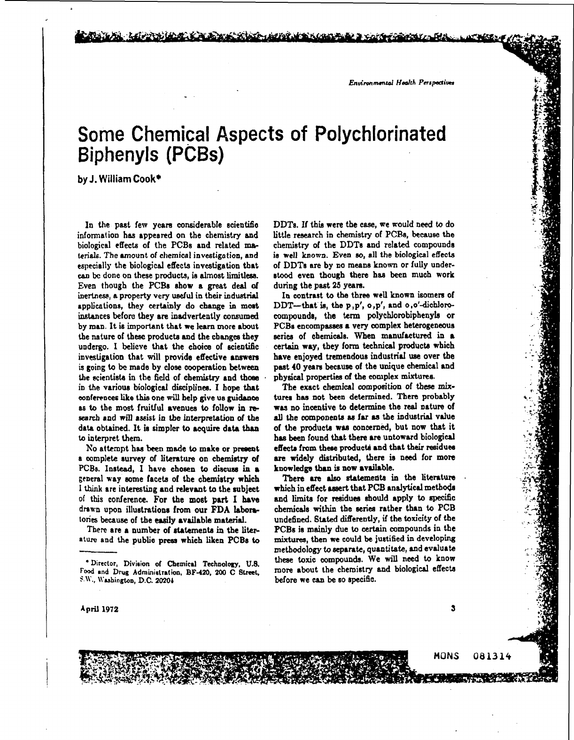
Toxicities of PCBs to Fish and Environmental Residues.............. 159 I\.
refid# 4J6pZo4ROXN6LRoerL6bKOwJN5 pages
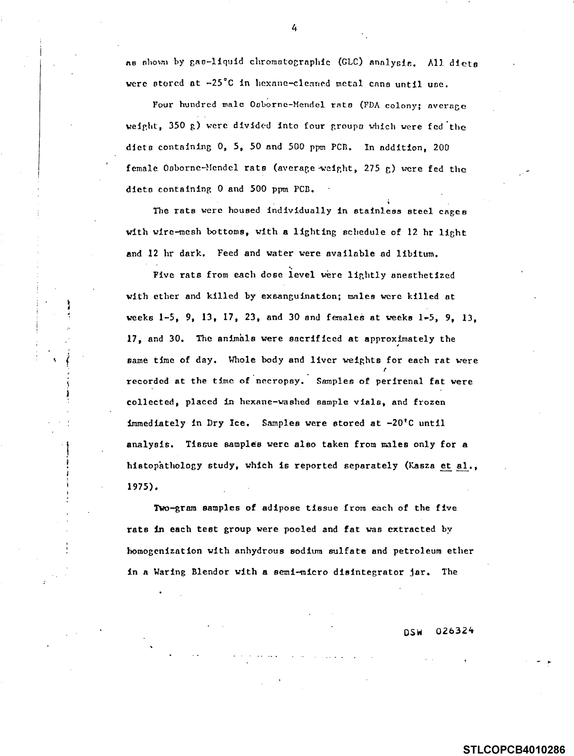
Similar losses of these early GLC peaks after PCB treatment of Japanese quail have been reported by Koeman et al. (1969), of rats by Grant et al. (1971; 1974) and Curley et al. (1971), and of fish by Hansen al_. (1971).
refid# 3NYbp03KZgNZXe8Laz6D4MrEJ16 pages
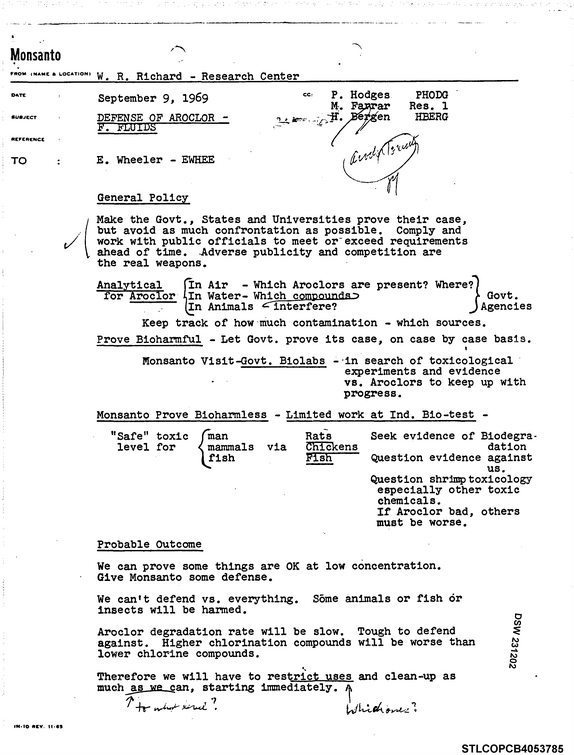
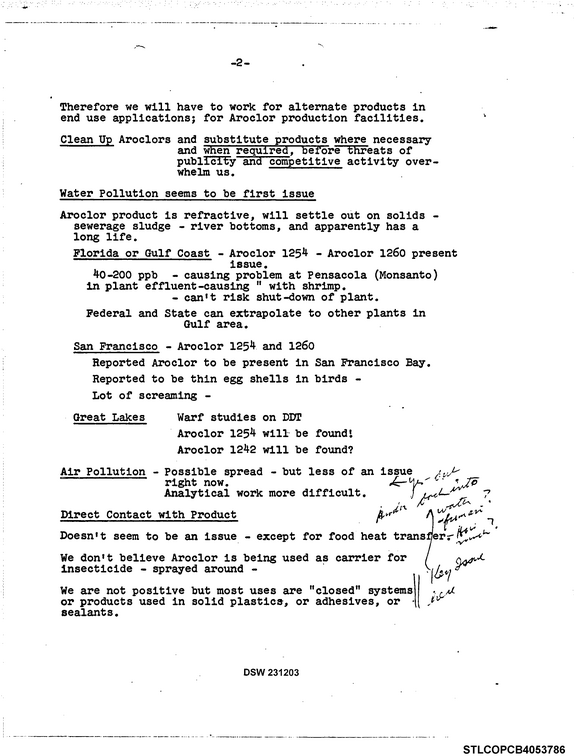
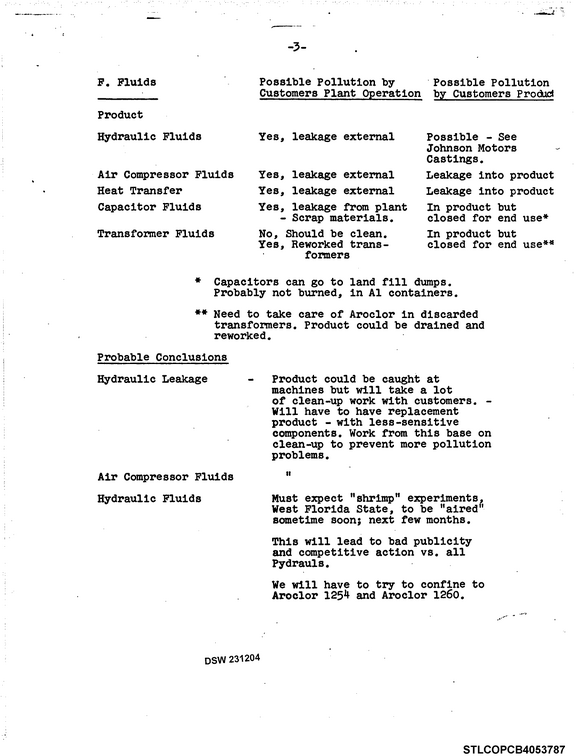
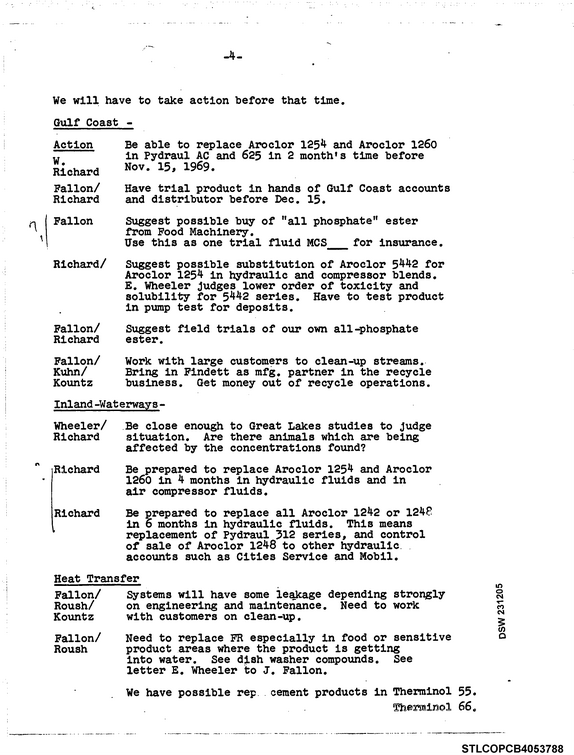
Some animals or fish dr insects will be harmed.
refid# pBvxb1Ly1Kdm39zqxQo7NmXVB8 pages
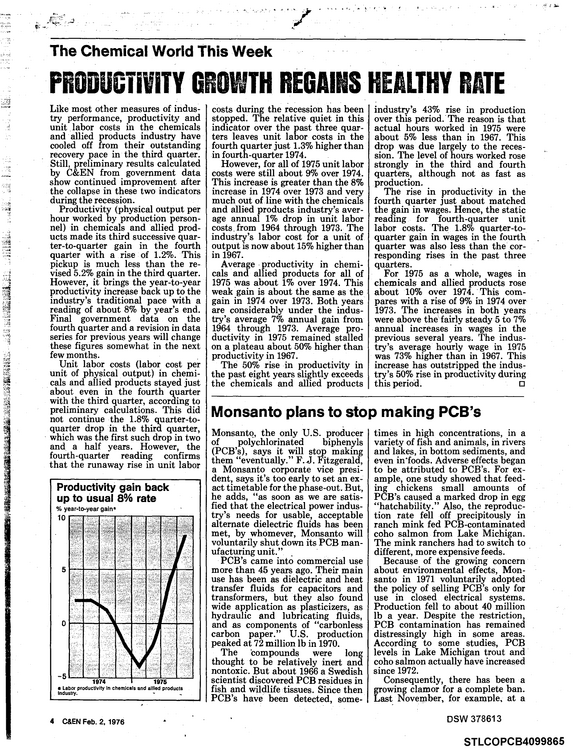
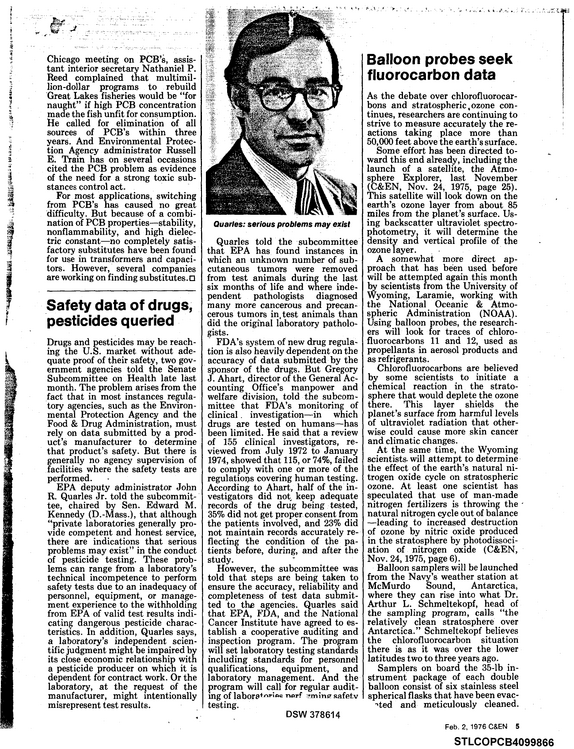
But about 1966 a Swedish scientist discovered PCB residues in fish and wildlife tissues.
refid# ZVB28J1eaKmB3p8og3z7EjEV2 pages
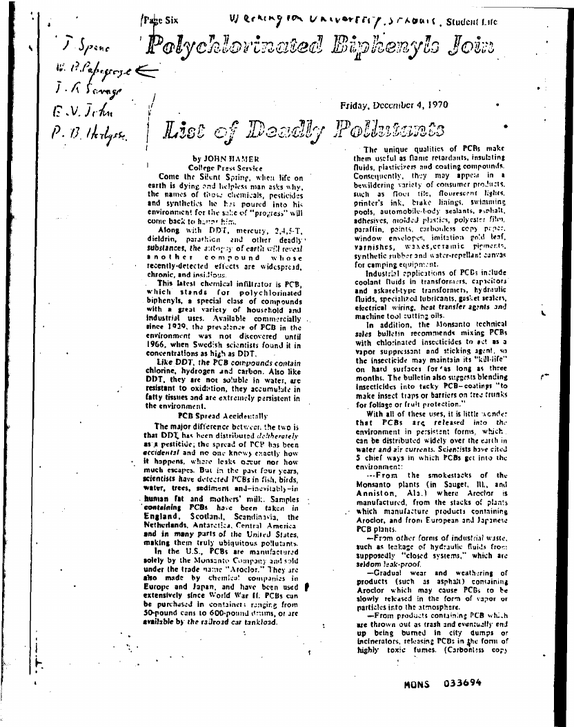
Bui in the pax four years, scientists have detecteJ PCBs in fish, birds, water, trees, sediment anJ-ineviiably-in human fat and mothers* mil);.
refid# bBoVwDp7xeB3qv99DzEp2jGmZ3 pages
Similar losses of these early GLC peaks after PCB treatment of Japanese quail have been reported by Koeman et_ aj^. (1969), of rats by Grant et^ al^ (1971; 1974) and Curley et^ al^. (1971), and of fish by Hansen et al. (1971).
refid# jLO7DYXYDgQJovOwZDGXr3Ey16 pages