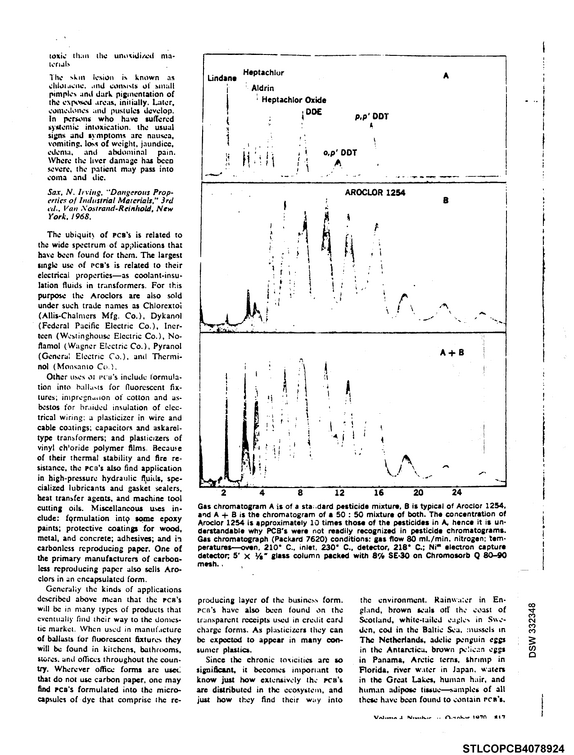
MONS 212632 -3- In Sweden, Soren Jeneen, uiing new analytical technology to invest 1gate DDT realduea in the environment, reported the possible presence of FCBs In fish tissue.
refid# 0JKq3N274wg9DnVgoKYon7erd14 pages
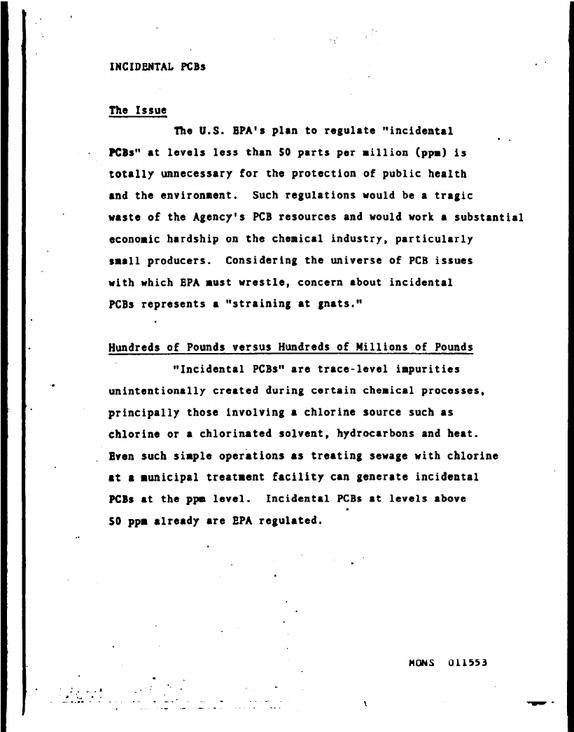
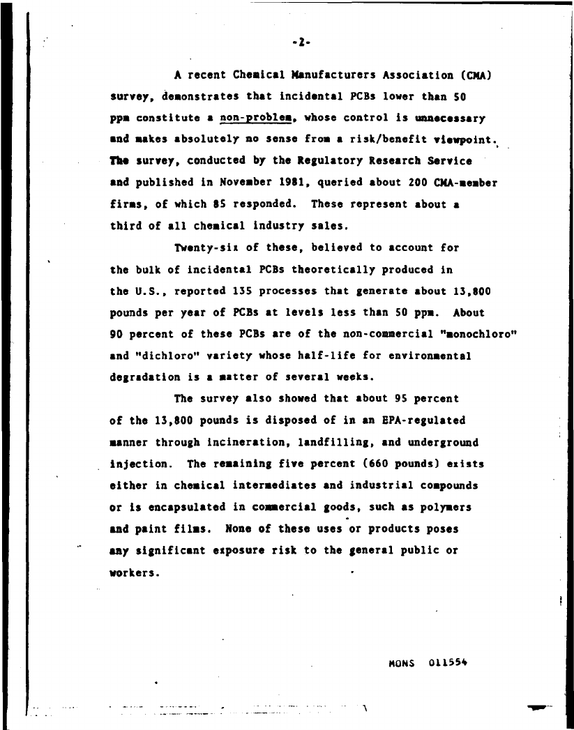
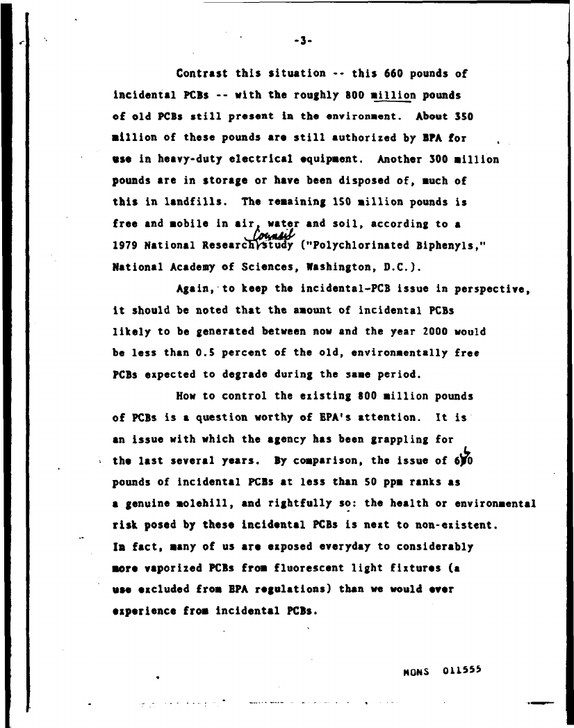
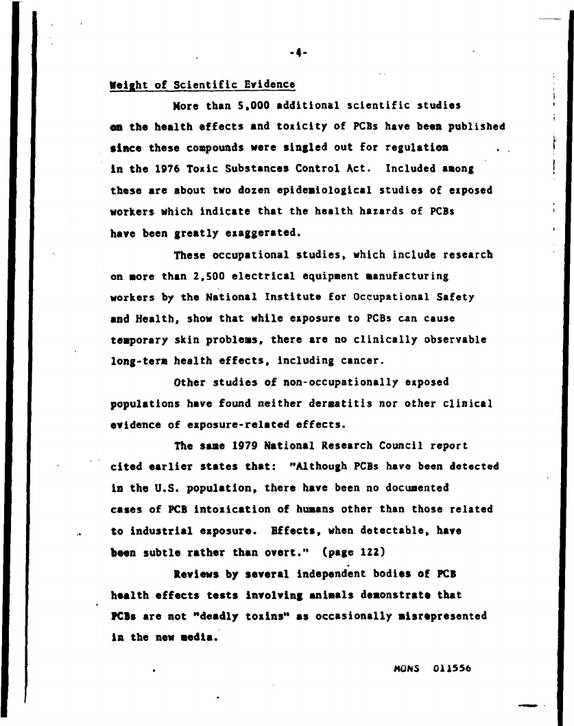
INCIDENTAL PCBs The Issue The U.S.
refid# 4QzRx9oNL6ZgQVxnpXaN1vaLp28 pages
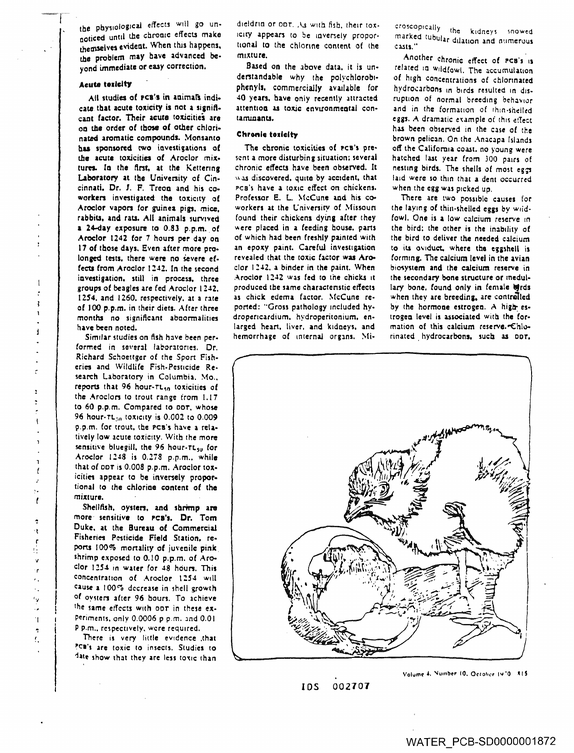
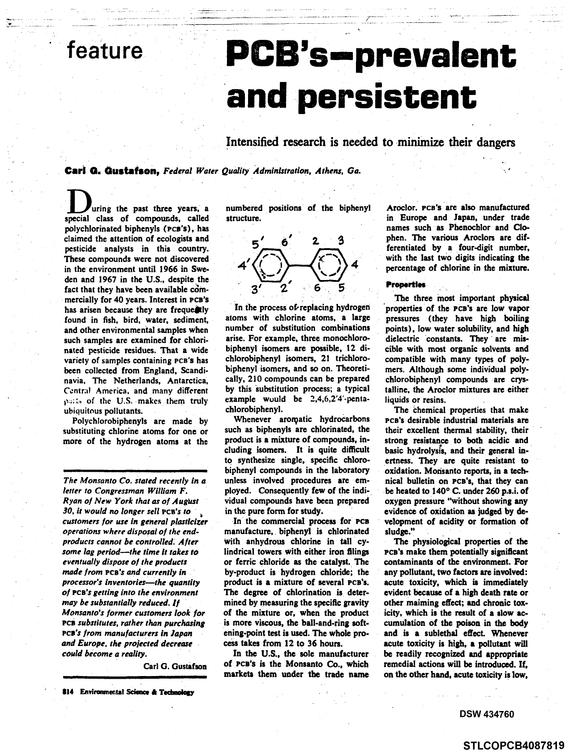
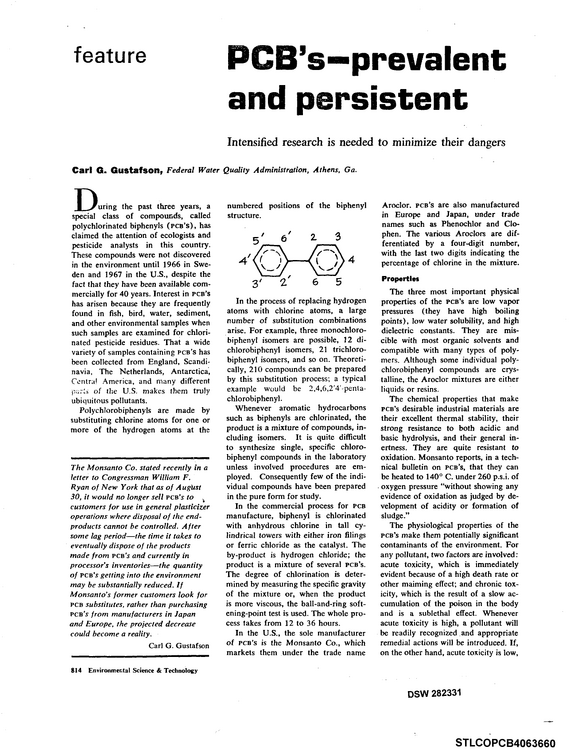
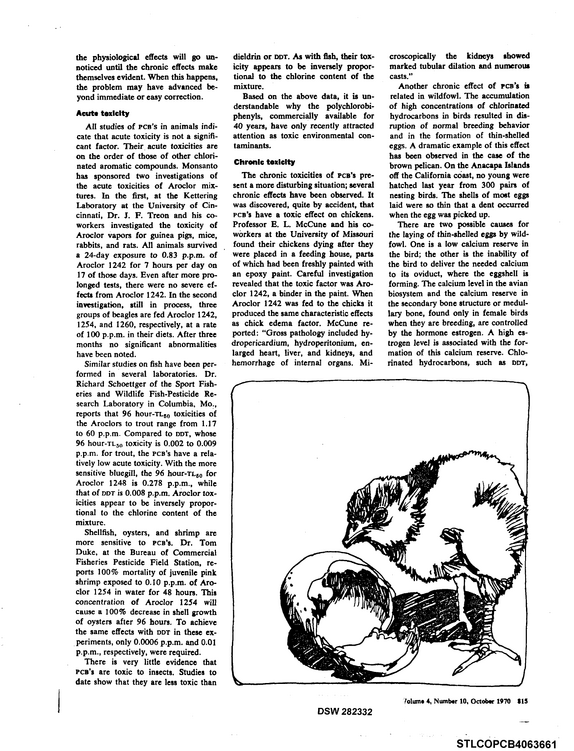
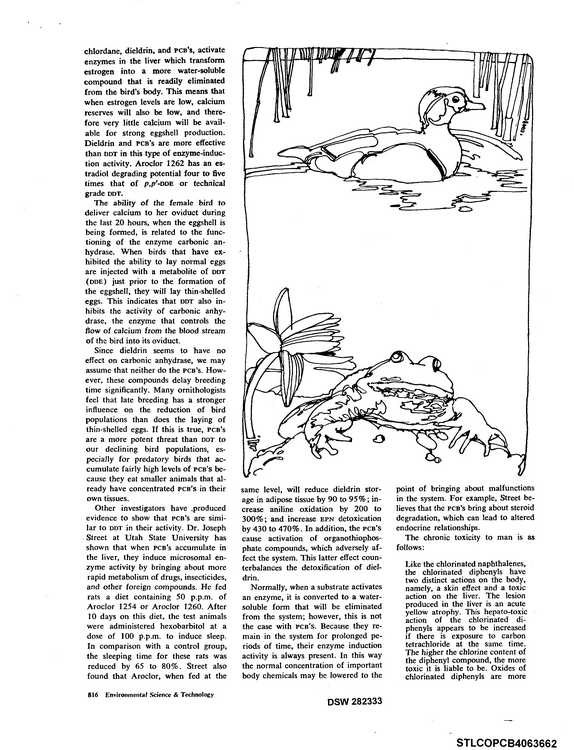
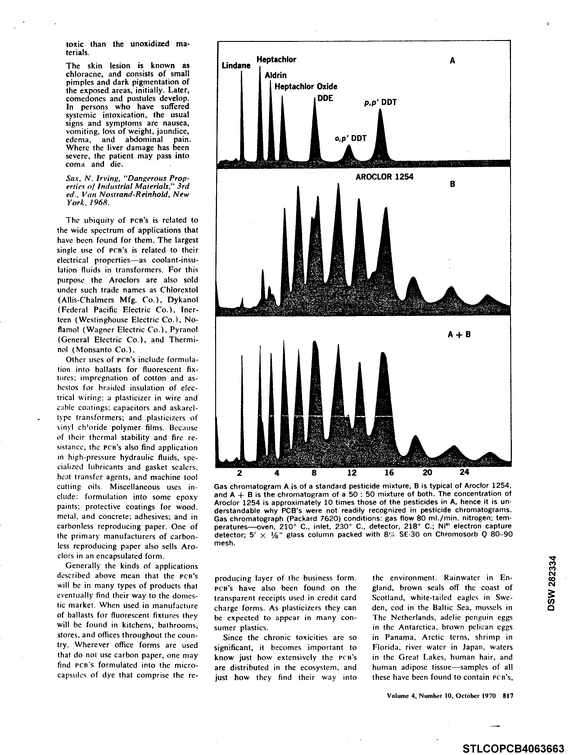
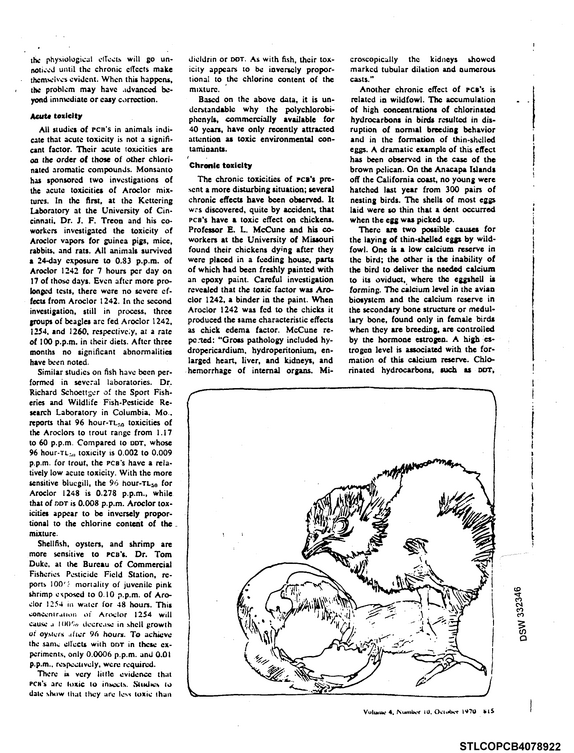
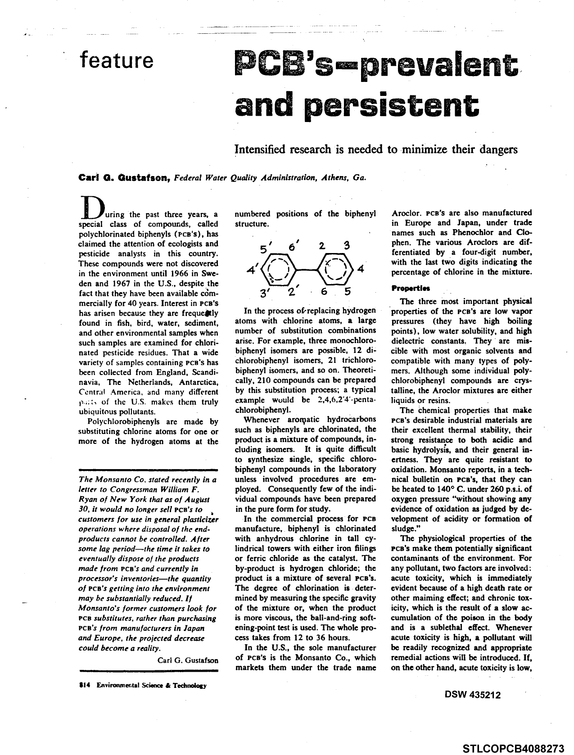
Similar studies on fish have been per formed in several laboratories.
refid# ymzRpQzRkvZerQKw0JgDmjw4n7 pages
Similar studies on fish have been per formed in several laboratories.
refid# pe9105OeZ23brK3zRrzOgOzqk8 pages
Richard Schoettger of the Sport Fish eries and Wildlife Fish-Pesticide Re search Laboratory in Columbia.
refid# DMBYRrvwkO7Zg9geJbw62roB8 pages
Similar studies on fish have been per formed in several laboratories.
refid# X8z3VOw3g6X9mjYRDJXnBEvw48 pages
Similar studies on fish have been per formed in several laboratories.
refid# vyjZxJkNp0Do0gBMrRvqNemrR6 pages
Especially pre certain species of fish, sometimes at low concentrations ferred is pentaerythritoi.
refid# N2R7K6LExN0KdvOyVBQO7yjDR7 pages
Living Resources and Fishing, Rome, Italy, December 1970, E-32.
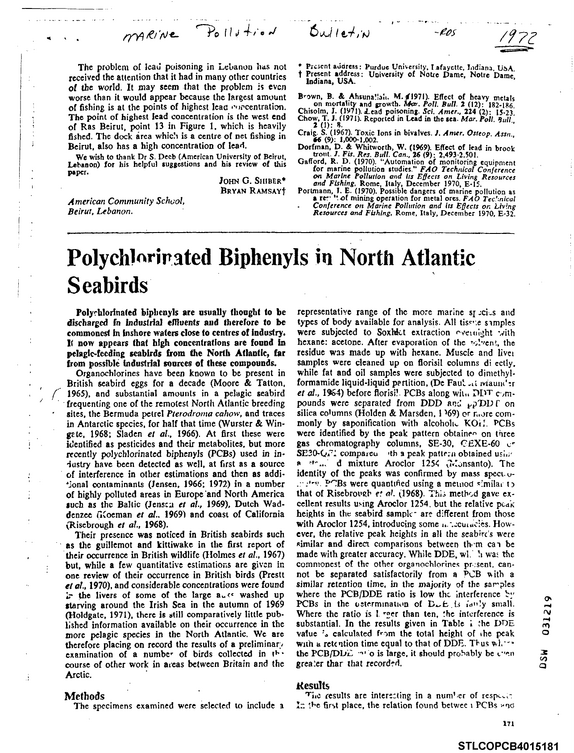
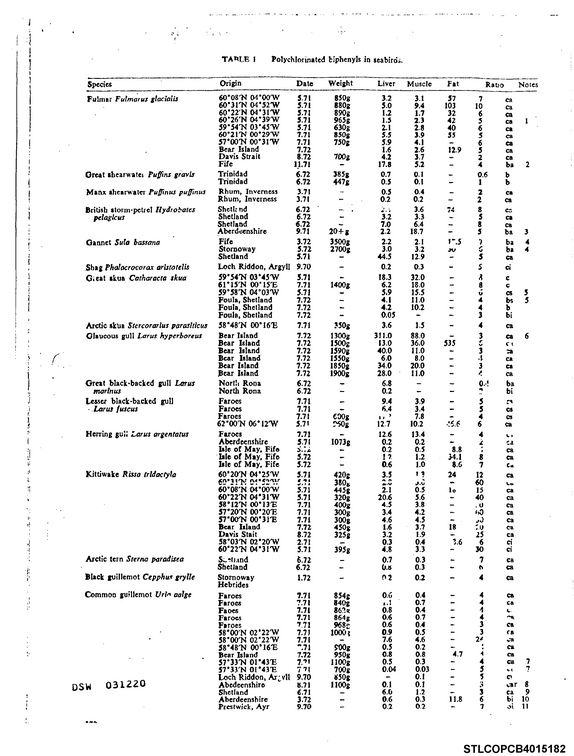
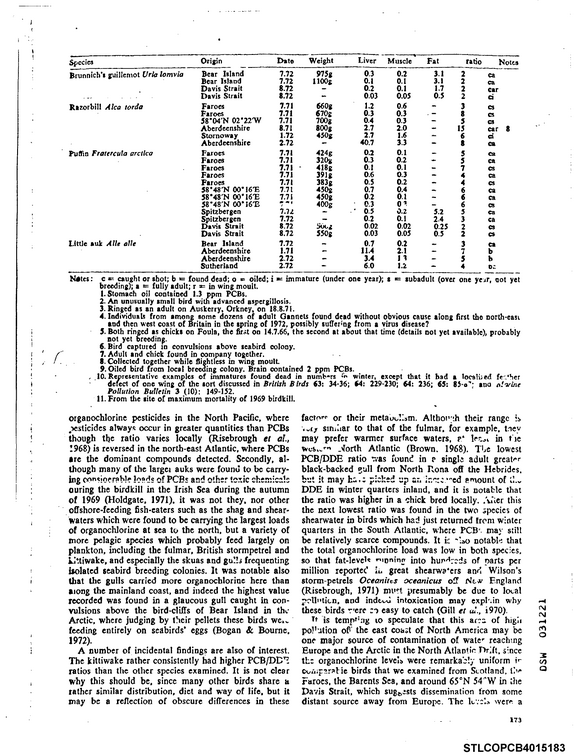
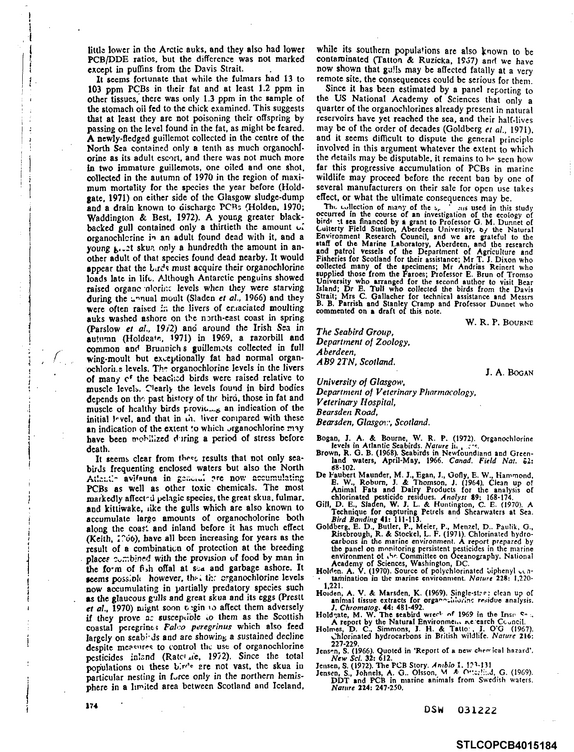
refid# B56r1KLvrME4Ey1XOGqYydvZw6 pages
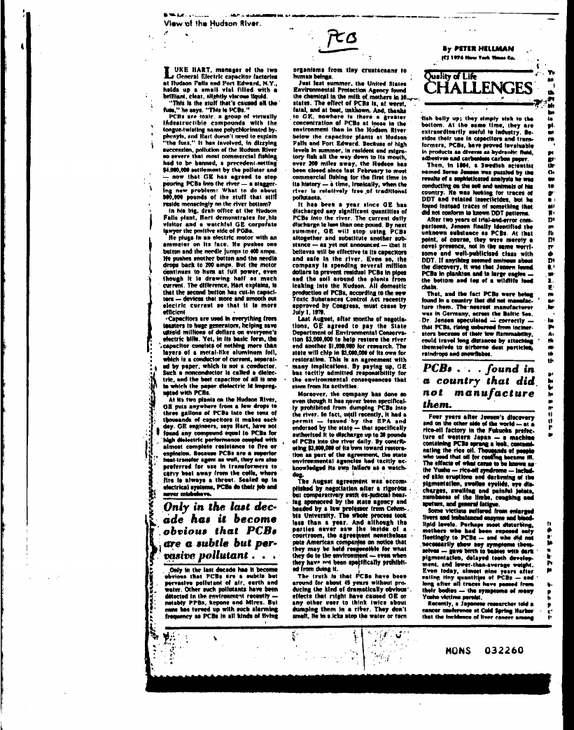
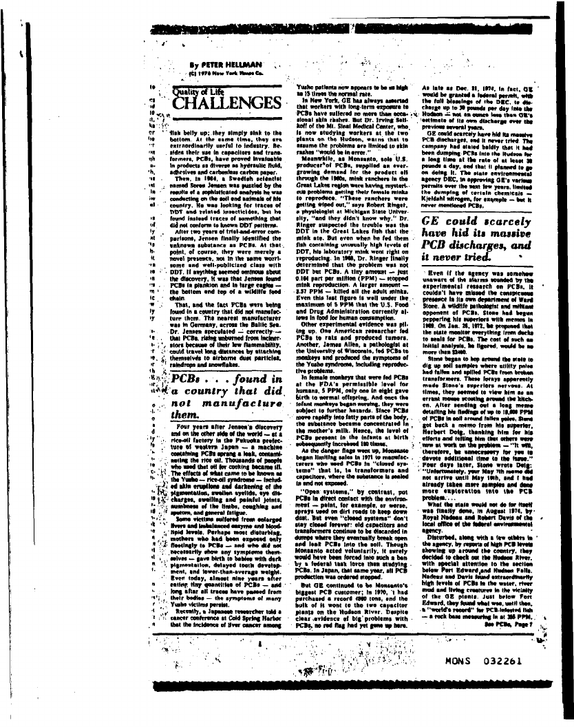
fish belly up; they simply sink to the bottom.
refid# K6Jawo0yjXZoq7J13y5YrzR6Q3 pages
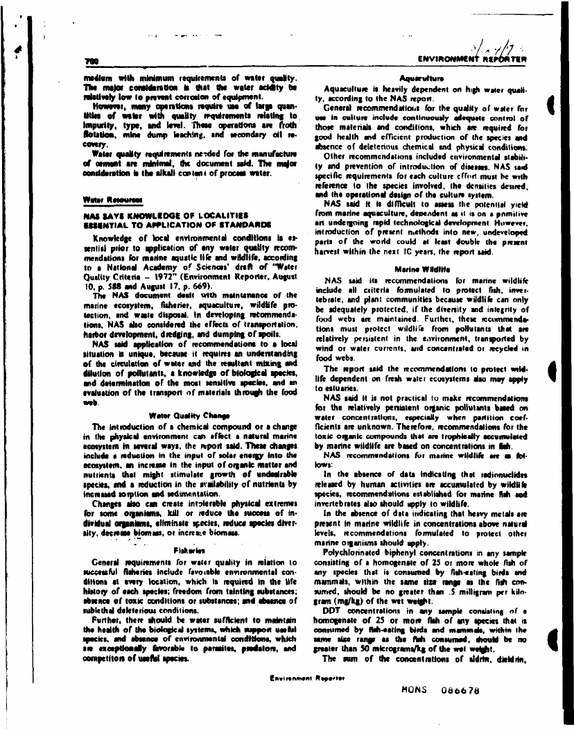
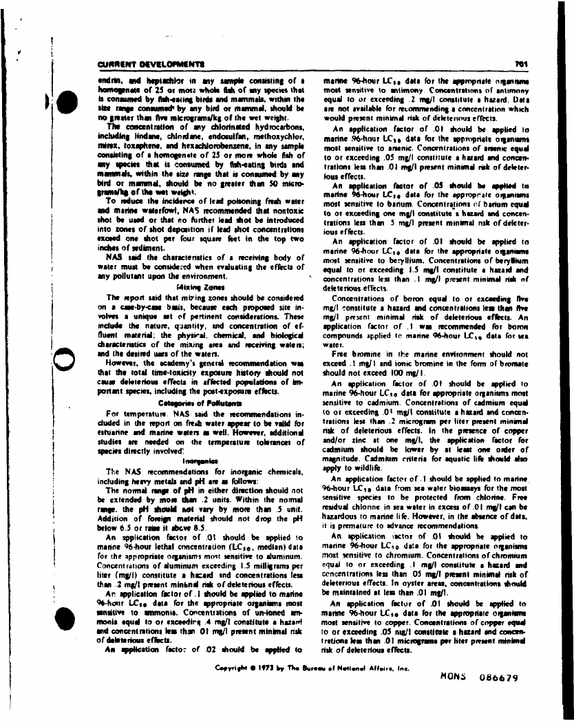
DDT concentrations in any sampk consisting of s homogenate of 25 or more fish of any specks that is consumed by IWi-eating birds rod maninds, within the same size range as the fkh consumed, drould be no greater than 50 mfcrogramVkg of the wal wat^it.
refid# ByVLEbnkmk8ROBRb1XLEaGeM44 pages
Similar studies on fish have been per formed in several laboratories.
refid# Ra55QQYRnxO4oNr3dnMr31d1X6 pages
Similar studies on fish have been per formed in several laboratories.
refid# 06Npvo3NnpBQBoJ4q3z589bLx8 pages
Soren Jensen's identification of PCB residues in fish and birds in Sweden. .
refid# RJk0DXoL05R05dvoBrj7EZMVE25 pages
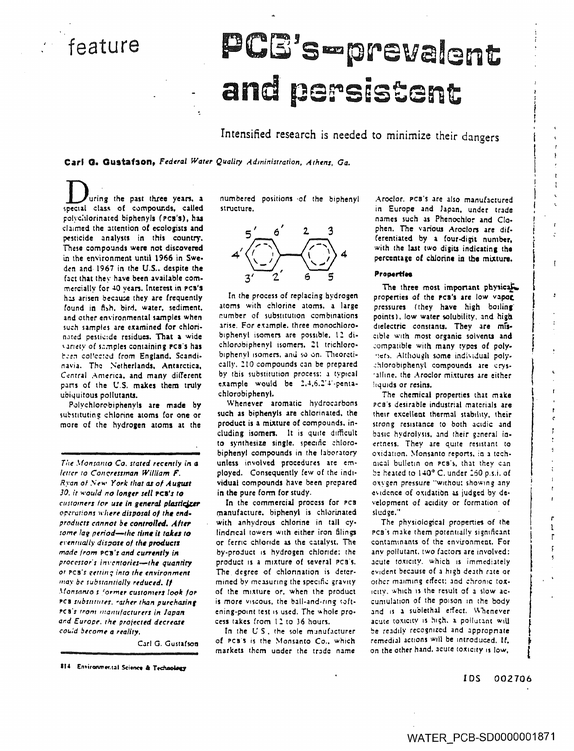
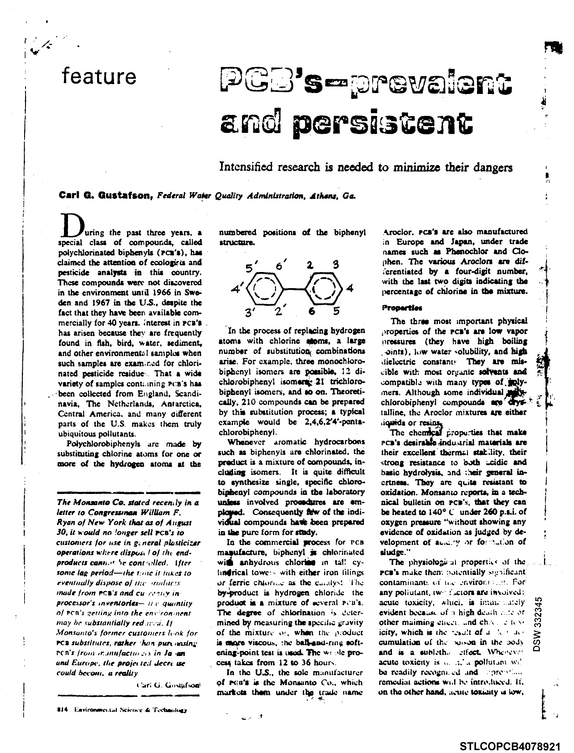
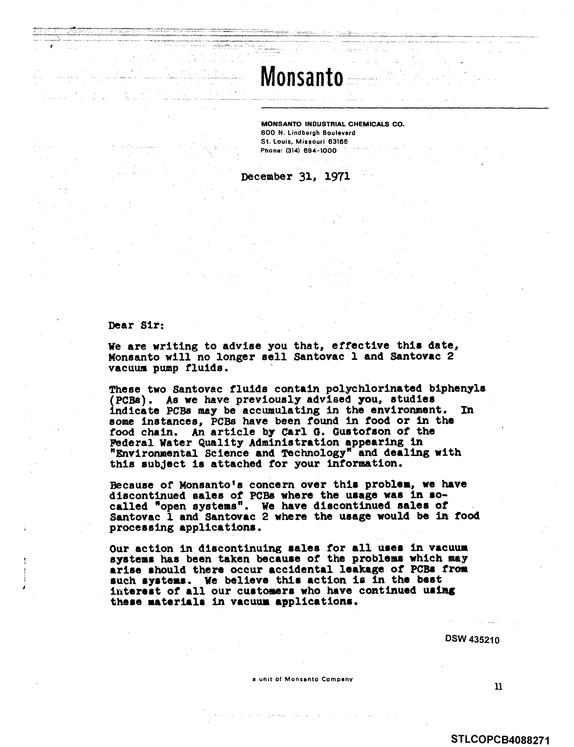
Polychlorinated biphenyl compounds had been in use for 36 years before their discovery in 19661 in the flesh of fish from the Baltic Sea set in motion an intensive worldwide research effort to determine the extent of their distribution tn ecological systems and the possible danger their distribution may pose to human health- Since their belated discov ery as important global pollutants, PCBs have chalked up an impressive record of finding their way into human food chains, sometimes by totally unexpected routes, and have been responsible for huge economic losses in the food industry and, at least in one case, for a serious epidemic of human poisoning.
refid# x5eJB1ee0Byz9xaY8RjVV79Gg4 pages