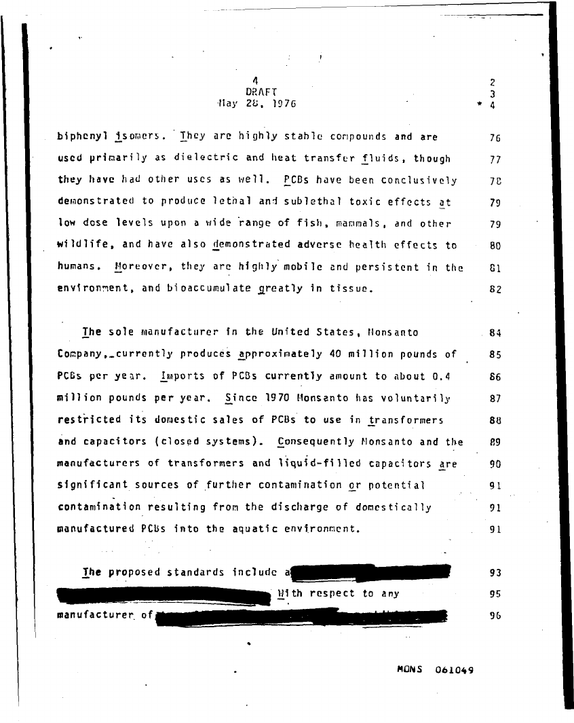
F^CBs have been conclusively demonstrated to produce lethal and sublethal toxic effects at low dose levels upon a wide range of fish, mammals, and other wildlife, and have also demonstrated adverse health effects to humans, Moreover, they are highly mobile and persistent in the environment, andbioaccumulate greatly in tissue. 76 77 7C 79 79 80 81 82 The sole manufacturer inthe United States,Monsanto Company,.currently produces approximately 40 million pounds of PCBs per year.
refid# n8mN8VBO6xJQZYdwzya3Q5da74 pages
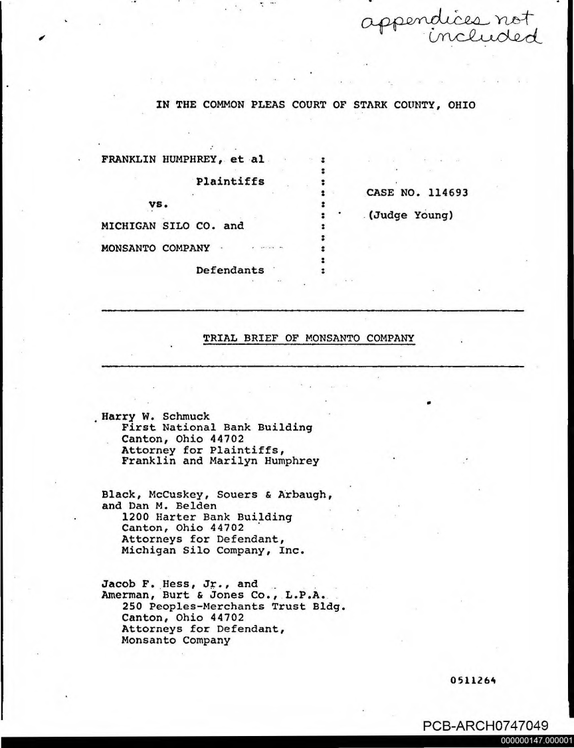
Q^pj2^ruCAJ^CJ2^ Yb&t- T (jnxiJljuudJiscL IN THE COMMON PLEAS COURT OF STARK COUNTY, OHIO FRANKLIN HUMPHREY, et al Plaintiffs vs.
refid# e59N8wpyEee0ZmBk72bbE4NDq53 pages
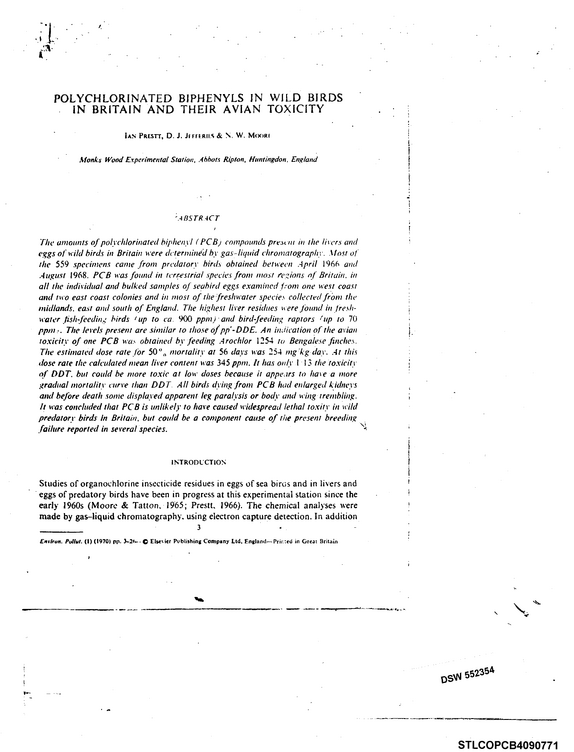
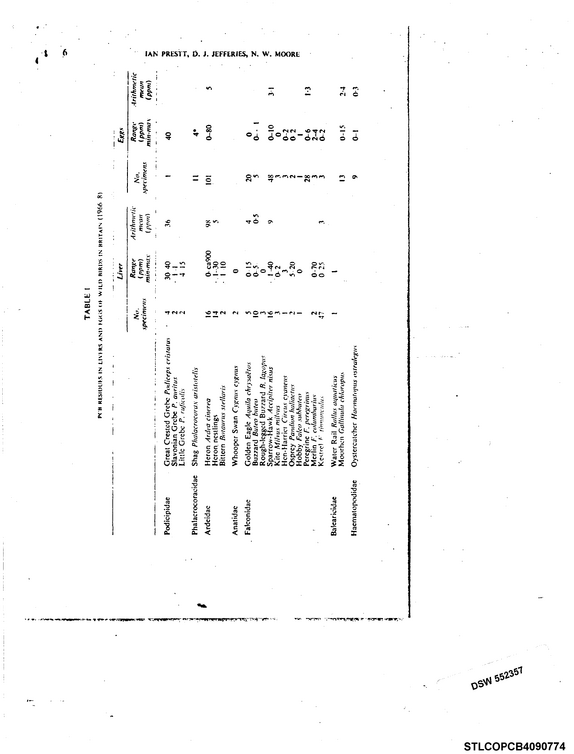
The highest liver residues were found in fresh water fish-feeding birds 'up to ca. 900 ppm) and bird-feeding raptors 'up to 70 ppm .
refid# RJ5rzmvGaEb65LQa4RwRJwkmn24 pages
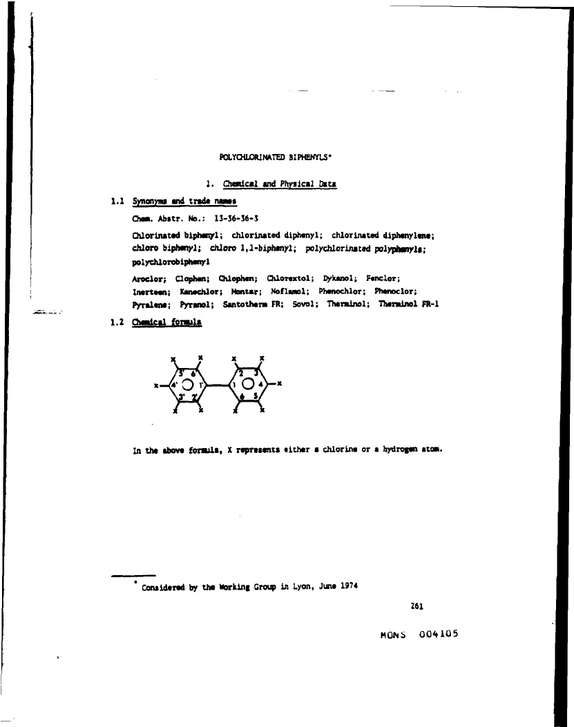
1ARC MONOGRAMS ON THE EVALUATION OF THE CAACIMXXNIC RISK OF OBOCALS TO MAN: Sew anti-thyroid and rtlated aubatancaa, nitrofurans and industrial chaadcals Voluaa 7 This publication represents the views of two IARC Working Groups on the Evaluation of the Carcinogenic Risk of Chanicals to Man which net in Lyon, 4-11 February 1974 and li-24 June 1974 MONS 00*10* POLYCHLORINATED BIPHENYLS' 1.
refid# re56xNprbJyLoj8je6EKOGm1E30 pages
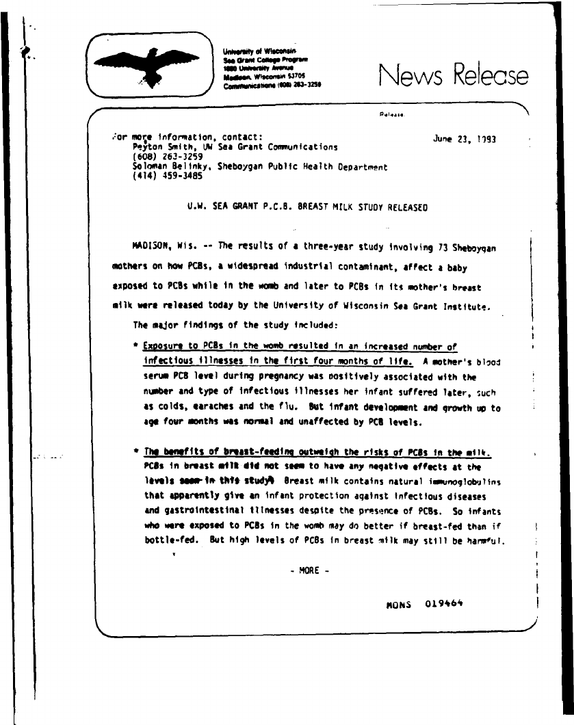
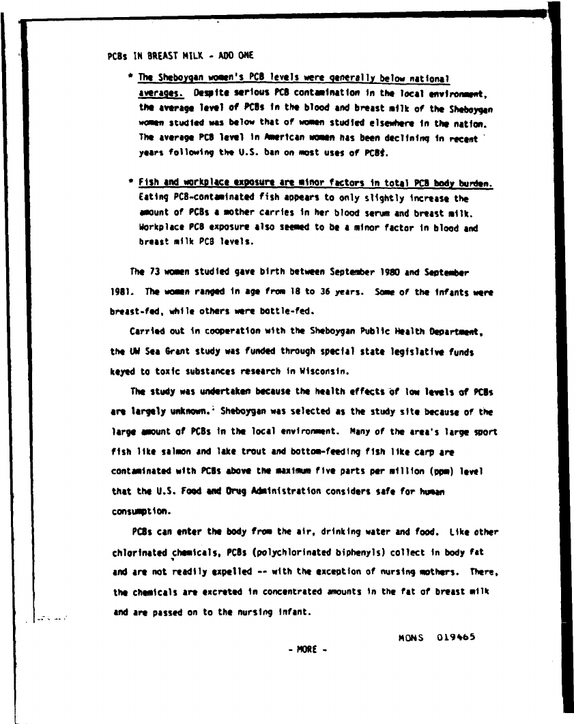
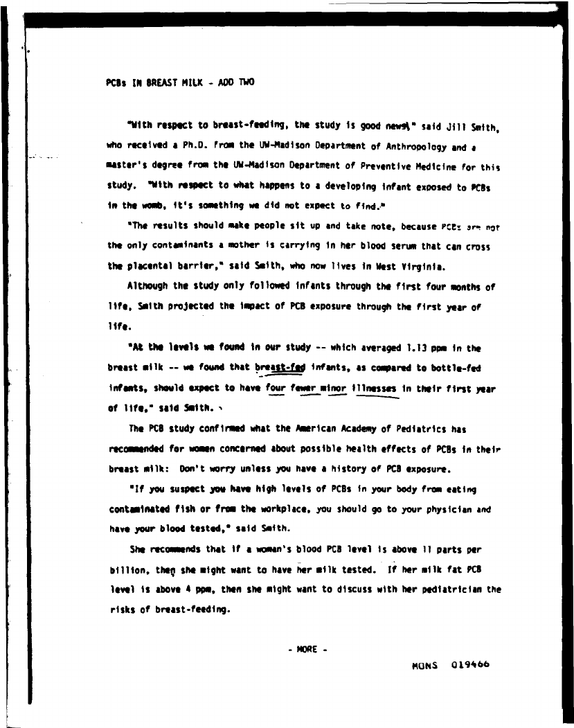
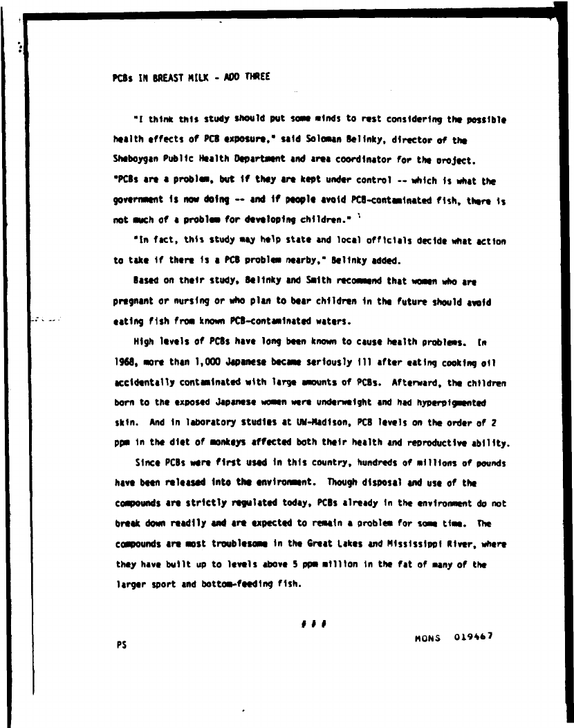
* Fish and workplace exposure are minor factors In total PCB body burden.
refid# gaN5geMmgQ3EQQ4aQvZJNp3jq40 pages
.; PCB's are also present in numerous environments that may, or may not, merit containment or restorative actions; and small, but measureable levels are present in some fish available for consumption.
refid# wgzdO6vzXLkBq2qRd2mm9ReRQ27 pages
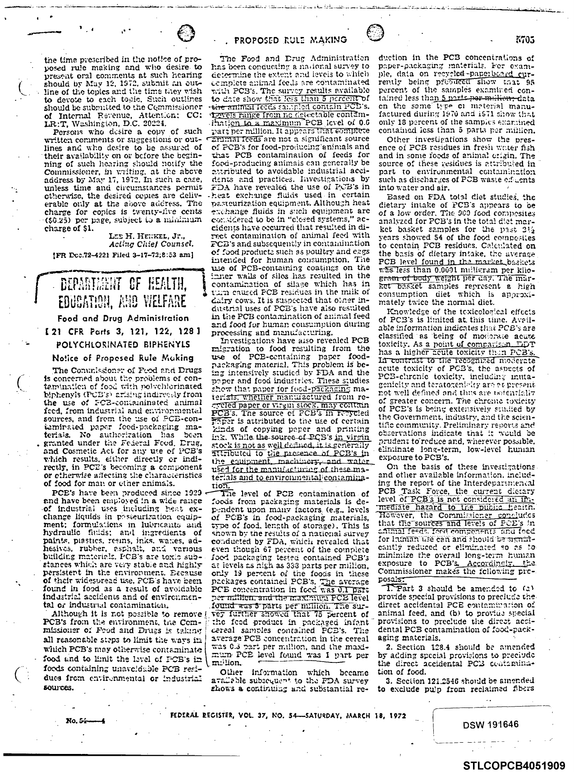
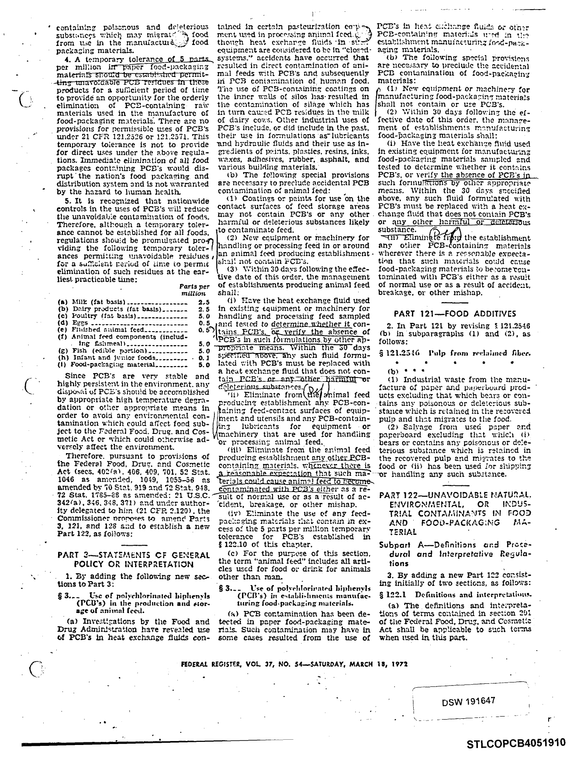
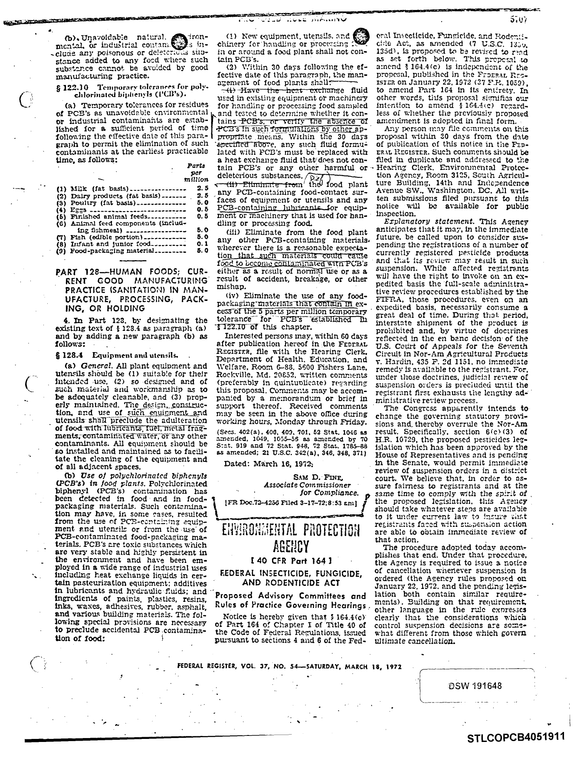
written comments or suggestions or out "animal ICedTare not a significant source Other investigations show the pres lines and who desire to be assured of of PCB's for food-producins'animals and ence of PCB residues in fresh water fish their availability on or before the begin what PCB contamination of feeds for and in some foods of animal origin.
refid# b56vxpRBY1gJoGRgBDZ2D4R8y16 pages
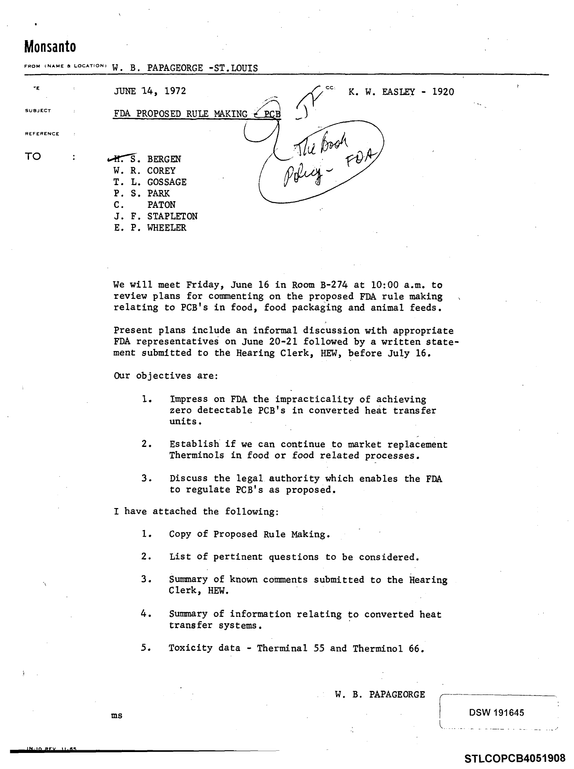
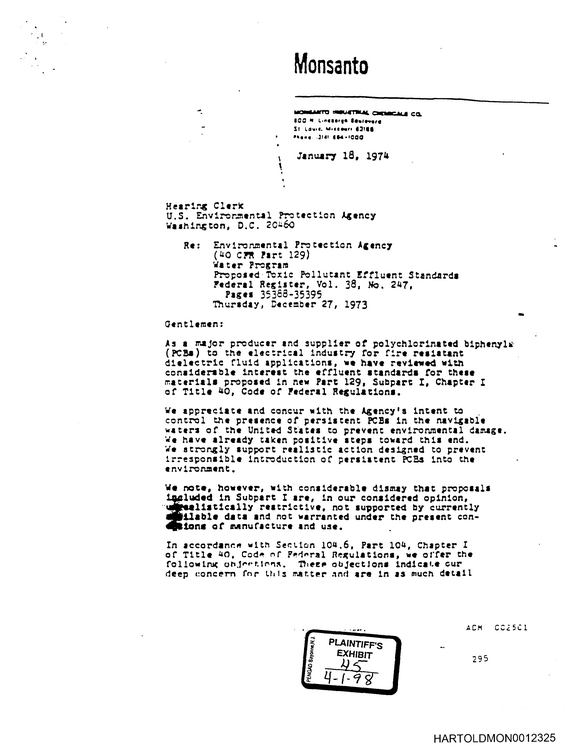
Monsanto l3Mlim 00 * (.' !
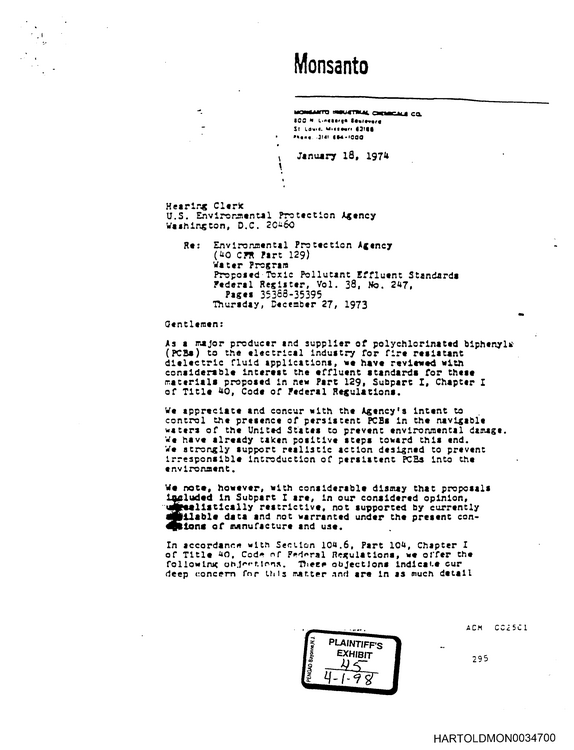
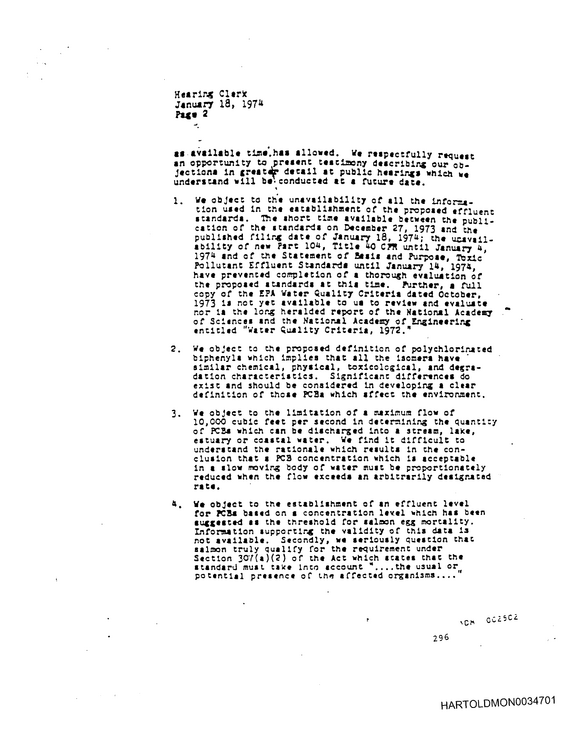
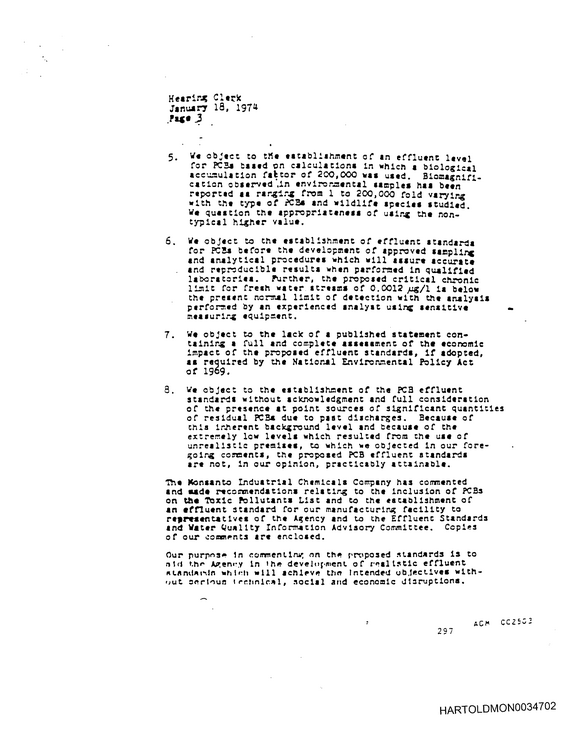
refid# N2a9KR26ExV3eMjX5egQ0ywvD25 pages
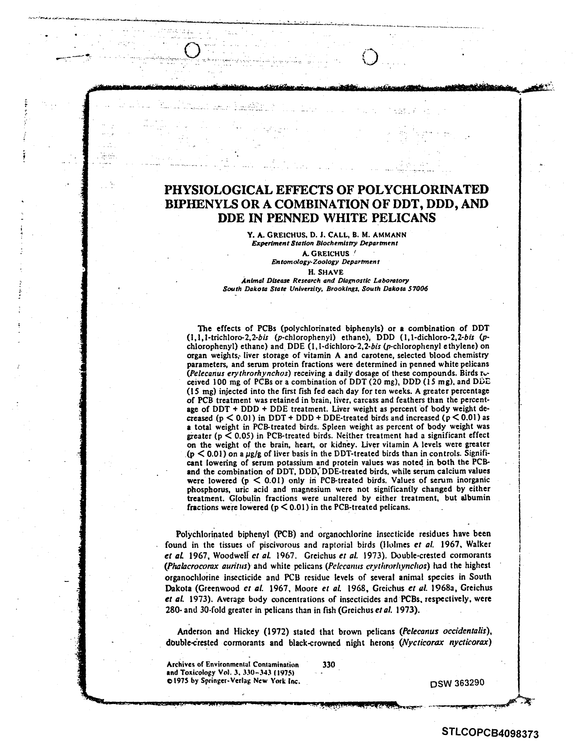
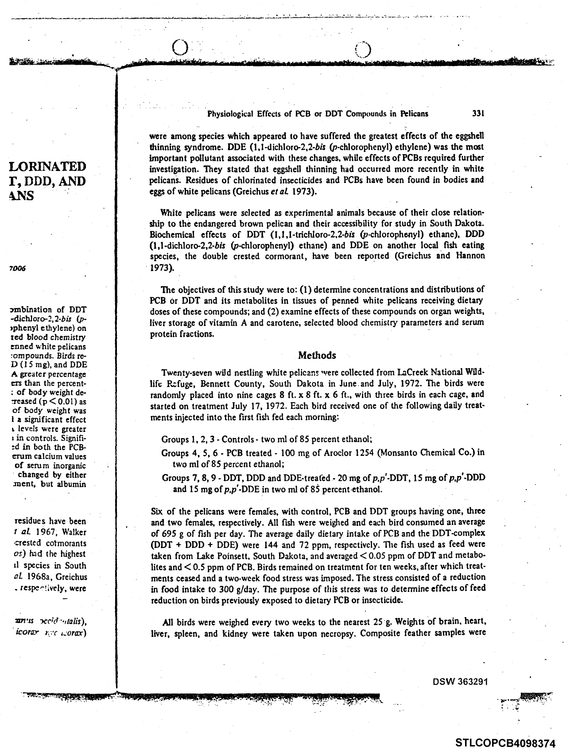
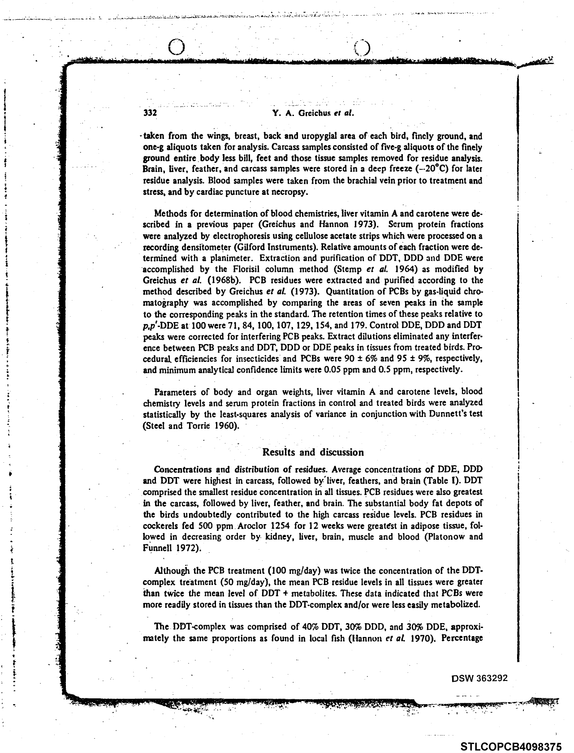
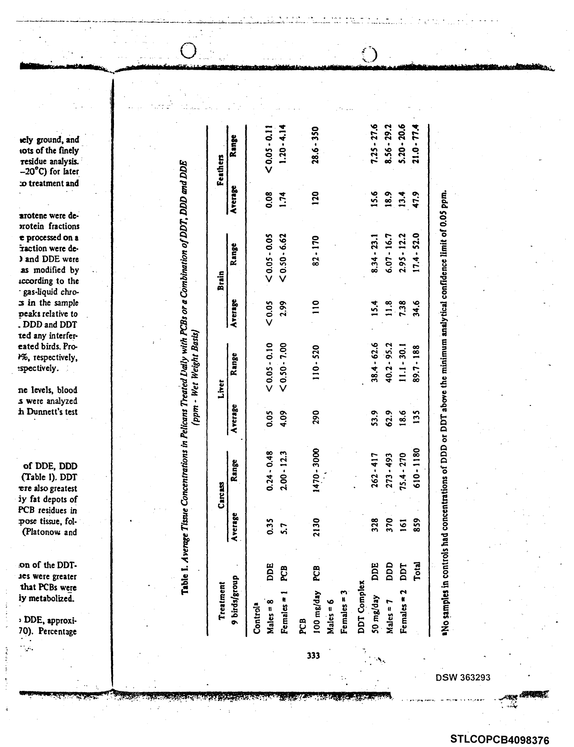
All fish were weighed and each bird consumed an average of 695 g of fish per day.
refid# gbm2Xo69n01kxaaG4MvBLKKj914 pages
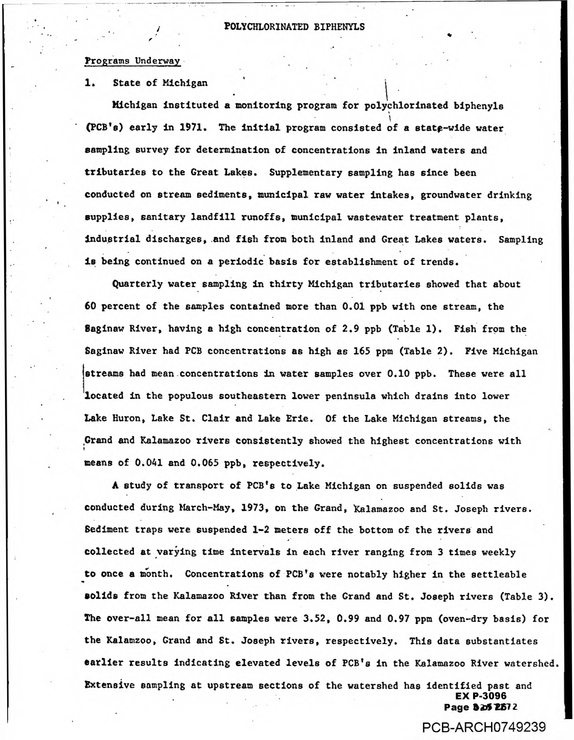
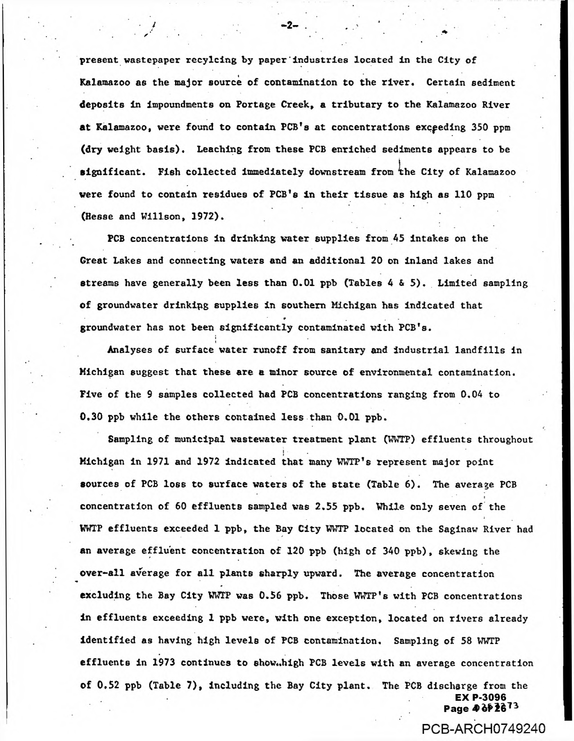
Fish from the Saginaw River had PCB concentrations as high as 165 ppm (Table 2).
refid# rxaK6vzEJapzeMw263edJ8eBr26 pages
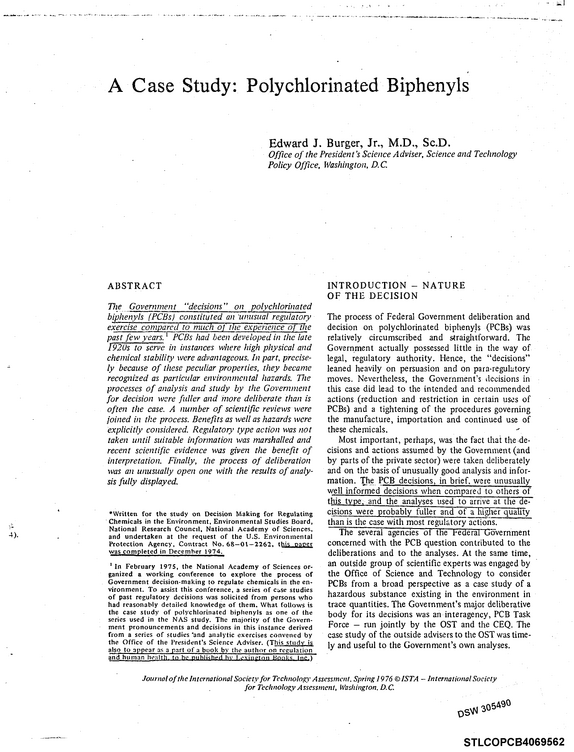
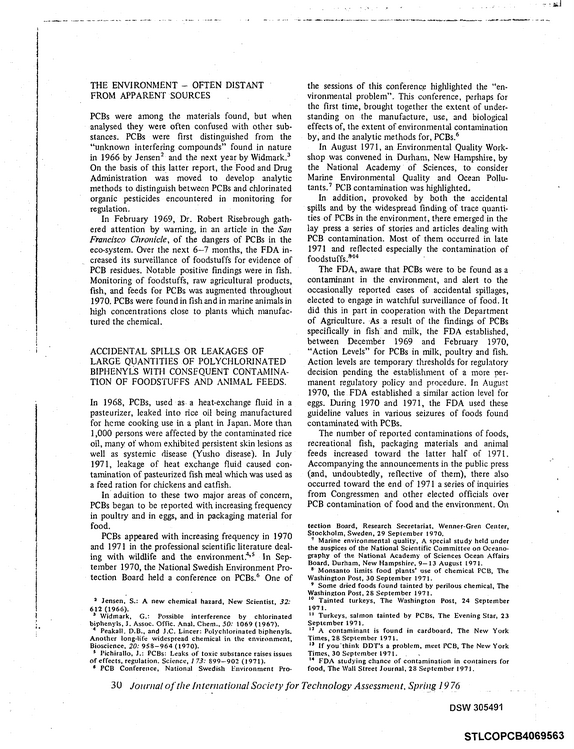
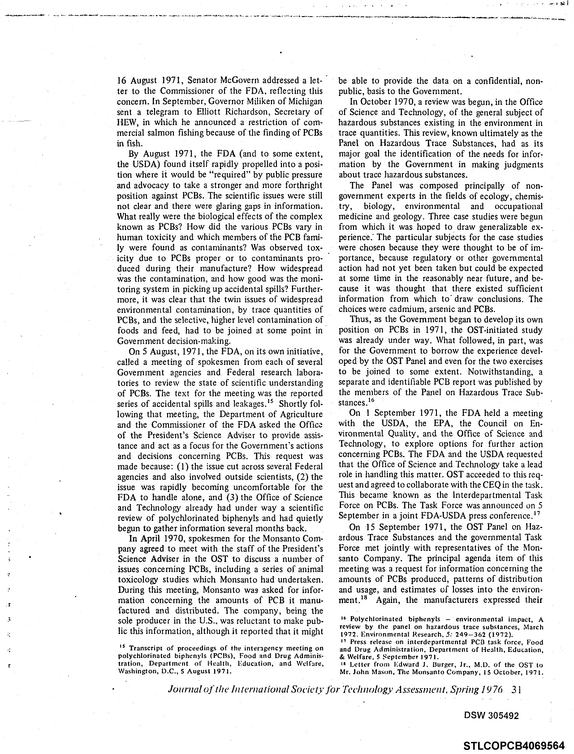
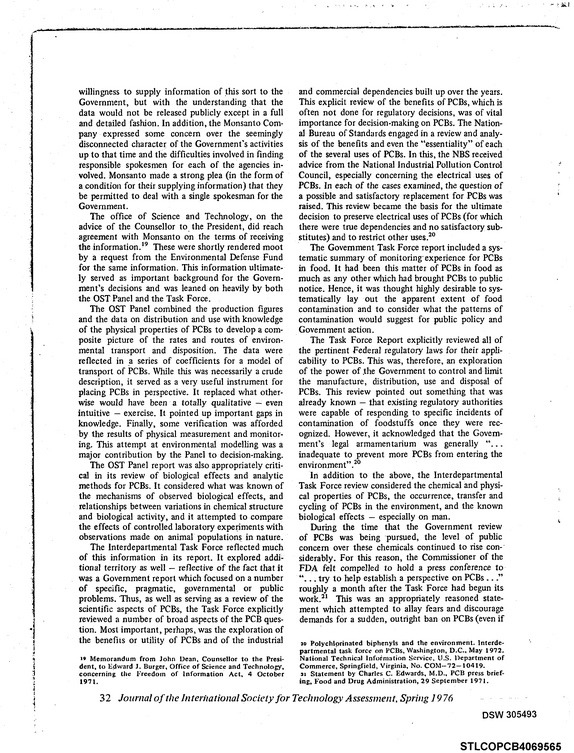
Notable positive findings were in fish.
refid# 3ekqwoEVDO5M3apwOyRprmq3D8 pages
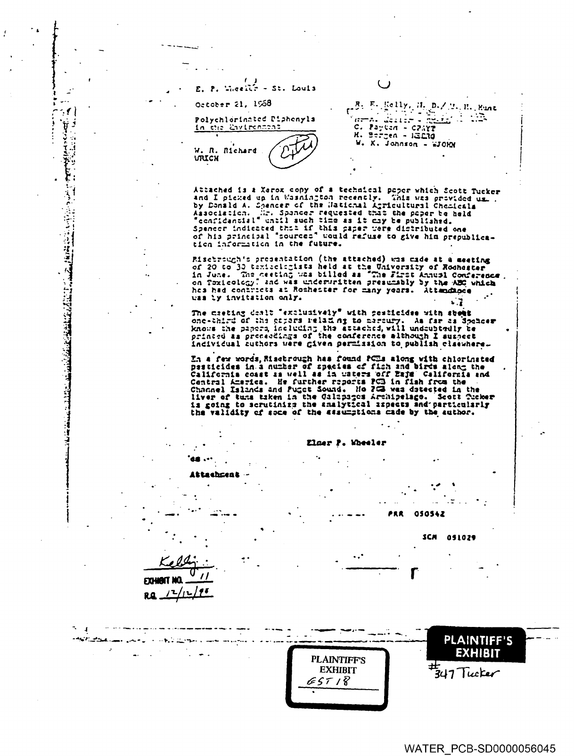
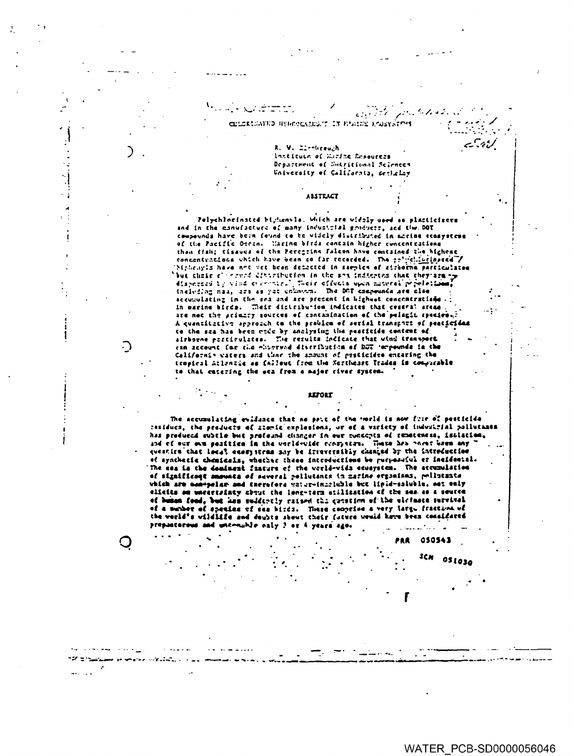
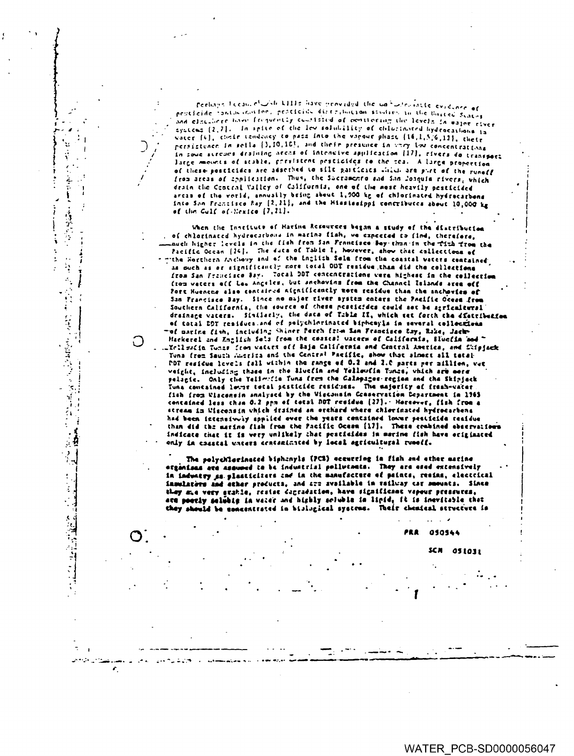
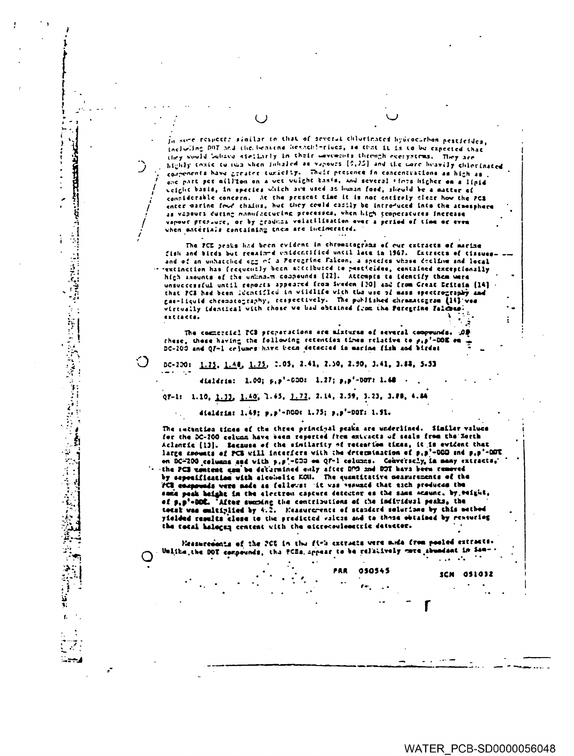
' / The *ret prate d born evident in chroostegraU of our extracts of urUe fish and birds but reual.T-d vn tdcr.di led until late ia 1)67.
refid# e5mD1DQ4kNDMgDOdoJeovmG2E17 pages
In almost all of the fishes (25) and the birds from San Francisco Bay which have been analyzed, this ratio is between one and two.
refid# qaxD0EnwwVjpaa9K1v3EgejJx29 pages
Monsanto l3Mlim 00 * (.' !
refid# oeqBqyaBMjaKN4XXv2VZEYDe825 pages
Notable positive findings were in fish.
refid# pV9G43oqDzZ703r0gEMOxGYX8 pages