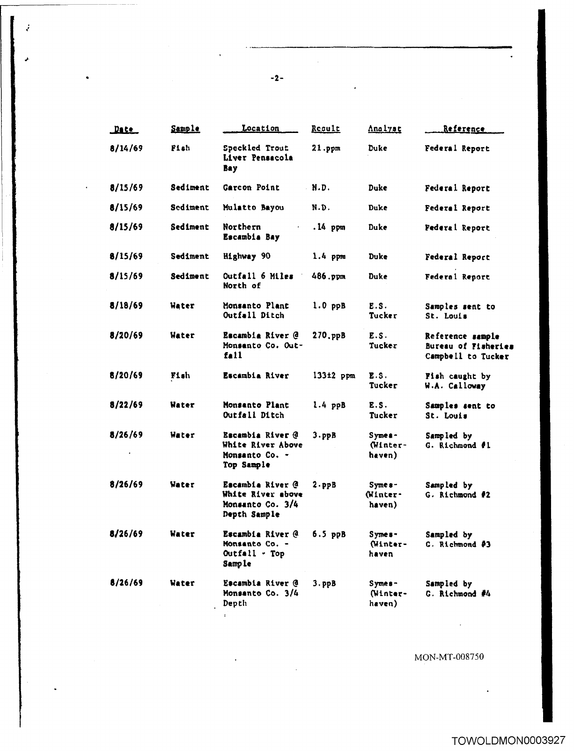
Tucker Fish Escambia River 13312 ppm E.S.
refid# pBw5zGnOQg92MG0aeV6ooZKkB20 pages
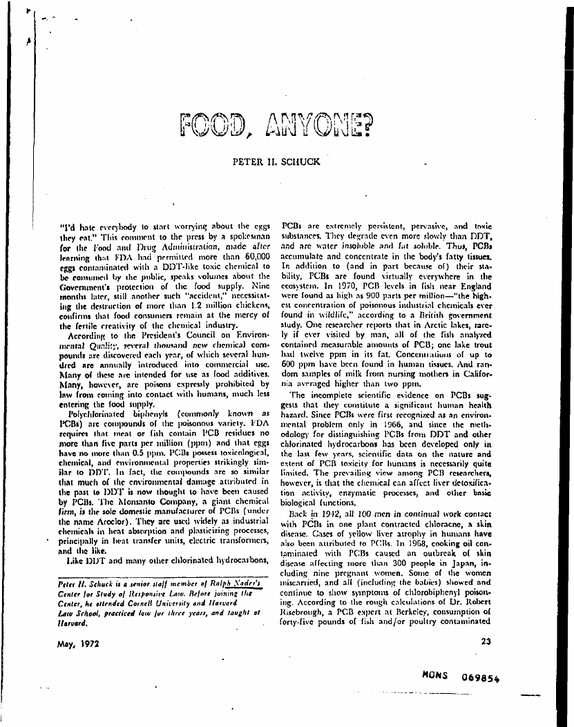
FDA requires that meat or fish contain PCD residues no more than five parts per million (ppm) and that eggs have no more than 0.5 ppm.
refid# EdDp68Rq5JoODx964MvR0K12x4 pages
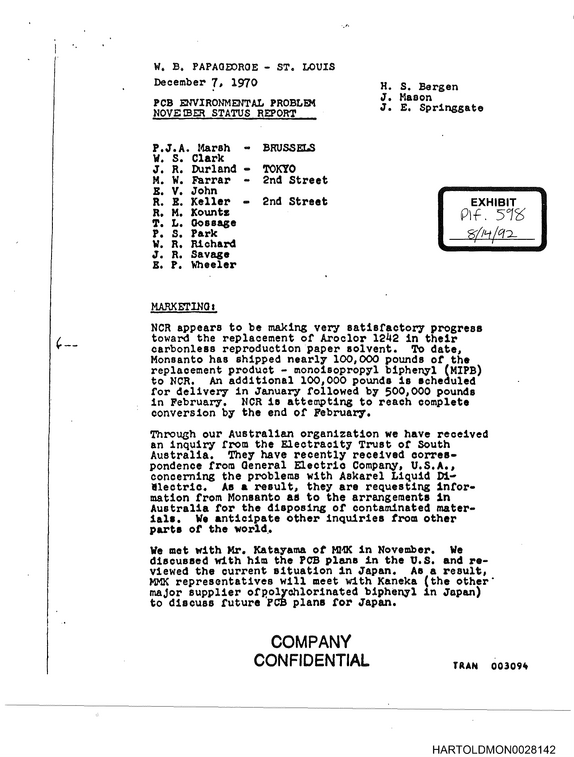
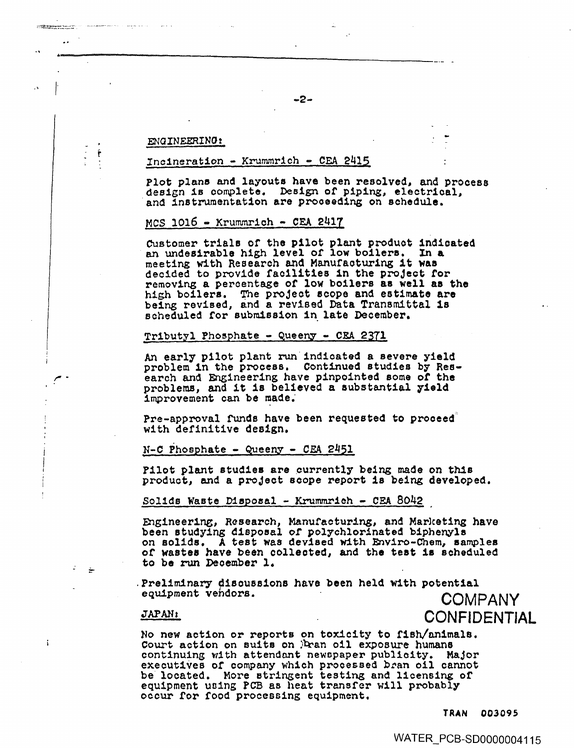
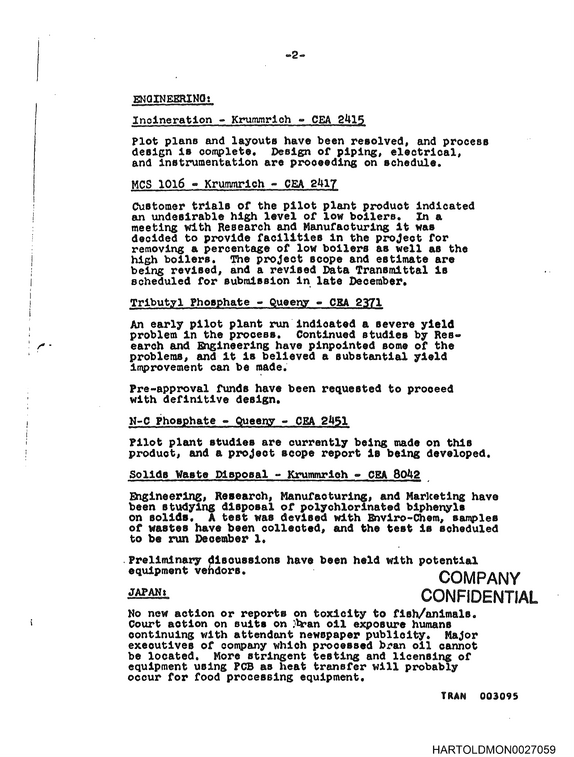
COMPANY CONFIDENTIAL No new action or reports on toxicity to fish/animals.
refid# MMOeo3Dx9JMEQvkN6GgQgnDGx11 pages
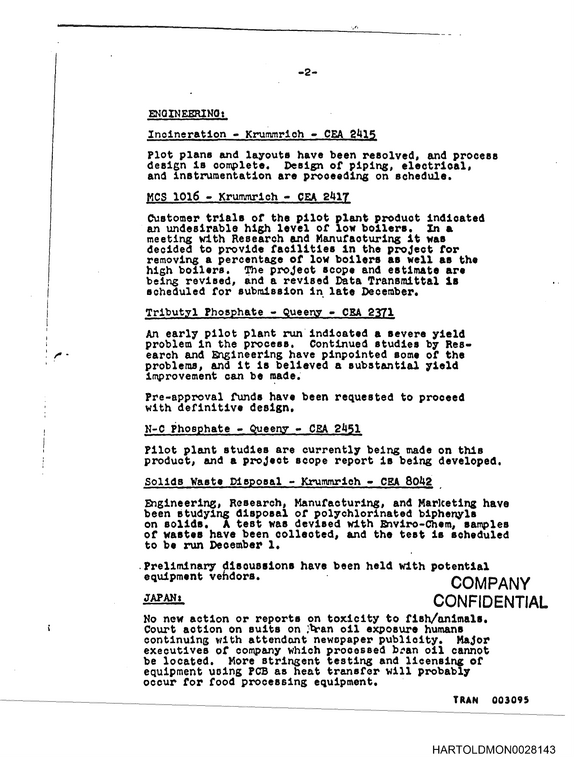
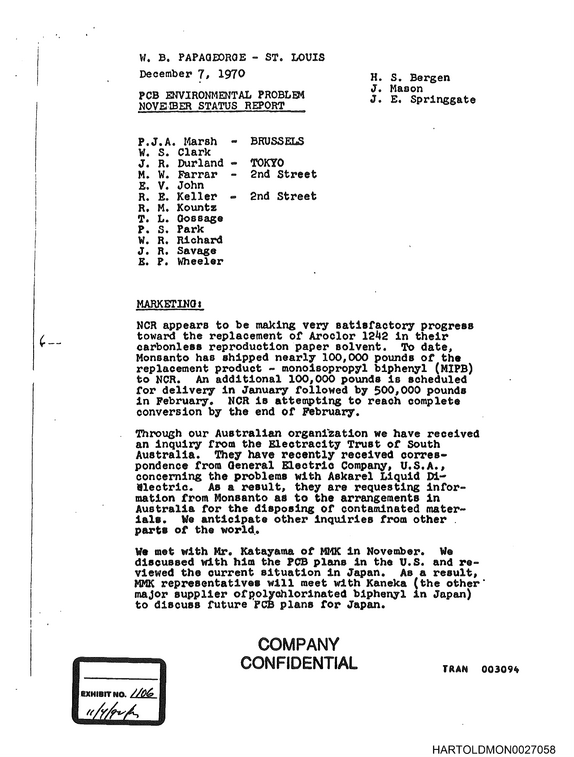
COMPANY JAPAN* CONFIDENTIAL No new action or reports on toxicity to fish/animals.
refid# a19MEnDXvwz1Rj0rGjJNooDmb11 pages
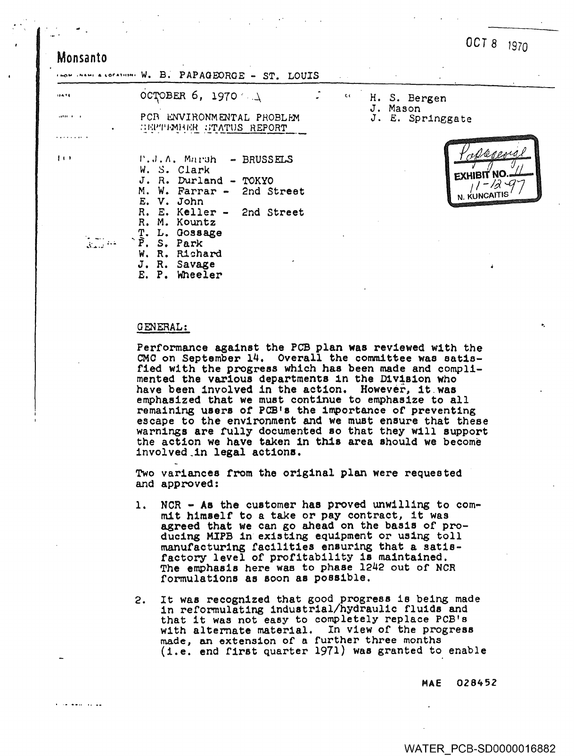
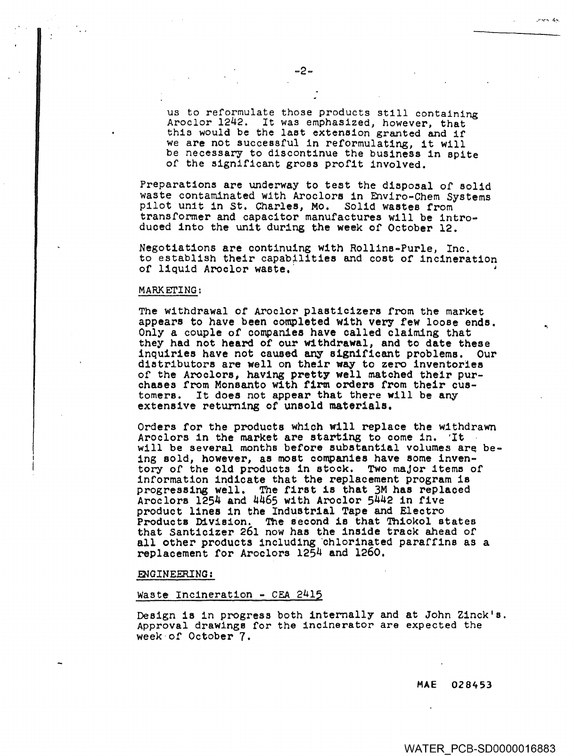
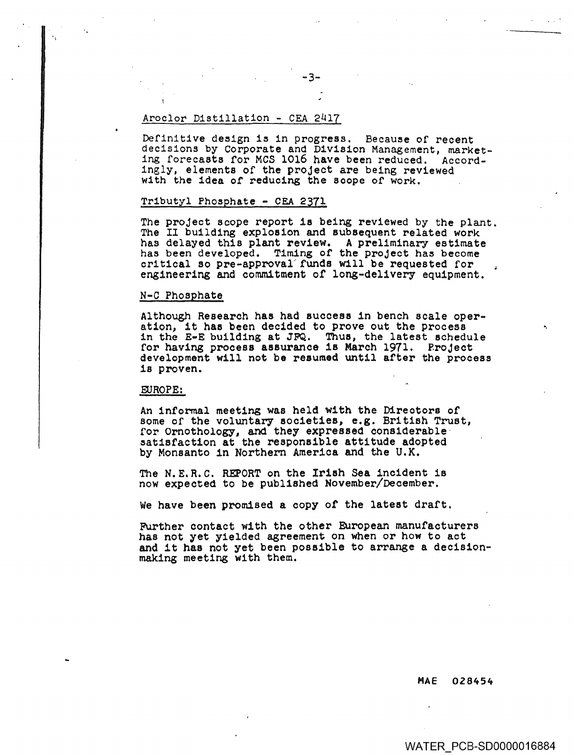
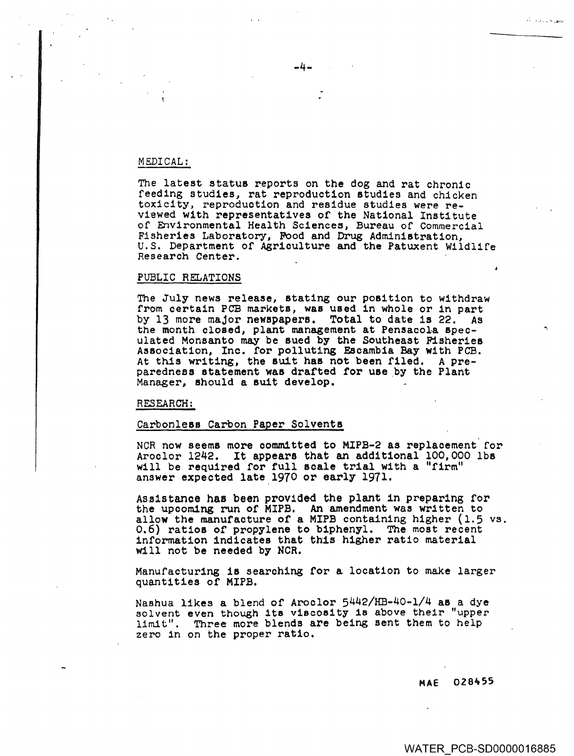
Monsanto KtW .H4M| A tor * W.
refid# 153mXxndxnRRzEmEj4gZE46jZ13 pages
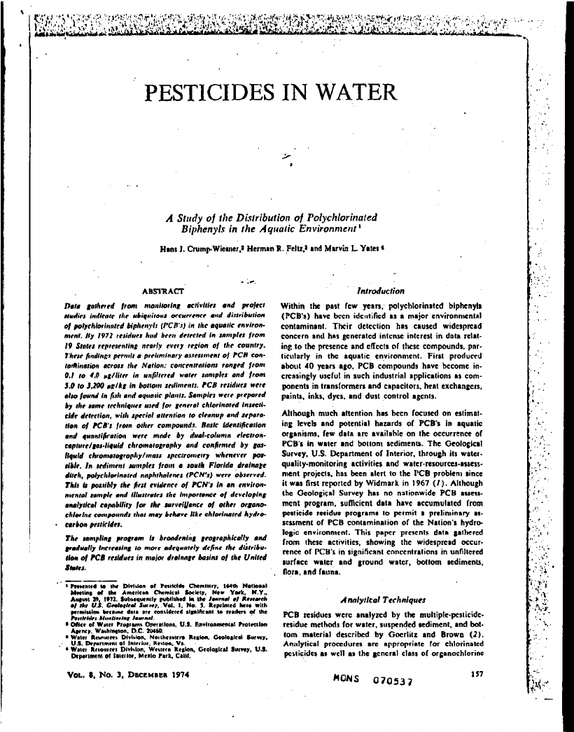
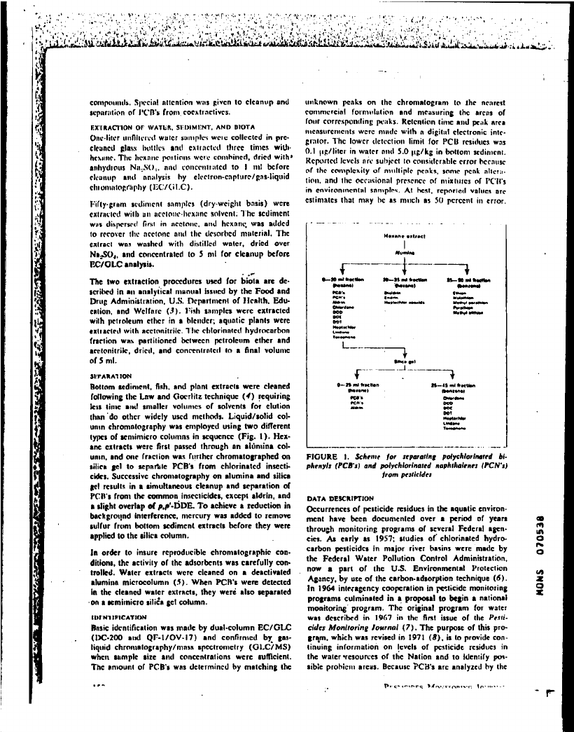
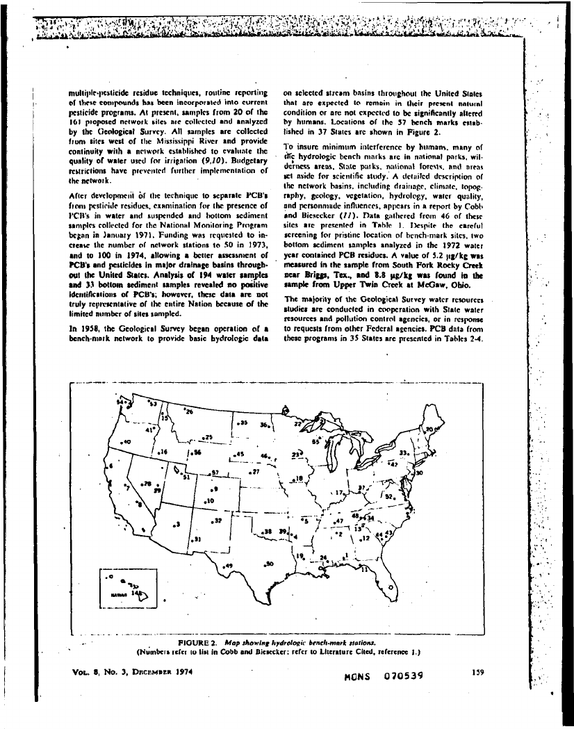
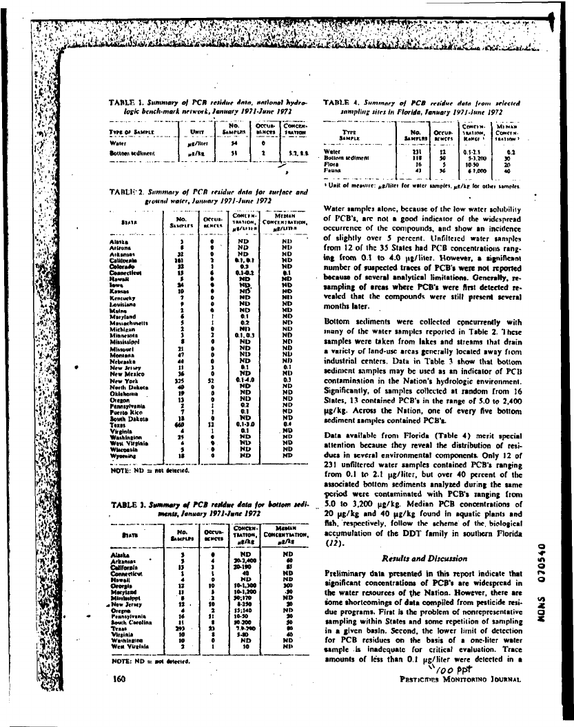
PCB residues were also found in fish and aquatic plants.
refid# qdO0Na7mJXjkR7w8Rm5mEmXD55 pages
Monsanto Ktu .*4Mi * ior W.
refid# RaynmpXyqnG2eyaRdZRXwBZ8v13 pages
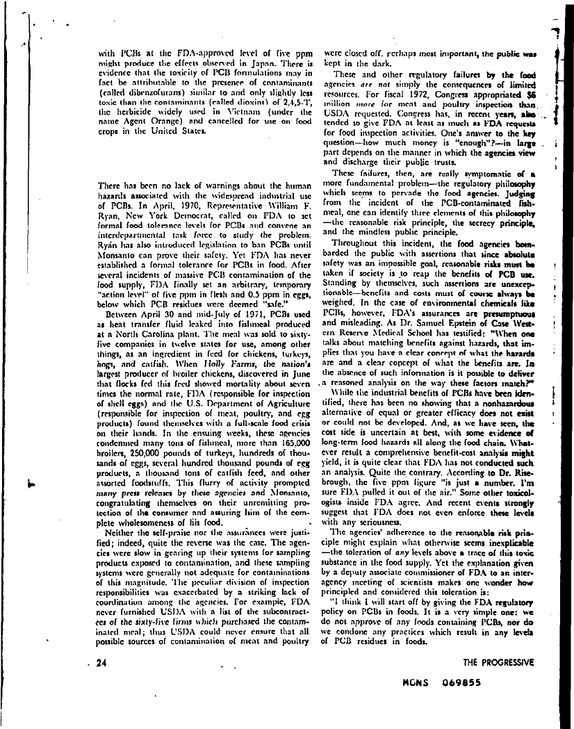
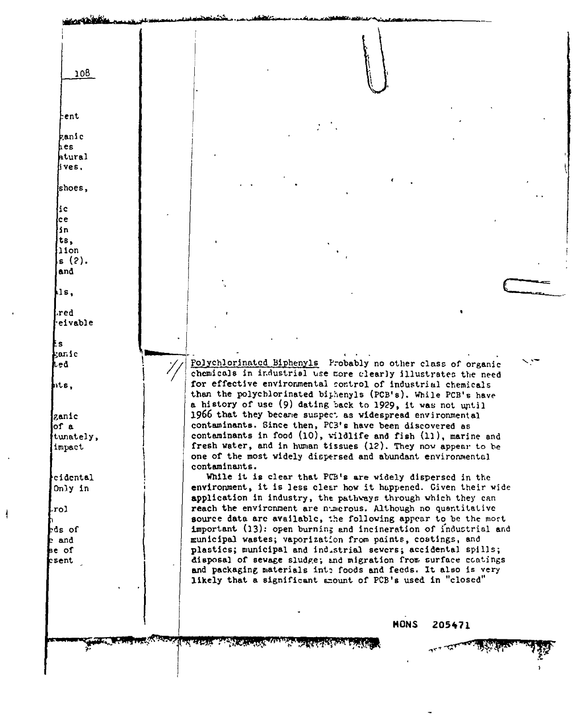
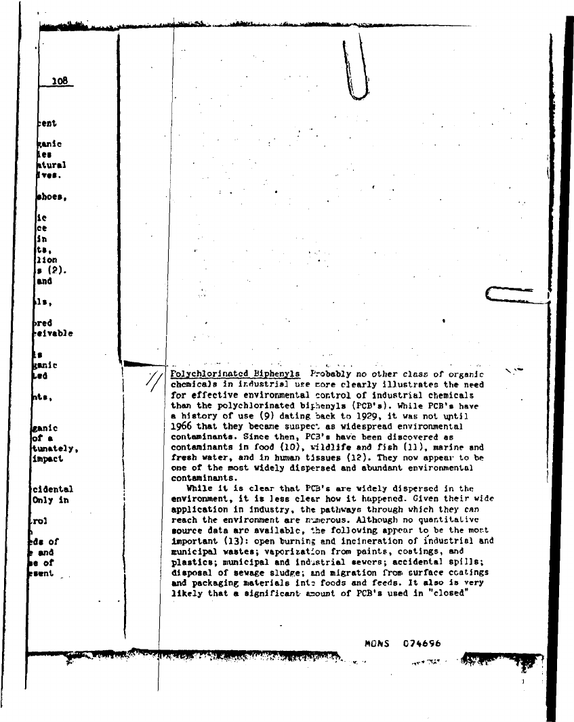
In another case (13), an estimated 12,000 tons of fish meal were contaminated with PCB's by a leaky heating system in a fish-meal pasteurization plant at Wilmington, North Carolina, between April and July of 1971- Of this, about 2,000 tons were recalled from the market.
refid# B8G9NxK4E5RyLeOJXb3xbQDbE10 pages
biphenyls were detected in fish, mussels, and birds .
refid# 4aNqgwwMGE92D3MbQLy7y23BN9 pages
The source of PCB's in this case was thought to be plastic bakery wrappers, as stale bakery goods vere ground up, wrappers and all, and used as chicken feed. h another case (13), an estimated 12,000 tons of fish meal wer* contaminated with PCB's by a leaky heating system In a fish-meal pasteurization plant at Wilmington, North Carolina, between April and July of 1971.
refid# kmKBgL5x7Qj1Xd5KrVe0m5LQV10 pages
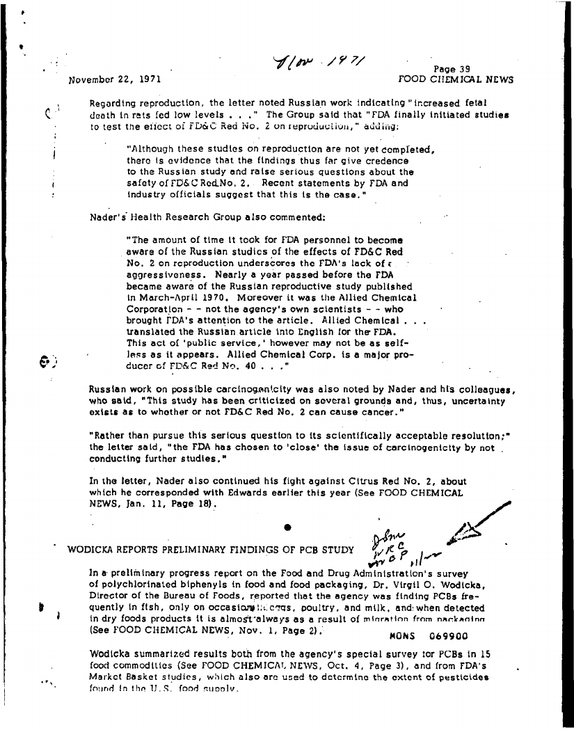
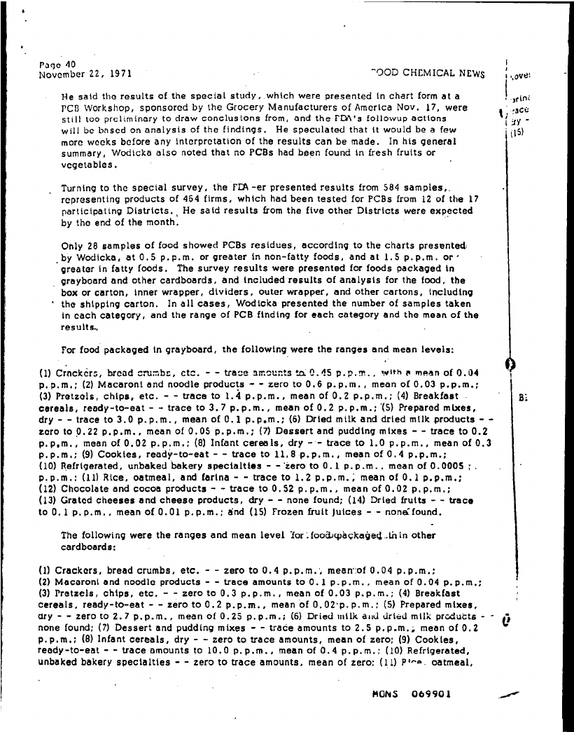
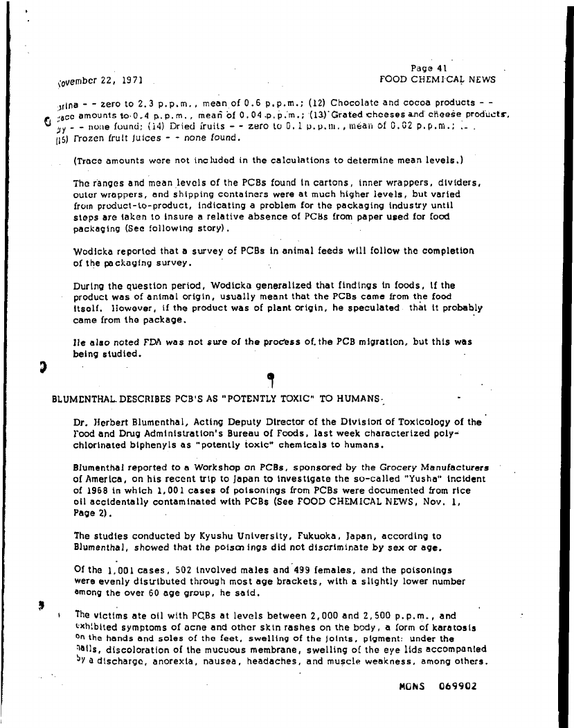
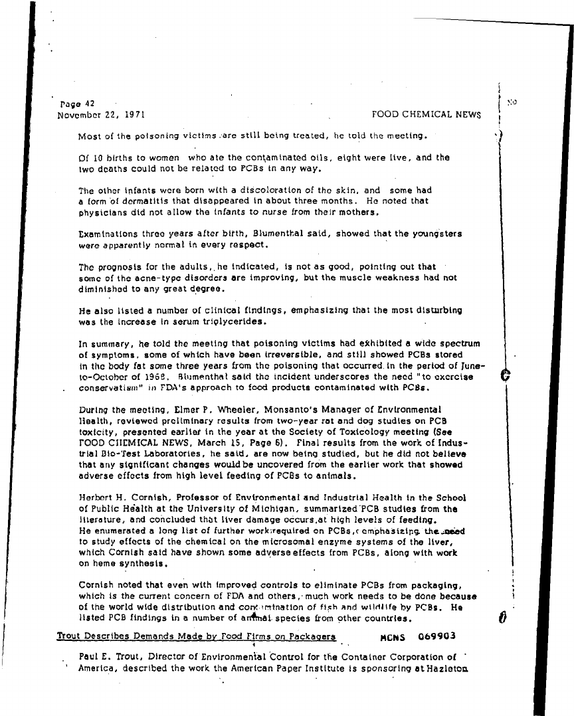
Wodlcka, Director of the Bureau of Foods, reported that the agency was finding PCBs fre quently in fish, only on occasion# hr c^qs, poultry, and milk, and:when detected in dry foods products it is almos't'always as a result of minratlon from naokanlno (See FOOD CHEMICAL NEWS, Nov. 1, Page 2).
refid# 1ggVe59MzeZpp9oow2Rg0zLO57 pages
Analysis of a second set of Mississippi River fish collected above and below the WOK plant has been com pleted.
refid# B5eX421rG1ox2b6B00k5NaZ3w11 pages
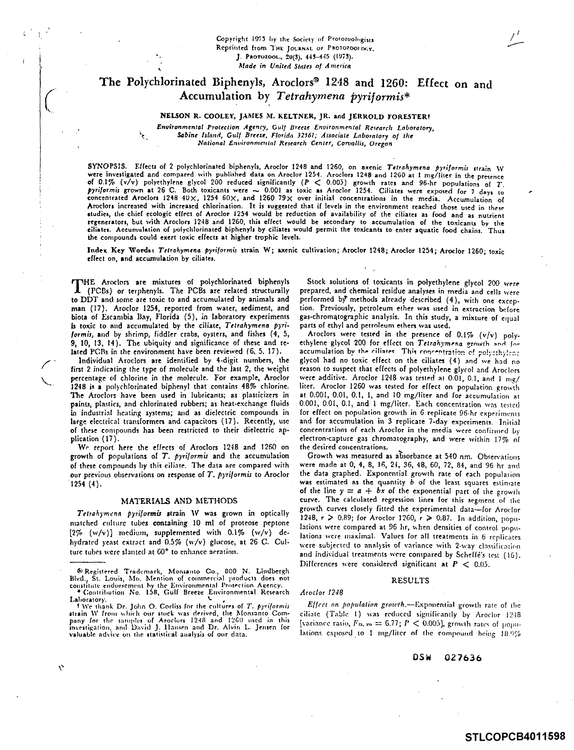
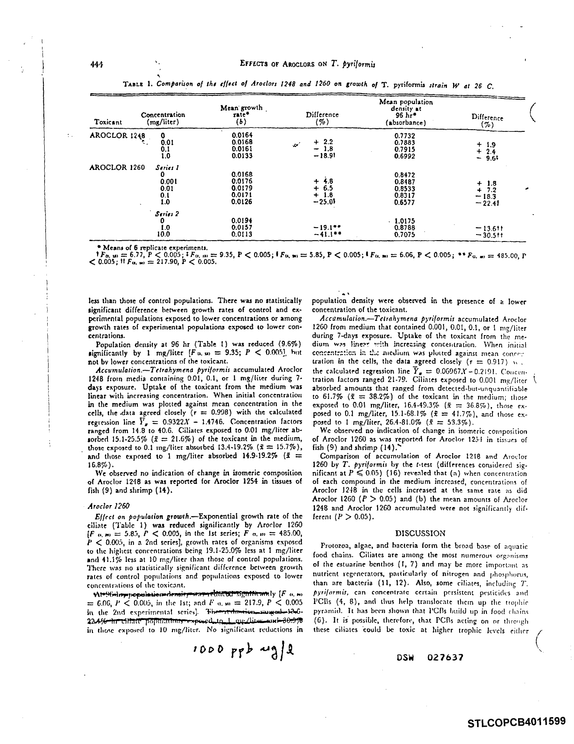
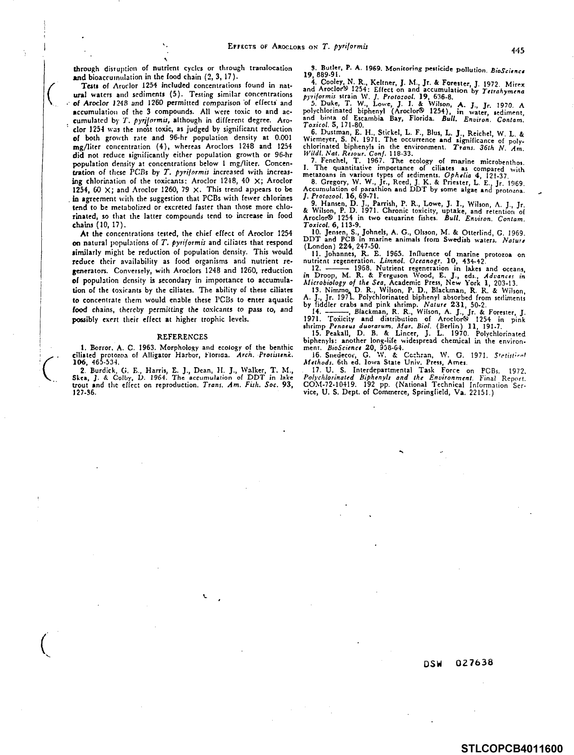
formis, and by shrimp, fiddler crabs, oysters, and fishes (4, 5, Aroclors were tested in the presence of 0.1% (v/v) poly 9, 10, 13, 14).
refid# 0JOpqEq7LOJwOab9jnLda4MxR3 pages
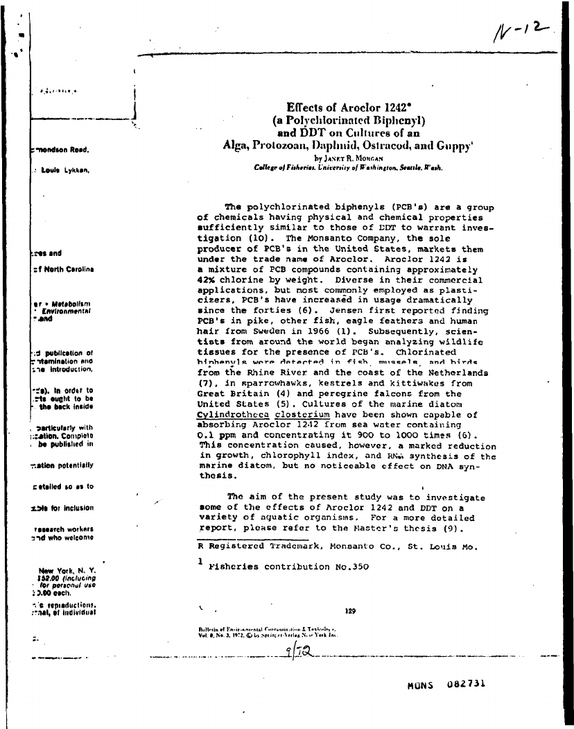
Jensen first reported finding PCB's in pike, other fish, eagle feathers and human hair from Sweden in 1966 (1).
refid# GmbOpdQMGmgvbRKGXvRJQ8wXq9 pages
Monsanto *>- W.
refid# G6DygE7YMBz4mzJ9p76Gr0Mg413 pages