Extracts from freshwater and seawater fish show fairly low amounts of PCB's, while seal blubber contains considerably more.
refid# jmdkQpOzyLN6aLQRNjKeqwLbO10 pages
At that time they did not report positive findings in fish, shell fish or other marine organisms.
refid# jgwKZaokqmop3vKmz5KnDR2ZZ13 pages
Host studies have involved fish end birds, but In view of the1 possibility that global monitoring programmes for pollutants such an organochlorineo may'to eotab f* llchod in the near future come consideration cuet be given to th types of environmental samples moot suitable for the purpose of monitoring.
refid# pBw8yJoOjgmwro7rwRjE4yMJj274 pages
{rams from )W>5, anil the fish chromatograms arc each rtnml on tlicit >mm
refid# dnMrGJx48jd7MgXJ9ZYp0a8zq24 pages
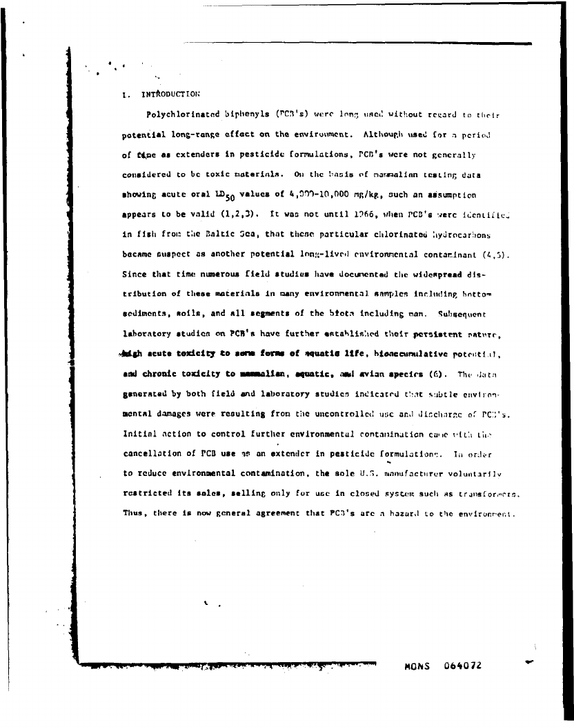
It vos not until 1066, when PCB's were idcniiiie,. in fish from the Baltic Sea, that these particular chlorinated hydrocarbons became suspect as another potential lnn};-livrd environmental contaminant (4,3).
refid# DGwNwy3MdzyqxDe5XLzZn16Od45 pages
1 J ' RATES AND ROUTES OF TRANSPORT OF PCBs IN THE ENVIRONMENT Ian C.T.
refid# RpY1xjdRX3XEkrZQb8Q2QgzY752 pages
.
refid# rxYG29eo3RDVqJM6R9dvrweLE52 pages
RATES AND ROUTES OF TRANSPORT OF PCBs IN THE ENVIRONMENT Ian C.T.
refid# MMLnNYqXMd6VajV23a4nvq73M52 pages
i mm 3i VjM-:. jlfffiM It V'' :V f V: .. .,
refid# O32J8n0kK1jp7bZ5Bkxm7YvnM44 pages
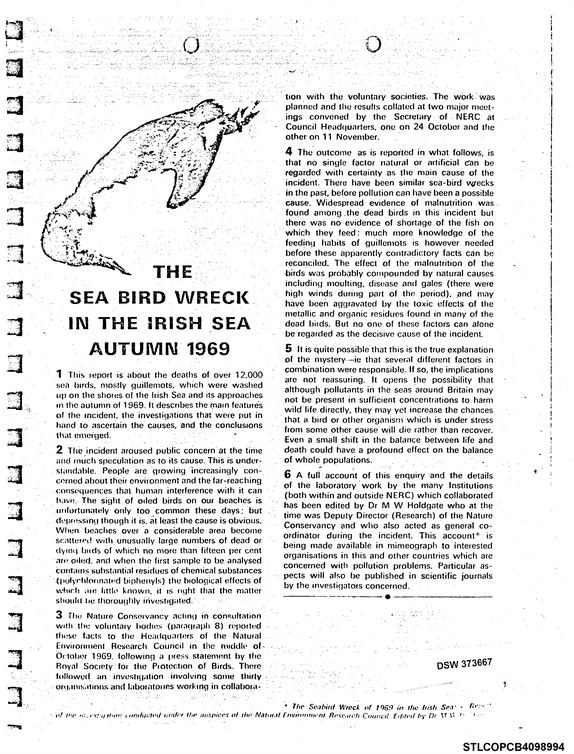
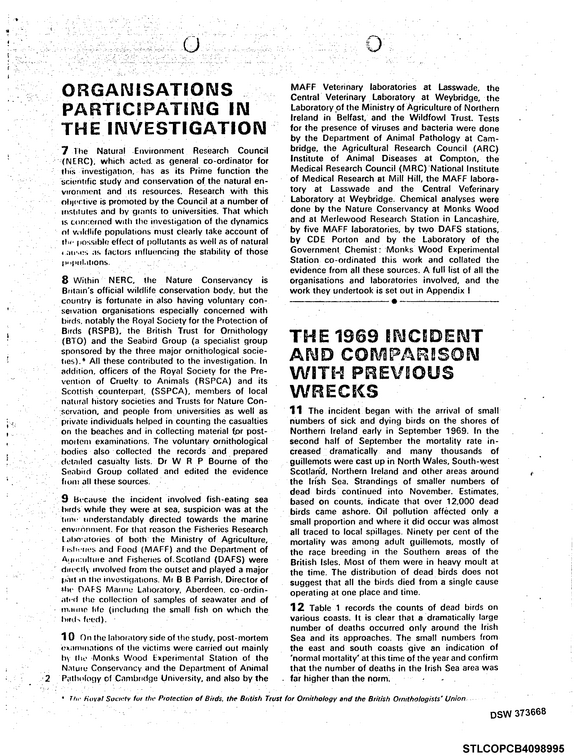
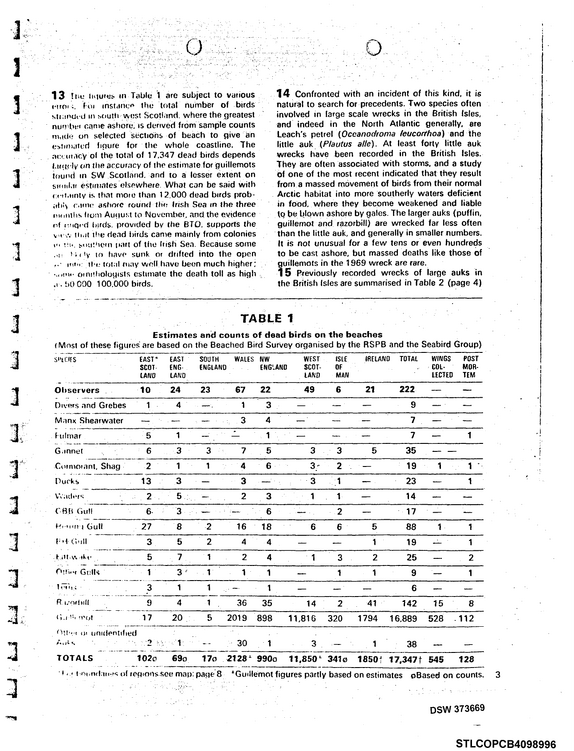
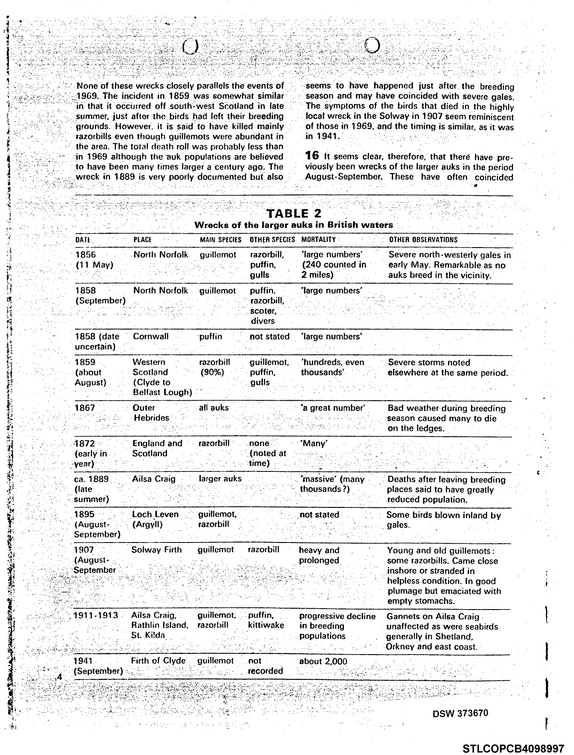
Dr W R P Bourne of the Seabird Group collated and edited the evidence fiom all these sources. 9 Because the incident involved fish-eating sea birds while they were at sea, suspicion was at the time understandably directed towards the marine environment.
refid# NEar586L10DMZdmNzVdnyGXrw17 pages
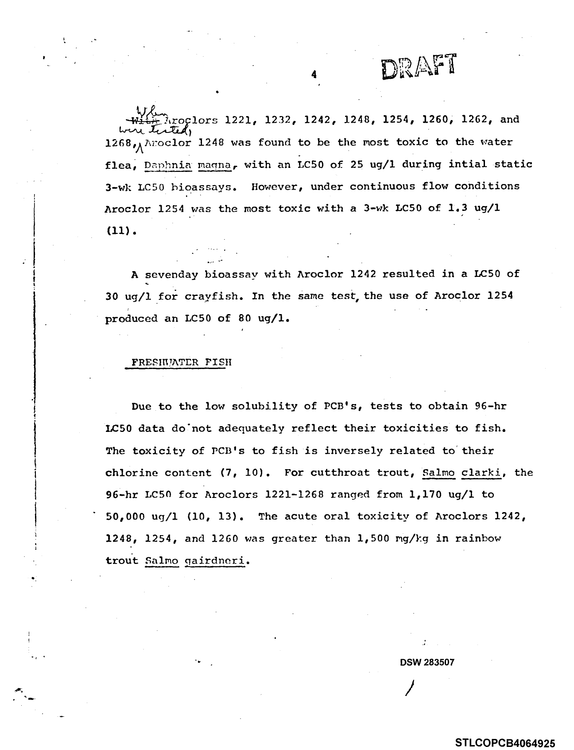
FRESHWATER FISH Due to the low solubility of PCB's, tests to obtain 96-hr LC50 data do'not adequately reflect their toxicities to fish.
refid# 10kNQGRr4kNxO4nRGwp0xgjEK46 pages
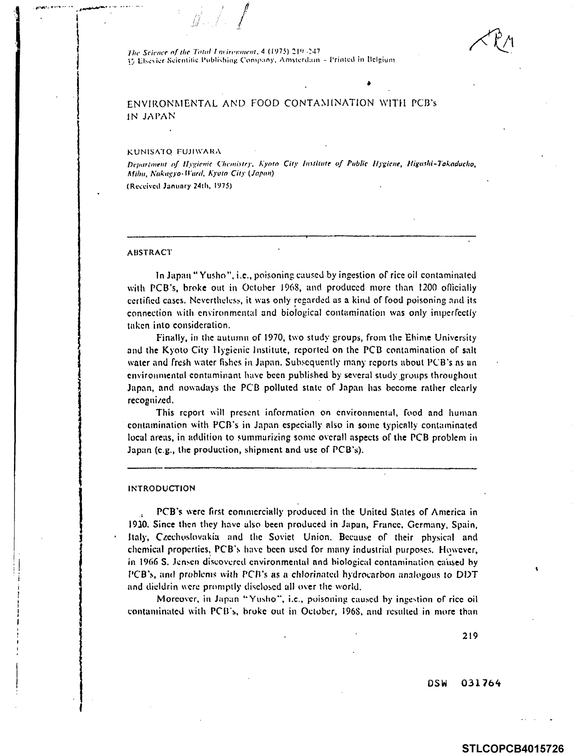
Finally, in the autumn of 1970, two study groups, from the Ehime University and the Kyoto City Hygienic Institute, reported on the PCD contamination of salt water and fresh water fishes in Japan.
refid# 1ygOXajZyjwnxMq8Ma8ak07EE29 pages
.
refid# 6BZZgEDDenjkV3Dwogw2YROYo156 pages
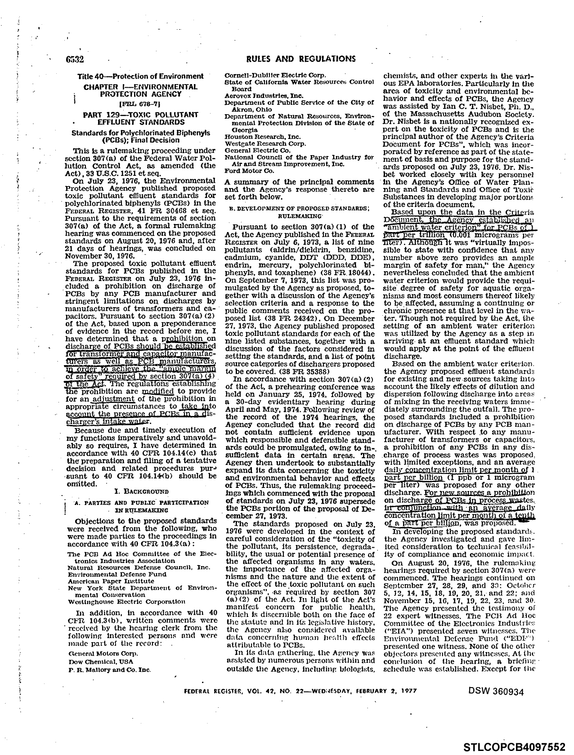
f WEDNESDAY,' FEBRUARY. 2, 1077 PART VI ' ENVIRONMENTAL PROTECTION AGENCY POLYCHLORINATED BIPHENYLS (PCBs) 307.i Toxic Pollutant Effluent Standards DSW 380933 STLCOPCB4097551 6532 RULES AND REGULATIONS Title 40--Protection of Environment CHAPTER I--ENVIRONMENTAL ; PROTECTION AGENCY ' [PUL 67ft-7J PART 129--TOXIC POLLUTANT .
refid# O1JK4mV0L08D1kkdNDvjgyVgp25 pages
Kink farmers have had reason to deplore the high ueceptibillty of their animale to the levels of PCBe found in seme types of fish from the Great Lakes, while some PCBe (52-54# chlorine) adversely affbot hatchabillty in chicks.
refid# gaz2normg8kn8jb3JjG9R182311 pages